













De får fem stjerner, men kun fordi de sidder dejligt.
Det er jo sommer lige nu, så ved jo ikke hvordan de fungerer til vinter, når der er koldt.
Min häst gillar den och det är bra att ha ett lock som skyddar maten när det dammar
Filters
15 products


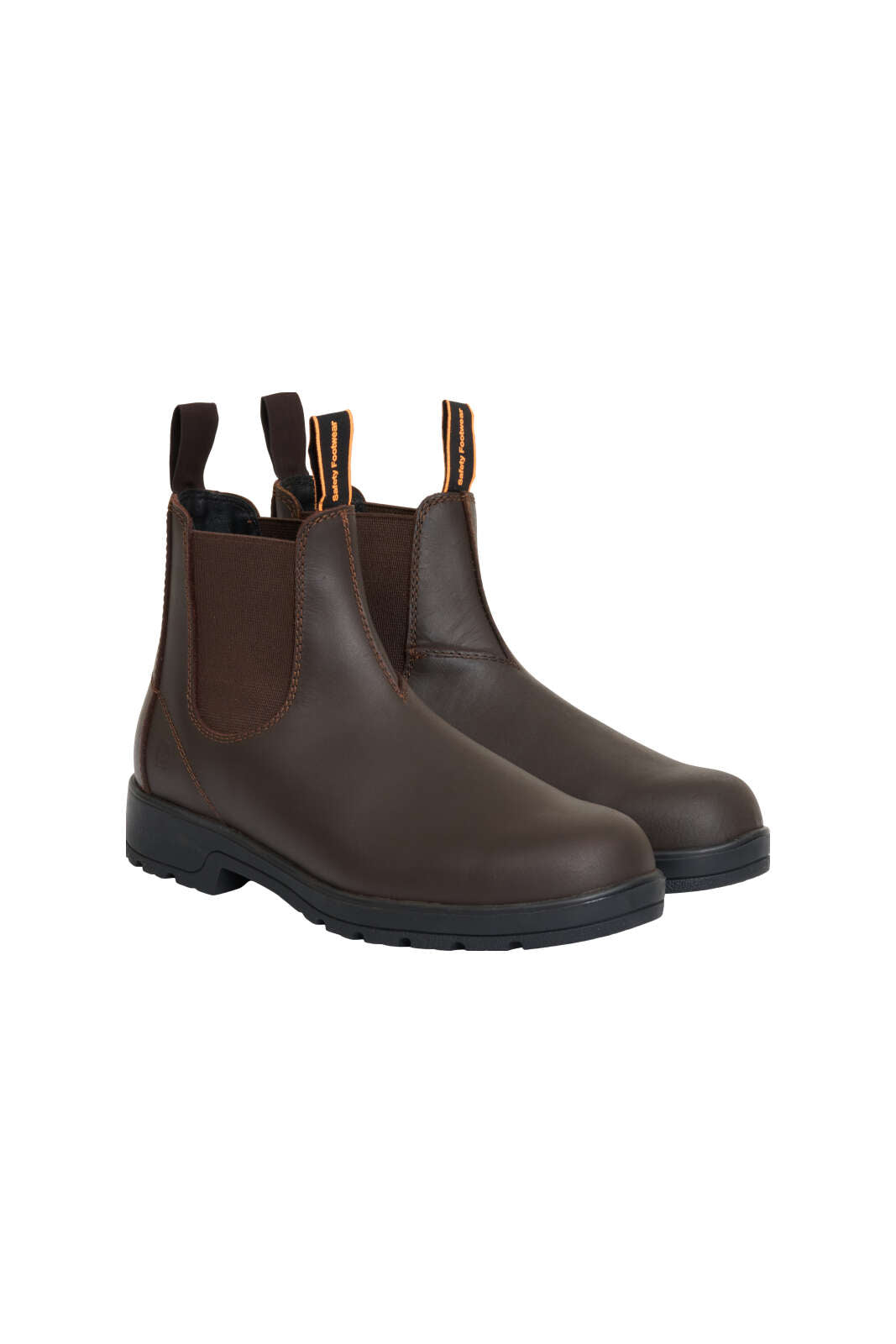
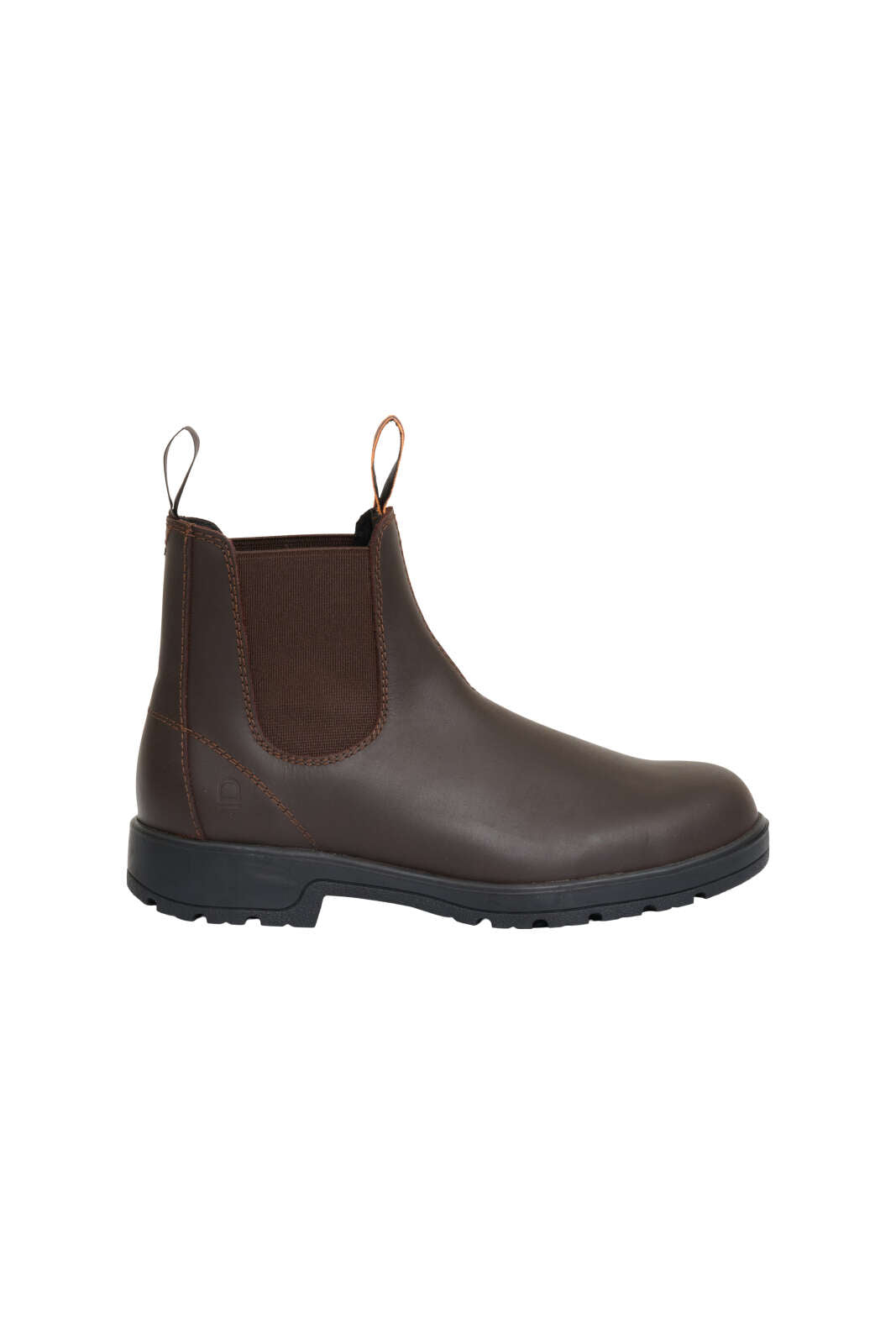
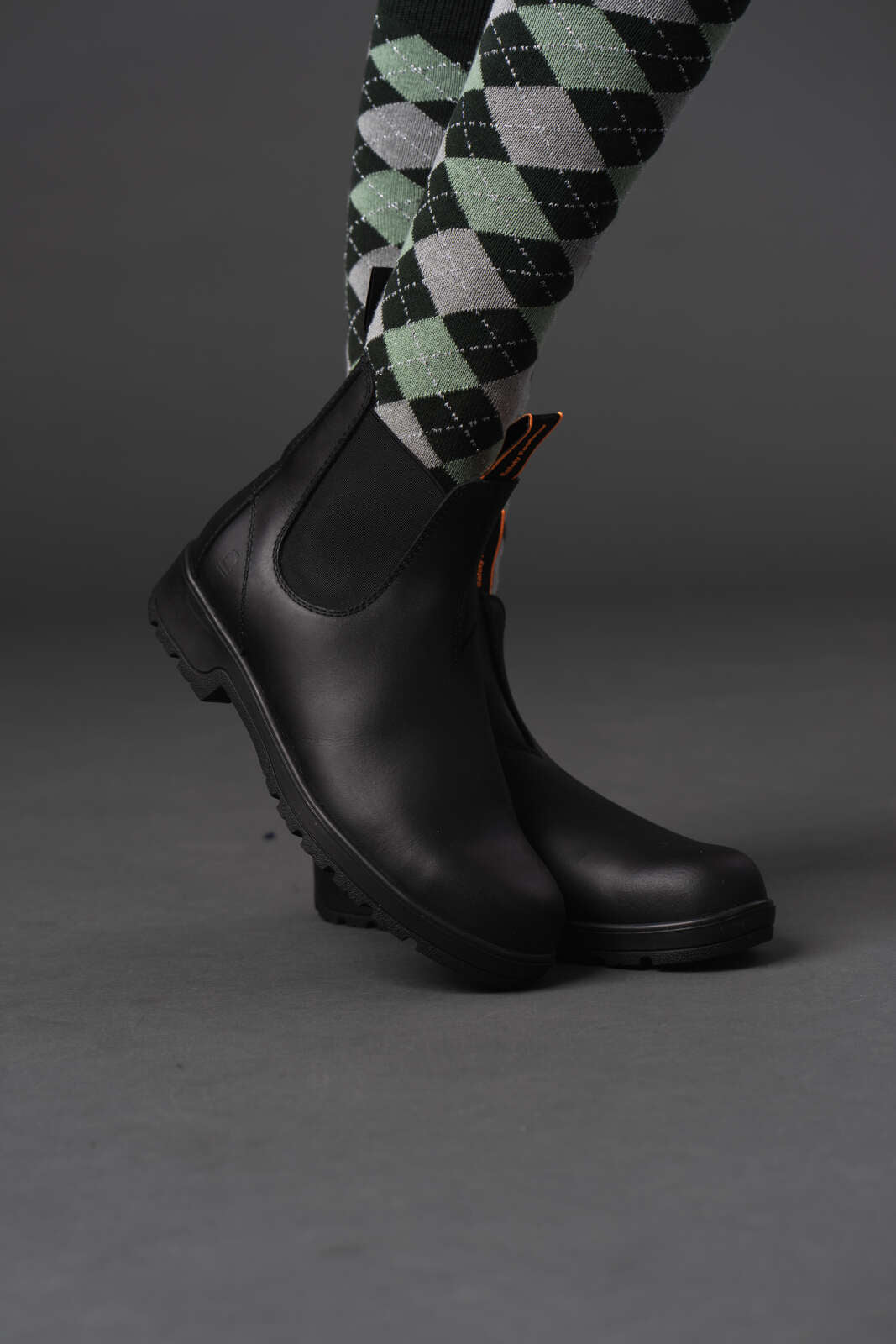
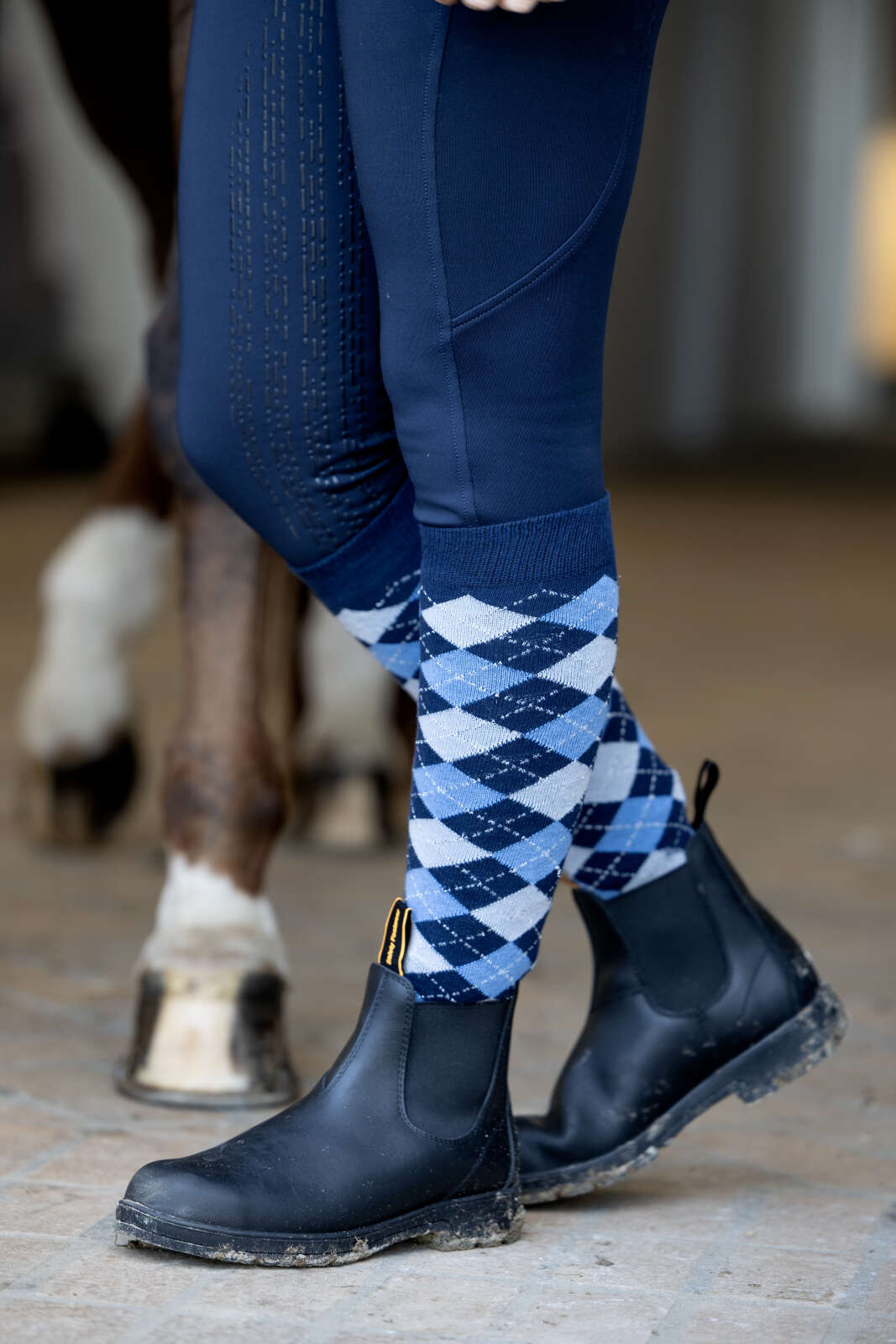
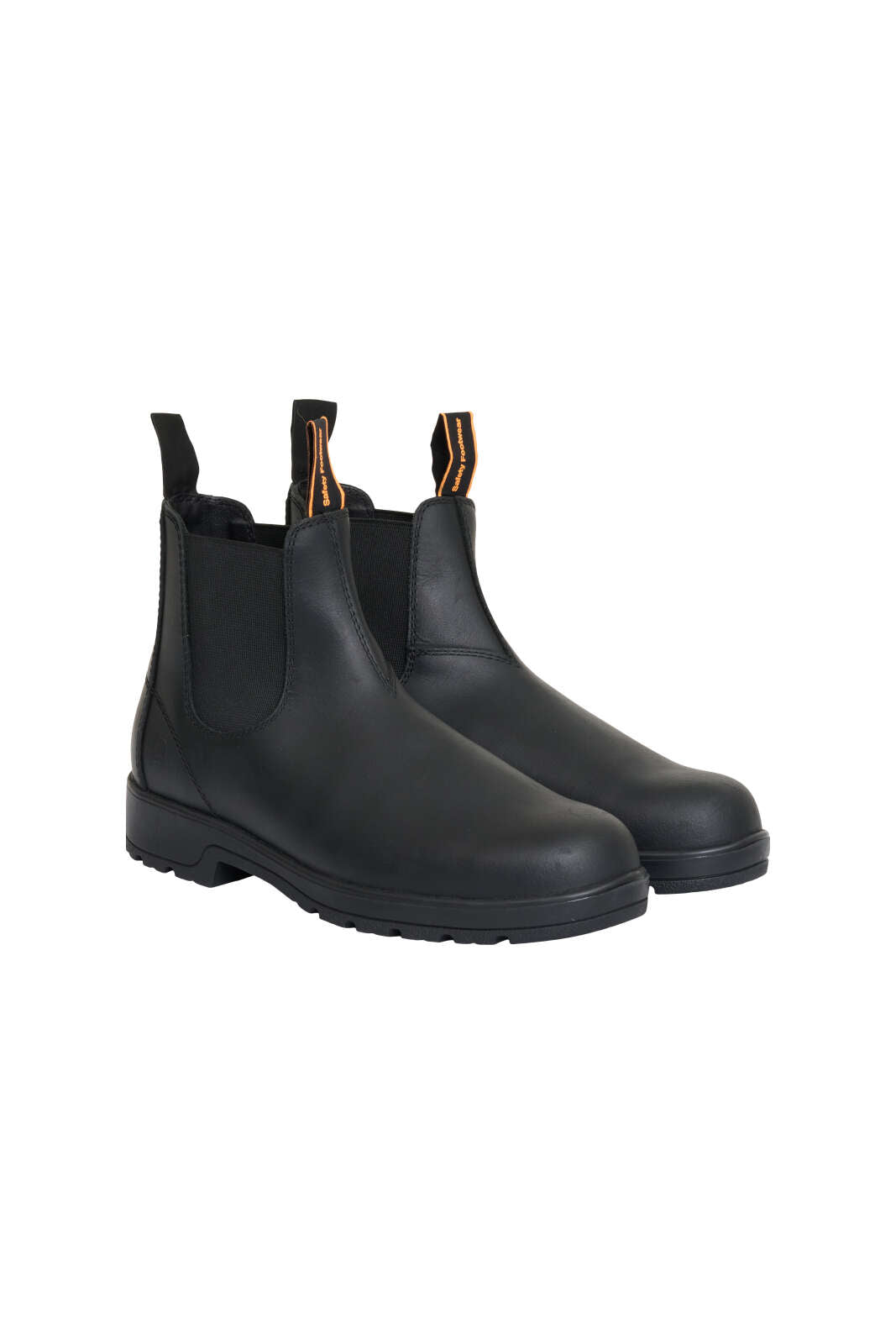
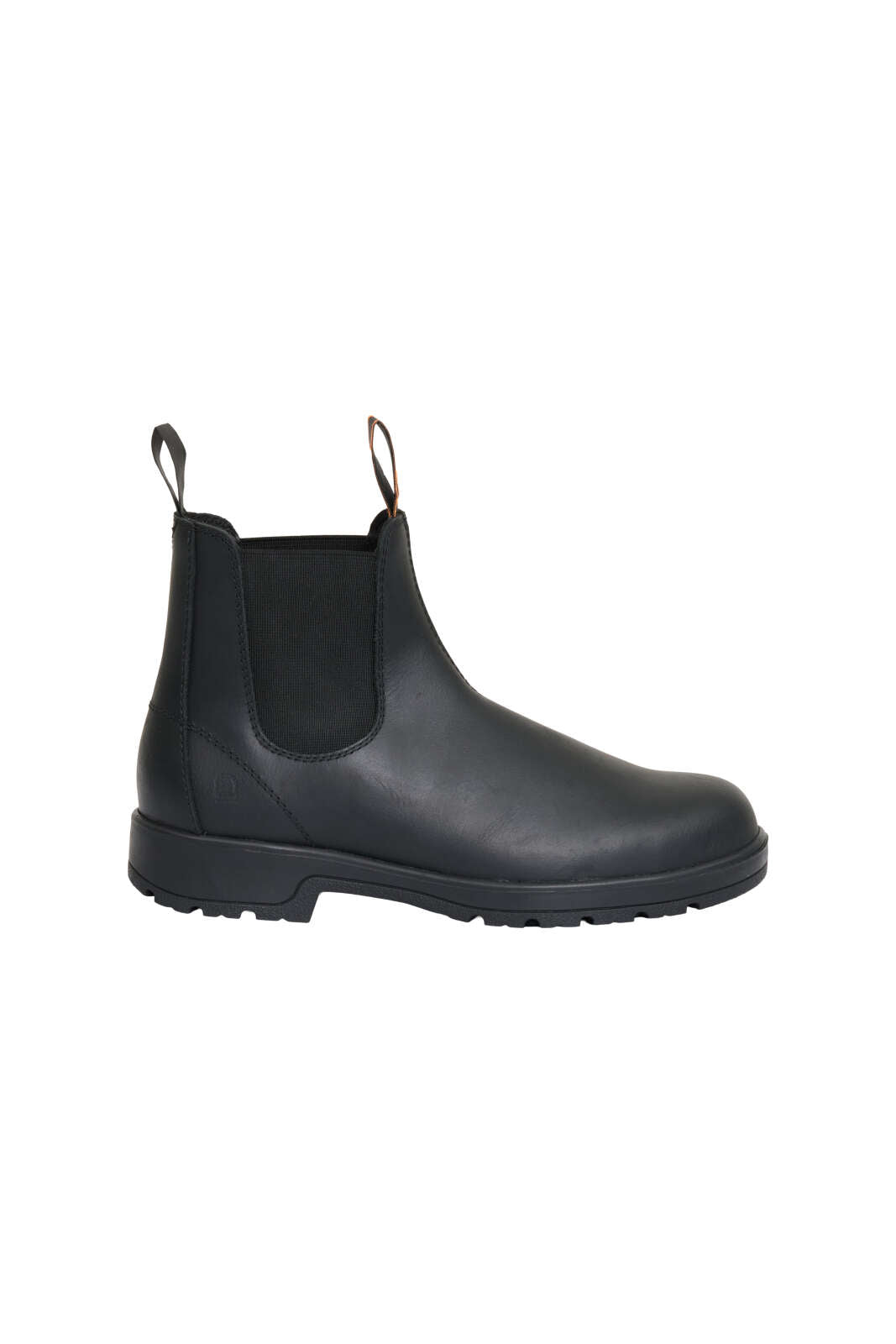
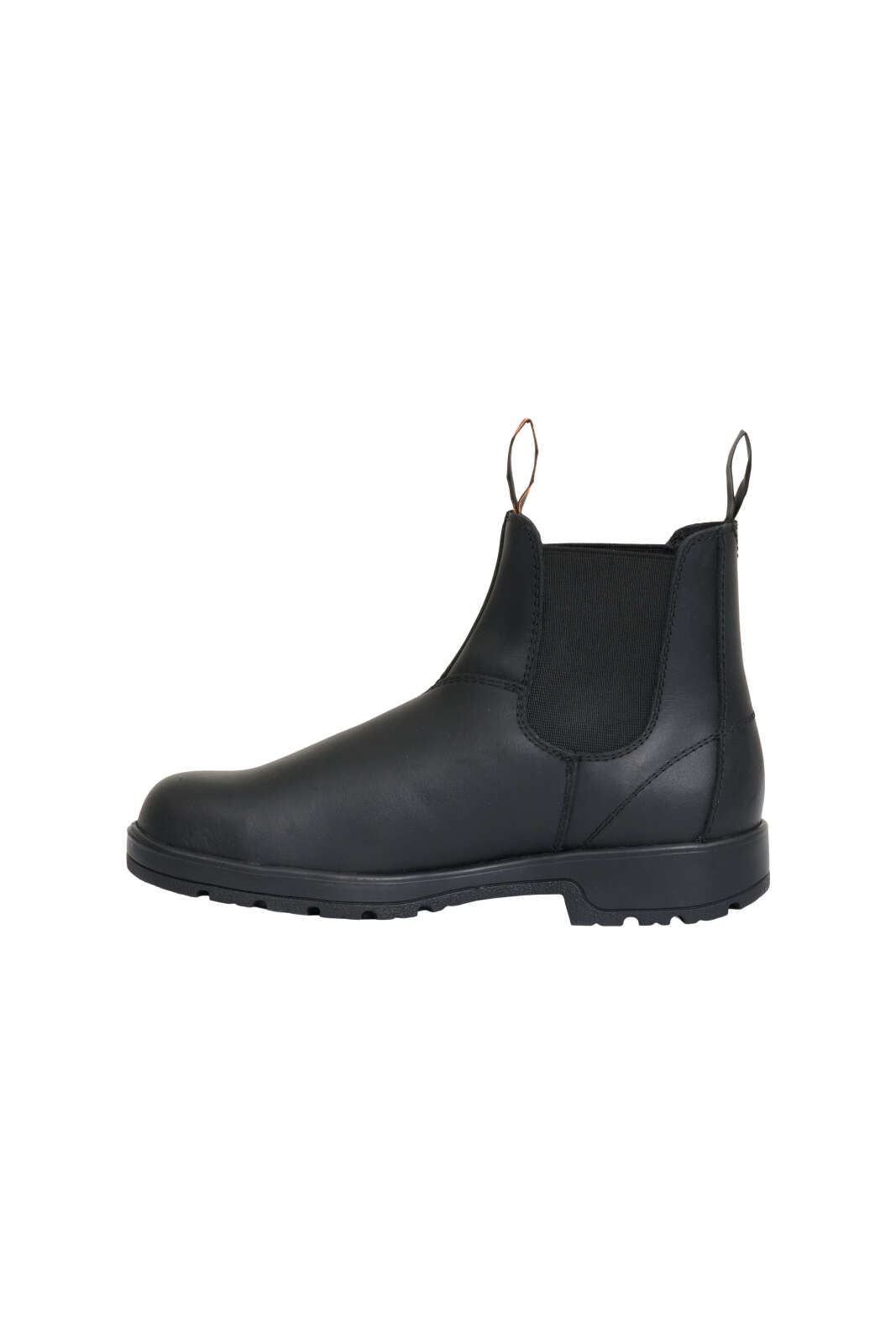
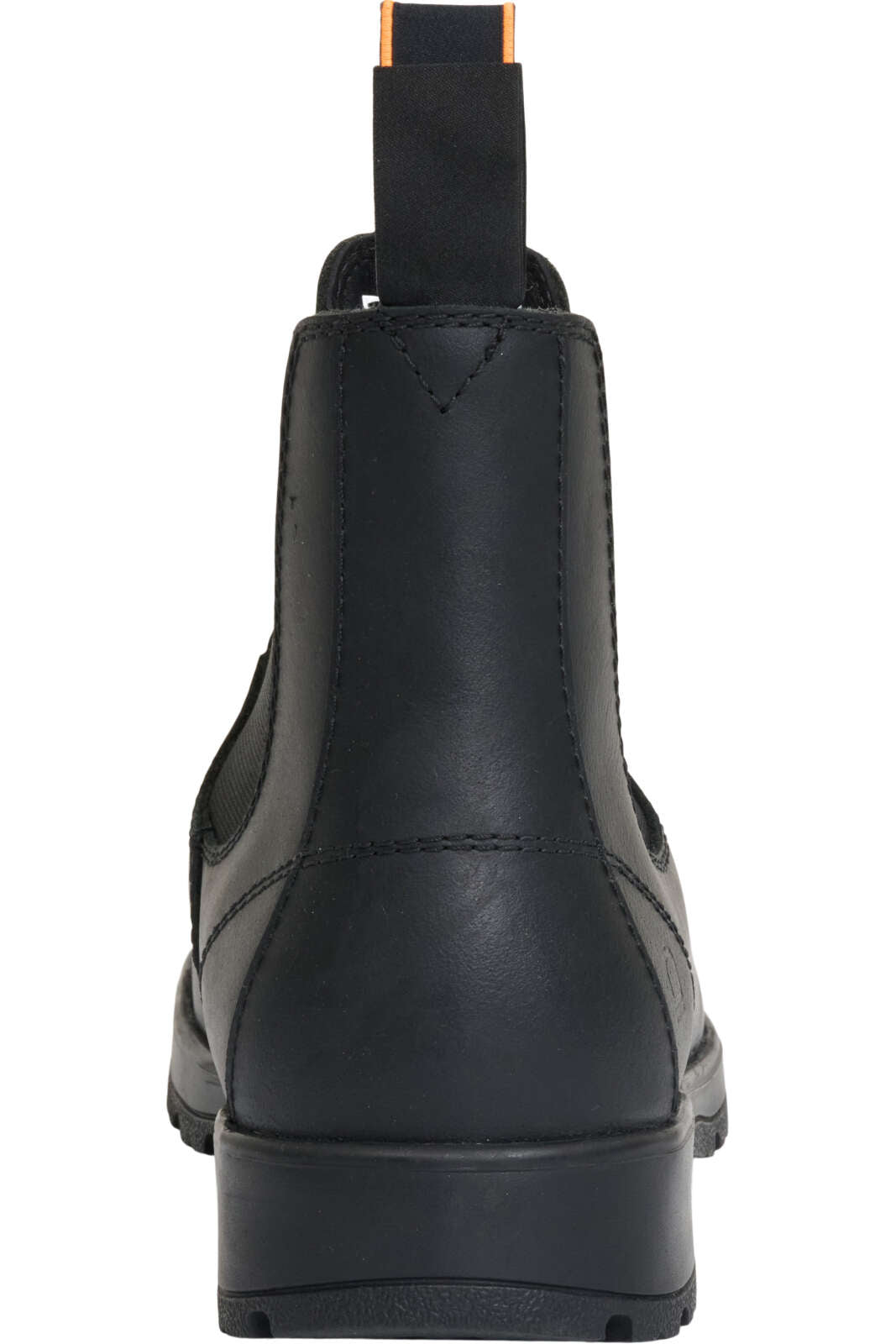
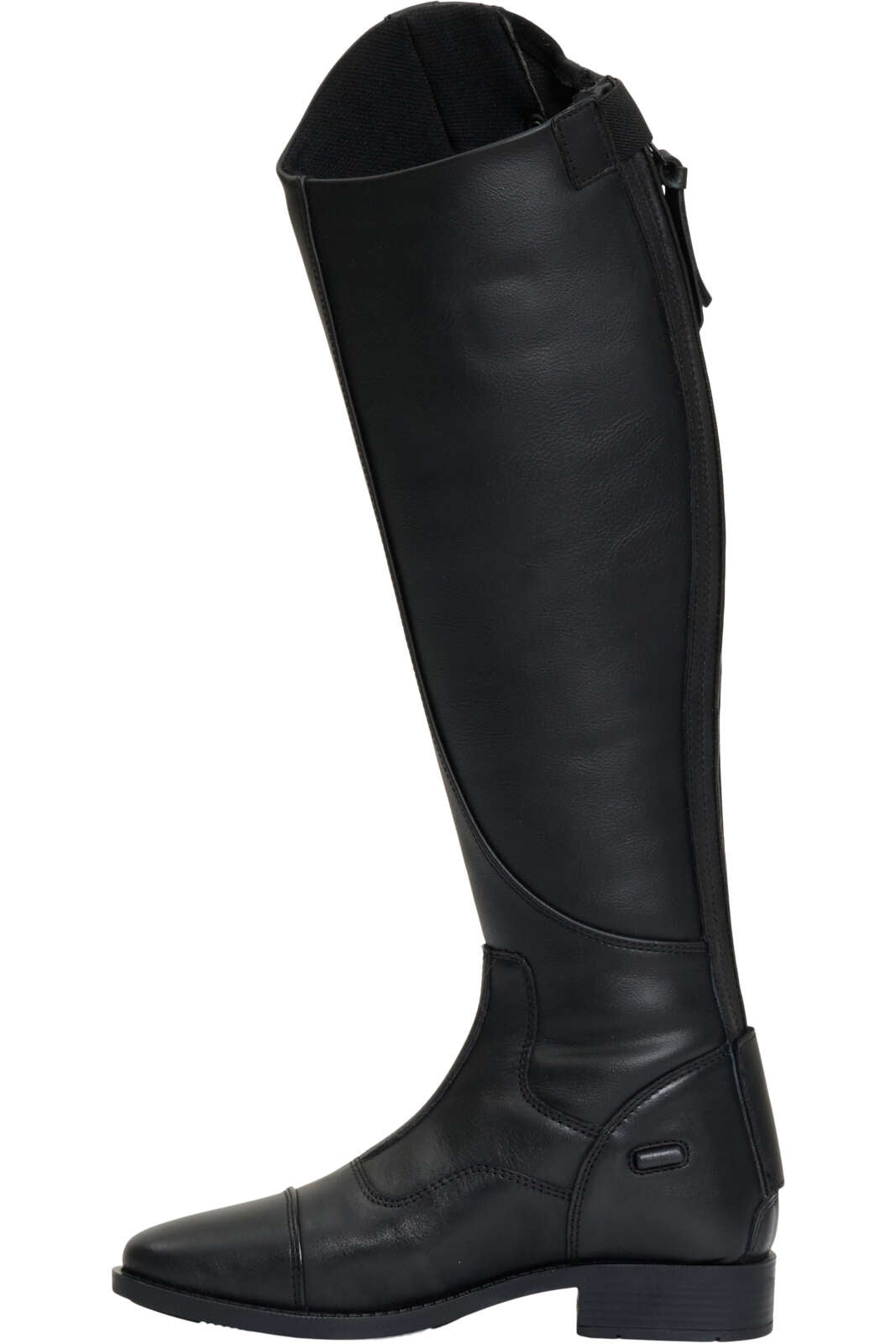
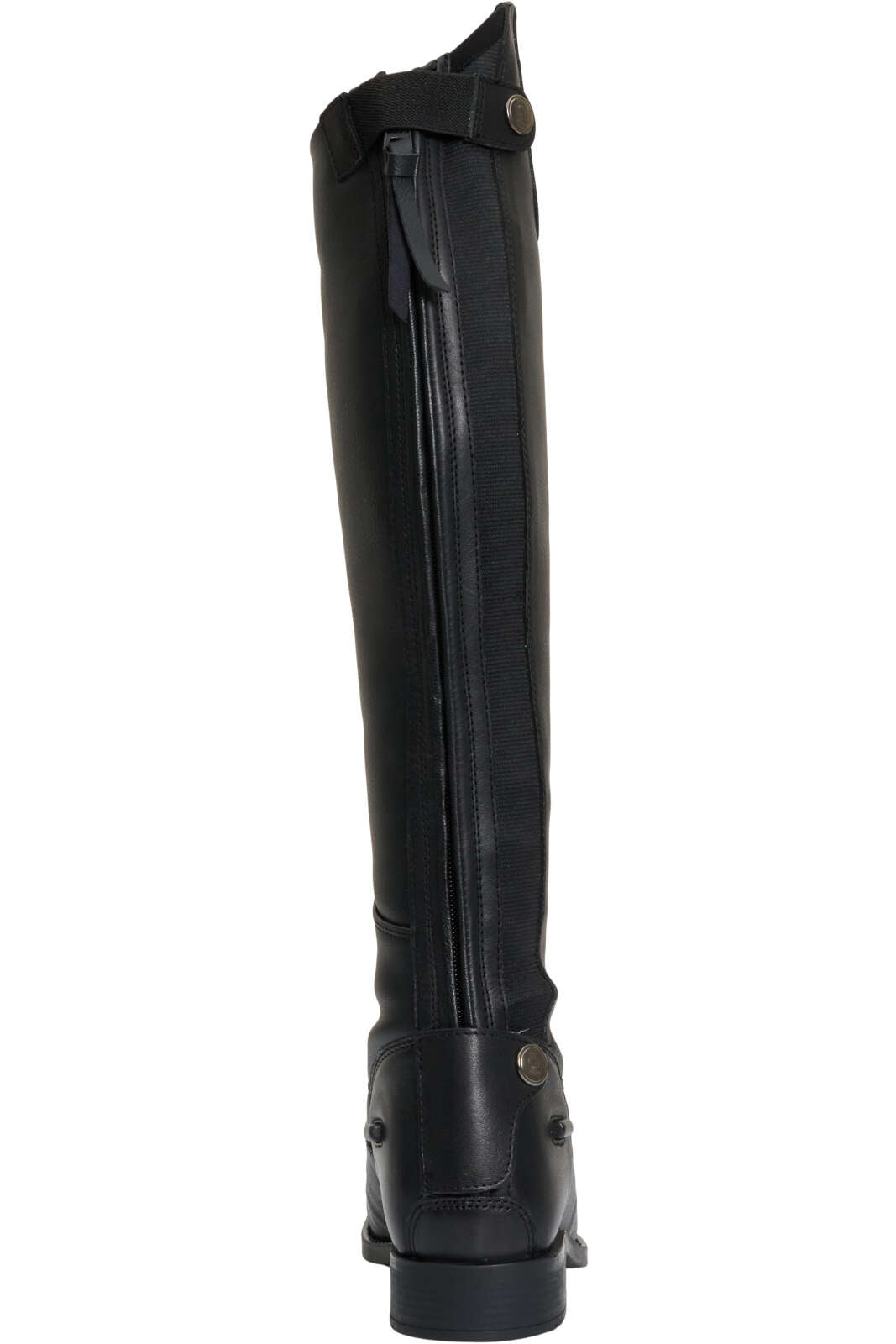
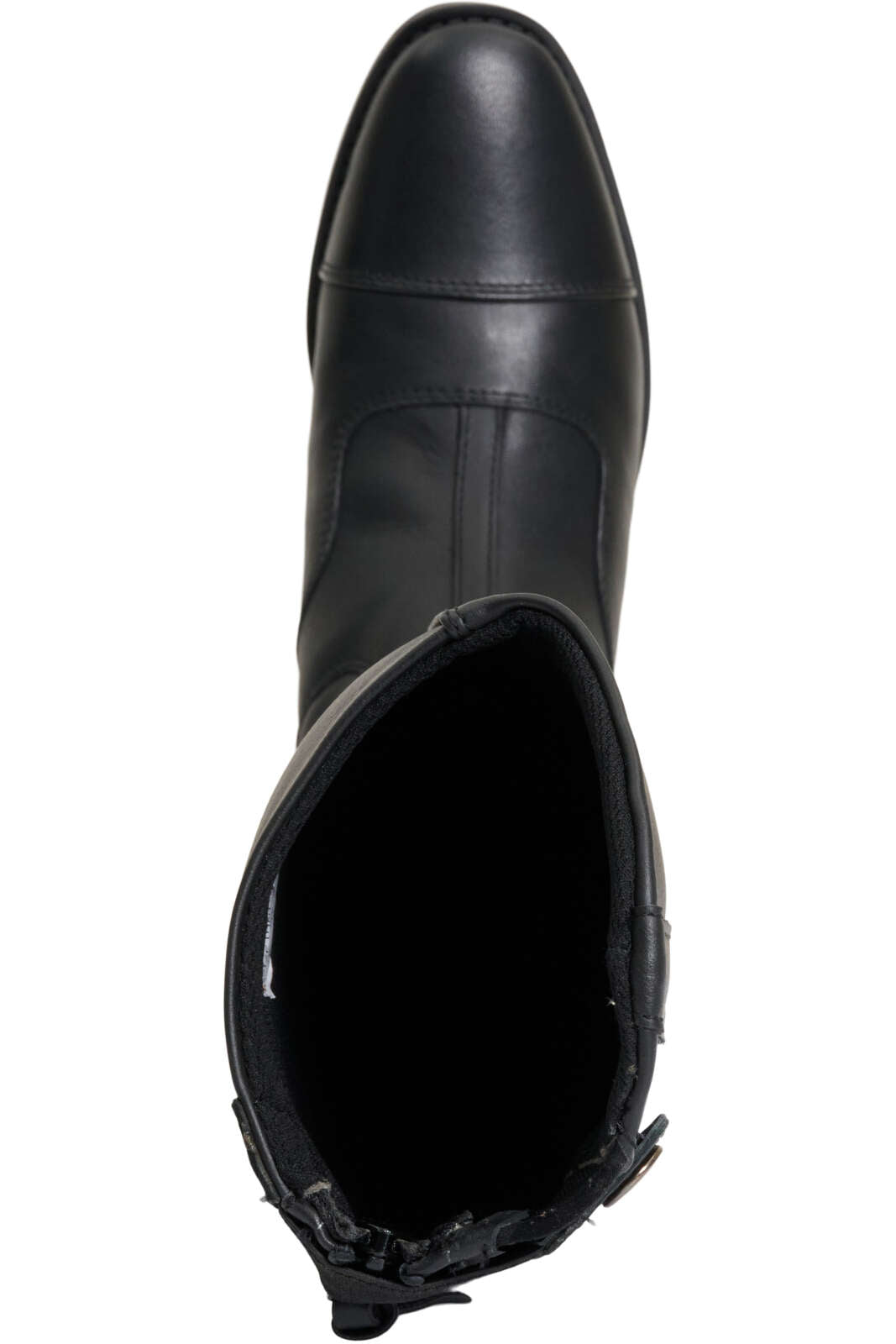
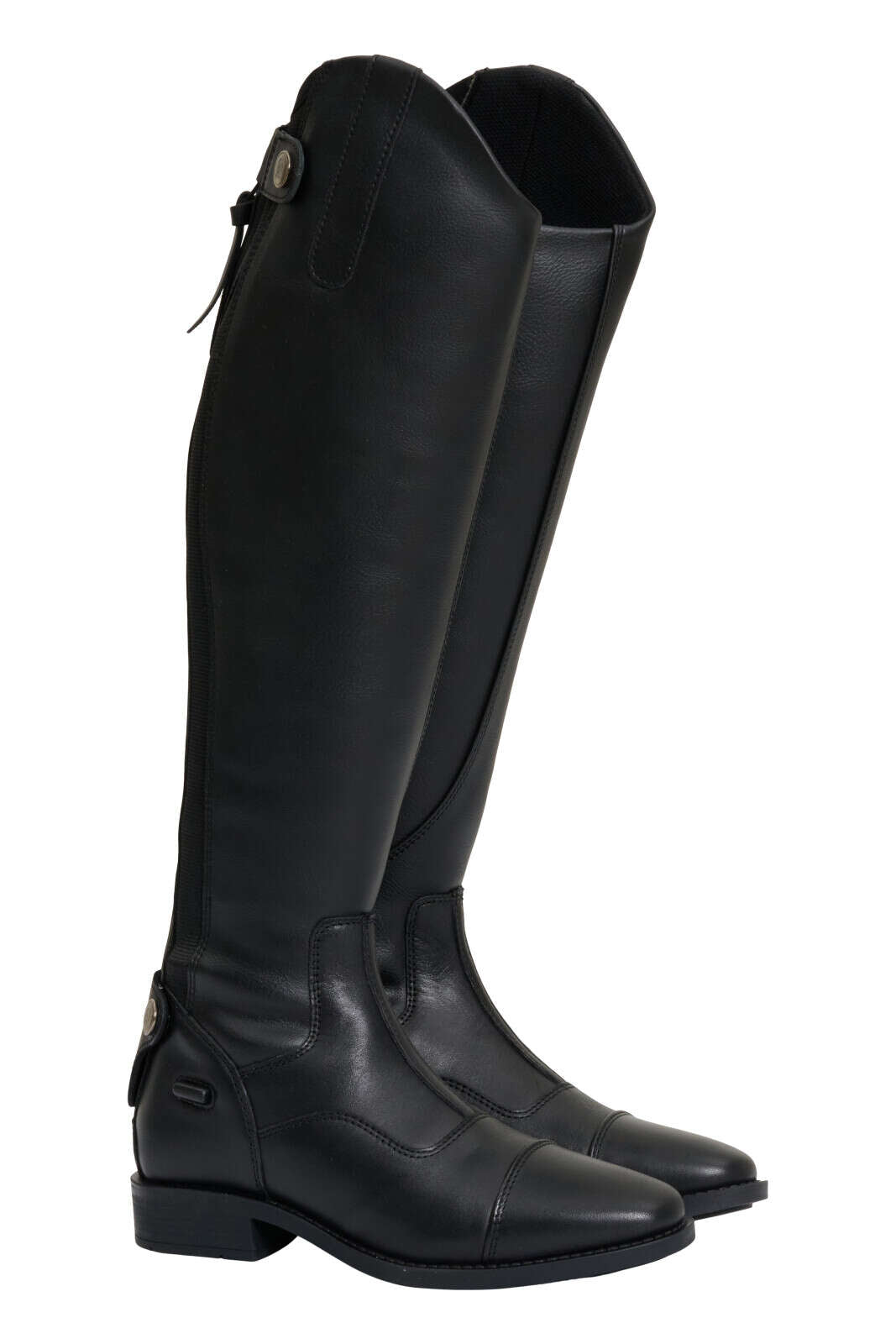

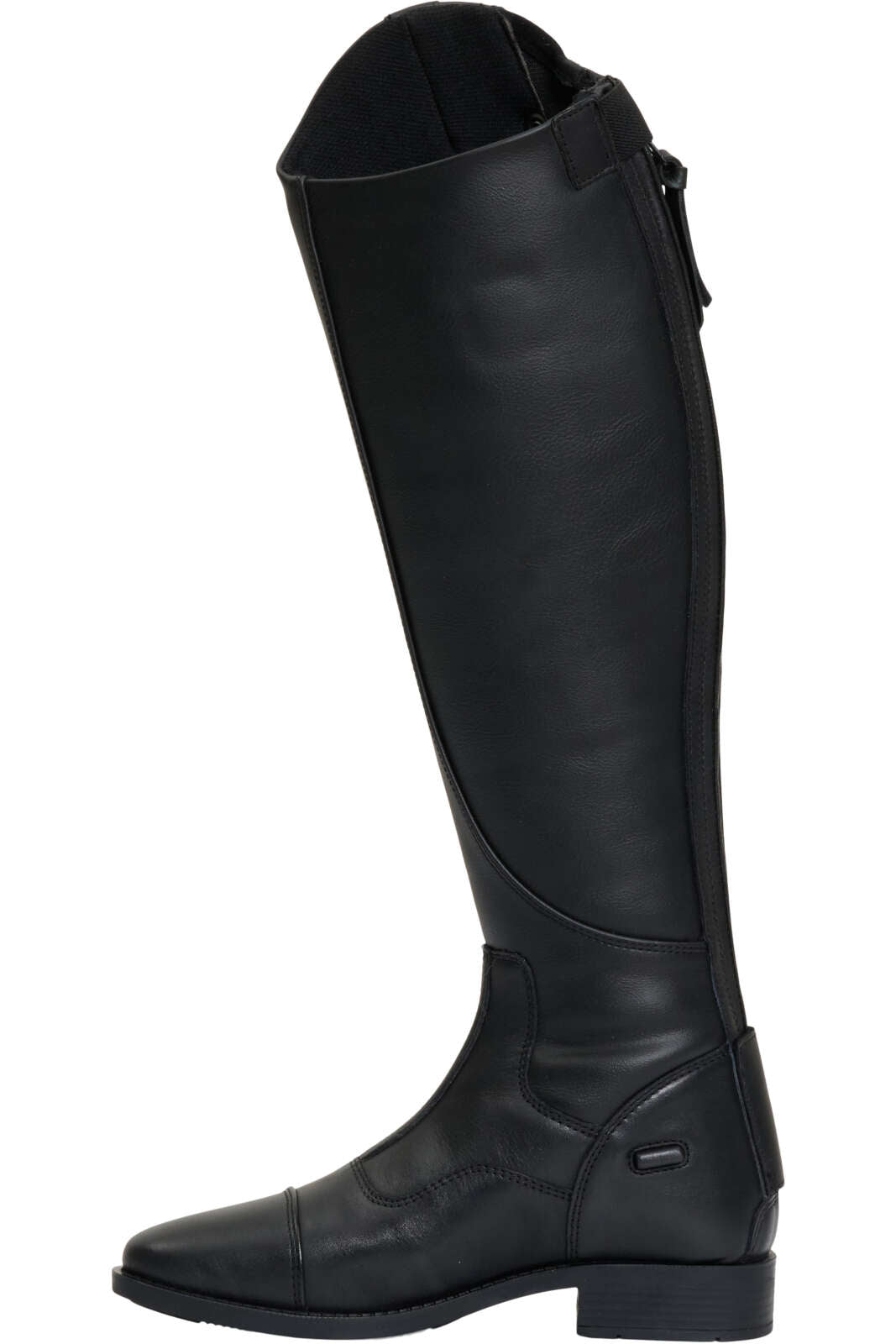
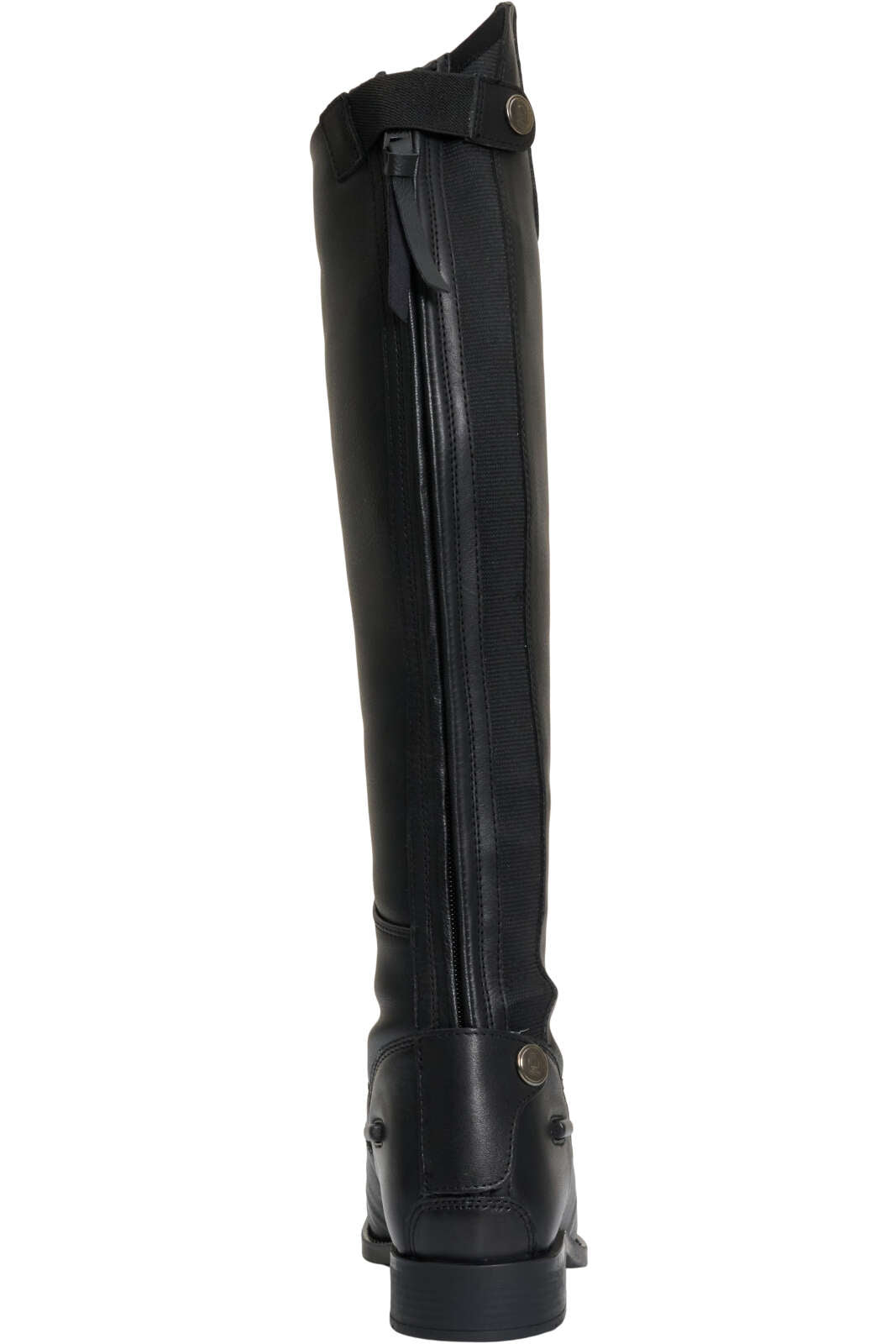
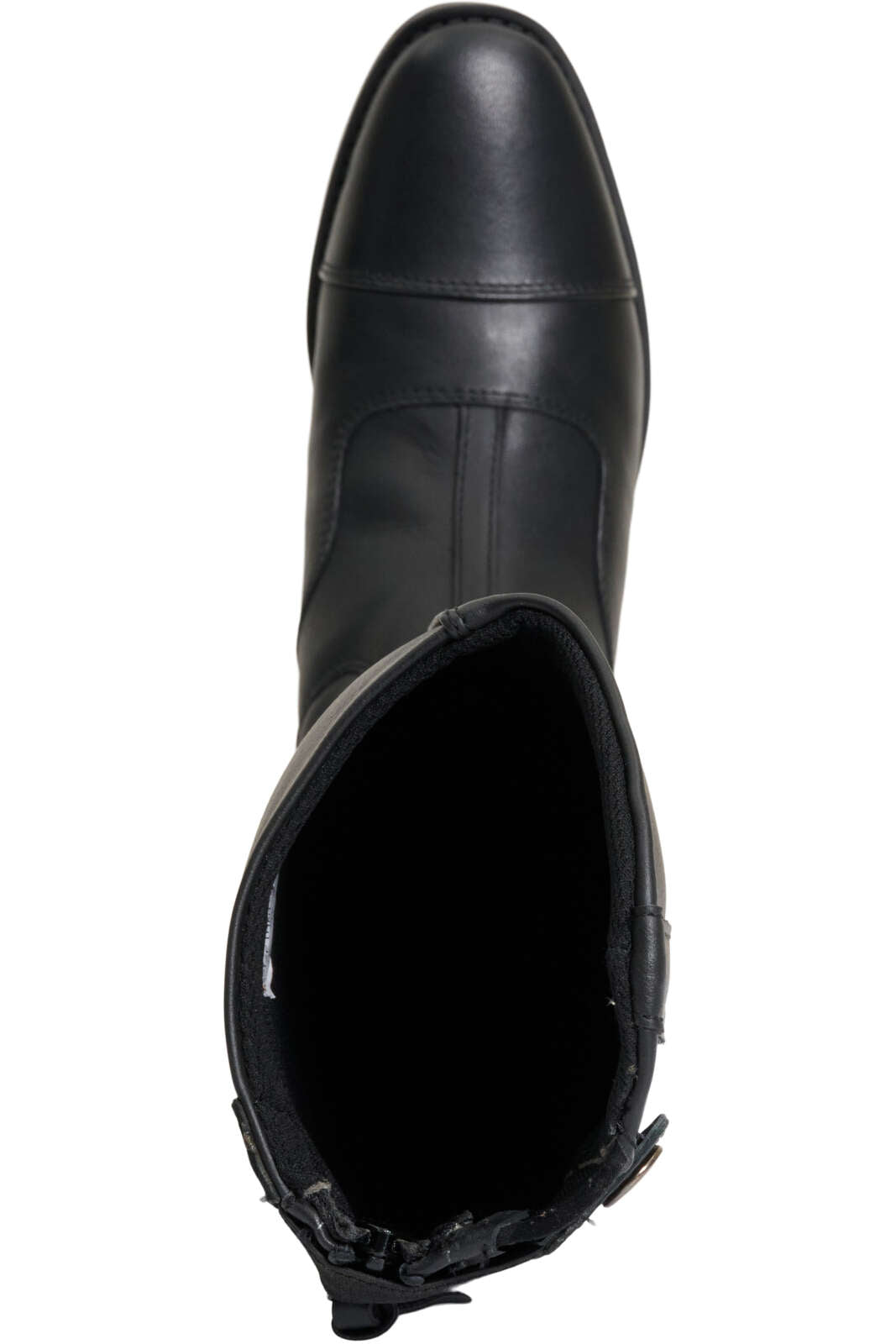
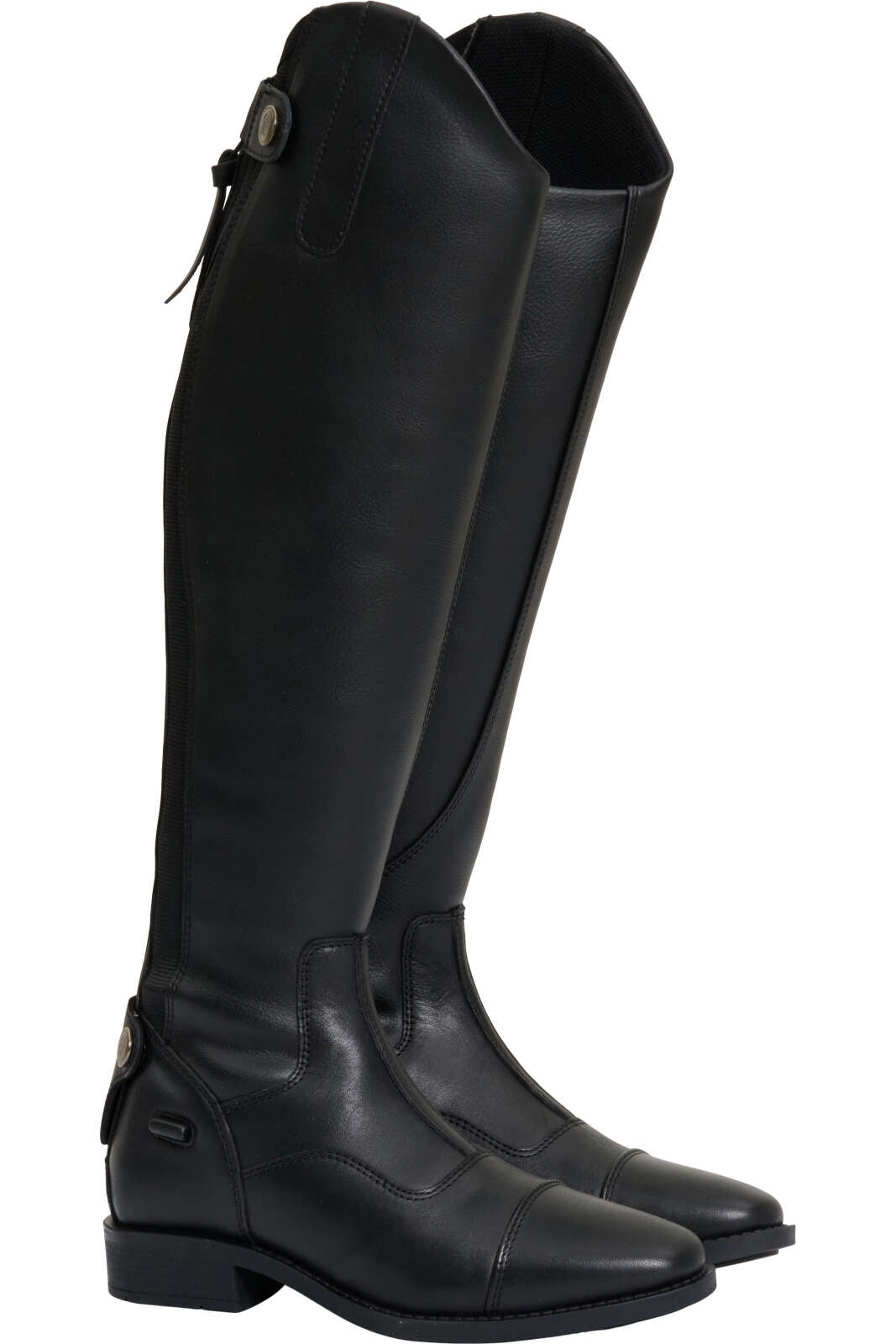
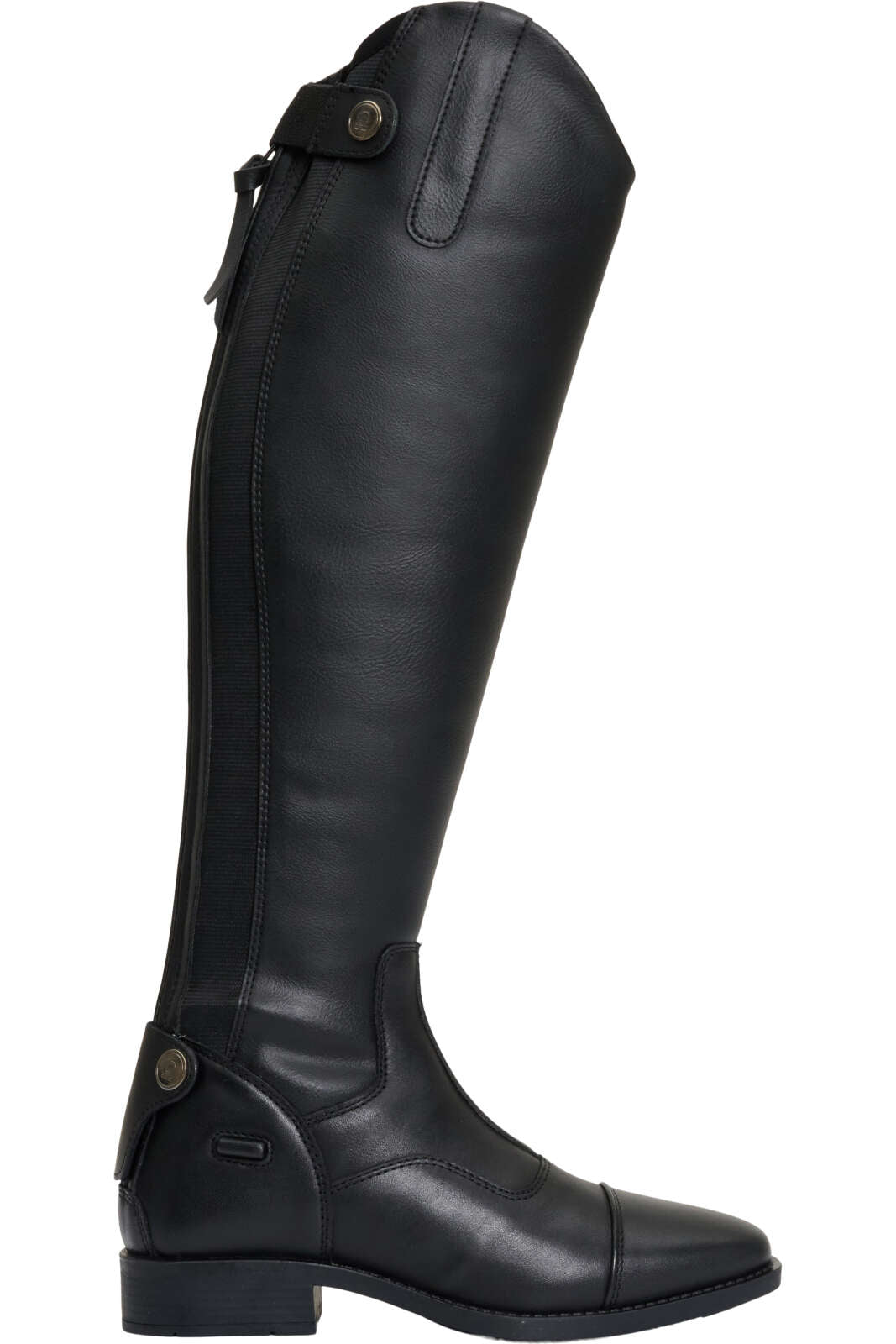
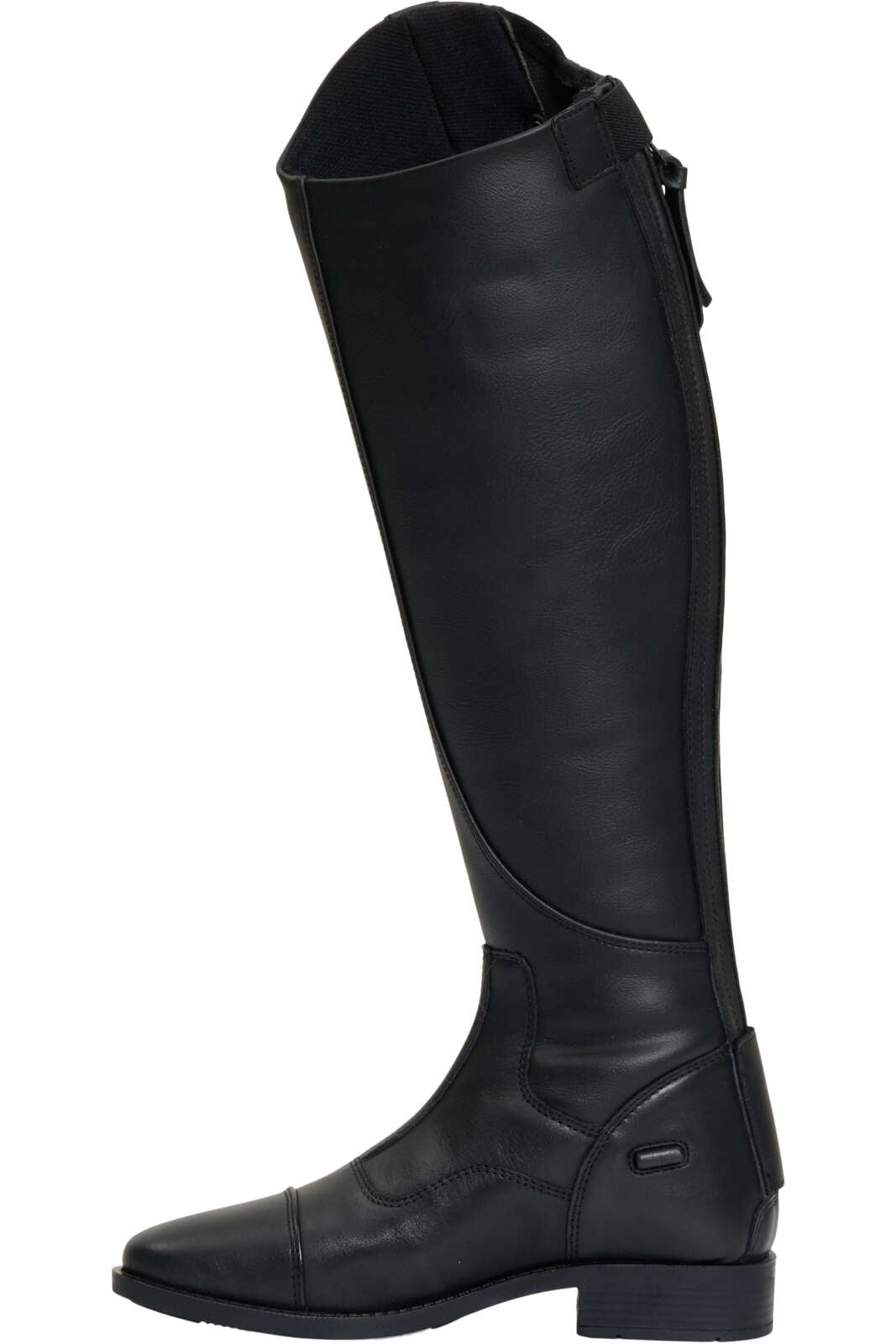
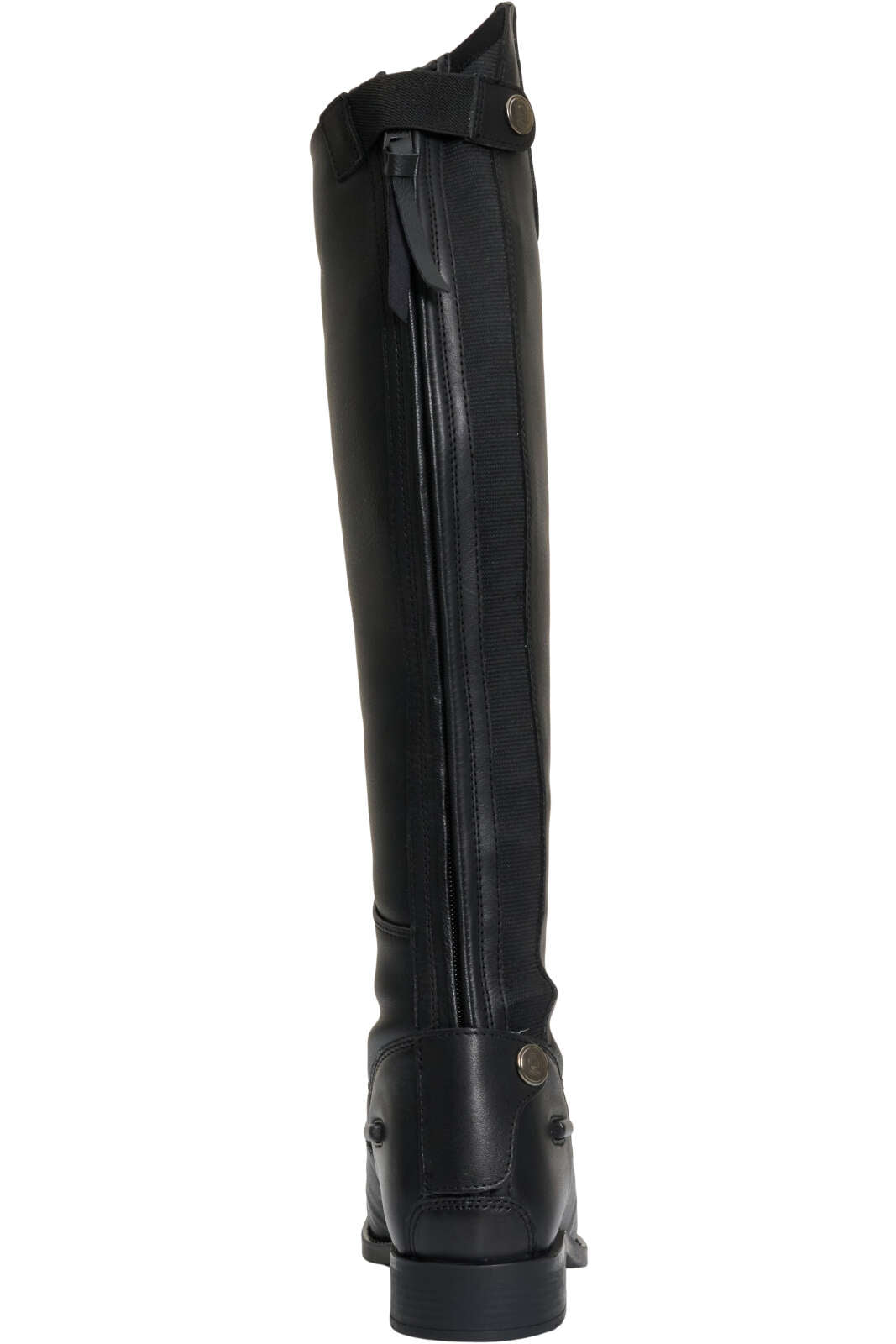
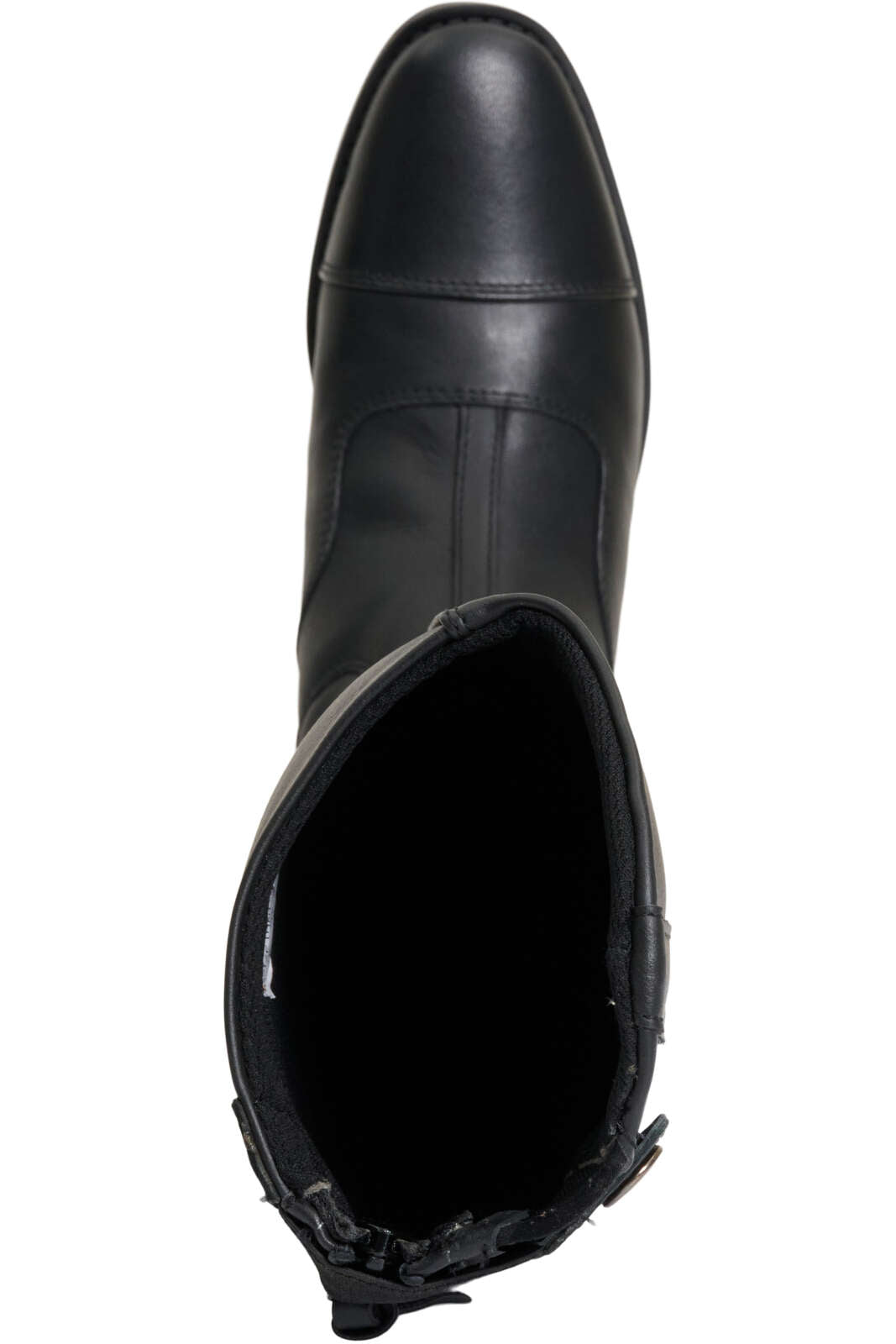
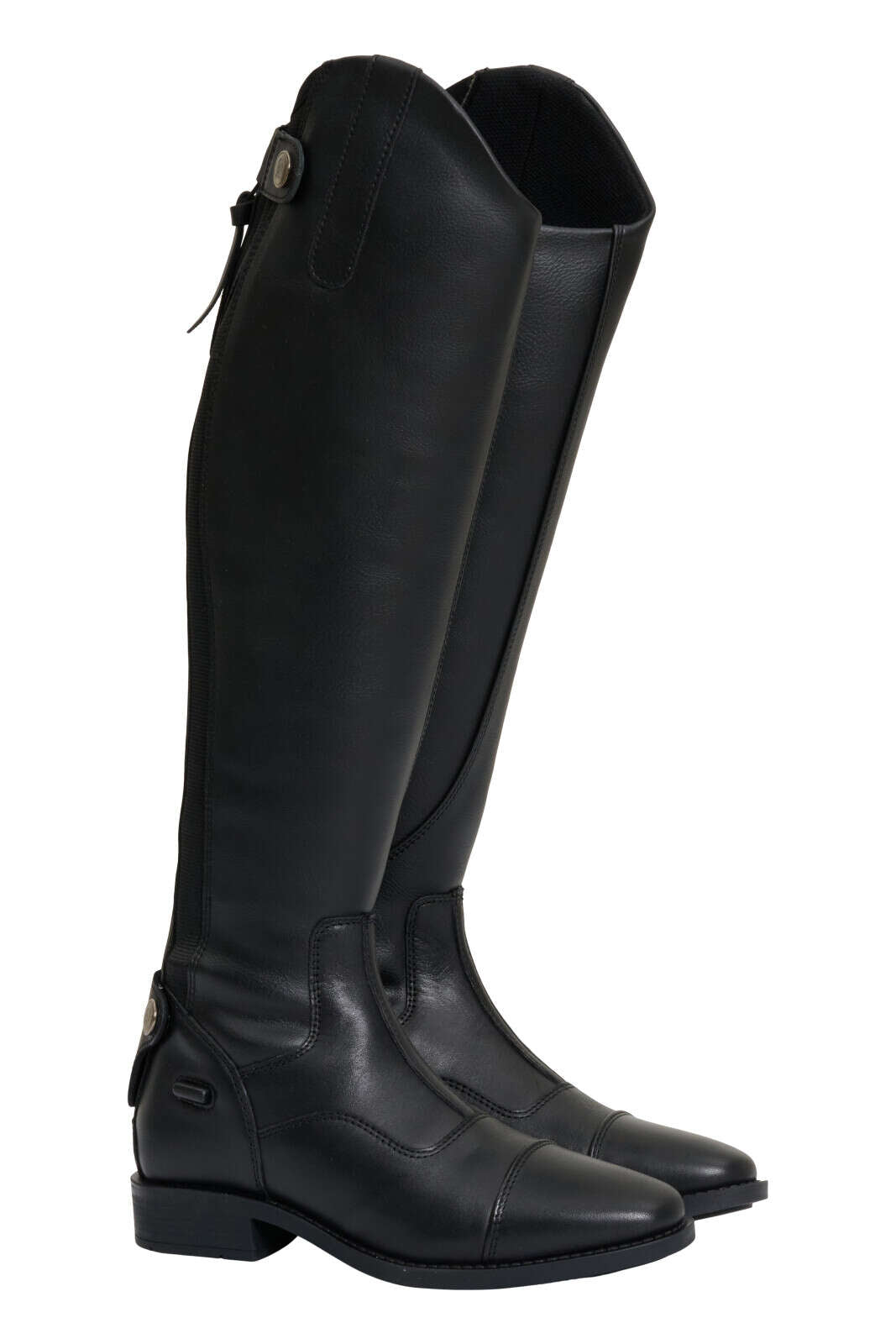
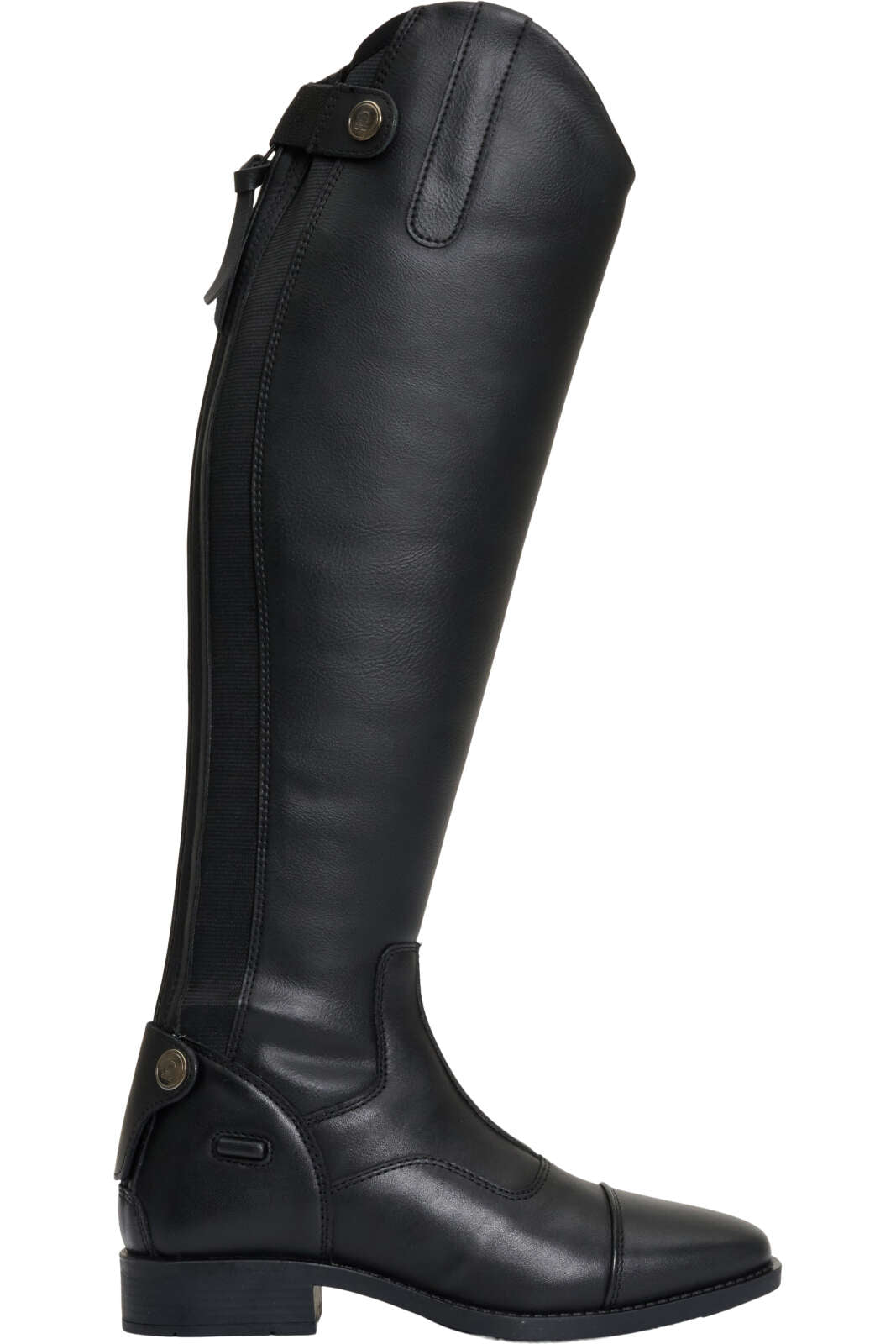

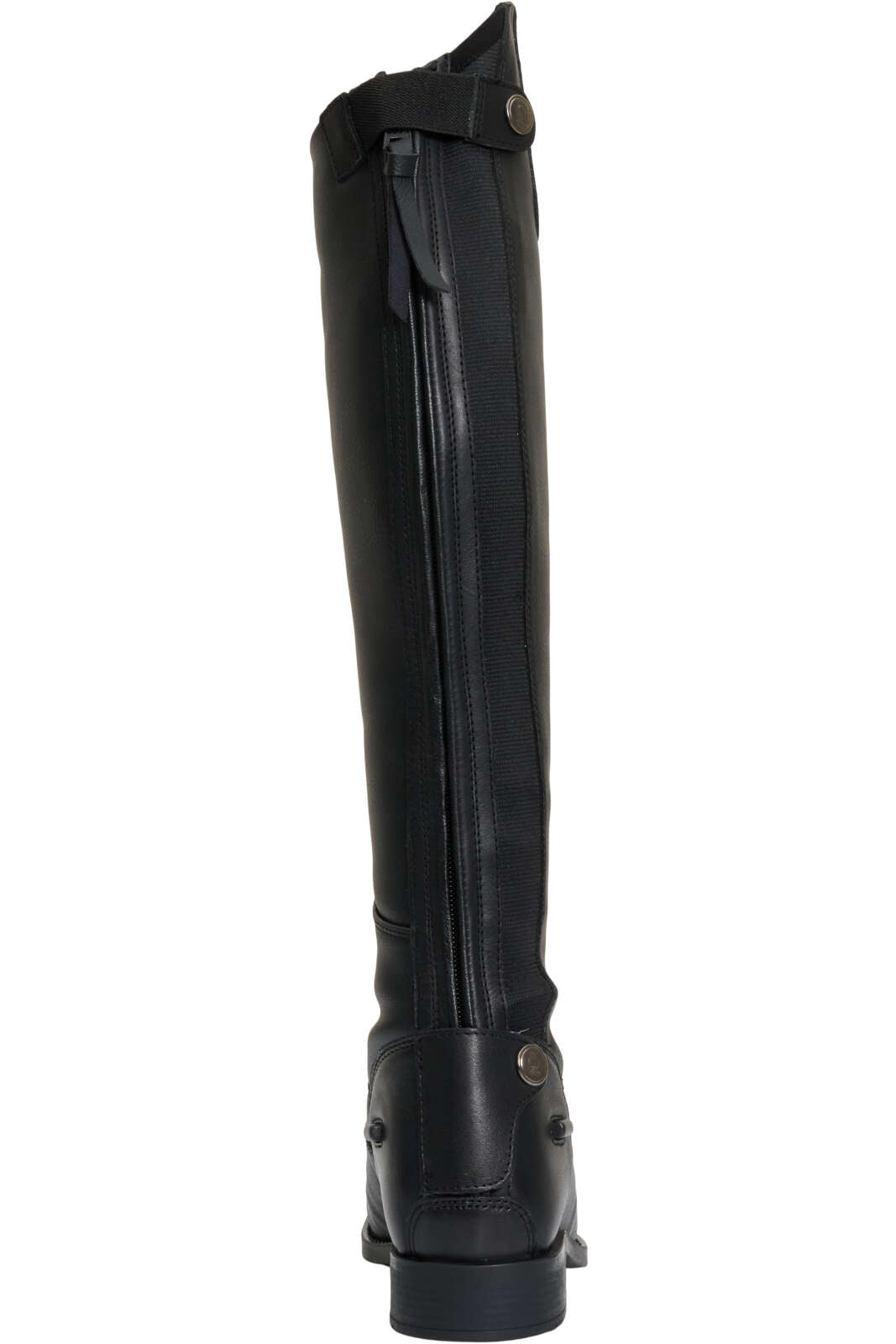
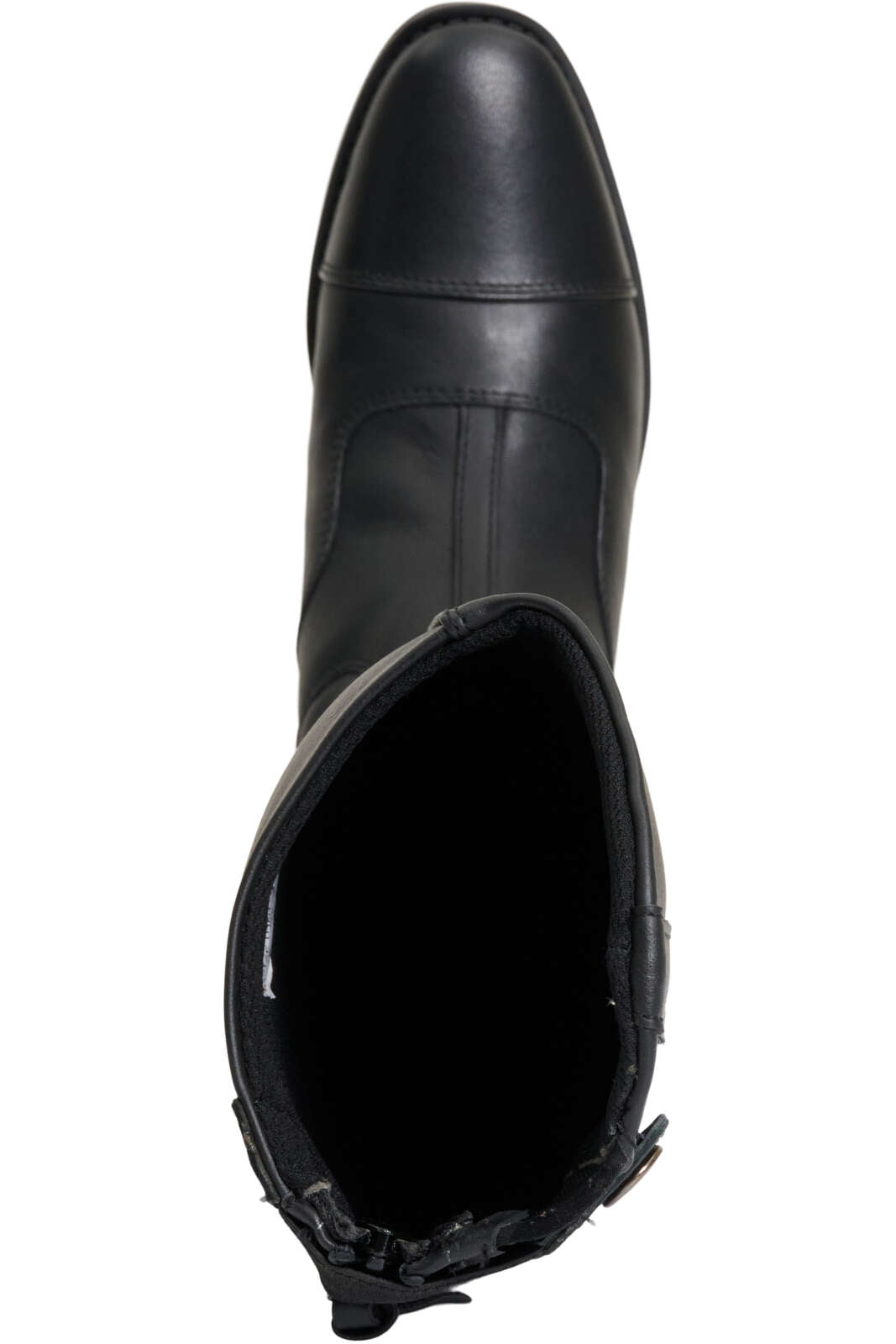
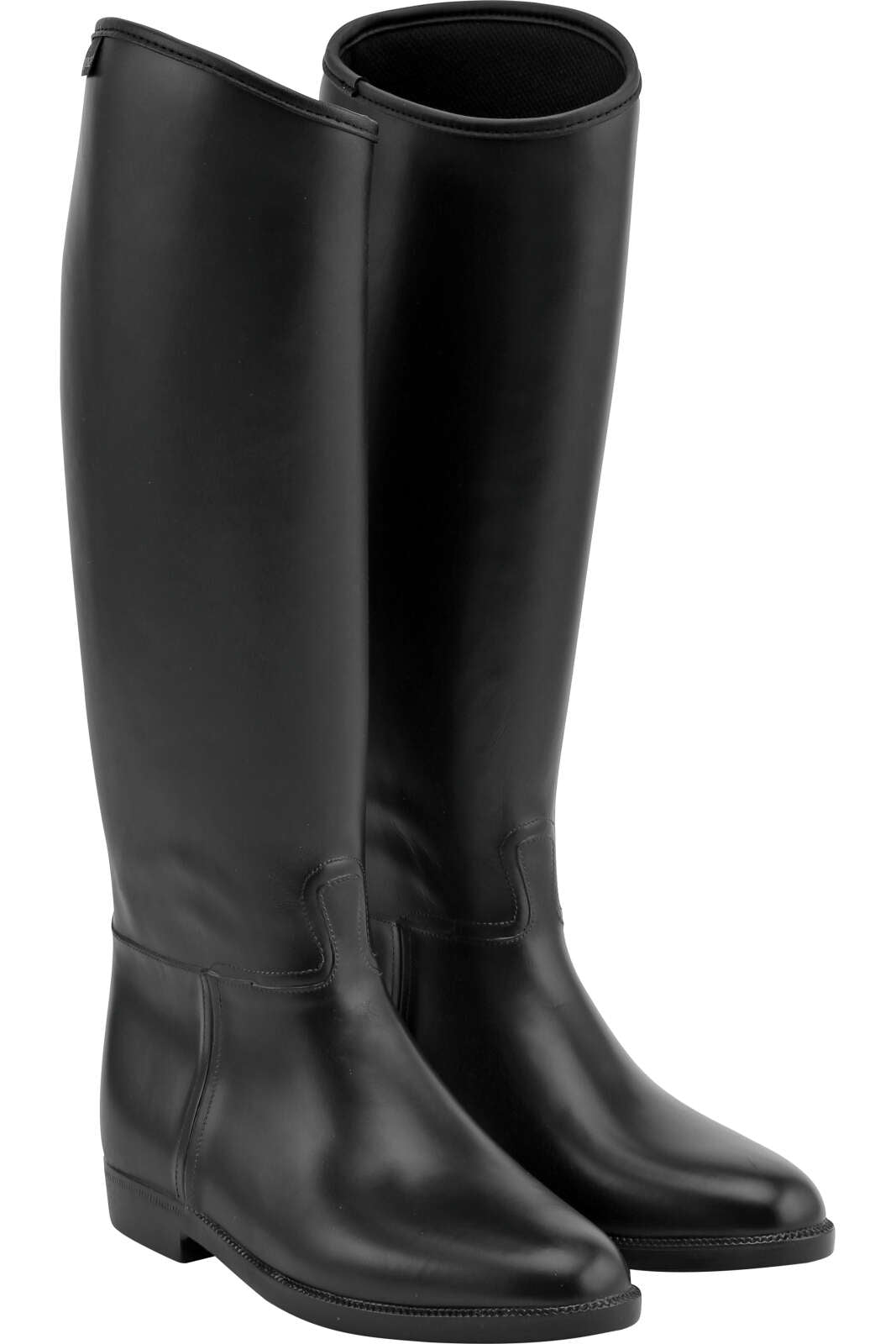
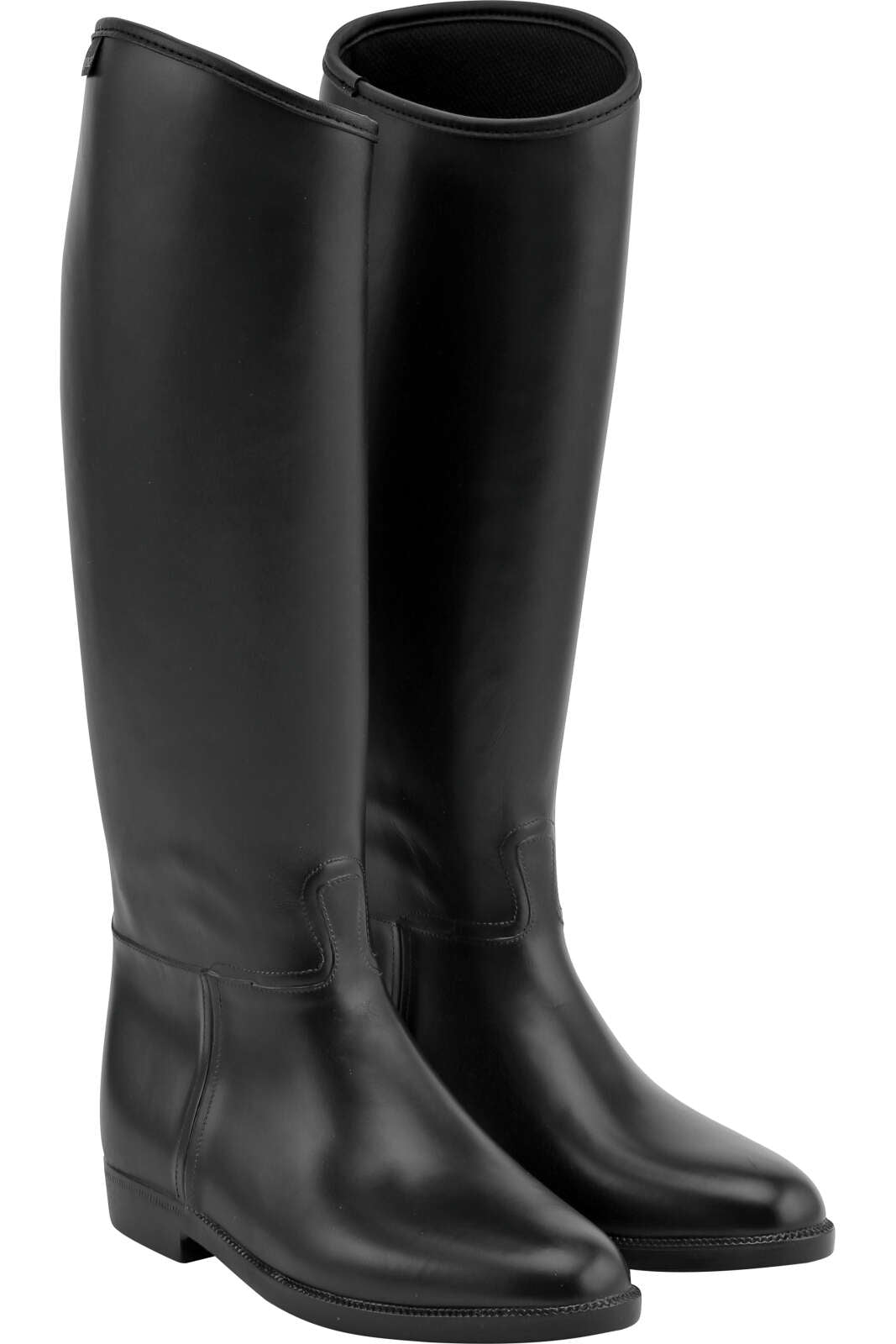
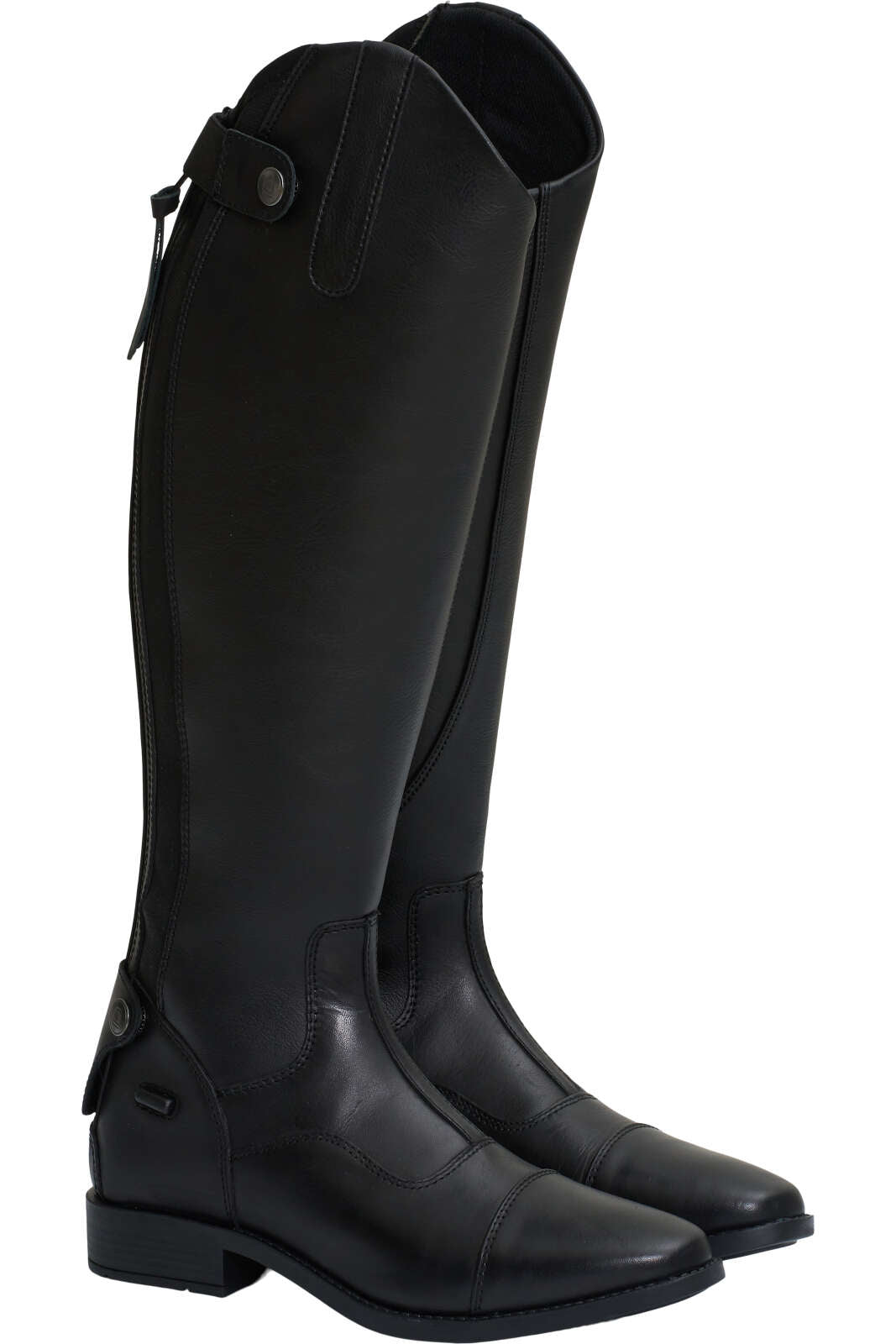
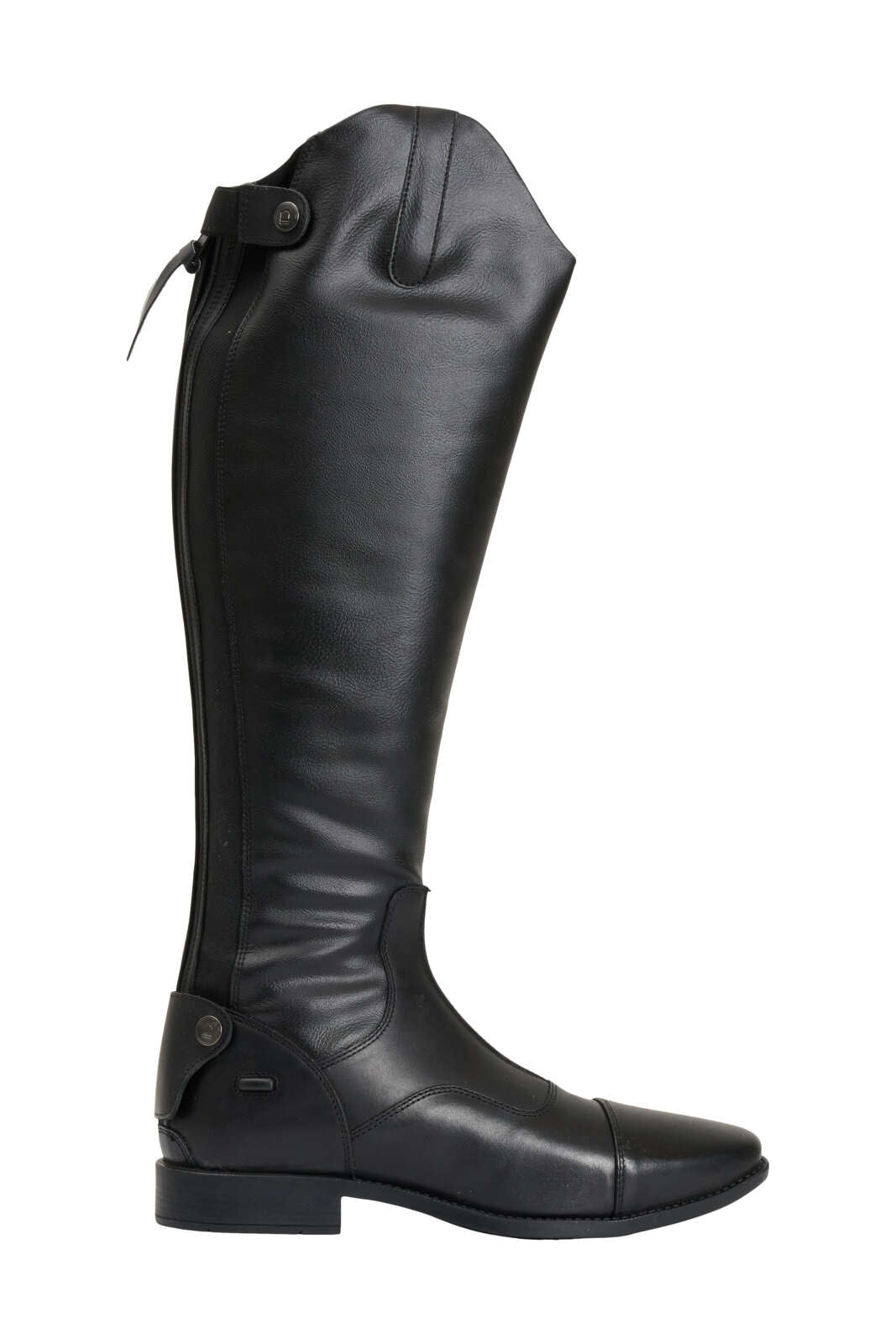
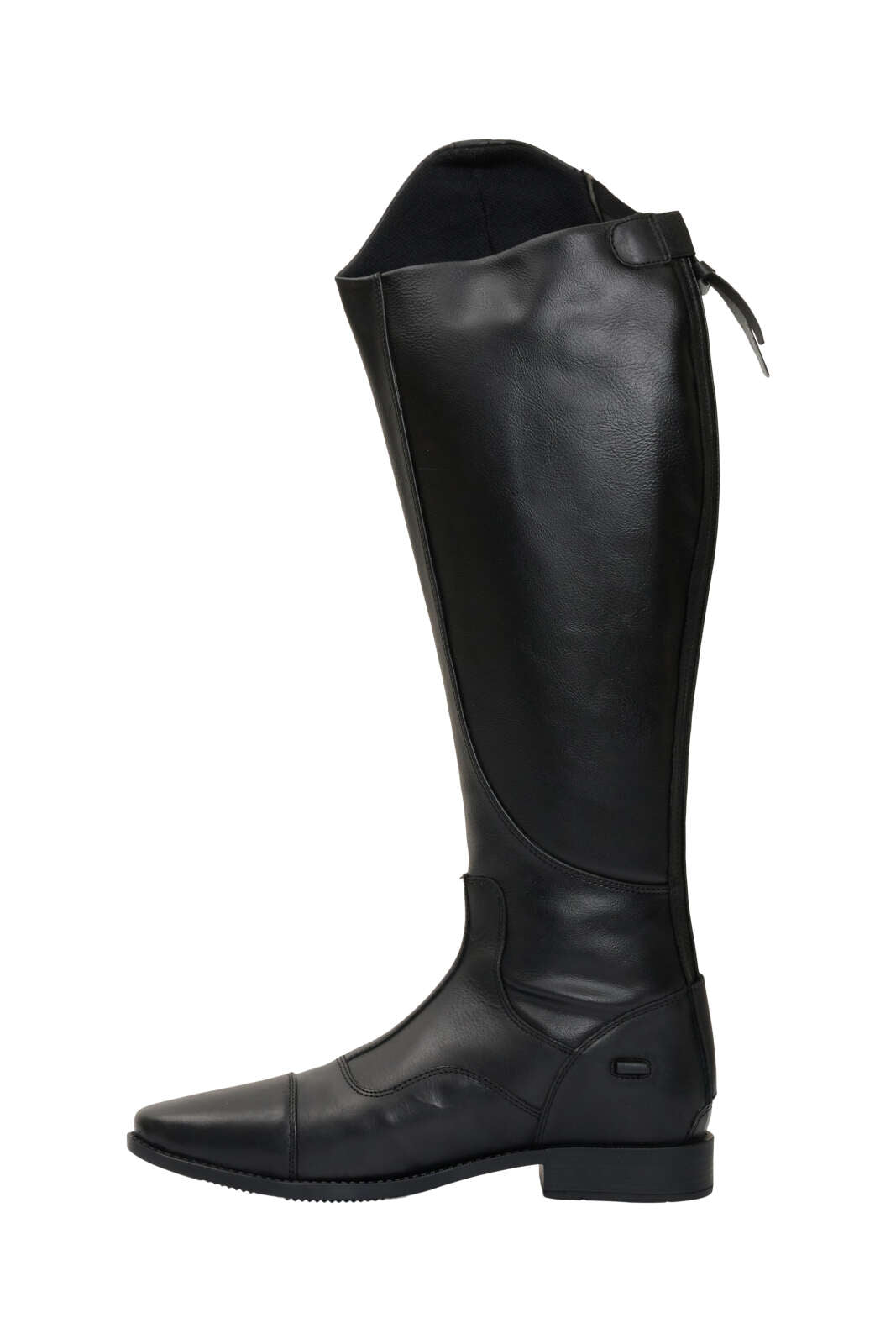
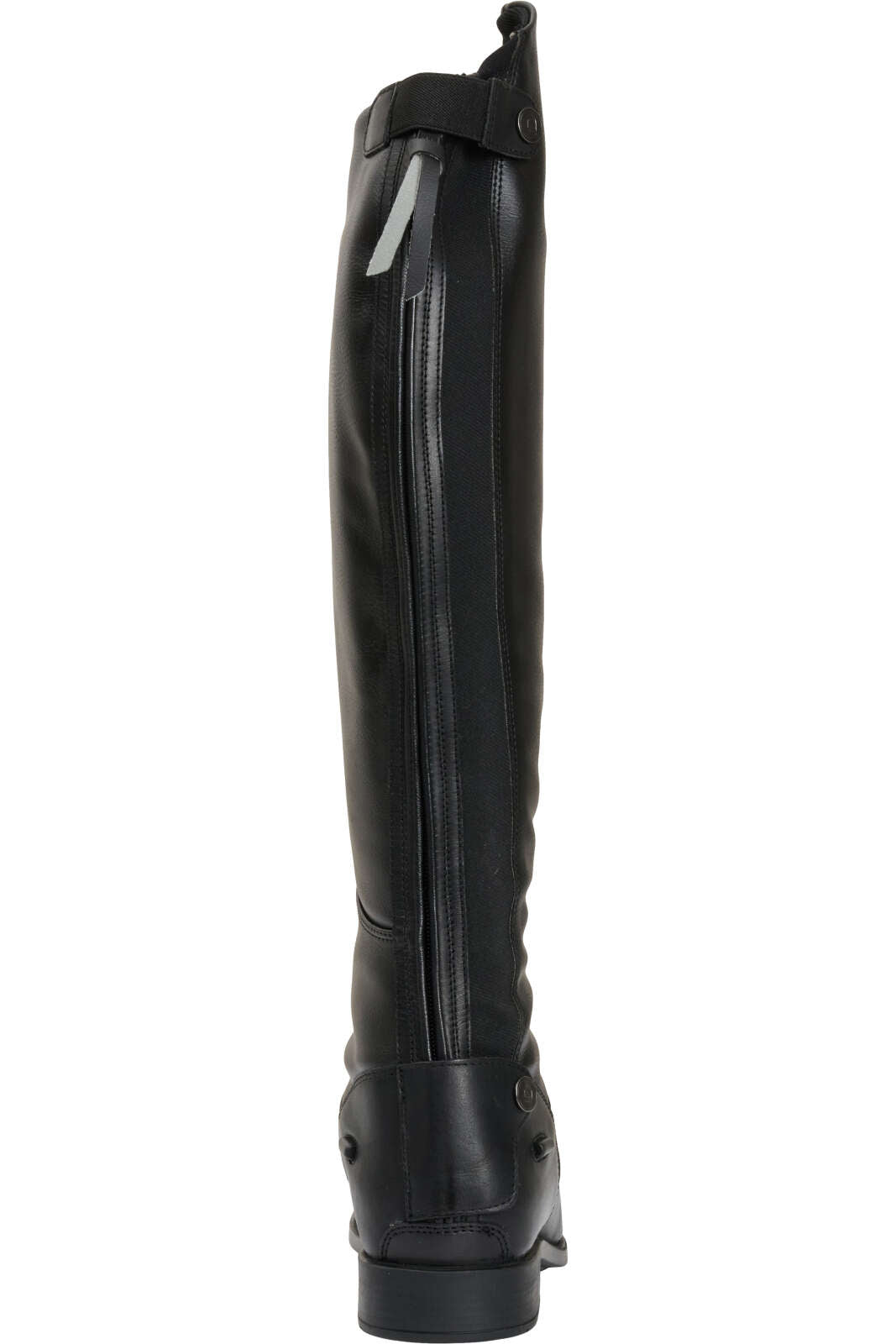
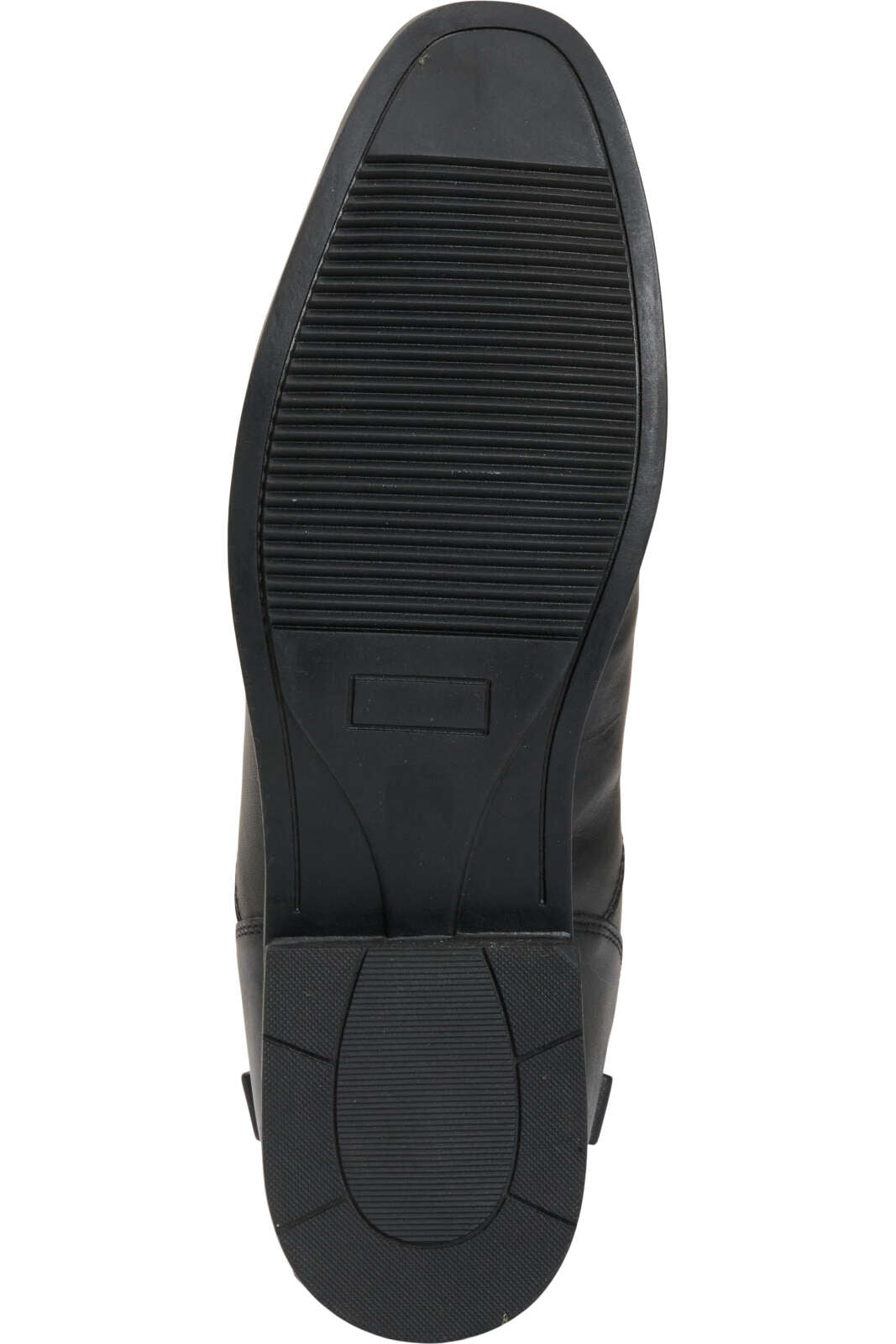
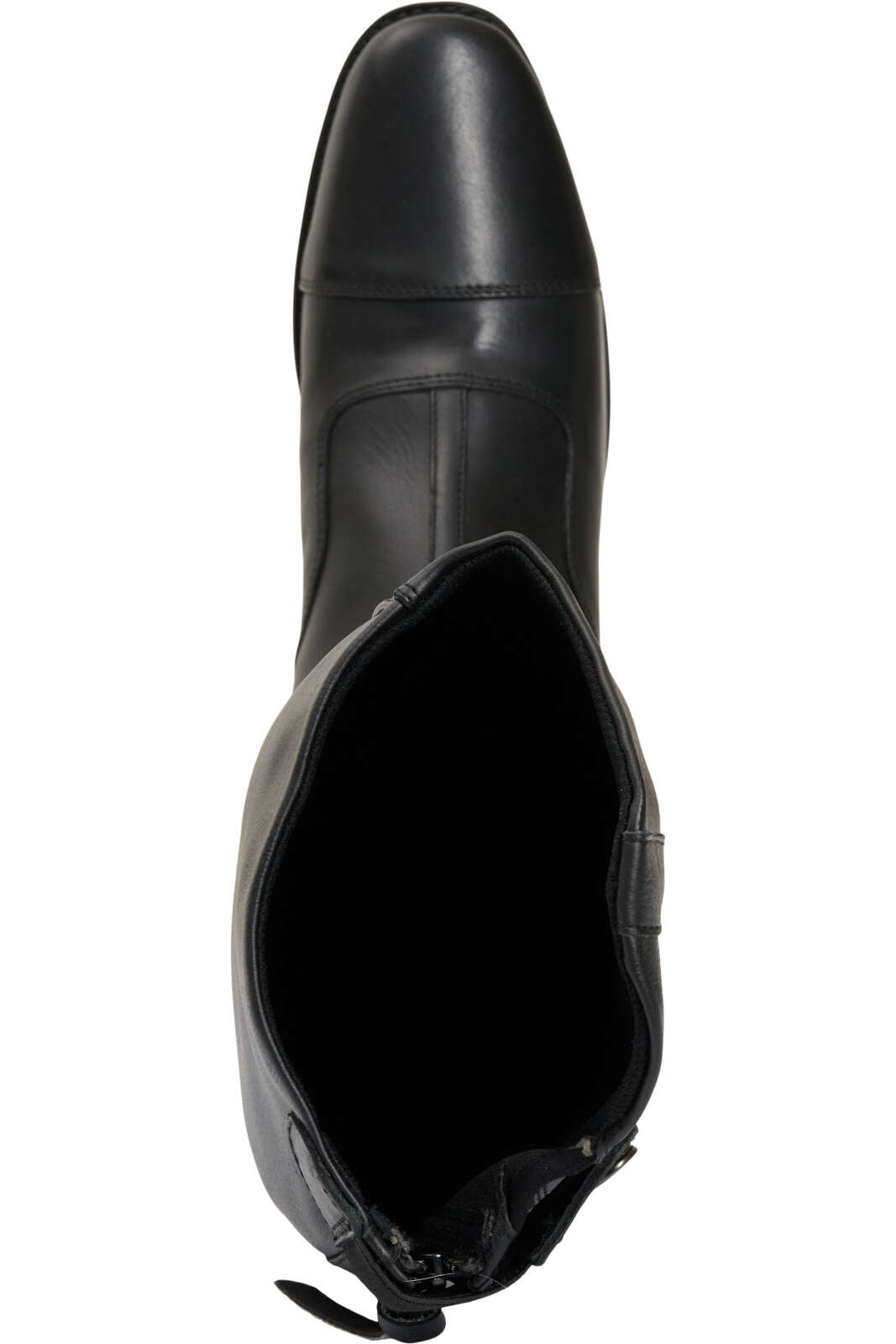
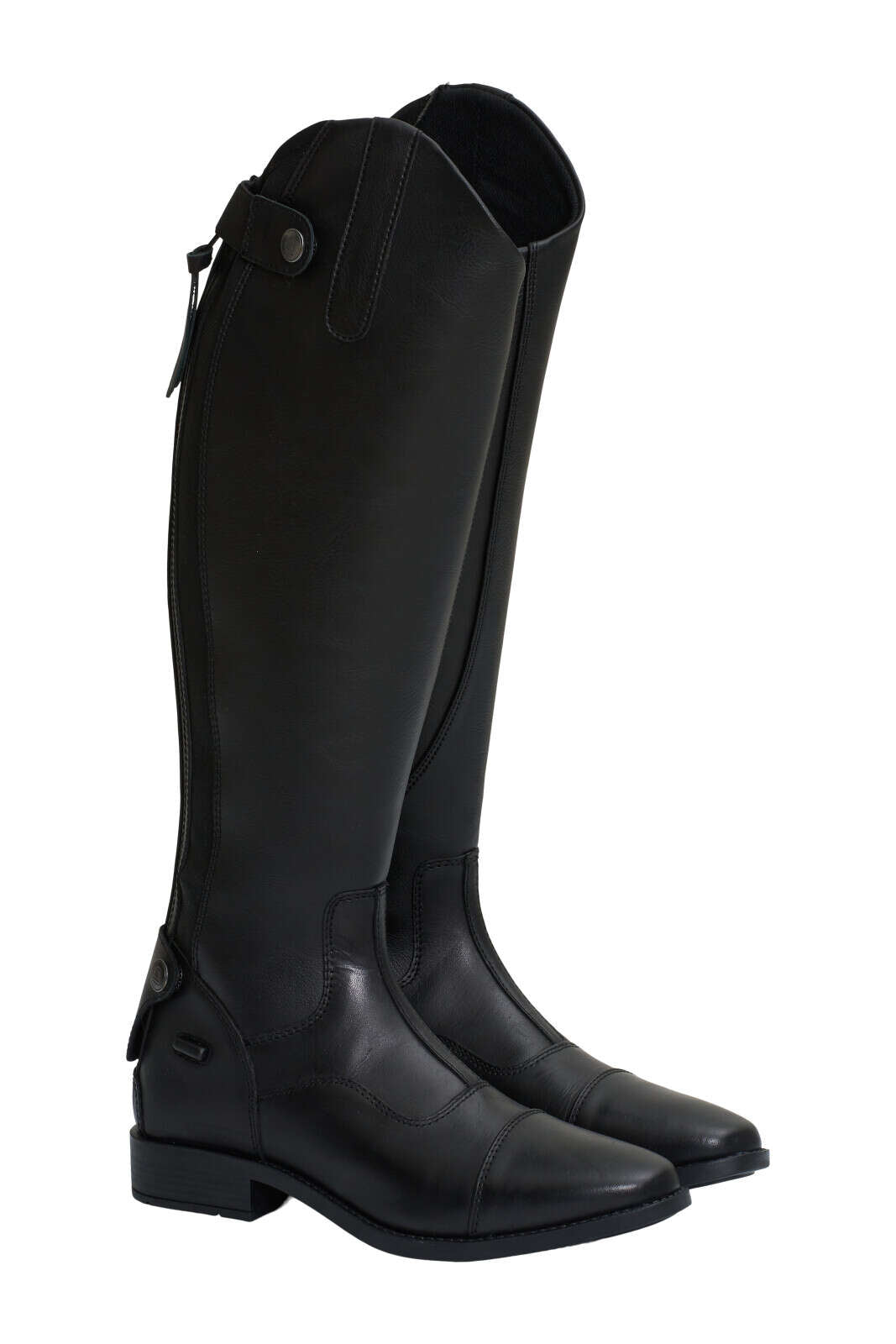
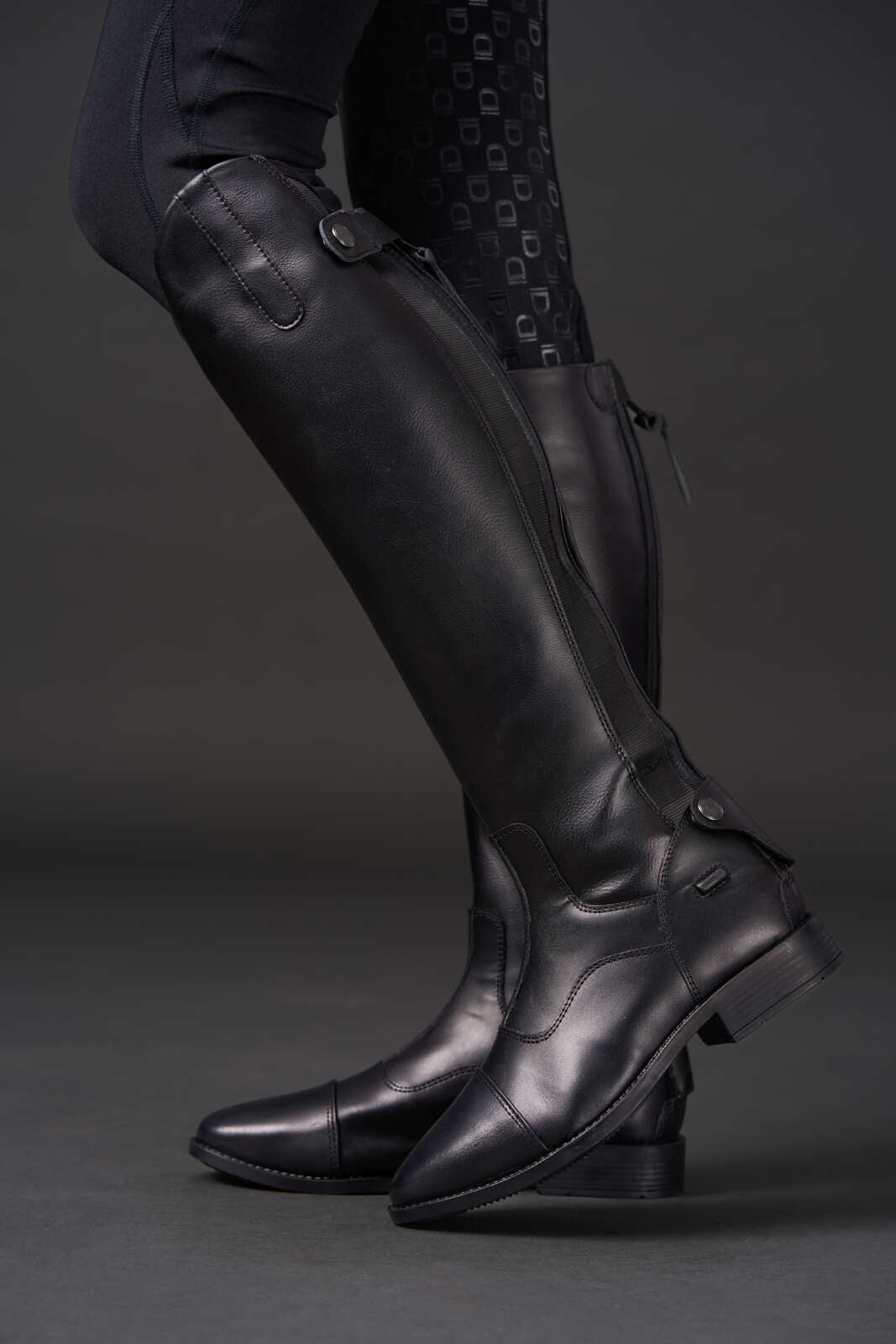
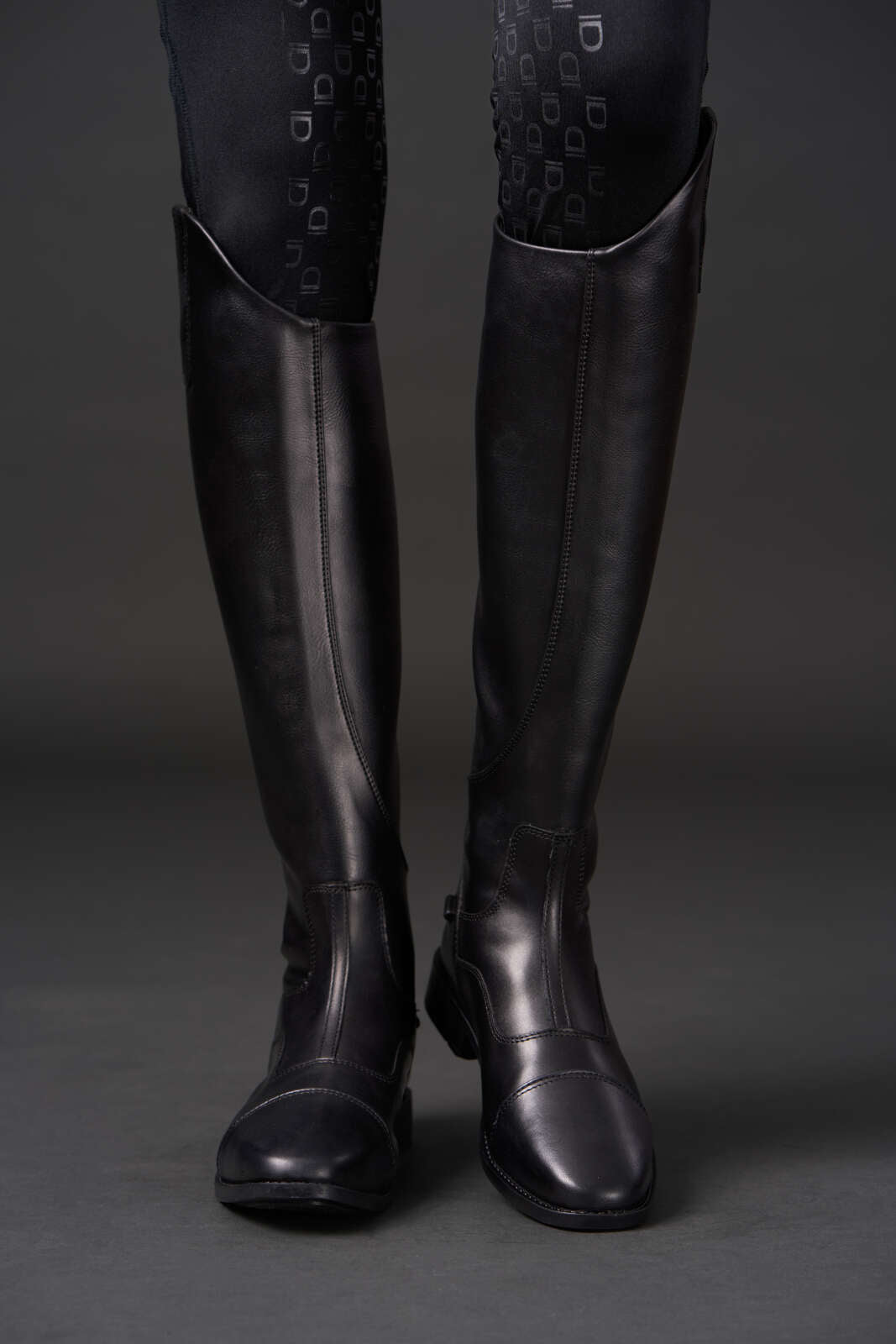
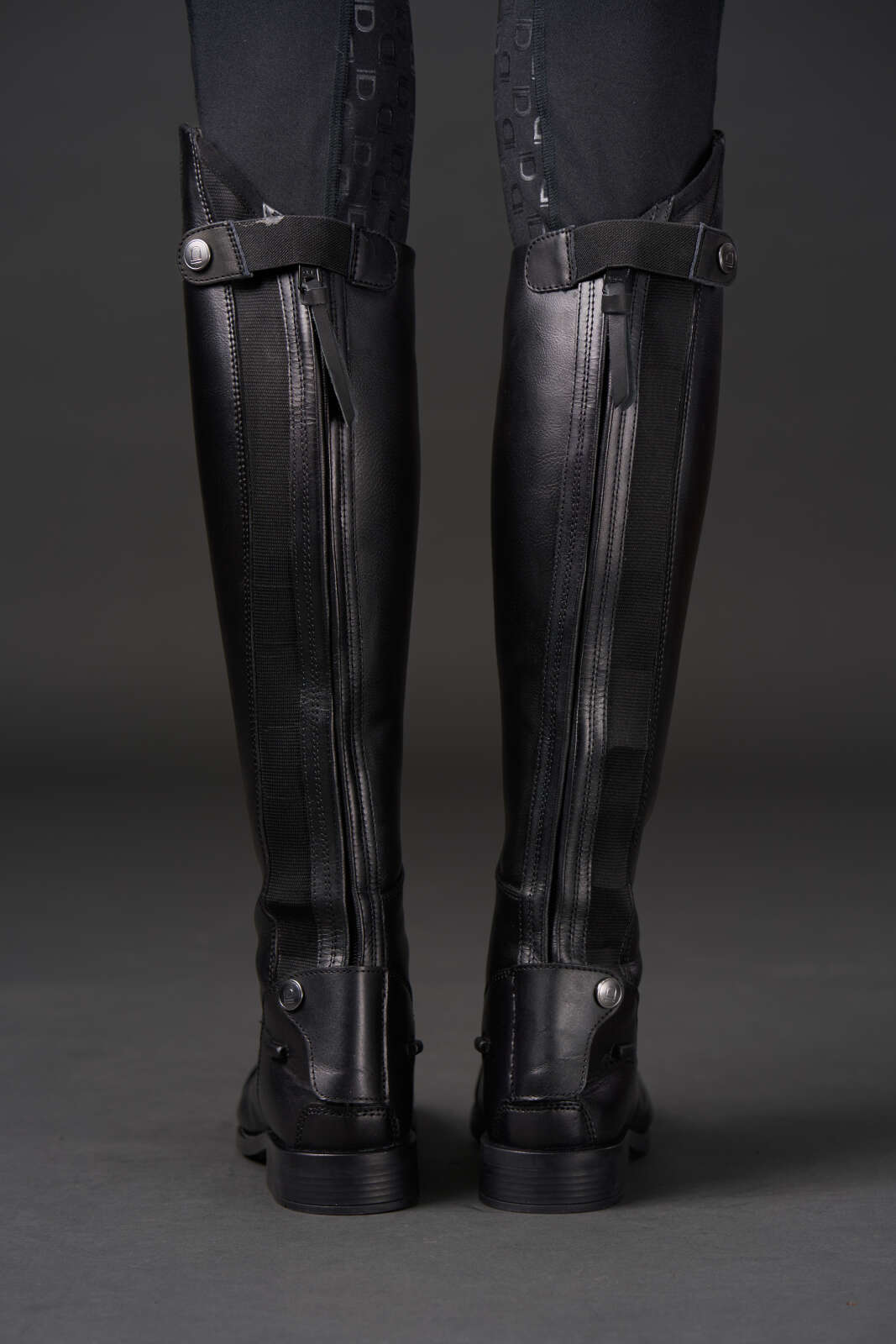
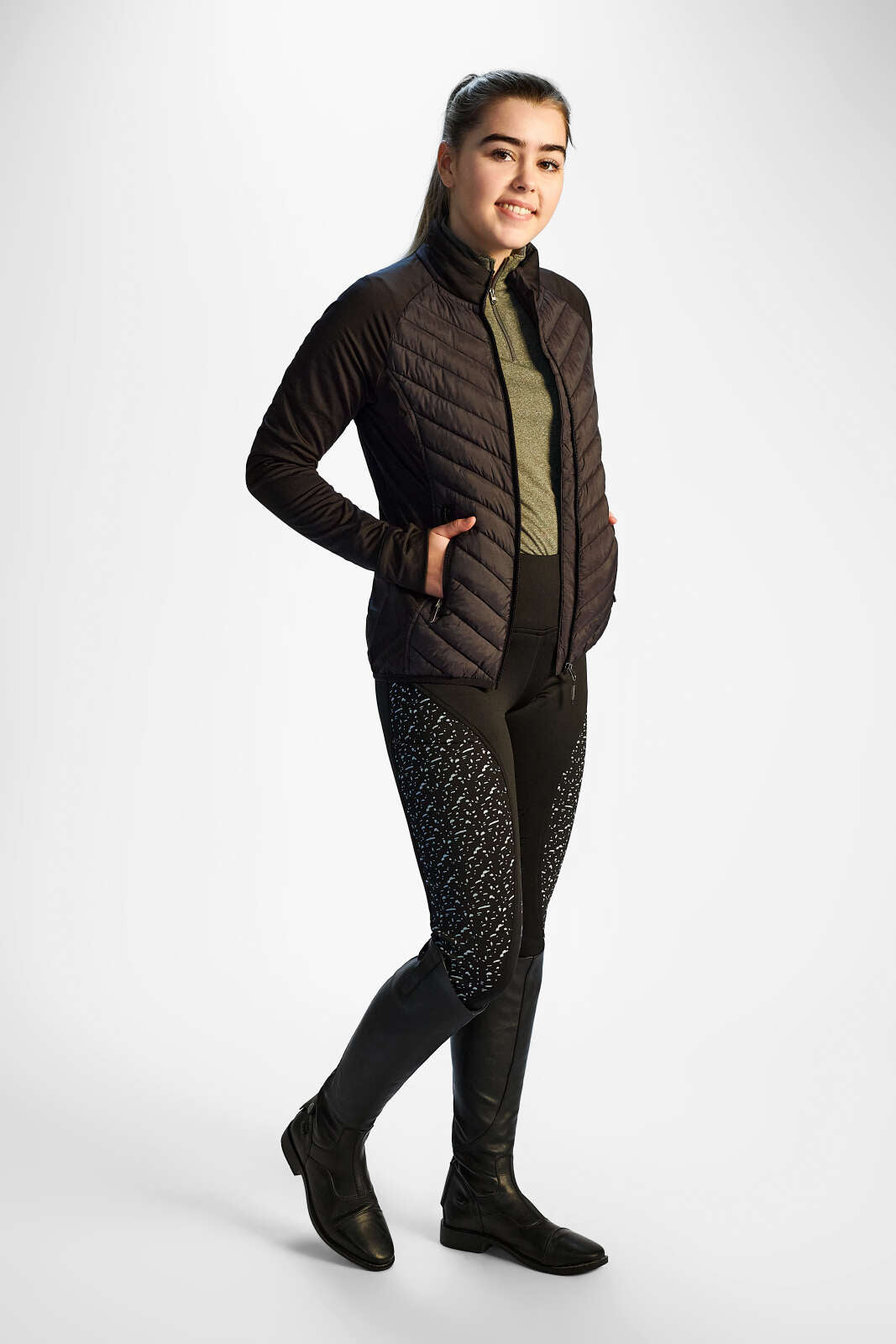
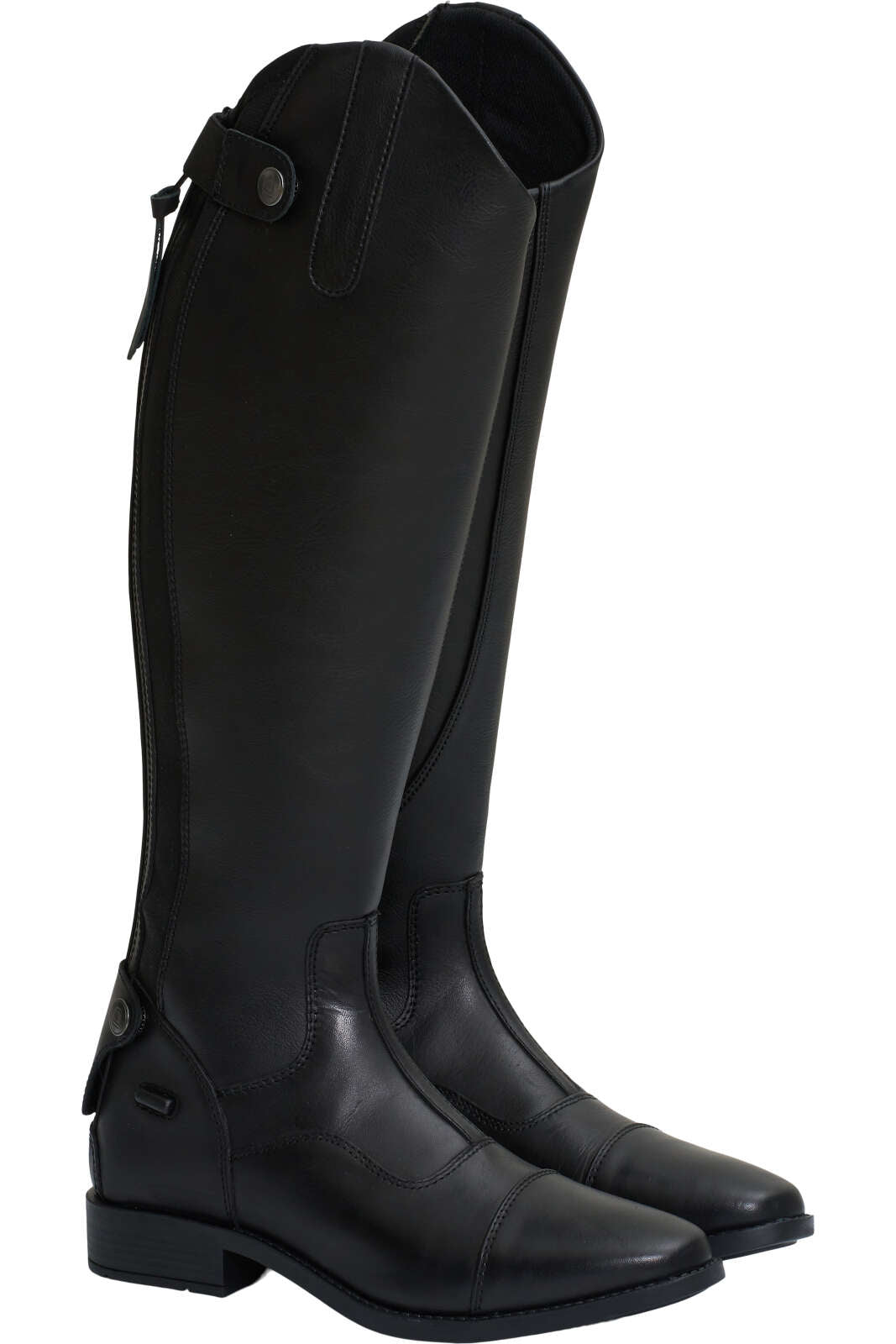
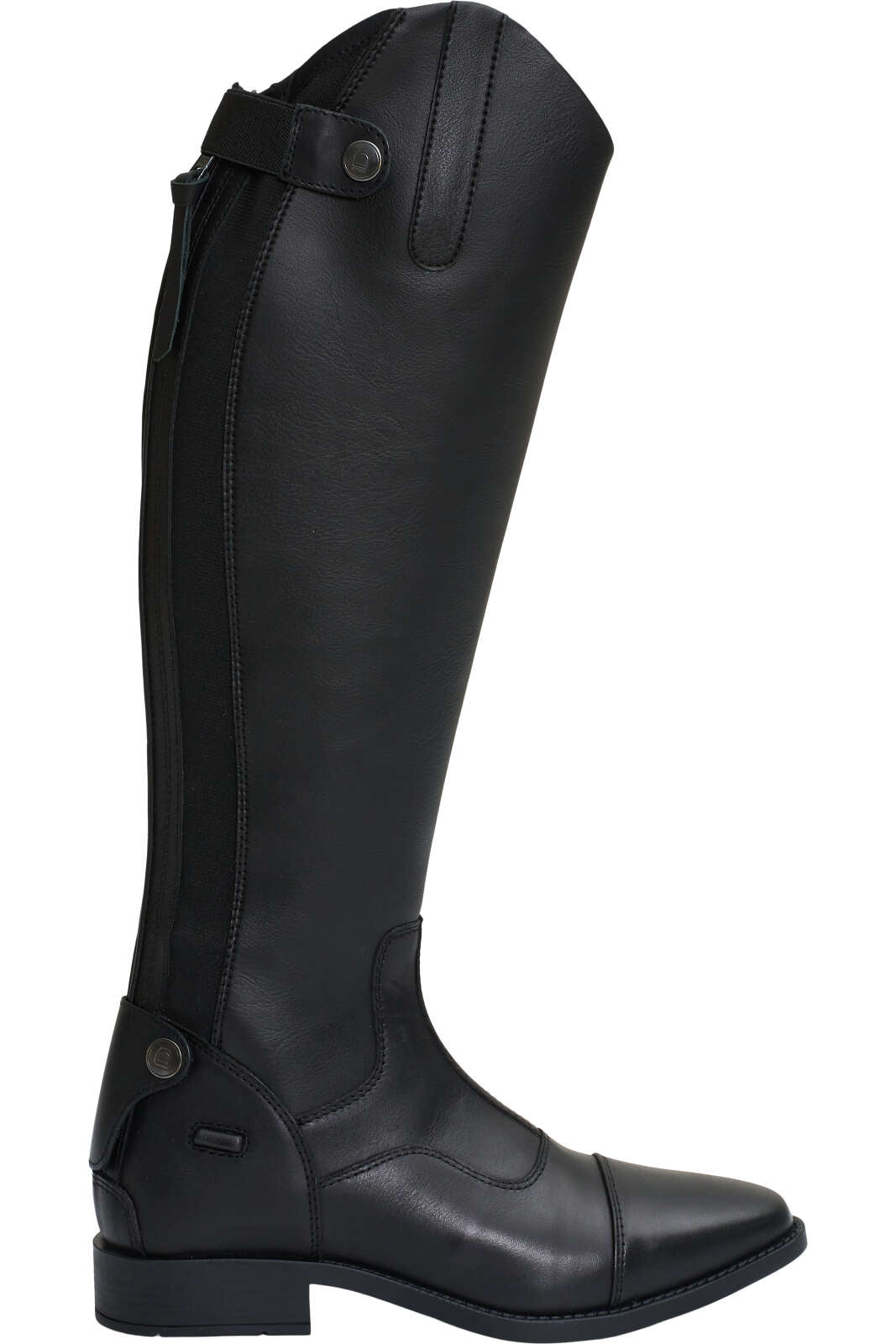
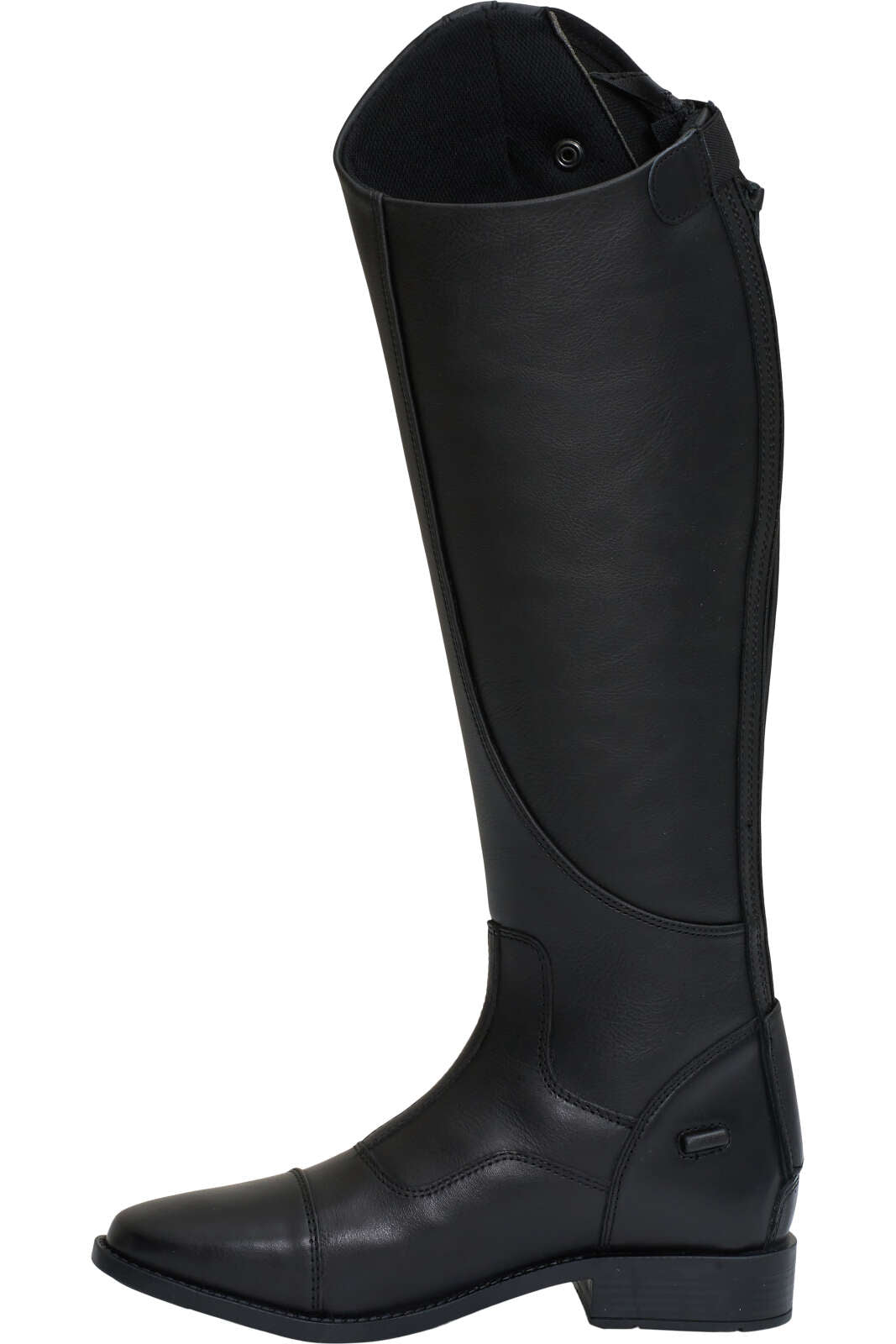
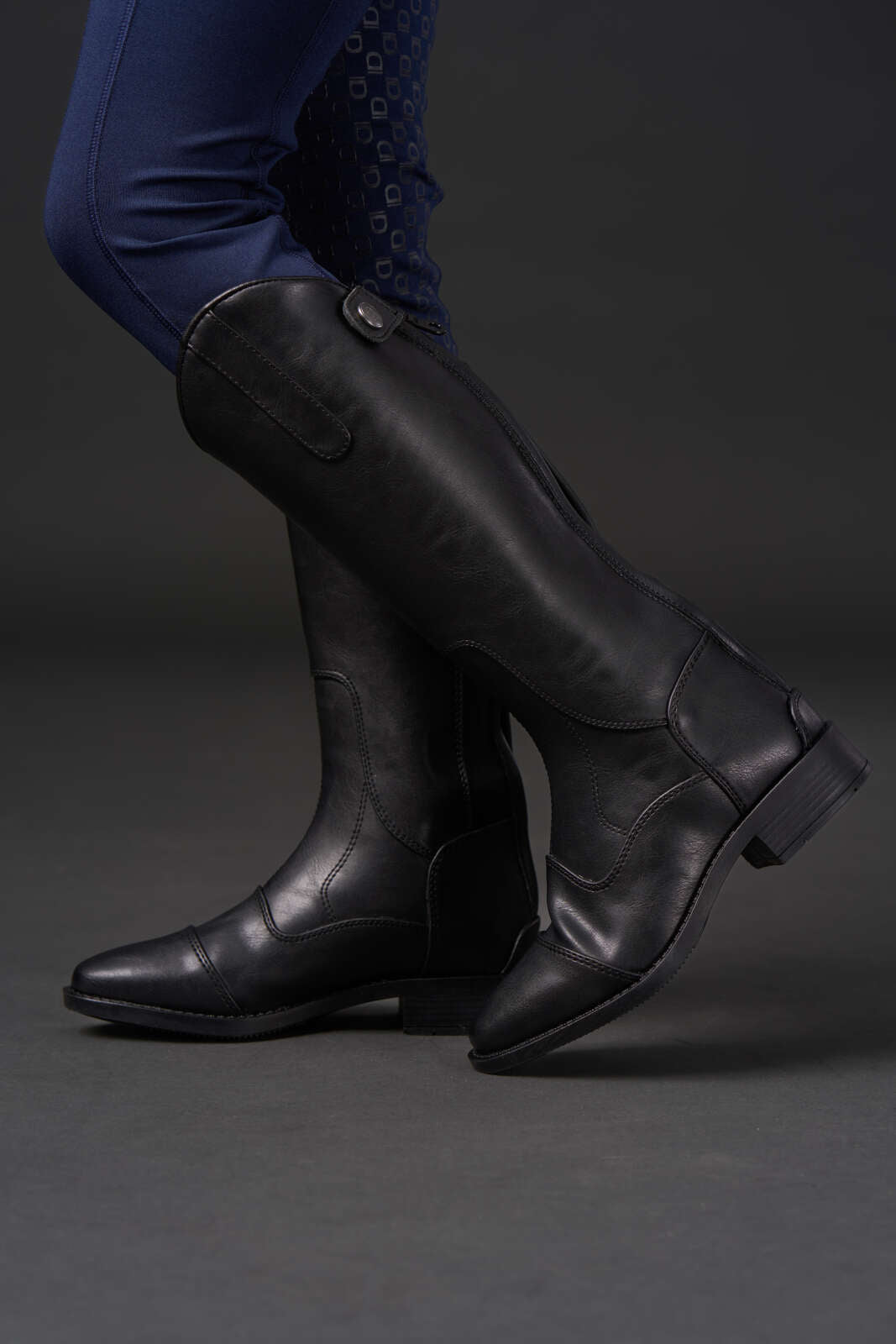
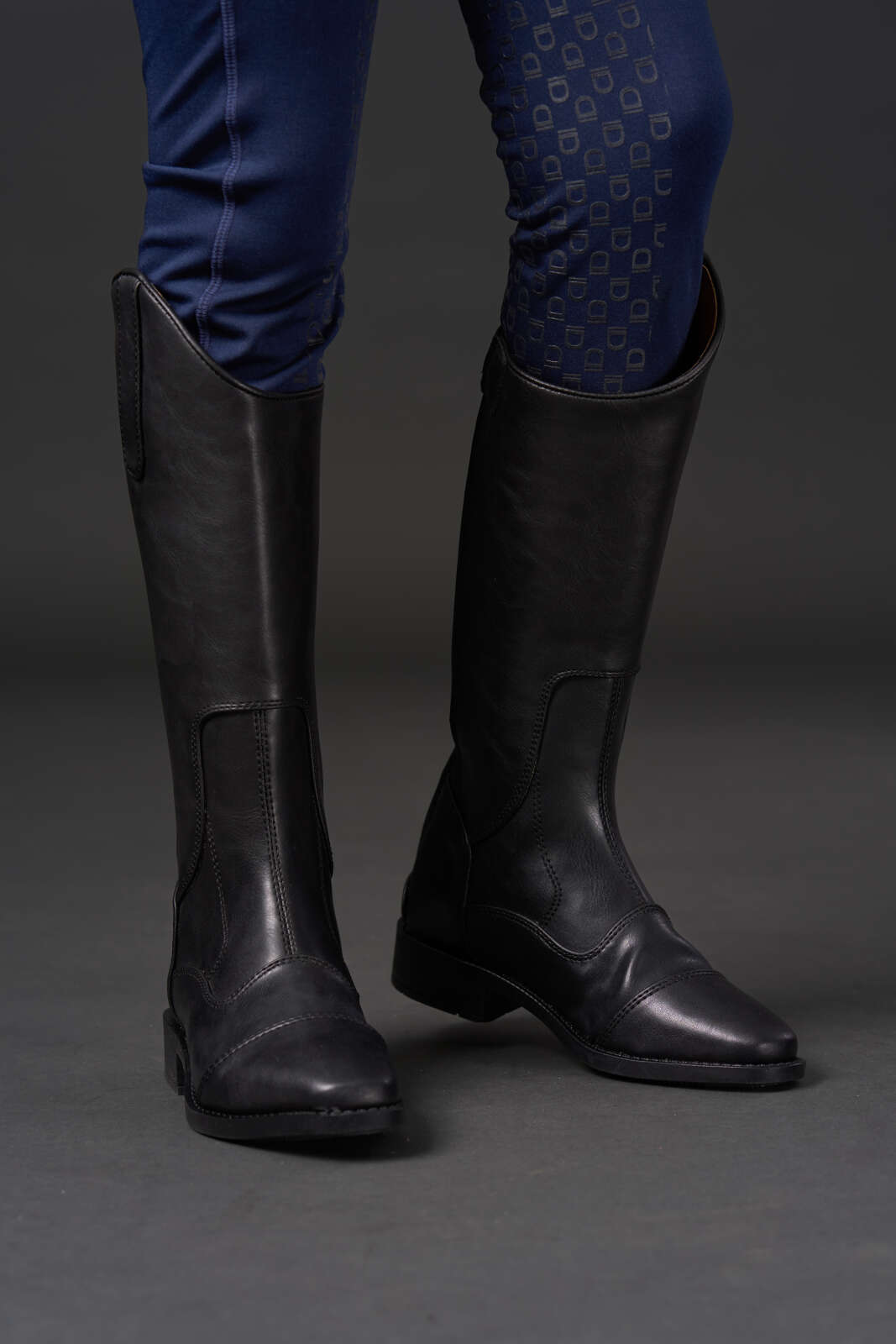
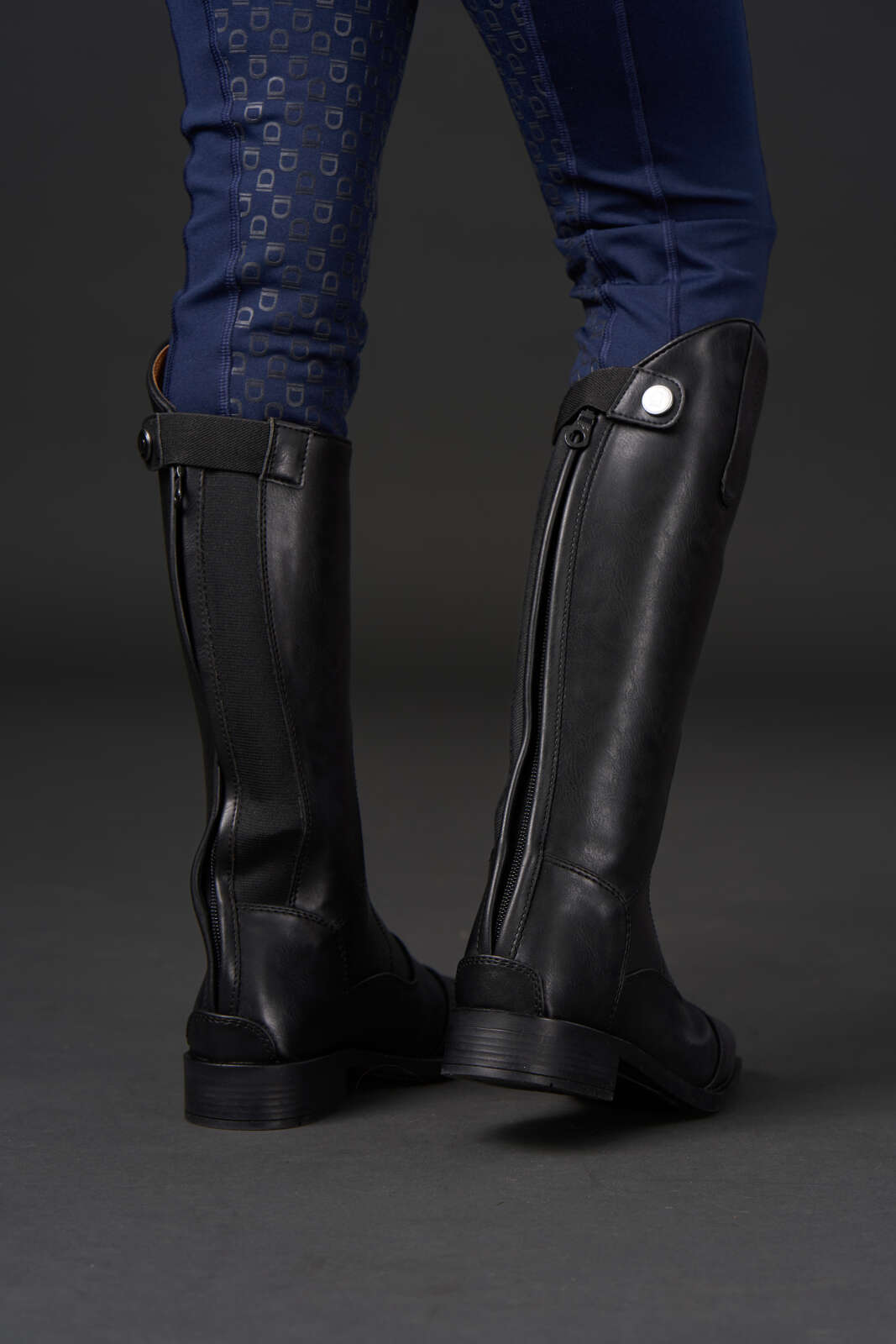
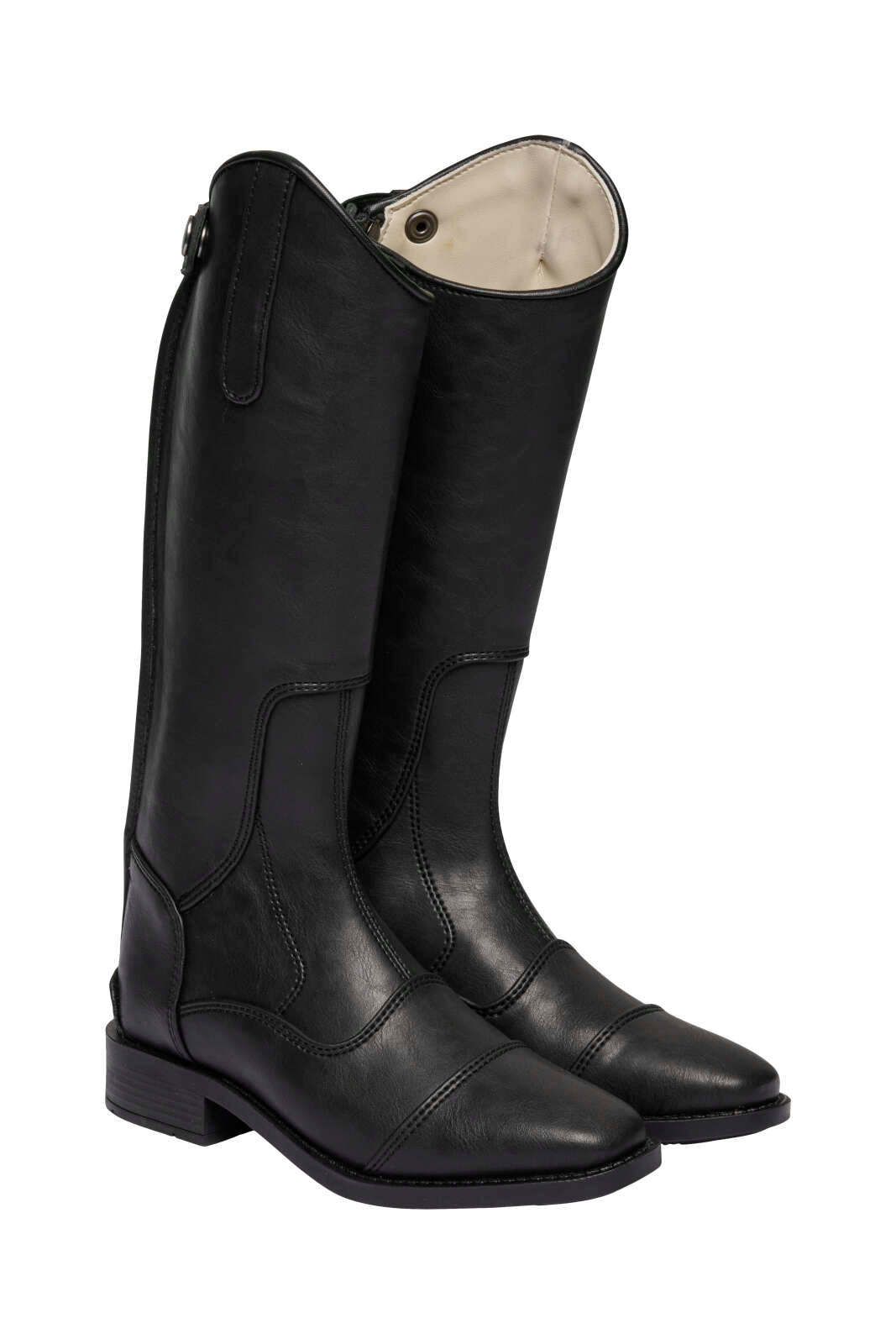
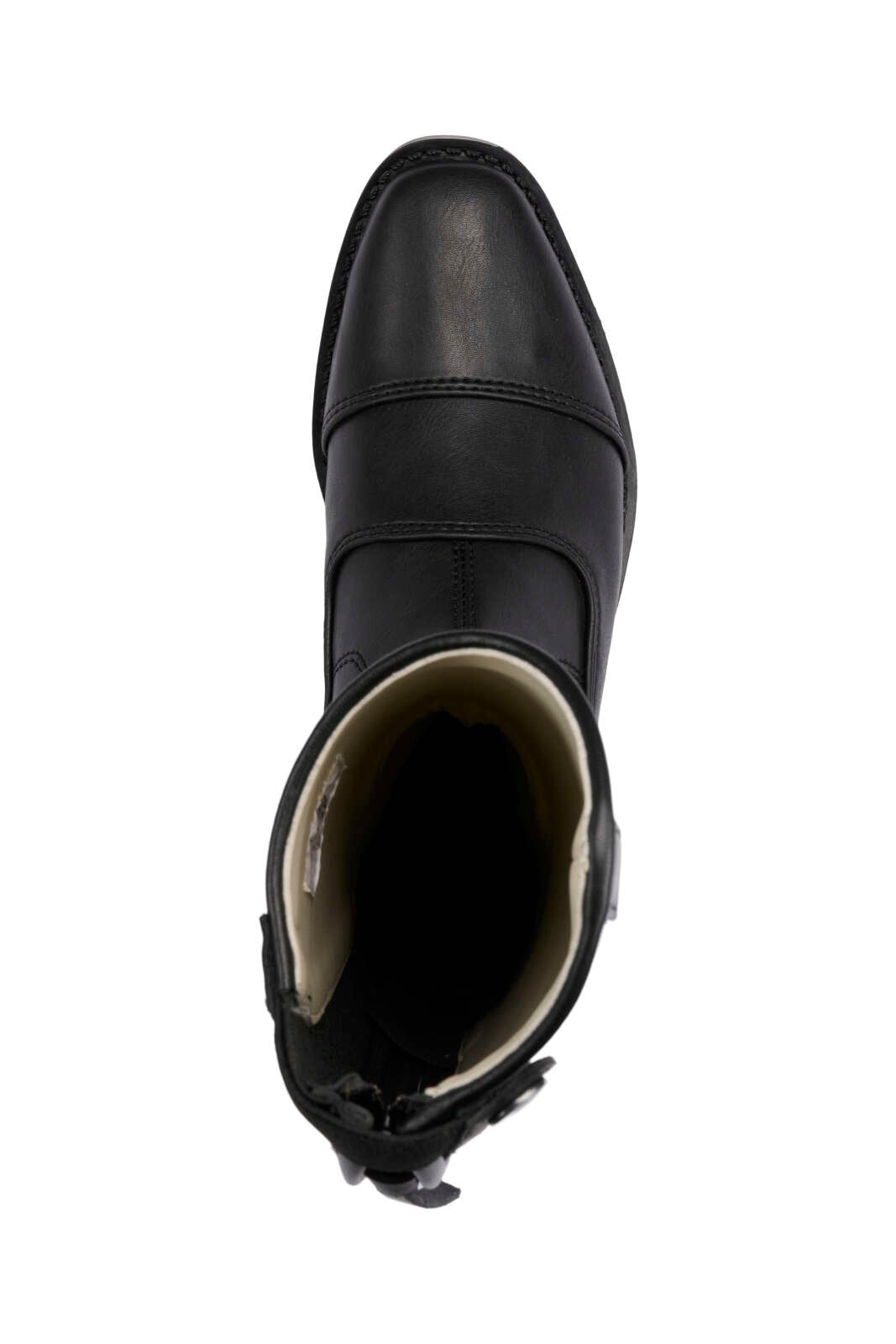
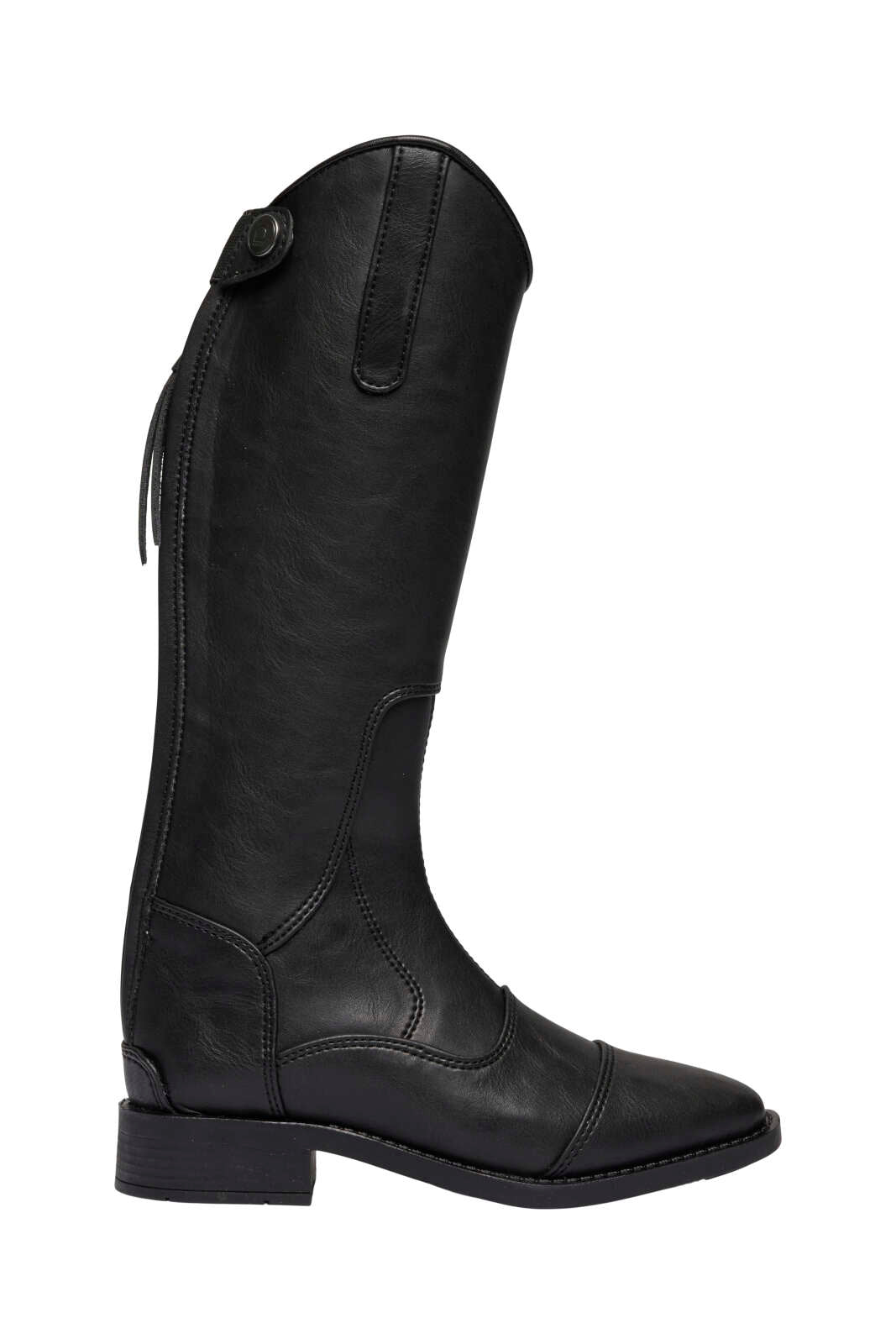
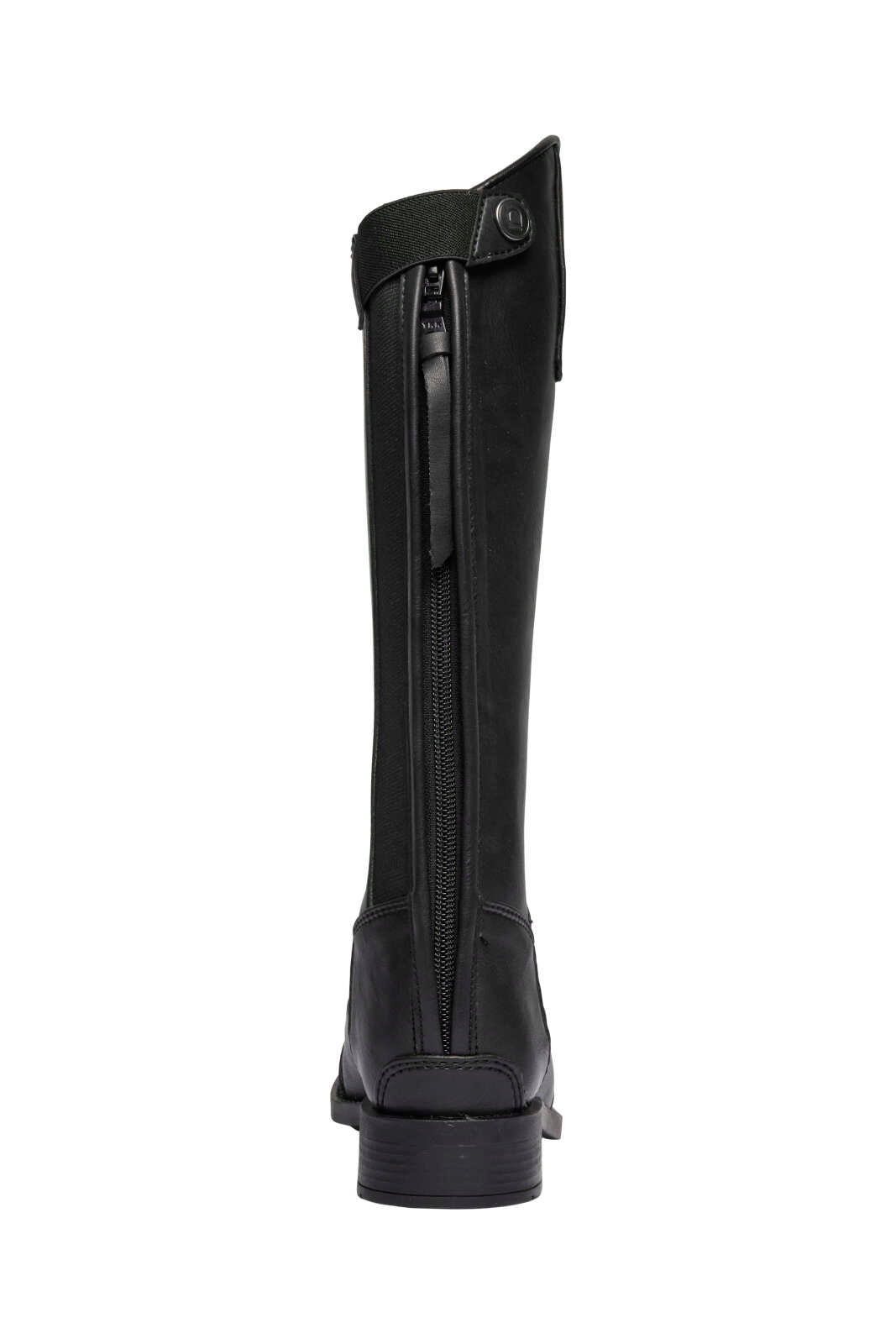
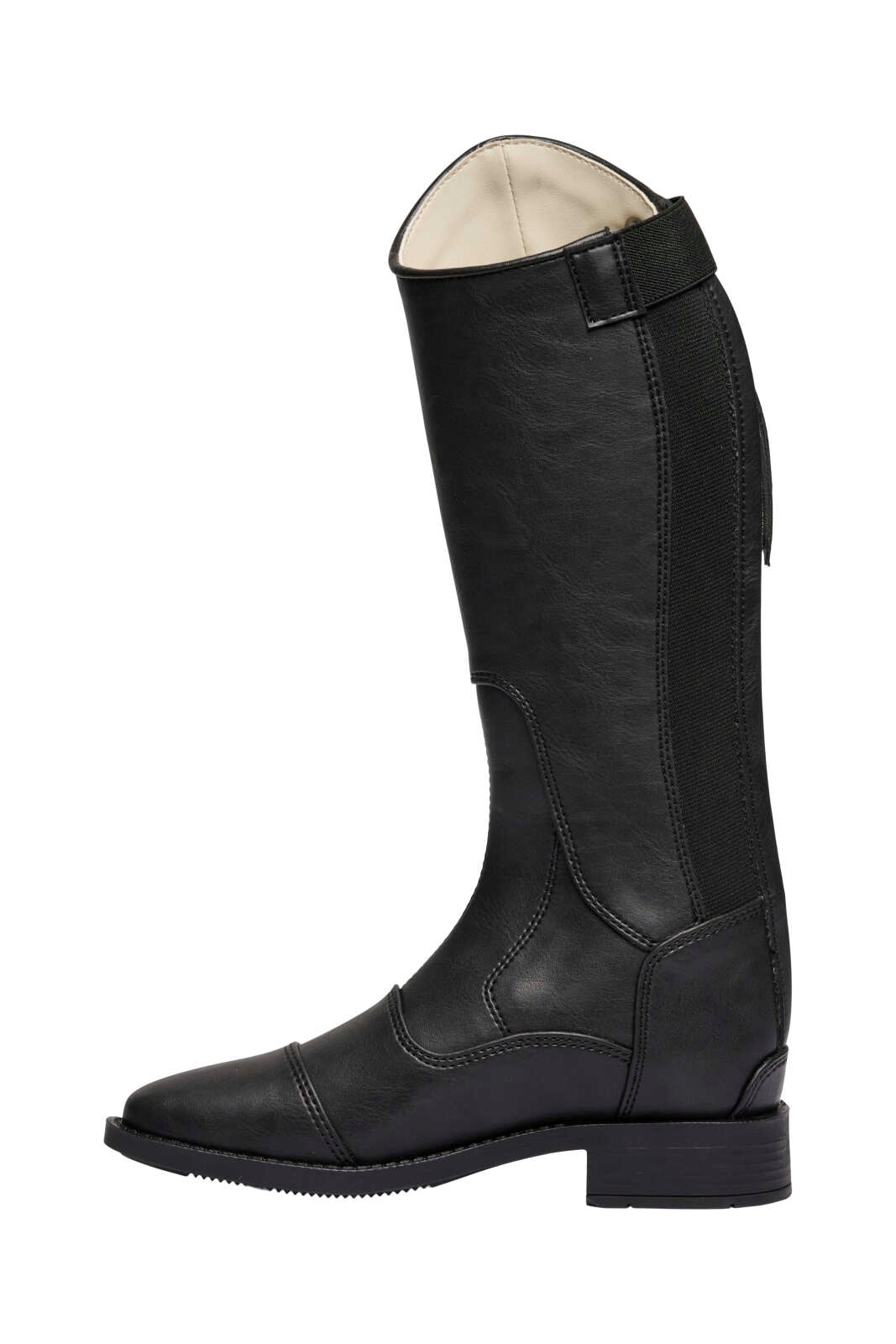
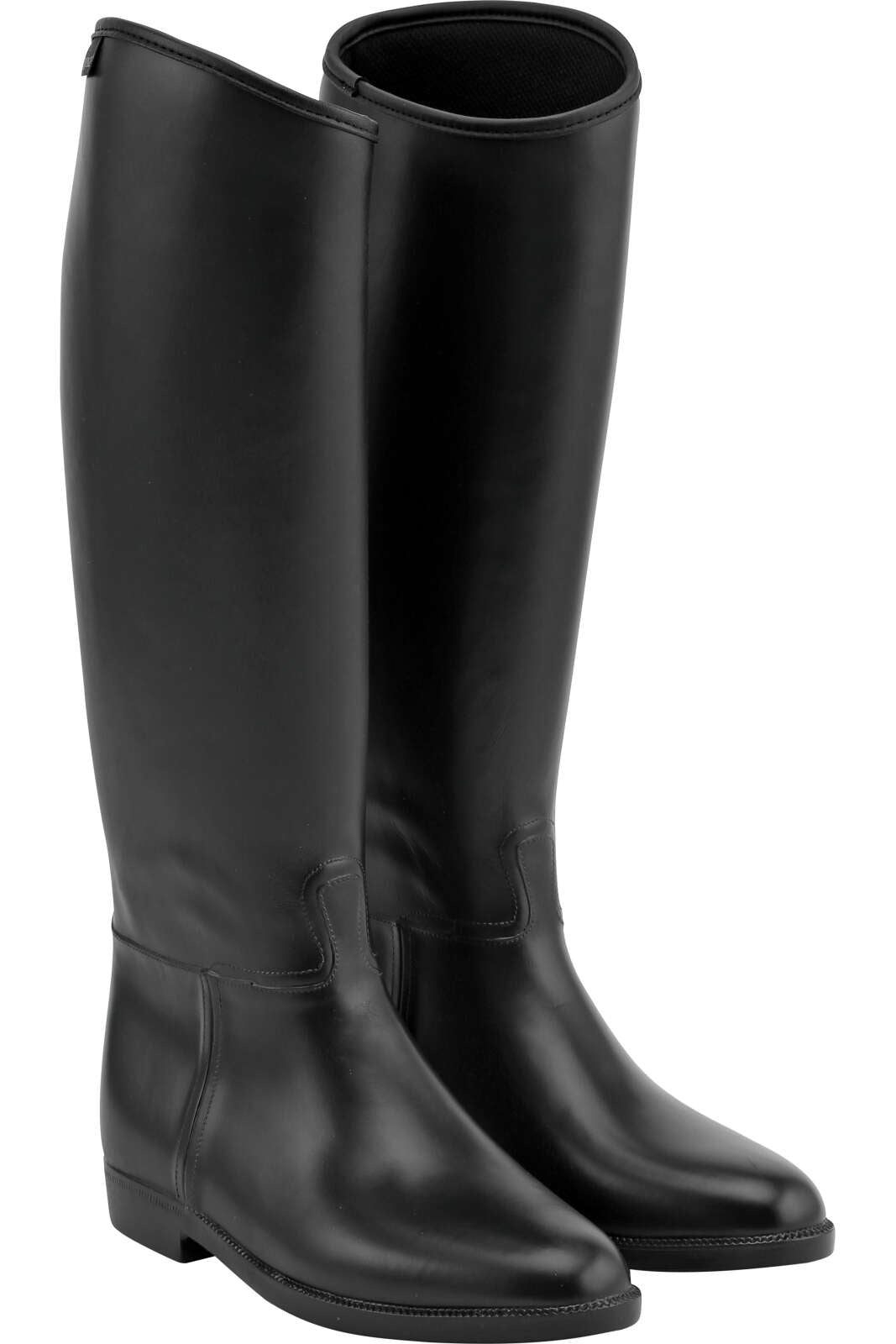
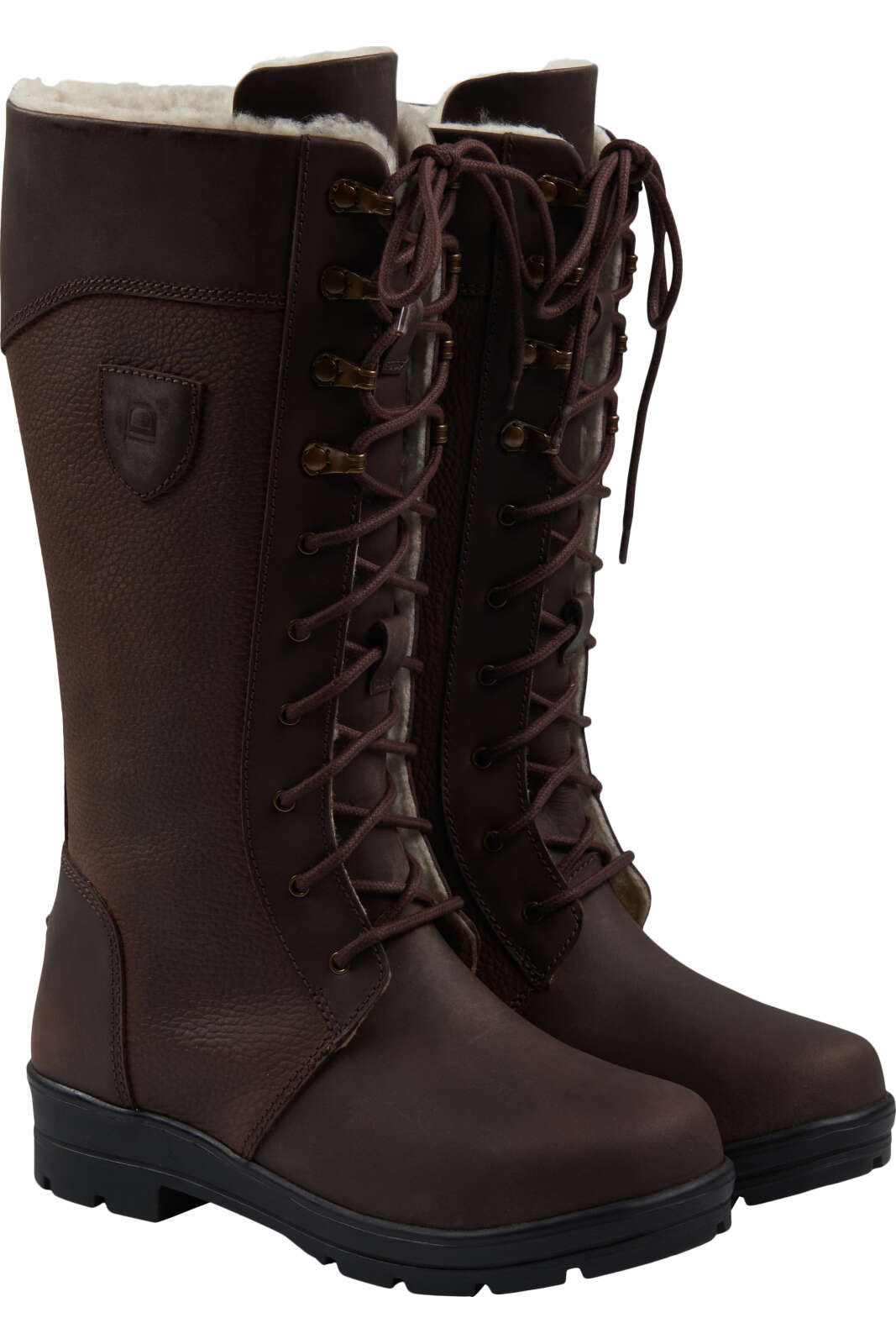
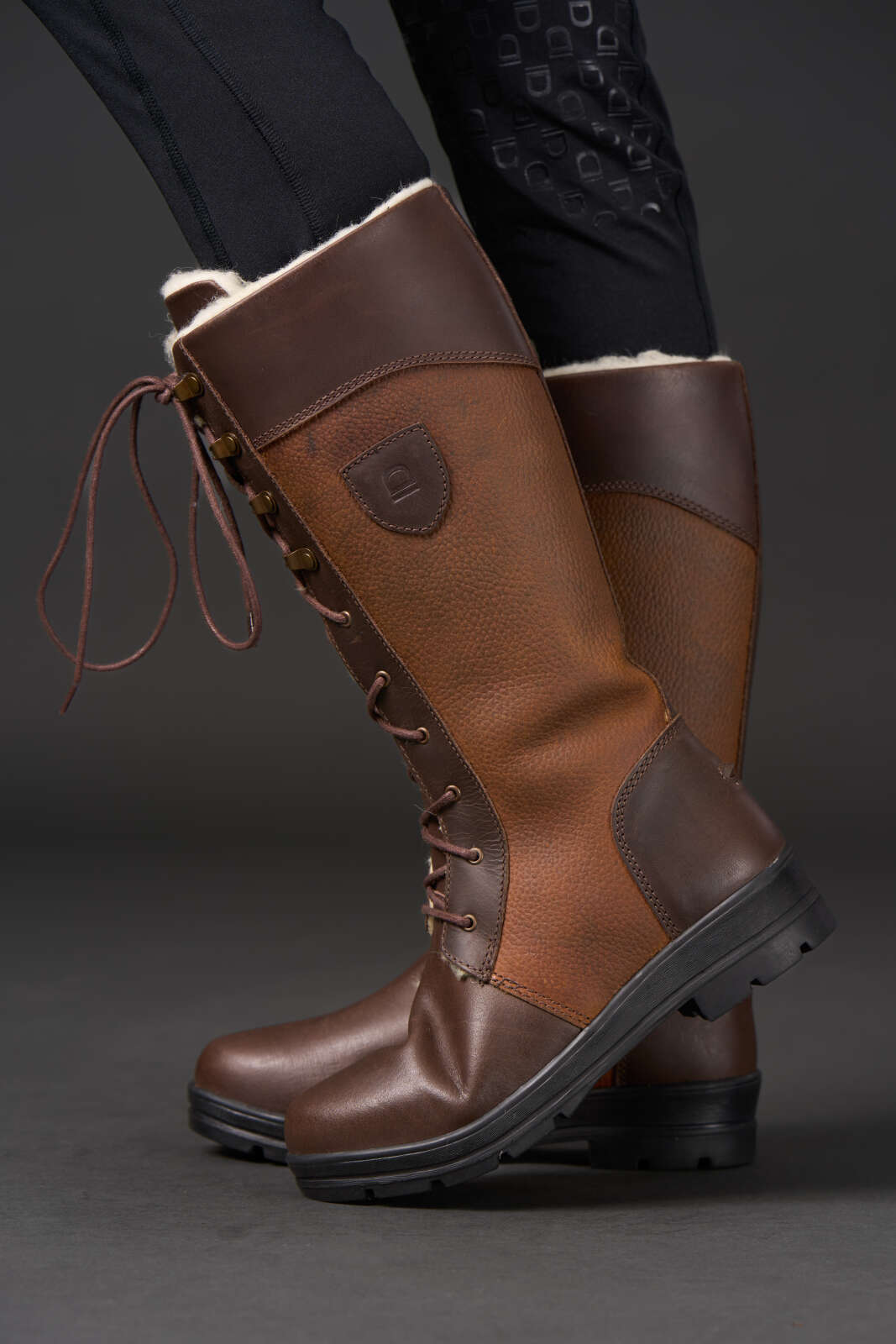
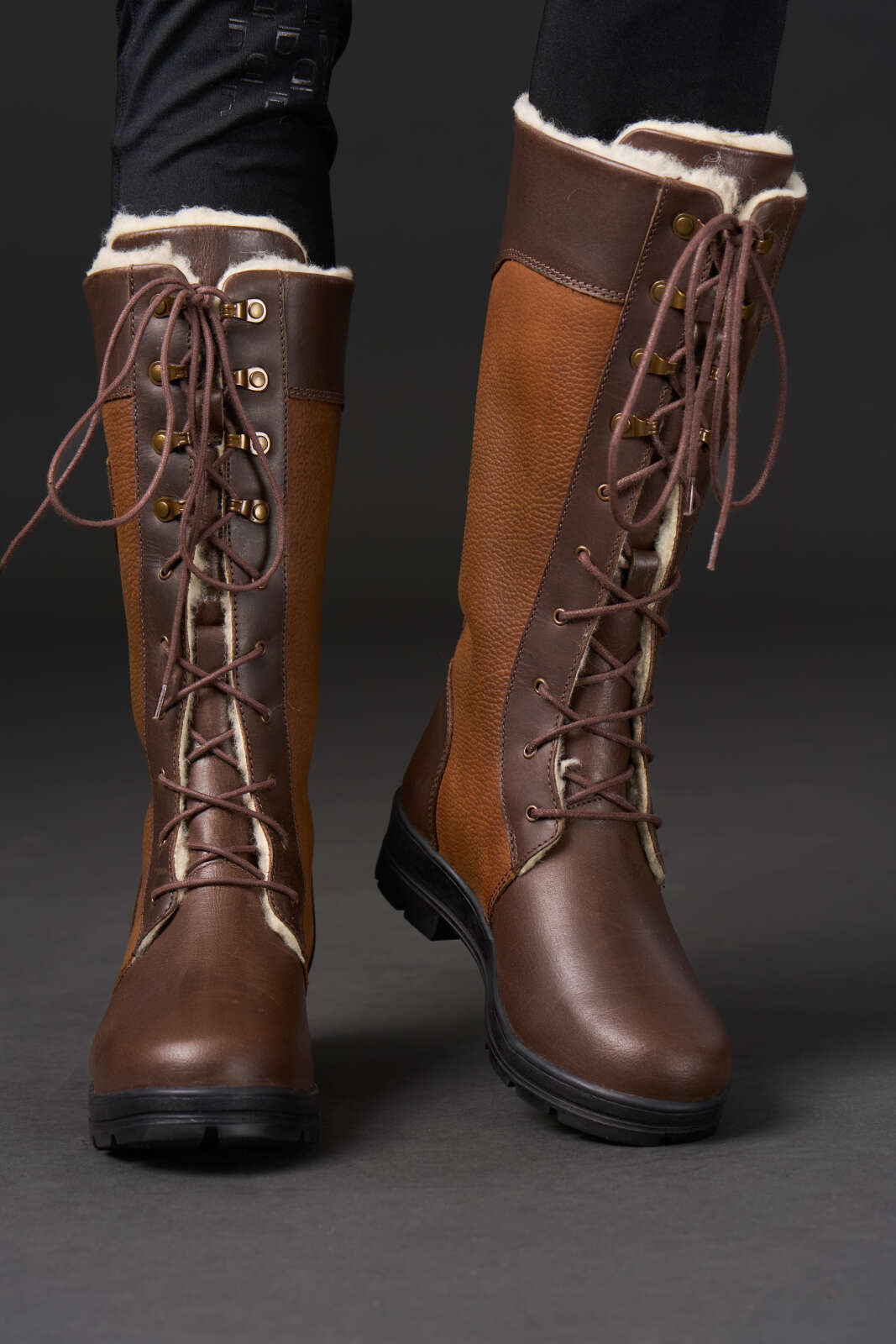
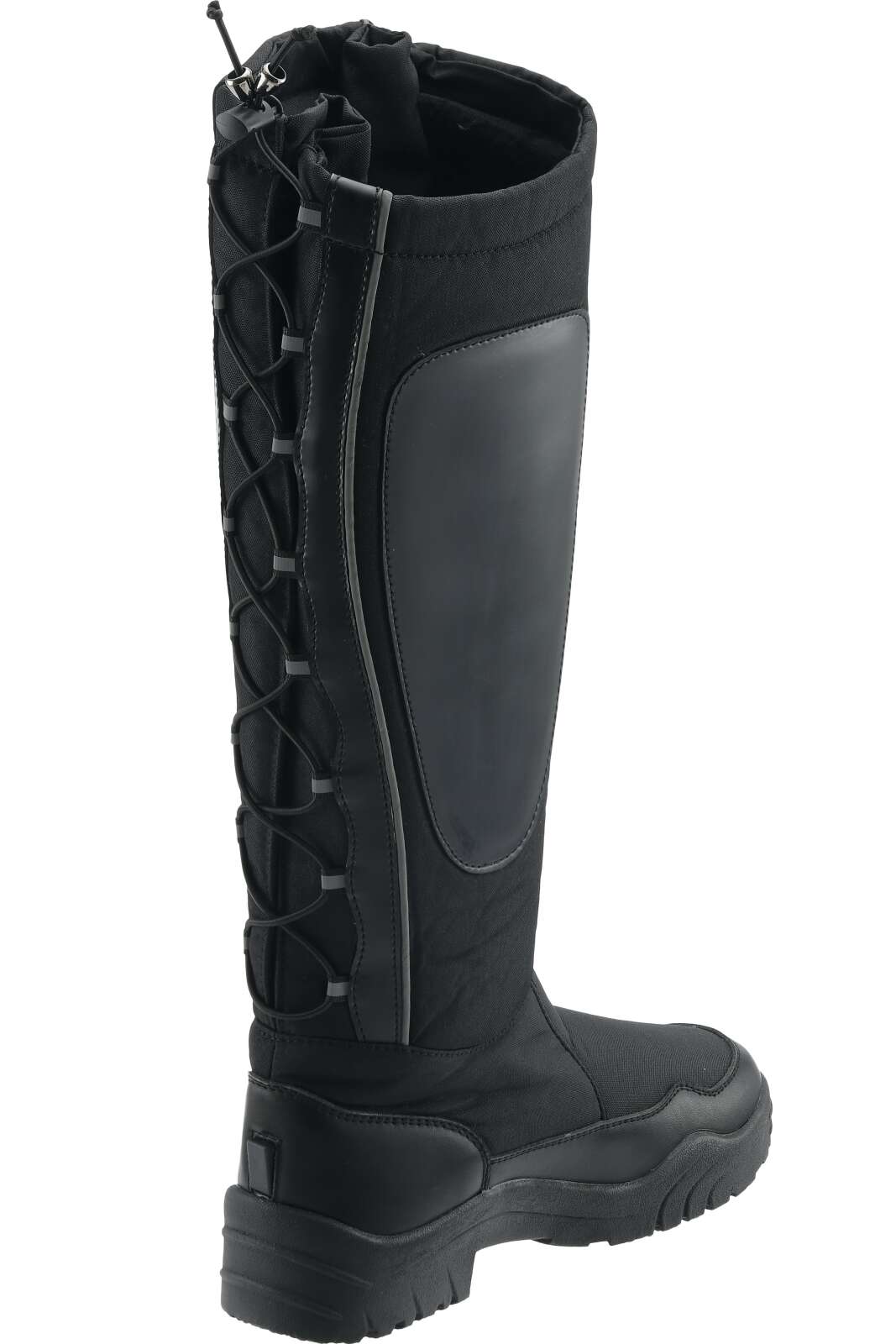
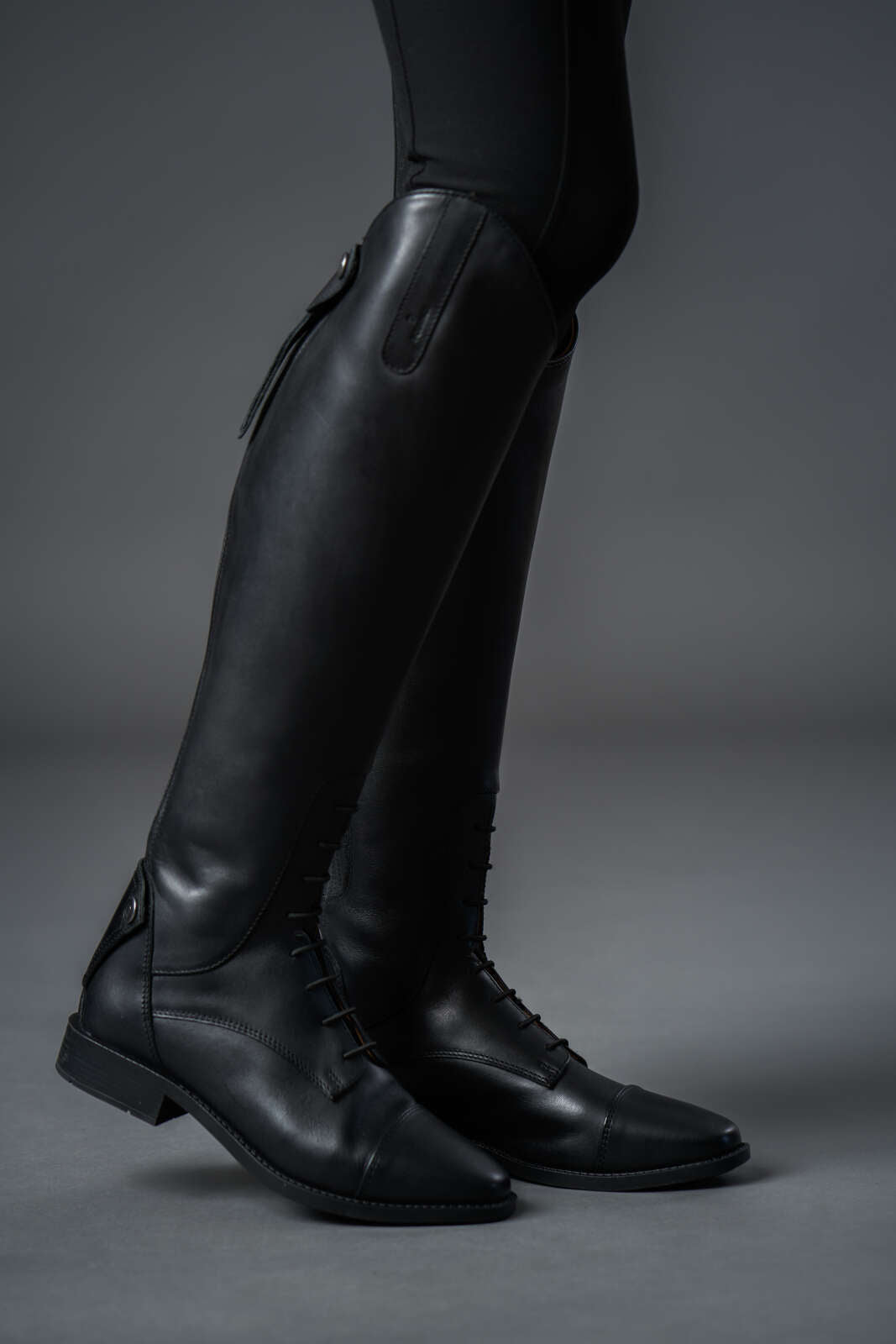
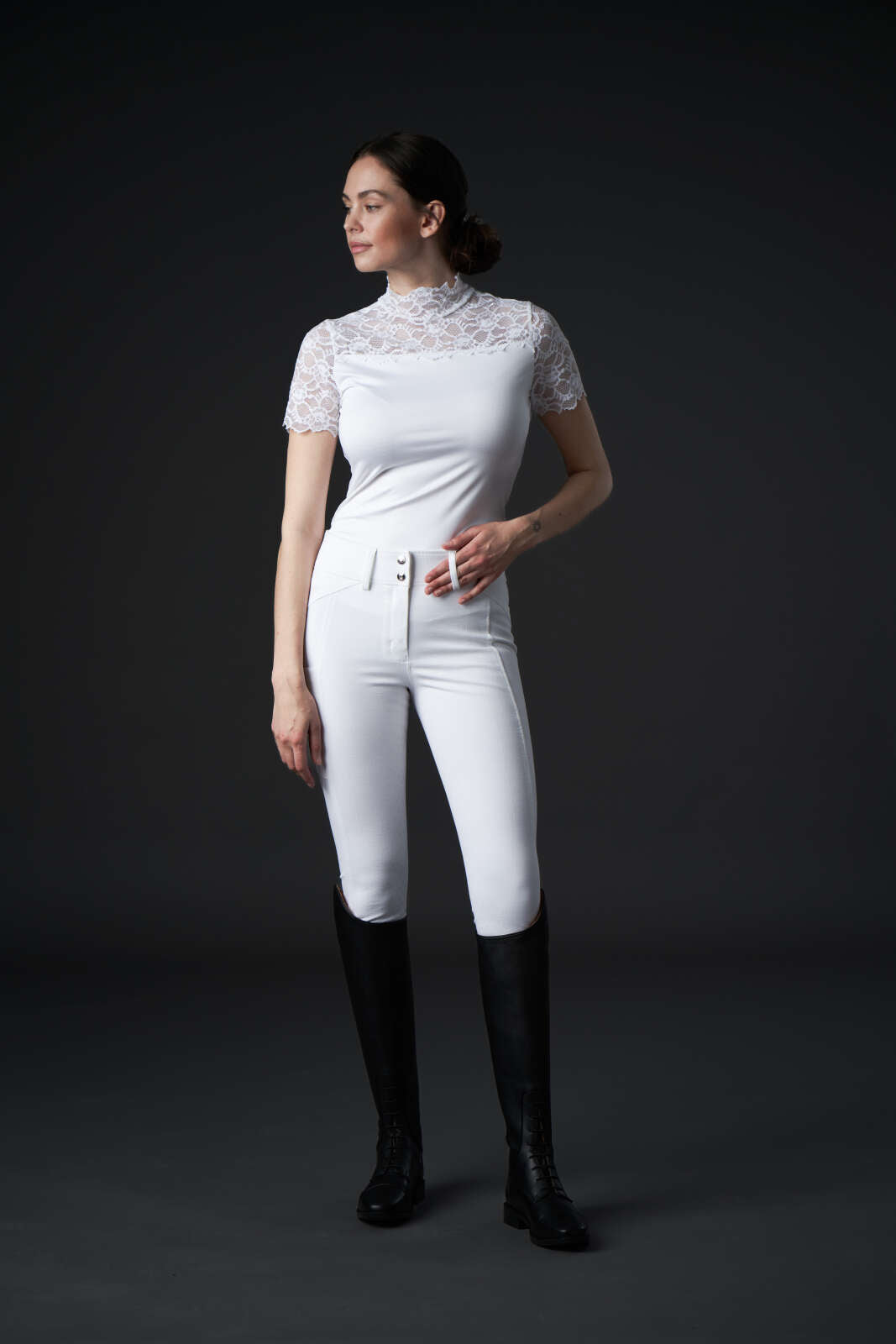
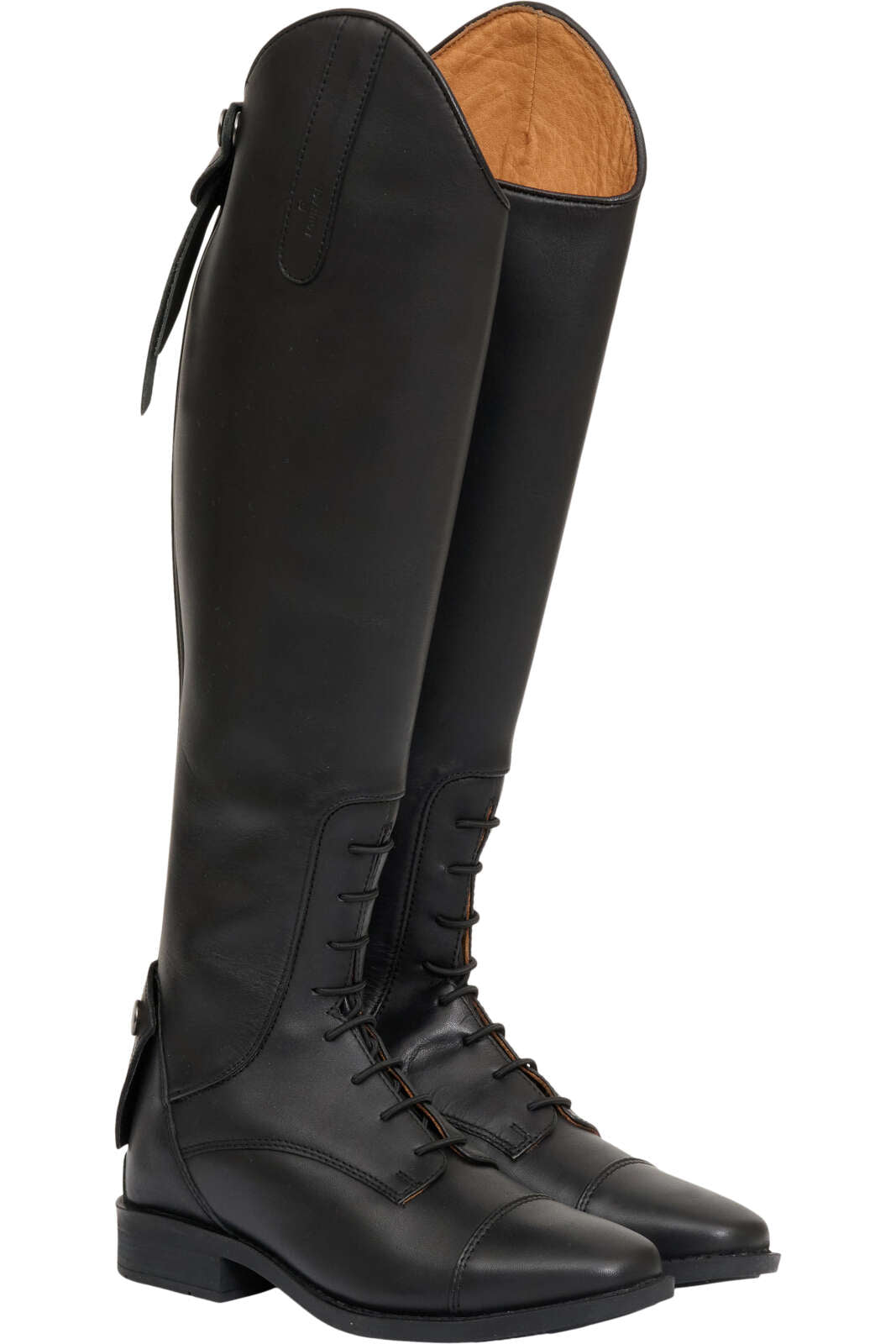

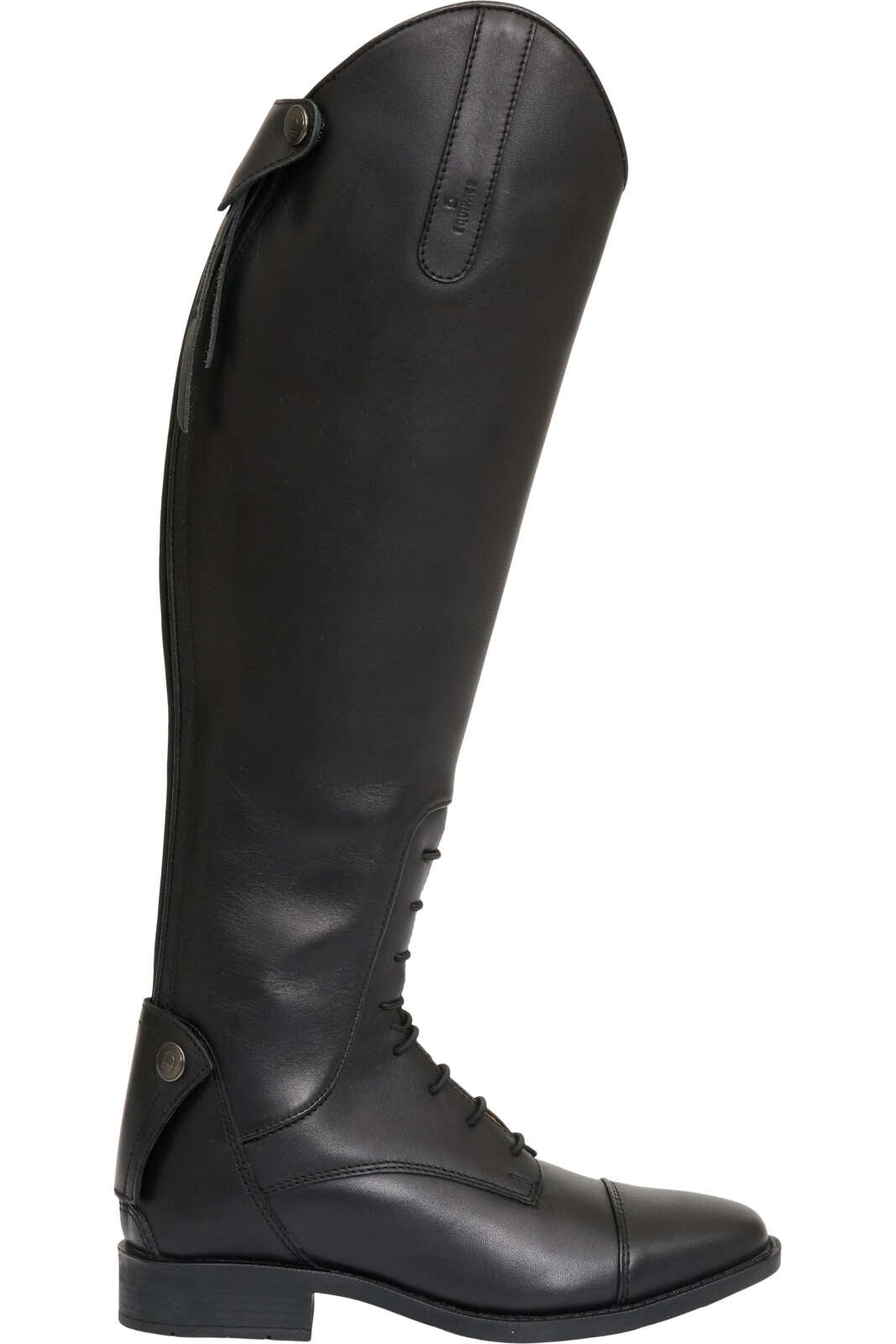
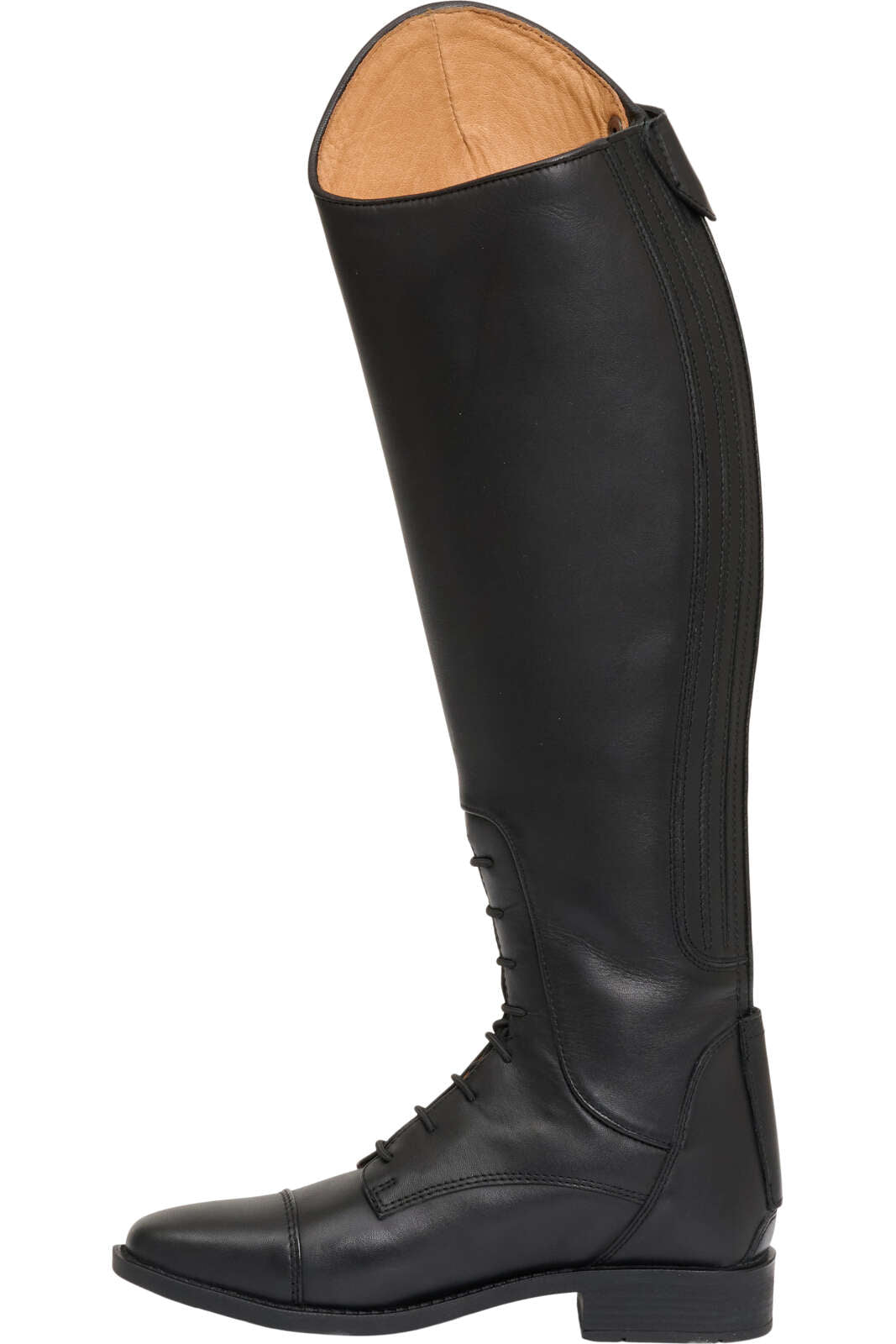
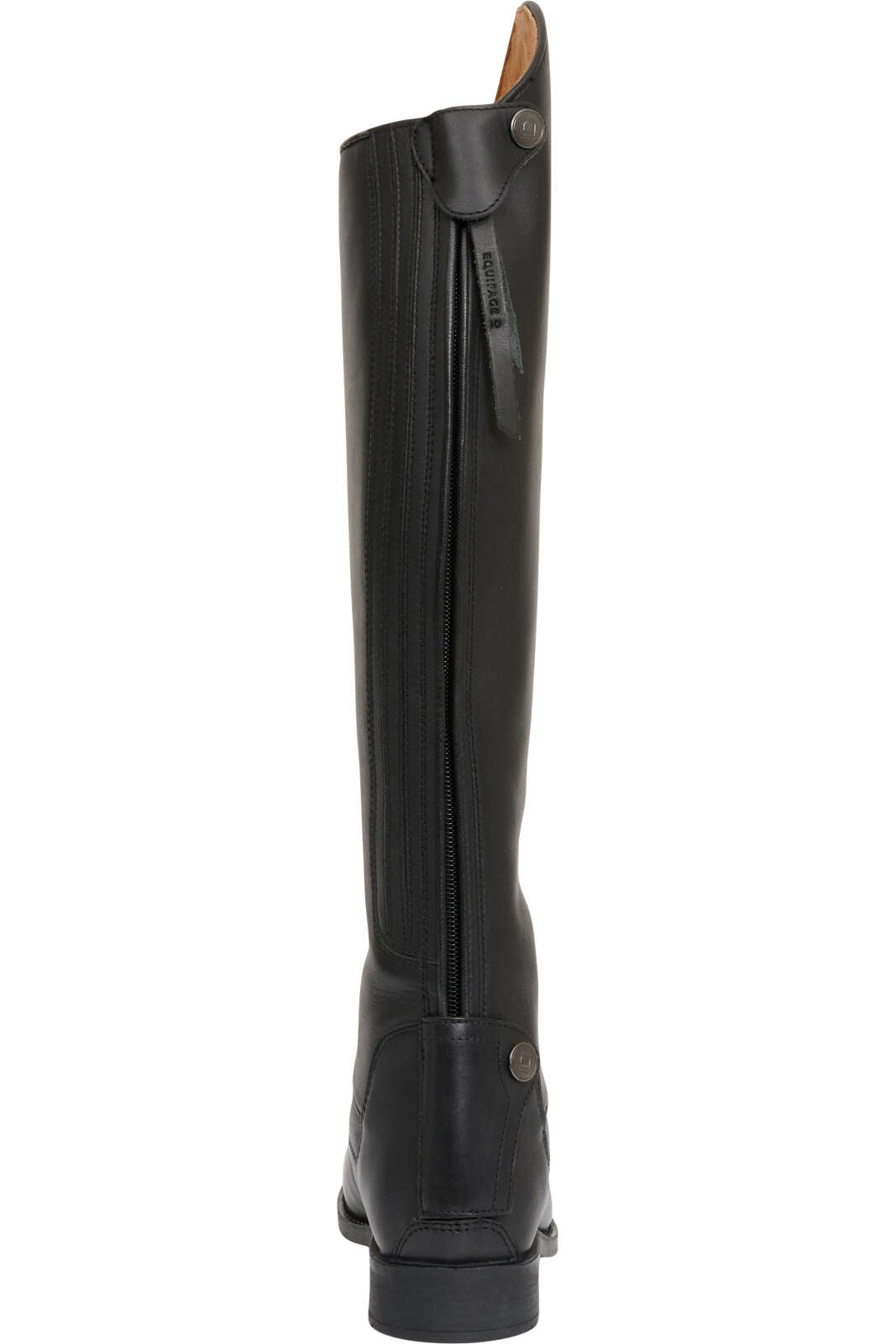
The right riding boots must suit you, your discipline, and the way you ride.
At Unamari, we design and develop our own riding boots, which is why we know how much the small details matter in practice. In our development process, we focus particularly on the interplay between fit, support, and freedom of movement.
Here you’ll find our entire selection of Equipage riding boots, long riding boots, short riding boots, leather riding boots, winter riding boots and riding boots for women, men, and children.
The choice of riding boots depends primarily on your discipline, your skill level, the season, and your budget.
So the best choice isn’t necessarily the most expensive boot, but the model that best suits your riding style. That’s also the starting point when we develop our riding boots at Equipage. Different riders have different needs, so one type of boot is obviously not the right fit for everyone.
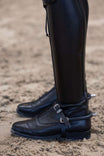
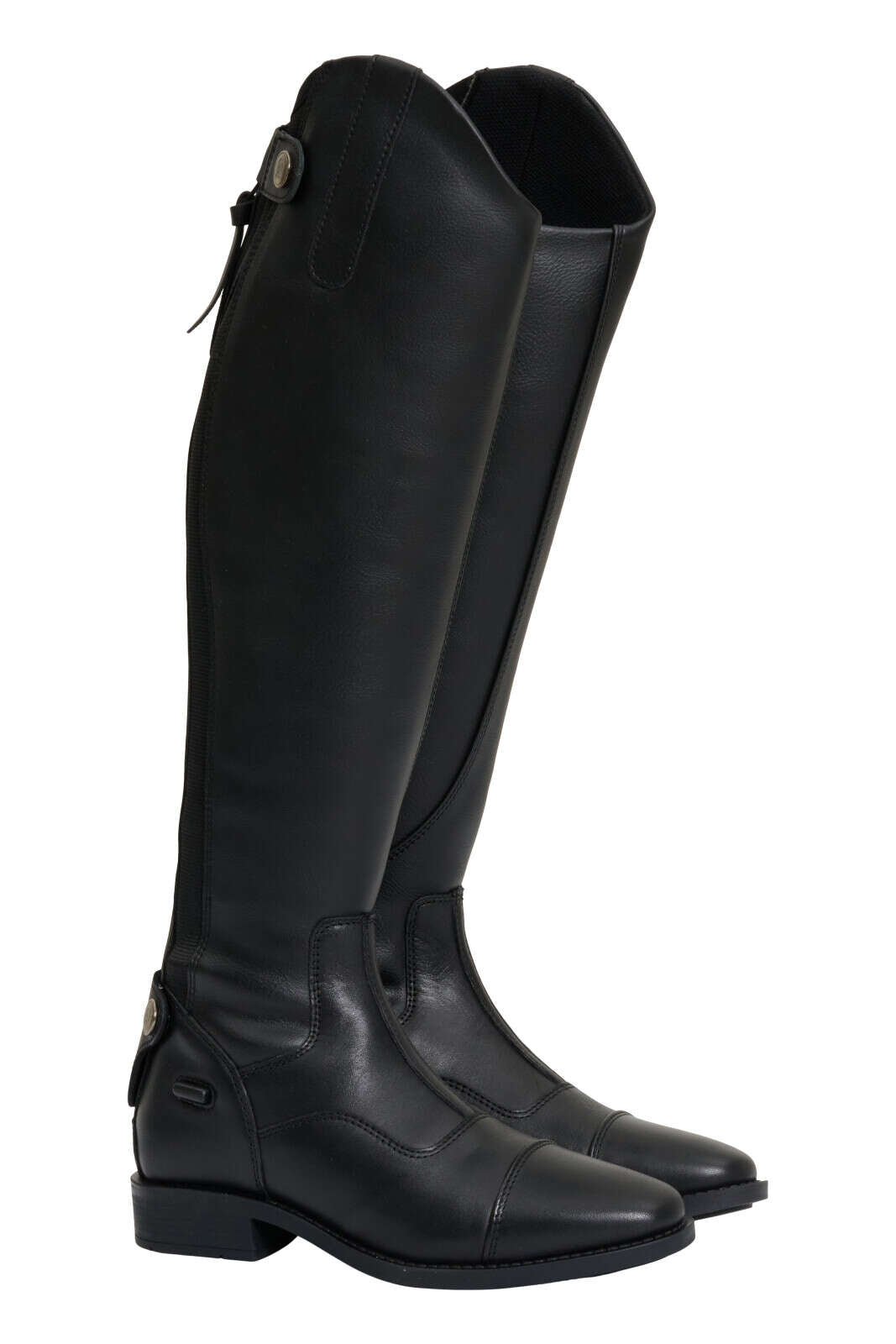
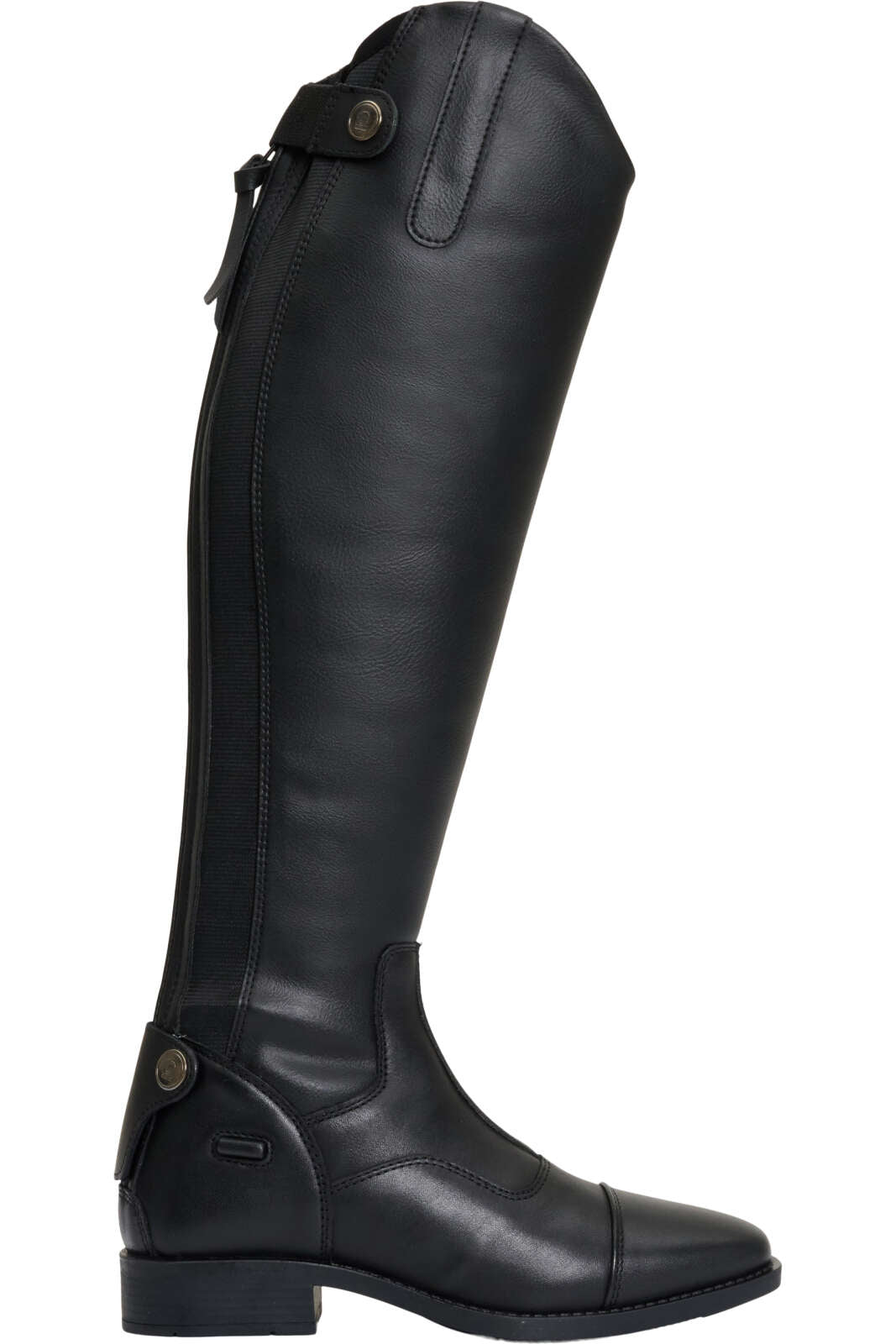
Long riding boots cover the lower leg, providing support and that classic look in the saddle.
At Unamari, when we design riding boots, we place special emphasis on fit and quality. After all, a tall riding boot shouldn’t just fit your shoe size, and there are different styles depending on the discipline and intended use.
The foot, instep, calf width, and shaft height must all work together for the boot to fit snugly around your feet. The best model isn’t necessarily the most expensive one, as there are excellent options in various price ranges, so you can find the right pair of riding boots for each individual Rider.
Dressage riding boots typically have a more stable and rigid shaft, which supports a long leg and provides the elegant, elongated look that many dressage riders prefer.
Show jumping riding boots are often more flexible around the ankle. This provides greater freedom of movement, which is important when riding with shorter stirrups and working more actively with your ankles and knees. Show jumping boots are often made of softer leather, which provides greater flexibility.
If you ride multiple disciplines, a more flexible all-around riding boot can be a good compromise, both for training and competitions.
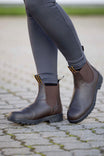
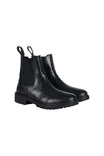
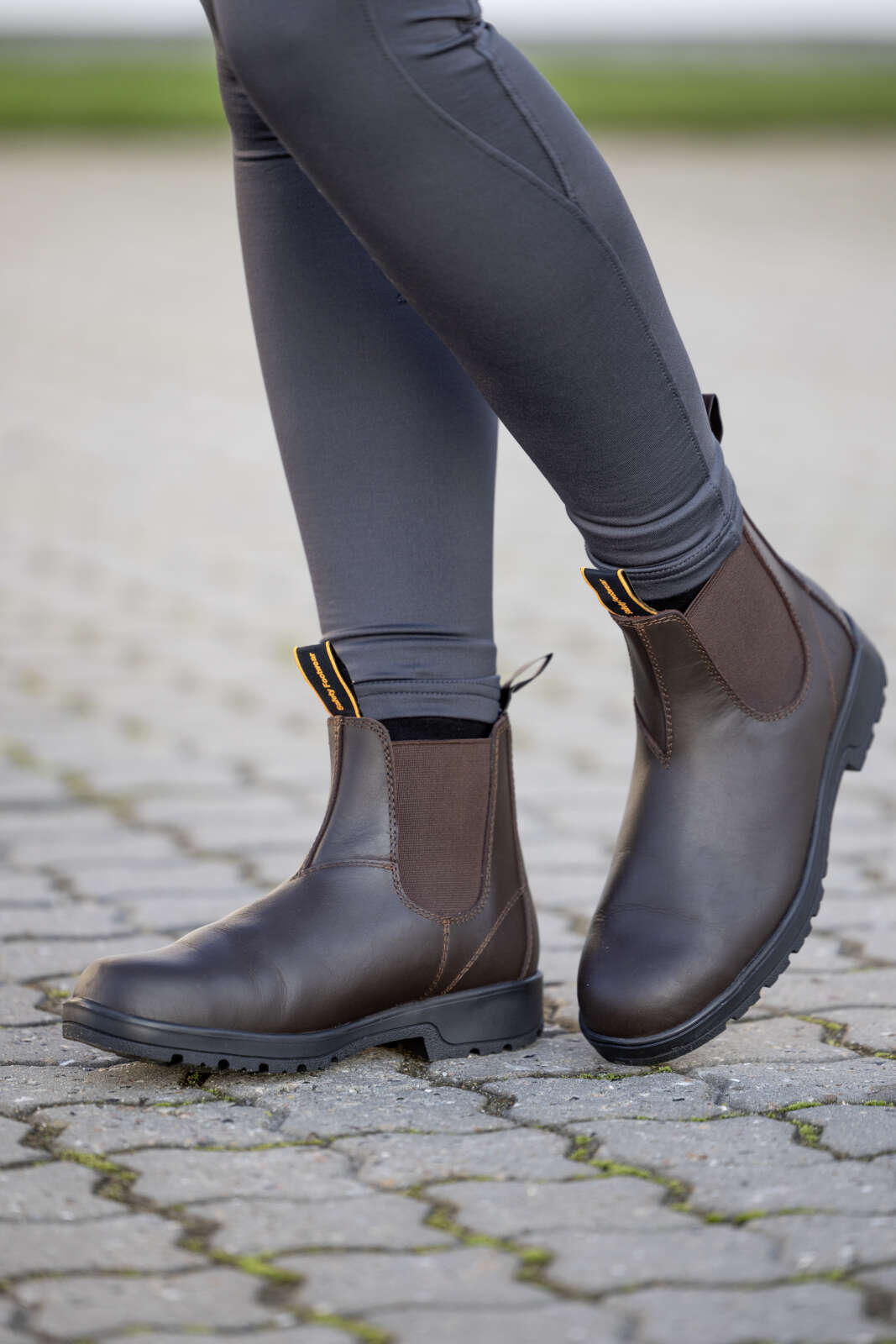
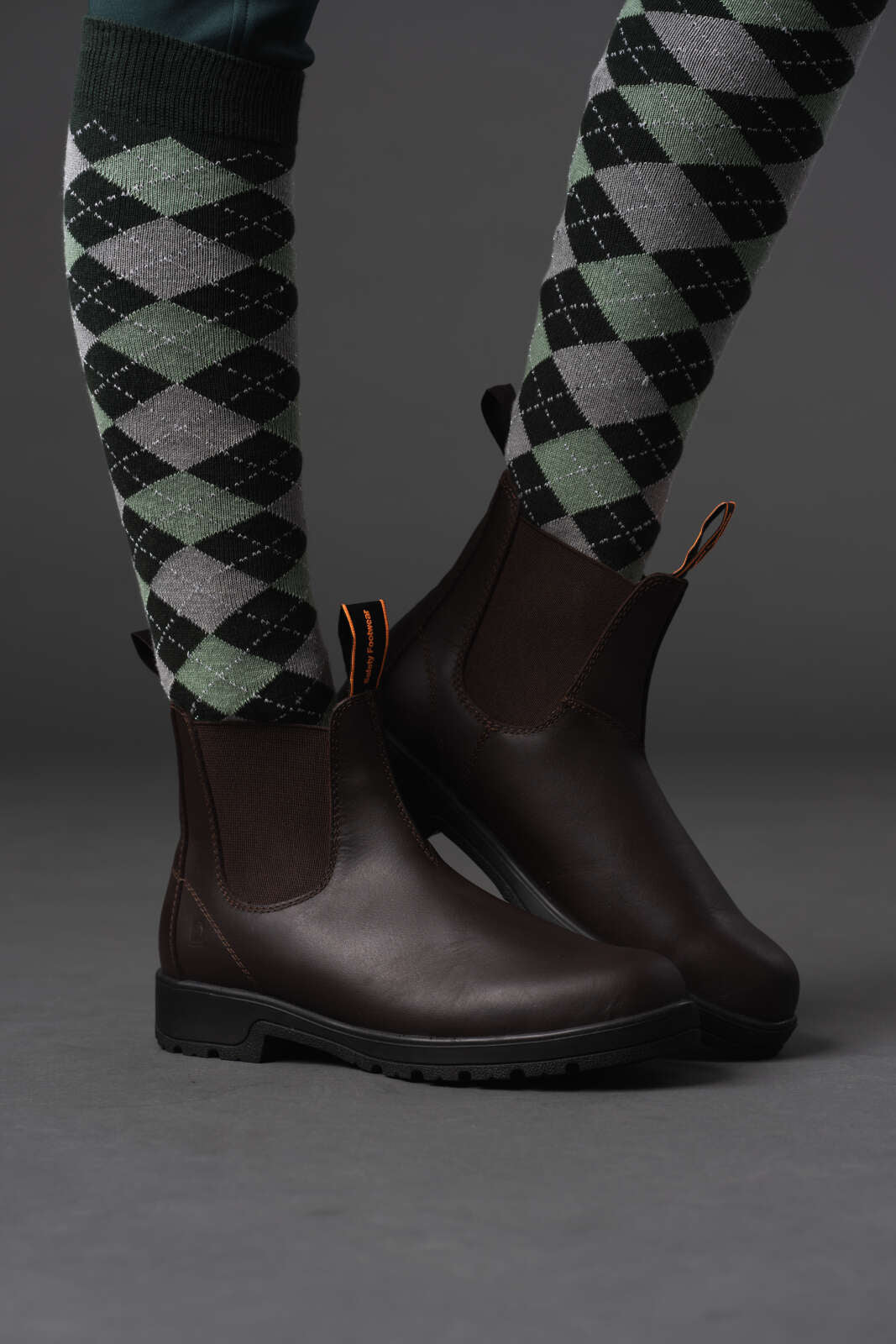
Short riding boots are also called jodhpurs. They reach about to the ankle and therefore provide more freedom of movement around the lower leg than long riding boots.
Short riding boots are a good choice if you:
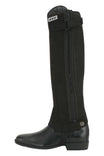
Jodhpurs with chaps provide both support and protection around the calf and can create the illusion of a long shaft, making them a great alternative to long riding boots.
The material of your riding boots affects price, maintenance, and durability.
Faux leather riding boots are a practical and often more budget-friendly choice. They typically require less maintenance and are therefore particularly suitable for children, beginners, and, of course, vegans.
When we design Equipage riding boots, we focus on creating great solutions for different needs and budgets. And you don’t have to choose natural leather to get a riding boot that works well for your riding.
Leather riding boots are popular because natural leather is the most classic boot material, which, with long-term use, molds itself to the wearer’s foot and leg.
Leather, on the other hand, requires more care than synthetic leather.
Choose leather riding boots if you prioritize the feel of the material and the possibility of a more personalized fit over time.
When choosing riding boots for children, fit and practicality should be top priorities.
Children grow quickly, but we do not recommend choosing riding boots that are too large. This is because the foot still needs to remain stable while riding, so that the boot’s shape works properly with the stirrup.
Short riding boots, synthetic leather boots, and rubber riding boots can be good choices depending on the child’s skill level.
Check out our great selection of riding boots for kids, including models for different seasons.
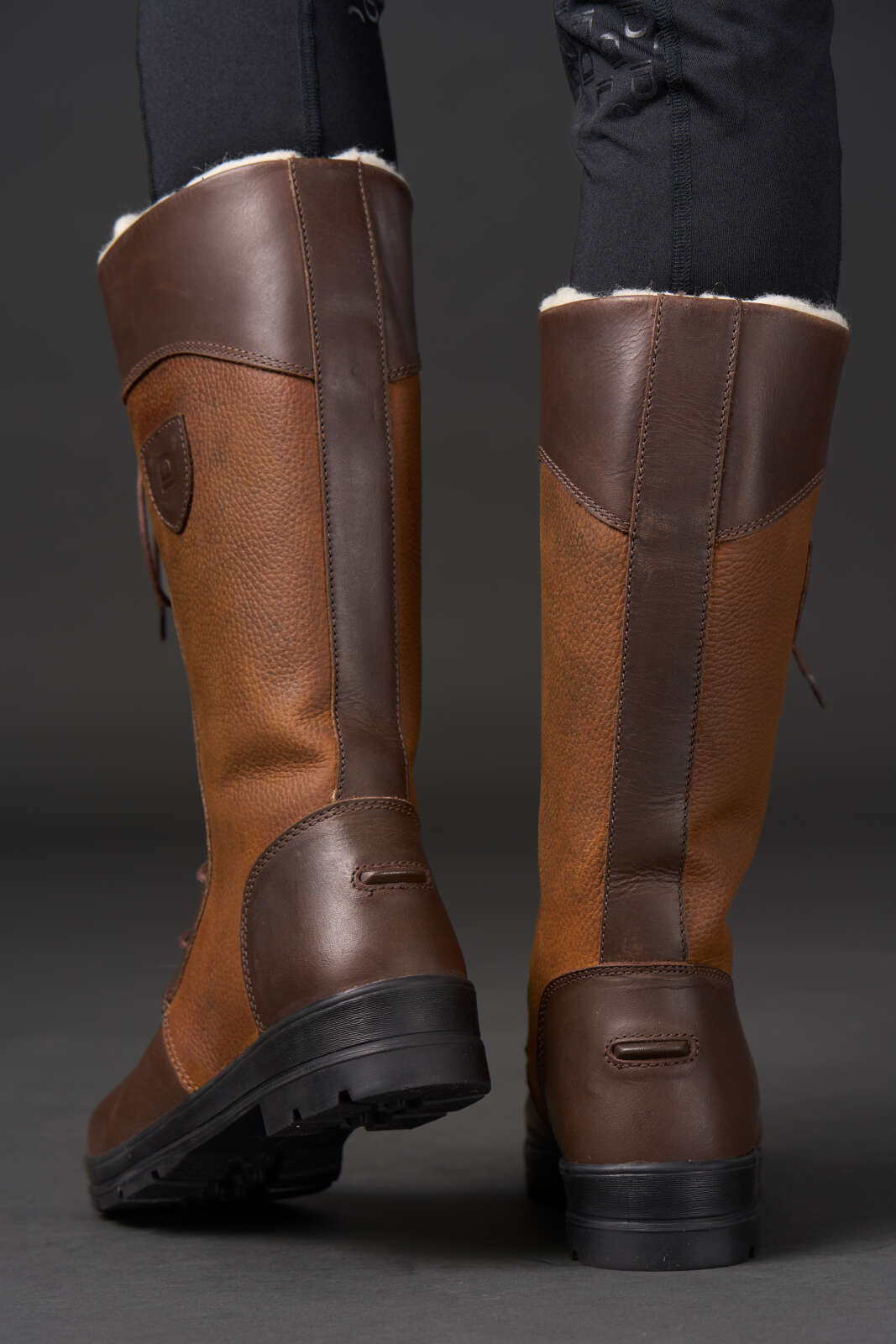
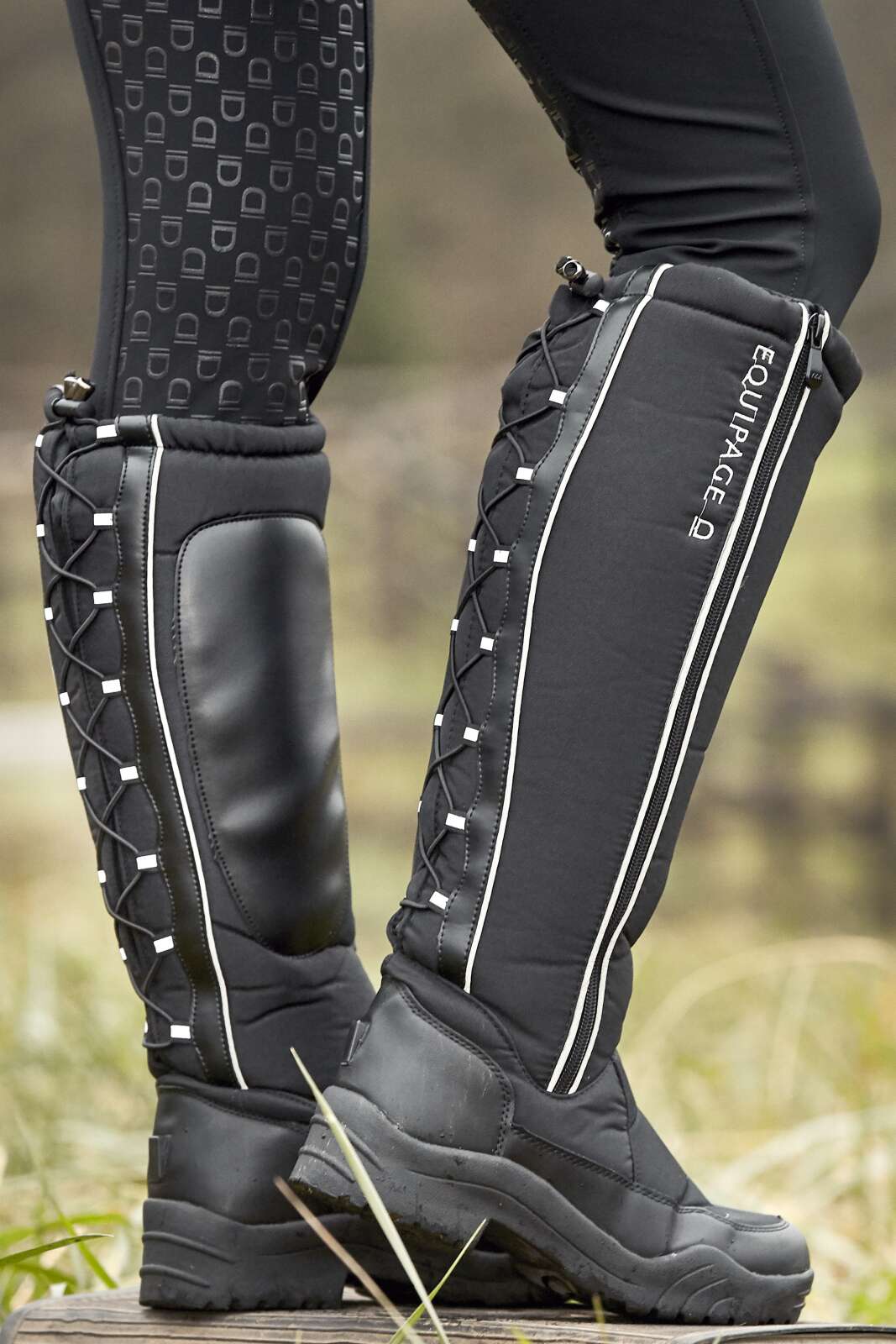
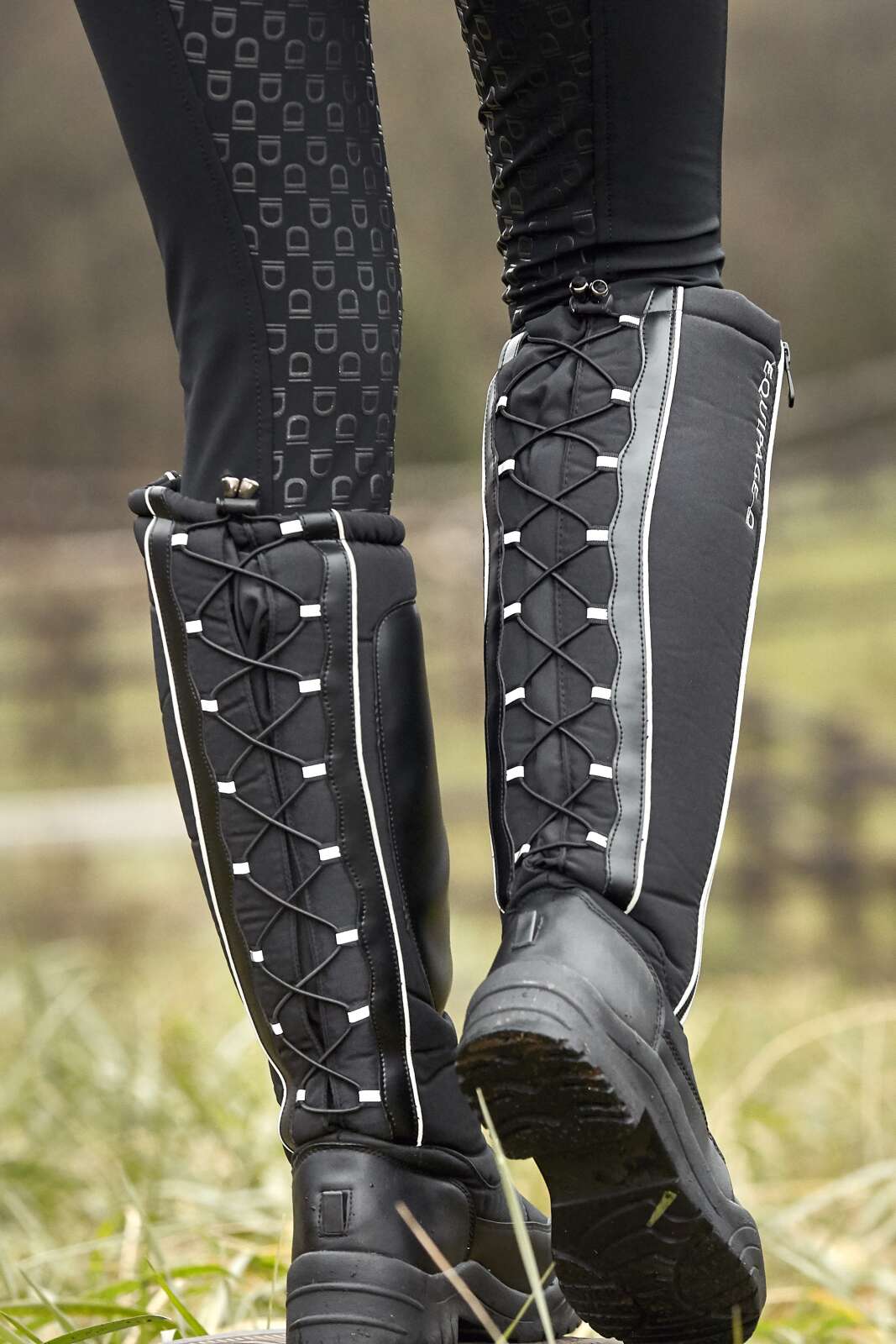
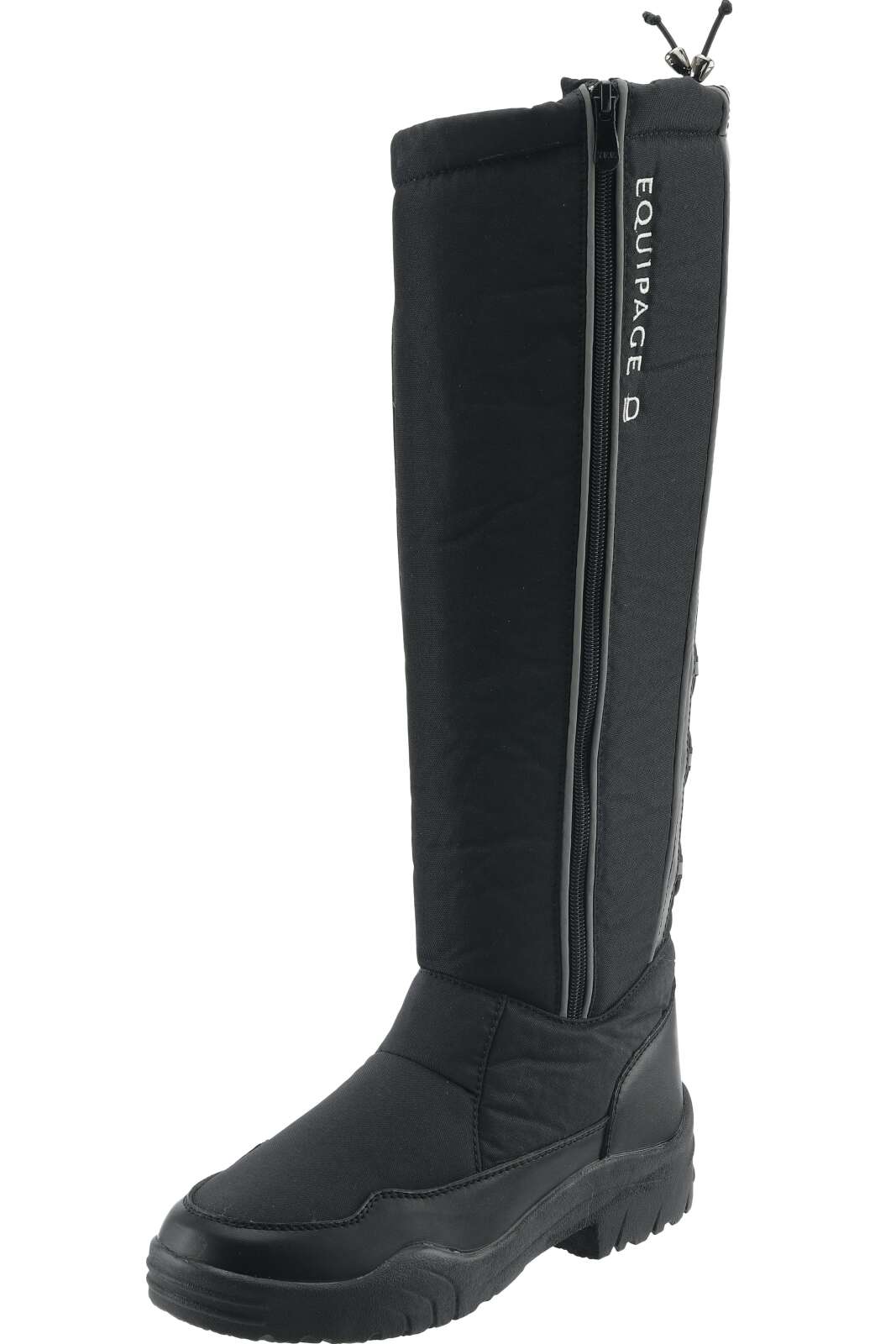
Winter riding boots and thermal riding boots provide extra insulation compared to regular riding boots. They are typically more robustly constructed and suitable for winter rides, a cold trip to the stable, and as practical boots for children both in everyday life and for Riding.
When choosing winter riding boots, it’s important to select a pair that is:
If you ride a lot during the winter, we recommend choosing actual winter riding boots rather than stuffing thick socks into your regular riding boots (even though that’s kind of cozy, too).
Stable boots and riding boots aren’t necessarily designed for the same purpose.
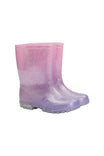
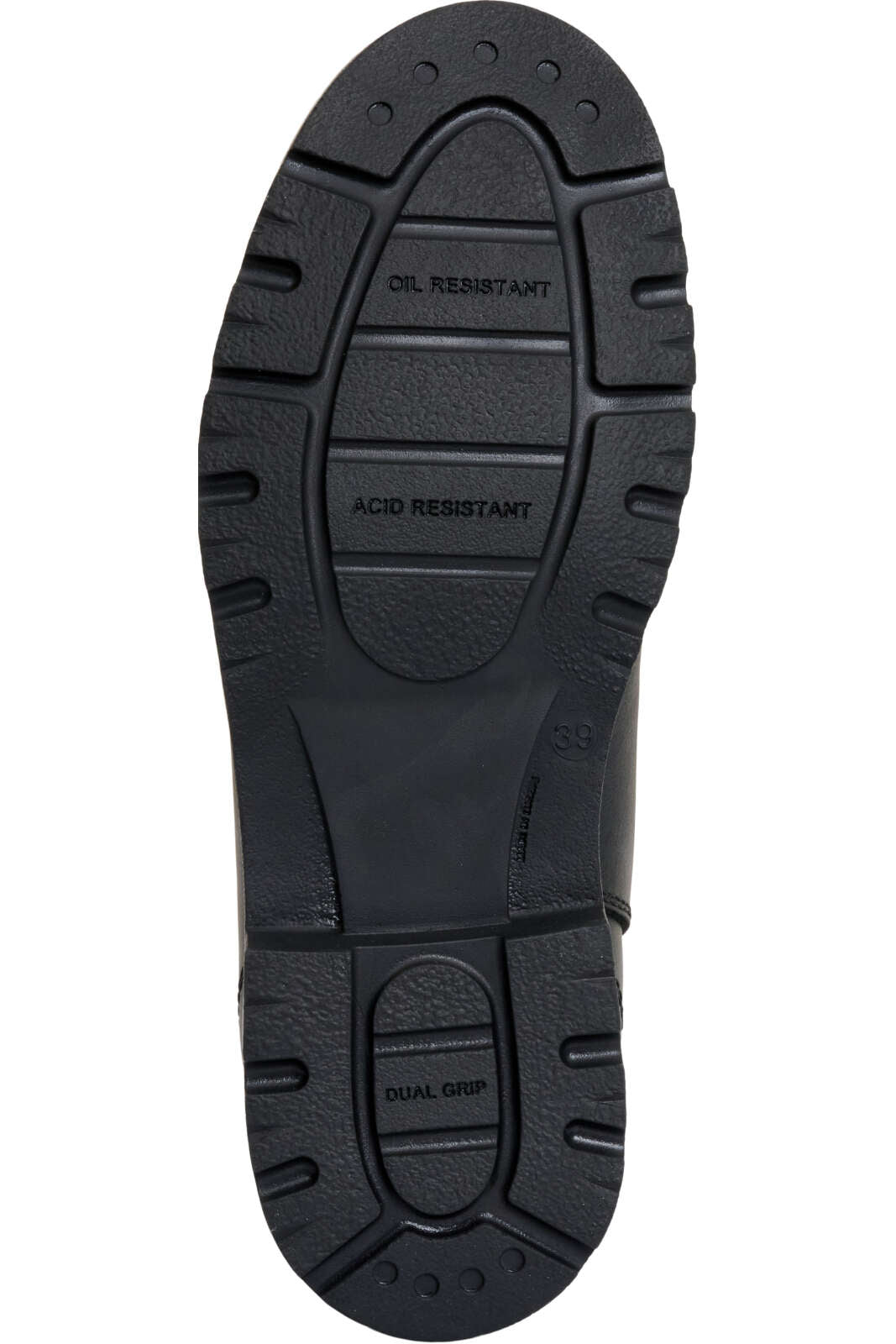
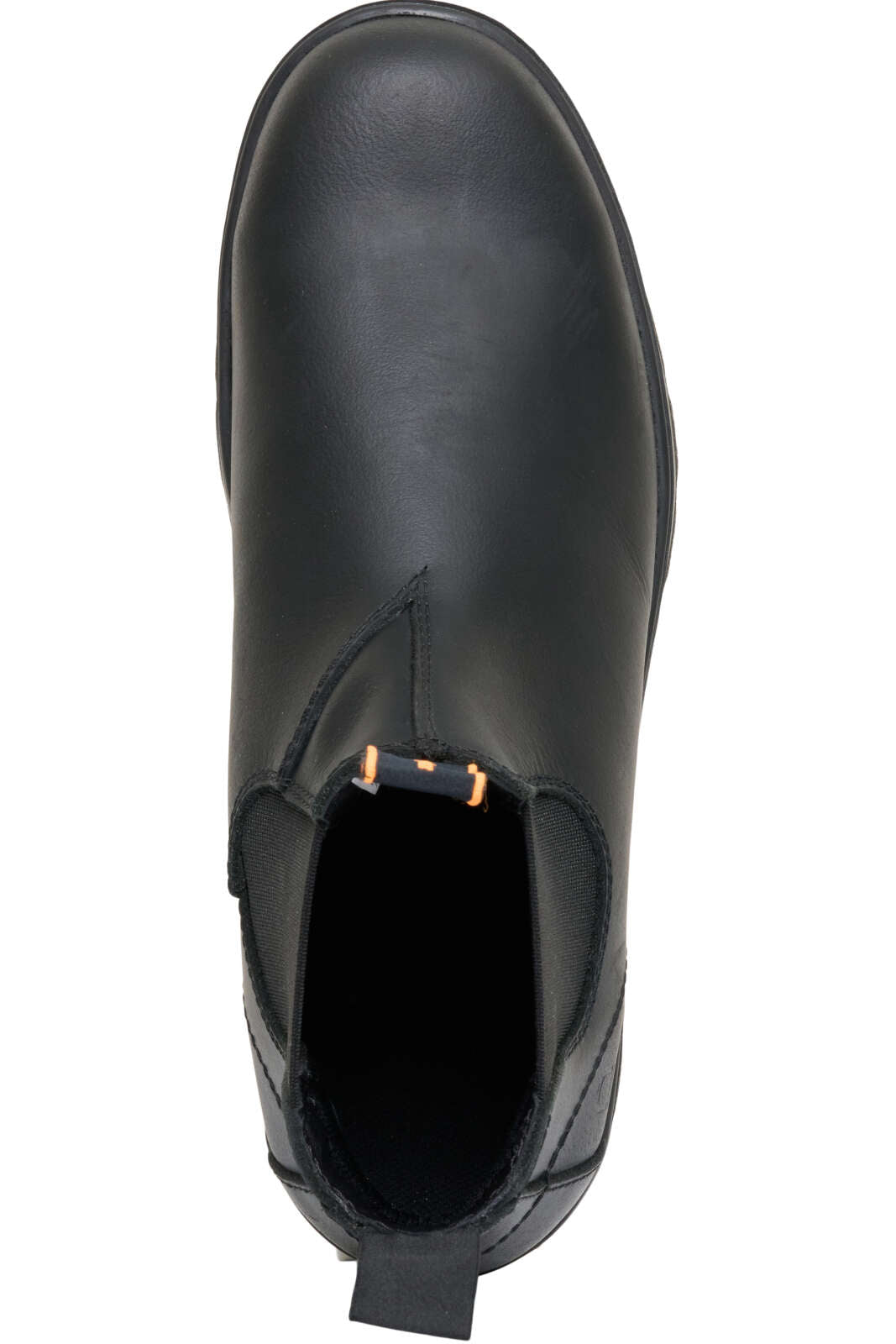
Boots for stable use should provide you with a good grip so you don’t slip on wet stable floors, among other things. Safety boots are great for preventing injuries, such as when a horse steps on your foot or if you’re around heavy objects. You’re surely familiar with wellies, and yes, they come in styles suitable for riding. A good pair of wellies can also be practical for walks in the woods, where the ground is often wet and slippery.
Here you’ll find stylish and practical styles of all kinds, including stable boots, wellies and safety boots, so you can choose footwear that helps keep your feet warm and comfortable.
Riding boots should fit securely around the foot without being too tight. For tall riding boots, you should also consider calf width, shaft height, and whether the style has a zipper.
Check especially:
For long riding boots, we therefore recommend that you measure both calf width and the height from the heel to the back of the knee and compare the measurements with the size guide for the desired model.
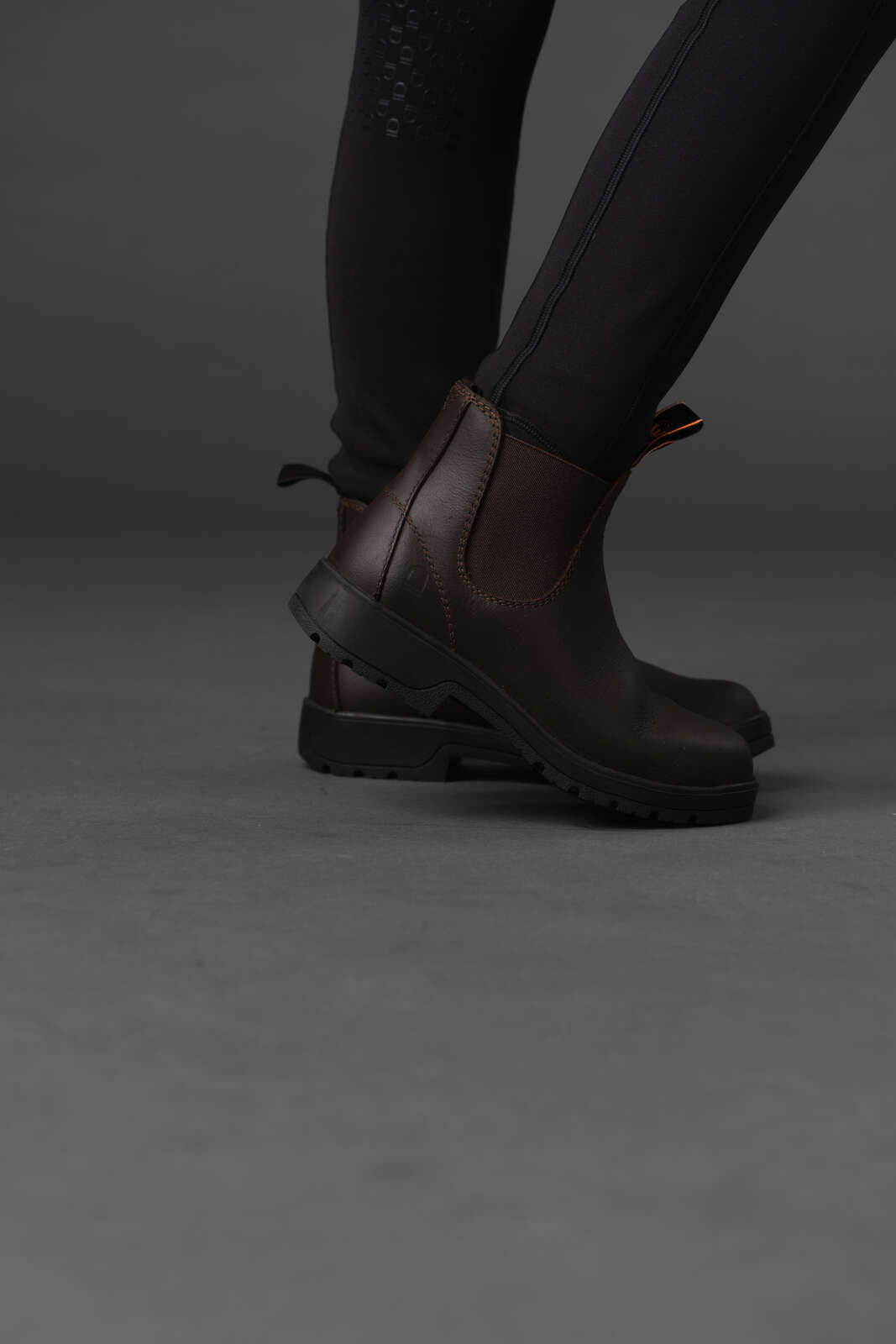
Riding boots have a distinct heel to reduce the risk of the foot slipping through the stirrup in the event of a fall.
That’s why the sole and heel aren’t just a matter of design. The boot works together with the stirrup as part of the rider’s overall setup.
This is also why regular sneakers or wide everyday boots should not be worn for riding.
The right accessories can help you take better care of your riding boots.
Spurs and spur straps are used with riding boots, while boot trees and boot hangers can help long riding boots retain their shape.
A boot bag for riding boots protects the boots from scratches and impacts during transport and storage and is especially practical for training and competitions.
Leather riding boots should be cleaned and cared for regularly with leather care products suitable for the material. Faux leather riding boots typically require less maintenance and can often be wiped down with a damp cloth.
Learn more in our guide to the care and maintenance of riding boots.
At Unamari, you can find riding boots tailored to your specific needs and preferences.
We design and develop Equipage riding boots ourselves, and we draw on that experience when working on fit, materials, and price points.
For us, a good riding boot isn’t about being the most expensive, but about being just right for the Rider.
Start with your discipline and your needs. Then find the right type, the right material, the right fit, and finally the model that checks all the boxes.
Choose riding boots based on your discipline, your skill level, the season, and your budget. Long riding boots provide support around the lower leg, while short riding boots are more flexible. For winter riding, lined winter riding boots or thermal riding boots are an obvious choice.
Only if the boots are suitable for riding and have a distinct heel, so they work safely with stirrups. Many stable boots are designed primarily as work boots and should therefore not be used as riding boots.
Short riding boots are typically called jodhpurs. They reach about to the ankle and can be worn on their own or paired with Chaps or leggings.
Riding boots should fit securely around the foot without being too tight. Long riding boots must also fit properly in both calf width and shaft height.
Long riding boots wrap around the lower leg, providing support and protection around the calf. At the same time, they provide the classic look used in disciplines such as dressage, jumping, and competition riding.
Spurs are placed around the heel of the riding boot and secured with spur straps. They must be secure and correctly positioned so they do not twist or slip while riding.