
























De får fem stjerner, men kun fordi de sidder dejligt.
Det er jo sommer lige nu, så ved jo ikke hvordan de fungerer til vinter, når der er koldt.
Min häst gillar den och det är bra att ha ett lock som skyddar maten när det dammar
Filters
29 products
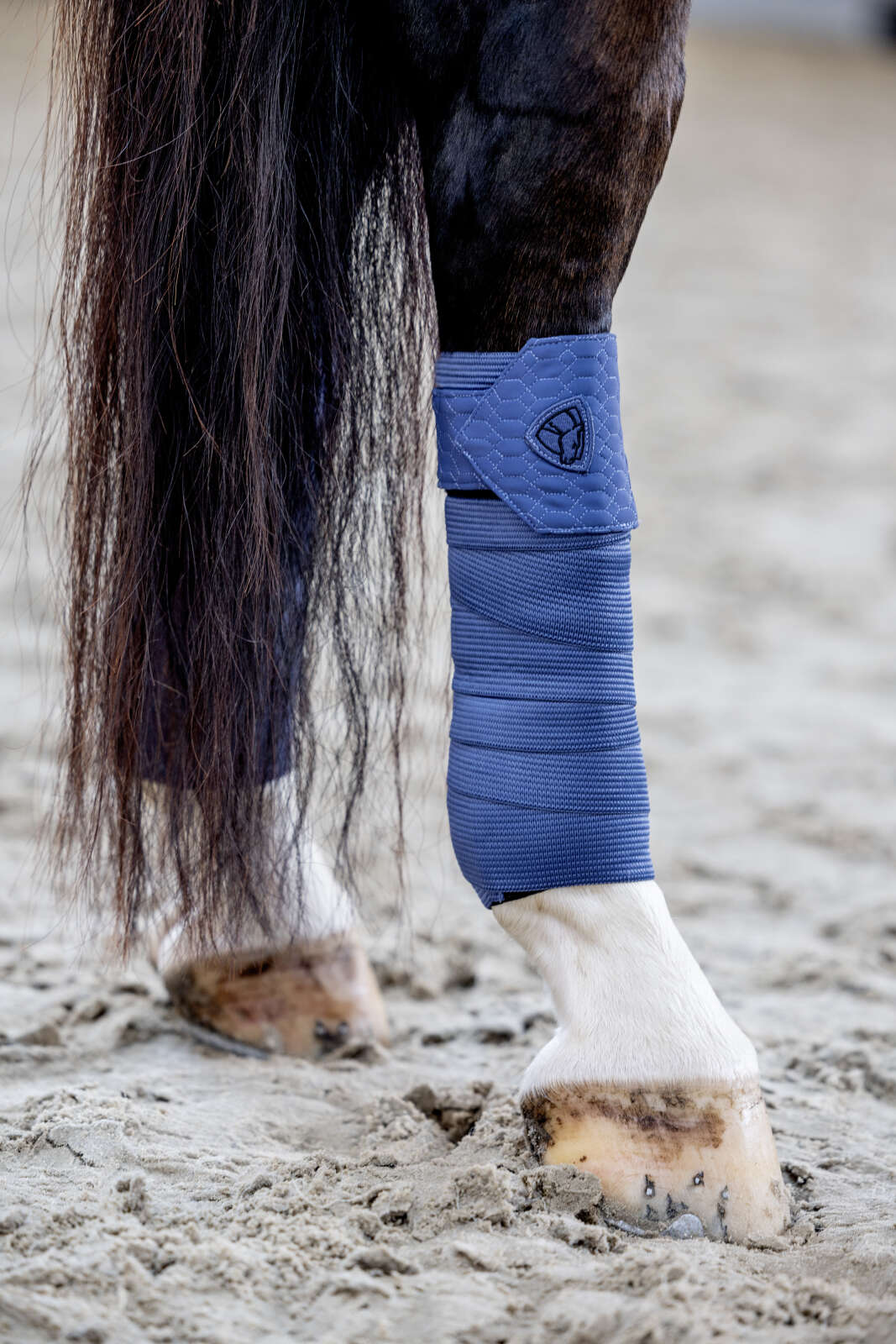
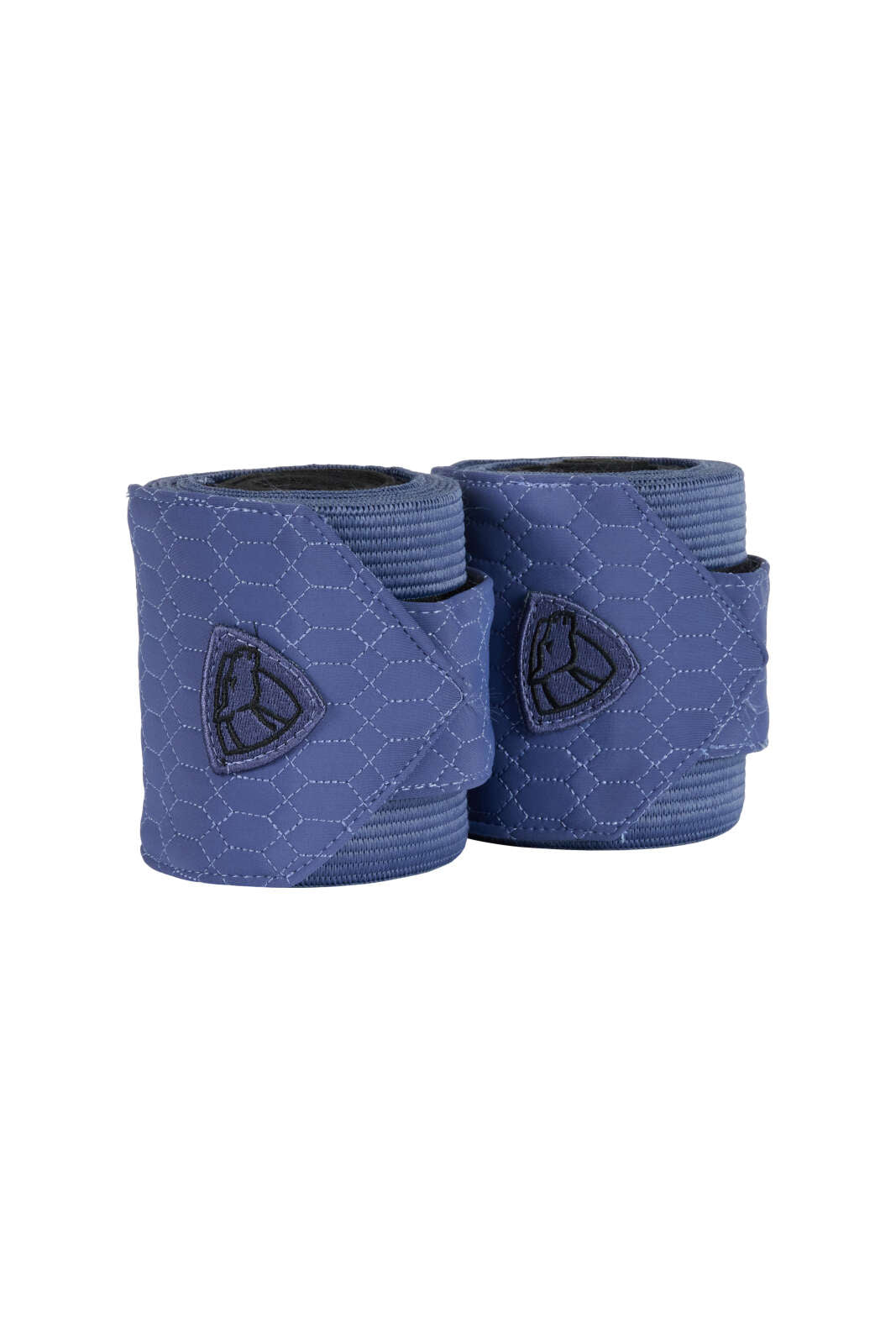
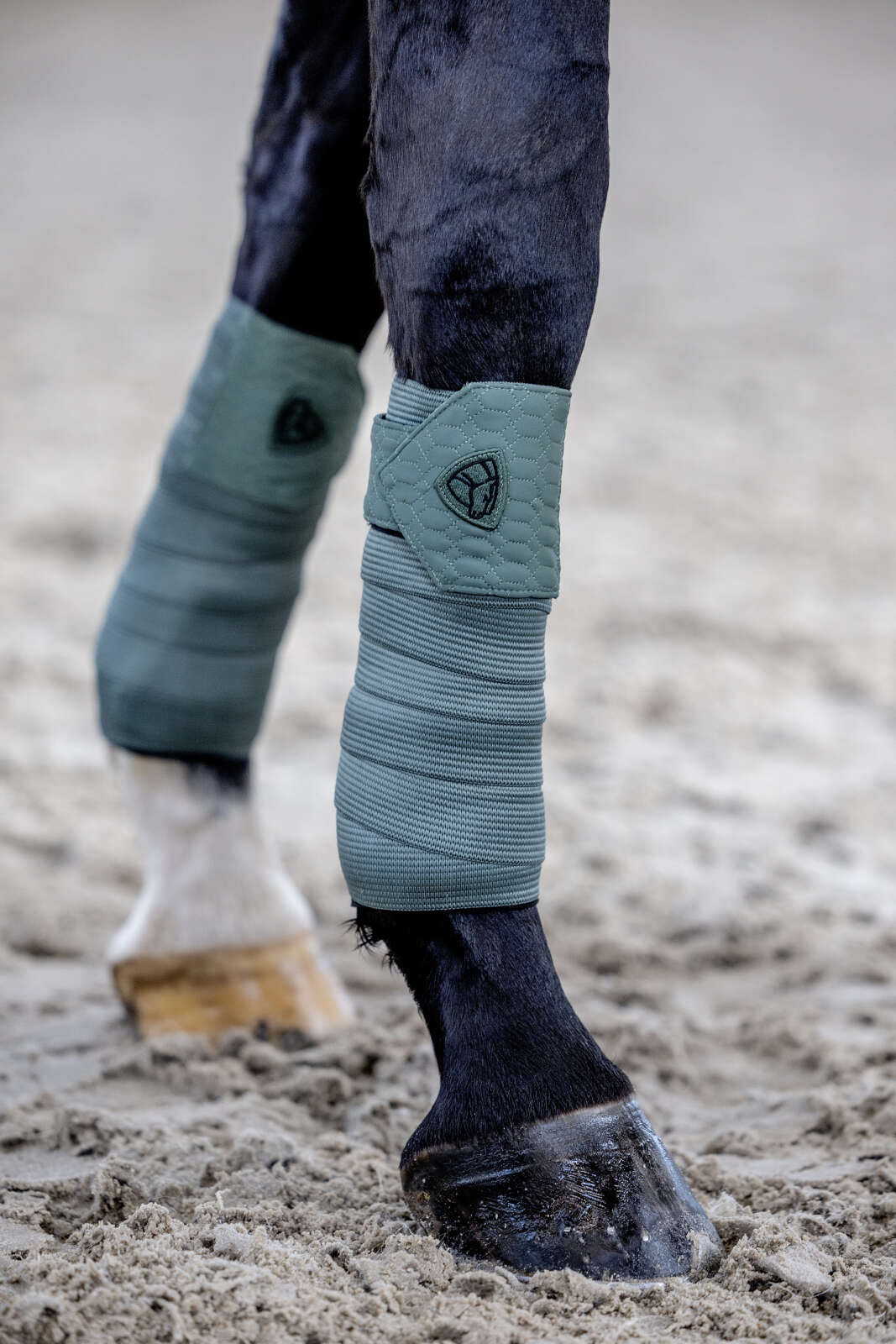


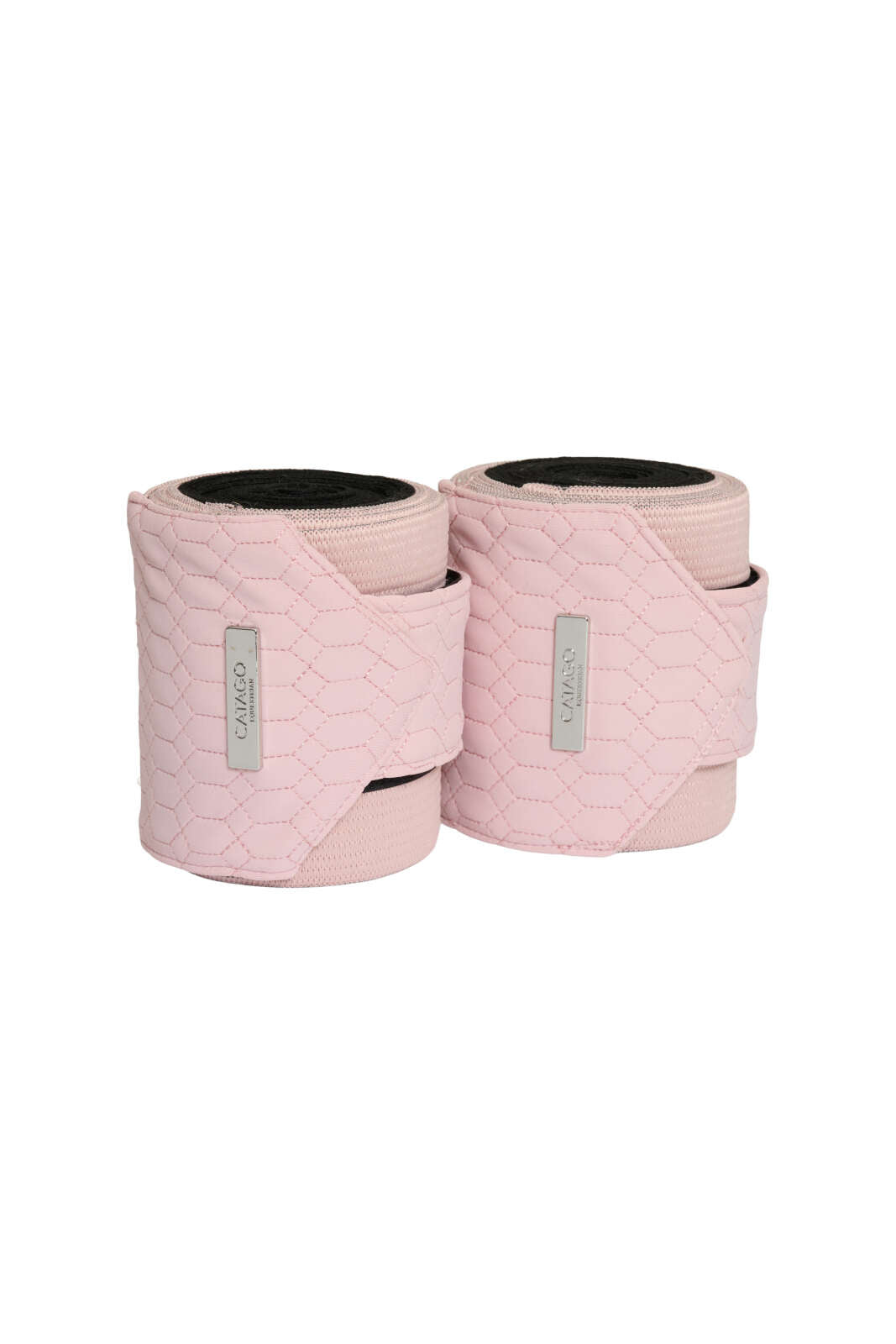
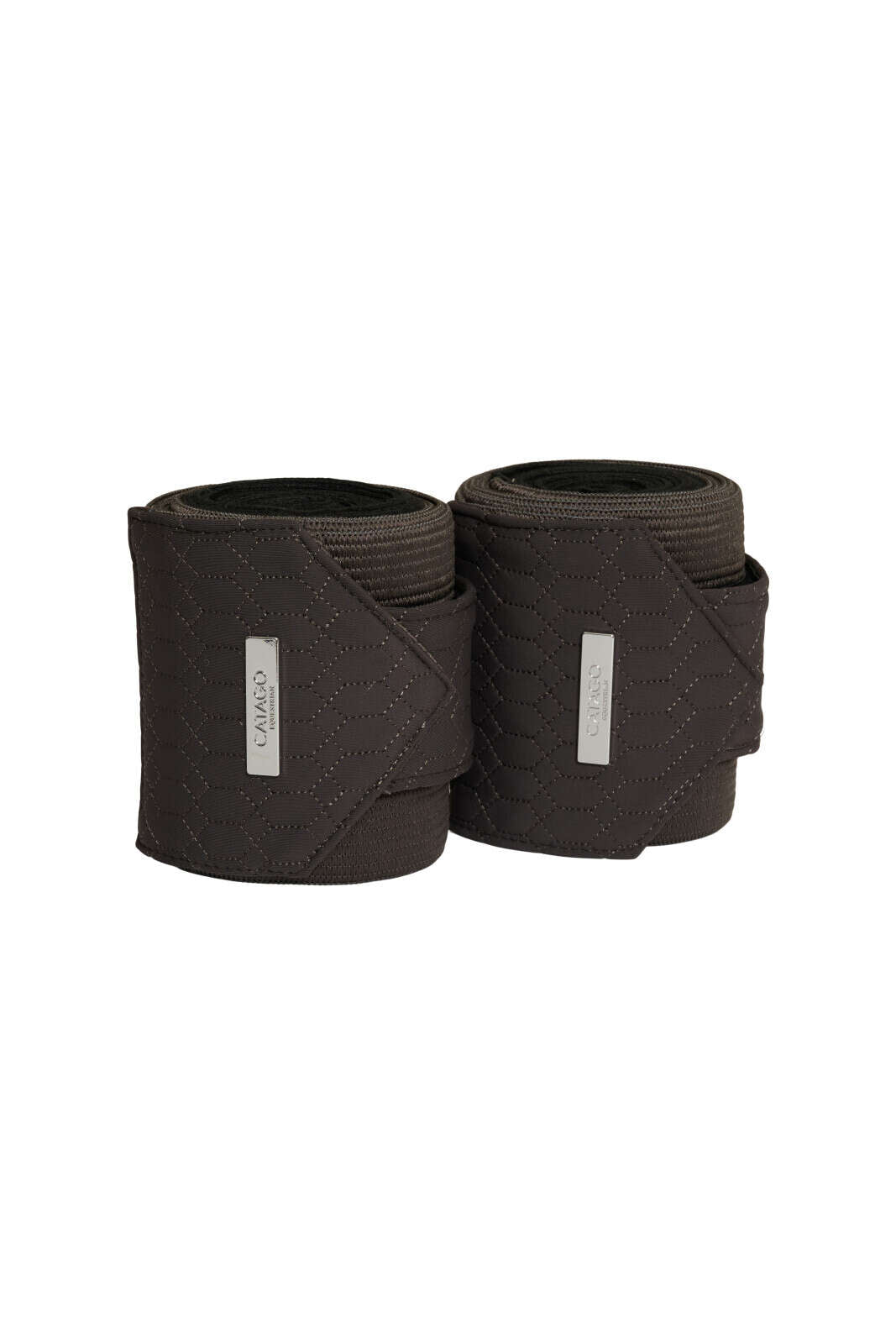
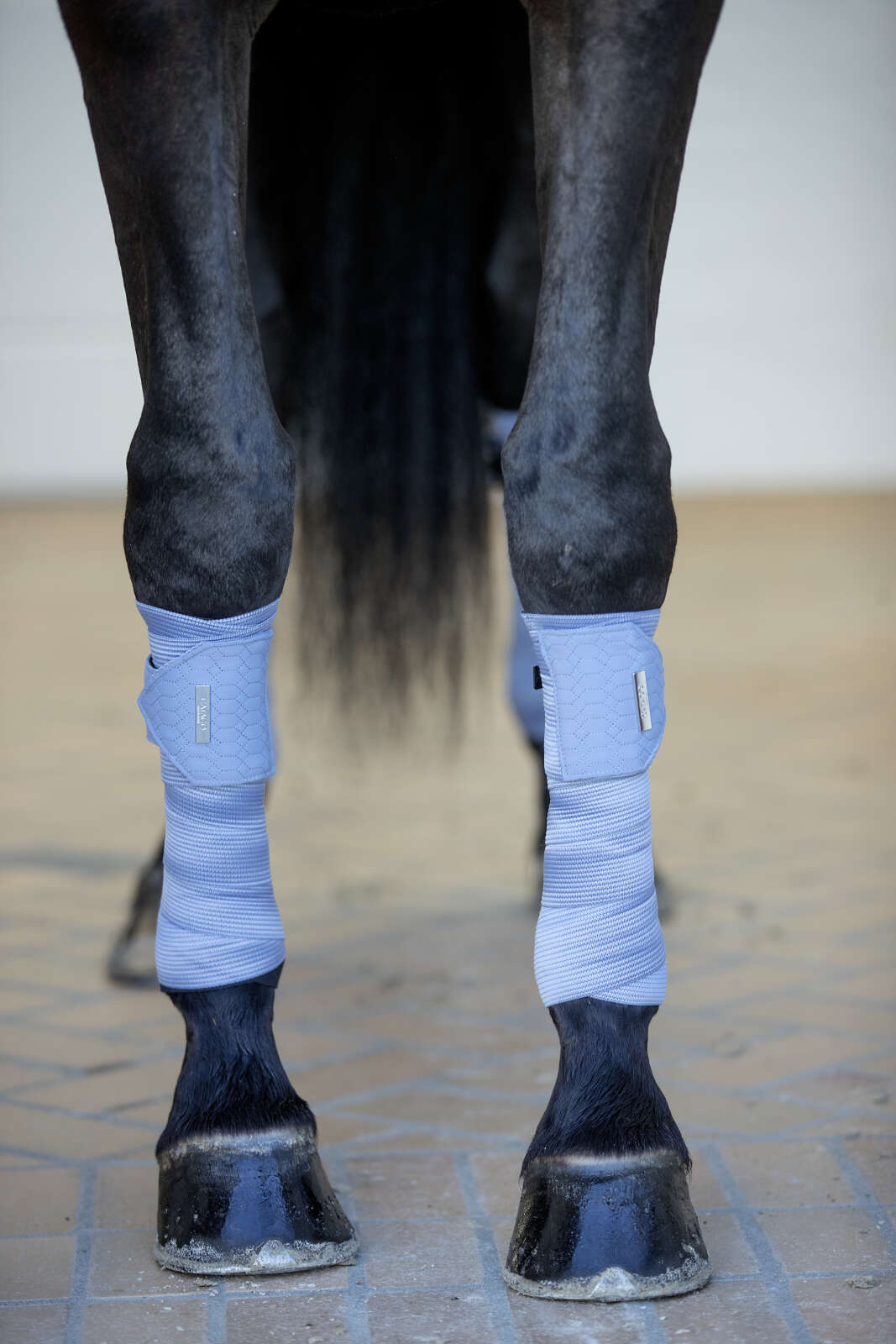

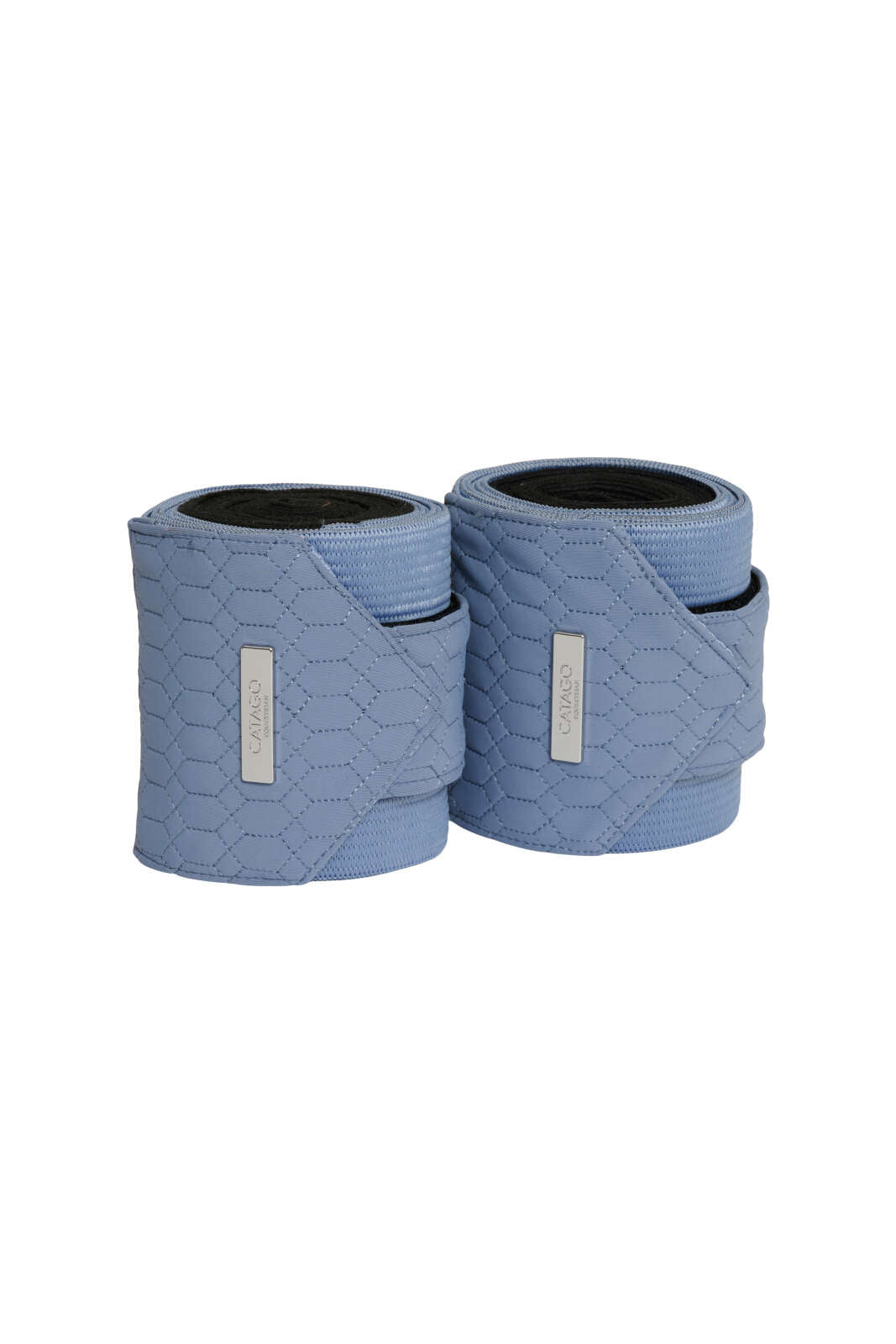
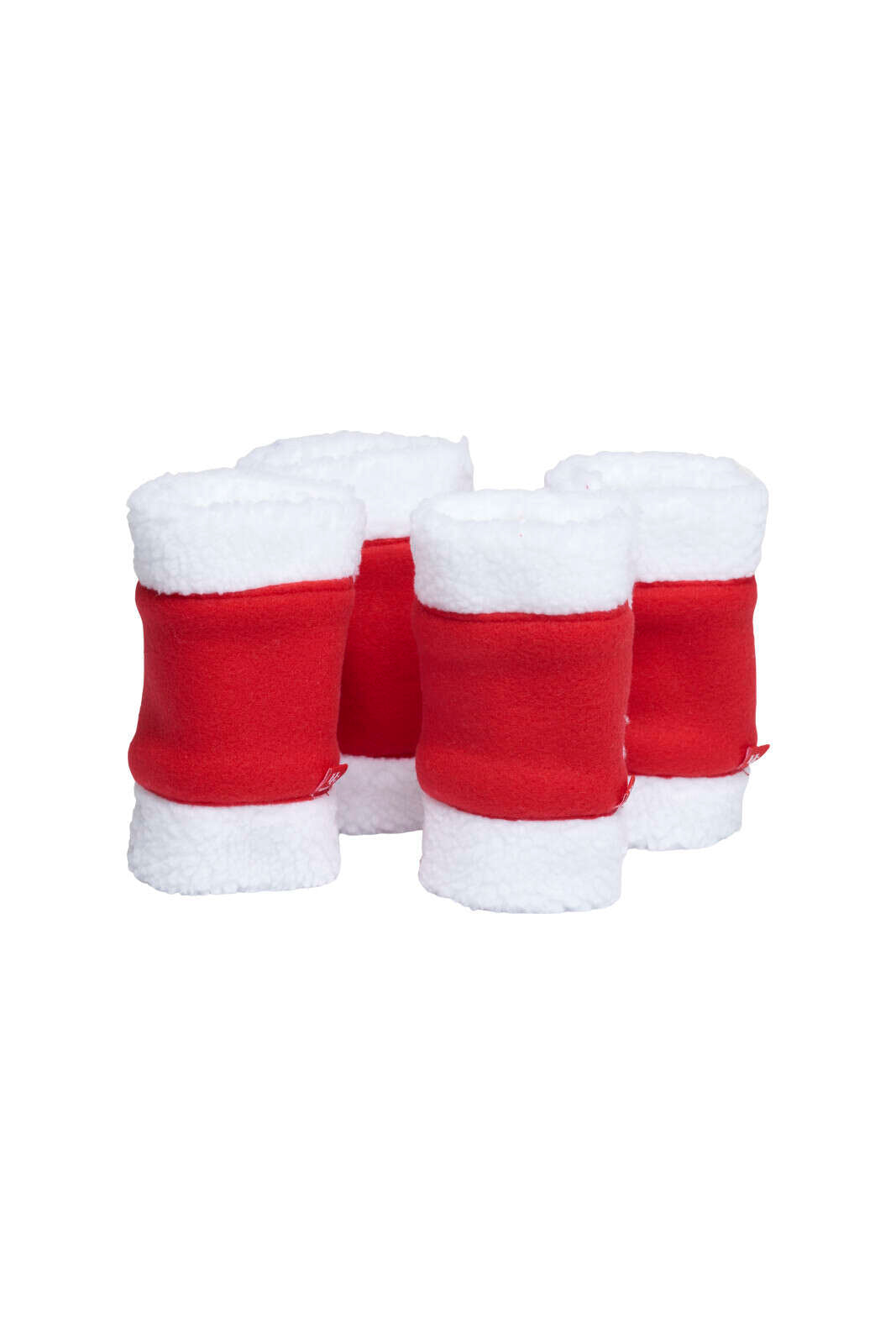
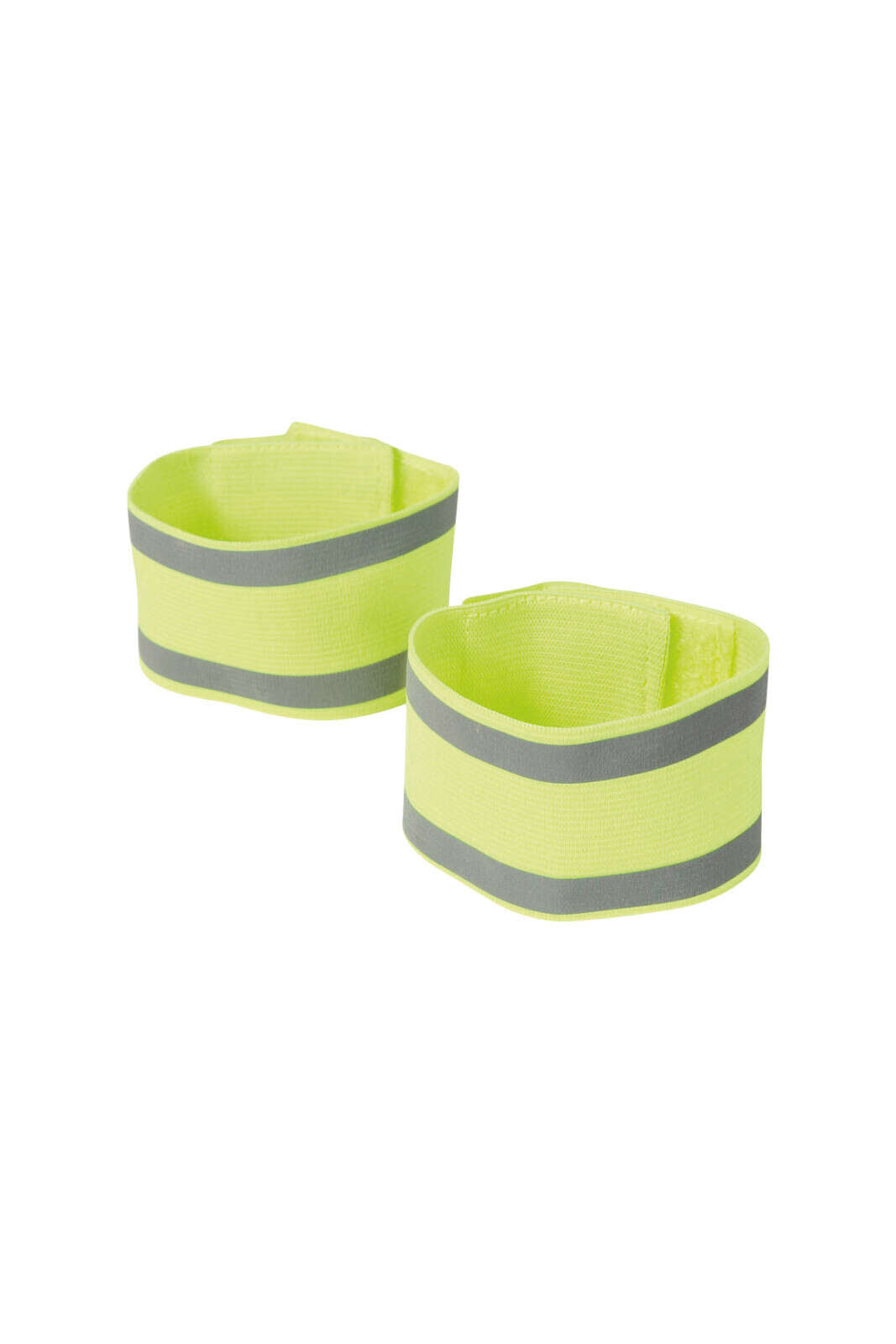
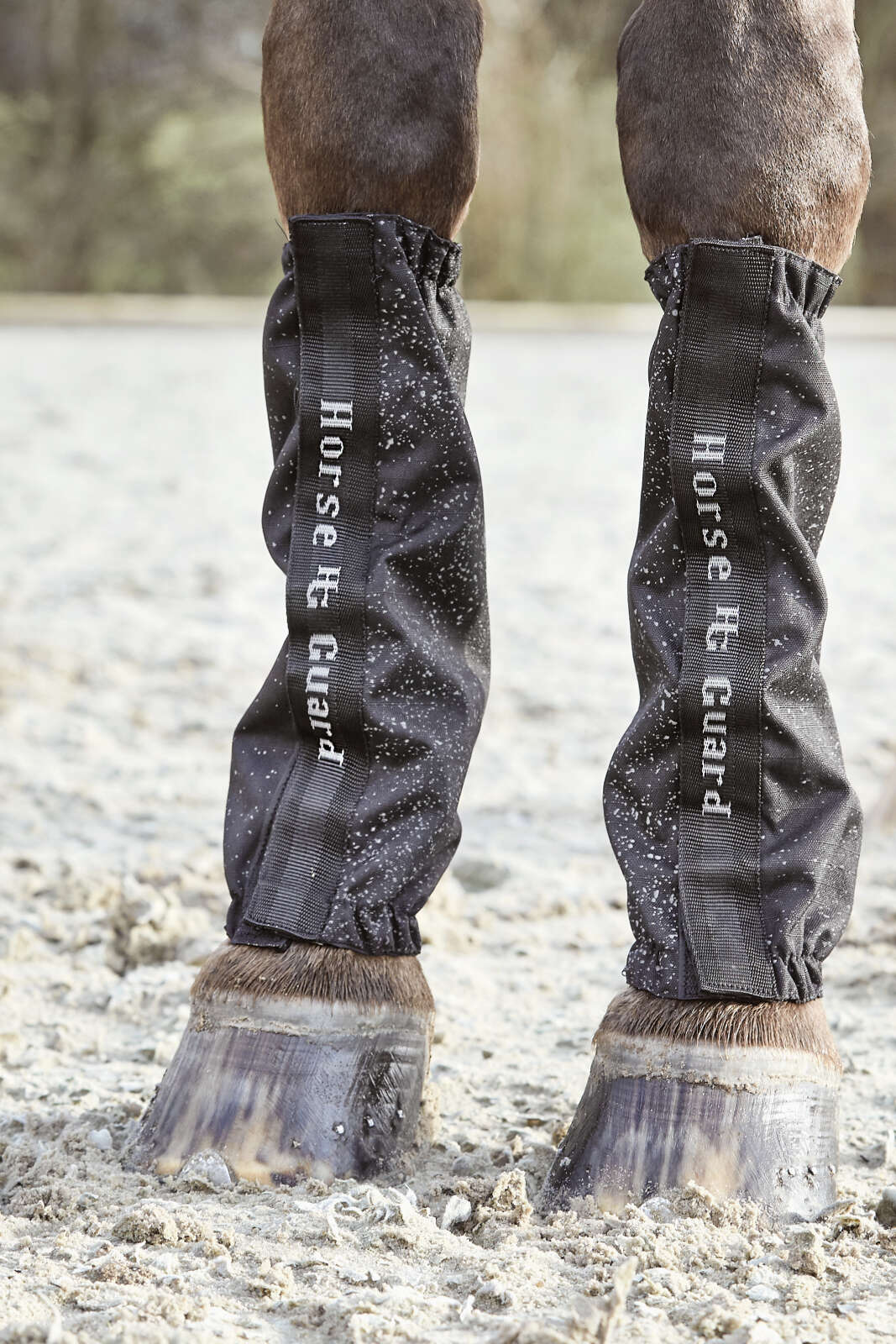
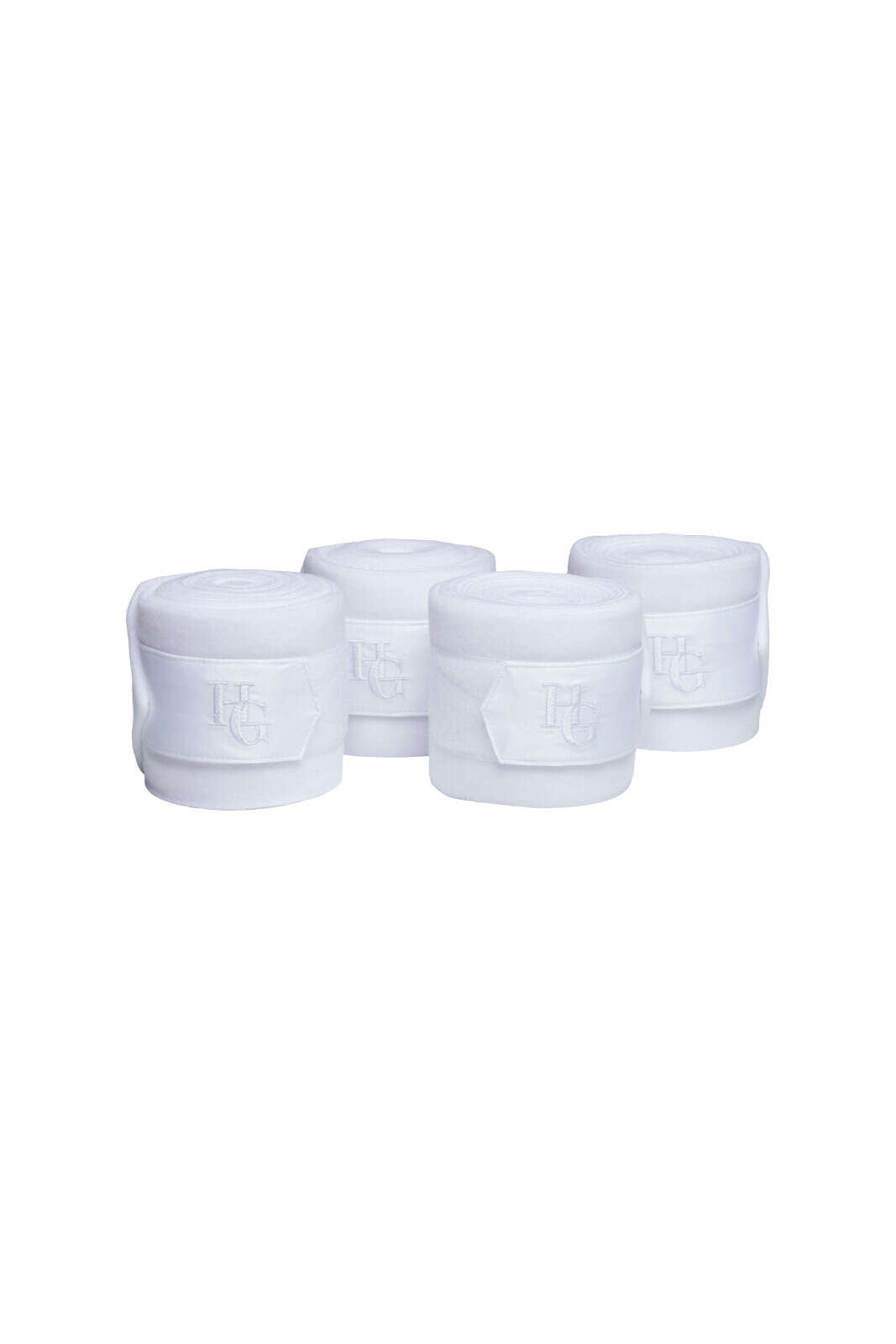
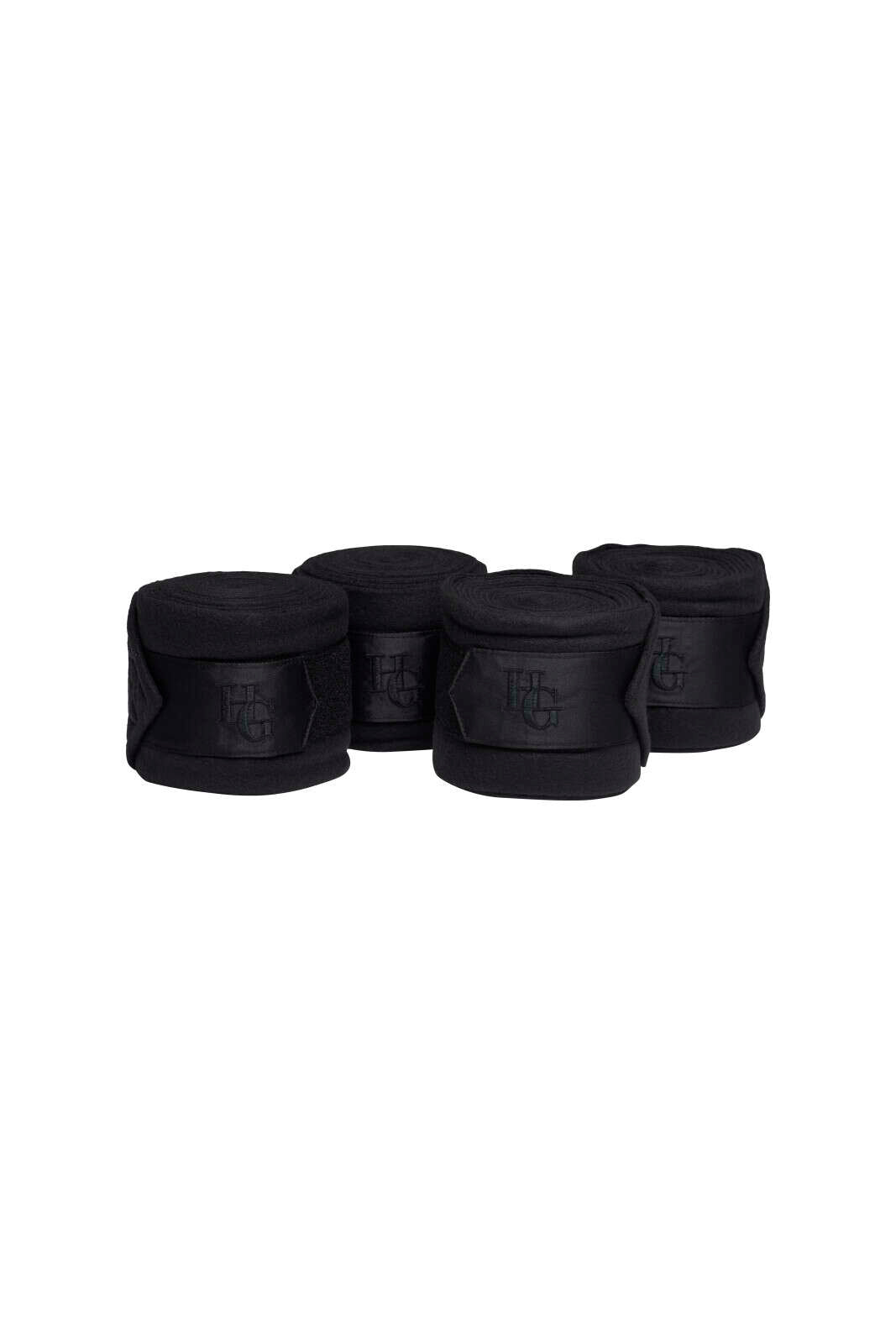
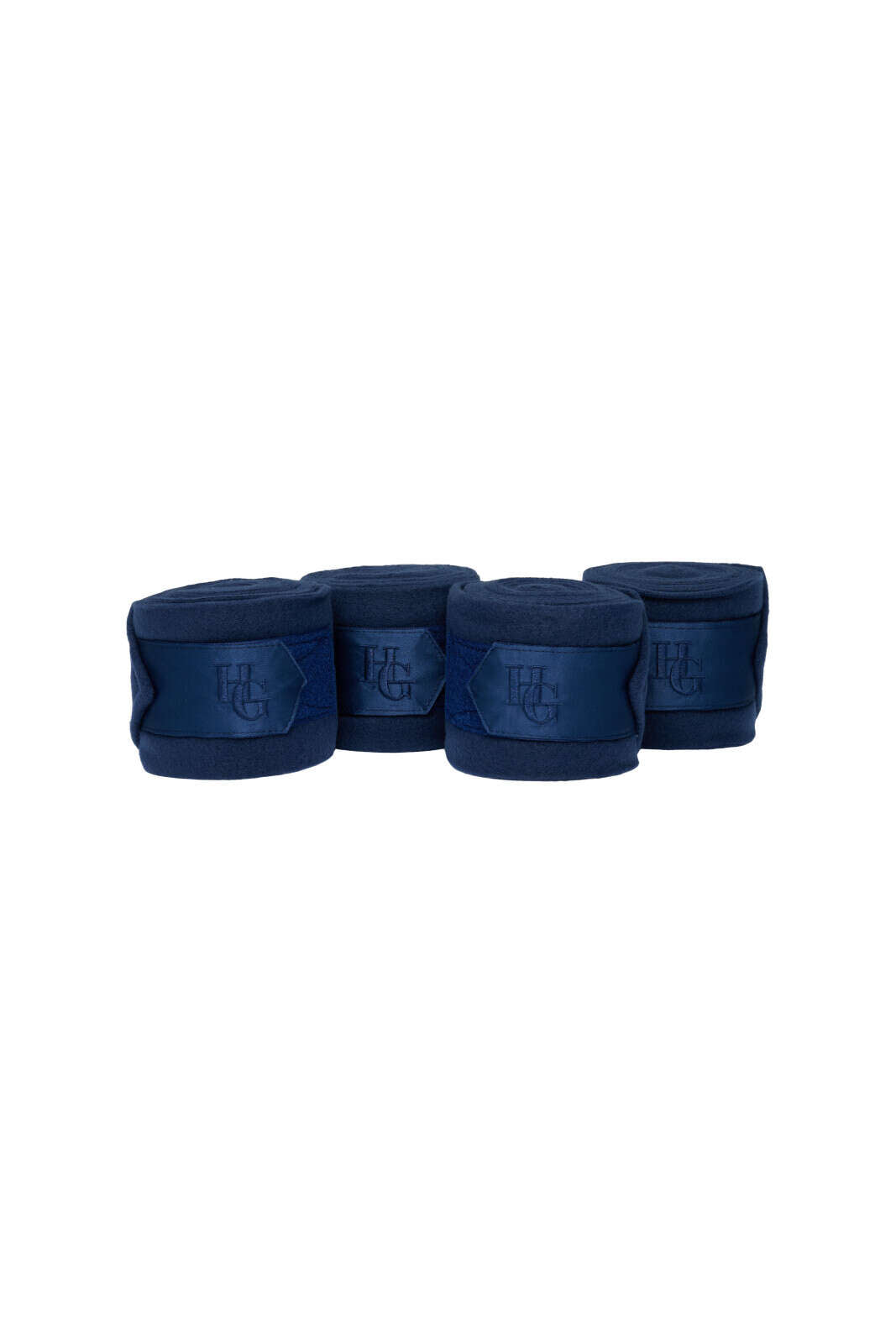
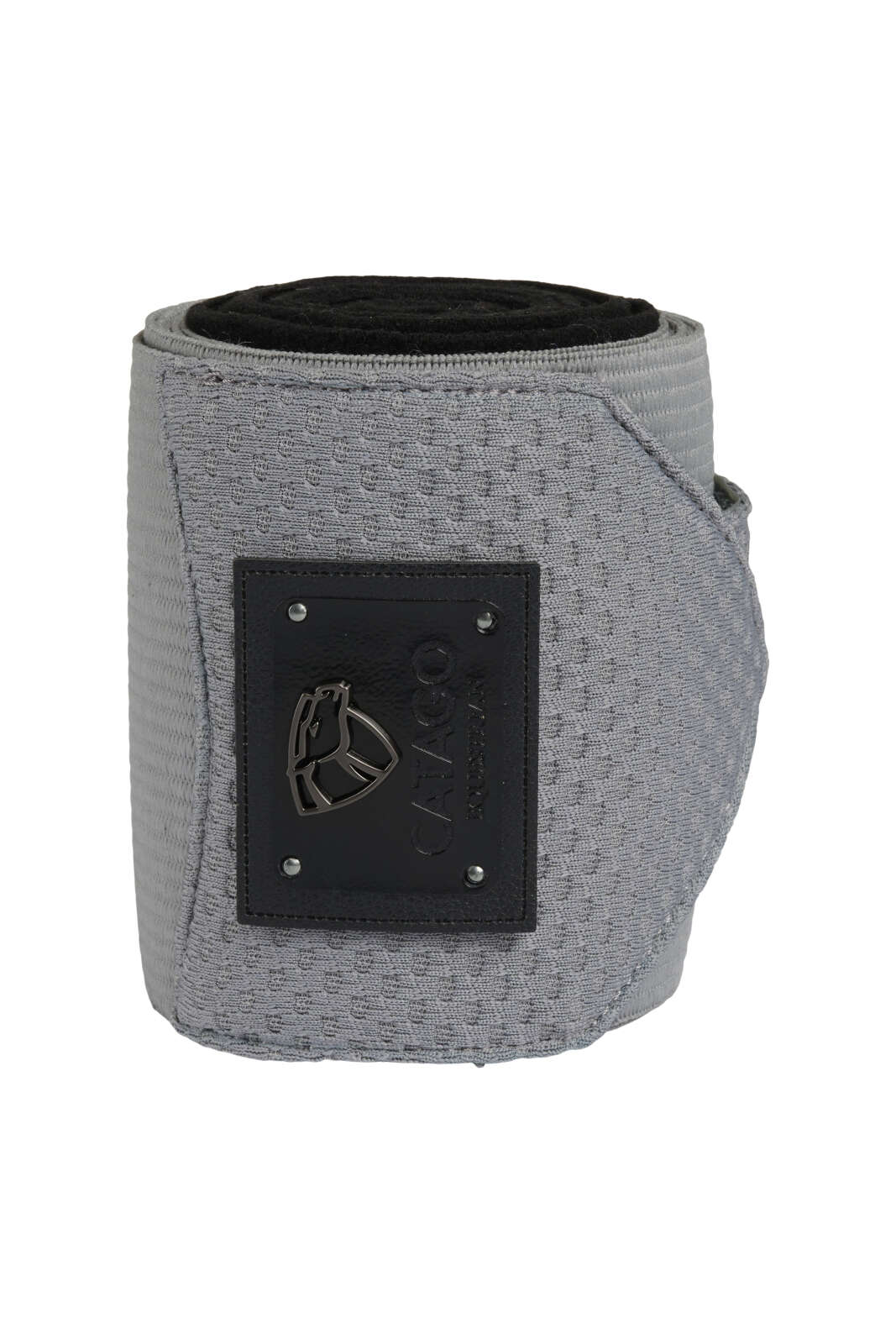
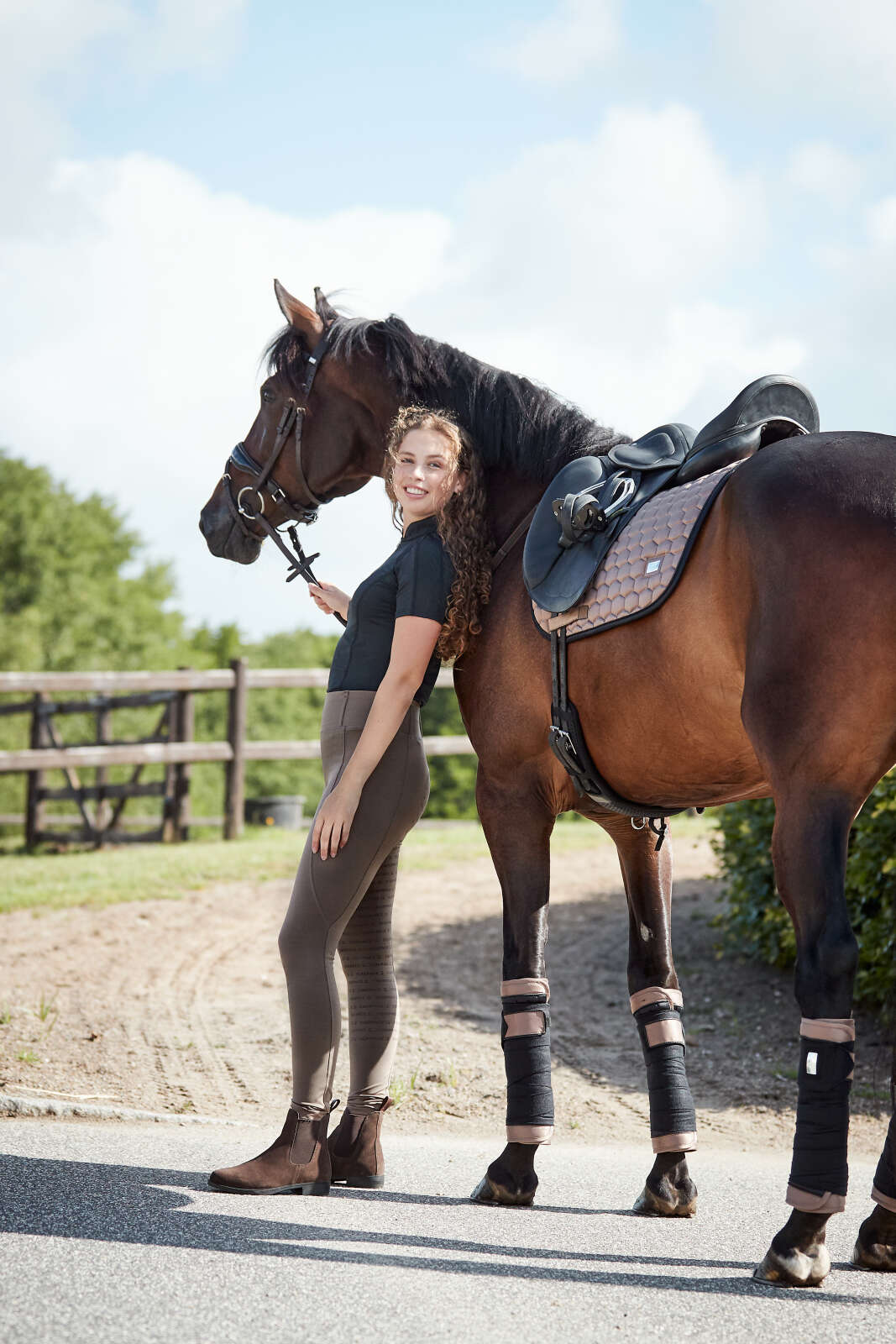
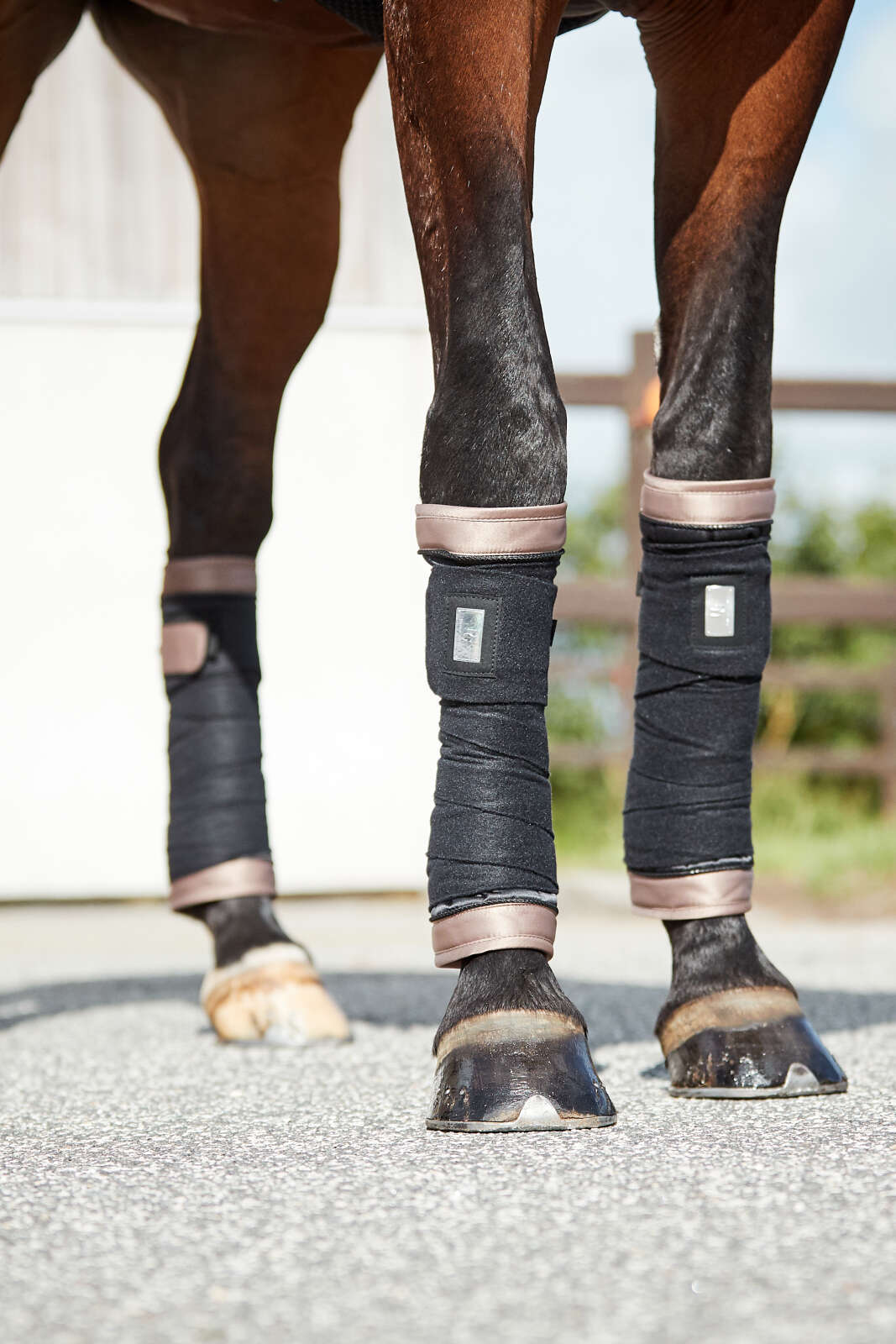
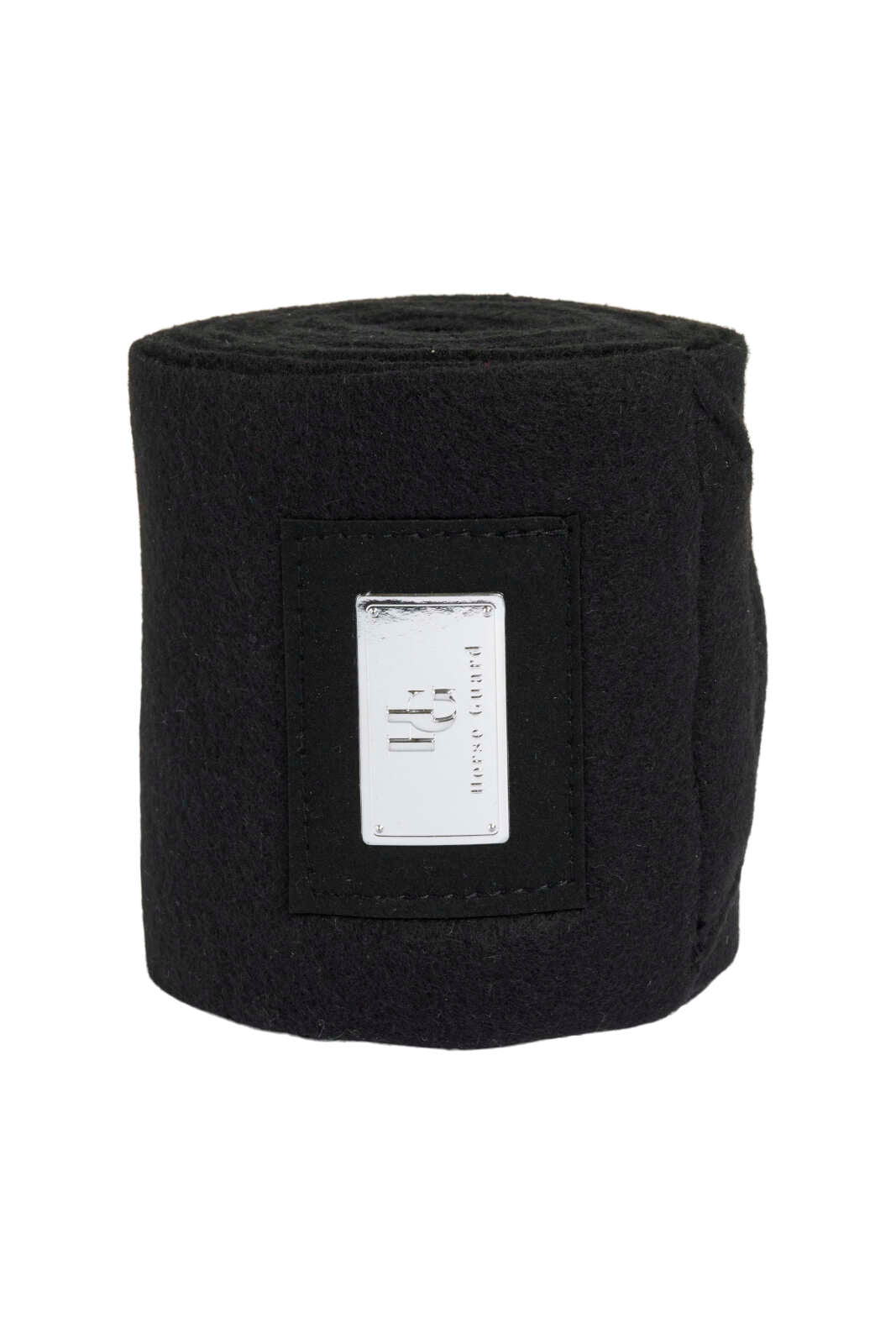
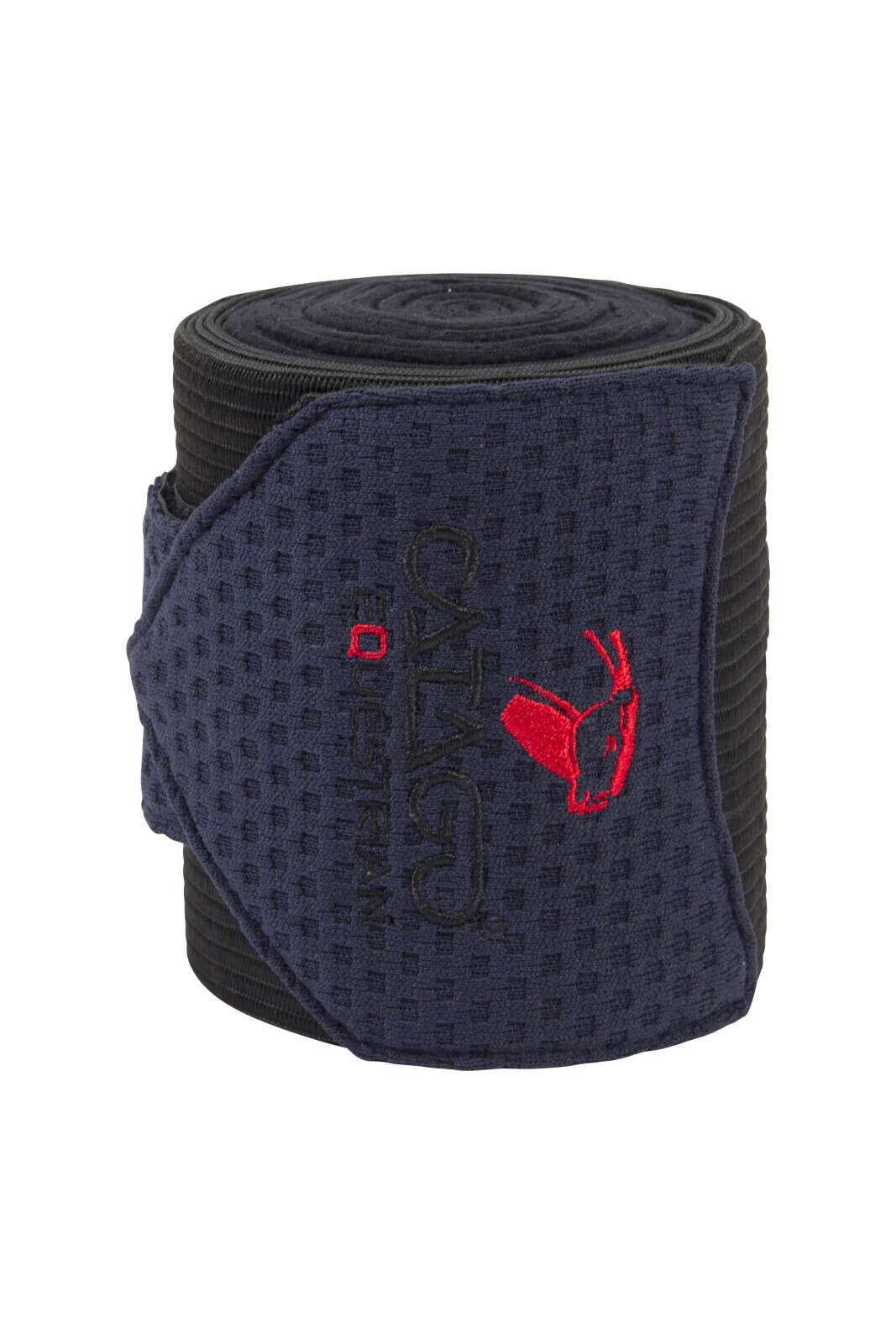
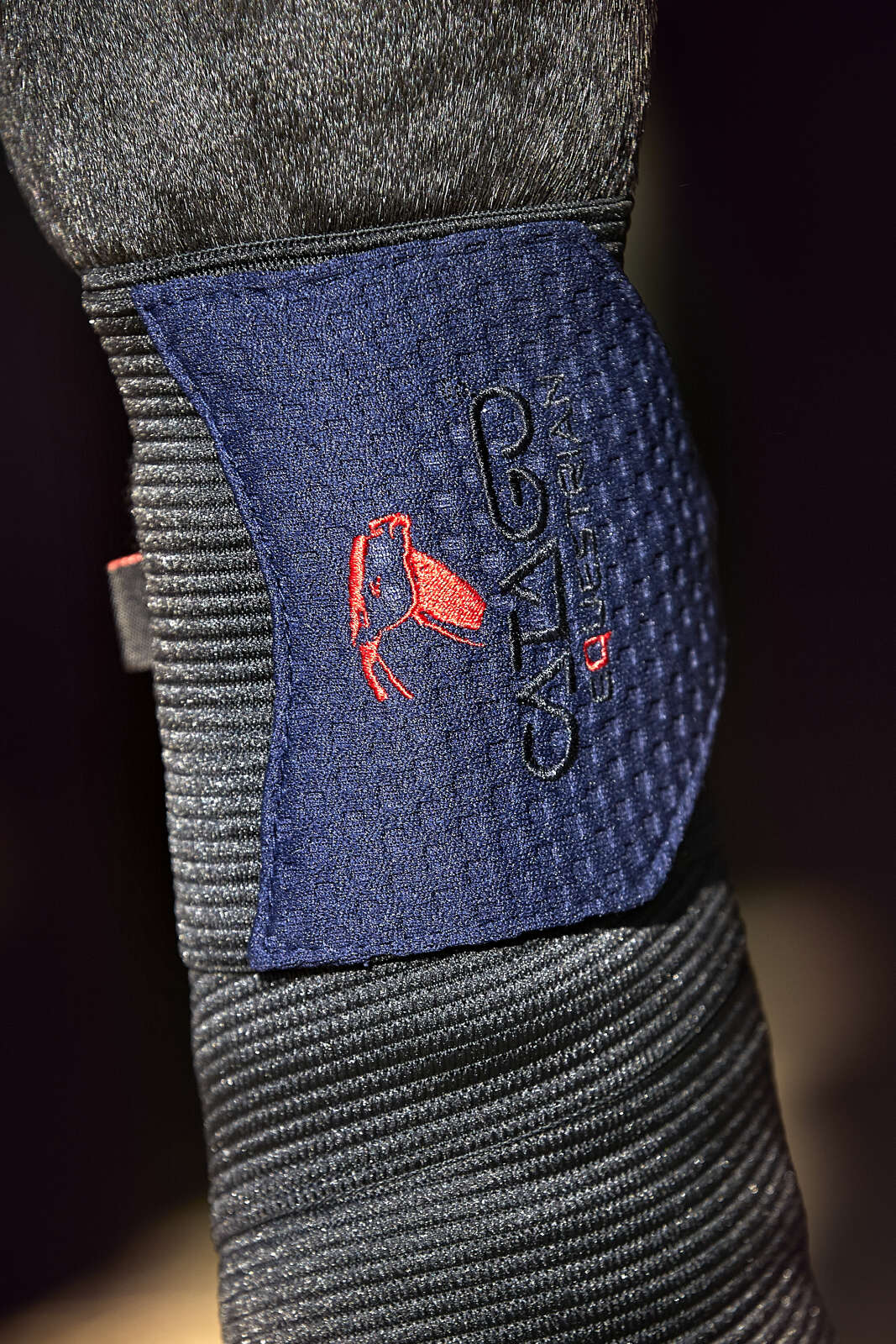
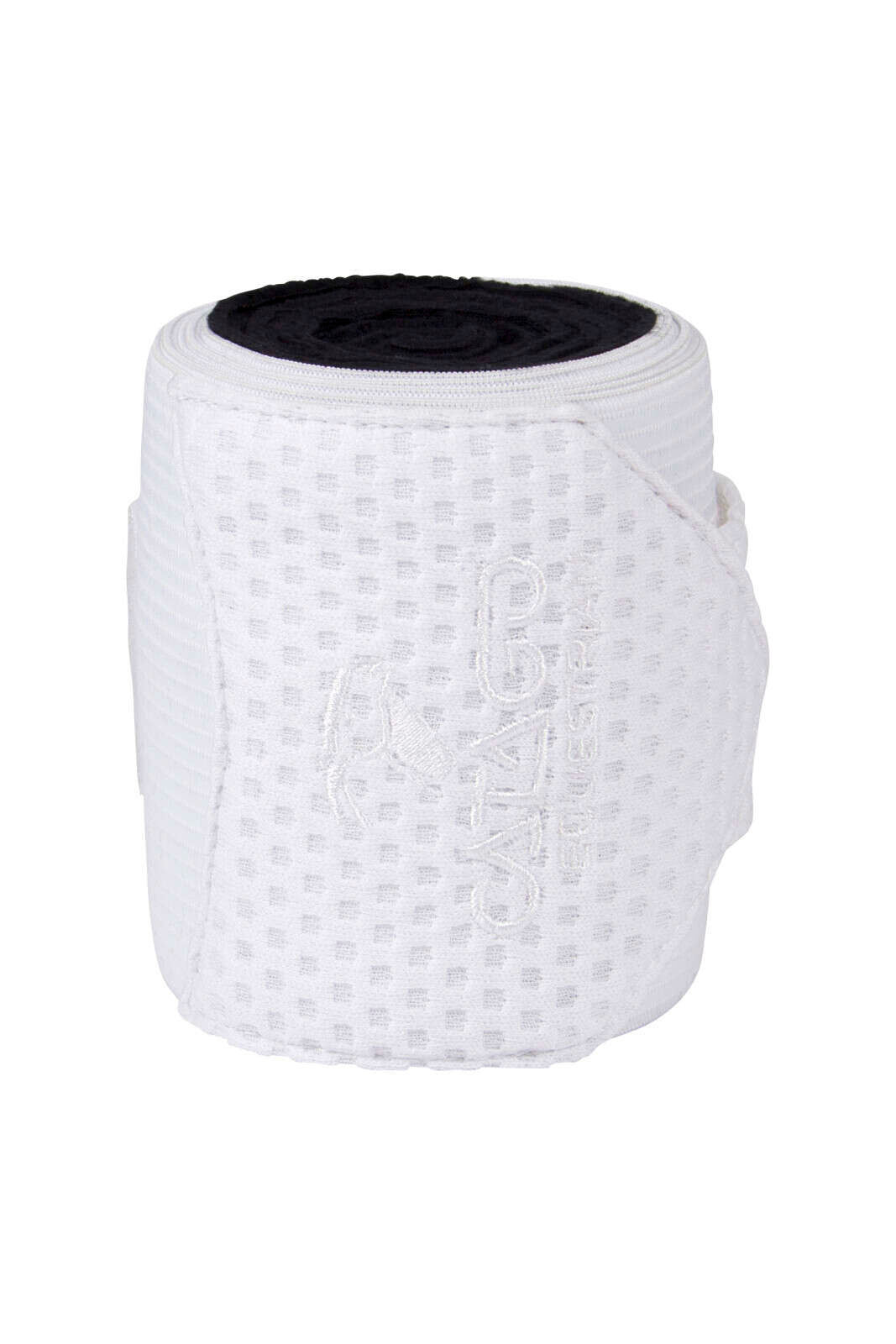
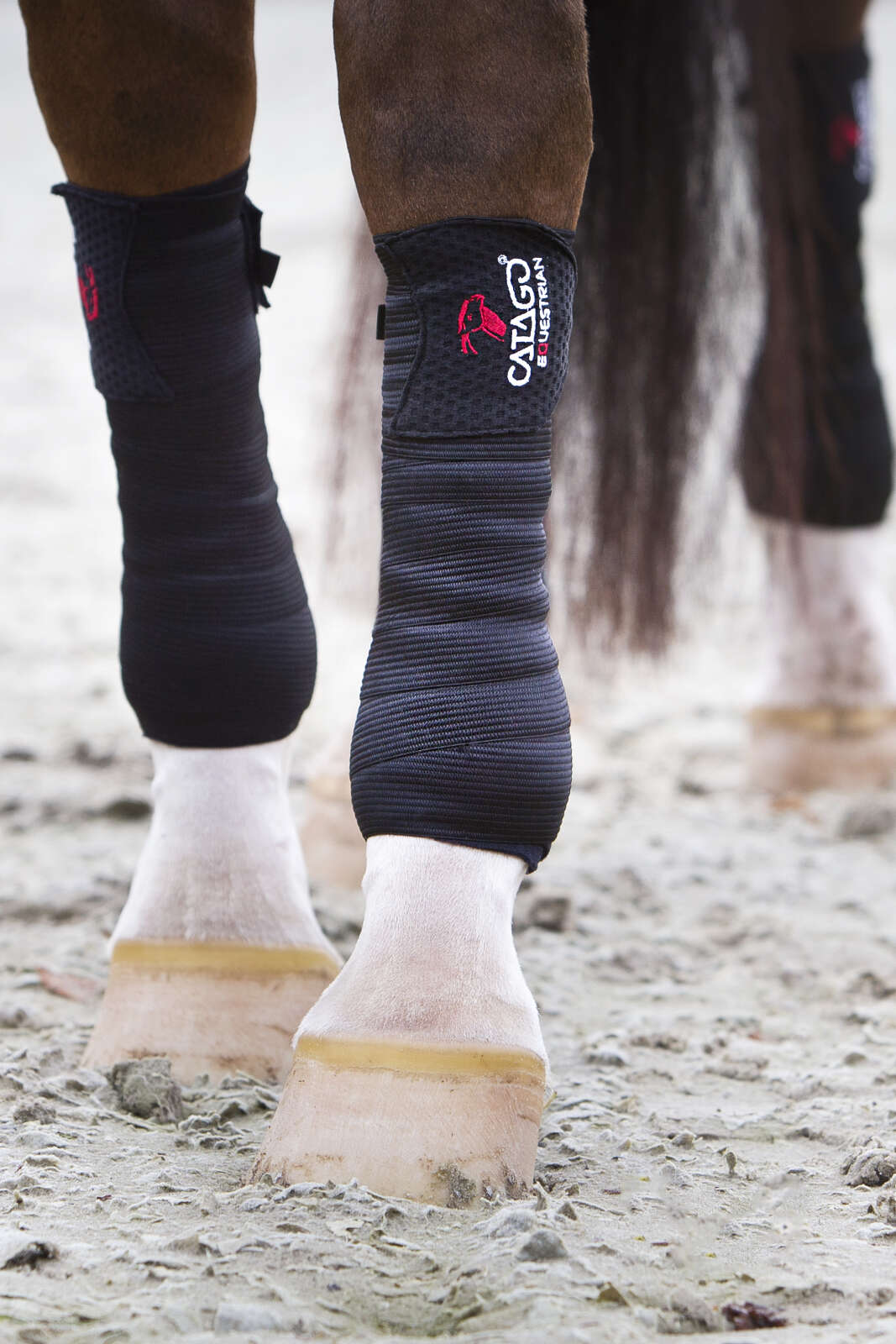

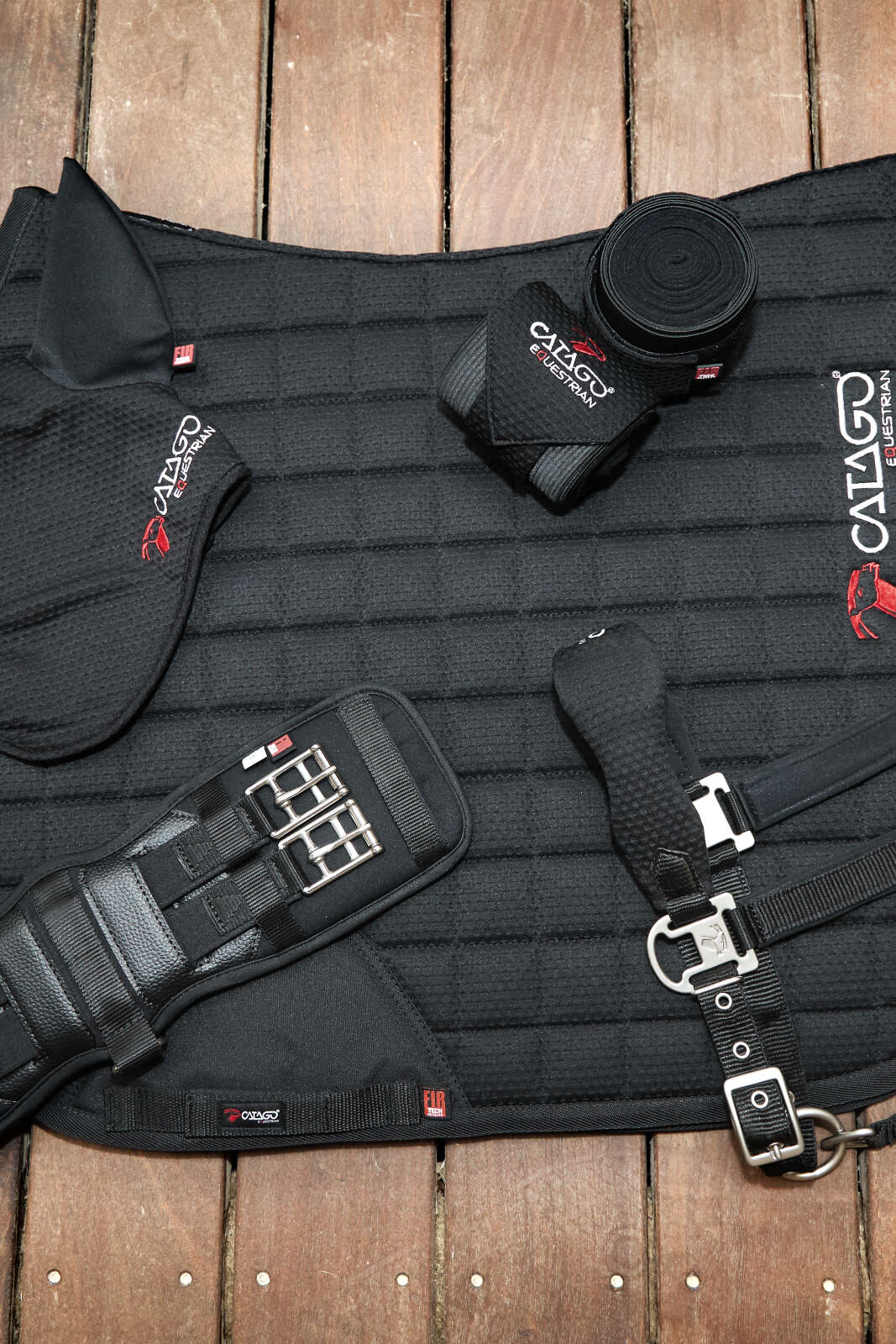
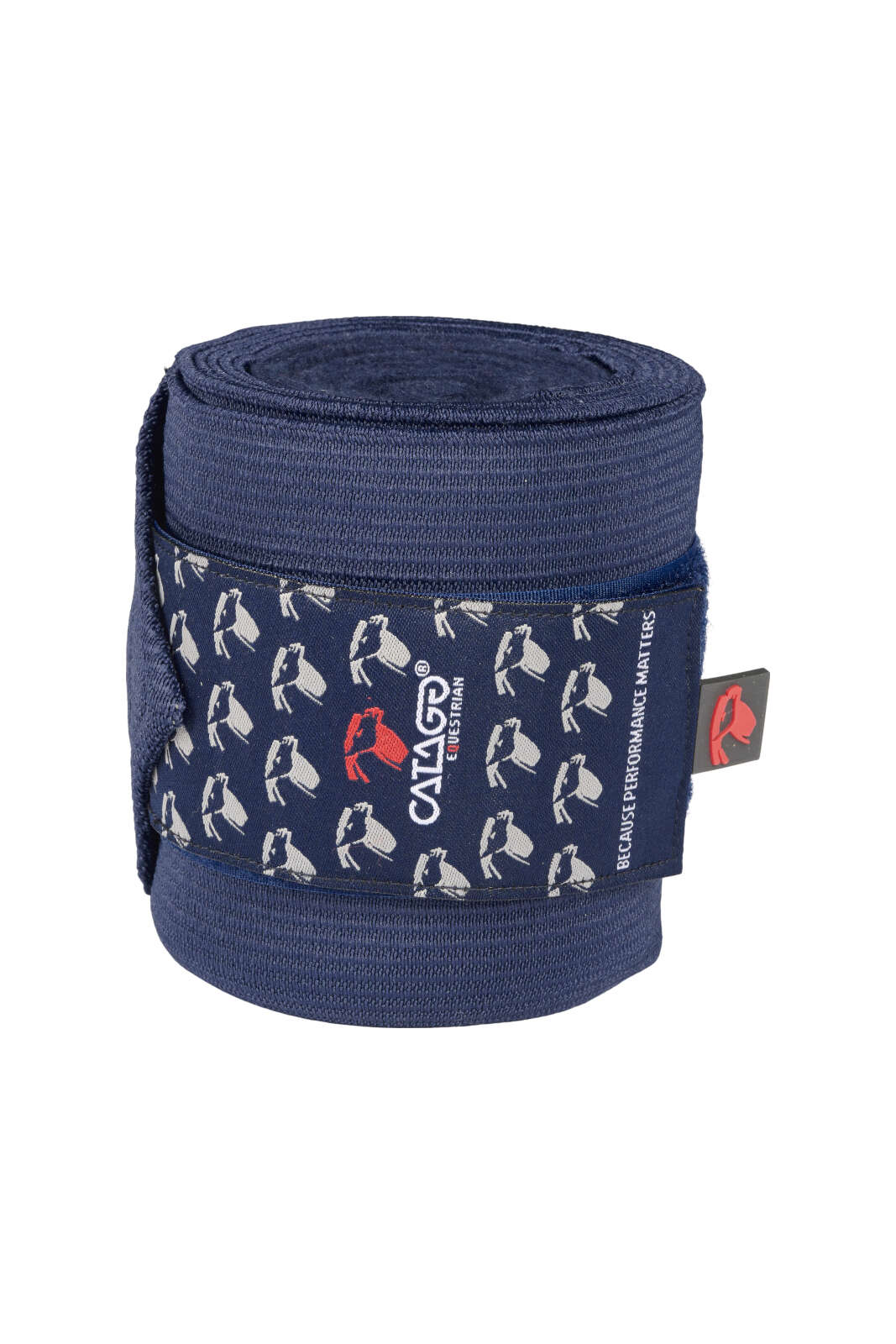
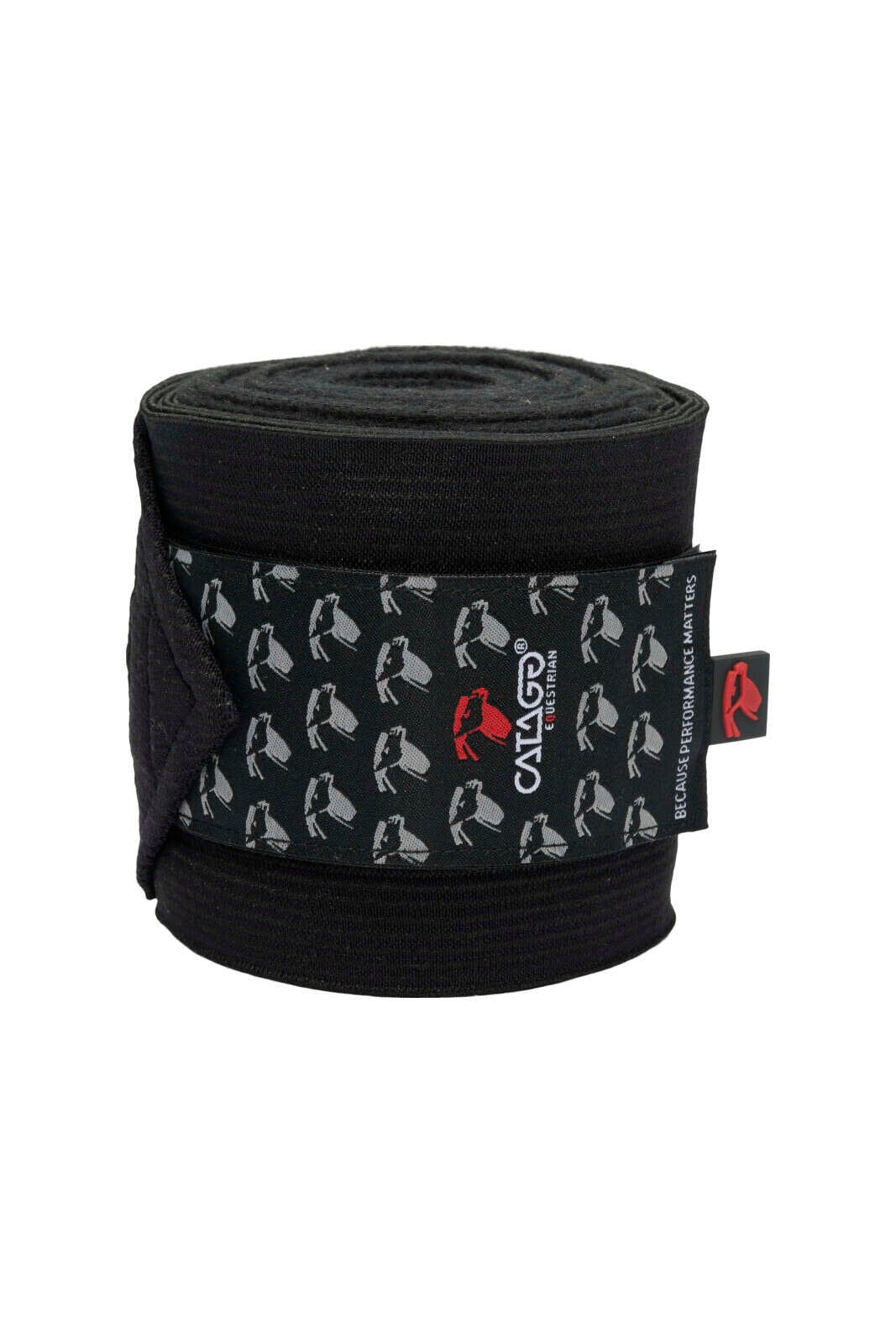
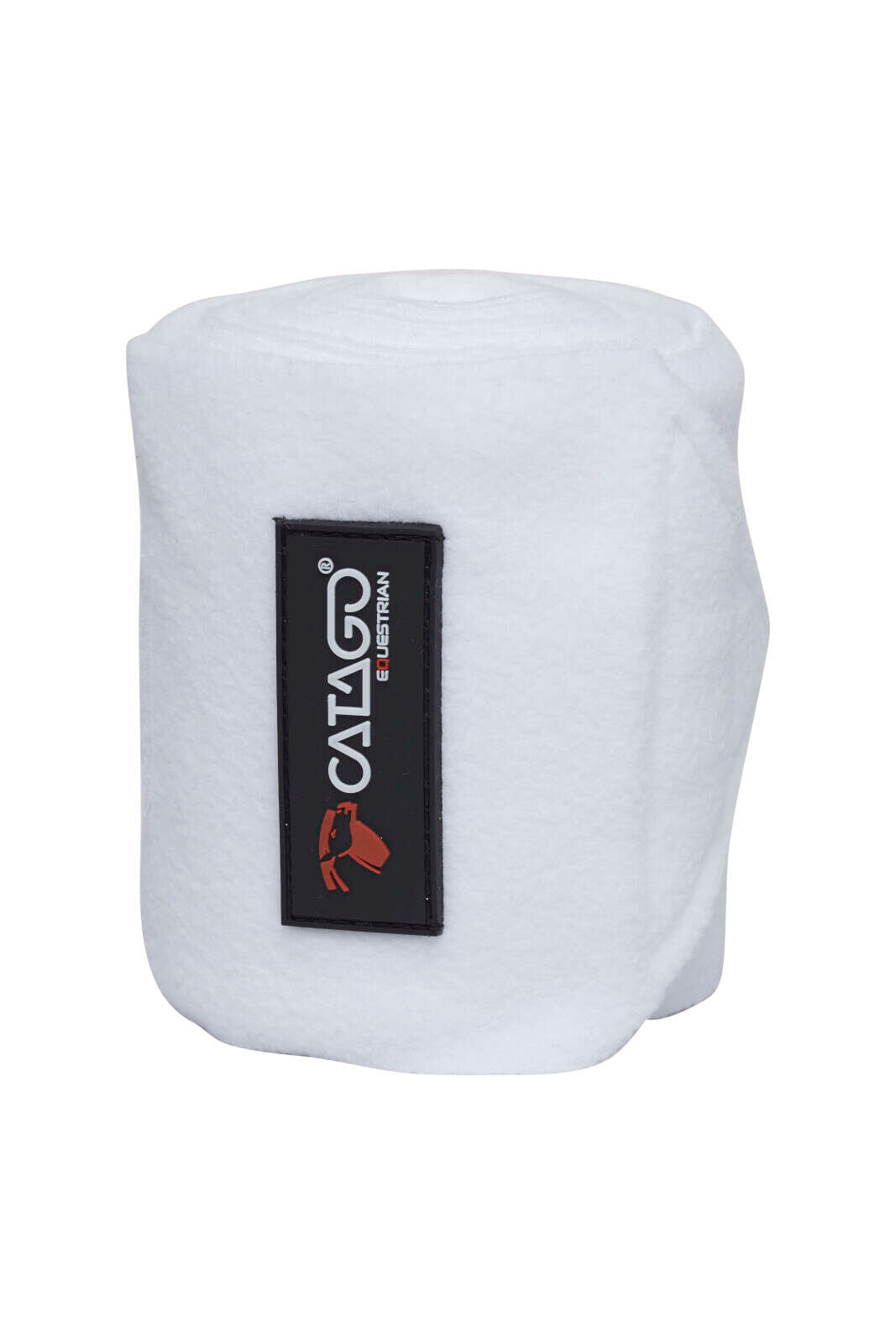
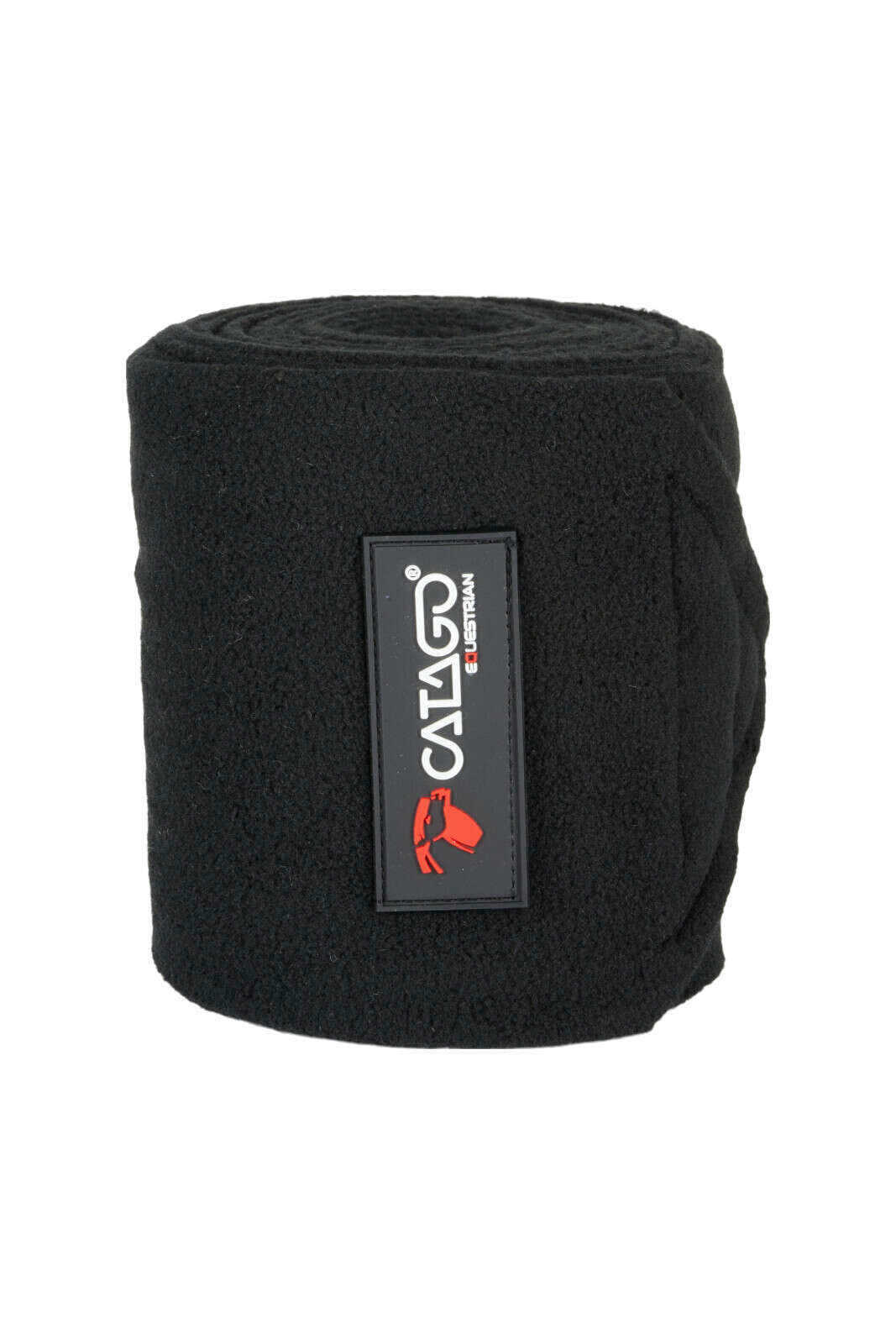
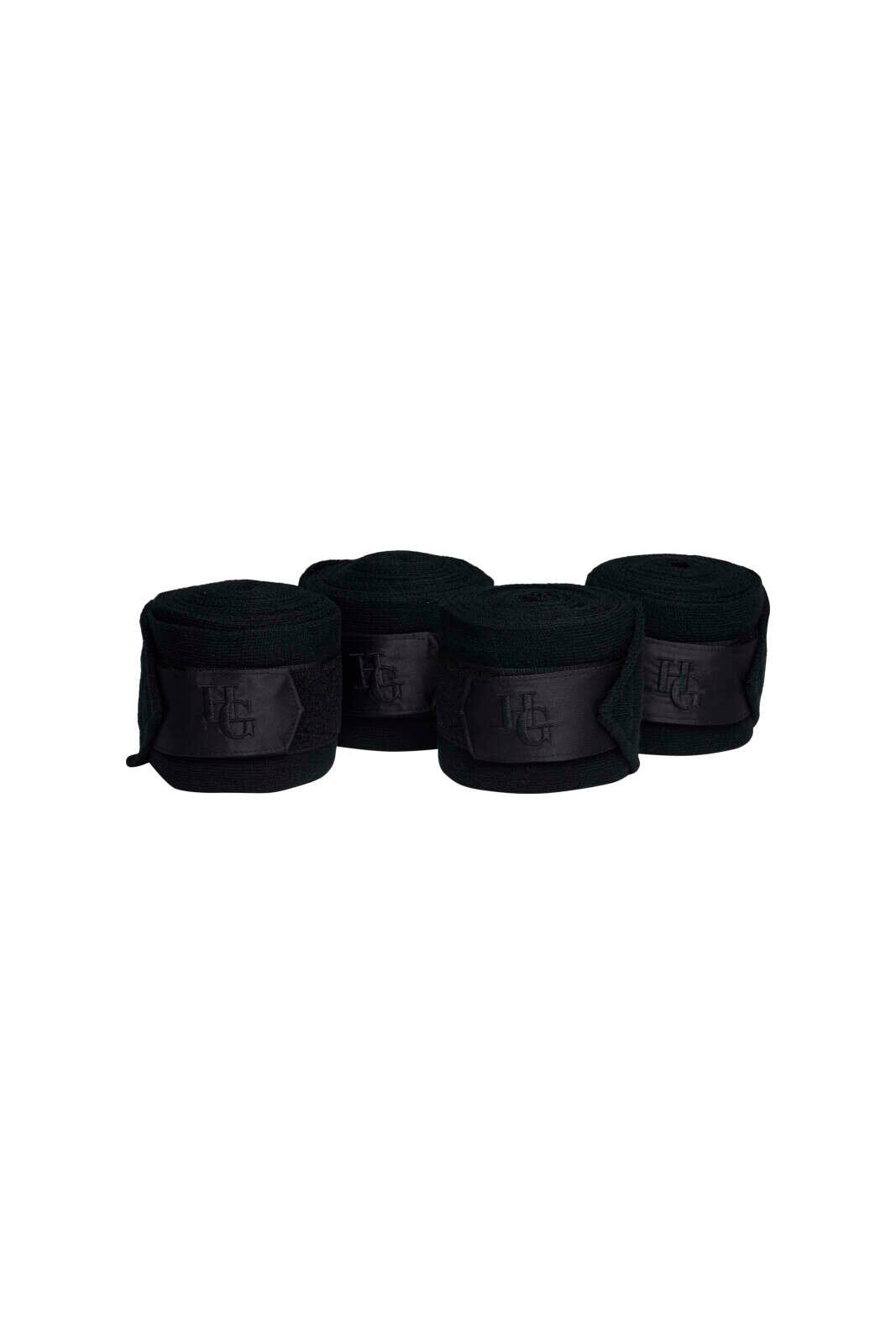
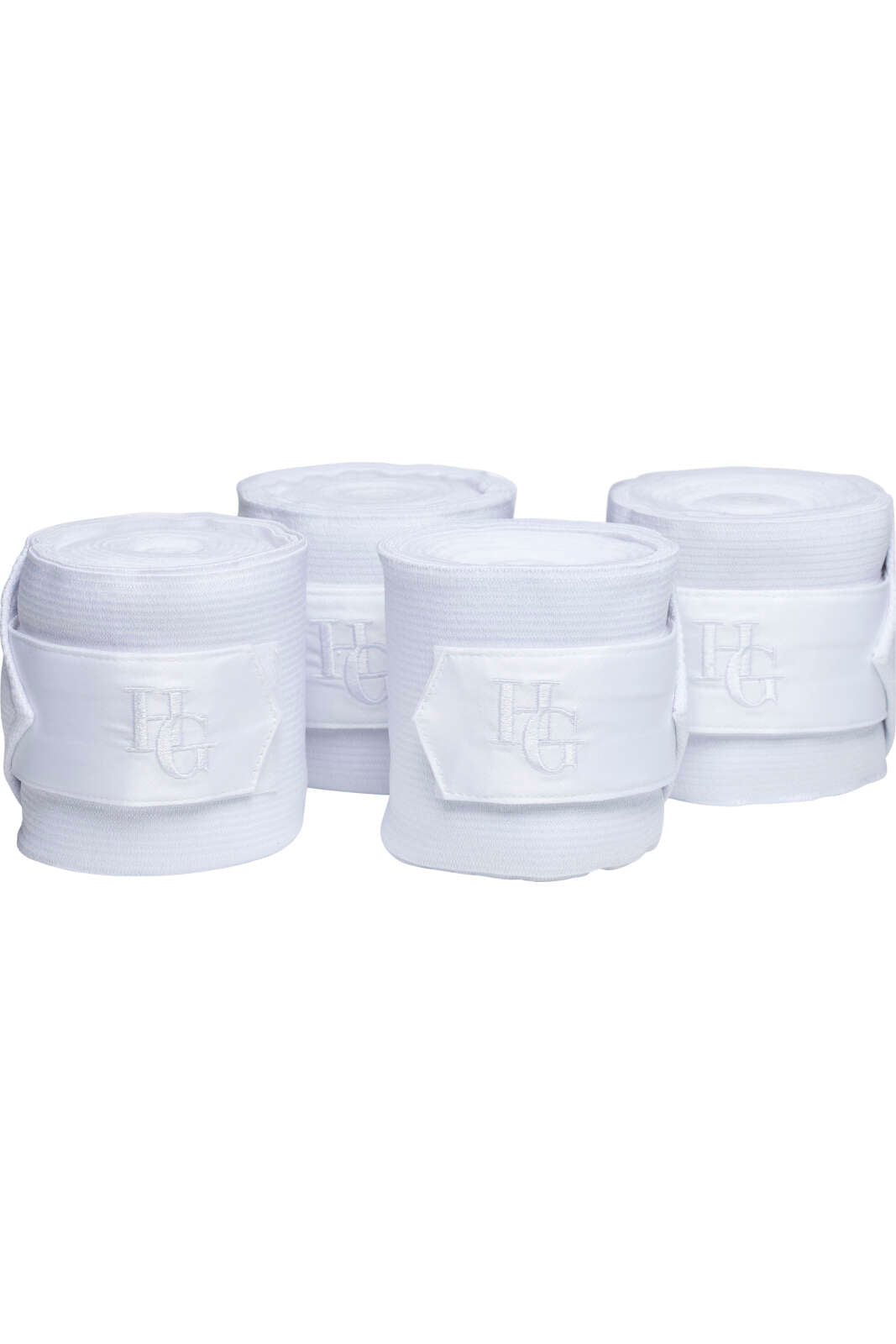

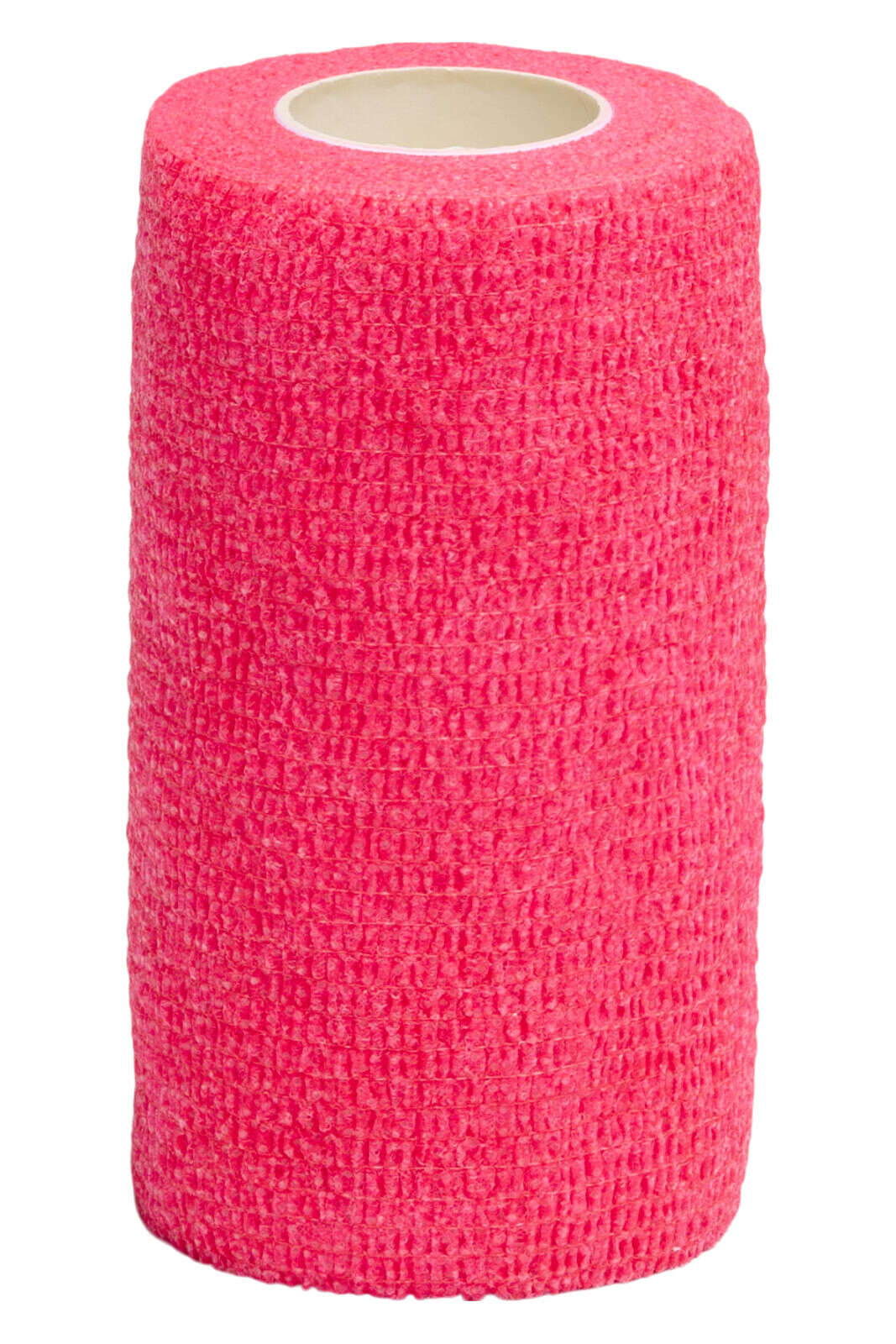

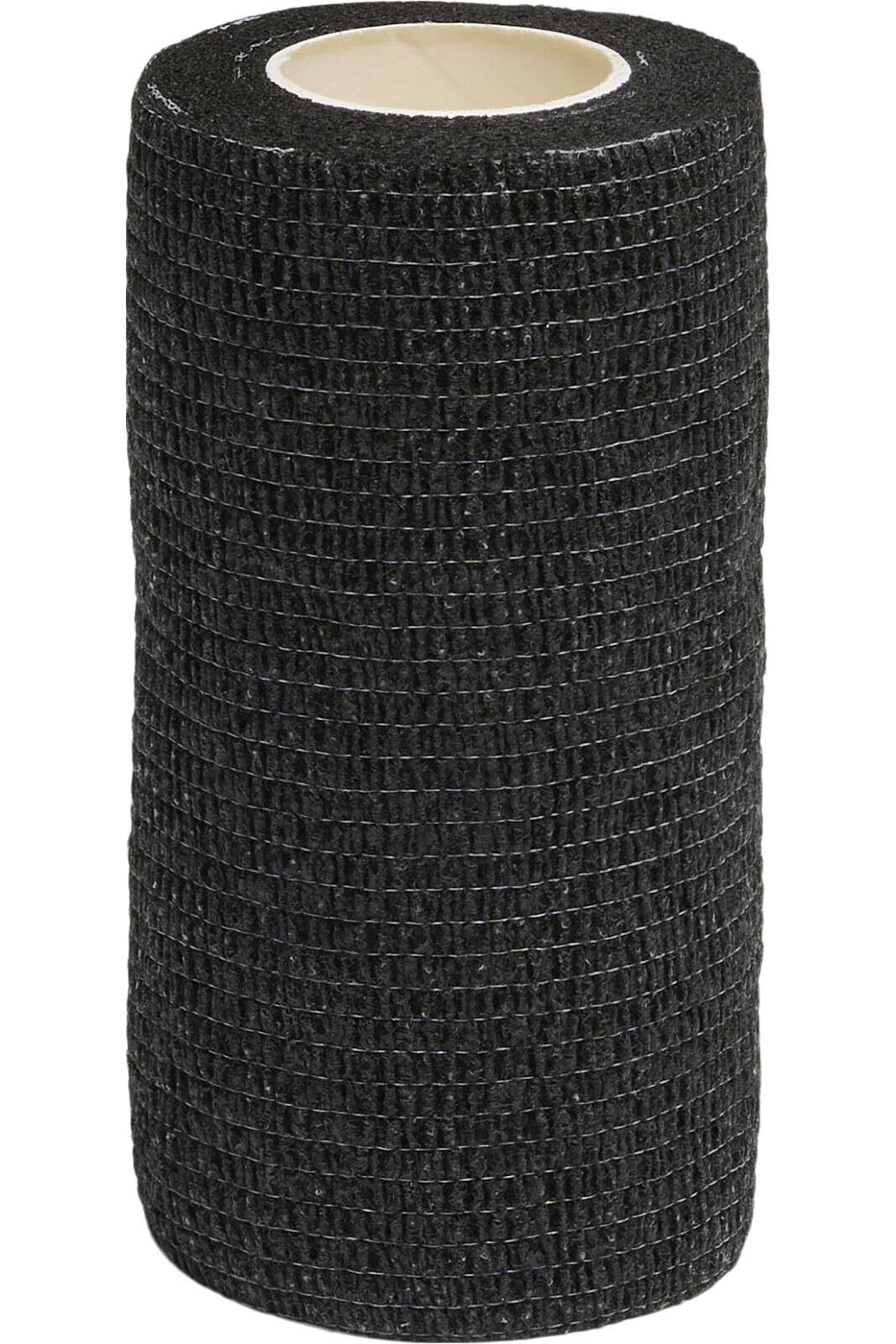
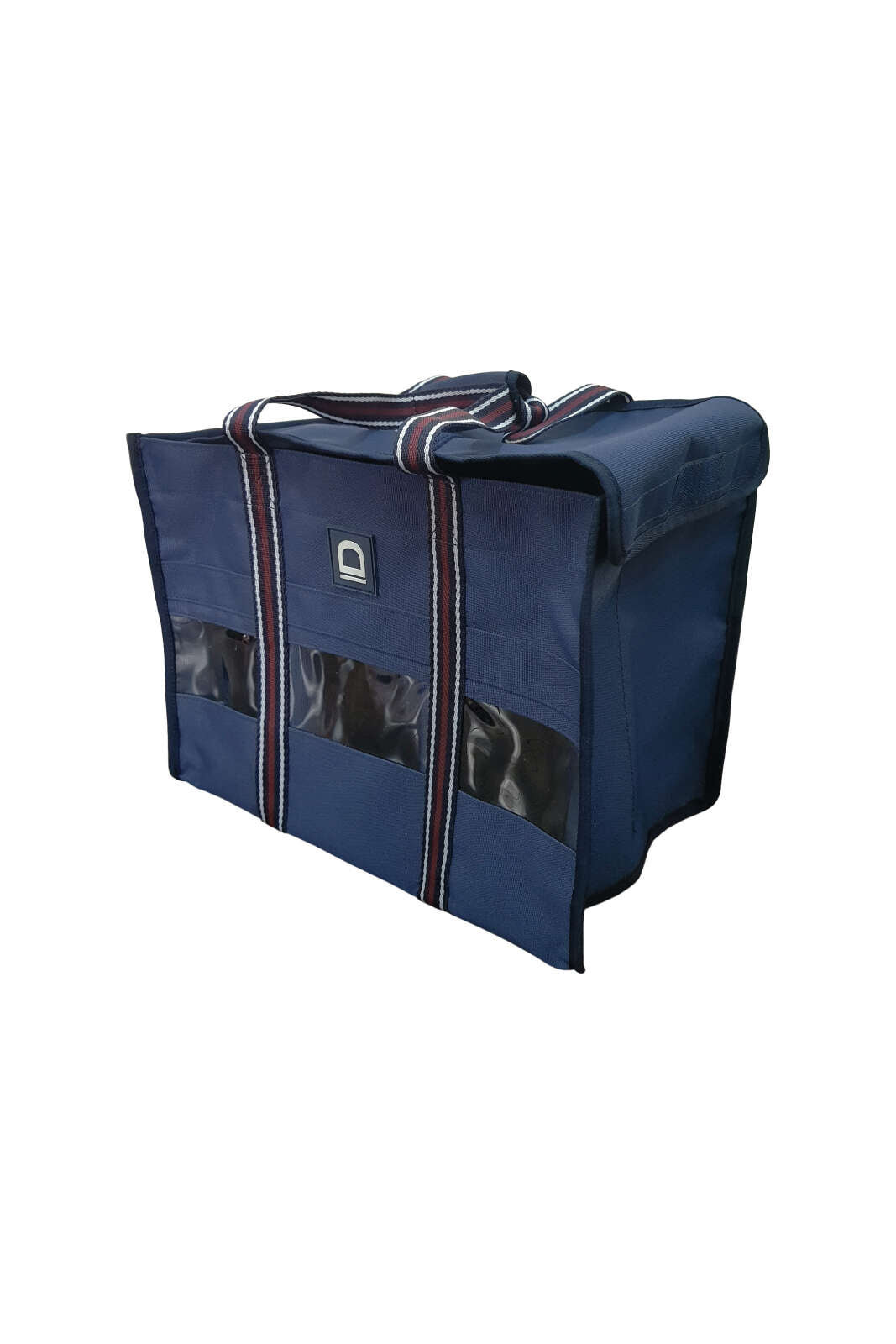

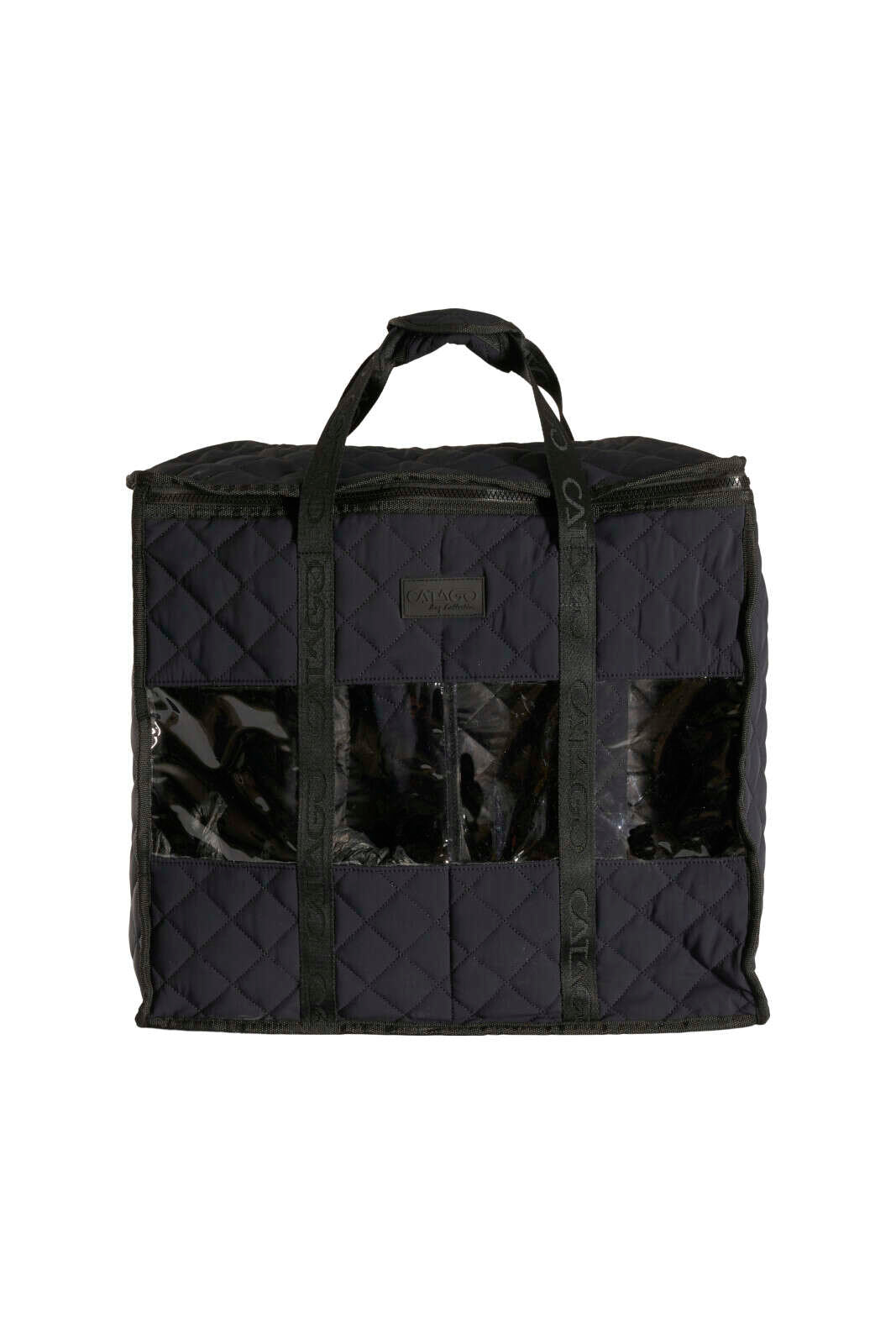

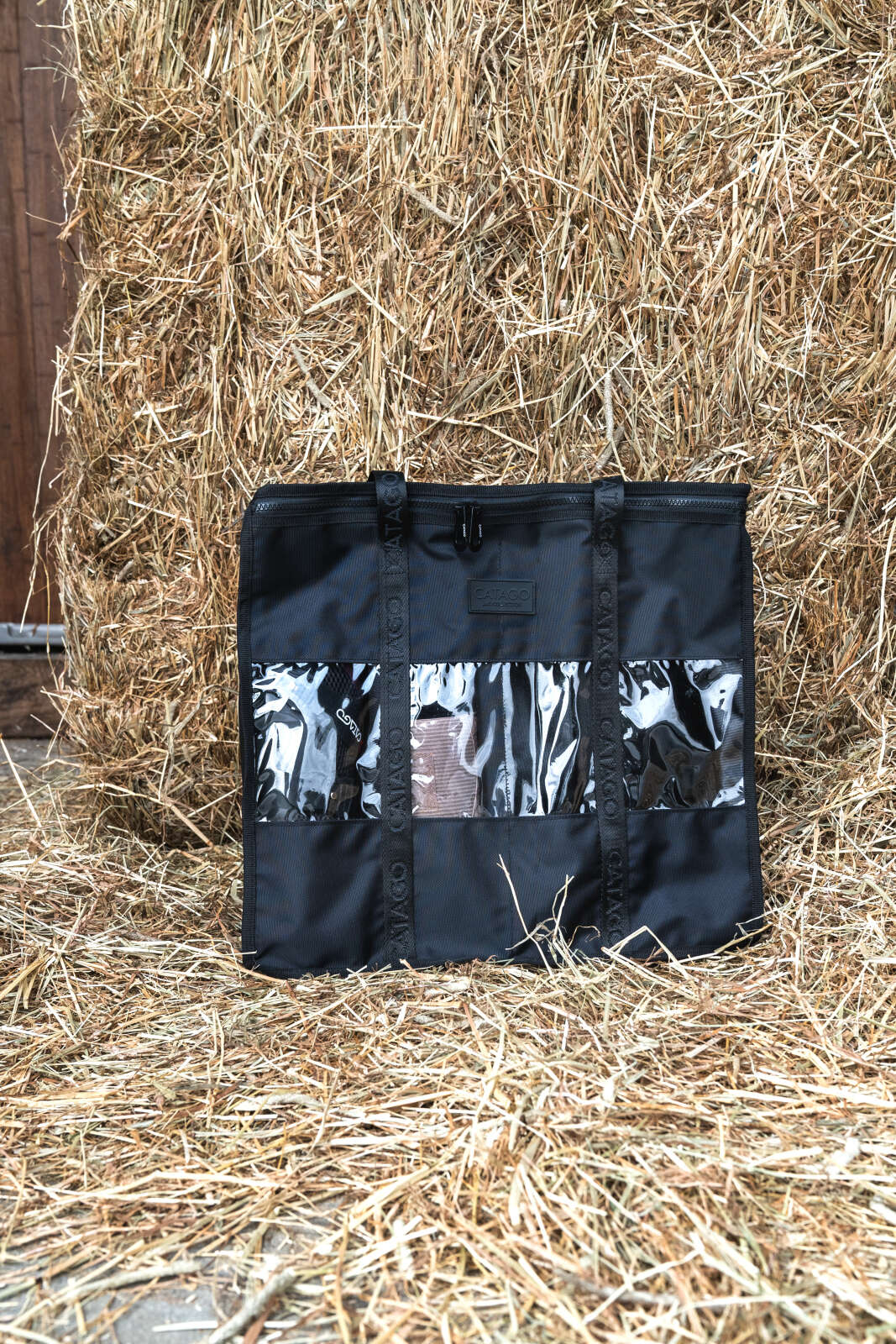
Bandages are one of the most widely used and versatile products in both daily training, the stable and during transportation. Whether you want to protect against impact, support the horse's tendons or promote the healing process after an injury, the right horse bandages play a crucial role.
But because bandages have so many functions, correct selection and use is crucial. In the worst case scenario, incorrect application can do more harm than good. That's why it's not just about finding bandages - it's about finding the right bandages for horses and using them correctly.
One of the most important functions of bandages is to support the horse's legs - especially the tendons. When the horse's legs are under strain, the tendons work intensively and proper bandaging can help stabilize the area and reduce the risk of overload. This prevents injuries and promotes the healing process for minor injuries after the horse has been very active.
Elastic bandages can provide a tight and controlled support that helps keep structures in place during Riding or rehabilitation. At the same time, bandages can help reduce swelling and promote blood circulation, which is important for recovery and healing.
However, it's important to understand that support is only effective if the bandage is applied correctly with even pressure. Too much pressure can inhibit blood flow, while bandages that are too loose lose their function.
Bandages and horse boots are both used to protect the horse's legs, but they have different purposes and properties.
The choice between bandages and Horse boots therefore depends on the need: if you want maximum protection against external impacts, Horse boots are often the obvious choice. We have CATAGO Horse boots and Horse Guard Horse boots, which offer great protection. If your focus is on support, prevention and control over pressure and fit, then bandages are the right choice for many different purposes.
There are many variations of horse bandages and each type is designed for specific purposes. It's therefore important to consider what situations you need bandages for so you can get the right ones for your horse. There are four main types of bandages, fleece bandages, elastic bandages, stable bandages and combination bandages:
Bandages for ponies work in the same way as for larger horses, but correct size and fit is even more important.
A bandage that is too long or incorrectly fitted can create uneven pressure and increase the risk of injury. Therefore, you should always choose bandages that are specifically designed for the pony to fit the length and circumference of the leg correctly.
Bandages are used in many situations - from daily riding to treatment and transportation.
During riding, bandages are often used to protect against hoof impacts and provide support for tendons. In the stable, stable bandages are used to keep legs warm and reduce swelling, while transport bandages protect during transportation.
In case of injury, bandages can also be used to hold dressings in place and promote healing. At the same time, they help keep the area clean and free of dirt, which is important to avoid infection.
Whatever the application, it is essential that both the horse's leg and the bandage are clean and dry before application.
The correct use of bandages is crucial to achieve the desired effect - and to avoid injury.
Bandages should always be applied with even pressure all the way down the leg. A good rule of thumb is that you should be able to fit two fingers at the bottom and one finger at the top. This ensures that the bandage is neither too tight nor too loose.
When using elastic and knitted bandages, you should always use leg wraps. The pad distributes pressure and protects the horse's legs from pressure points and irritation.
Incorrectly applied bandages can lead to serious problems such as pressure damage, reduced blood circulation and, in the worst case, tendon damage. Therefore, you should always take the time to learn how to bandage correctly - especially if you use bandages daily.
It is also recommended to change bandages regularly, especially in the stable, to allow the skin to breathe and minimize the risk of overheating and moisture.
At Unamari we focus on functional and proven solutions for the horse leg. We develop and design the products from Catago and Horse Guard ourselves, which gives us a unique insight into materials, fit and application.
This means you'll find a variety of bandages developed with a focus on comfort, durability and proper support - whether you're looking for fleece, elastic or stable bandages.
When you choose bandages from our range, you're not just getting a product - but a solution created with an understanding of the horse's needs in practice.