














De får fem stjerner, men kun fordi de sidder dejligt.
Det er jo sommer lige nu, så ved jo ikke hvordan de fungerer til vinter, når der er koldt.
Min häst gillar den och det är bra att ha ett lock som skyddar maten när det dammar
Filters
12 products
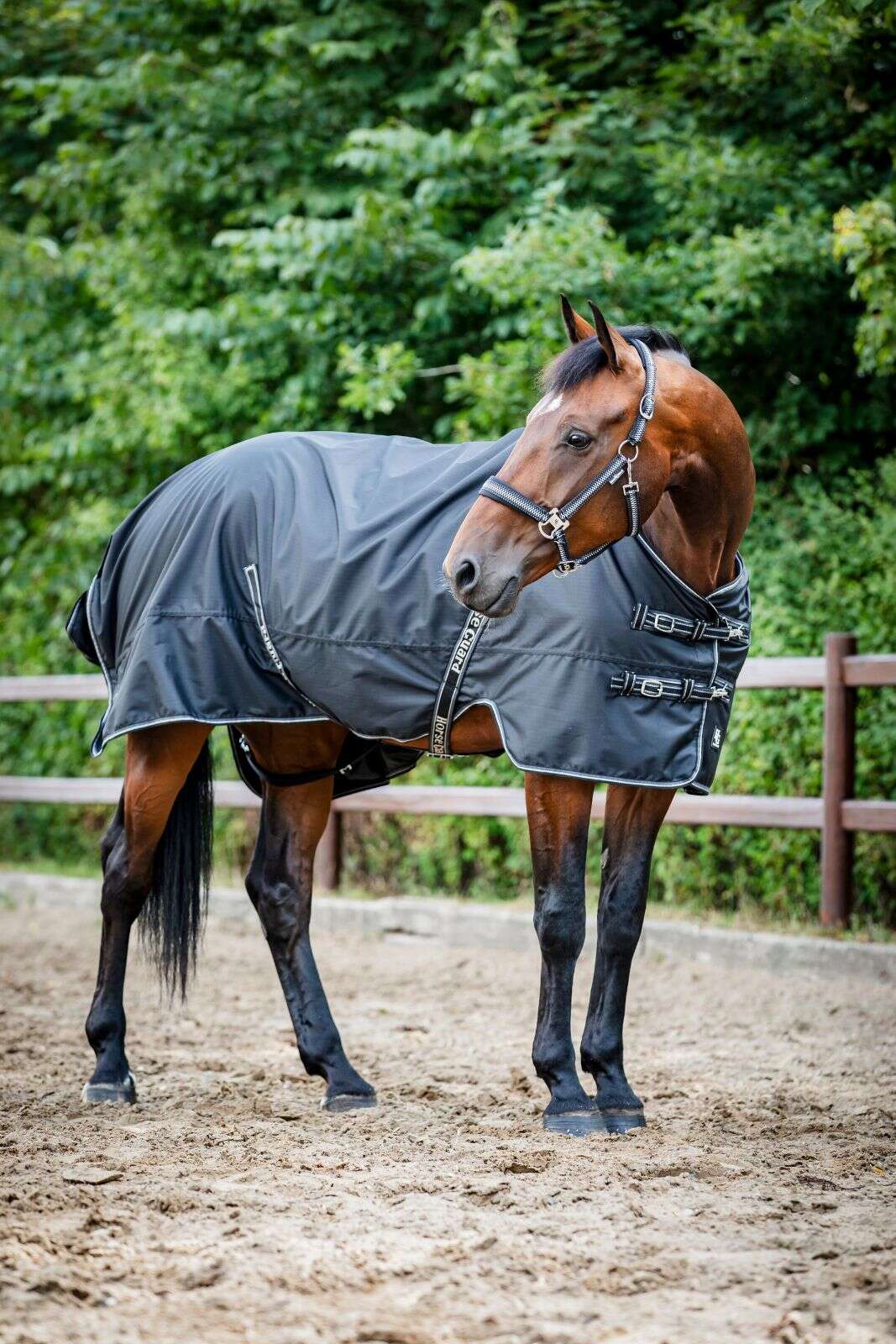
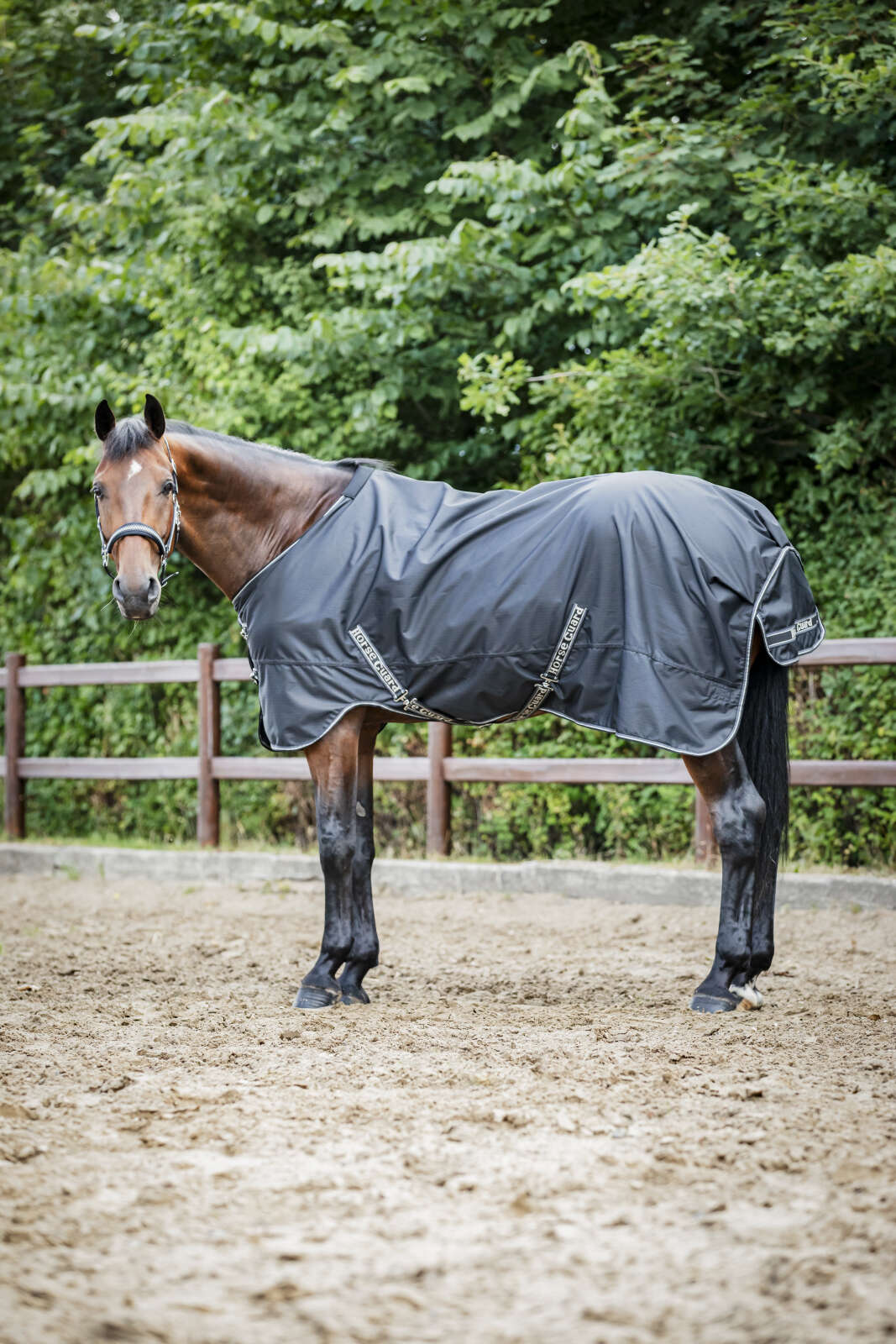
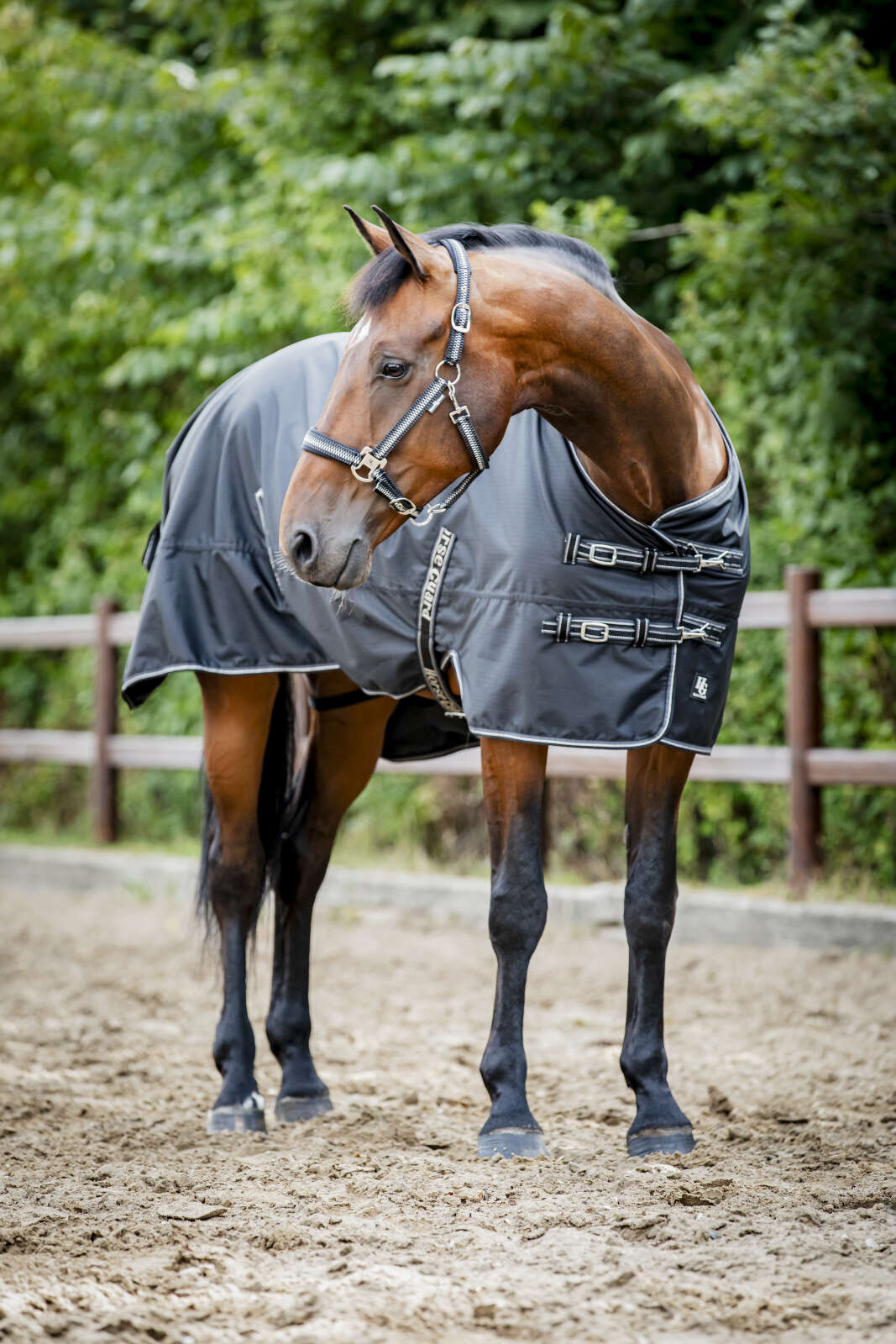
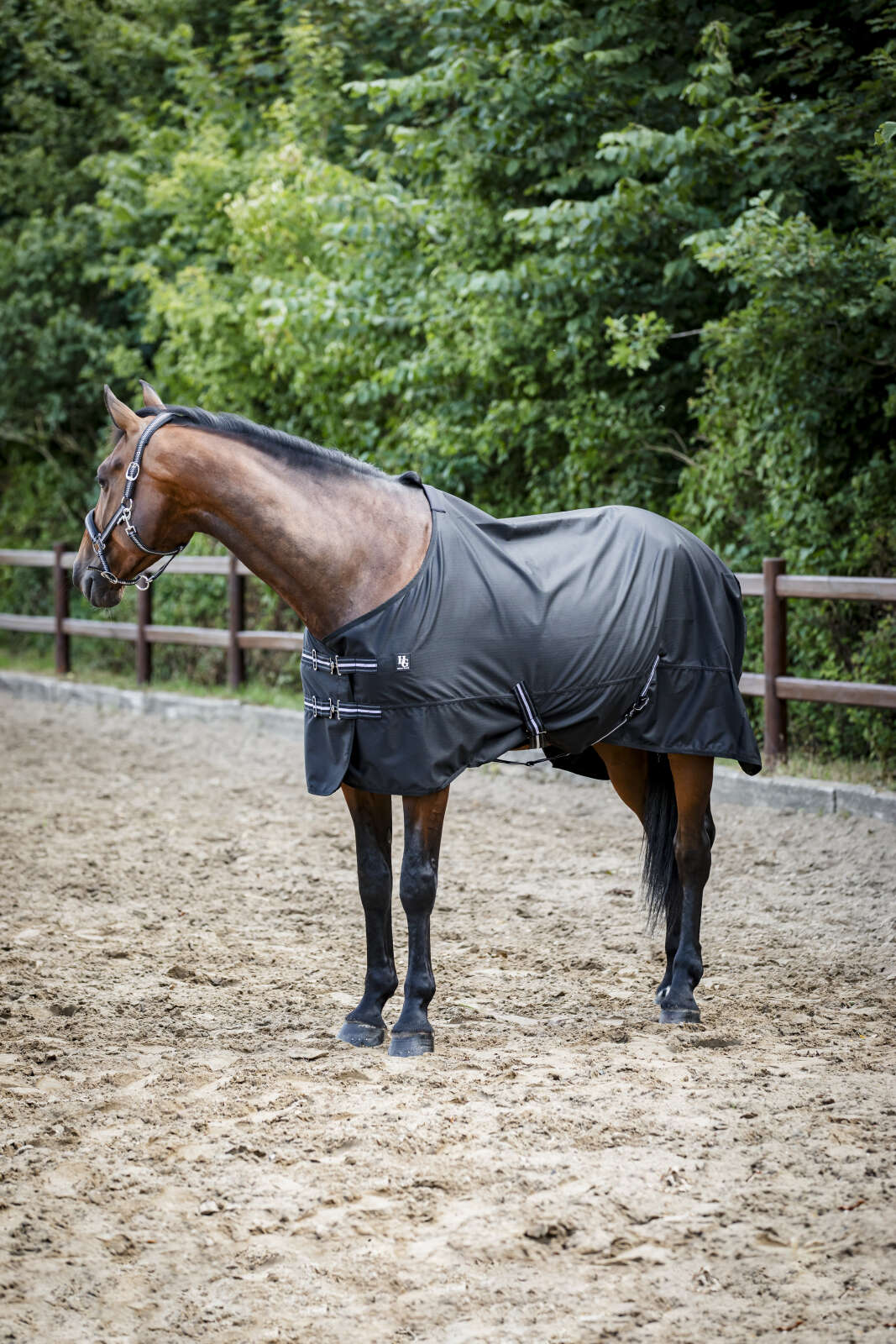
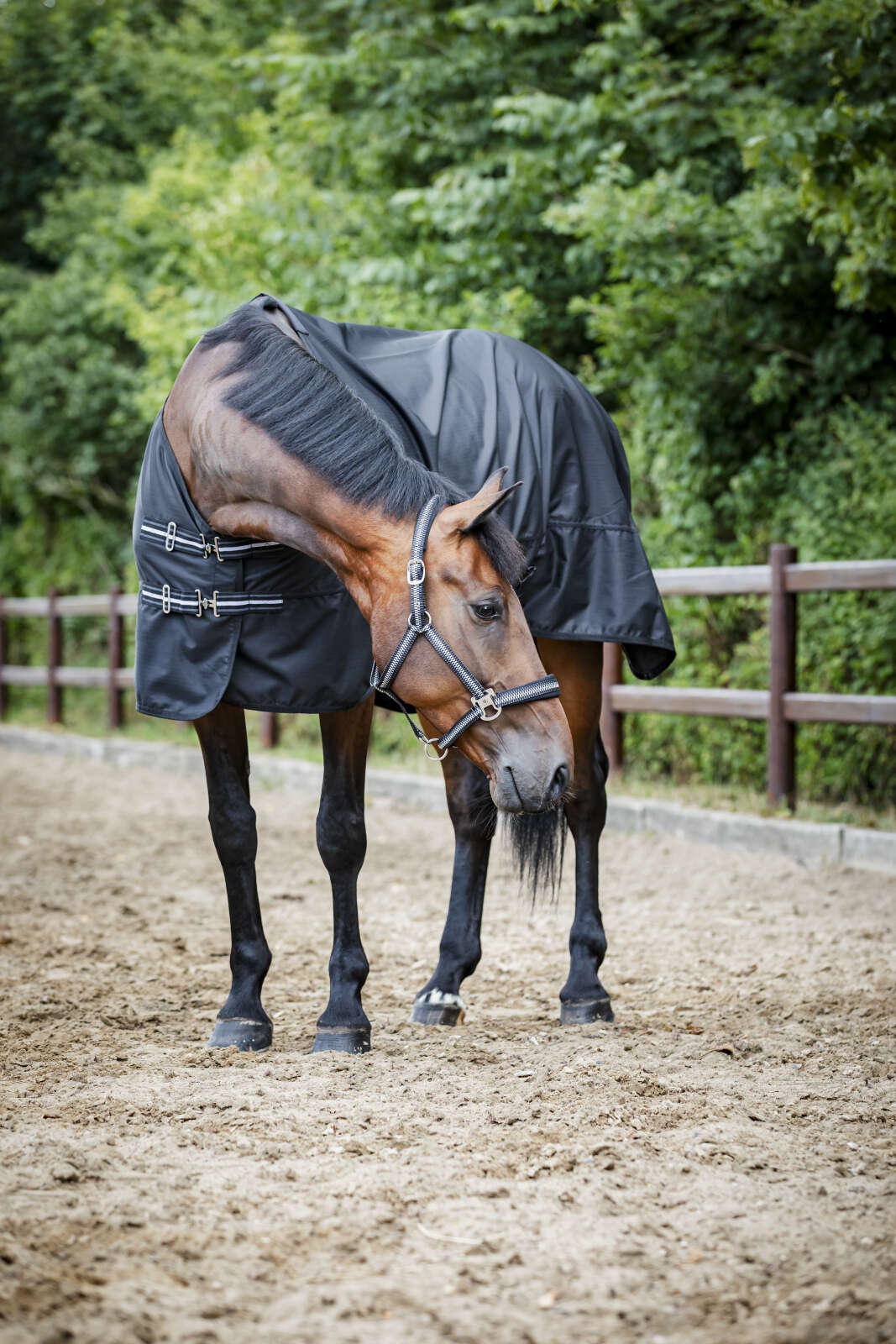
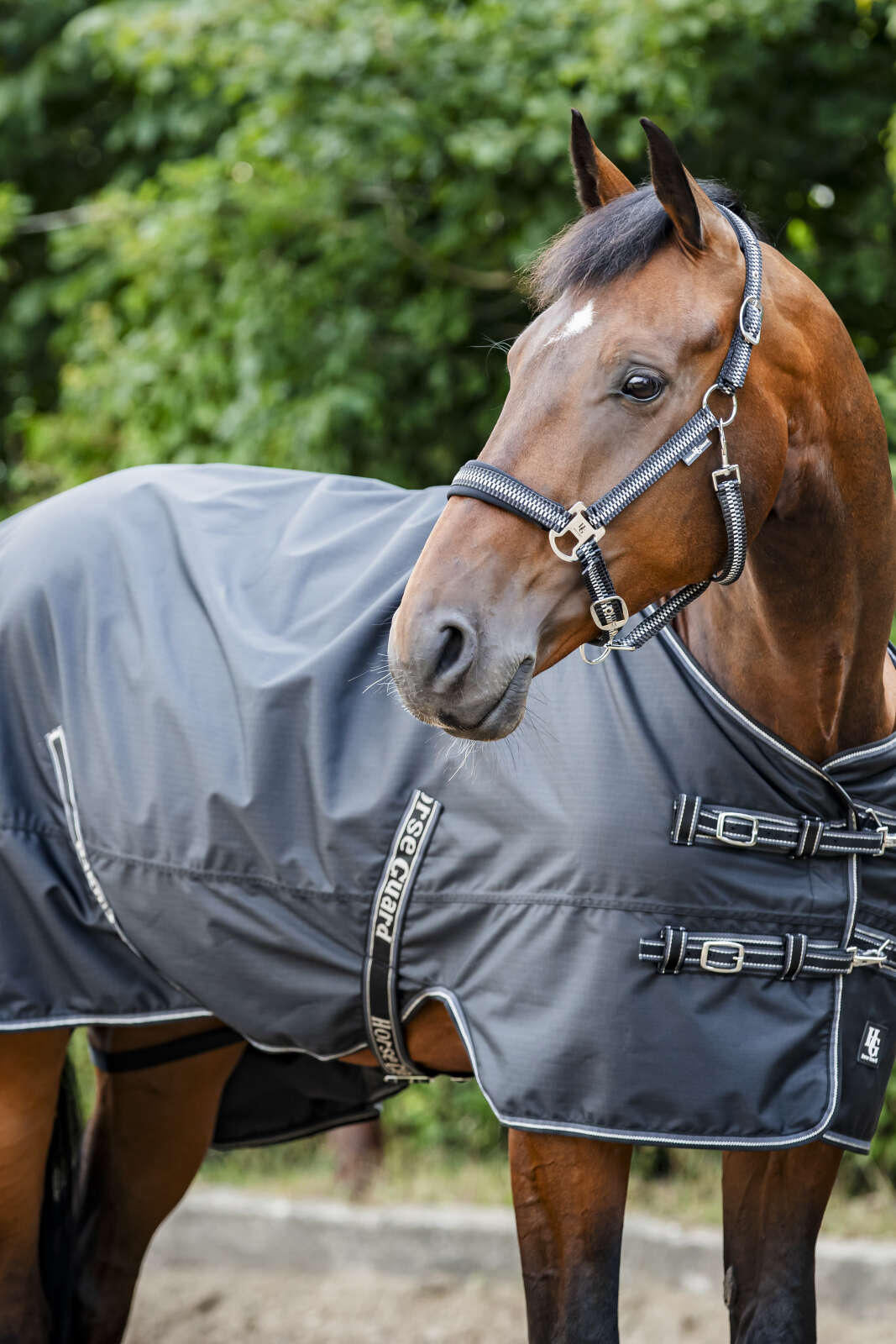
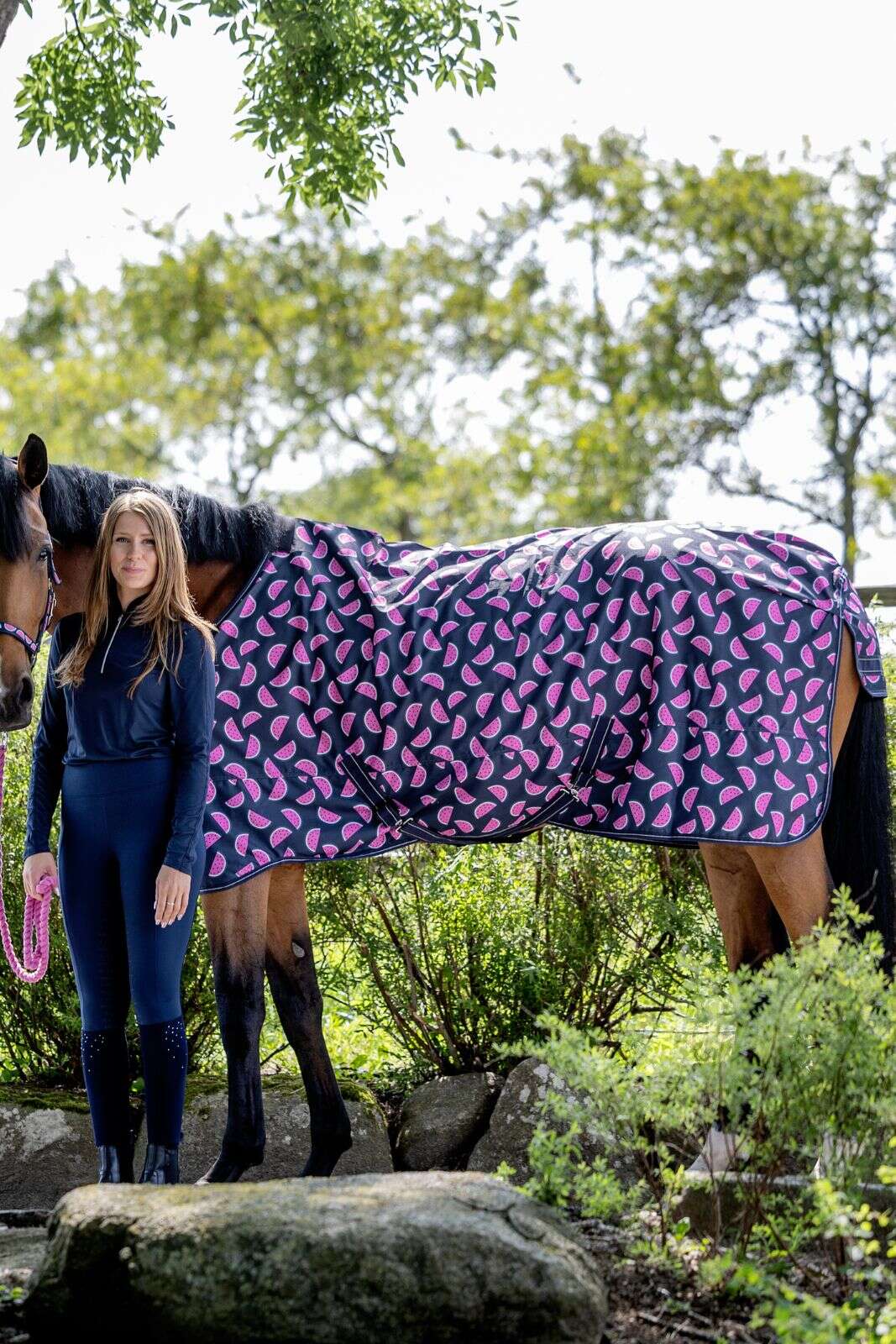
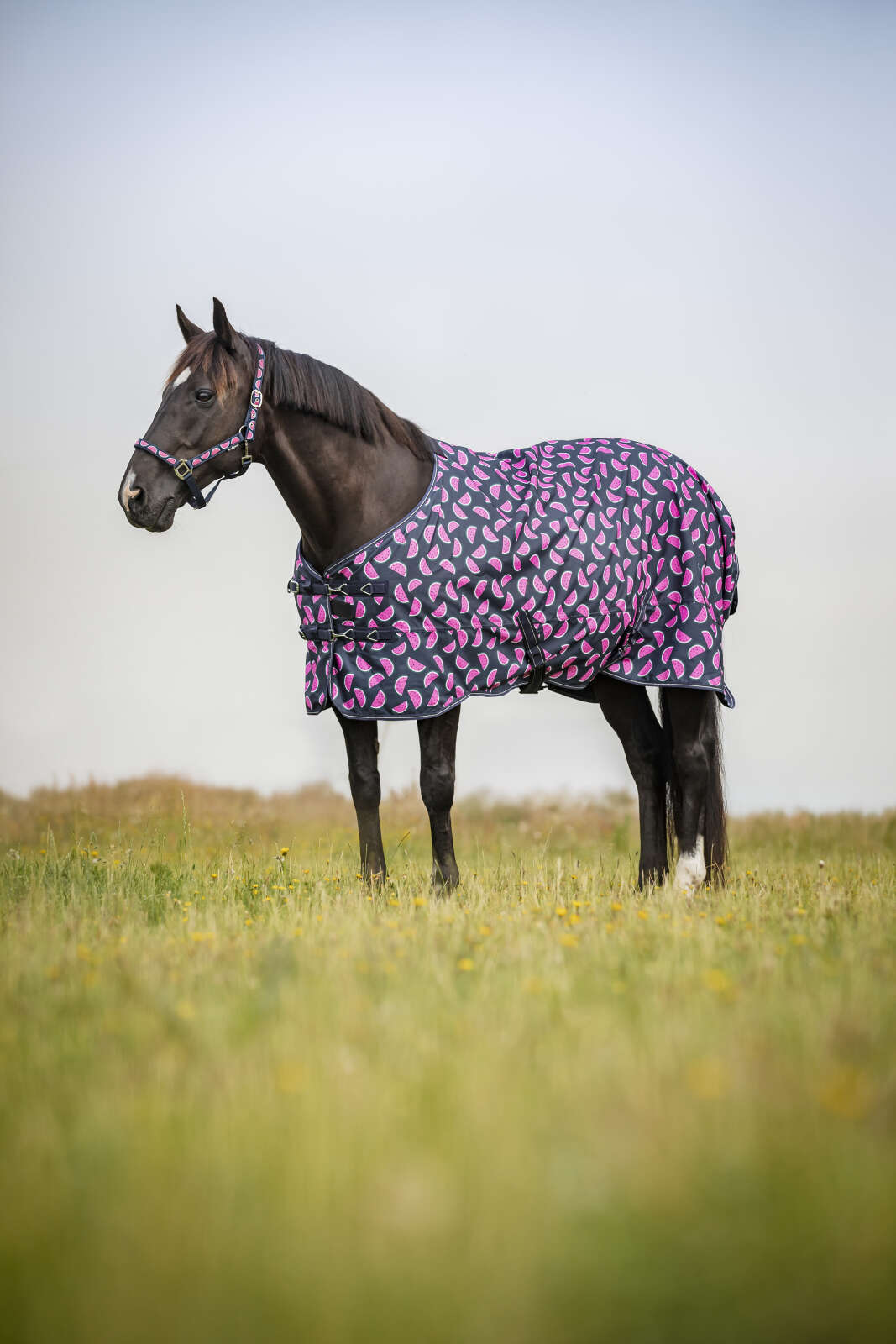
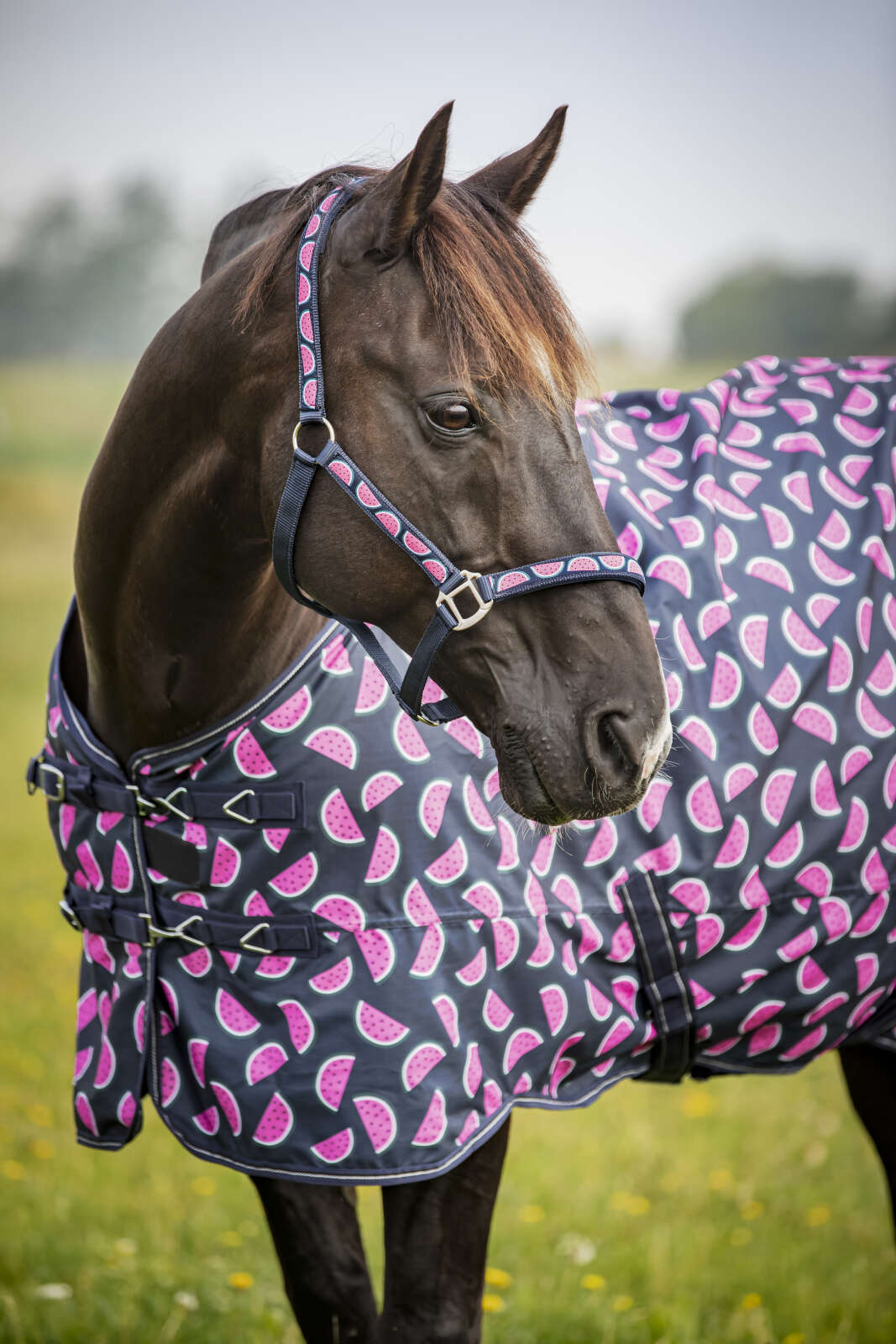
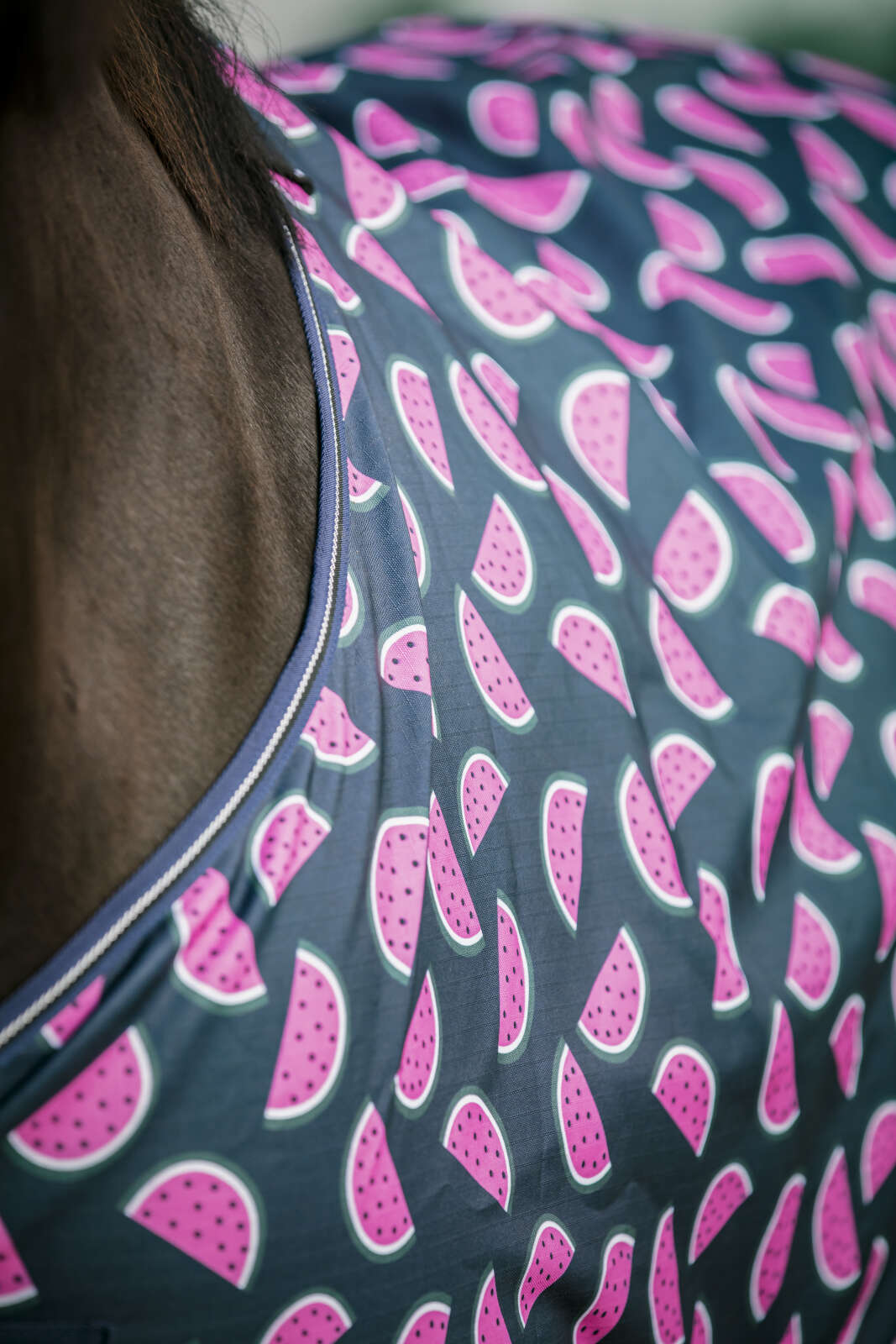
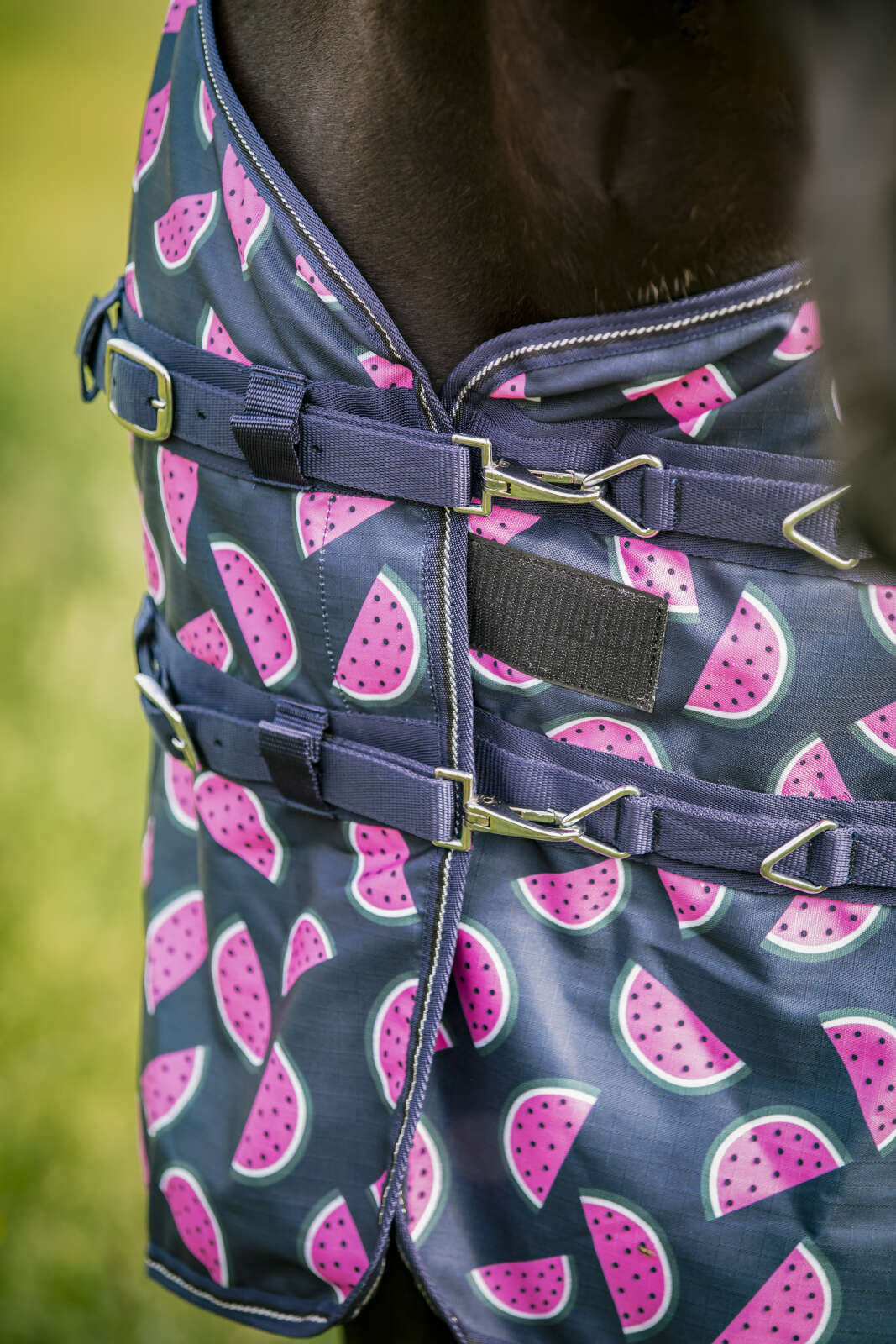
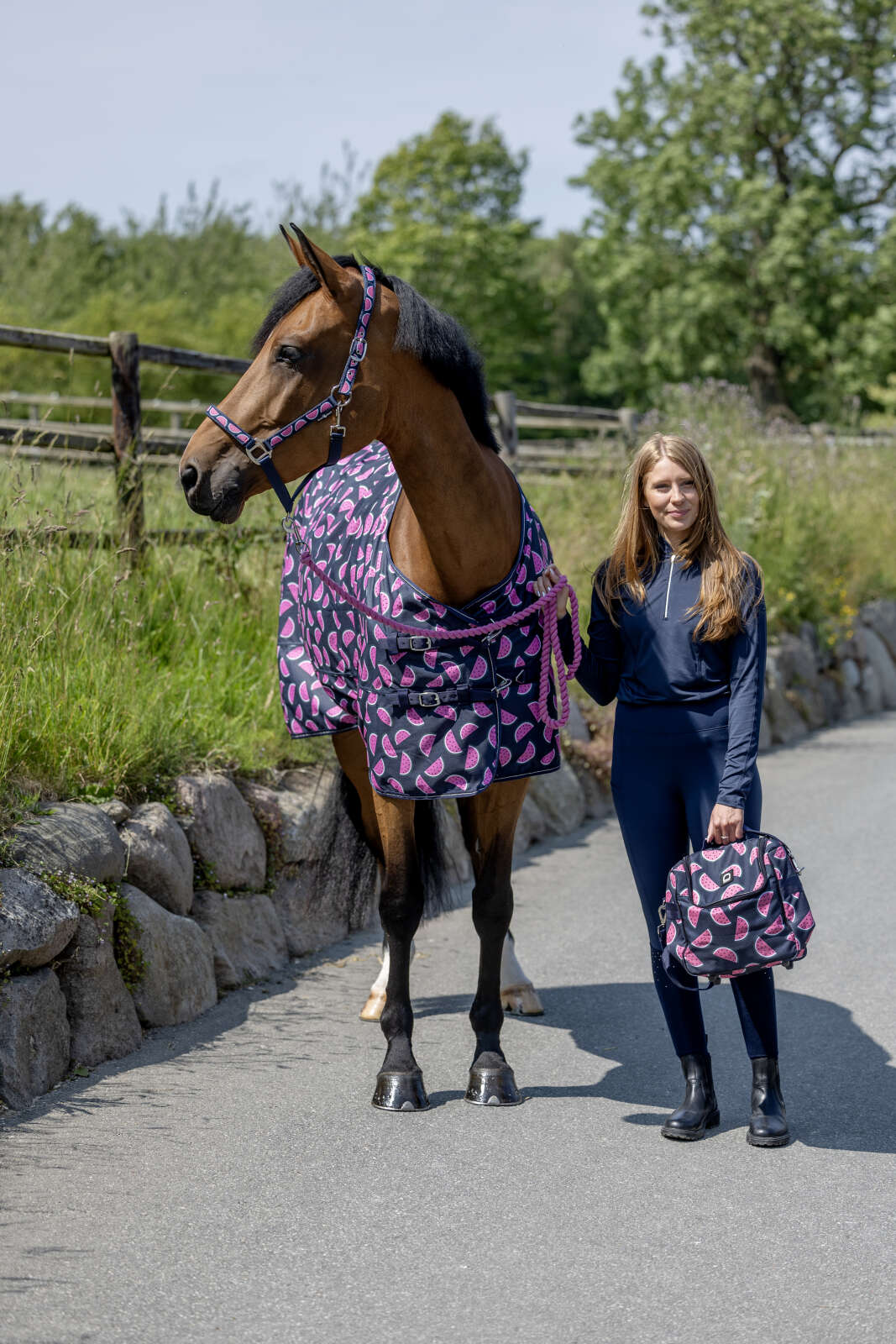
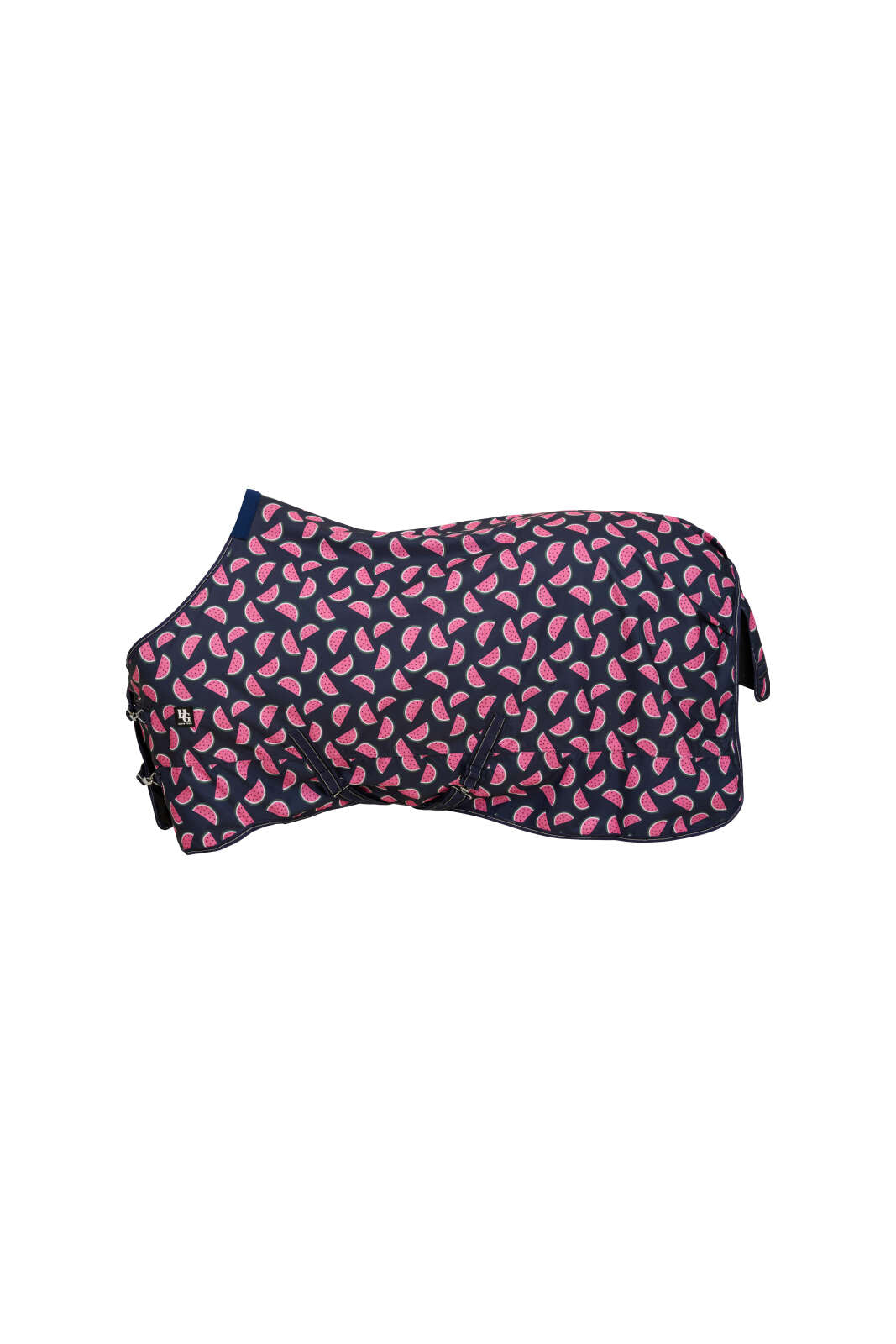
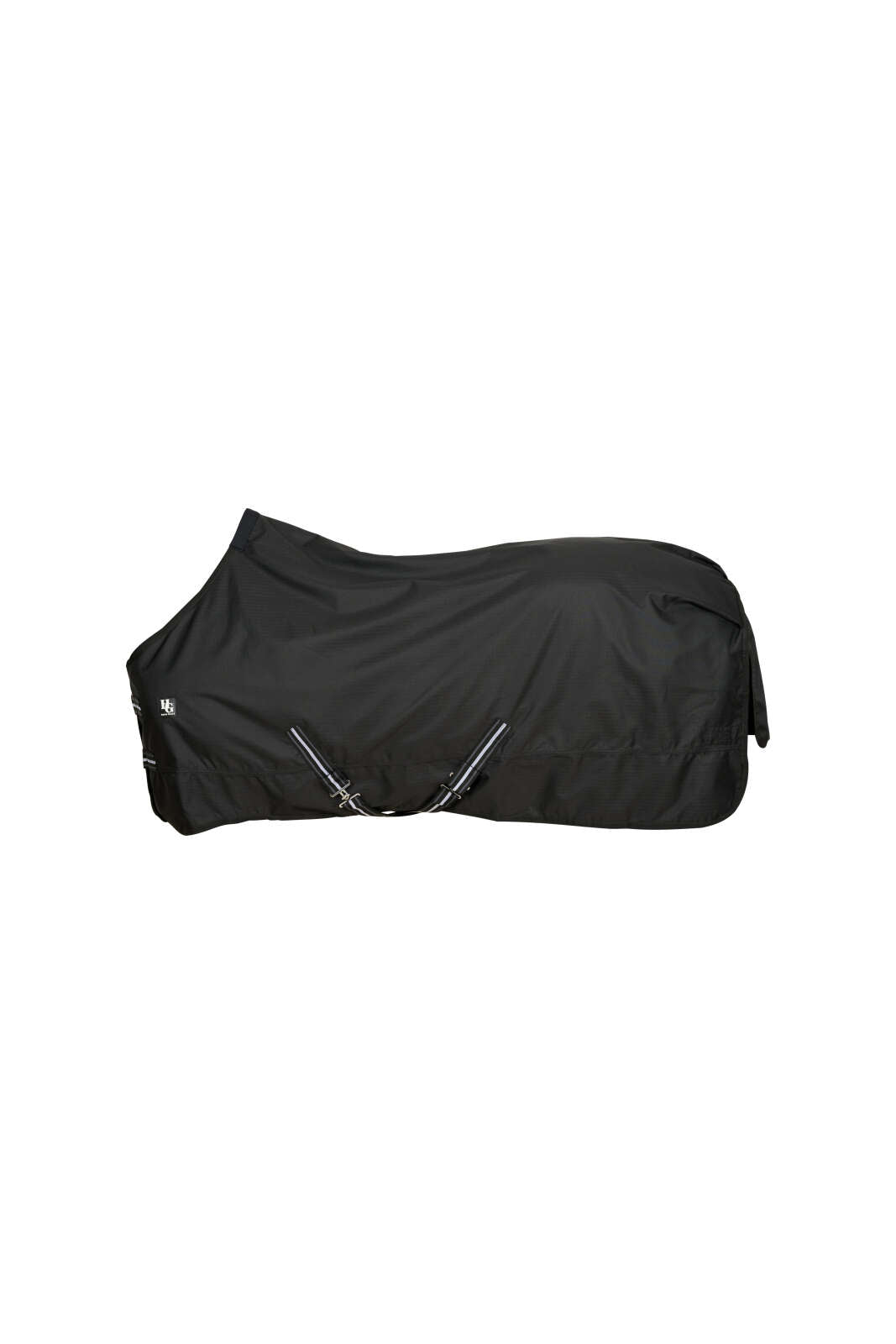
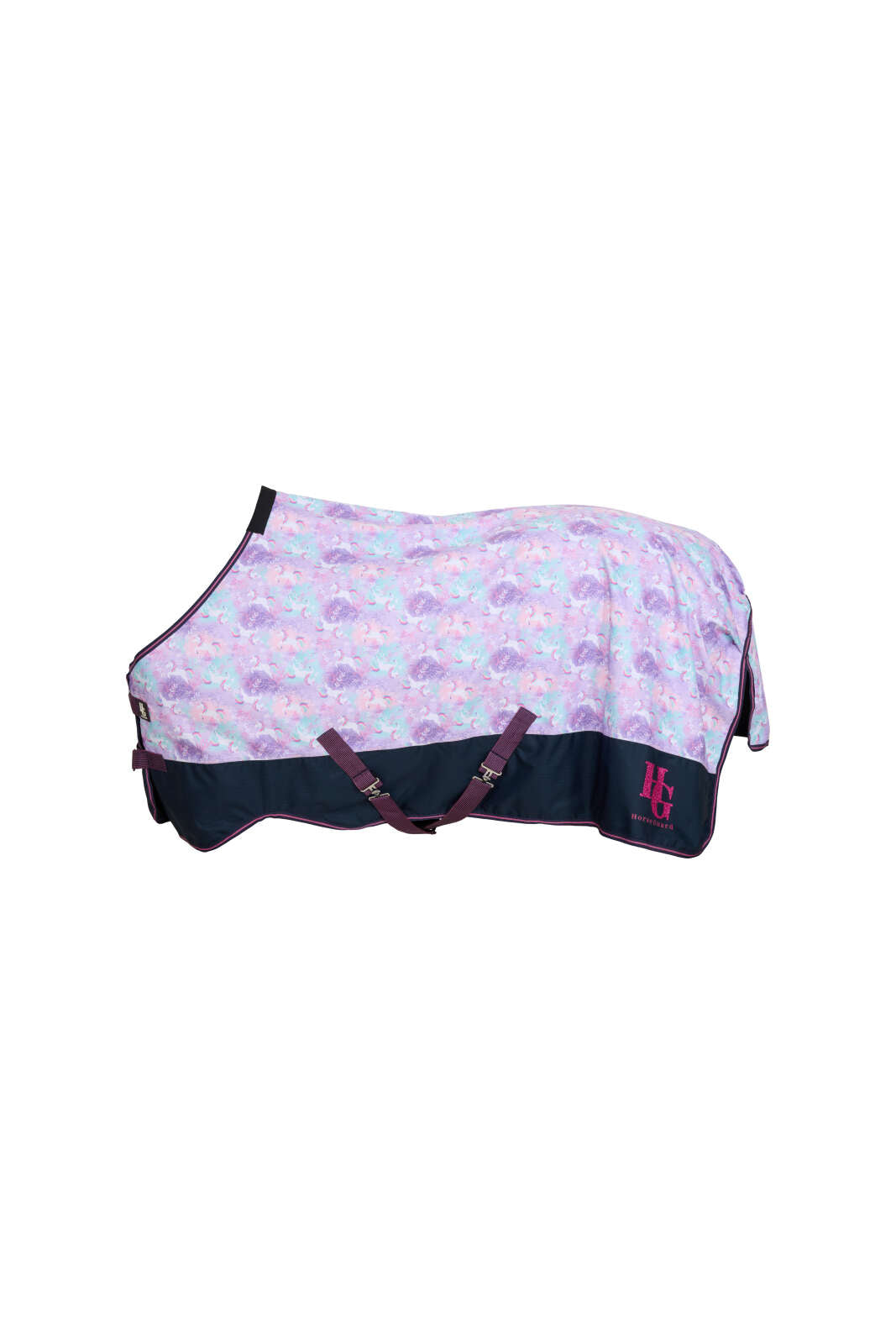
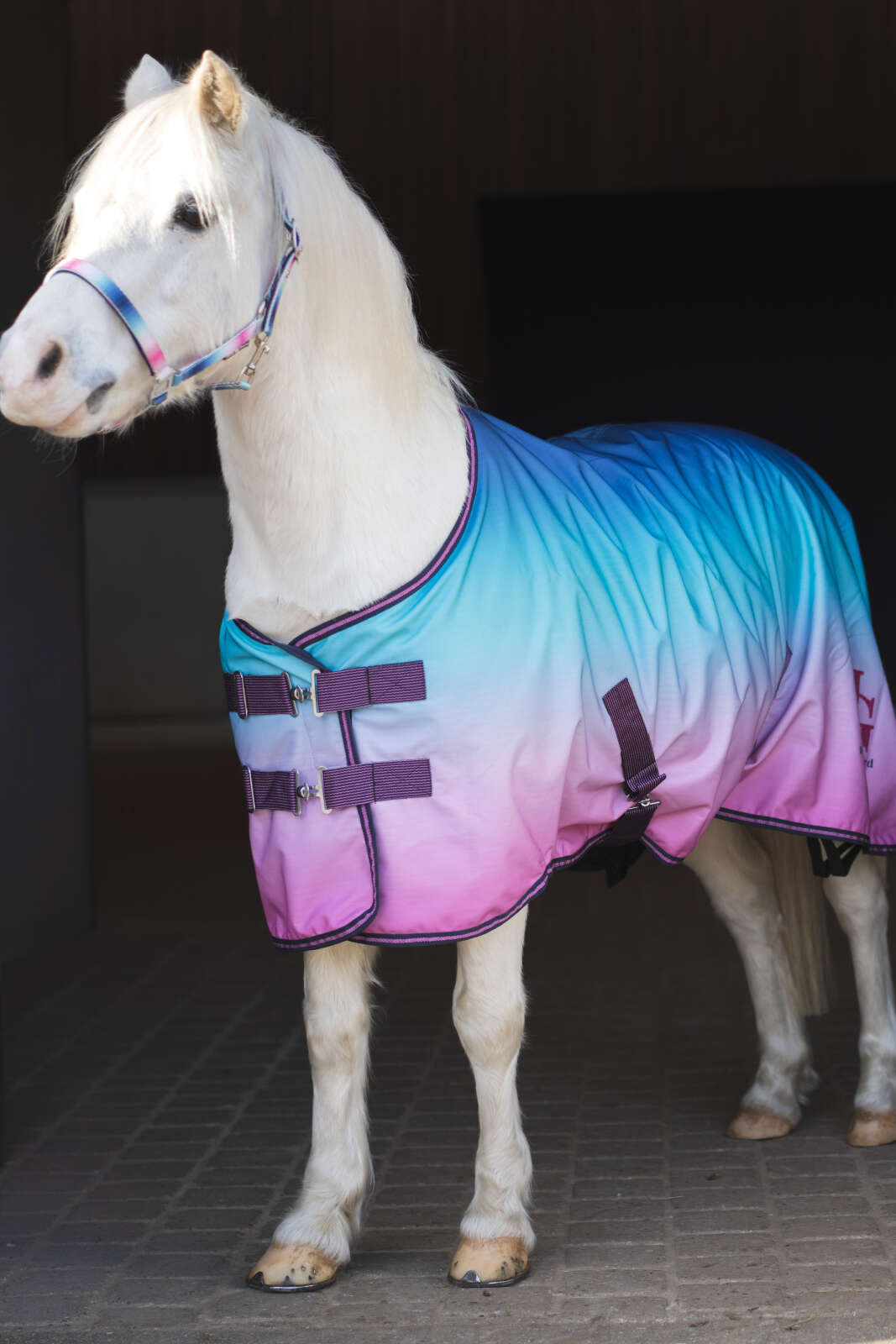
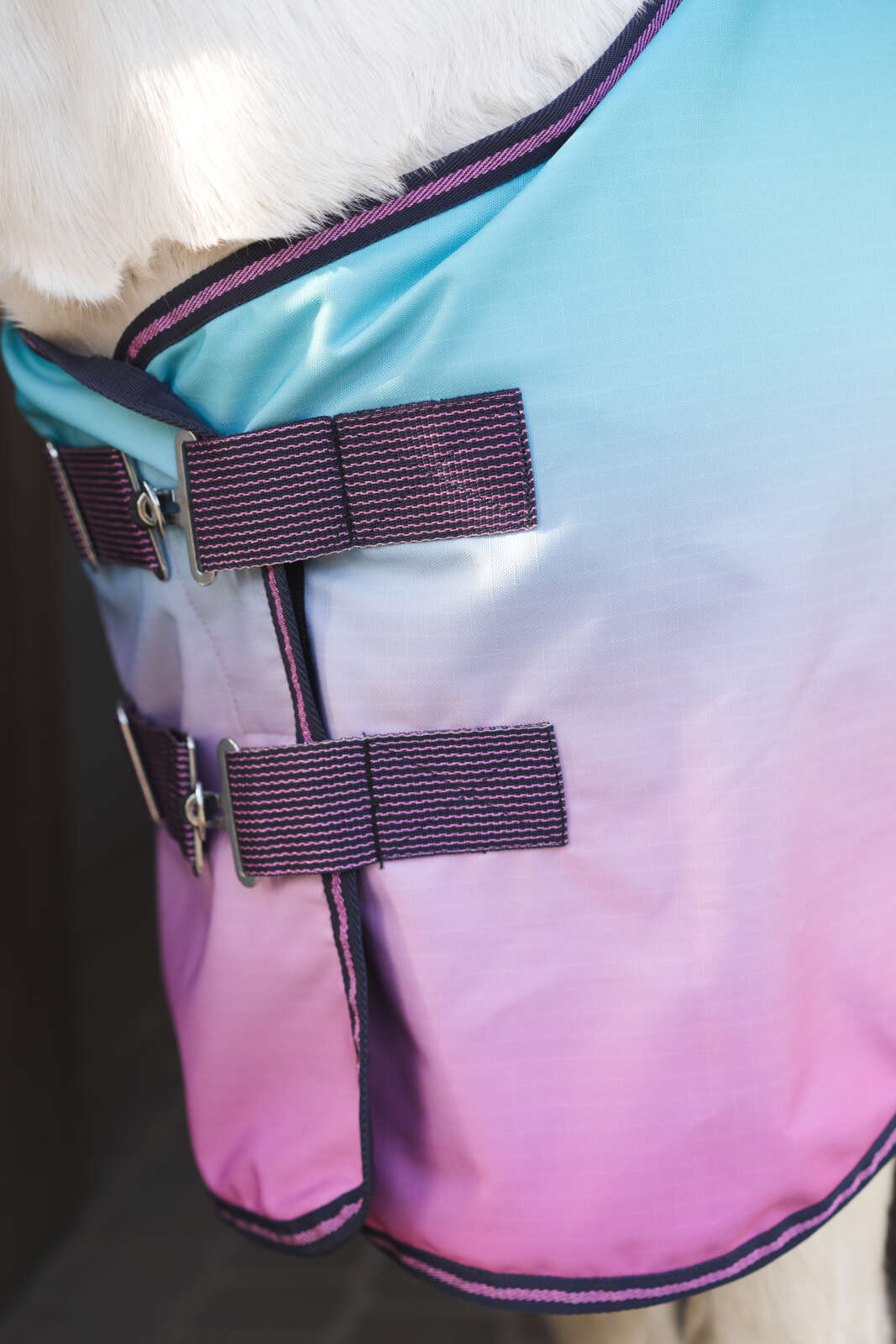
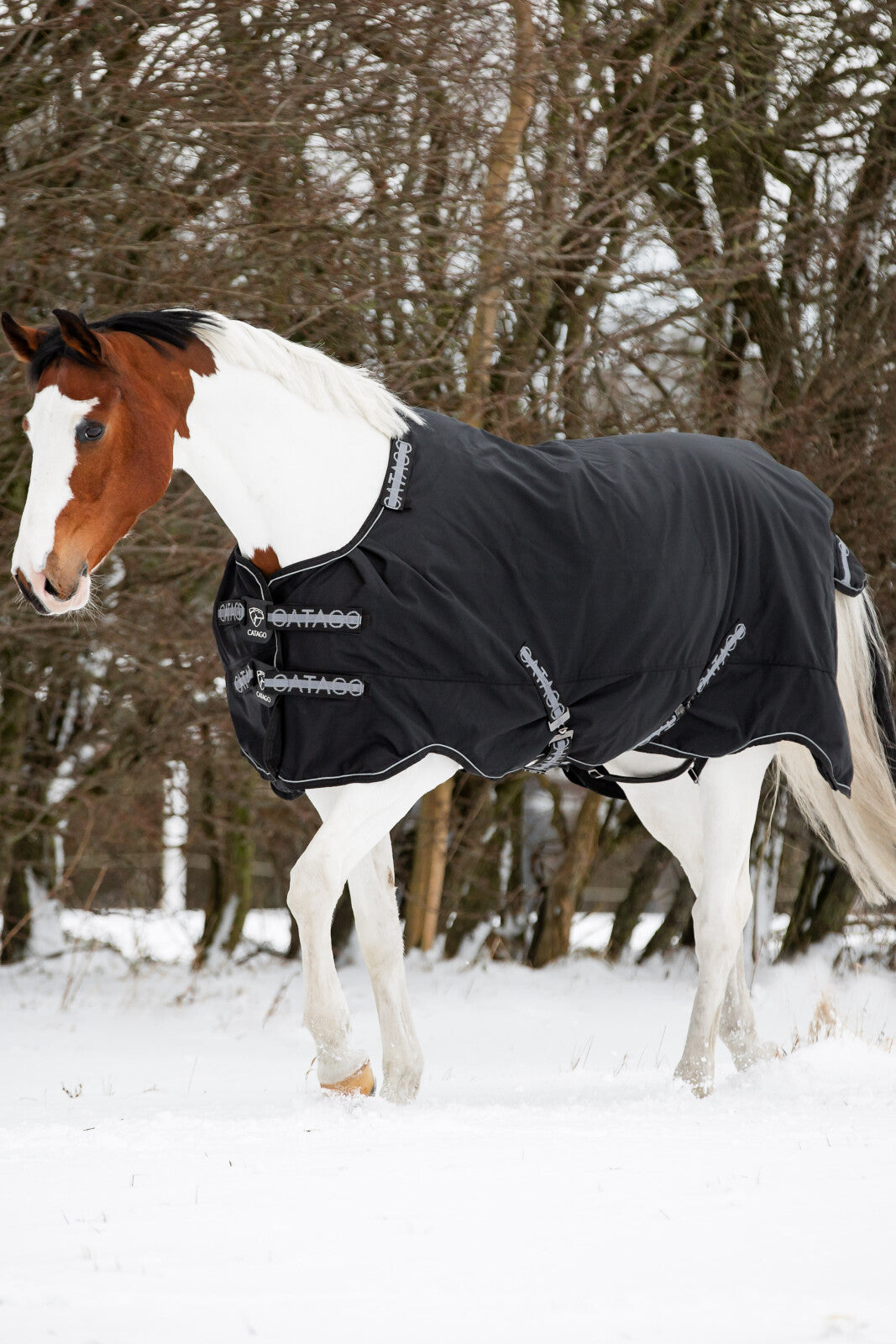
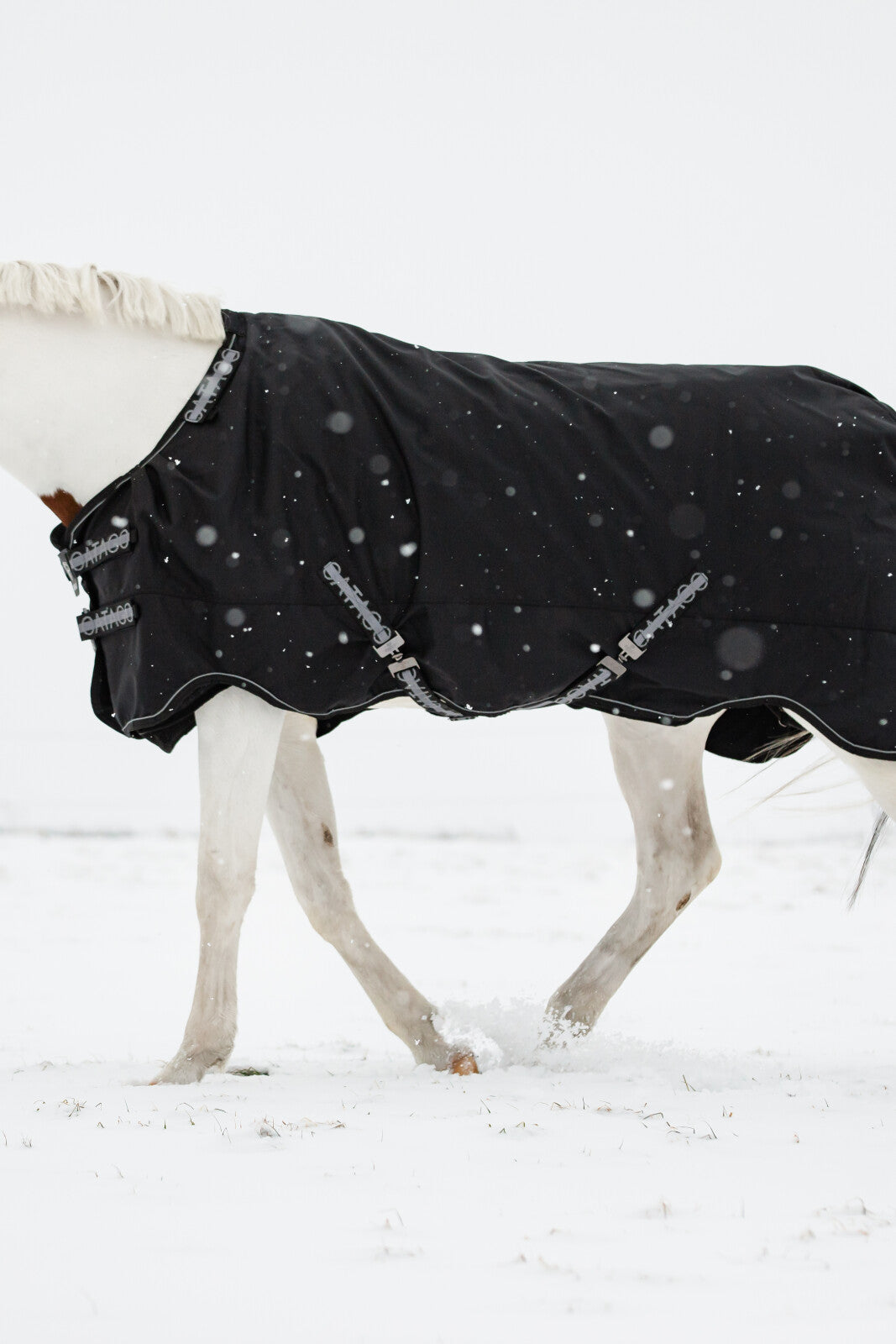

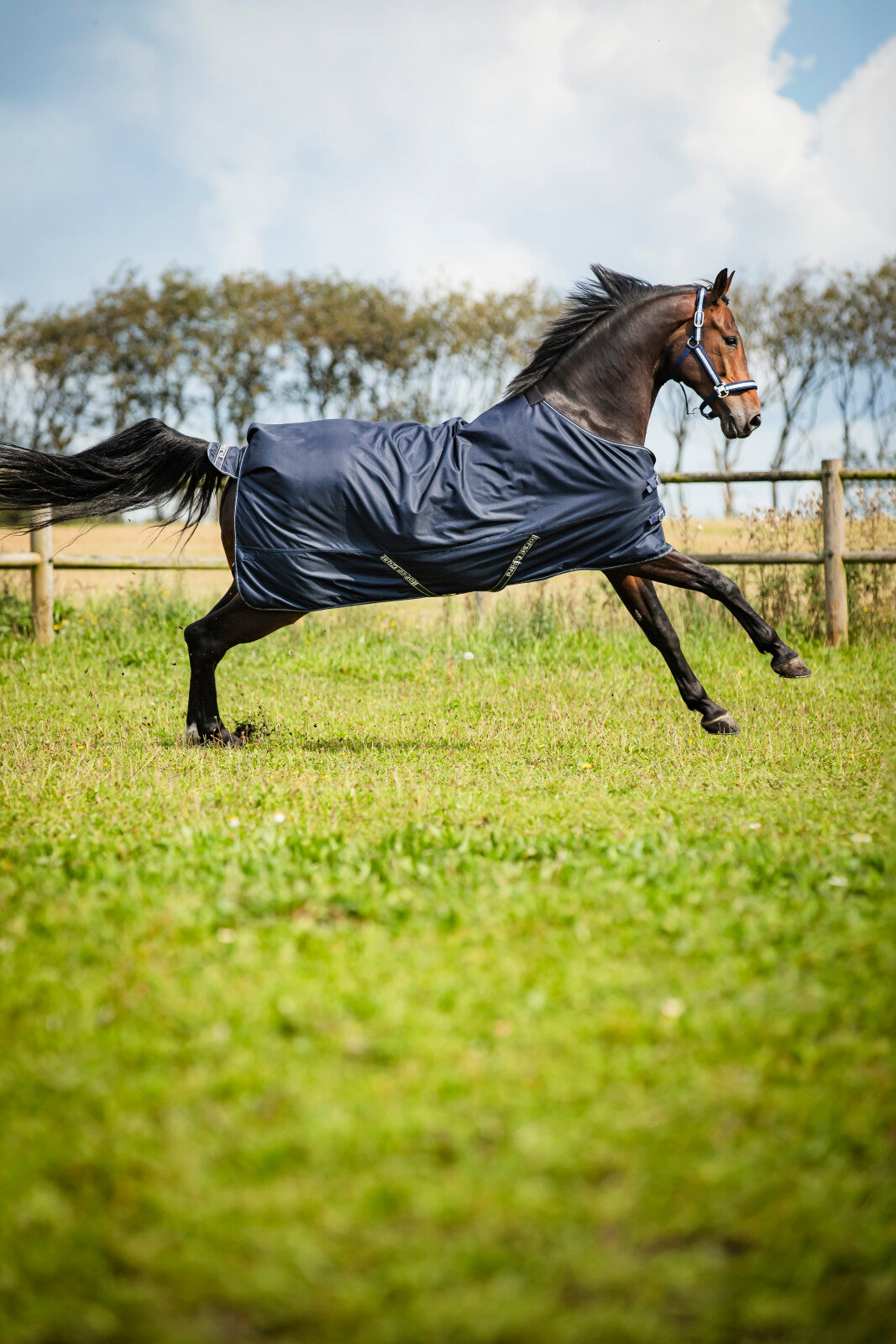
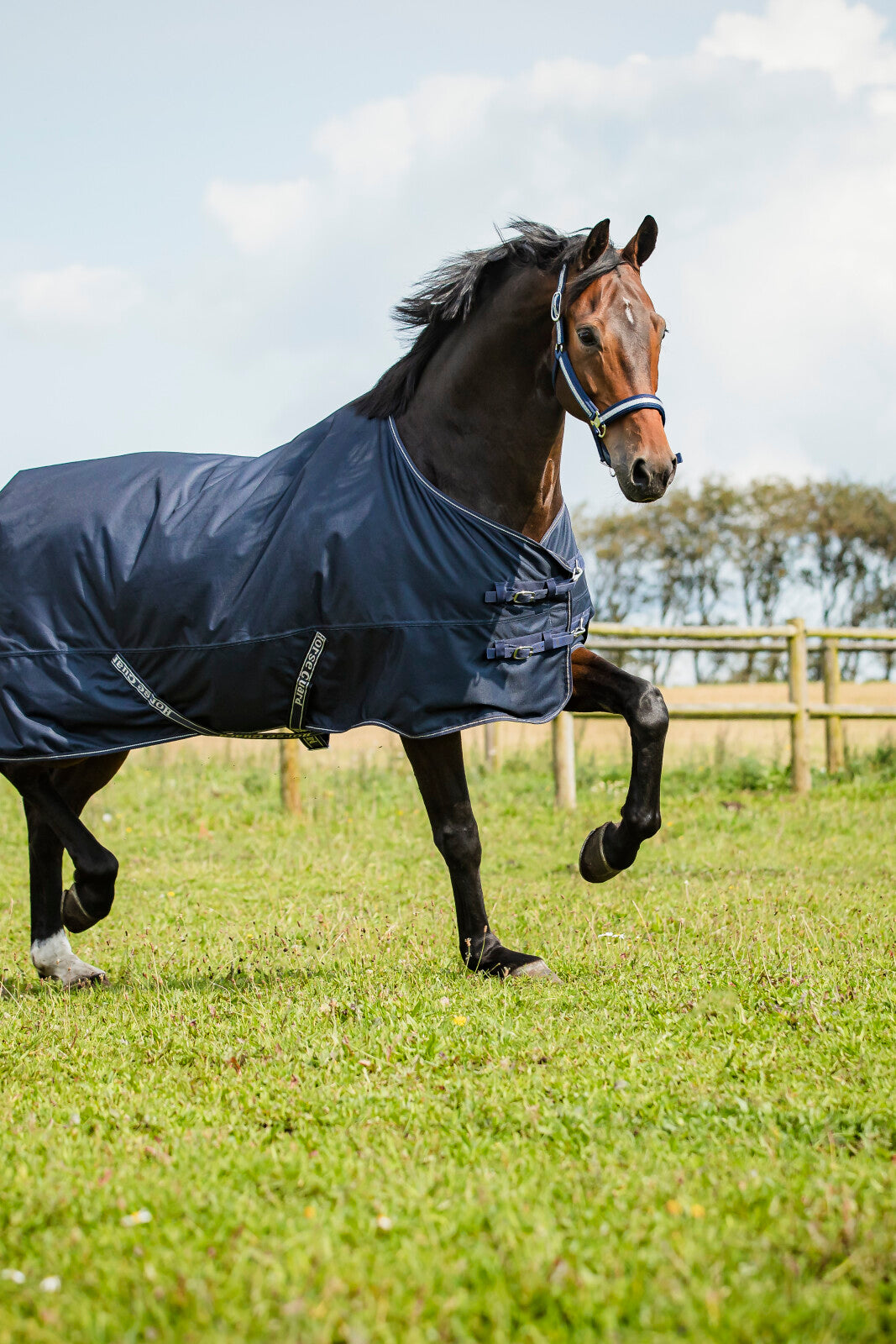
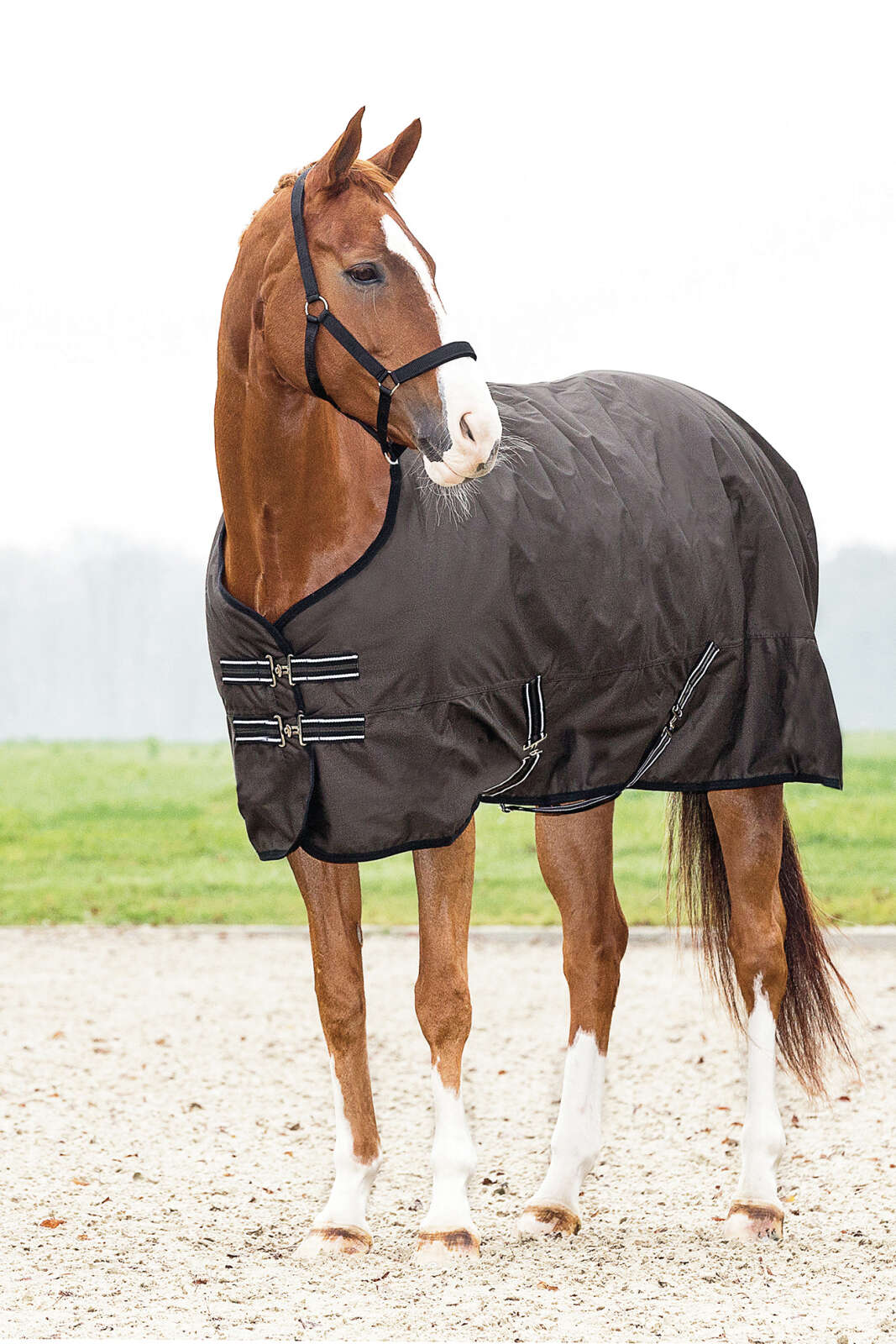
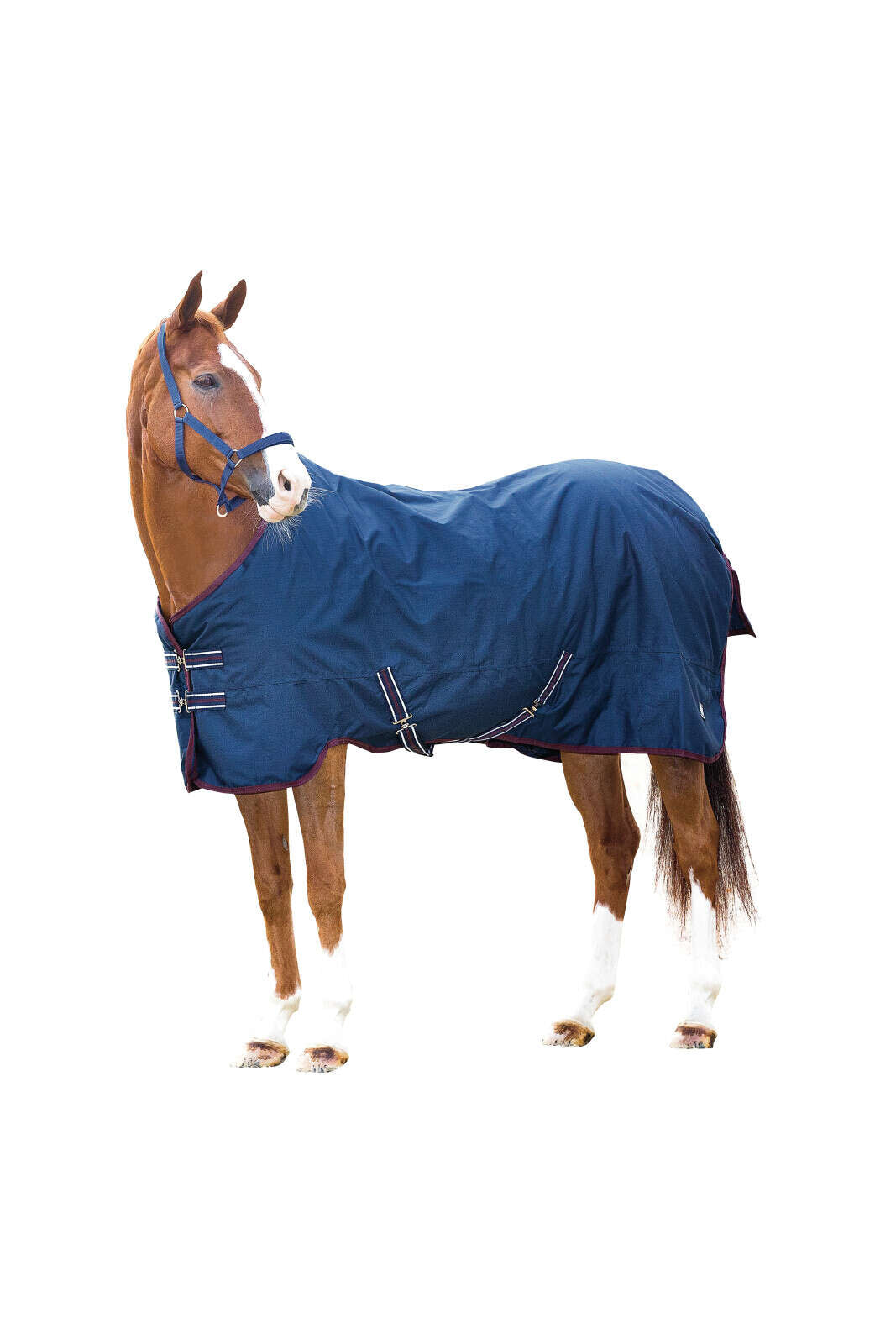
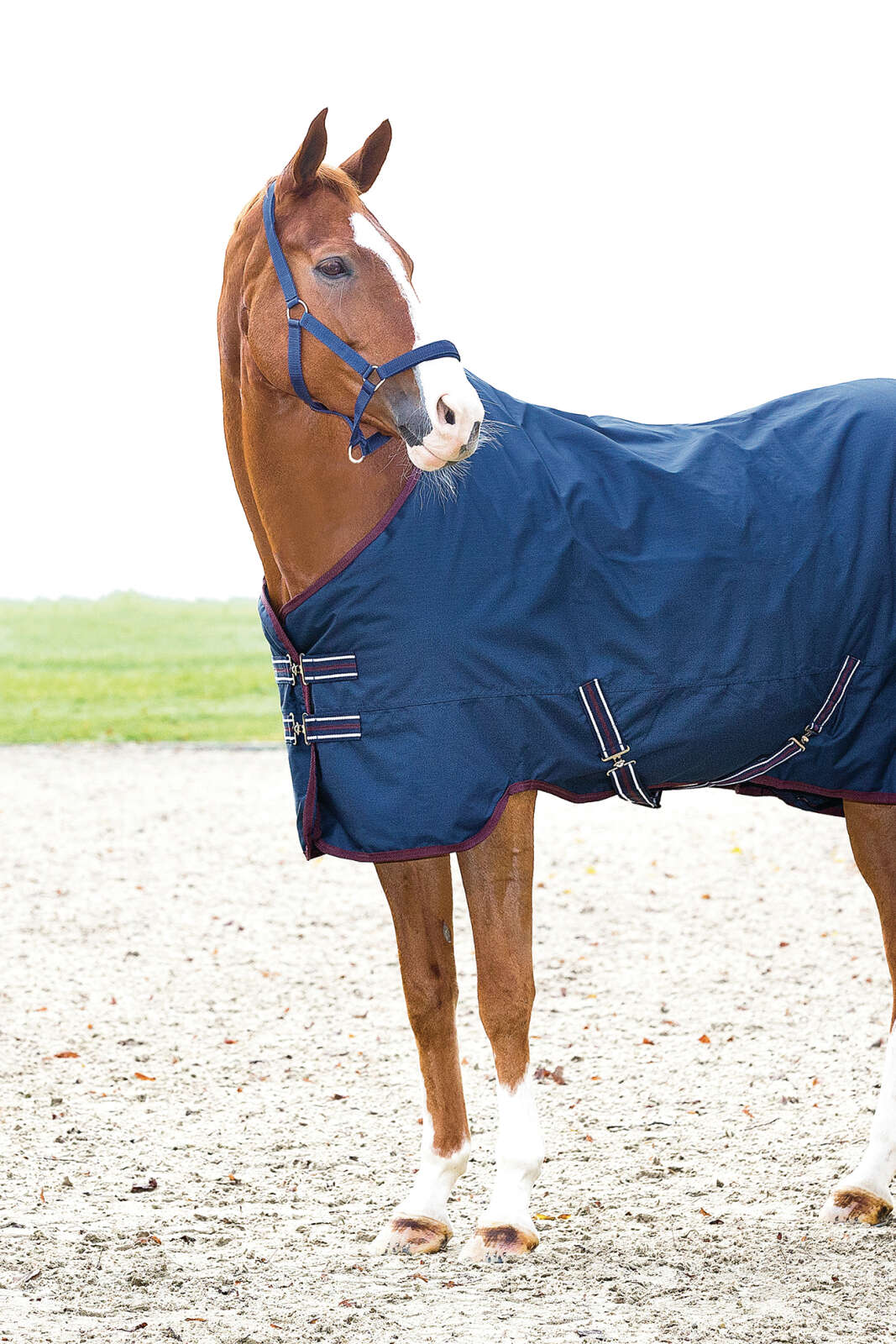
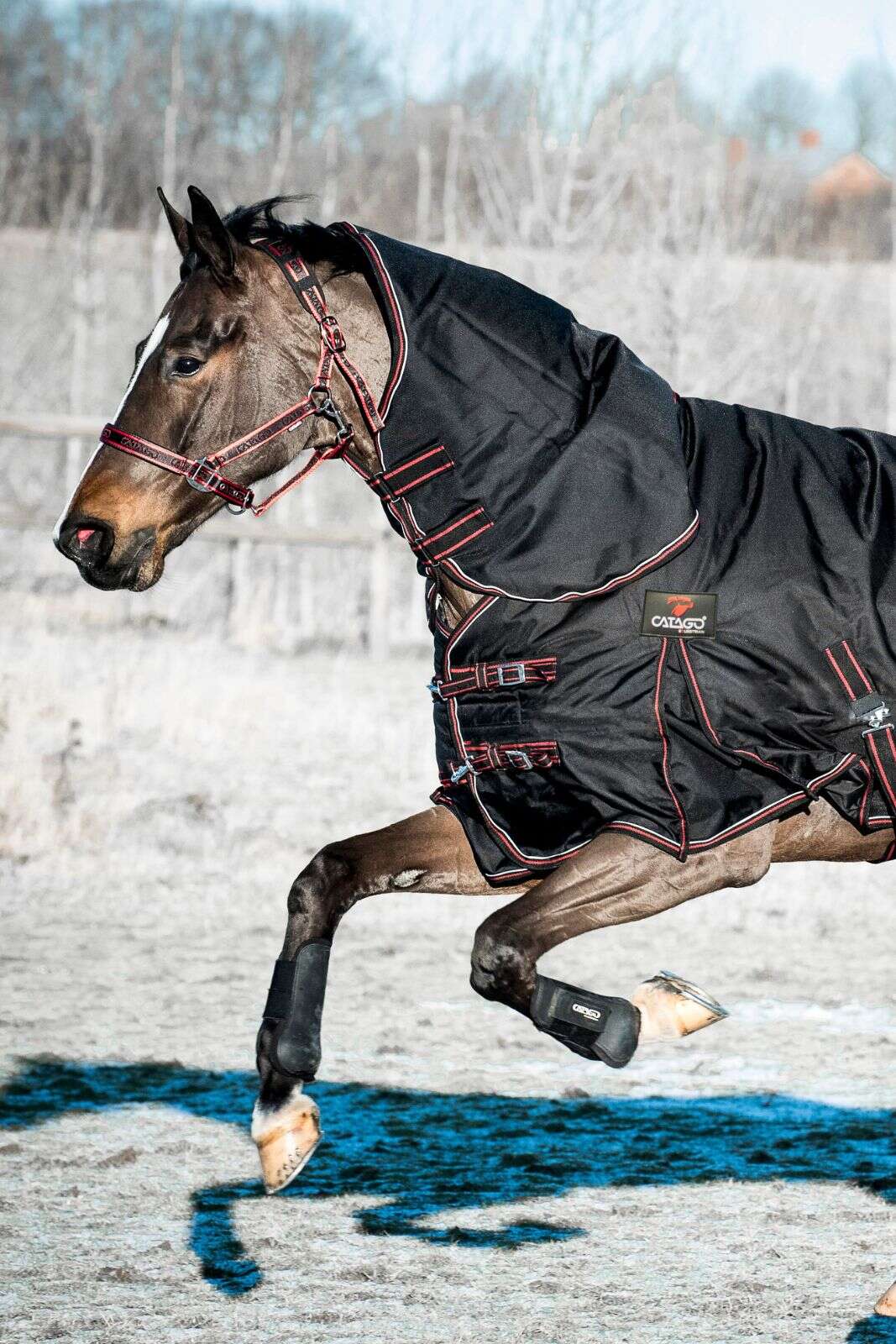
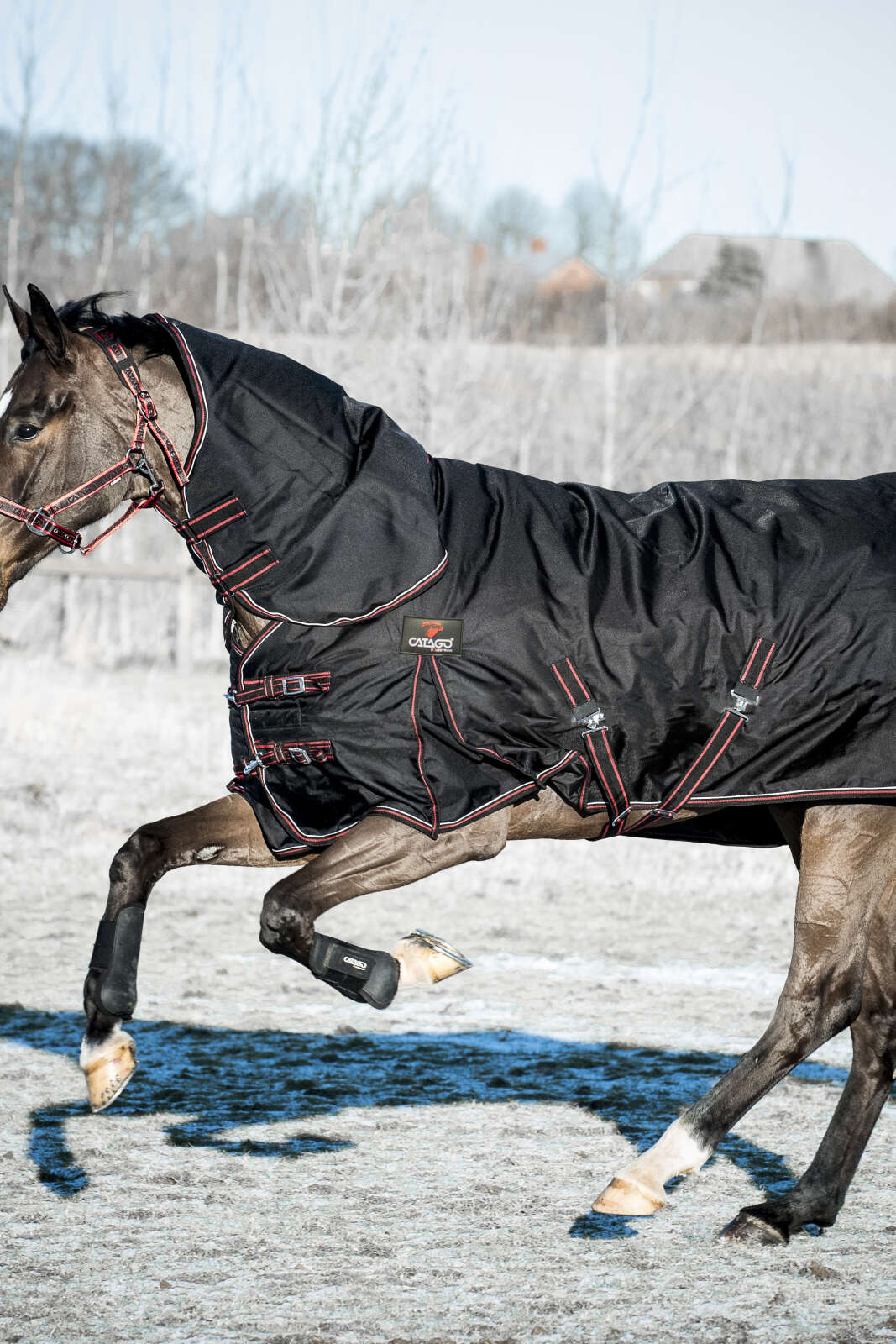
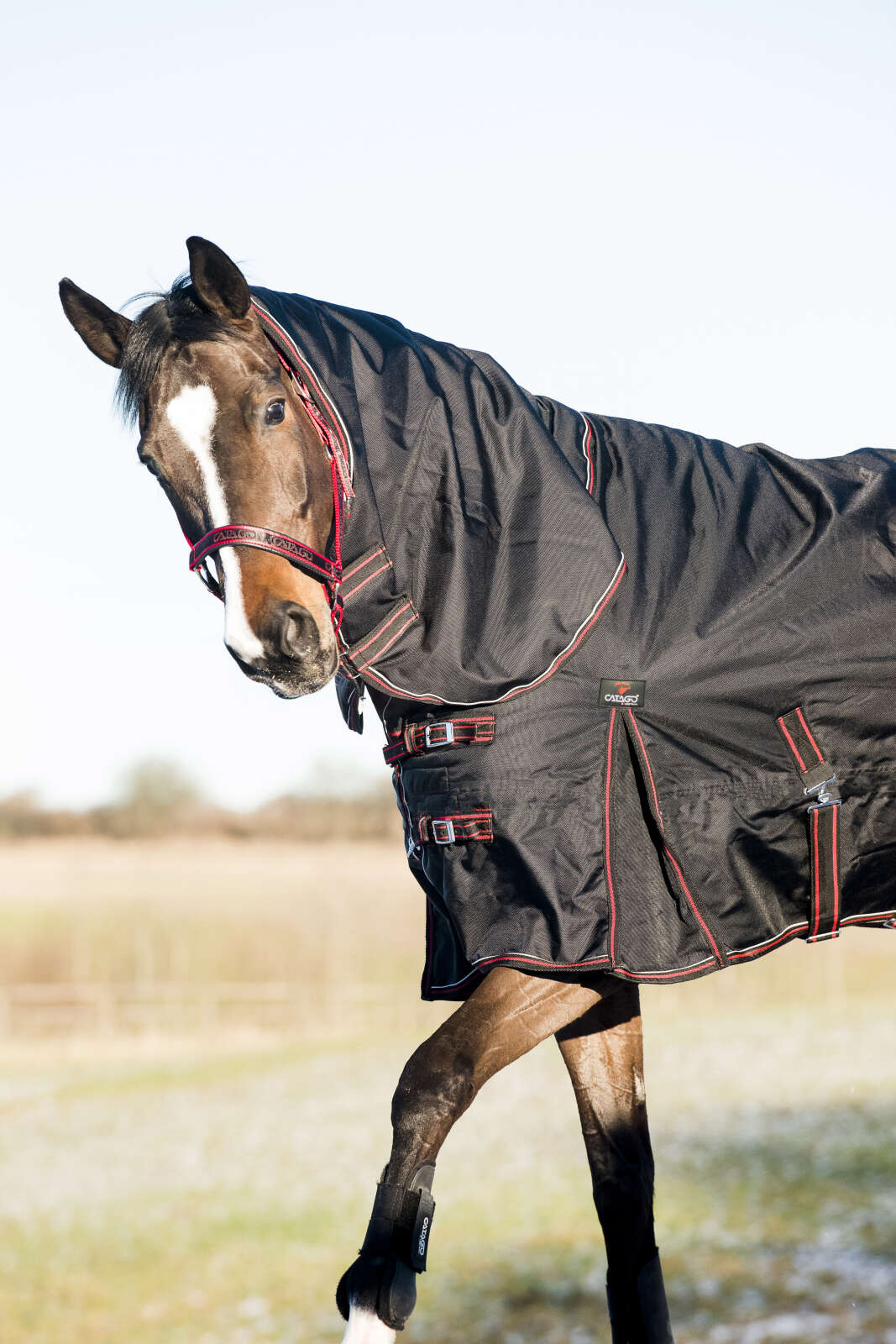
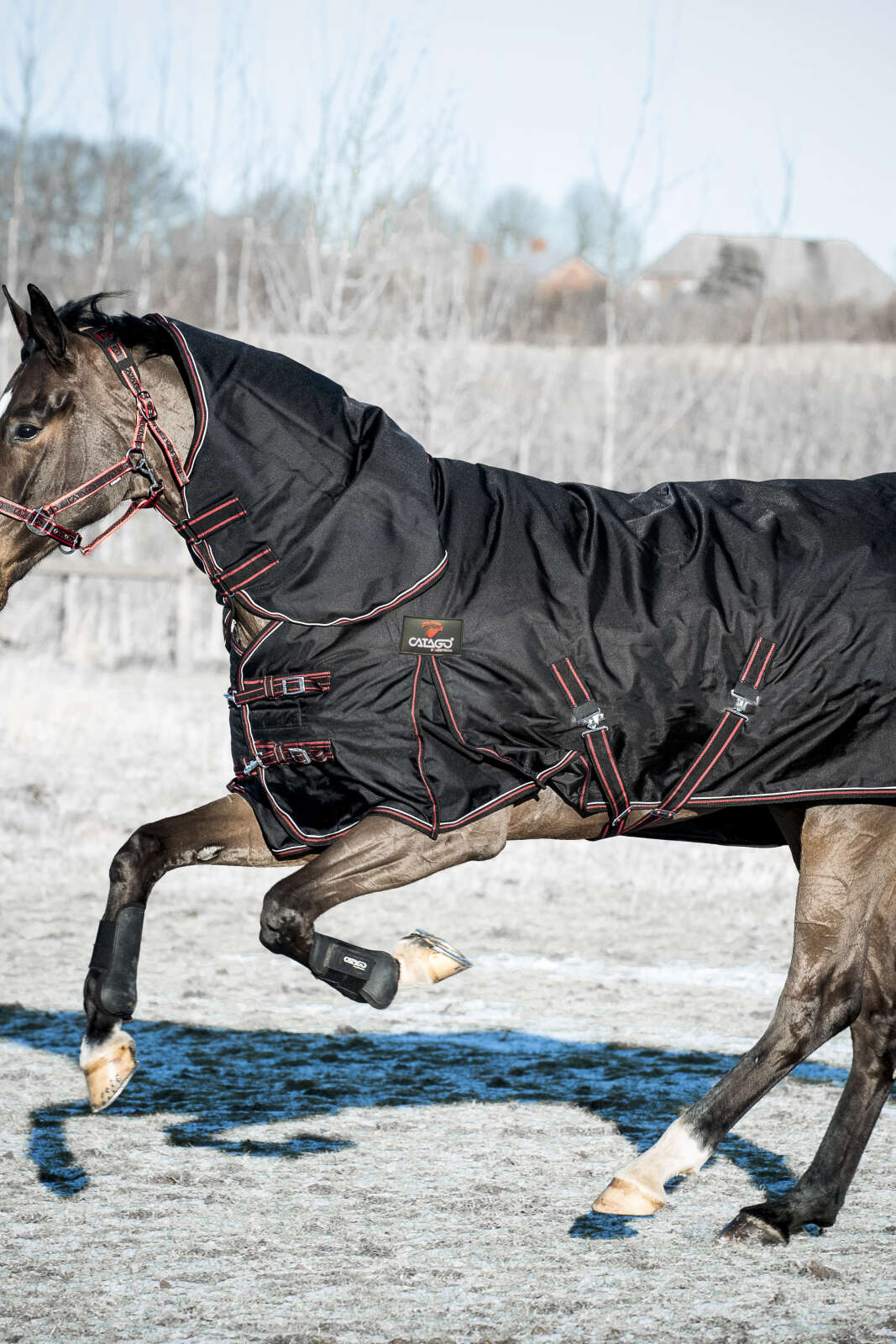
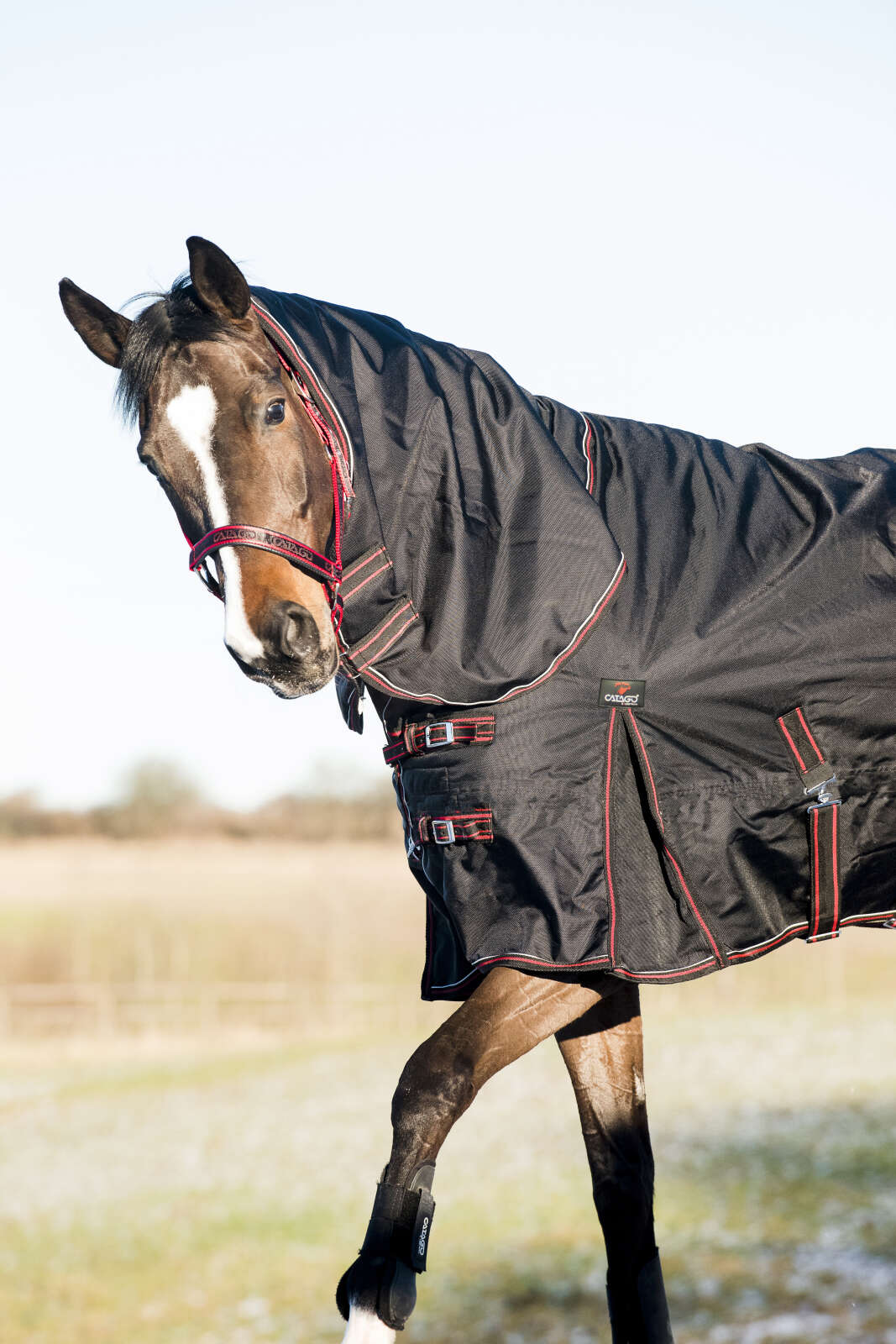
When the weather changes from sunshine to rain in a matter of minutes, a good horse rain cover isn't just nice to have - it's a necessity. In today's climate, where the weather is often unpredictable, a rain cover helps protect the horse from moisture, cold and hypothermia.
The purpose of a rain cover is not only to keep the horse dry. It's also about creating the right conditions for temperature regulation so that the horse neither gets wet from the outside nor overheats from the inside. Therefore, waterproofness, breathability and fit are crucial factors when choosing the right raincoat.
A raincoat is primarily used during periods of rain and damp weather, but in practice it can be used all year round depending on the temperature and the horse's needs - a bit like a rider's raincoat. Many horse owners use raincoats during transitional periods like spring and fall, when the weather changes quickly between sun, rain and wind.
If your horse spends a lot of time outside, a raincoat is often beneficial as it protects against both water and wind. Wind can significantly amplify the effects of cold, even at mild temperatures. At the same time, the Rug helps keep the horse clean and dry, which is a practical advantage in wet and muddy environments.
For shorn horses, the rain rugs are even more important as they lack their natural protection from the coat. Here, the rugs become an important part of maintaining the horse's comfort and stable temperature.
A rain rug therefore helps your horse avoid muscle tension, discomfort and cold shock.
The choice between an unfilled and filled rain rug depends largely on the weather and the horse's individual needs.
In some cases, you can also combine the rain rug with a Liner rug for a more flexible solution that can adapt to changing weather conditions. You can also use a rain rug over a winter rug when your horse needs extra protection during the winter.
For a rain rug to work optimally, it must be both waterproof and breathable. The two properties work together to determine whether the rugs actually keep the horse dry.
It is precisely the combination of these two properties that ensures that water does not penetrate from the outside while allowing excess heat to escape. It also typically has extra strong closures and taped seams, which prevent cold air from getting under the rain rug, even when the horse is running and playing. The perfect rain rug is therefore a good combination of all of these.
The strength of the material plays a big role in the durability of the rugs, especially if the horse goes to the Paddock with other horses. The quality is often measured in denier (D), which indicates how durable the outer fabric is.
A 600D rain rug is standard and works well for many horses, but if your horse is active or in a herd, you may want to choose a rug of 1200D or higher. It offers significantly better resistance to abrasion, Bit and play.
A durable Rugs lasts longer and retains its function even under demanding conditions. It also ensures optimal comfort for your horse.
Fit is crucial to how the Rugs work in practice. A rain Rug should fit correctly on the horse without tightening or slipping.
If the Rugs fit incorrectly, it can create pressure, wear or limit the horse's freedom of movement. Conversely, rugs that are too loose can move and provide poor protection against rain and wind.
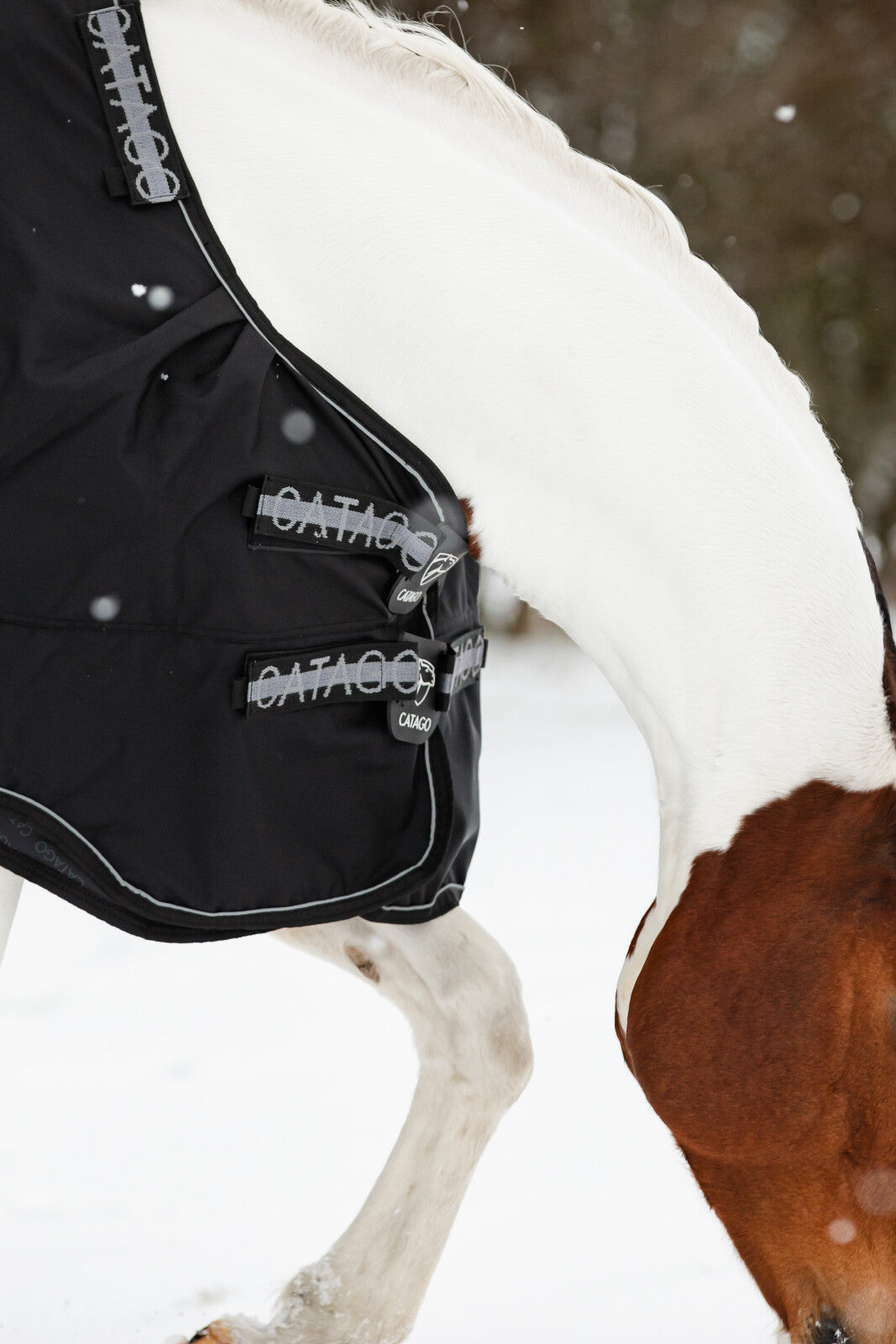
It's especially important that the rugs allow plenty of room at the shoulders and neck so the horse can move freely - both when walking, playing and rolling in the Paddock.
You can use a rain rug all year round, which is why it's important for us to have the best rain rugs ready for you. We have a large selection of rain rugs for horses right here on the site.
A pony rain rug is designed with special consideration for ponies' body structure. Ponies often have a different proportion than larger riding horses, which is why it's important to choose a Rug that is adapted to their shape.
A correct fit is especially important for ponies, as they are often more active and thus place greater demands on the function and durability of the rug. A well-fitting rug helps keep the pony dry without hindering its movements.
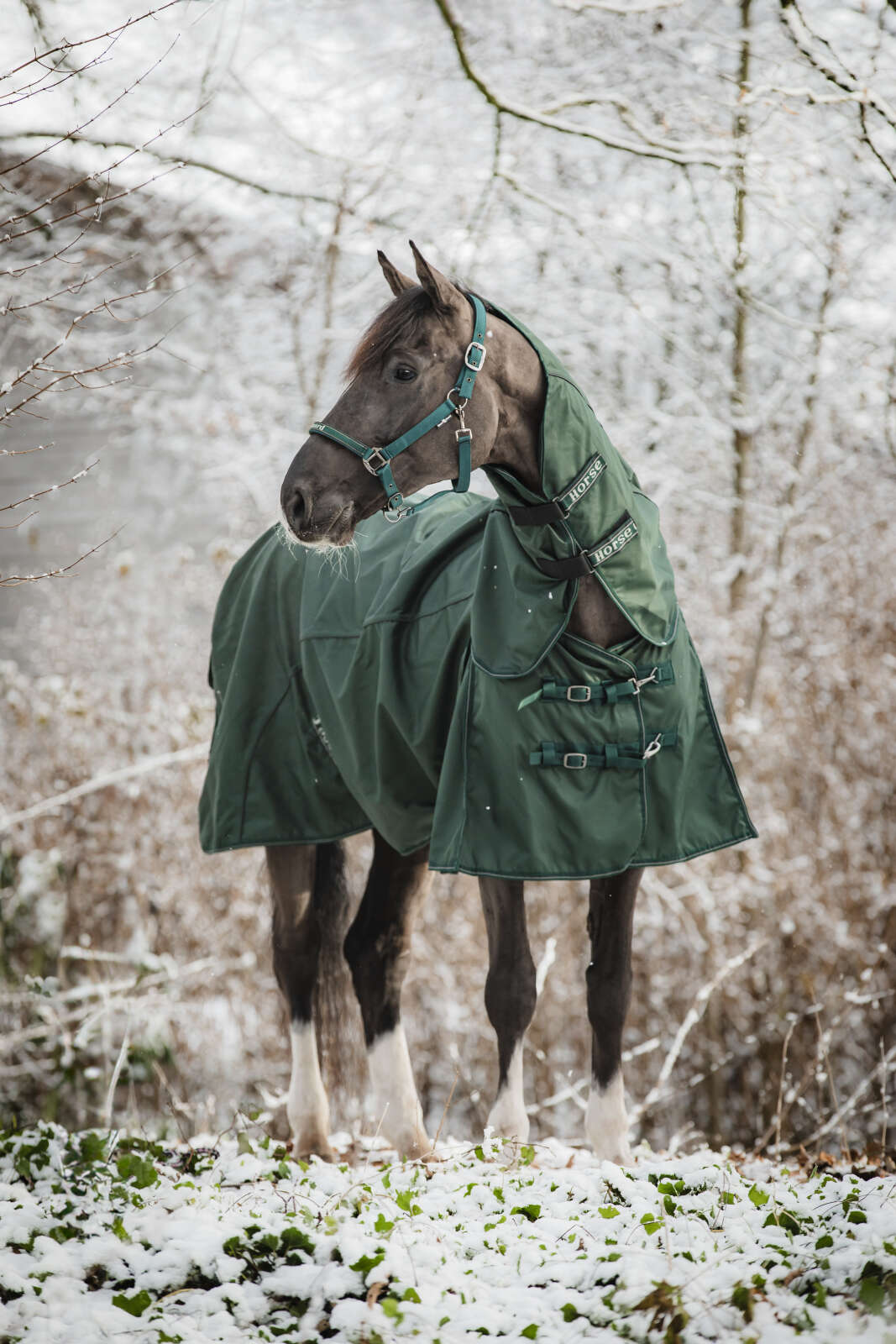
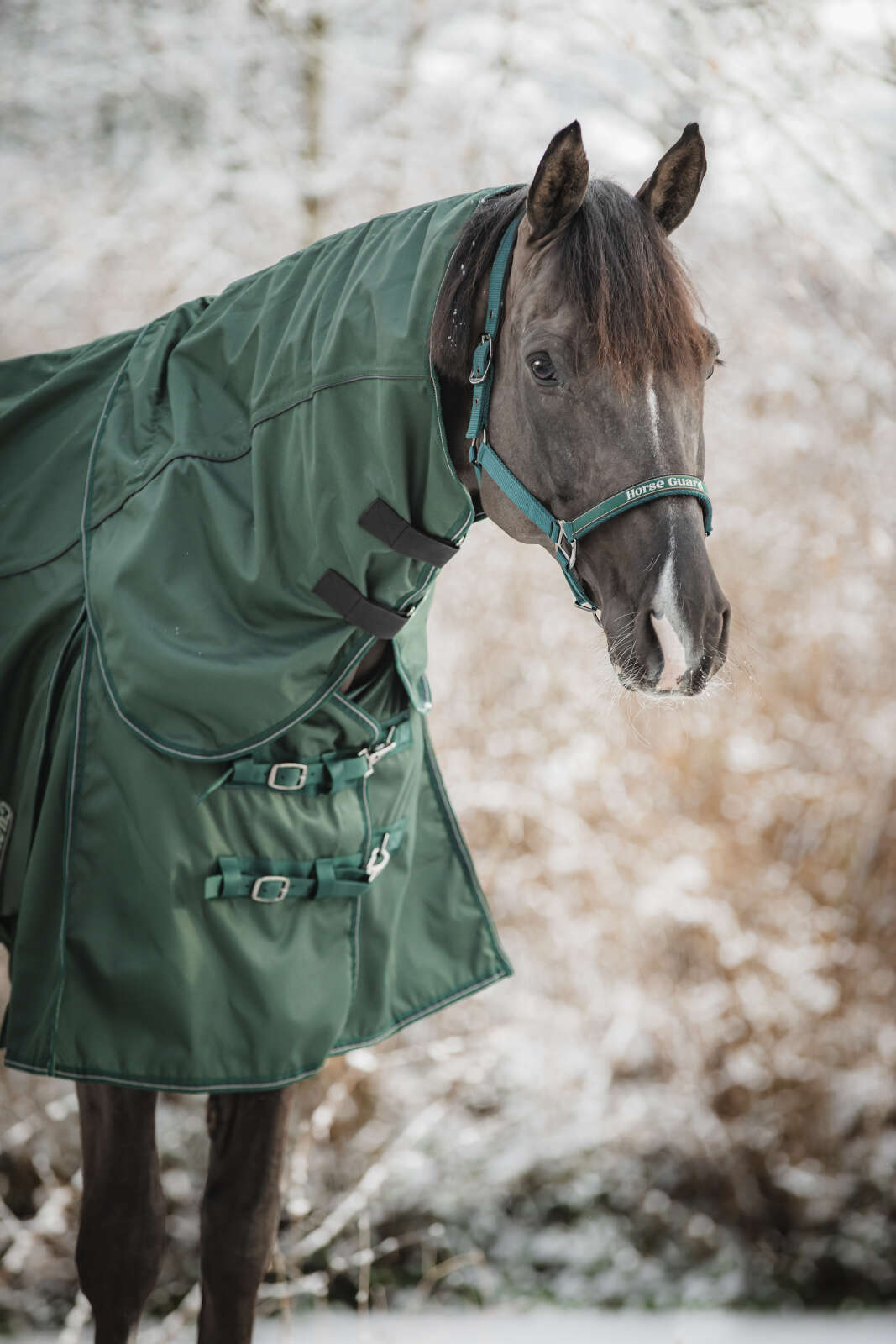
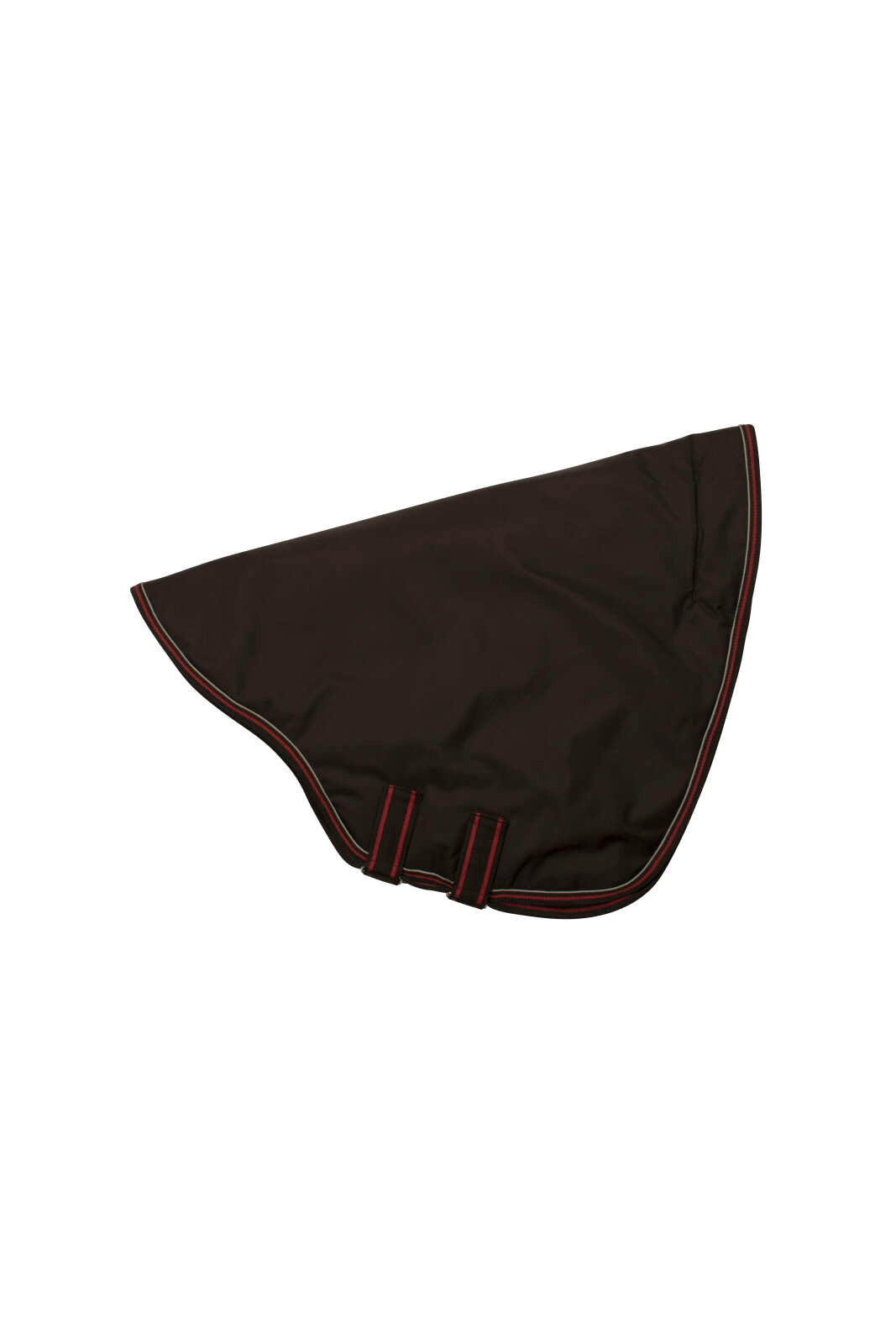
Necked rain rugs provide more complete protection against rain and wind. Without a neck, water can run along the withers and under the Rug, which can get the horse wet even though the Rug itself is waterproof.
Neck pieces are often removable, making it possible to adapt the Rug to the weather. On days with heavy rain and wind, this is a clear advantage, while it can be dispensed with in milder weather.
Clipped horses have a greater need for protection against cold and moisture because they lack the insulating coat. Therefore, temperature regulation is particularly important.
In many cases, a rain rug with a light filling will be the best solution as it both protects against rain and helps retain heat. At the same time, it's important that the Rugs are still breathable so the horse doesn't get damp from the inside.
After use, you should remove mud and hair with a soft brush. If the Rugs are wet, hang them to dry in a place with good air circulation - never directly on a heat source as this can damage the waterproofing. At the end of the season, we recommend washing your Rugs according to the manufacturer's instructions and storing them dry and clean.
Avoid frequent machine washing unless necessary. It can weaken both the waterproofing and the seams. Use a special impregnation to maintain the waterproof effect, especially if the Rug is used frequently in heavy rain or wind.
Check buckles, seams and lining regularly to make sure the Rug is performing optimally. Also, make sure the fit still matches the horse's needs as horses can change shape over time.
By following these simple tips, you can keep your horse dry, extend the life of your Rugs and ensure optimal comfort.
When choosing the right rain rugs for your horse, it's important to look at the big picture. Weather conditions, your horse's coat, activity level and need for warmth all play a role.
A rule of thumb is:
To find the right size, measure the horse from withers to tail root and add about 10 cm.
In addition, you should always prioritize good waterproofing, breathability and a fit that suits your horse. If you have problems with Fly rugs, you can also use a rain and fly rug to protect your horse from the cold and those pesky insects.
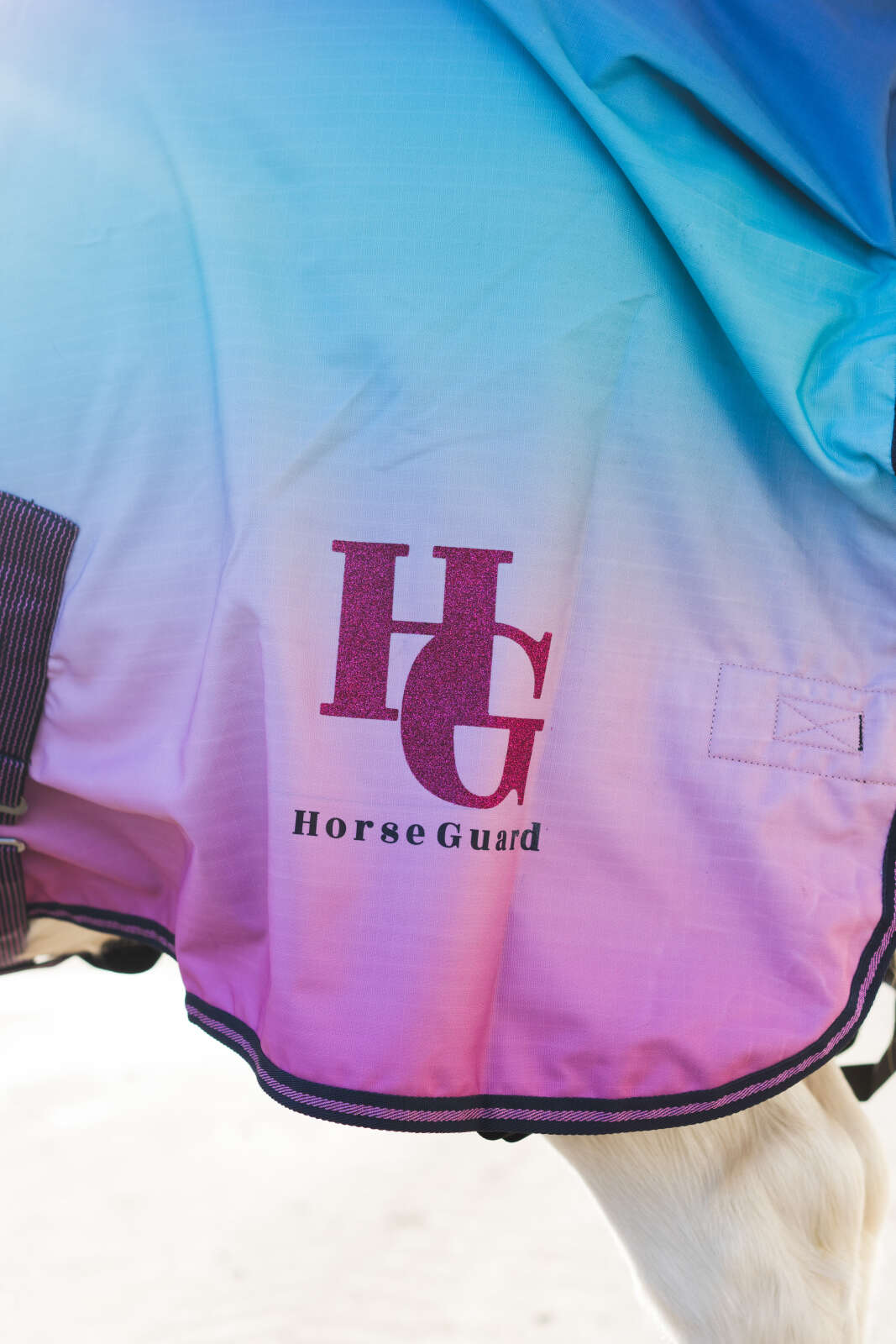
At Unamari you will find a wide range of rain rugs for horses and ponies, developed with a focus on high quality, durability and comfort. Our Rugs come from our own popular brands, CATAGO and Horse Guard, so you are always assured of the best quality.
Whether you need a lightweight unfilled rain rug, a 50 gram rain rug or another functional riding rain rug, we have a solution that matches both the weather and your horse's needs.
The goal is simple: to keep your horse dry, comfortable and well protected - whatever the weather conditions.