

















De får fem stjerner, men kun fordi de sidder dejligt.
Det er jo sommer lige nu, så ved jo ikke hvordan de fungerer til vinter, når der er koldt.
Min häst gillar den och det är bra att ha ett lock som skyddar maten när det dammar
Filters
18 products
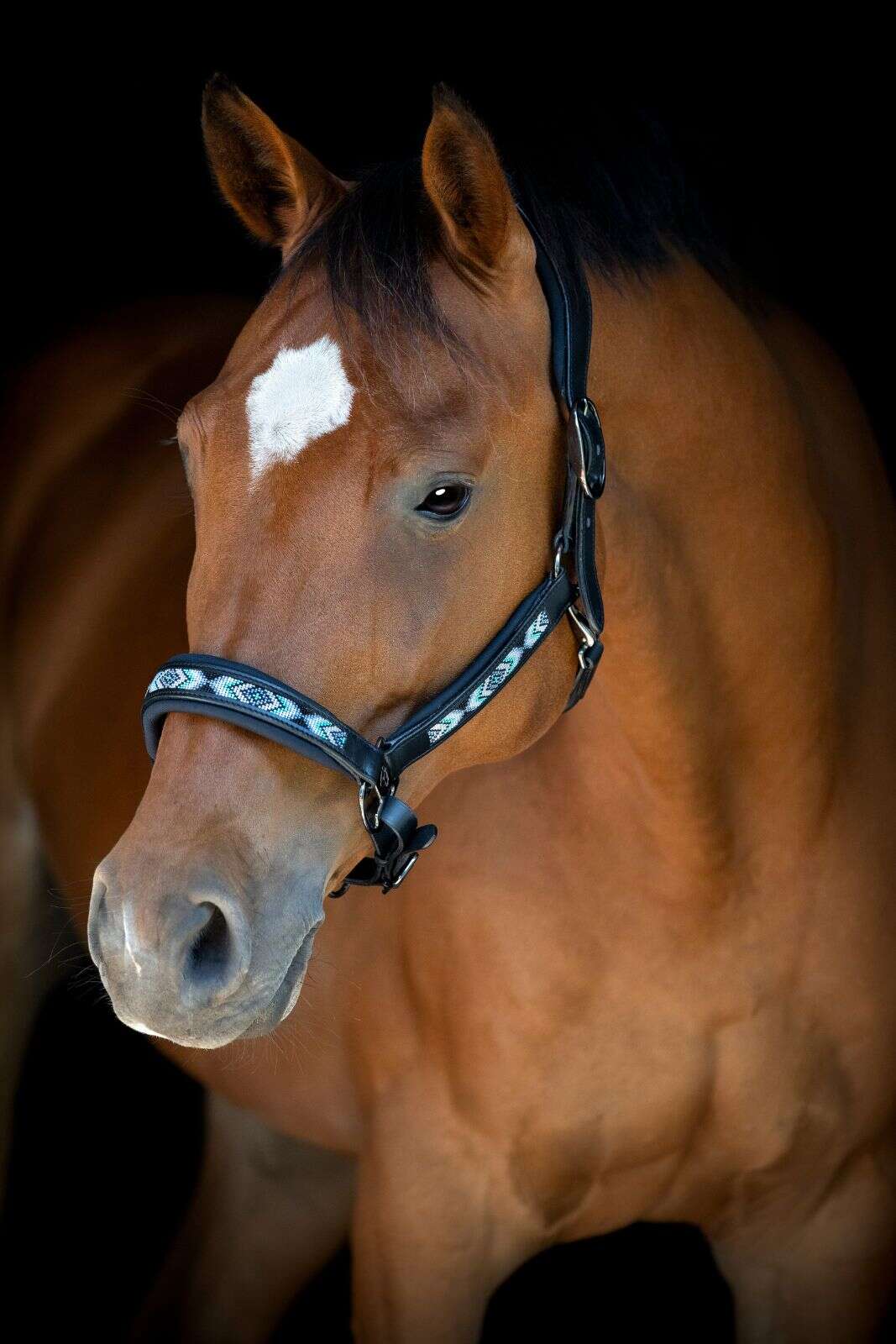

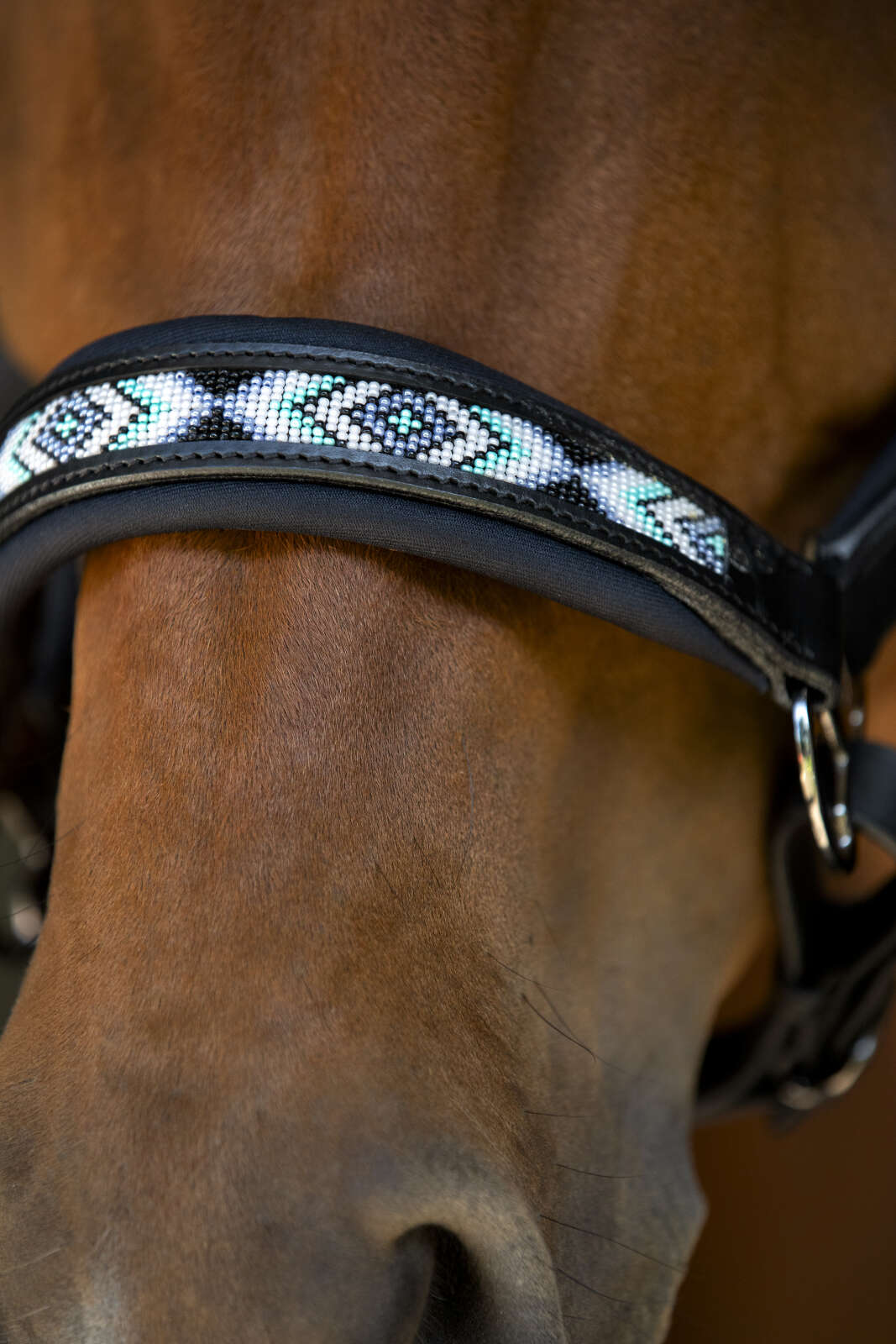
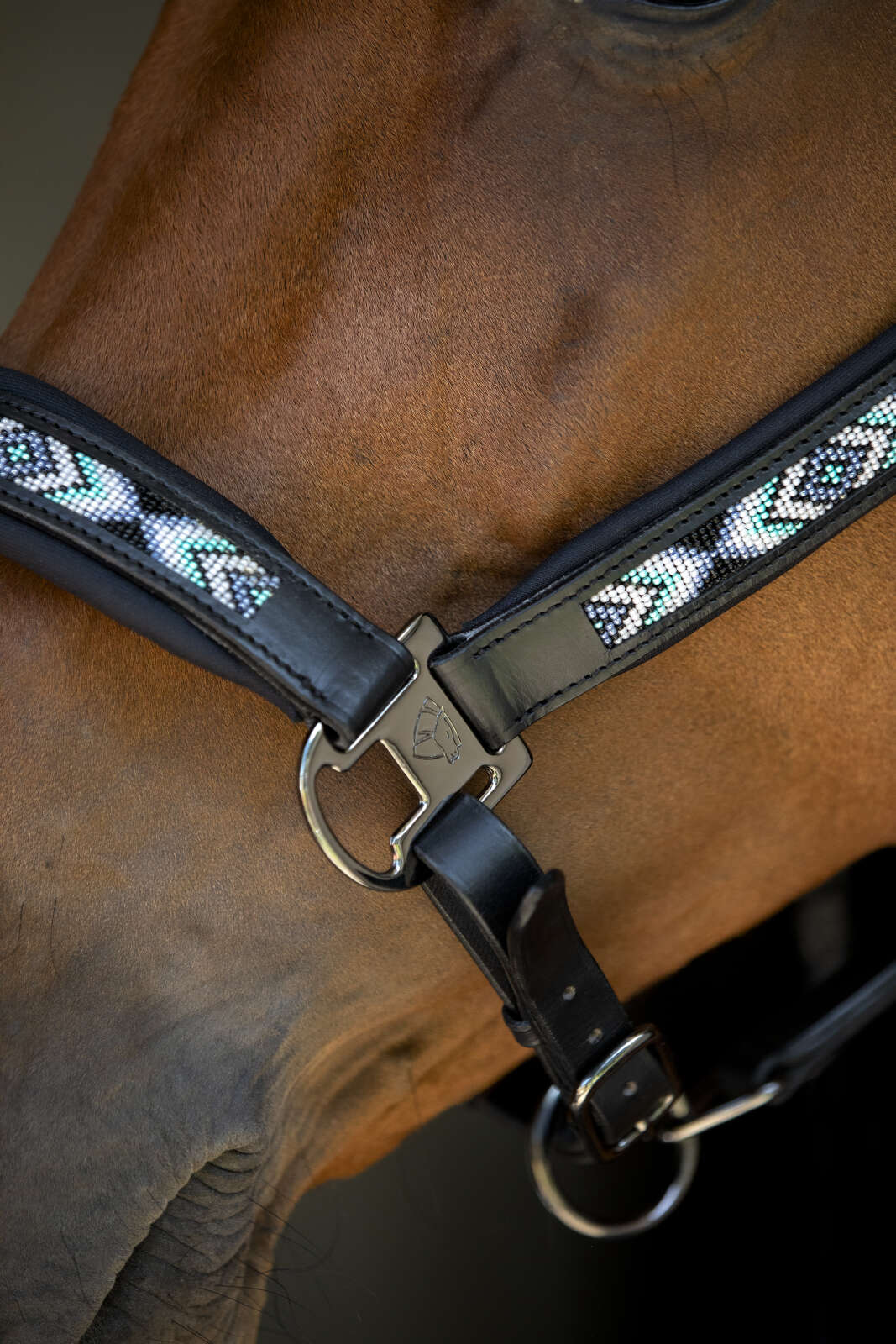


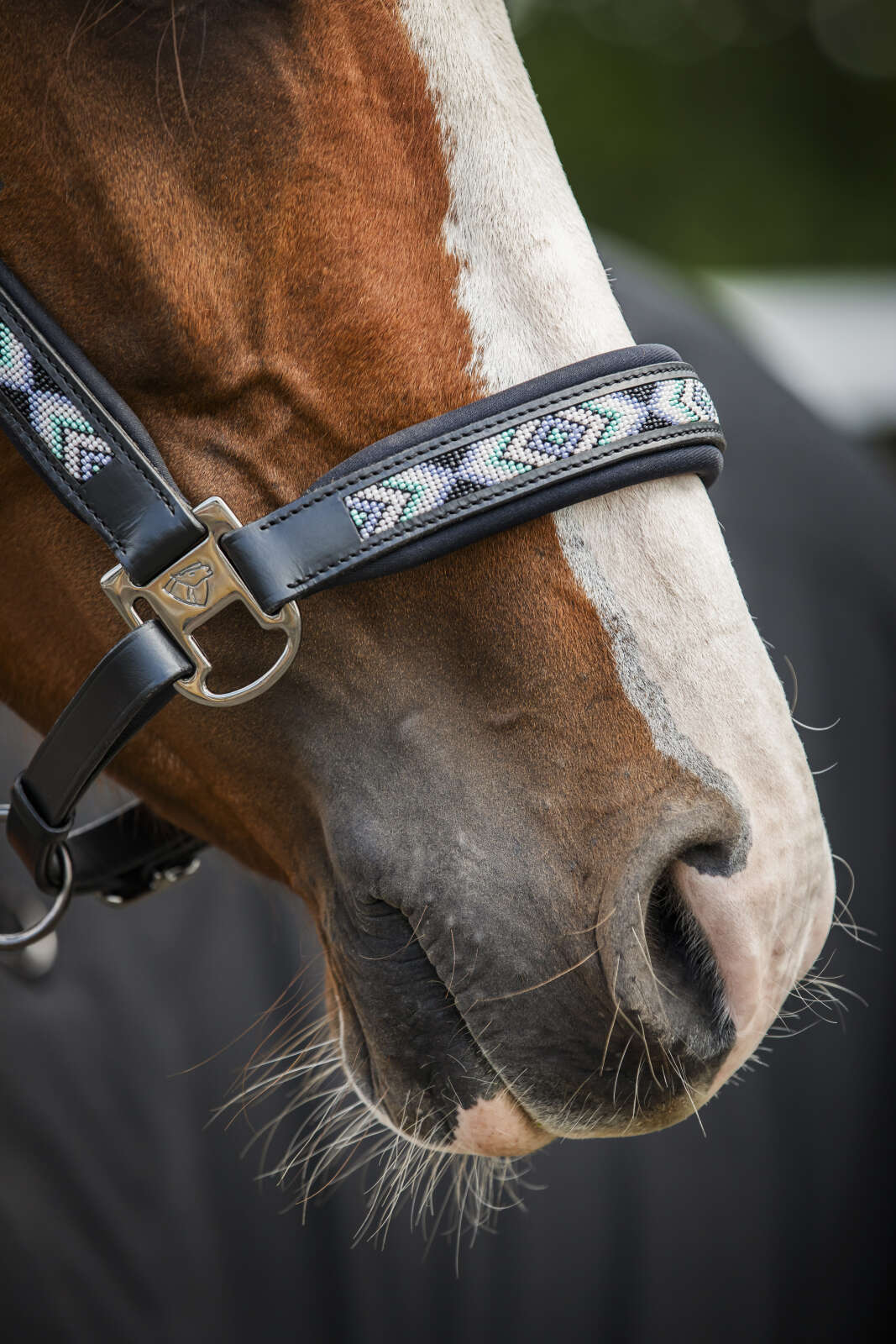


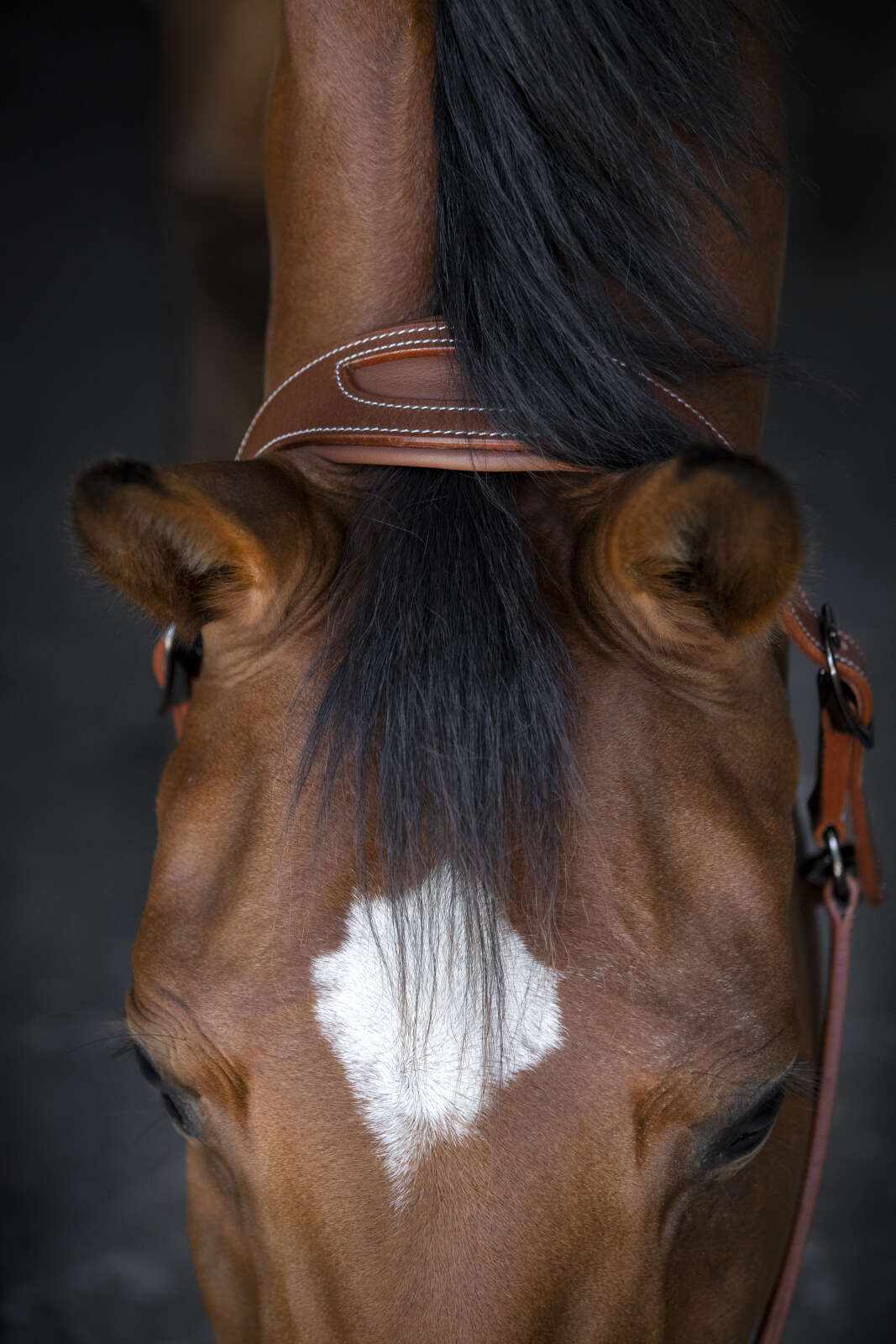
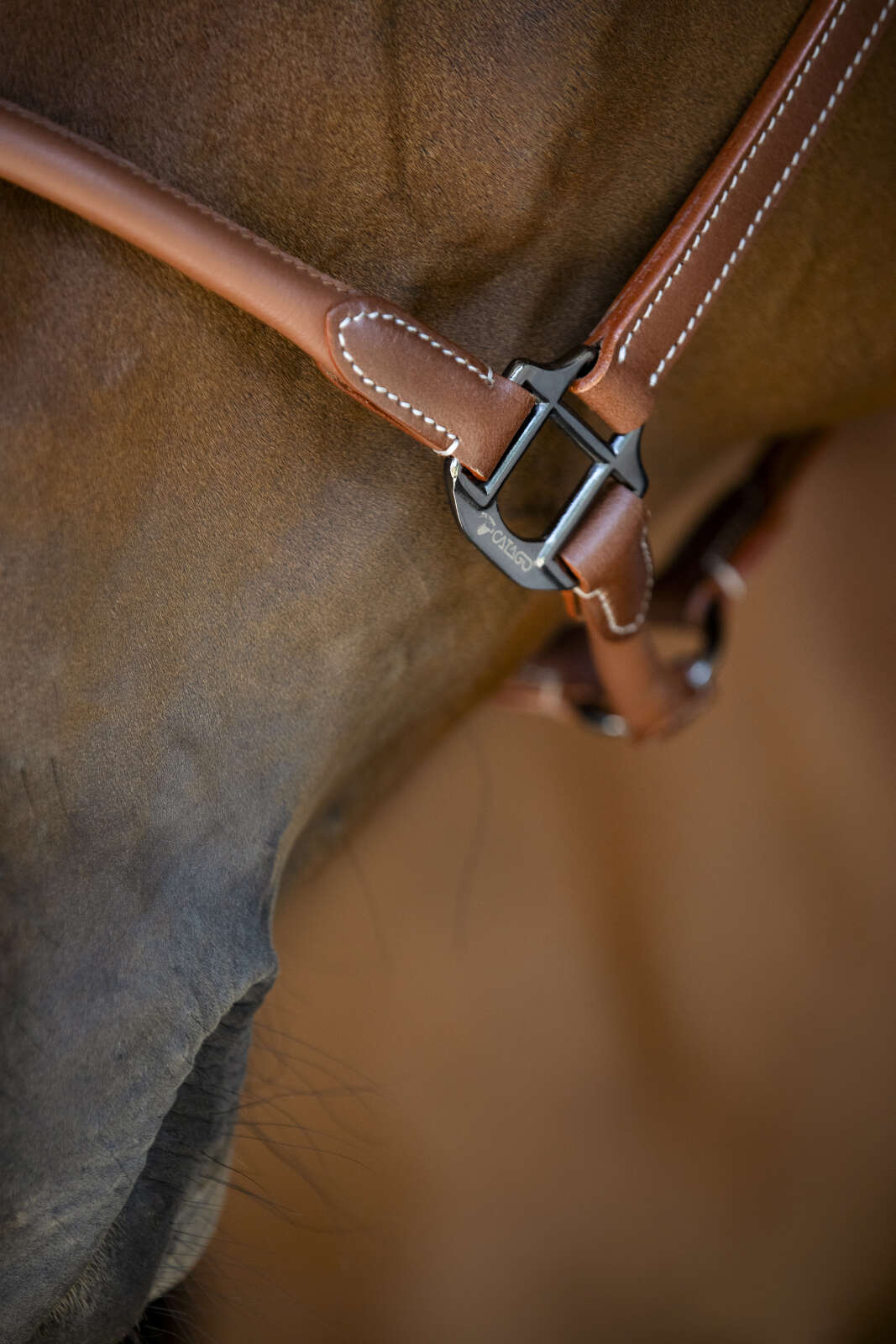
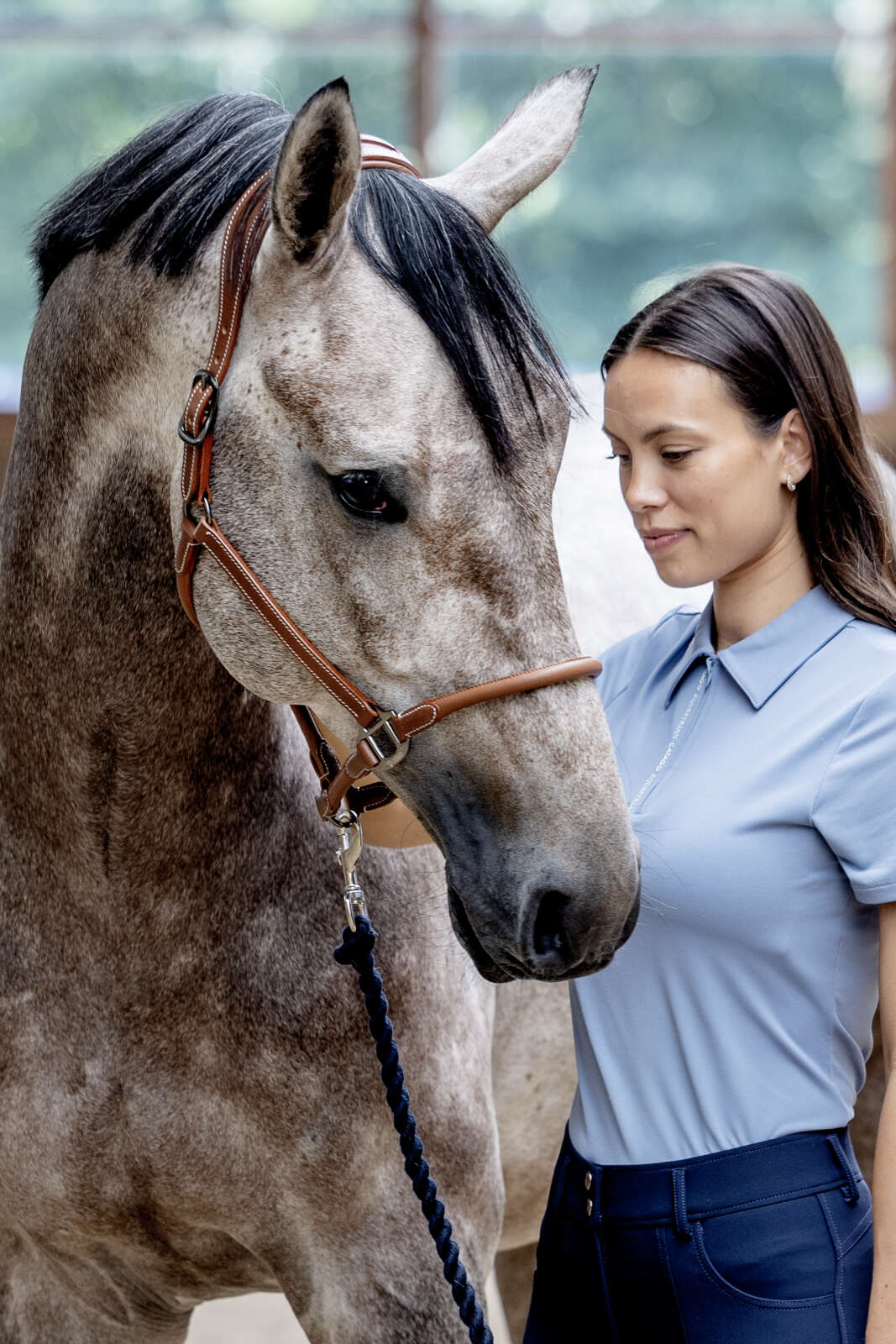
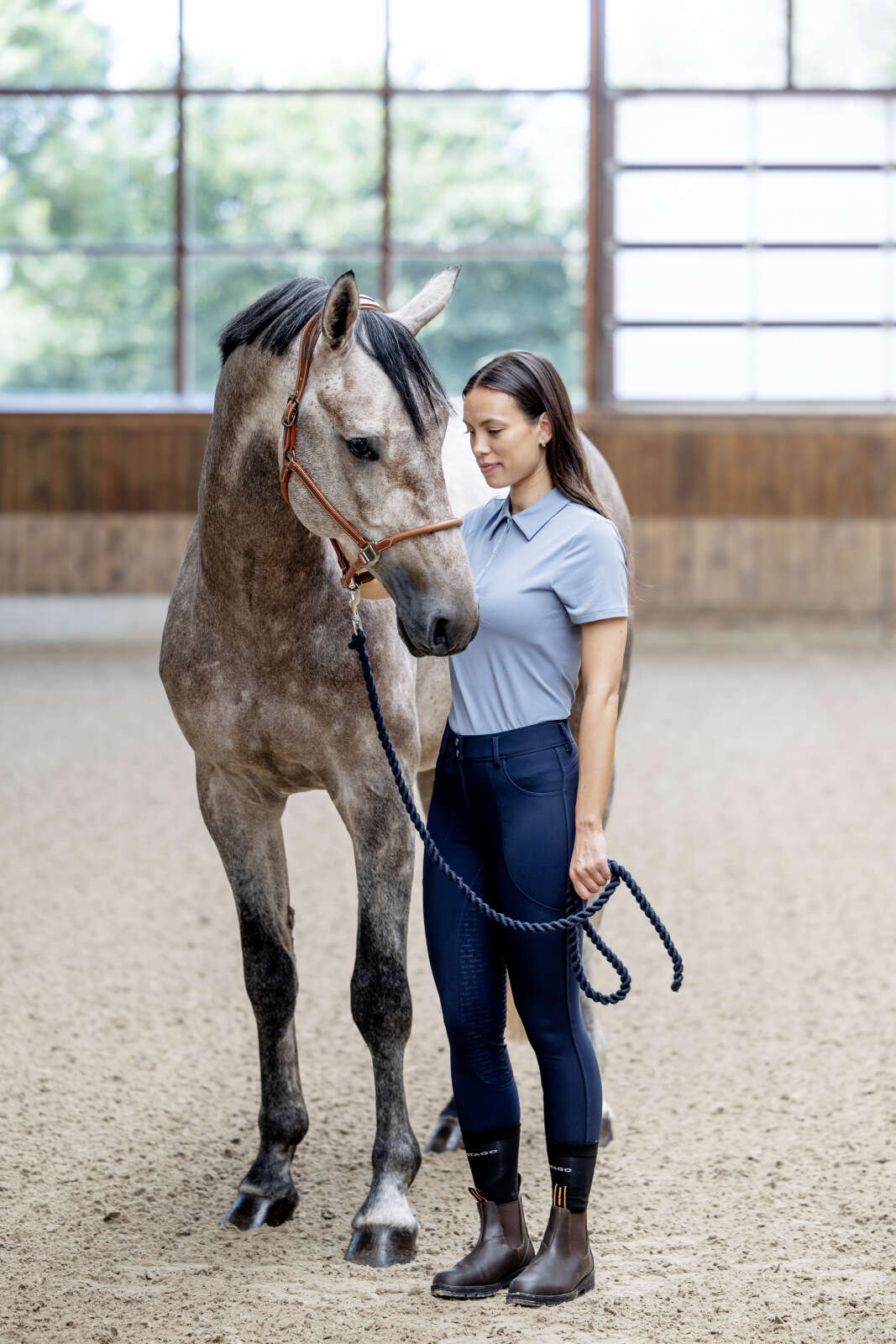
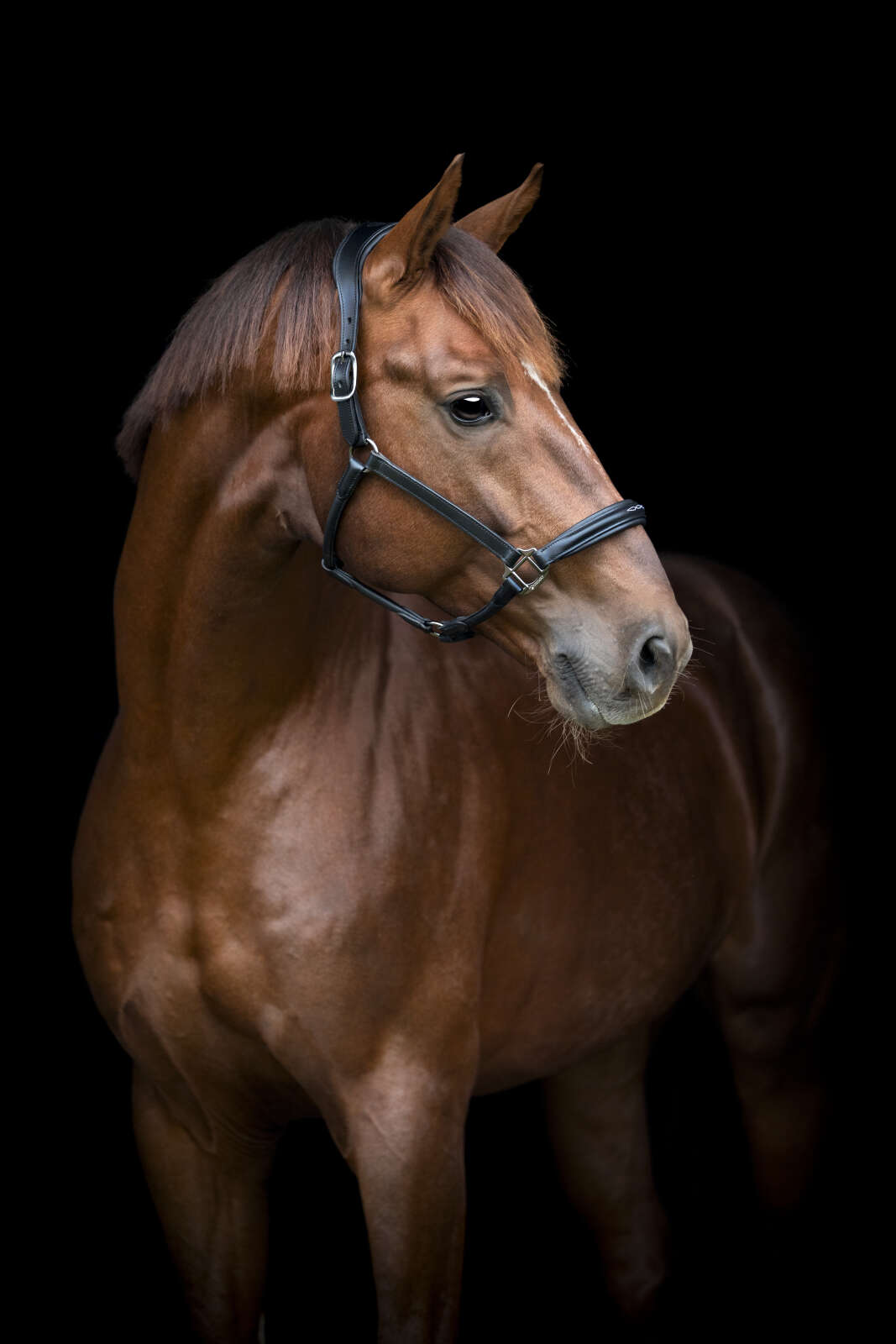
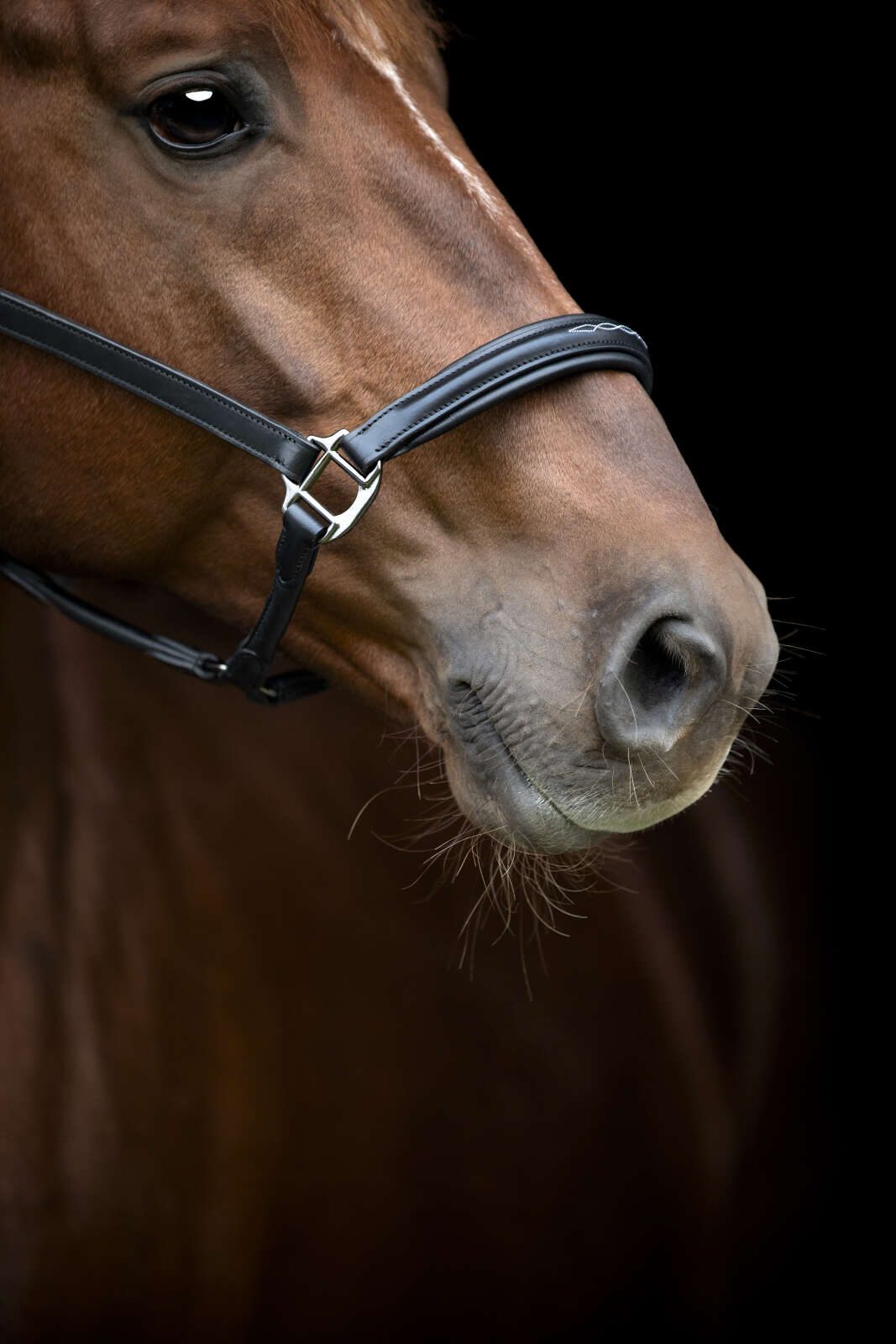
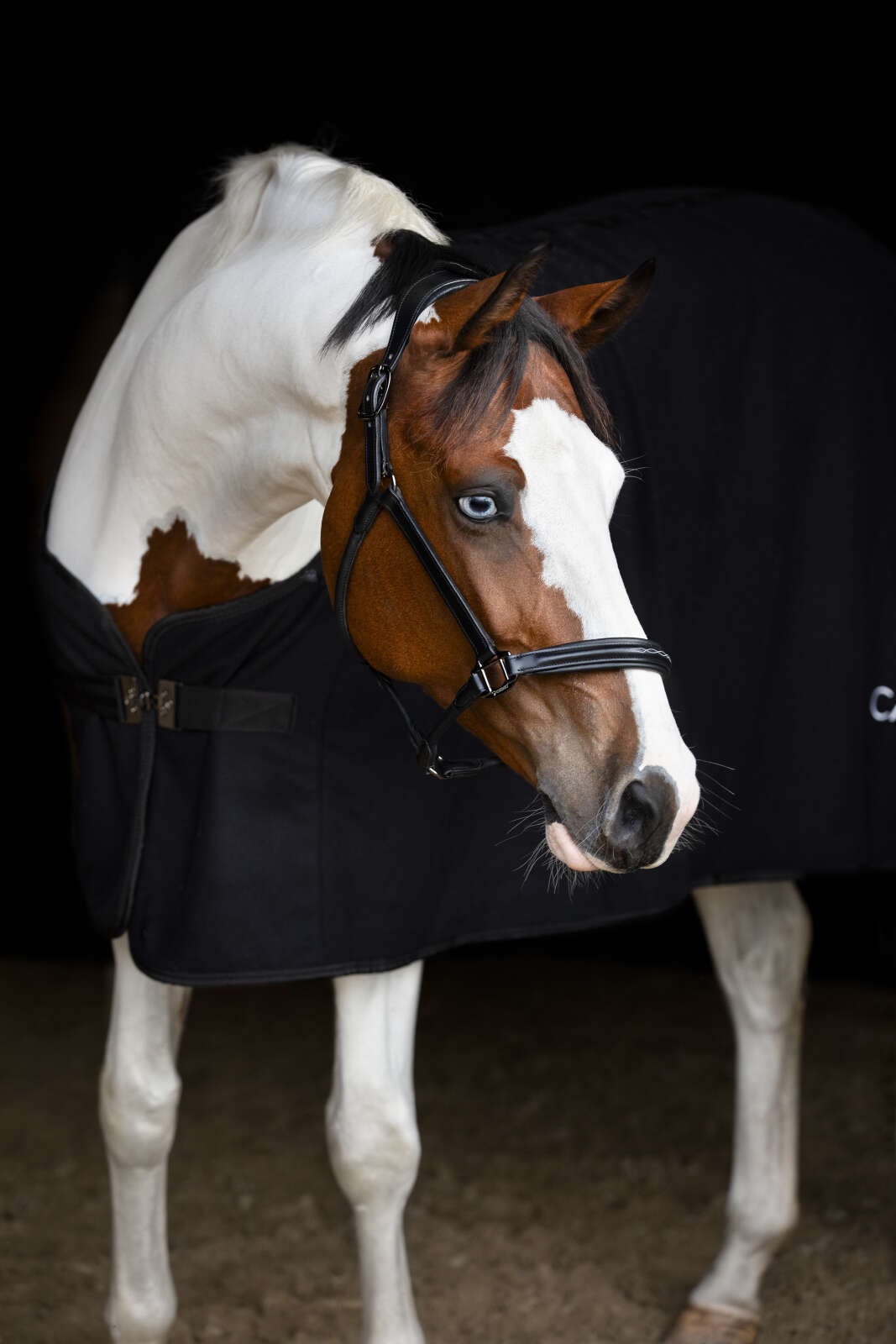
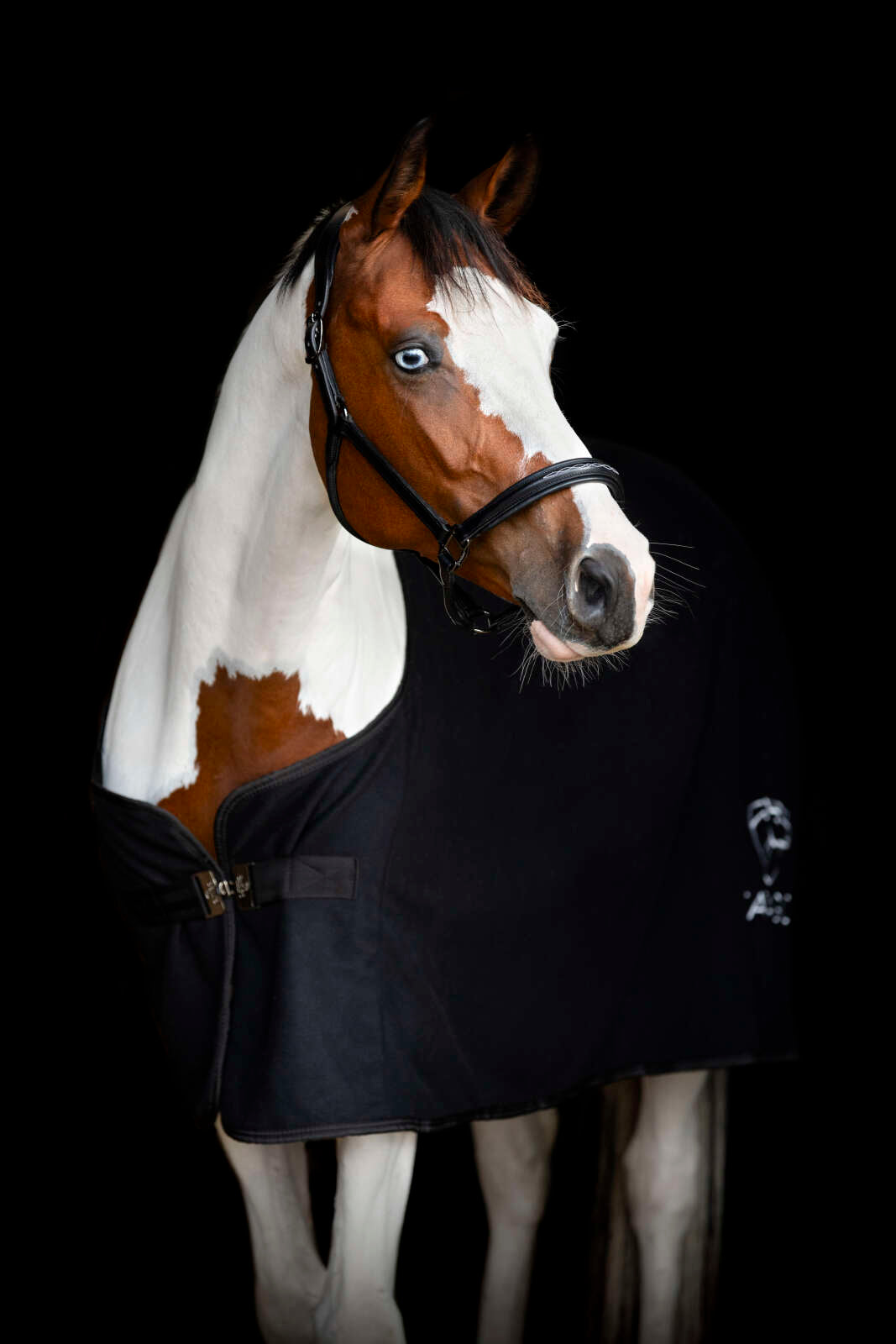



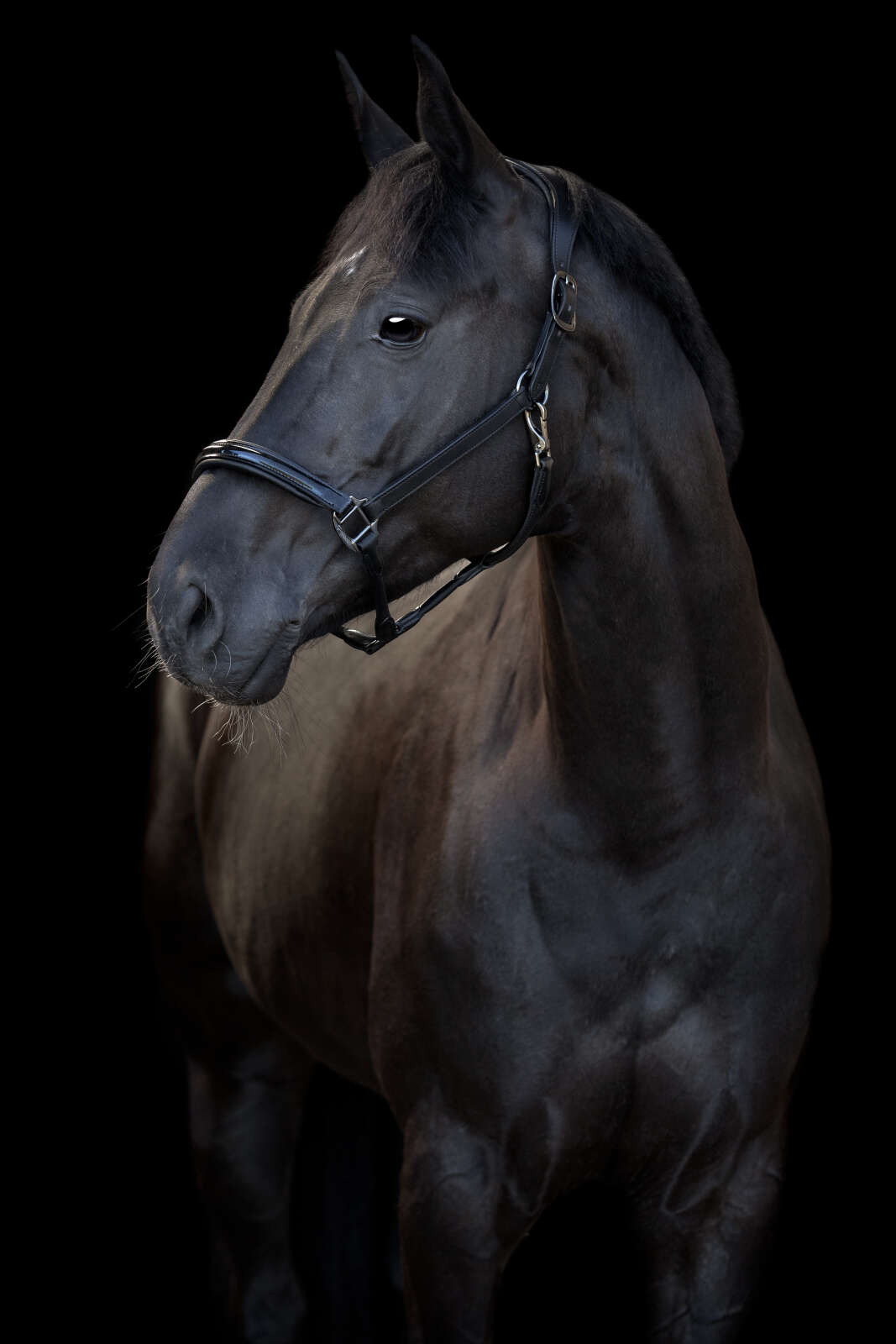
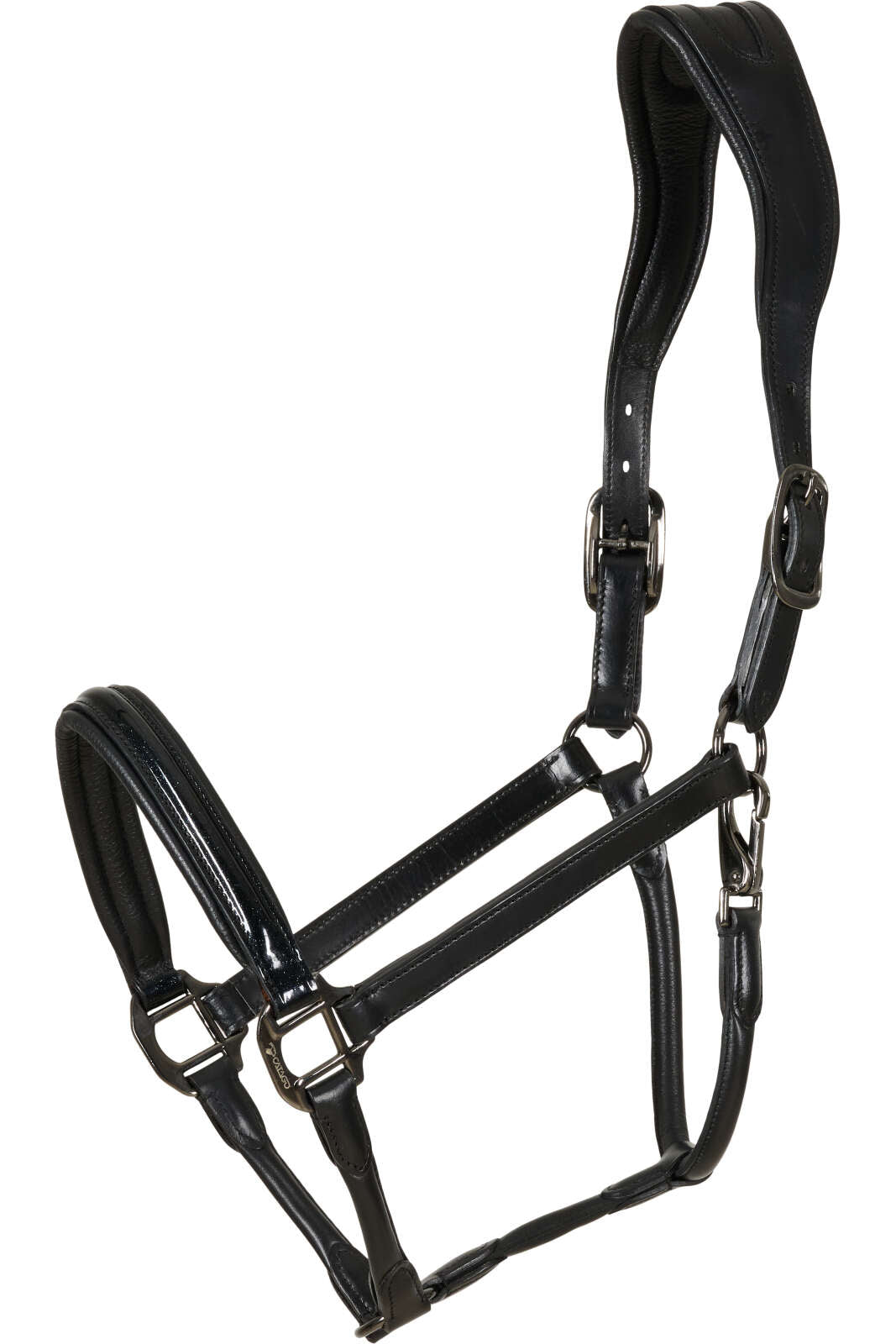
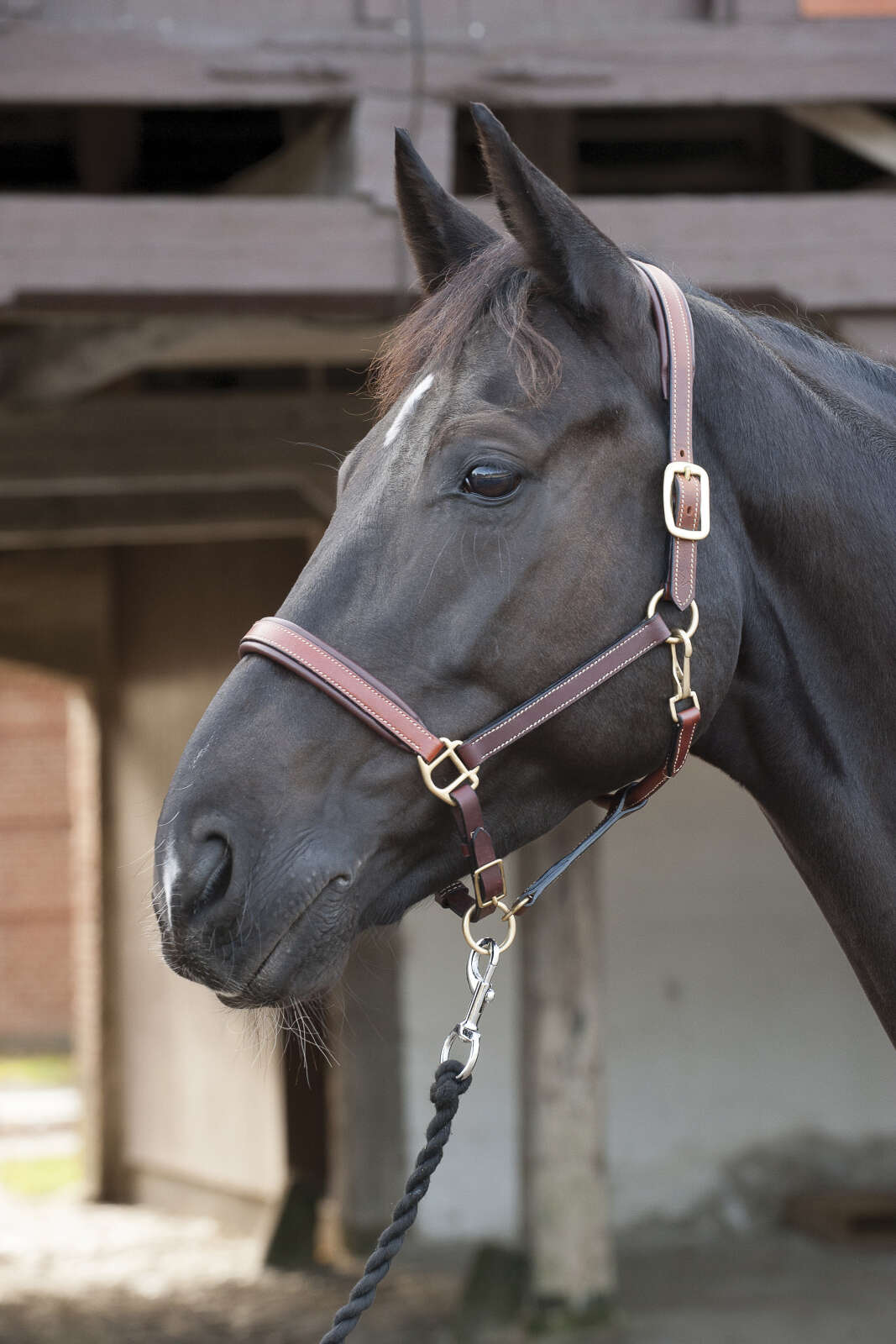


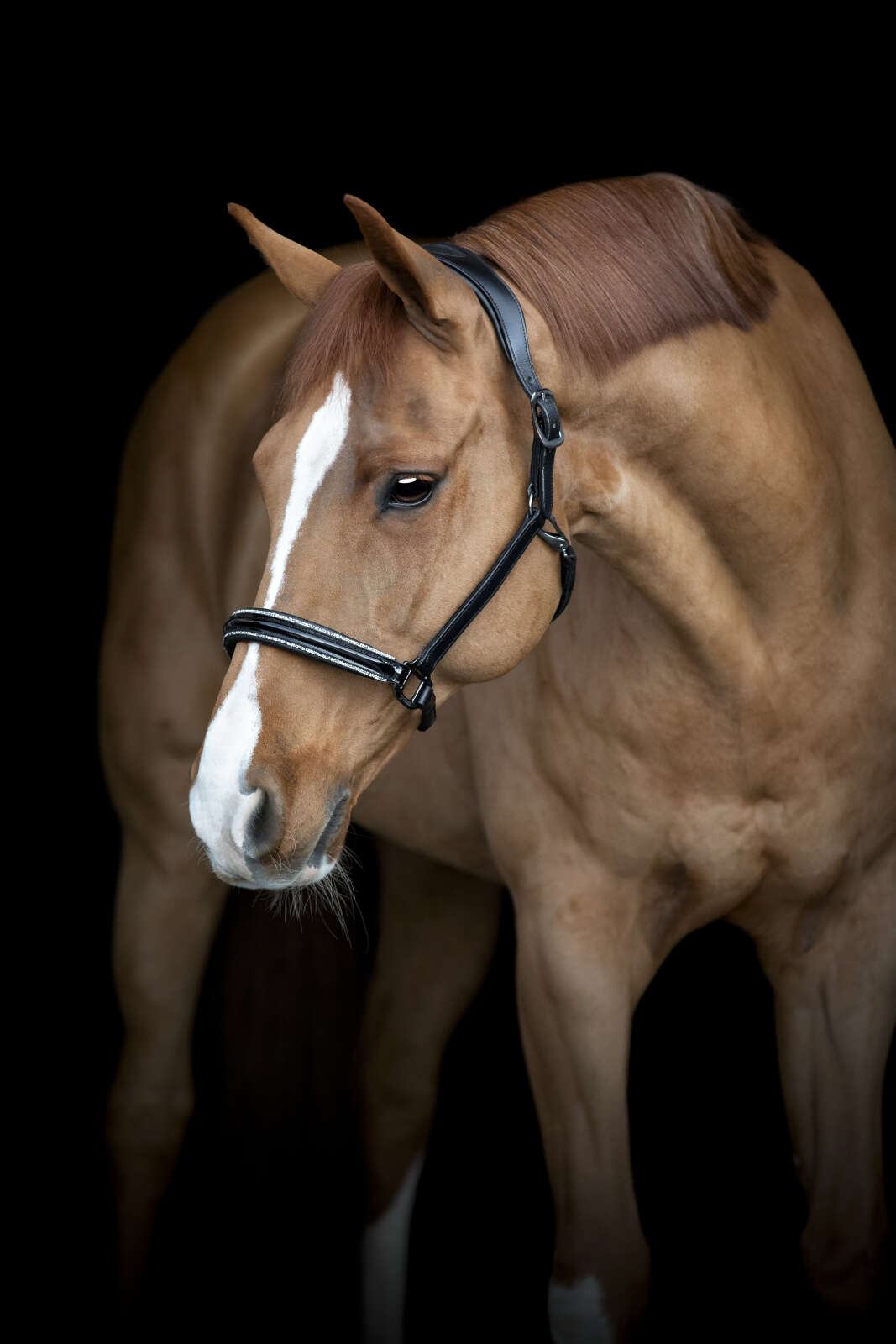



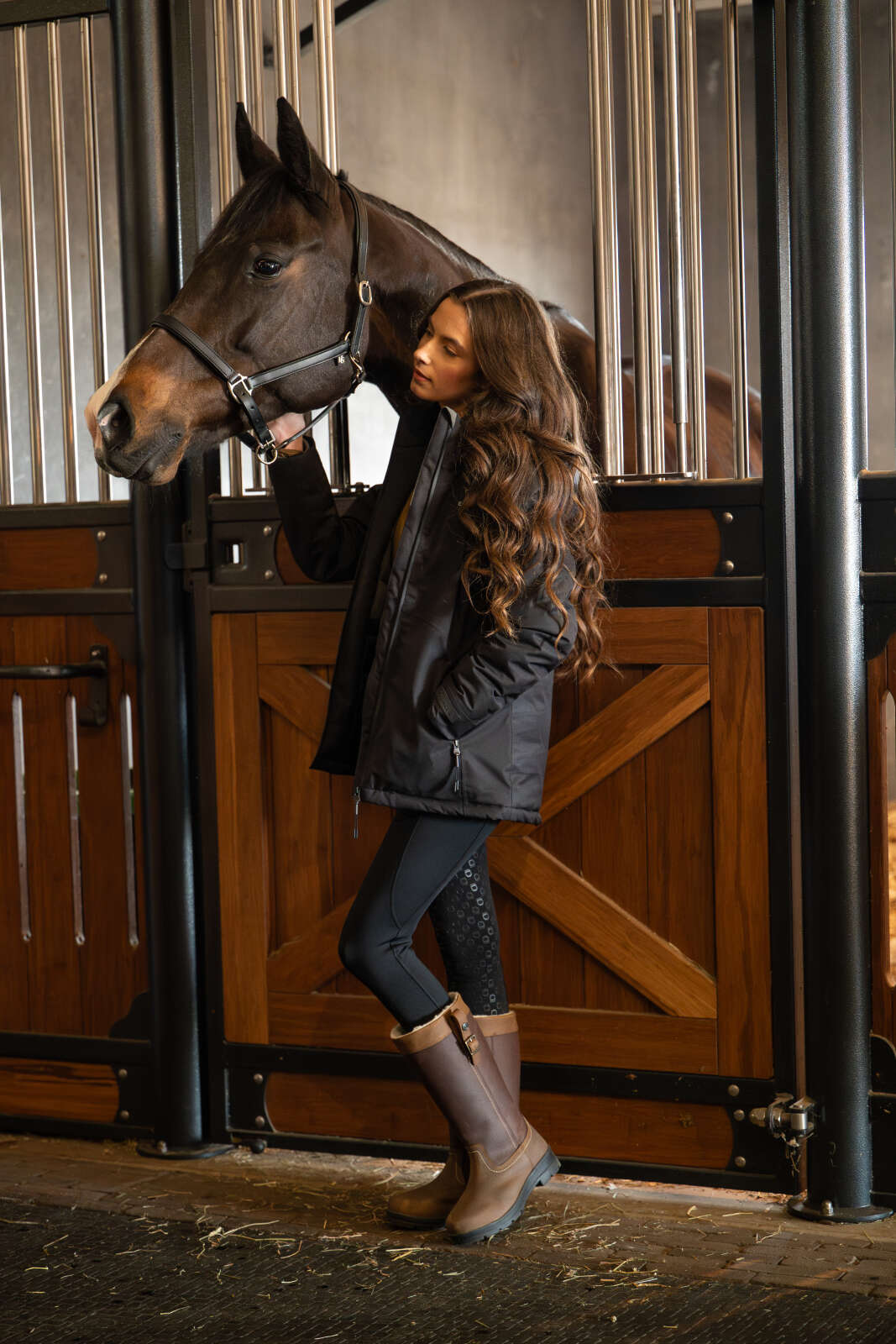


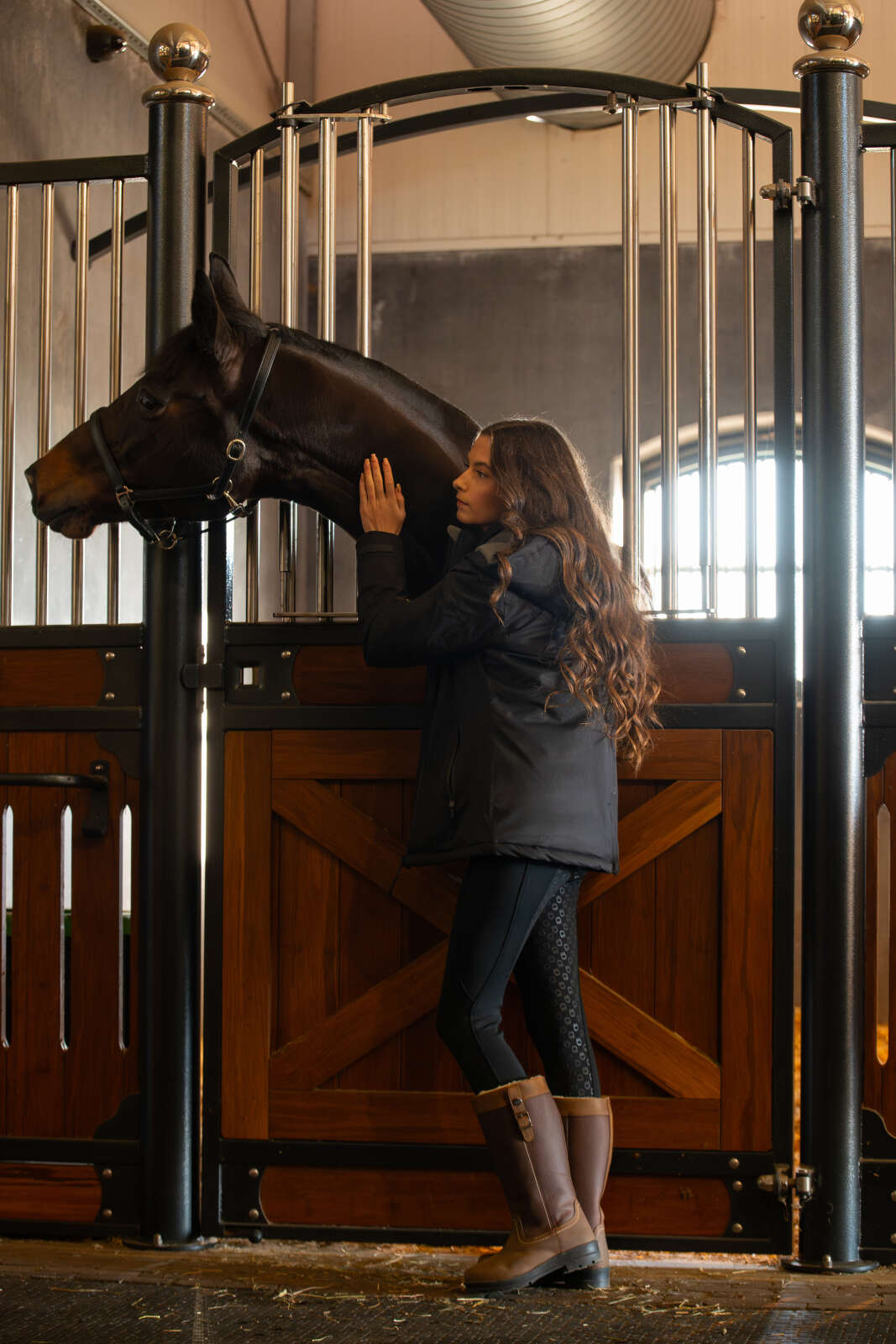
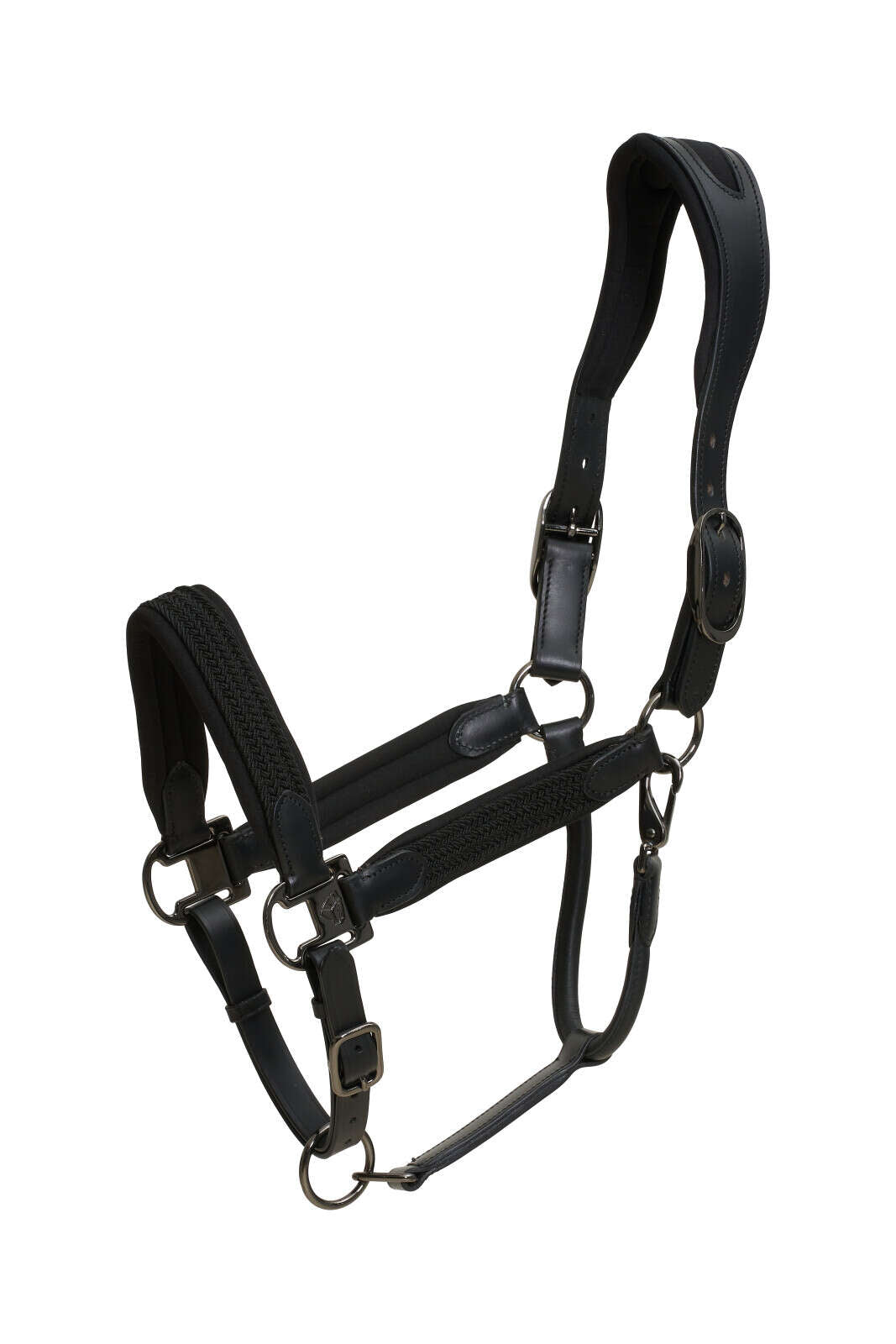

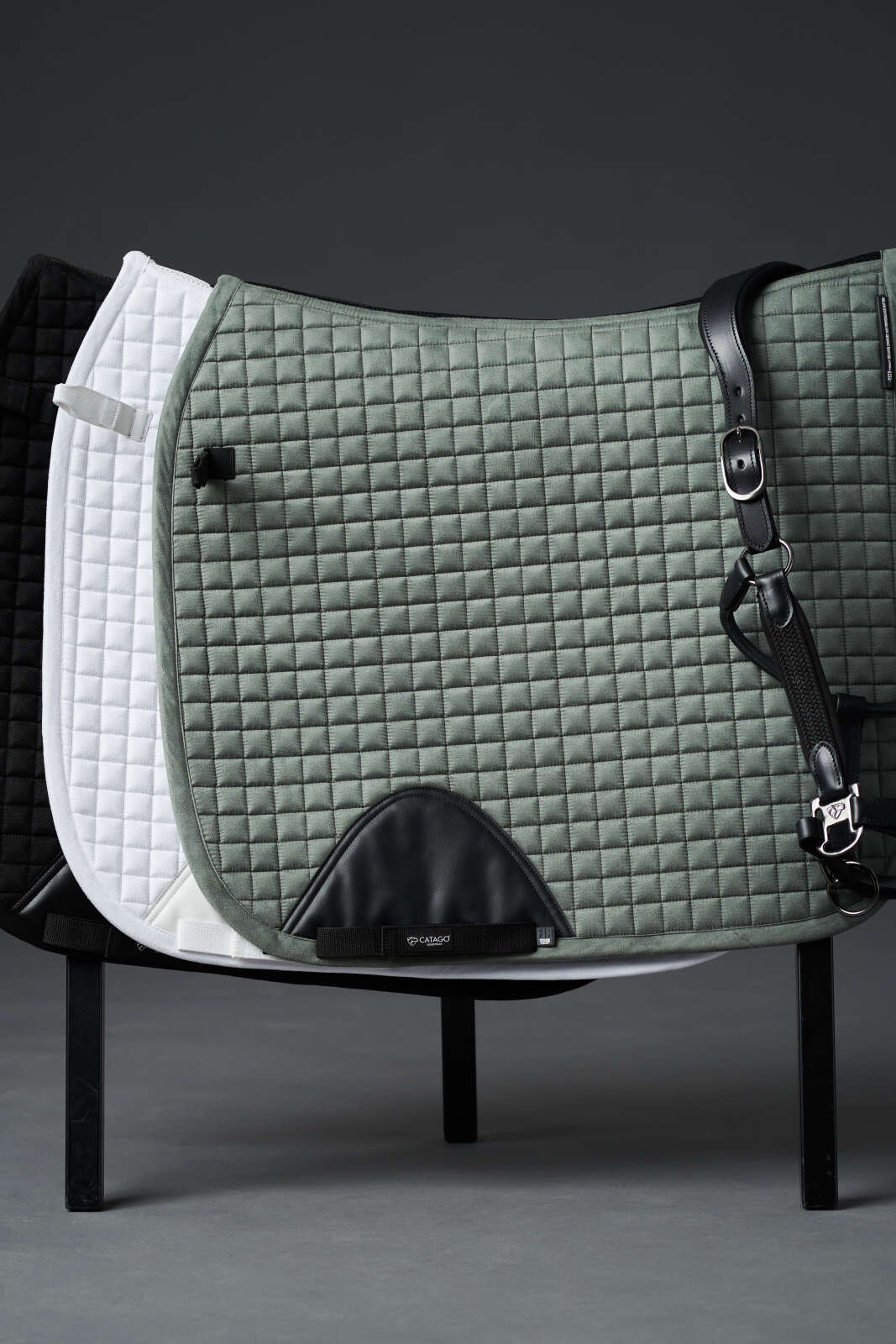
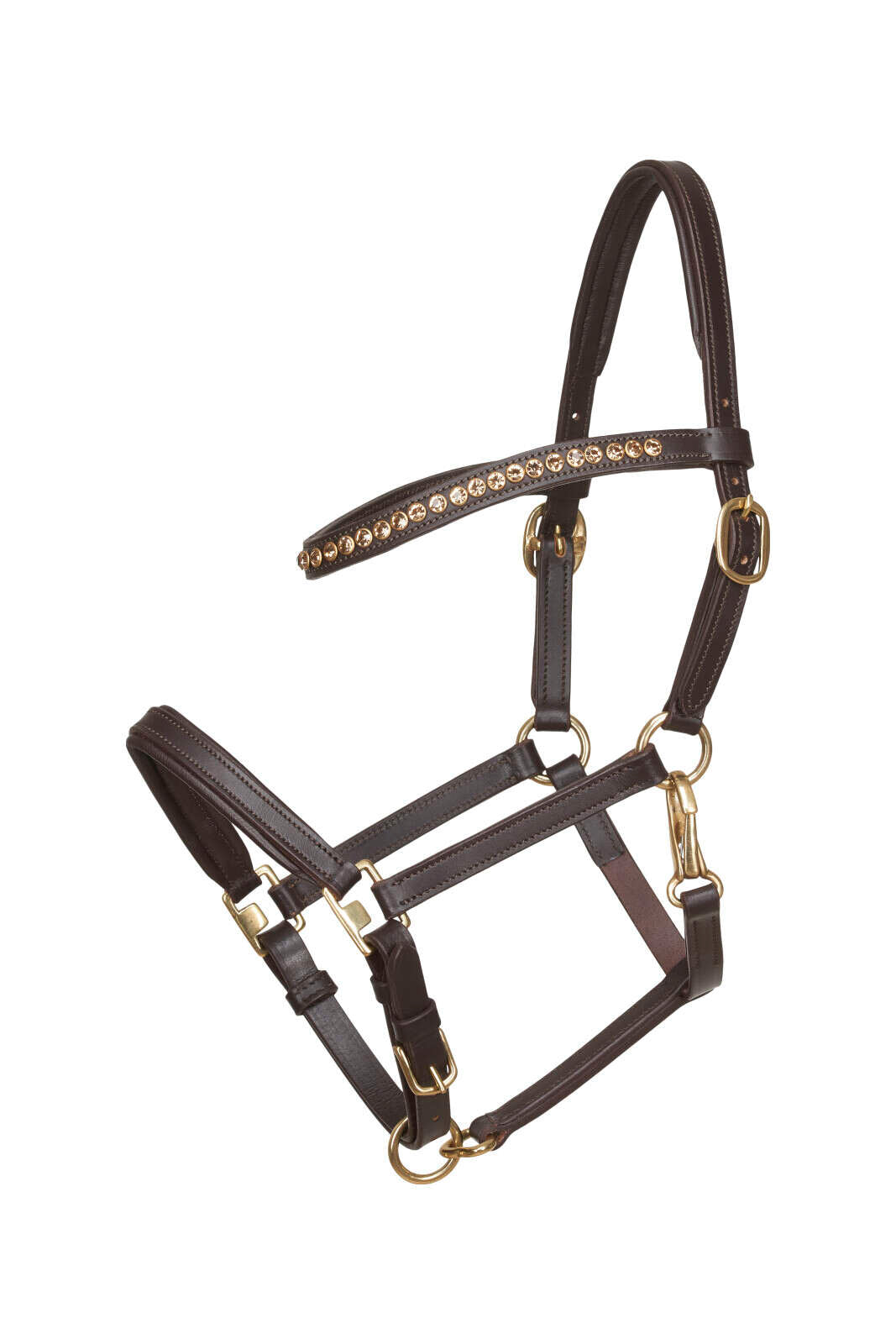
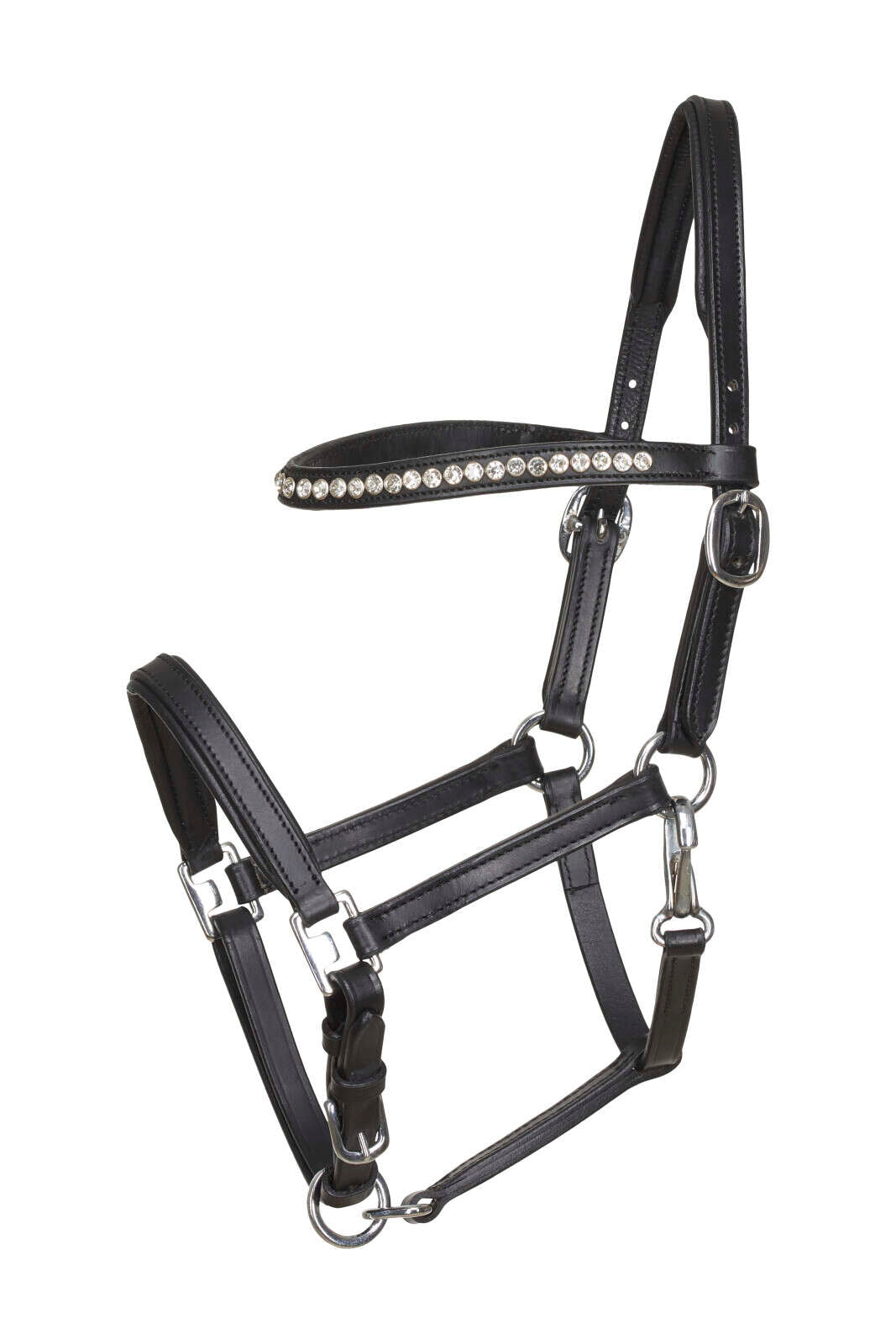
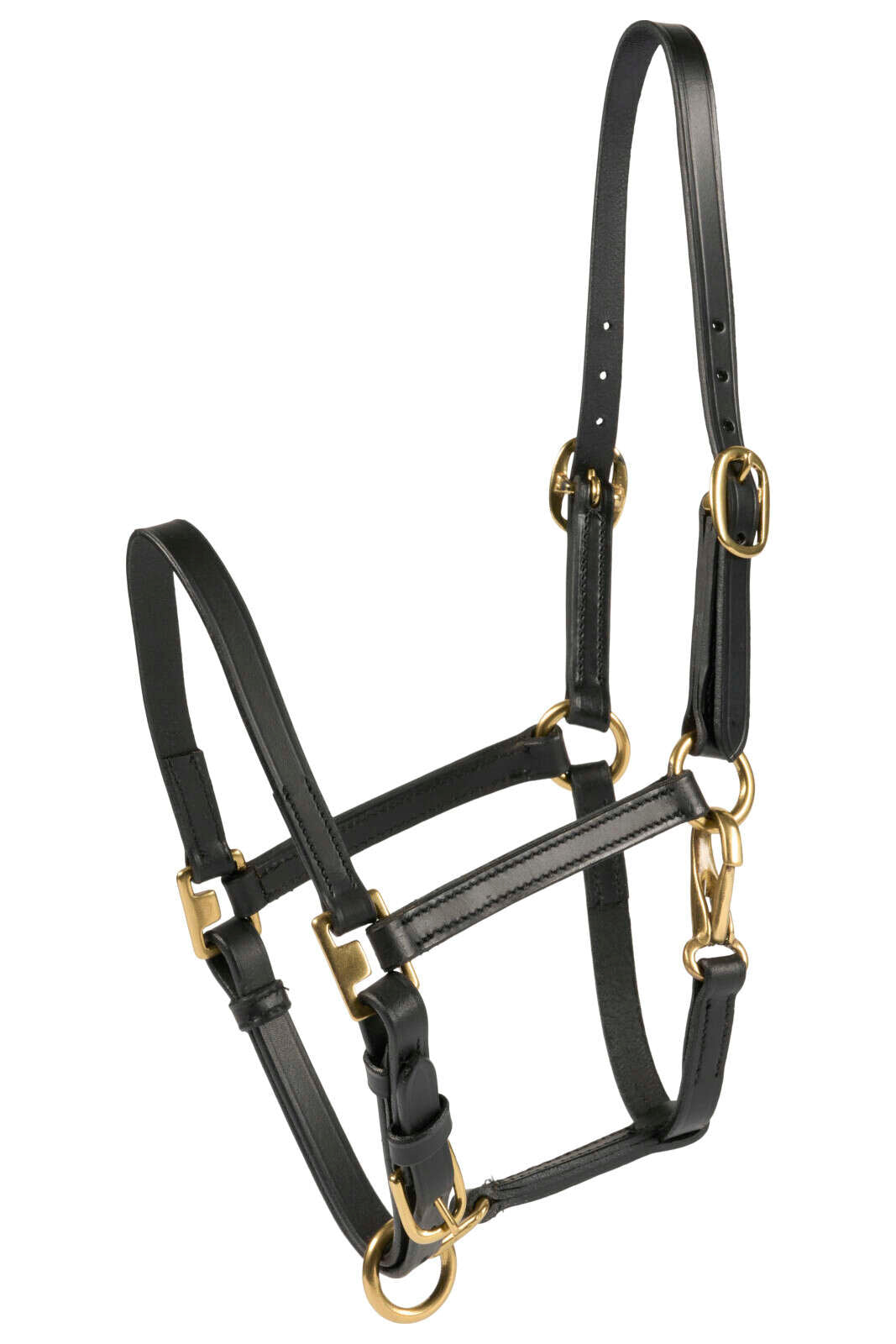
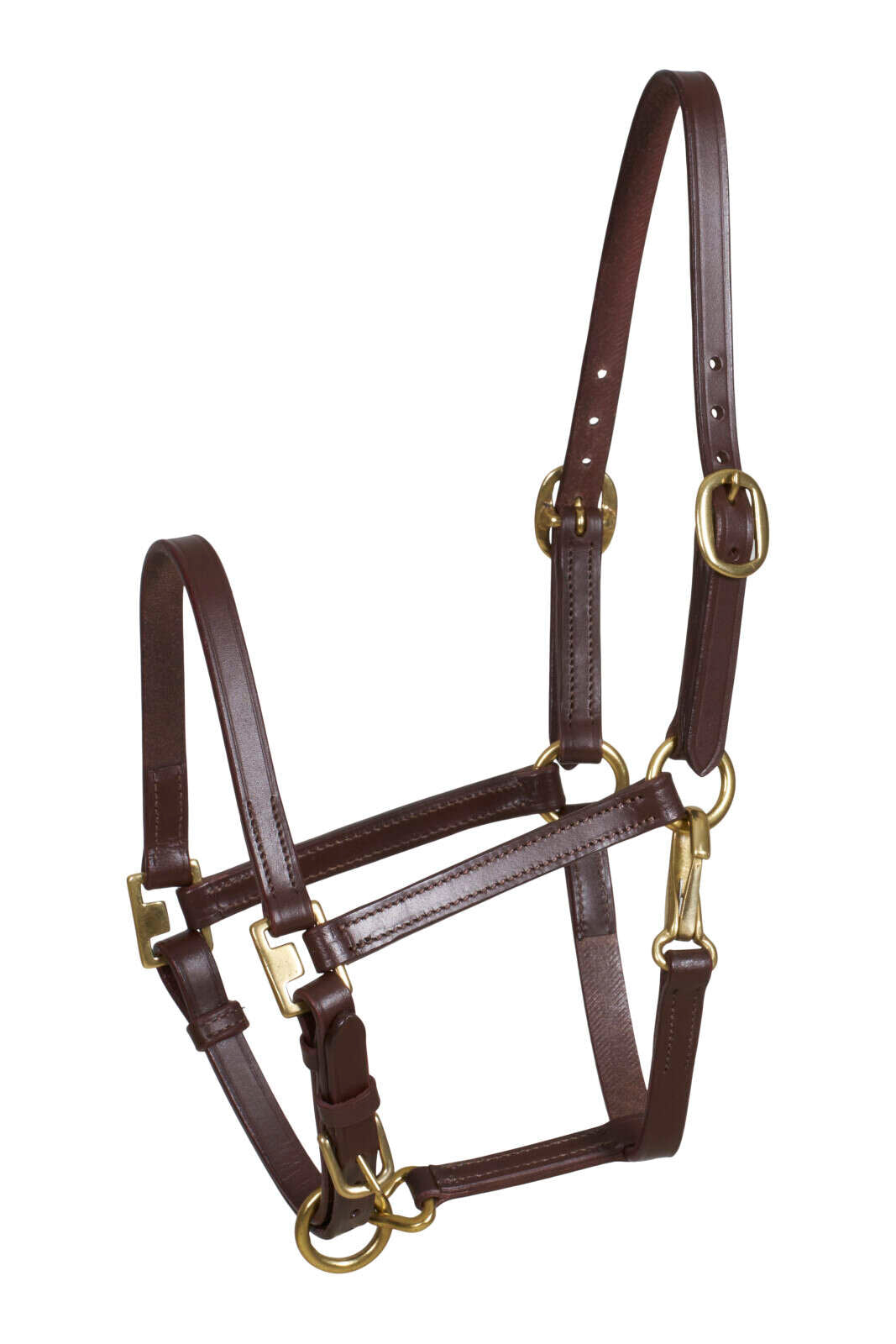
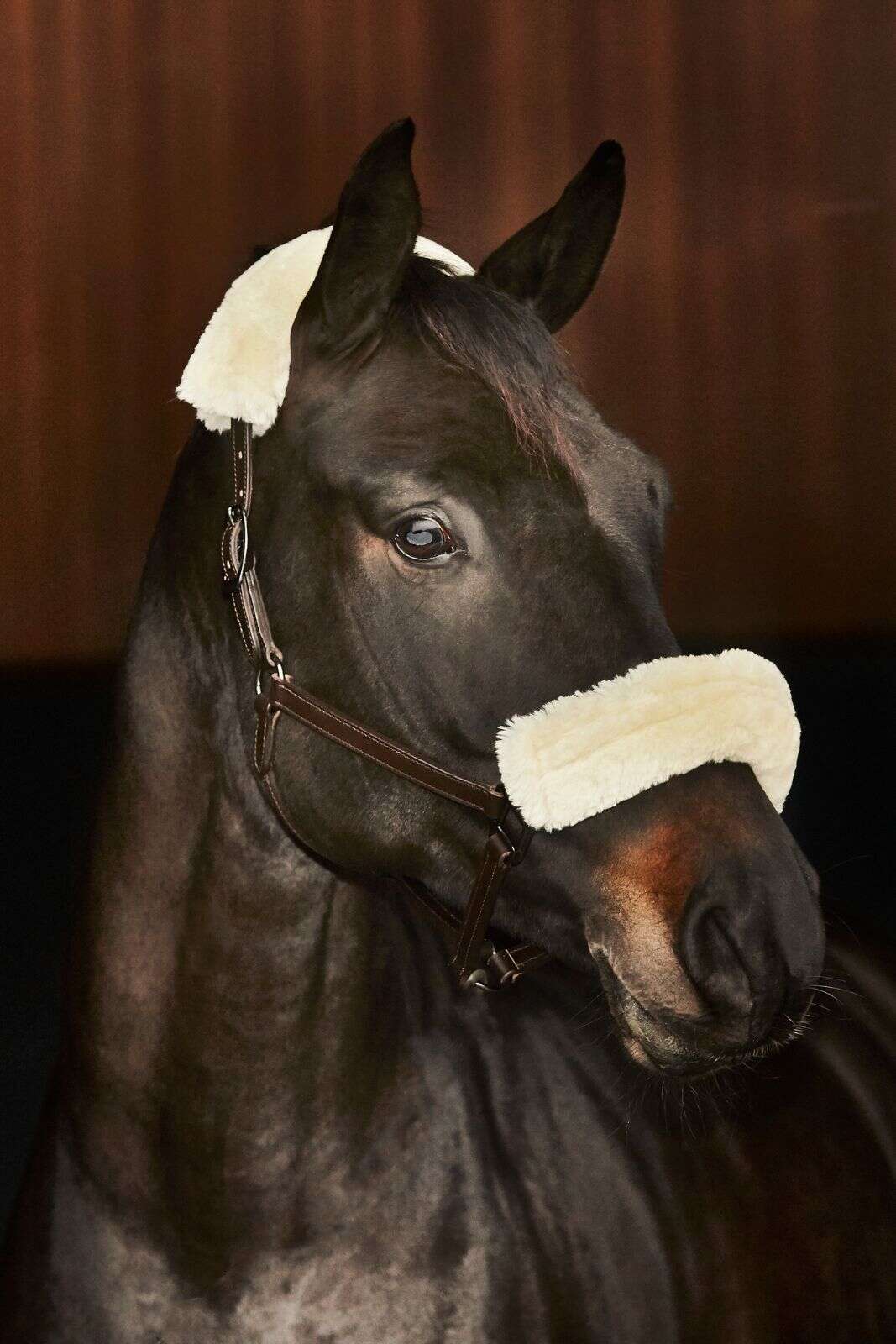

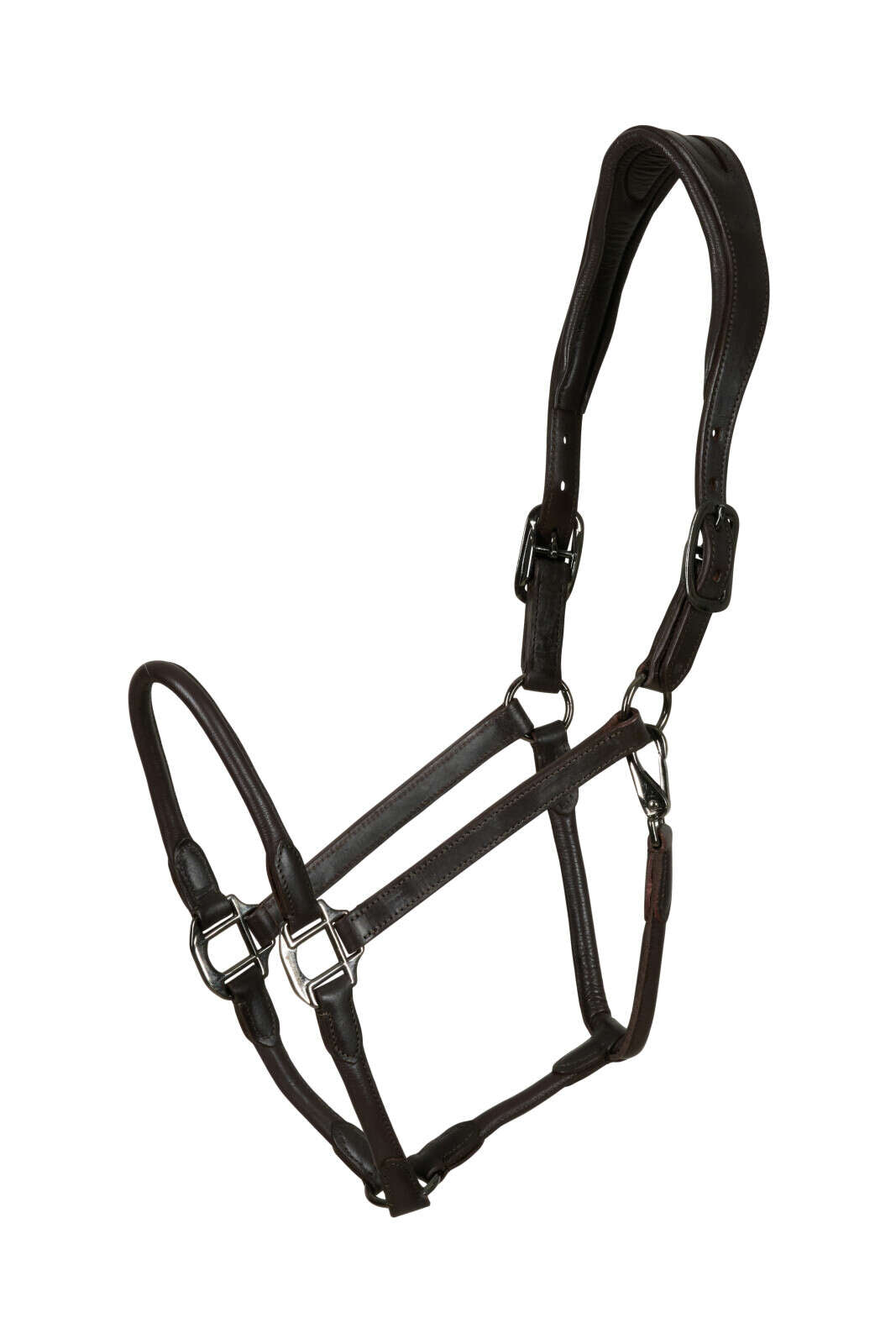
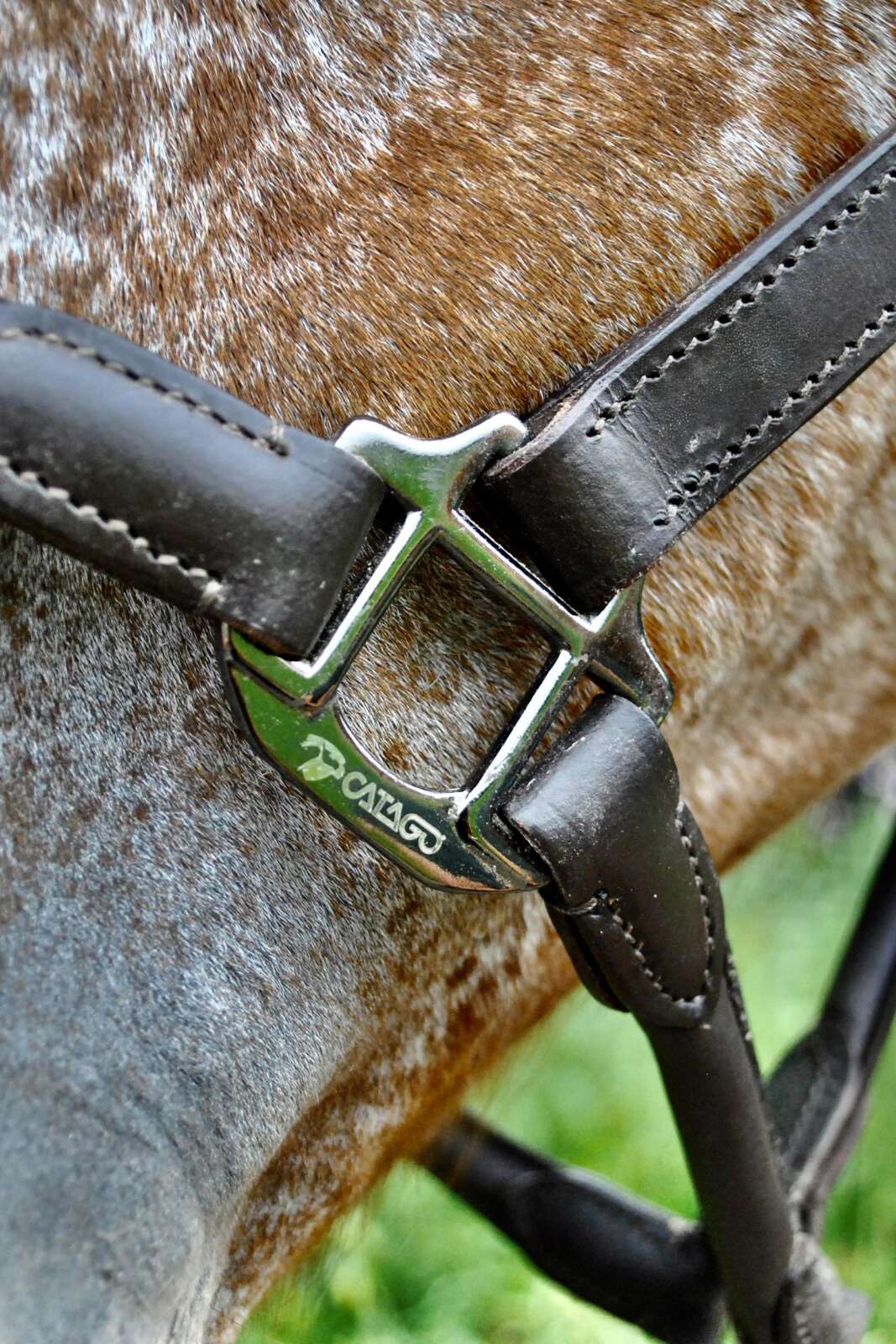
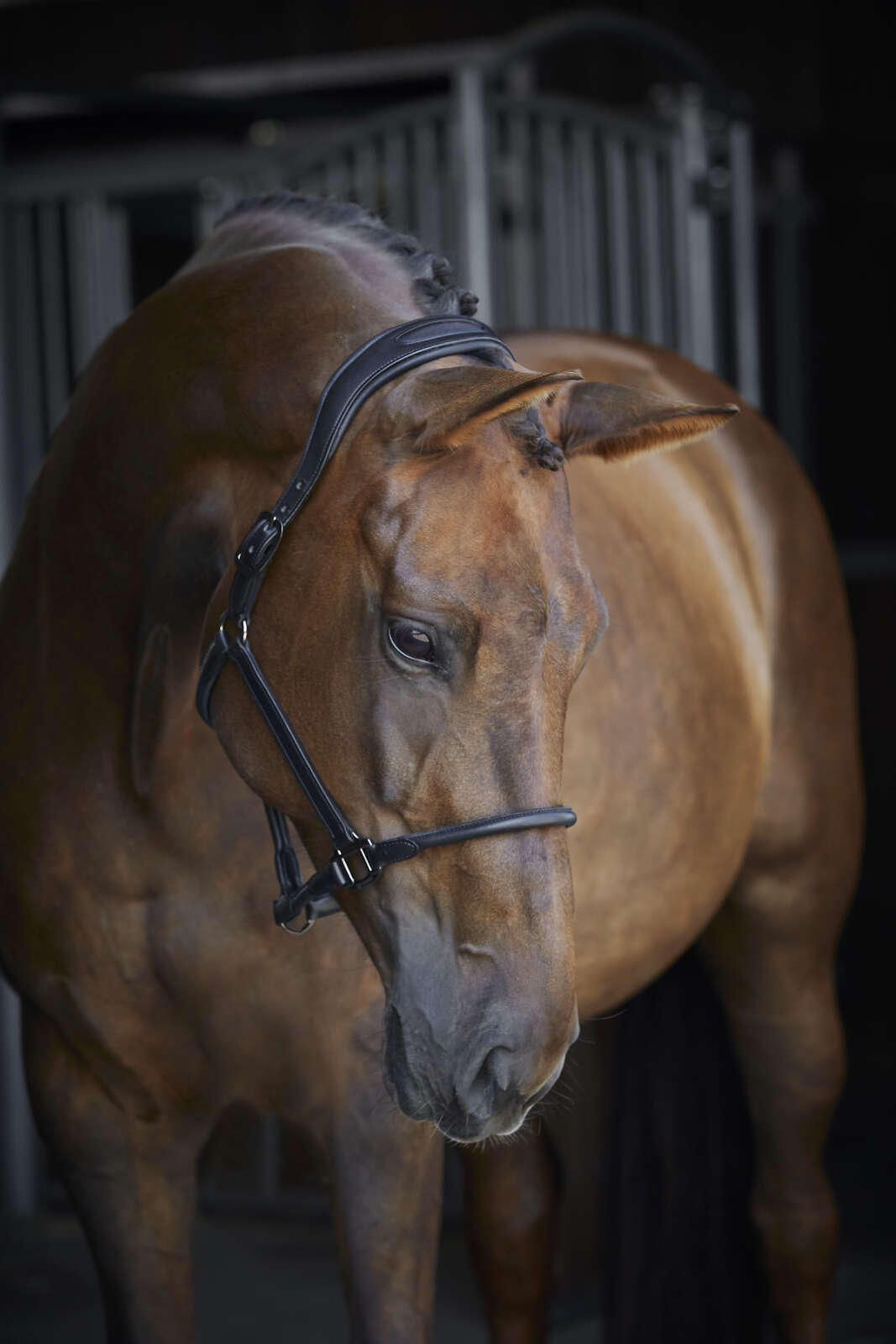
A leather halter needs to do more than just look elegant. It should fit comfortably around the horse’s head, be easy to adjust, and perform well in whatever situations you use it—whether in the stable, during transport, or at competitions.
At Unamari, we design and develop equestrian equipment through our brands Catago and Horse Guard. We take a proactive approach to materials, fit, and practical details, because even small design choices can make a noticeable difference in the day-to-day handling of the horse.
When we design a leather halter, our guiding principle is simple: It must be comfortable for the horse, practical for the rider, and look great, so you’ll want to use it again and again.
When we develop leather halters, it’s important that the straps can be positioned appropriately around the horse’s head. For example, an adjustable neck strap makes it possible to change the halter’s position, while adjustments around the nose or jaw on select models provide additional opportunities to customize the fit. Anatomical leather halters have extra padding to distribute pressure more evenly.
We recommend checking the halter’s fit carefully when you receive it.
If you’re looking for other types of halters, you can view our entire selection of horse halters.
The choice between a leather halter and a nylon halter largely depends on how and when you plan to use the halter.
A nylon halter is often a practical choice for everyday stable use because the material requires minimal maintenance.
A halter of genuine leather requires more care, but in return offers a classic look and a material that many Riders prefer for, for example, transport, competition, and daily handling.
A faux leather halter closely resembles the look of leather but does not require the same level of care. Unlike genuine leather, however, it does not have quite the same ability to mold to the horse’s head and become more supple over time.
In short:
Therefore, there isn’t a single material that’s best in every situation. For very wet and dirty everyday use, we’ll often choose a more easy-to-clean material, such as synthetic leather, while a leather halter is the obvious choice when the finish, natural feel, and elegant look are priorities.
Here at Unamari, you’ll find a wide selection of genuine leather halters.
Genuine leather is a soft and breathable natural material that molds to the horse’s head and retains its shape over time. It requires maintenance to retain its suppleness, but the material’s durability and classic finish are key reasons why many riders choose a leather halter.
We recommend genuine leather for those who:
For example, you can pair the halter with matching reins made of leather or other gear to create a cohesive look.
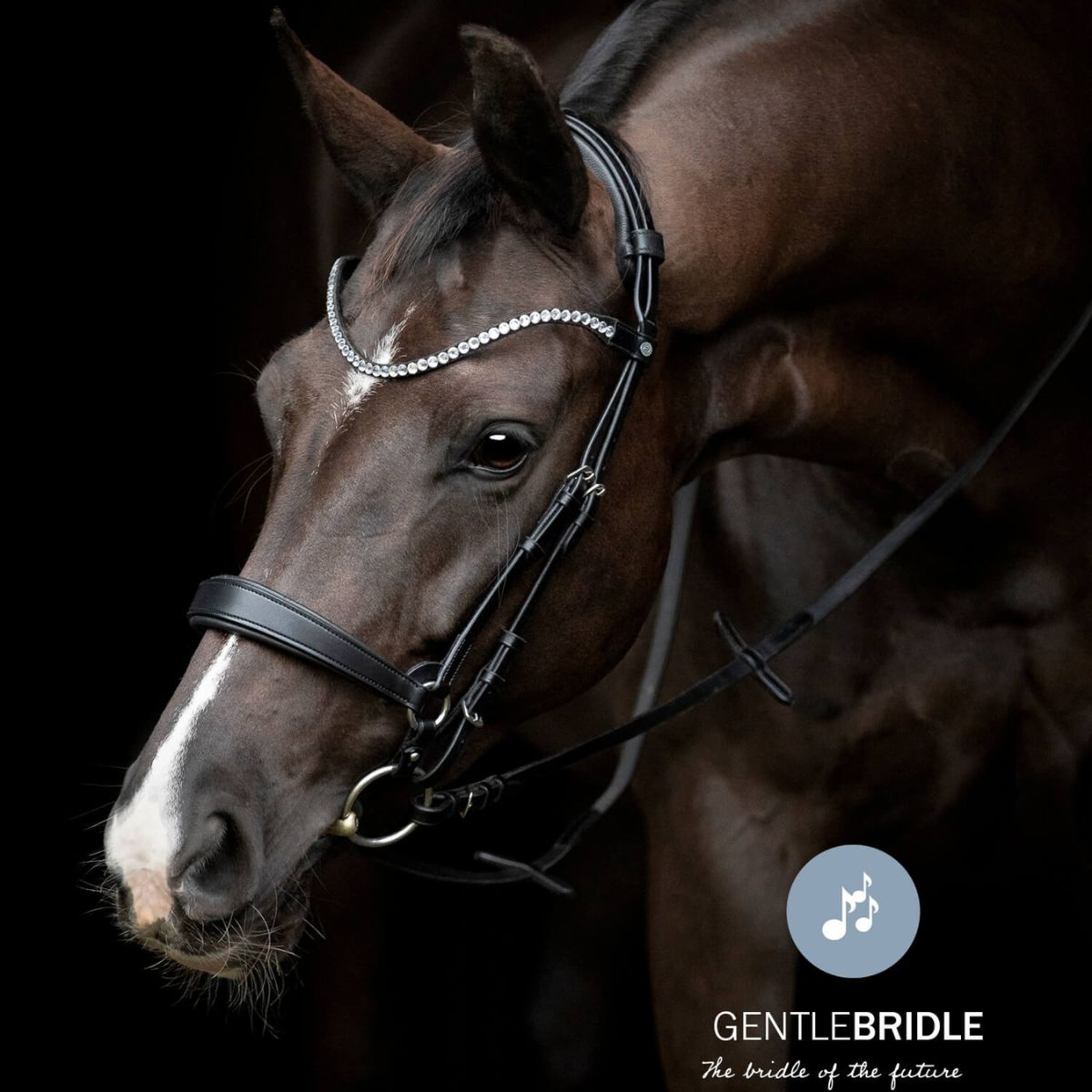
There are many different styles of leather halters, including some with and without embellishments. Some leather halters are designed with crystals, which can make them suitable for competitions or shows.
A leather halter should fit securely without being unnecessarily tight. It should neither hang so loosely that it slips or shifts easily, nor be tightened so much that the straps exert undue pressure.
Check the following in particular:
Horse heads vary greatly—even within the same size category. That’s why adjustability is an important part of our design process. A Cob or Full size doesn’t tell the whole story—the proportions of each horse’s head are crucial to the final fit.
The most common sizes for horse halters are Pony, Cob, and Full.
As a general rule, you should start with the halter your horse already uses. Be sure to compare the placement of the straps and the adjustment options rather than just looking at the size label.
If your horse falls between two sizes, it’s especially important to consider how much the halter can be adjusted. A good fit depends not only on the overall size of the head, but also on the proportions of the muzzle, jaw, and neck.
Proper leather care isn’t just about appearance. Proper maintenance helps preserve the leather’s suppleness and functionality over time.
We recommend the following routine:
If you have a faux leather halter, it generally does not need to be treated with leather grease. In this case, wiping it down and inspecting the stitching and hardware will often be the most important maintenance steps.
When storing the halter, we recommend keeping it in a dry and well-ventilated room.
When you buy leather halters at Unamari, you’ll find high-quality models from our brands Catago and Horse Guard.
Our goal isn’t to add details just for the sake of it. An adjustment feature should improve the fit. Padding should be placed where it makes sense. A buckle should be practical to use. The material must suit the way the halter will be used, and of course, the look is important too.
If you’re looking for a bridle or other horse tack, you will find a wide selection right here in our online store.