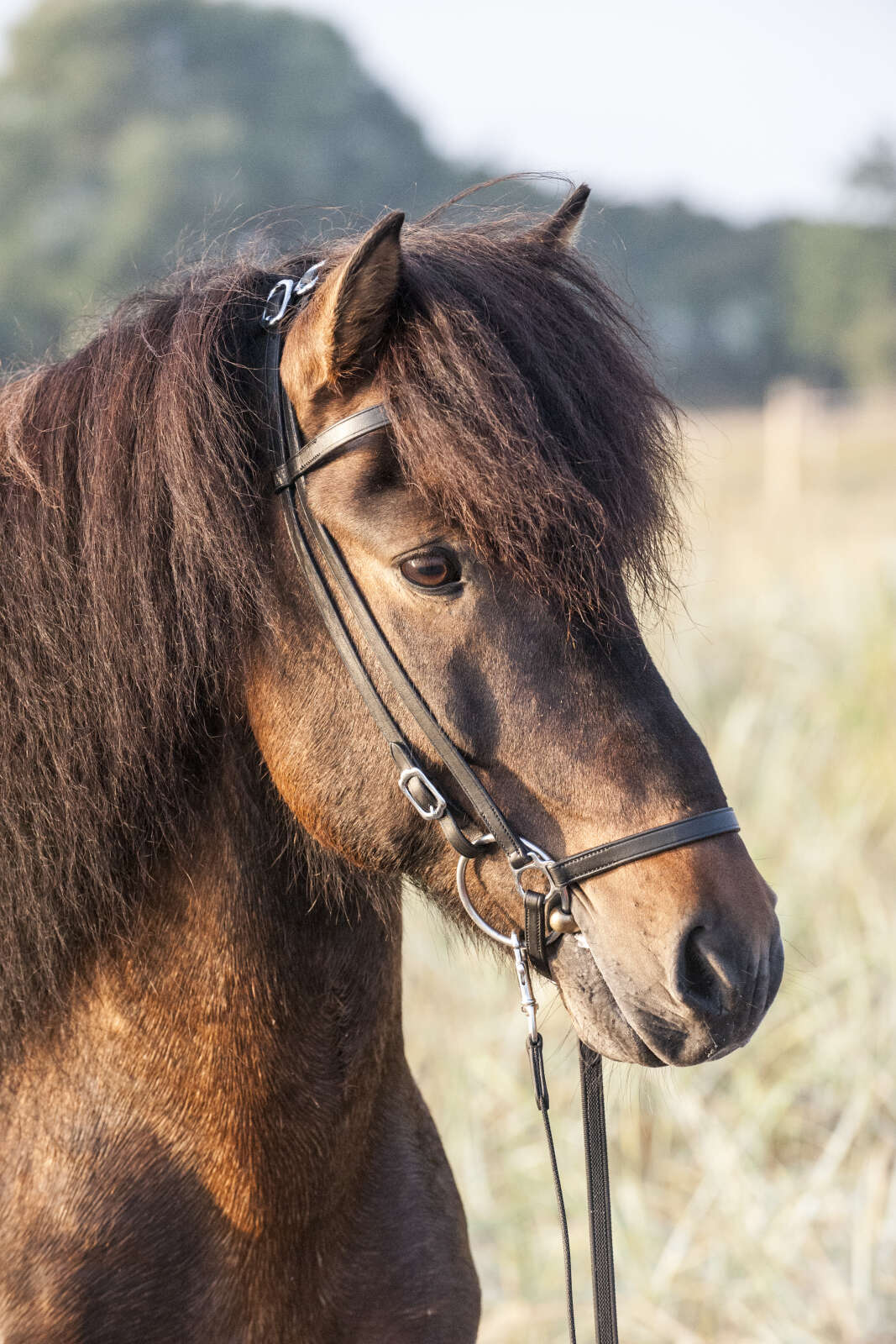
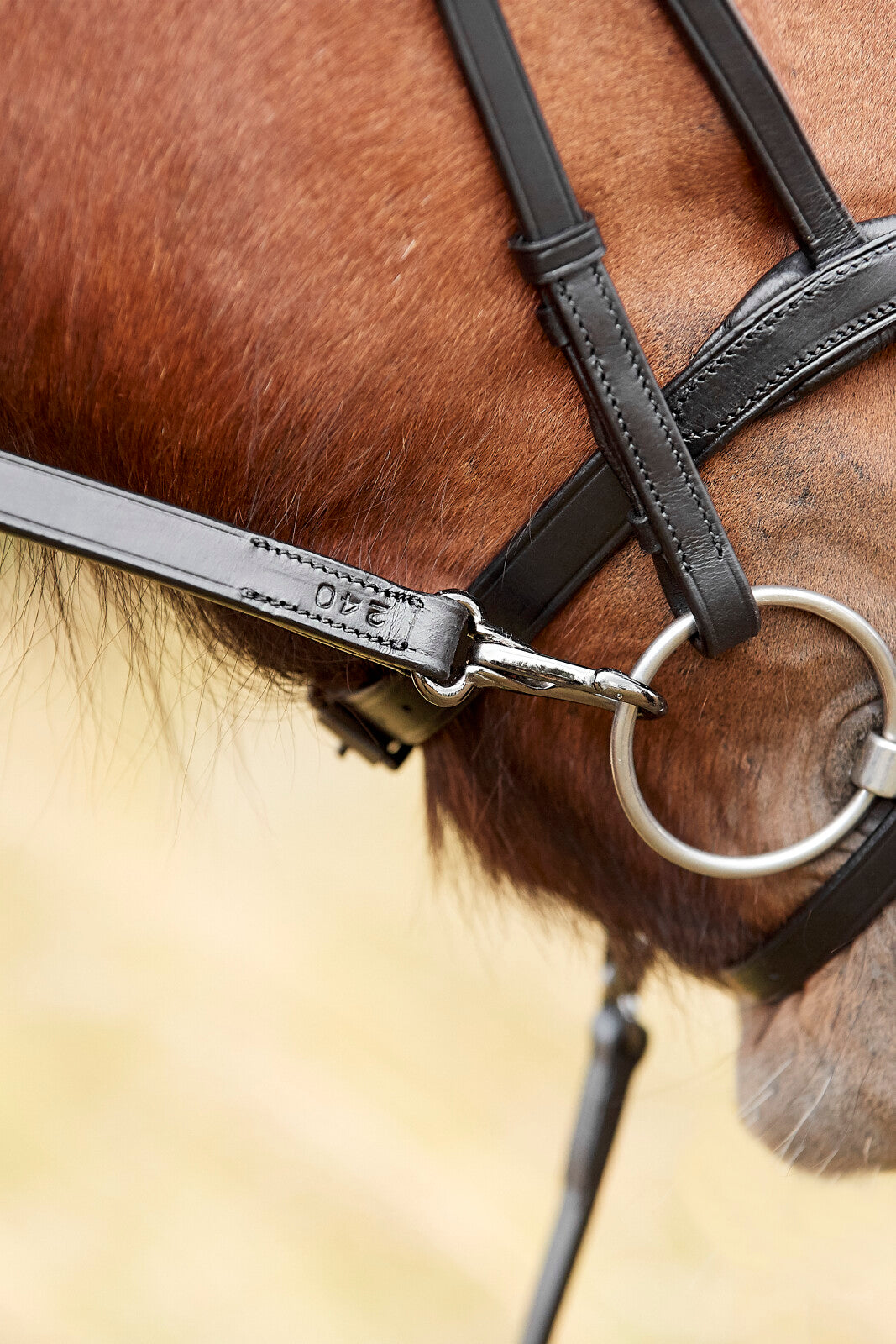
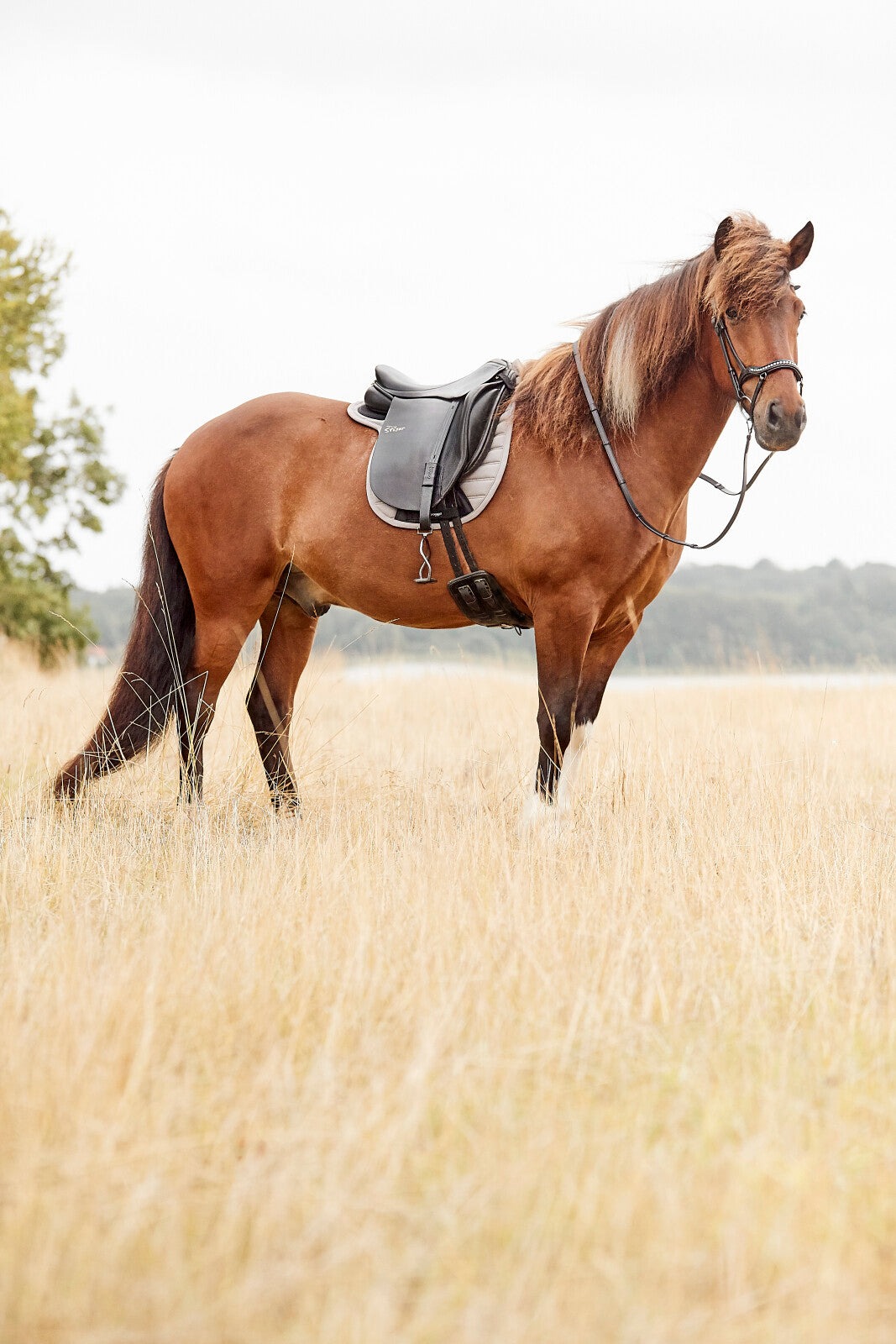
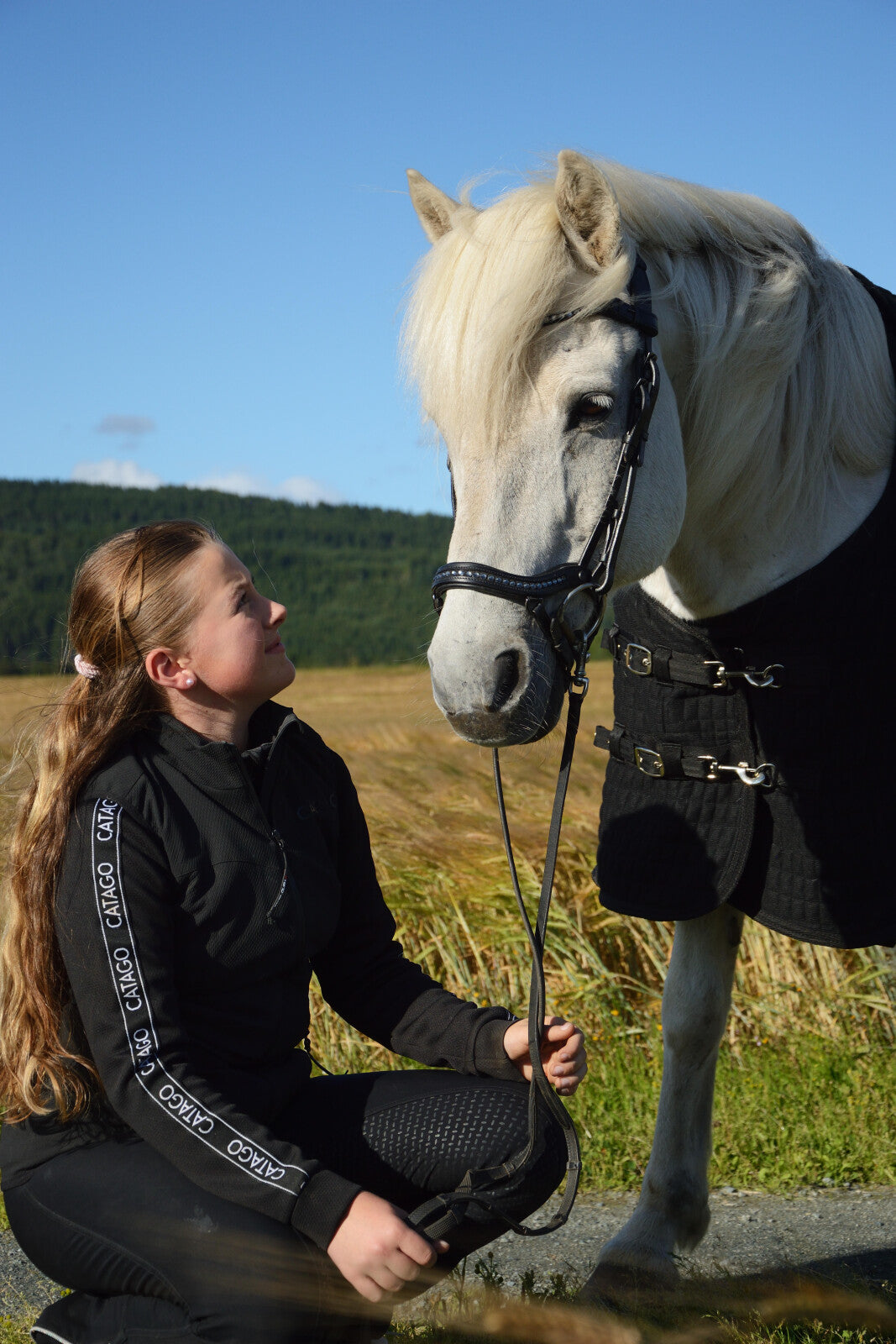
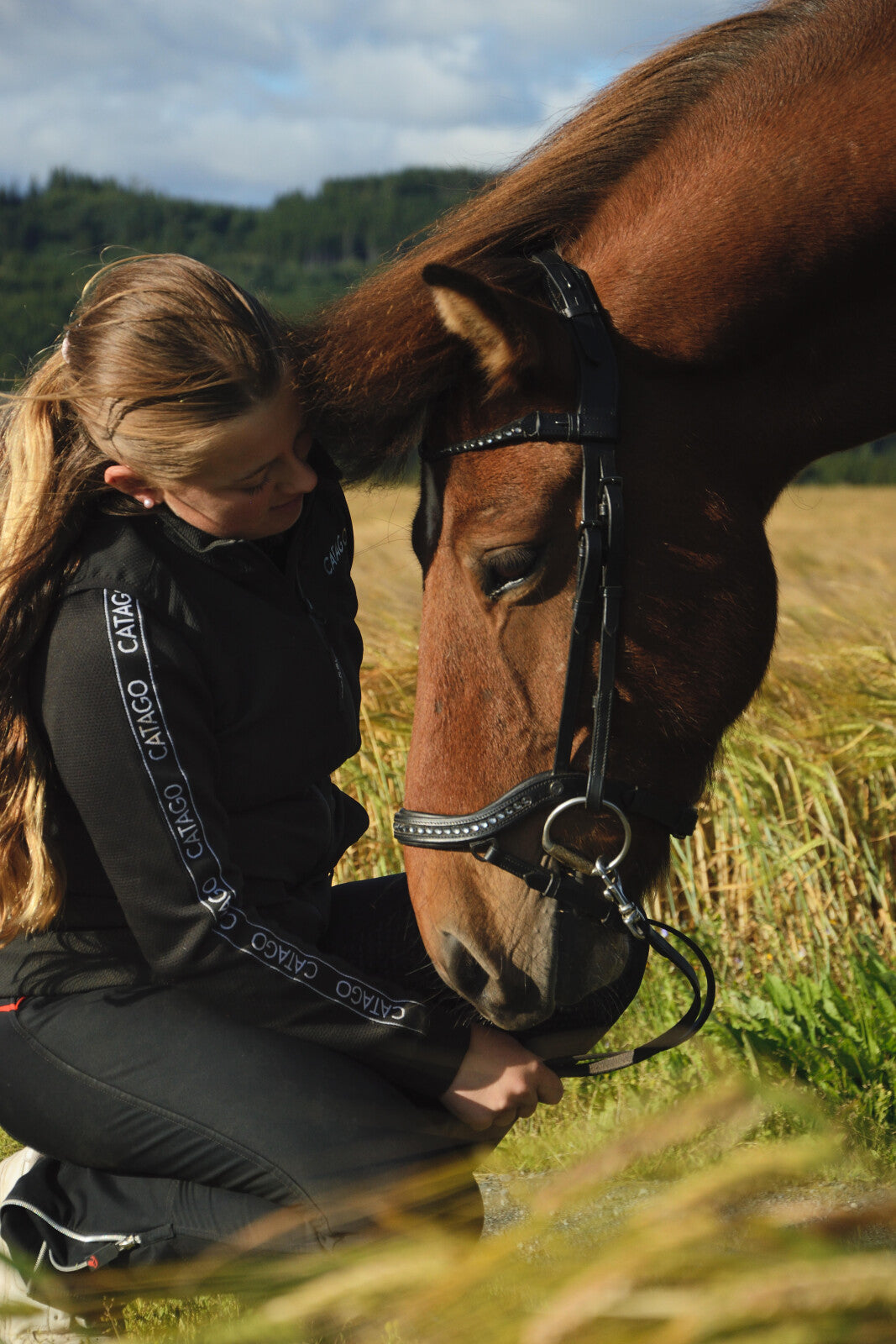
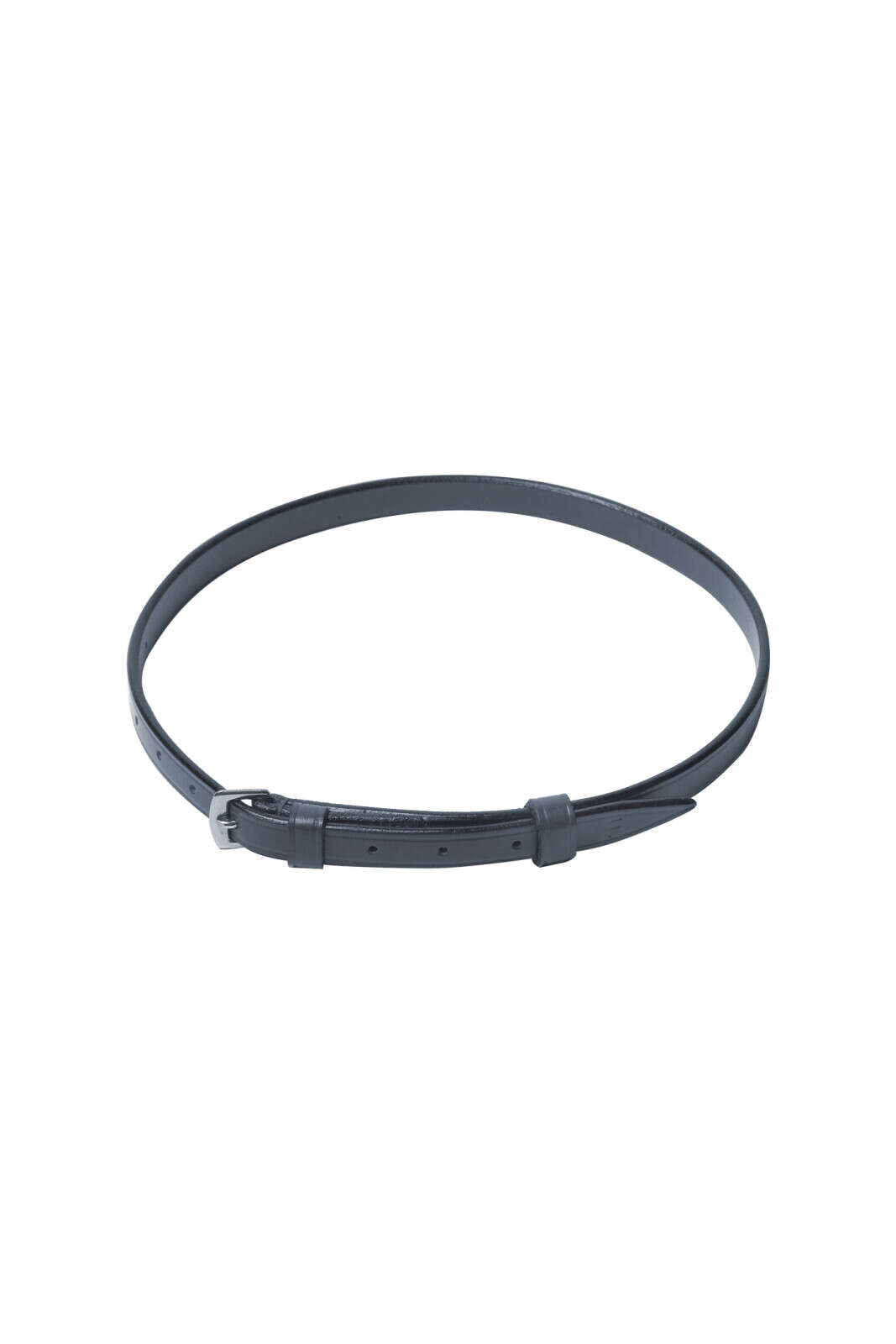
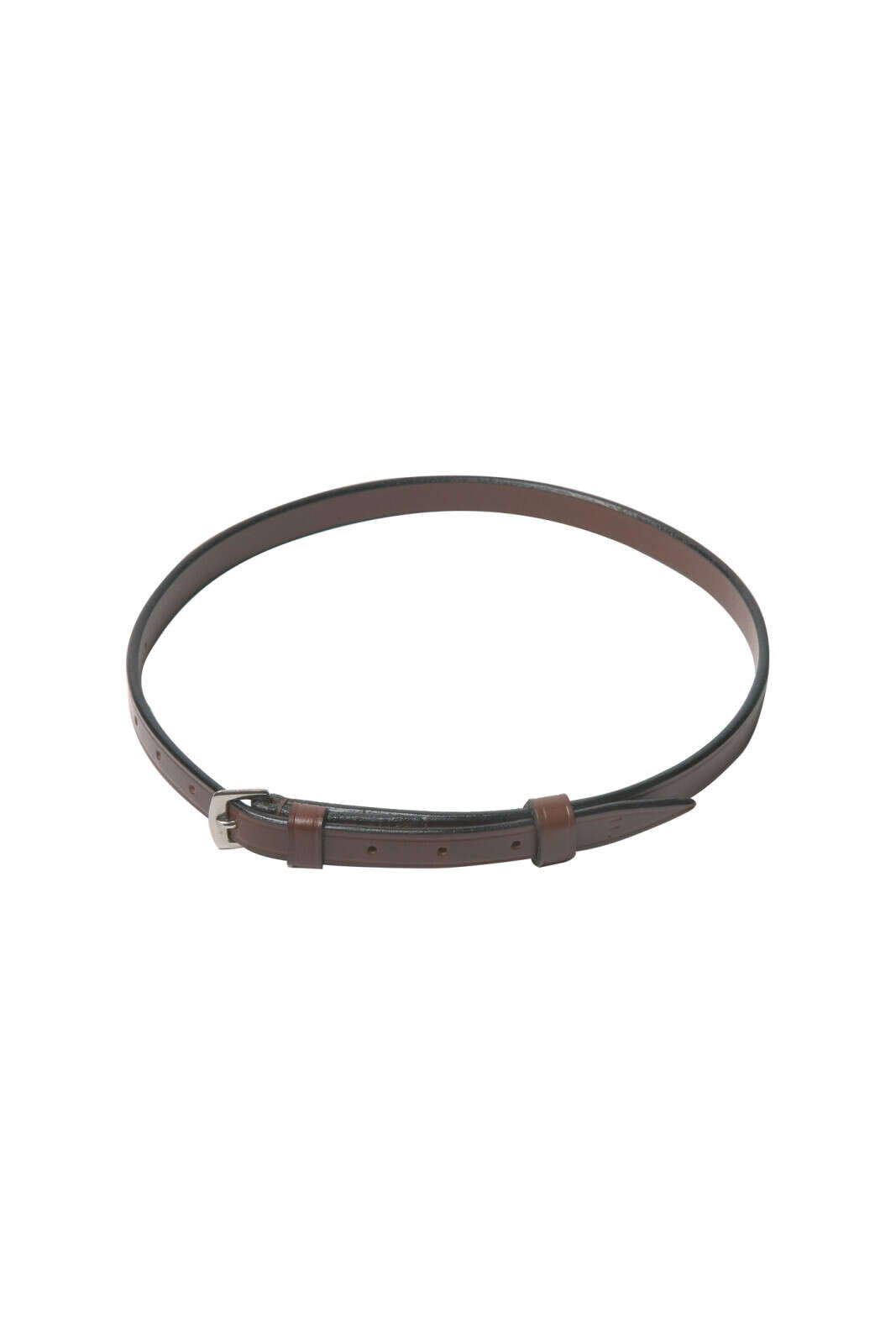
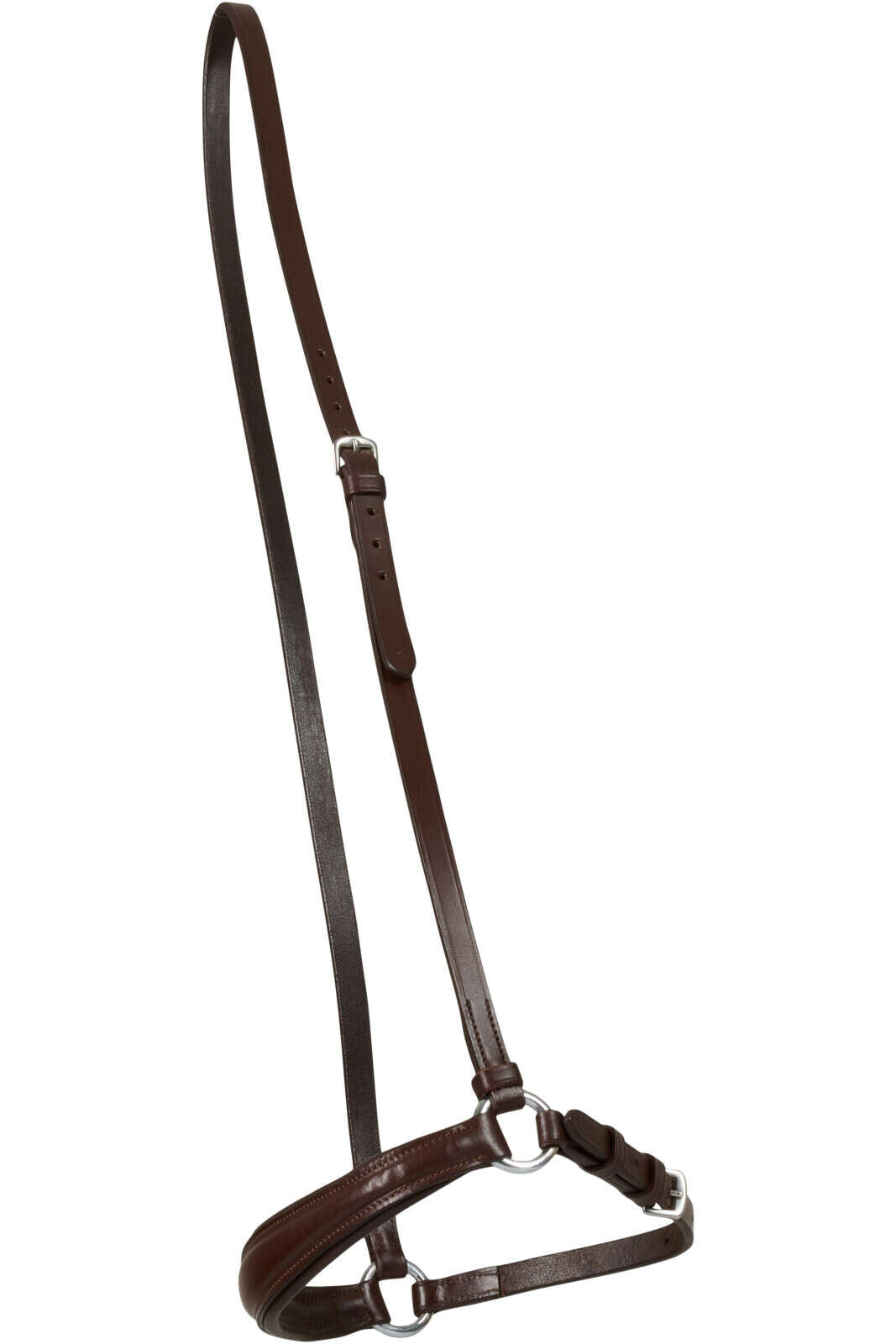
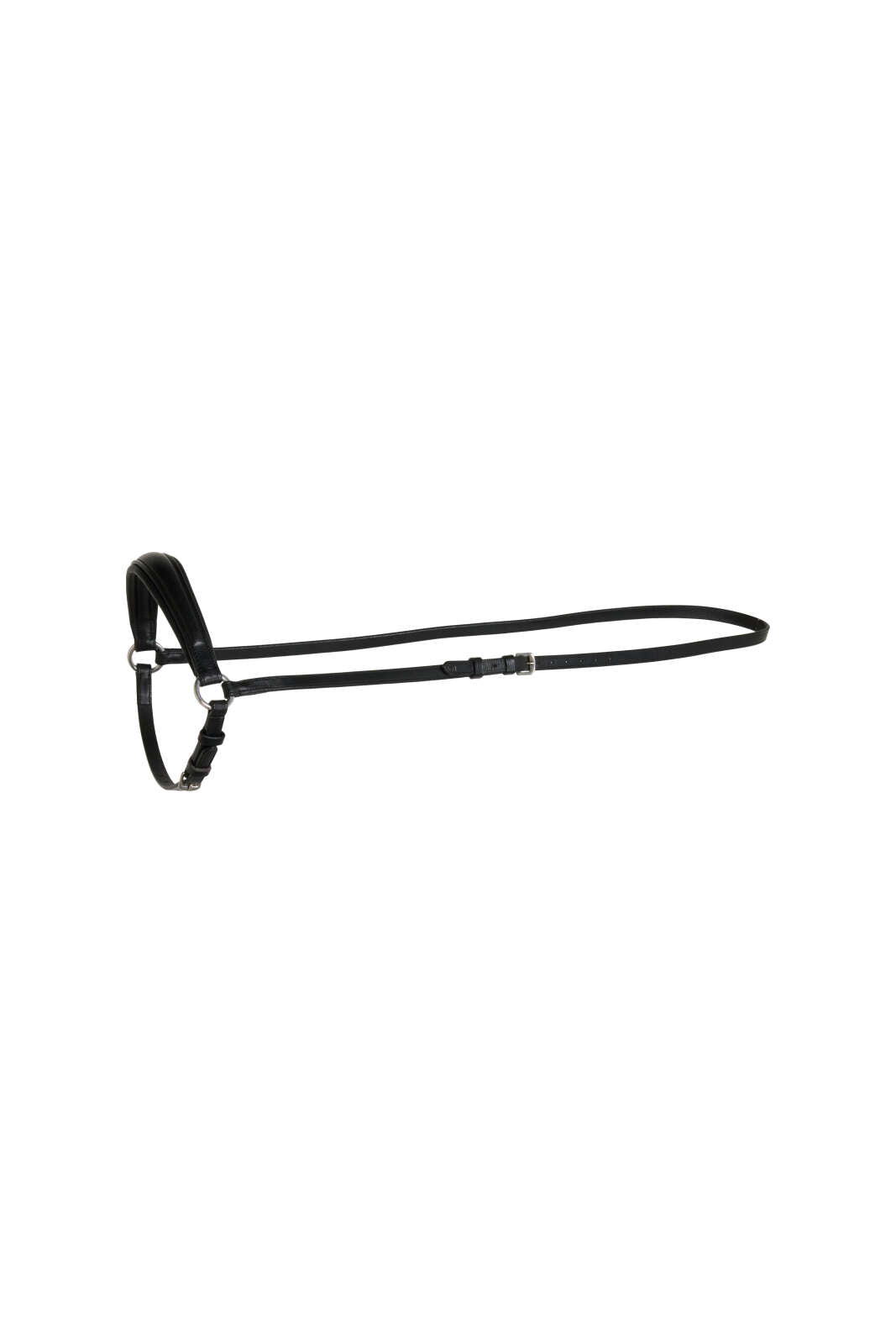
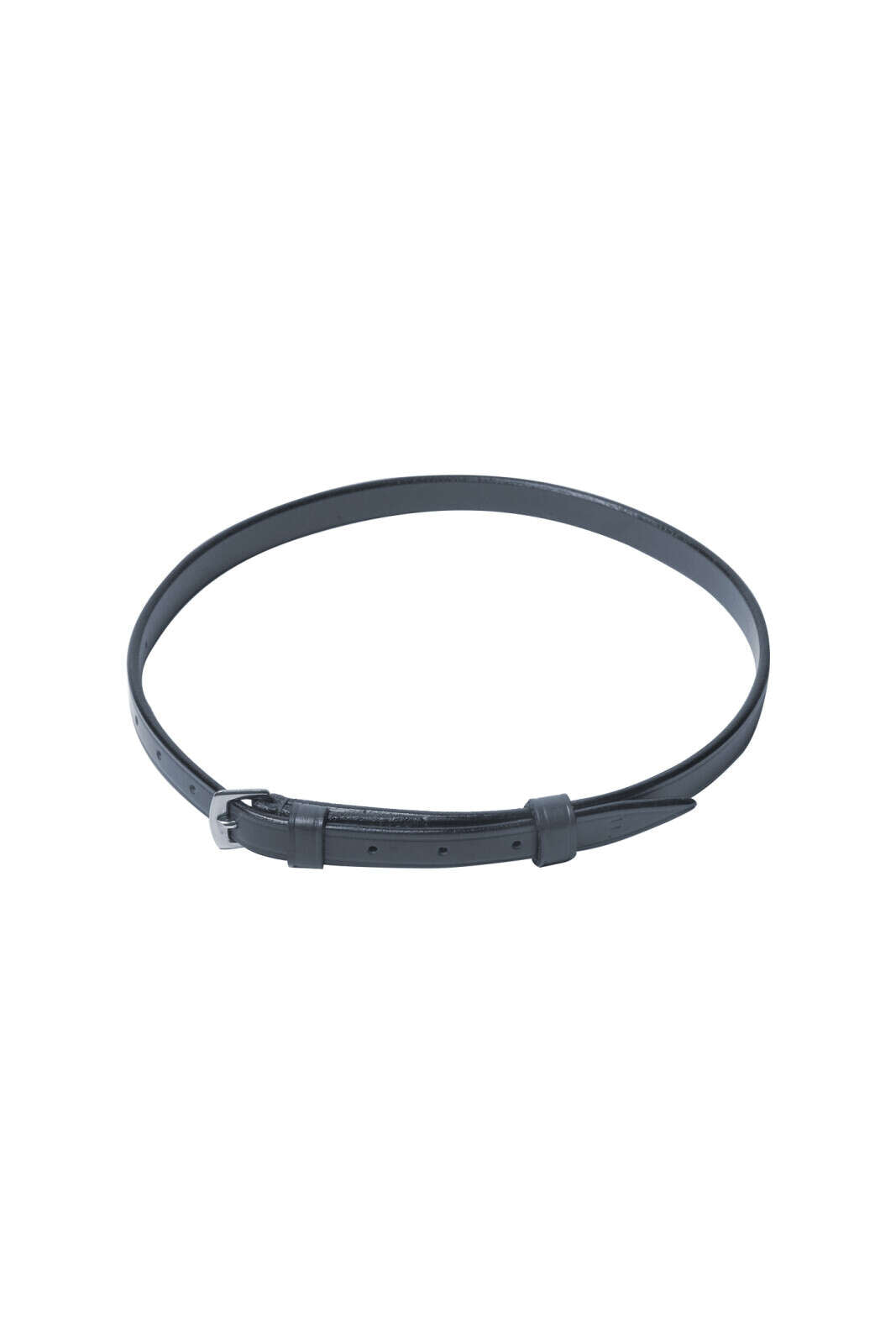
An Icelandic horse bridle must, first and foremost, fit the individual horse’s head. Icelandic horses often have a relatively short and delicate head, which is why a standard bridle can be difficult to fit properly. At Unamari, you’ll find bridles for Icelandic horses from Catago and Horse Guard, as well as separate nosebands, headpieces, and reins, so you can choose a complete bridle or customize the tack to fit your horse.
We develop the Catago and Horse Guard lines ourselves and therefore pay special attention to the details that make a difference in practice - including space around the ears, the placement of the noseband, and the ability to adjust the Bridle correctly around the bit.
That’s why the fit is important for an Icelandic horse bridle
What makes a bridle for Icelandic horses special isn’t that it functions fundamentally differently from other bridles. The difference lies primarily in the proportions and the ability to customize the bridle to the Icelandic horse.
Icelandic horses often have a wider forehead combined with a relatively short head, and many fall somewhere between Shetland and Cob in size. However, this is only a rule of thumb. Two Icelandic horses can have very different heads, so we recommend basing your choice on the horse’s actual measurements rather than solely on the size of its current Bridle.
When the bridle is put on, you should especially check that the headpiece does not press around the ears, that the noseband sits correctly in relation to the cheekbone, and that the cheekpieces can be adjusted so that the bit is positioned as desired.
A common mistake is trying to correct a poor fit by simply tightening the bridle further. This does not make an oversized or improperly proportioned bridle a better fit and can instead create unnecessary pressure.
Classic or Anatomical Bridle for an Icelandic Horse?
An anatomical Icelandic horse bridle is not automatically better than a classic model. The best solution is the one that fits the horse’s head best.
This becomes clear when we compare two of our own Catago models.
Catago Classic is the simple solution: a classic Icelandic bridle made of soft Argentine leather with steel buckles. If your horse performs well with traditional tack and you want a bridle without many extra details, this is often the solution we’d start with.
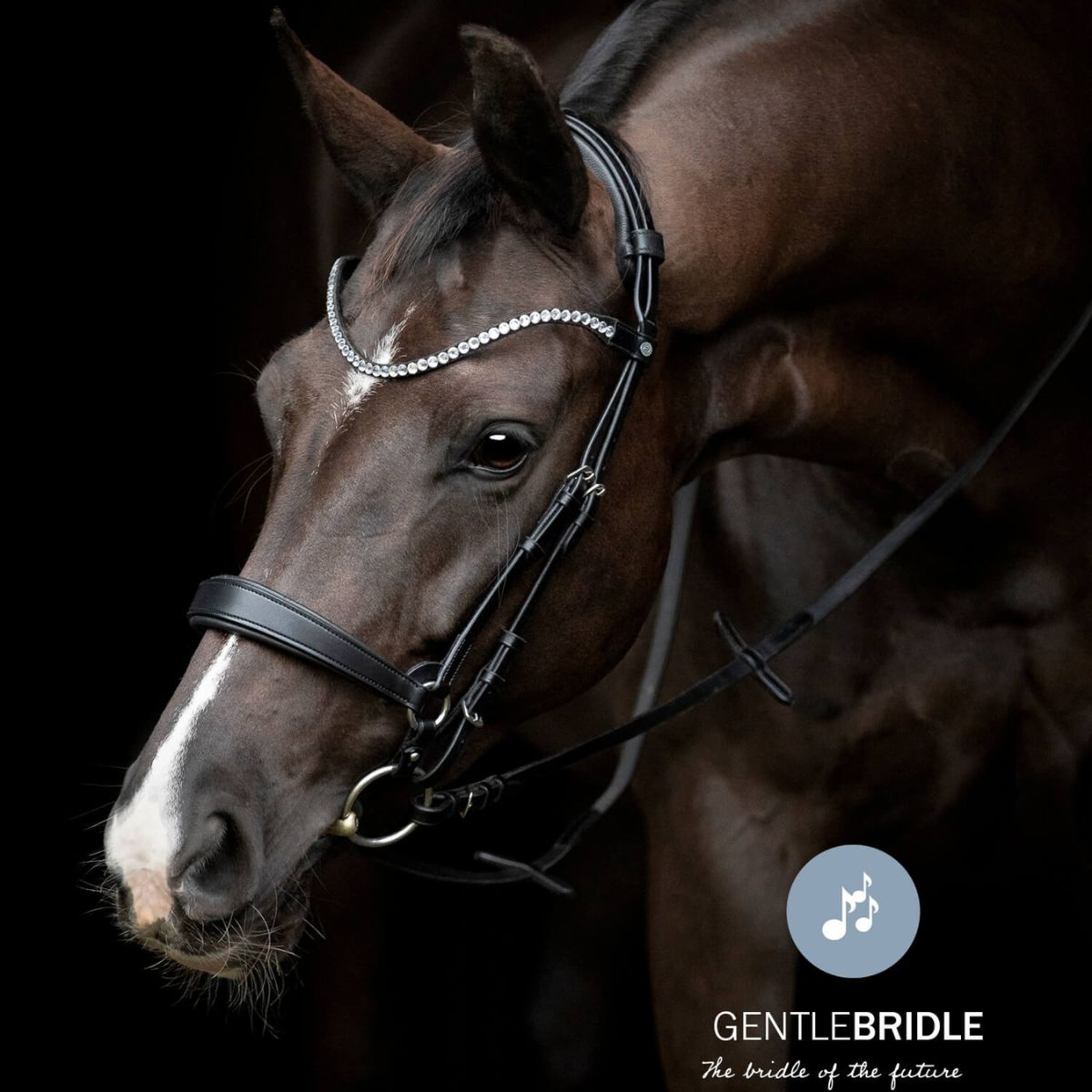
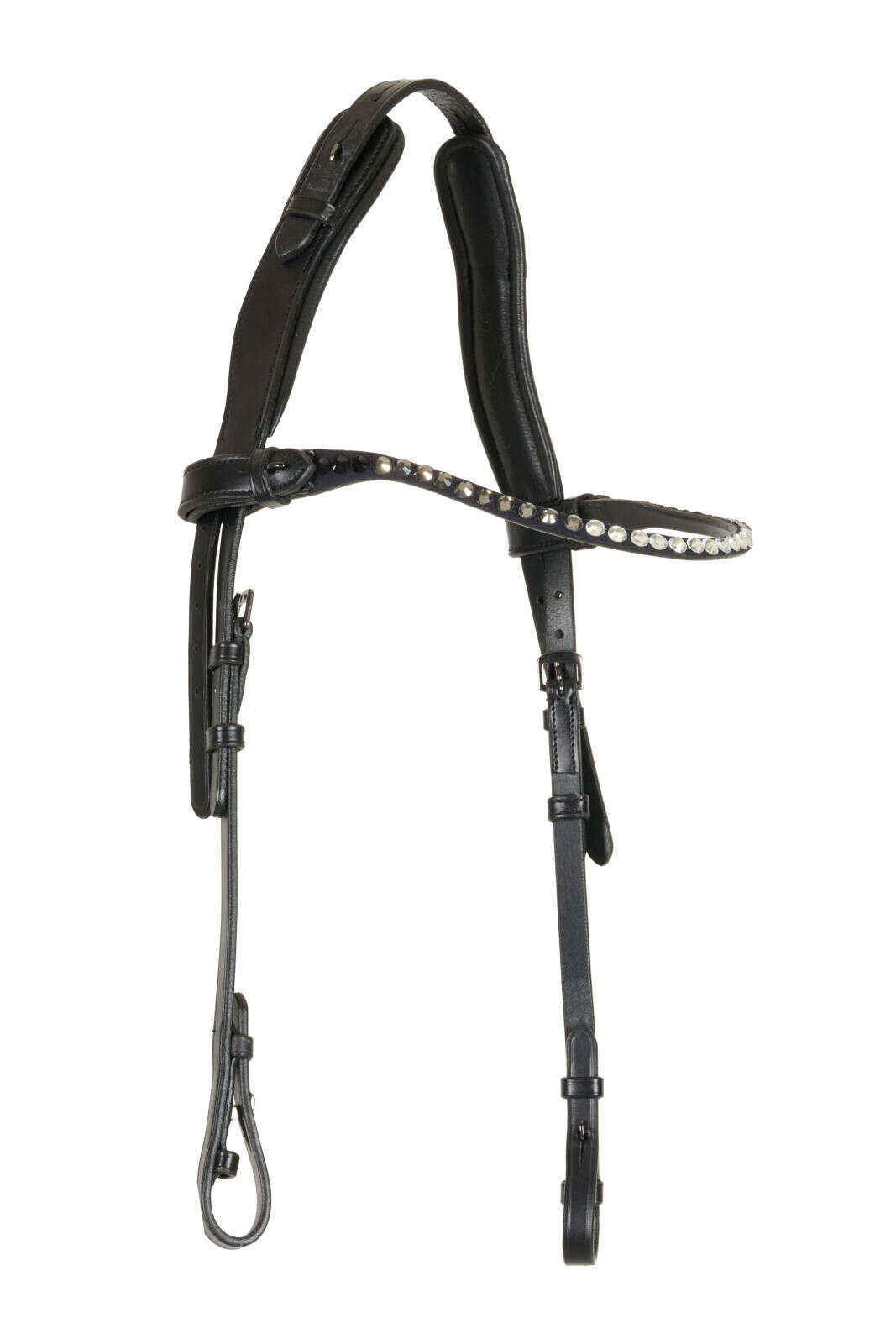
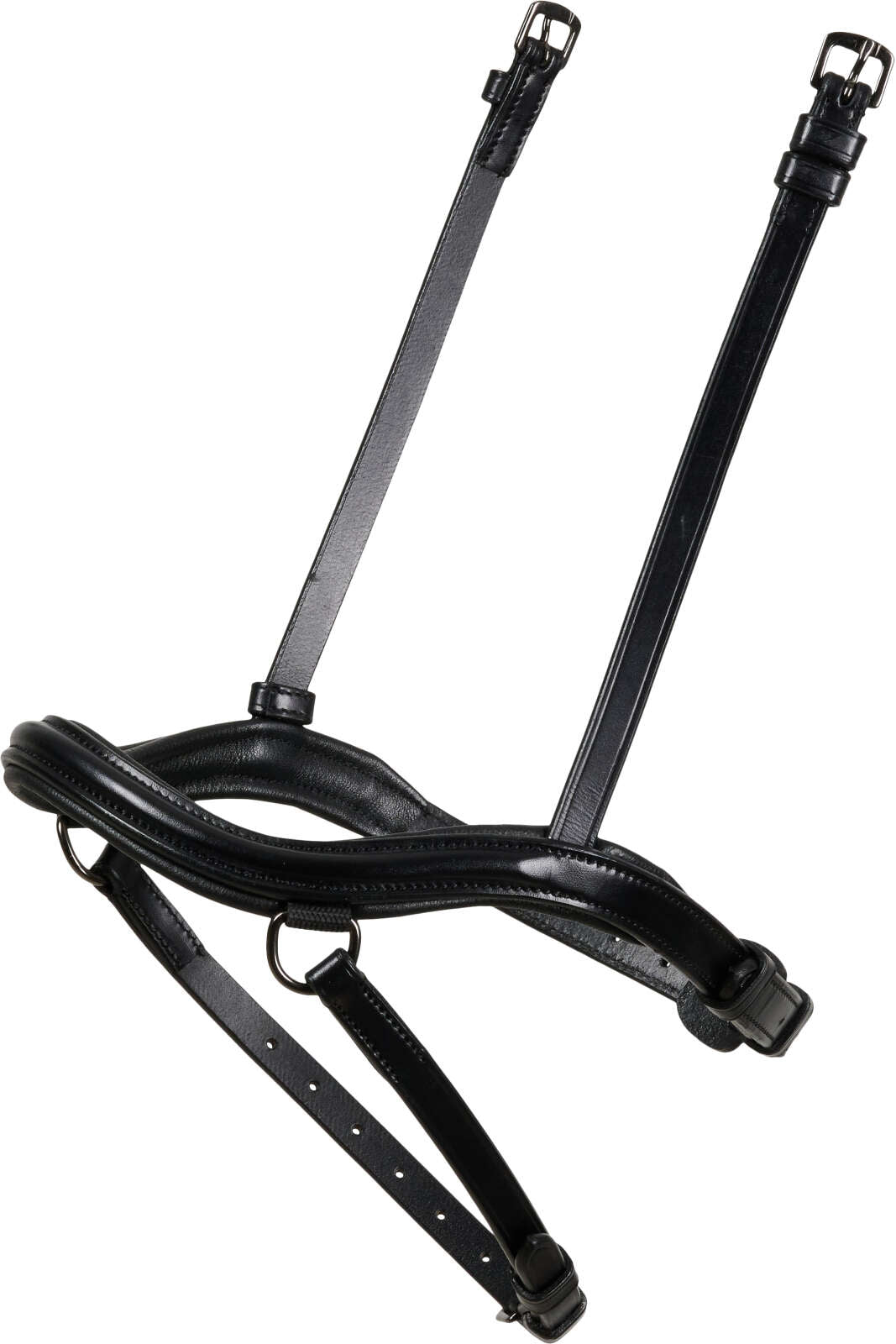
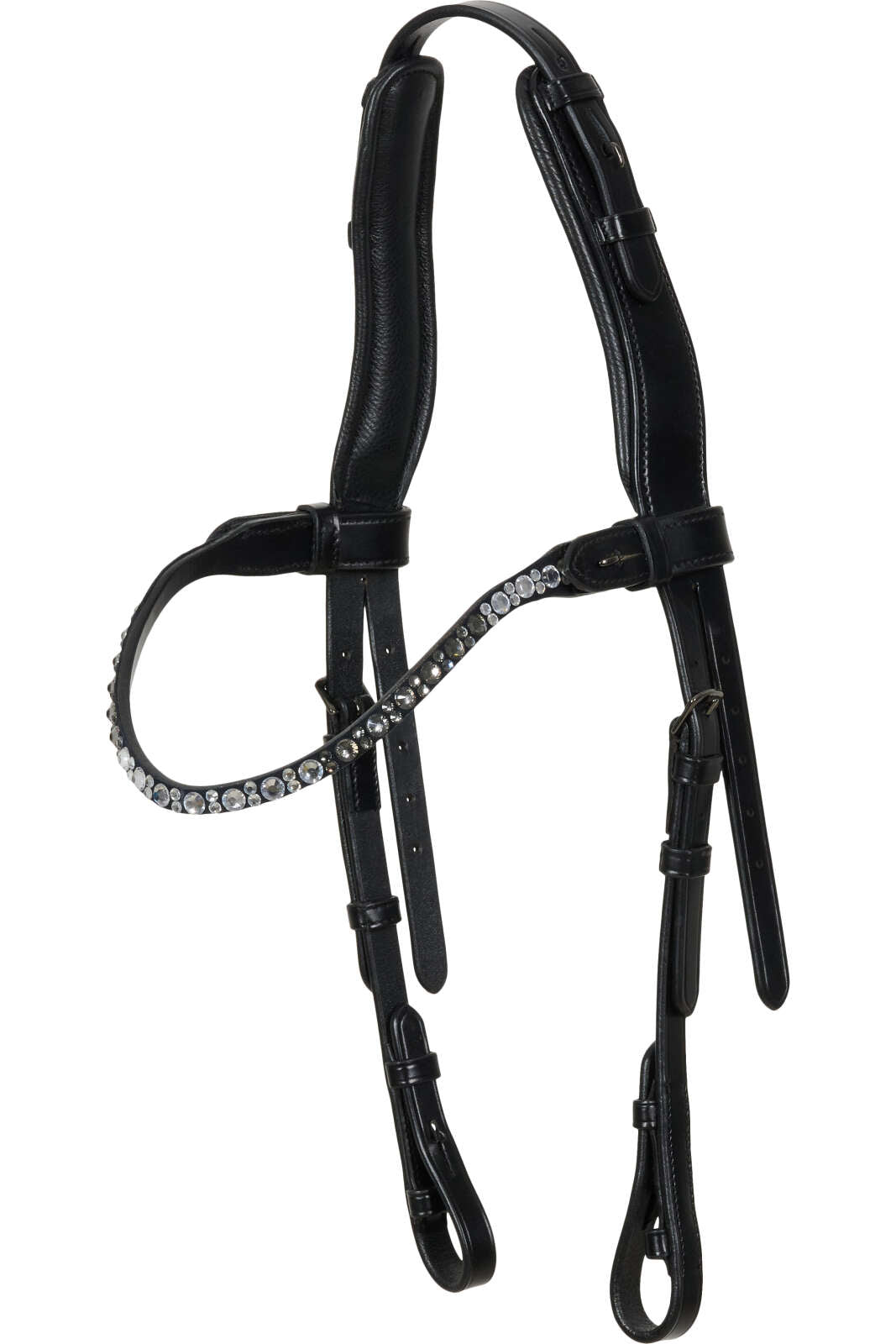
The Catago Raja, on the other hand, is designed with an anatomically shaped and split headpiece that provides more room around the neck and ears. The noseband is also anatomically shaped and positioned to allow freedom around the cheekbone. This makes the Raja an interesting option for horses where you want greater flexibility to accommodate specific areas of the head.
The Raja also features hooks on the bit straps, so the bit can be changed quickly, while studs on the browband and noseband, along with gunmetal-colored metal parts, give it a more distinctive look.
Our recommendation is therefore not to choose an anatomical bridle simply because it sounds more advanced. Look at your horse. If there’s limited space behind the ears, or if you find that a traditional headpiece or noseband sits awkwardly, an anatomical design may be particularly beneficial. If the classic bridle already fits well and freely, there isn’t necessarily a problem that needs to be solved.
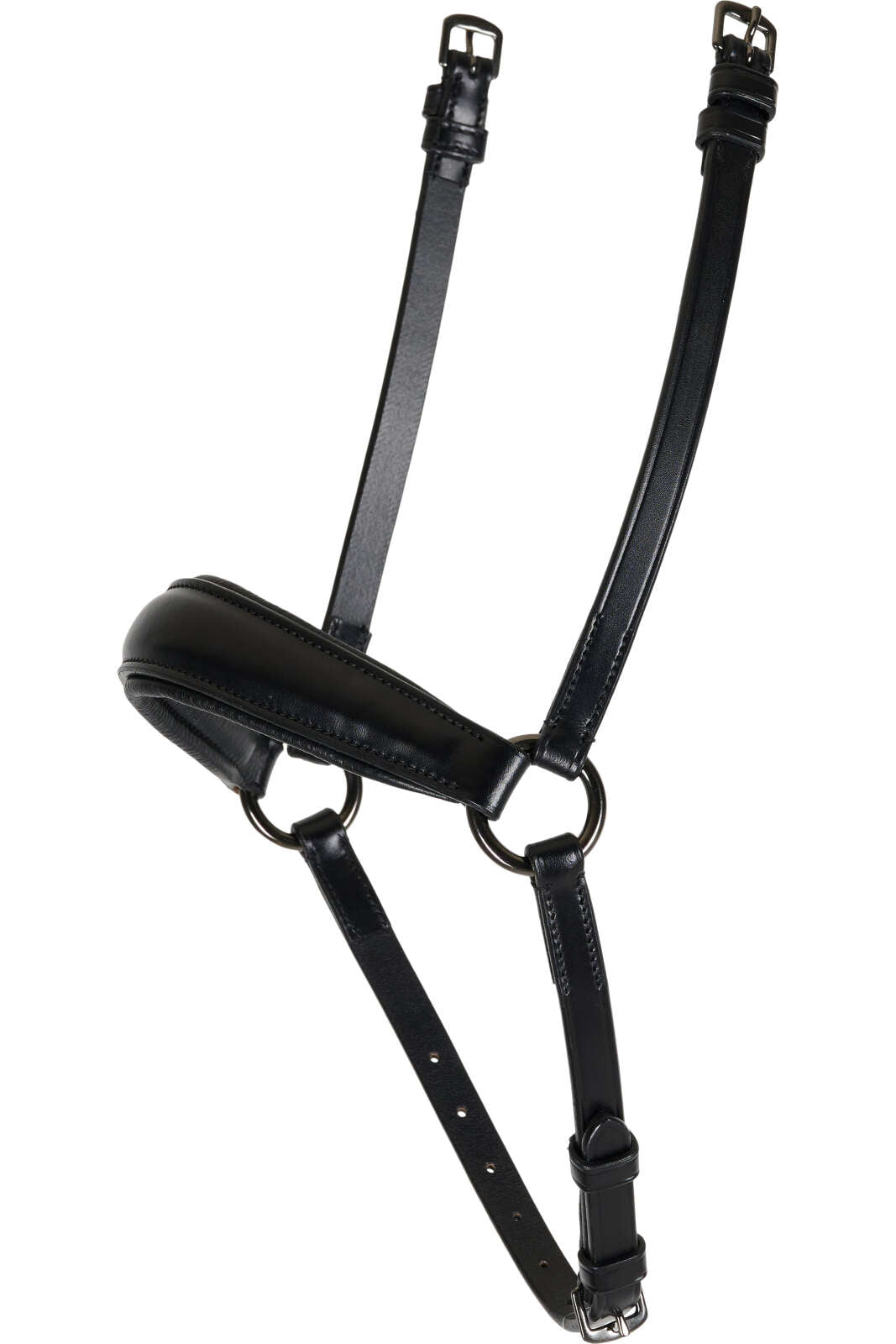
Noseband and neck piece - Small differences with big Impact
The noseband should not be used to compensate for the rest of the Bridle’s fit. A tight noseband does not necessarily mean better control either.
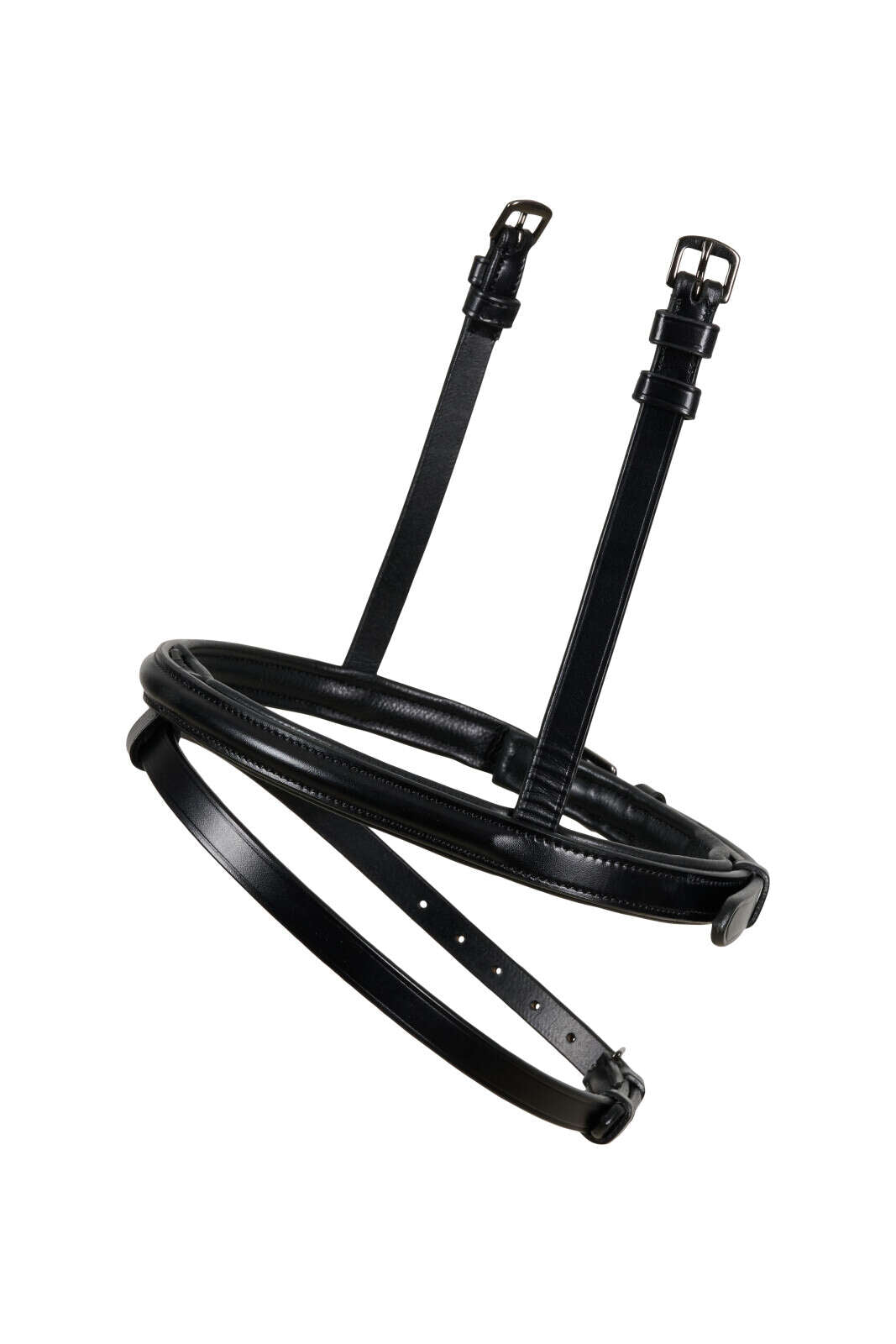
Instead, look at where the noseband sits and how the pressure is distributed. On anatomically shaped models, for example, the cutout can provide more space around the cheekbone, while a combined noseband may be appropriate when you want additional stability.
The same applies to the headstall.
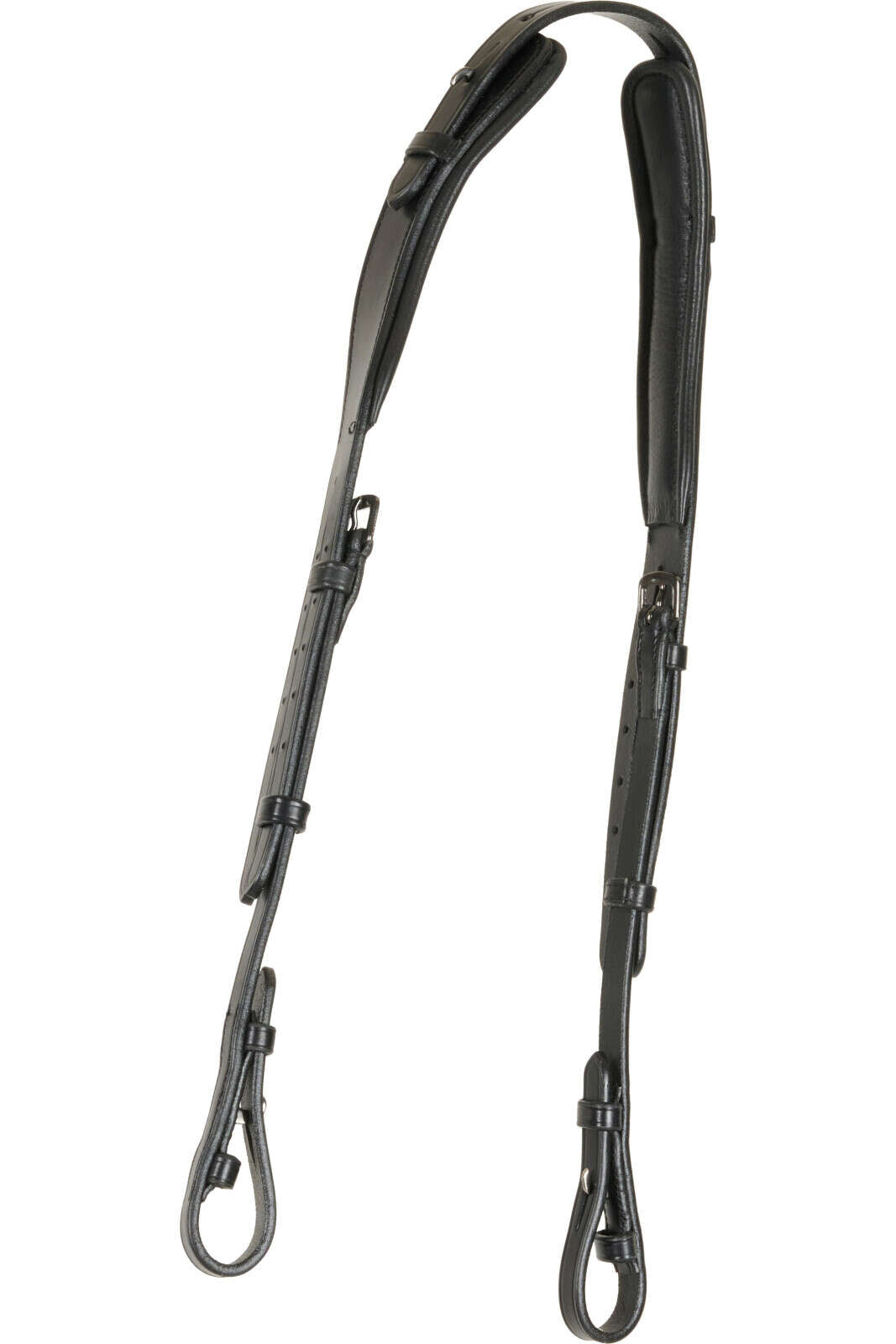
There should be room around the ears, and it should be possible to position it without putting unnecessary pressure on sensitive areas. In this case, a separate anatomically shaped headpiece can be a solution if you’re otherwise satisfied with the rest of the bridle.
The Catago 25.2 neck piece, for example, is anatomically shaped and padded around the neck and ears and can be combined with various nosebands. This allows you to customize the bridle based on the horse’s needs rather than necessarily having to replace the entire bridle.
That’s also why you’ll find separate nosebands and neckpieces among our Icelandic horse equipment. A modular solution can be practical if one part of your current bridle works well, while another does not.
How to find the right size for your Icelandic horse
If you’re unsure about the size, we recommend measuring your horse’s head before ordering. This is more reliable than assuming that all Icelandic horses use the same size.
When trying on the new bridle, you should check the overall fit: Is there enough room around the ears? Does the headband sit without pulling the neck strap forward? Can the cheekpieces be adjusted so the bit sits correctly? And does the noseband sit freely and securely without being tightened unnecessarily?
For competitive riders, the adjustment of the noseband is also a matter of rules. As of April 1, 2026, the FEIF requires at least 1.5 cm of space between the noseband and the front of the horse’s nose. This rule applies to all nosebands, including English and combination nosebands.
The fit must therefore be assessed as a whole. It doesn’t help if the headpiece is anatomically shaped if the noseband is positioned incorrectly or the bridle cannot be adjusted properly around the bit.
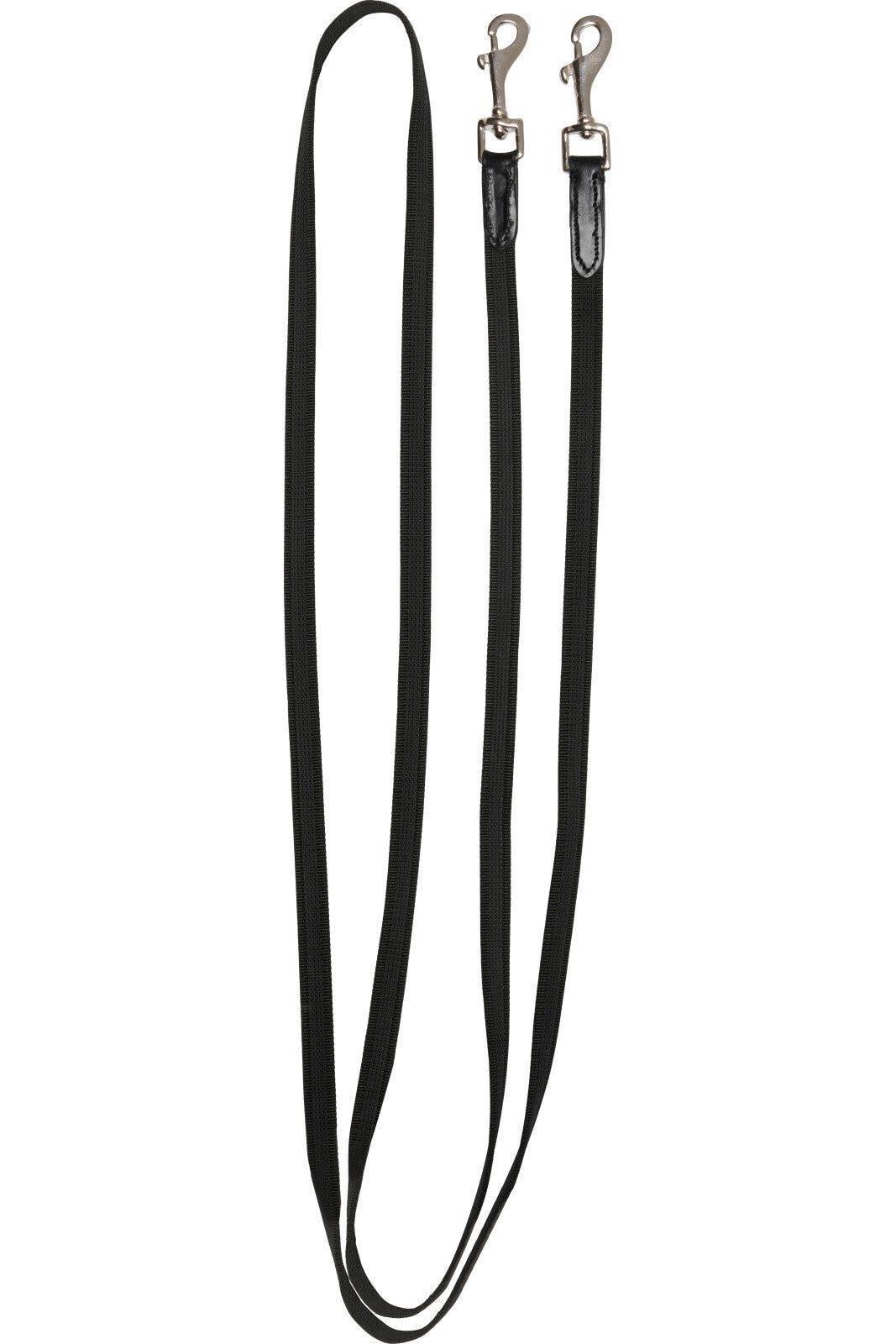
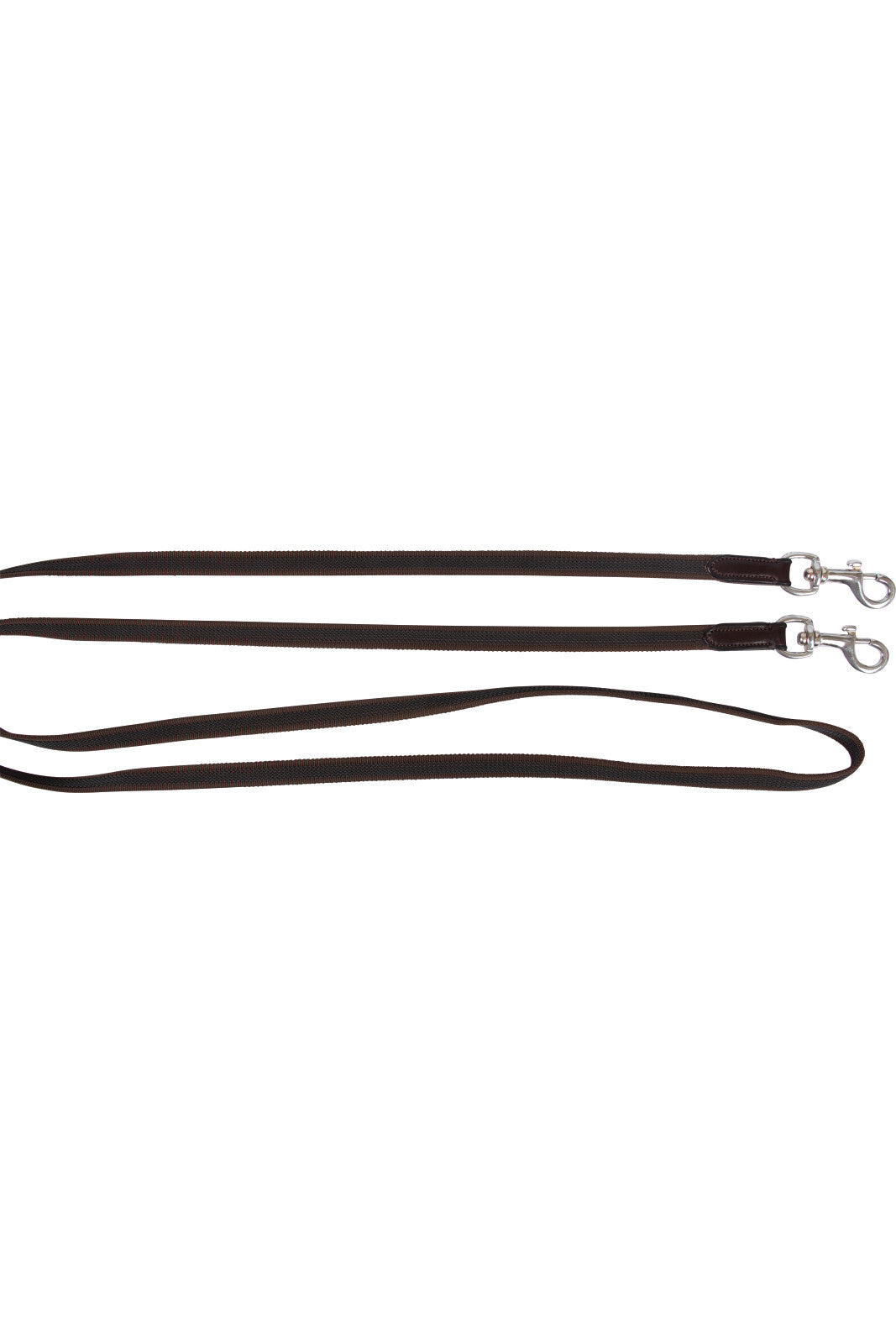
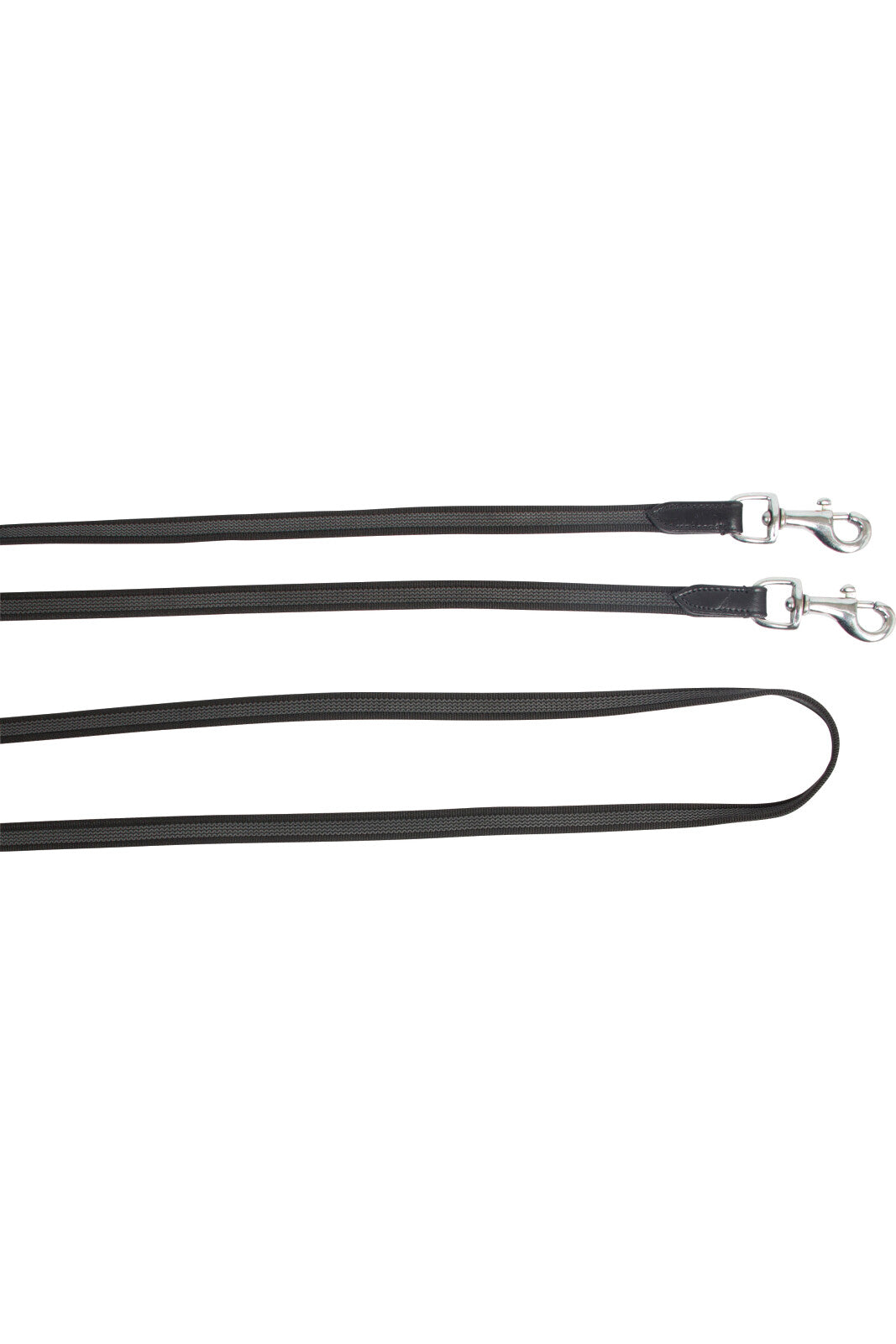
Don’t forget the reins for your Icelandic bridle
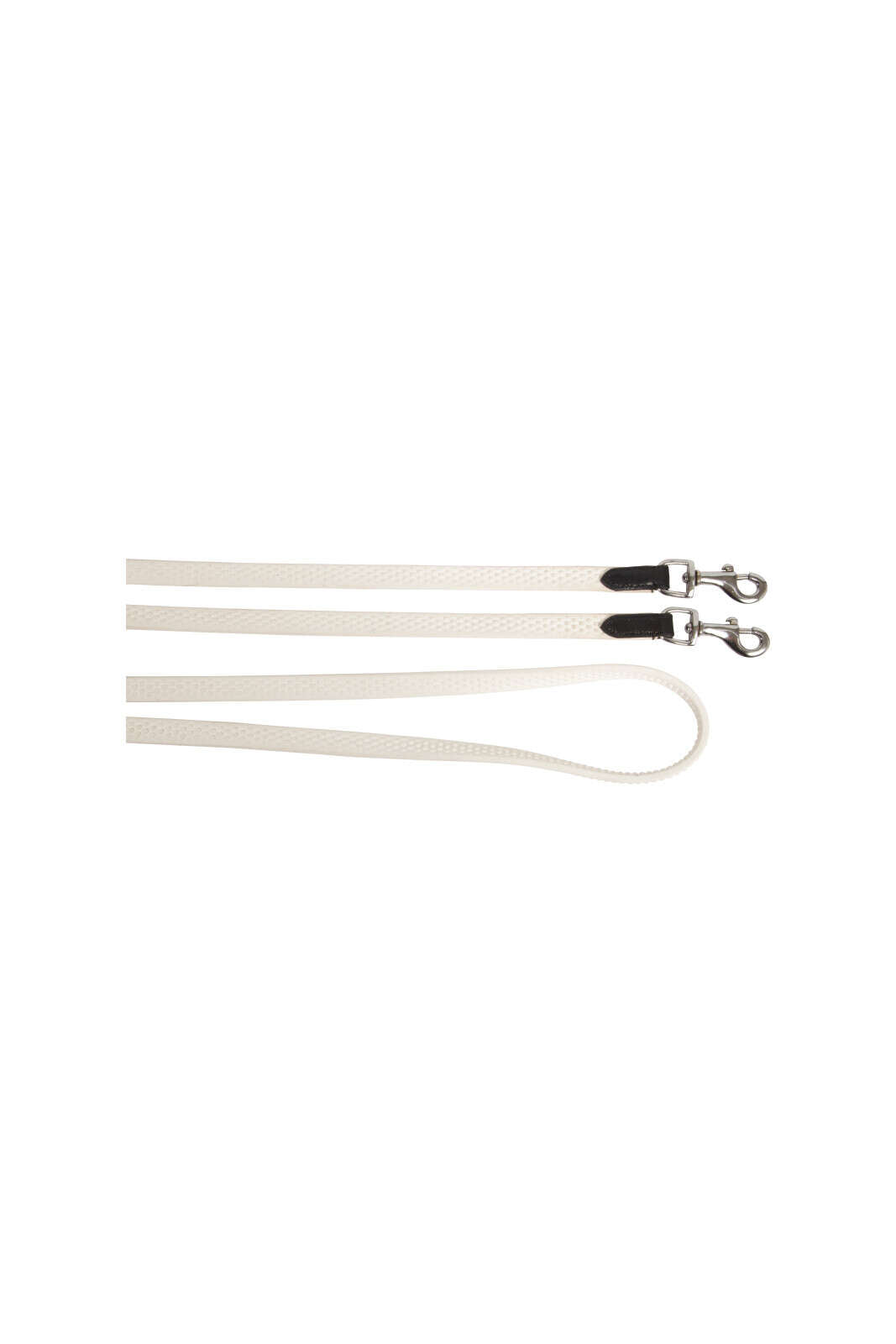
When choosing a bridle, you should also check what comes with it. An Icelandic bridle isn’t necessarily sold with reins - the Catago Classic, for example, comes without them.
That’s why you’ll also find various reins for Icelandic horses in the collection.
This also allows you to choose reins separately based on the contact and grip you prefer, rather than being limited to the set that may come with the bridle.
Find the right Icelandic horse bridle at Unamari
When choosing an Icelandic horse bridle, we recommend prioritizing fit over details and appearance. Start with the horse’s head and pay particular attention to the space around the ears and cheekbones, the position of the noseband, and the adjustment options around the bit.
If you’re looking for a simple and traditional solution, a classic leather bridle is an excellent starting point. If, on the other hand, your horse needs more space around certain areas, it’s worth taking a closer look at an anatomical model or putting together a bridle with a separate noseband and headstall.
At Unamari, you’ll find both complete Icelandic bridles and individual components that allow you to customize the bridle - ensuring it fits your horse, your Icelandic saddle pad and the rest of your Icelandic riding gear.