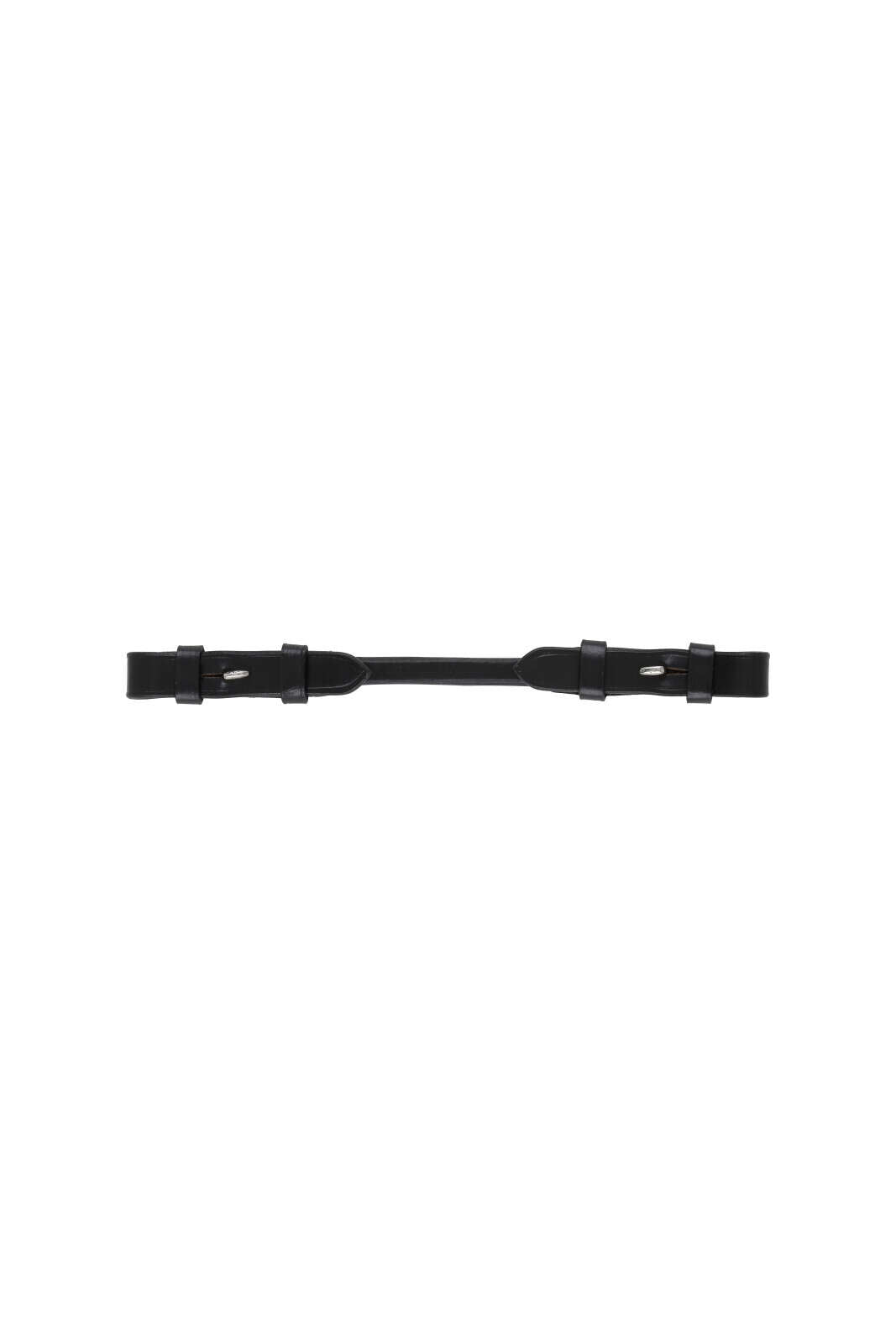
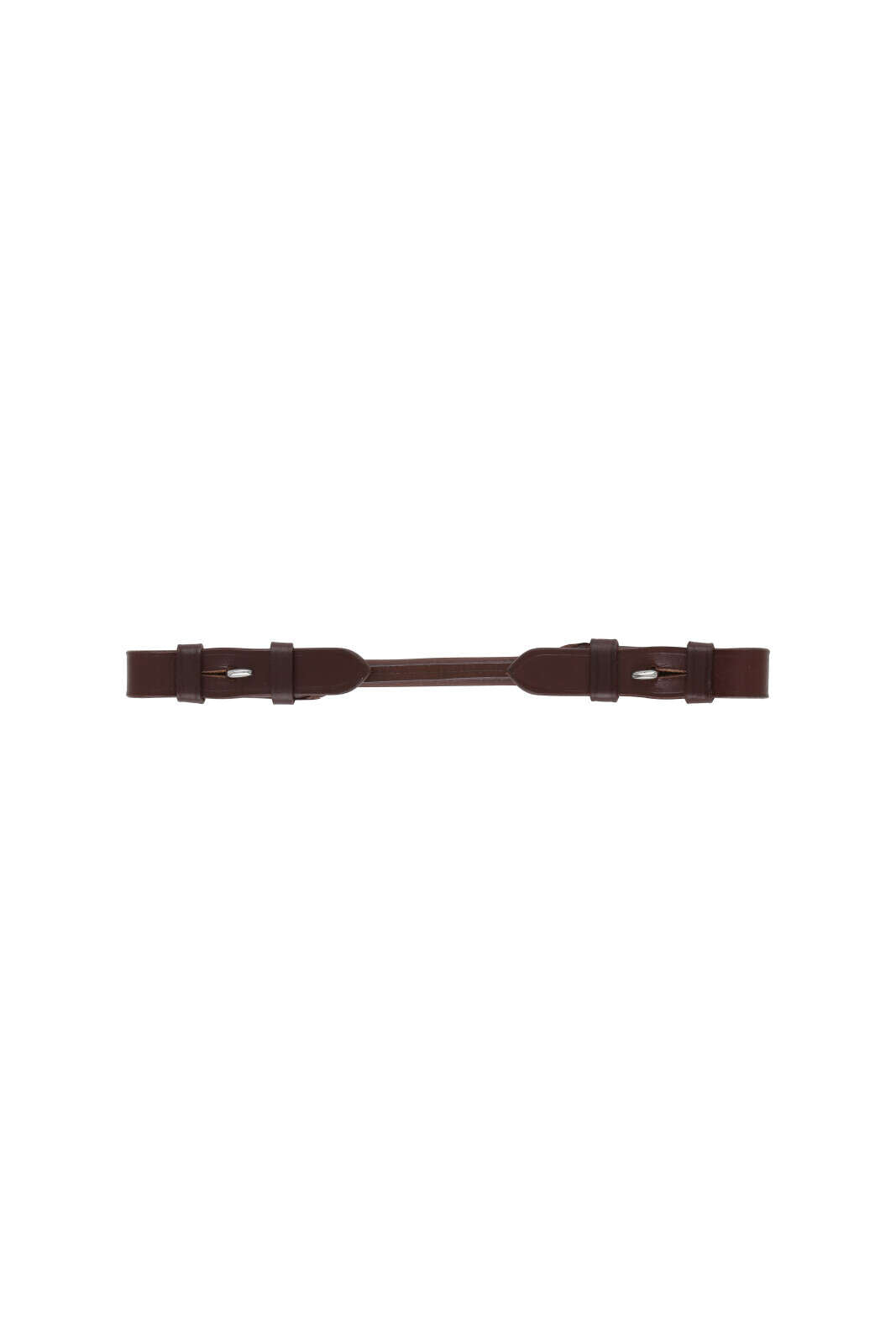
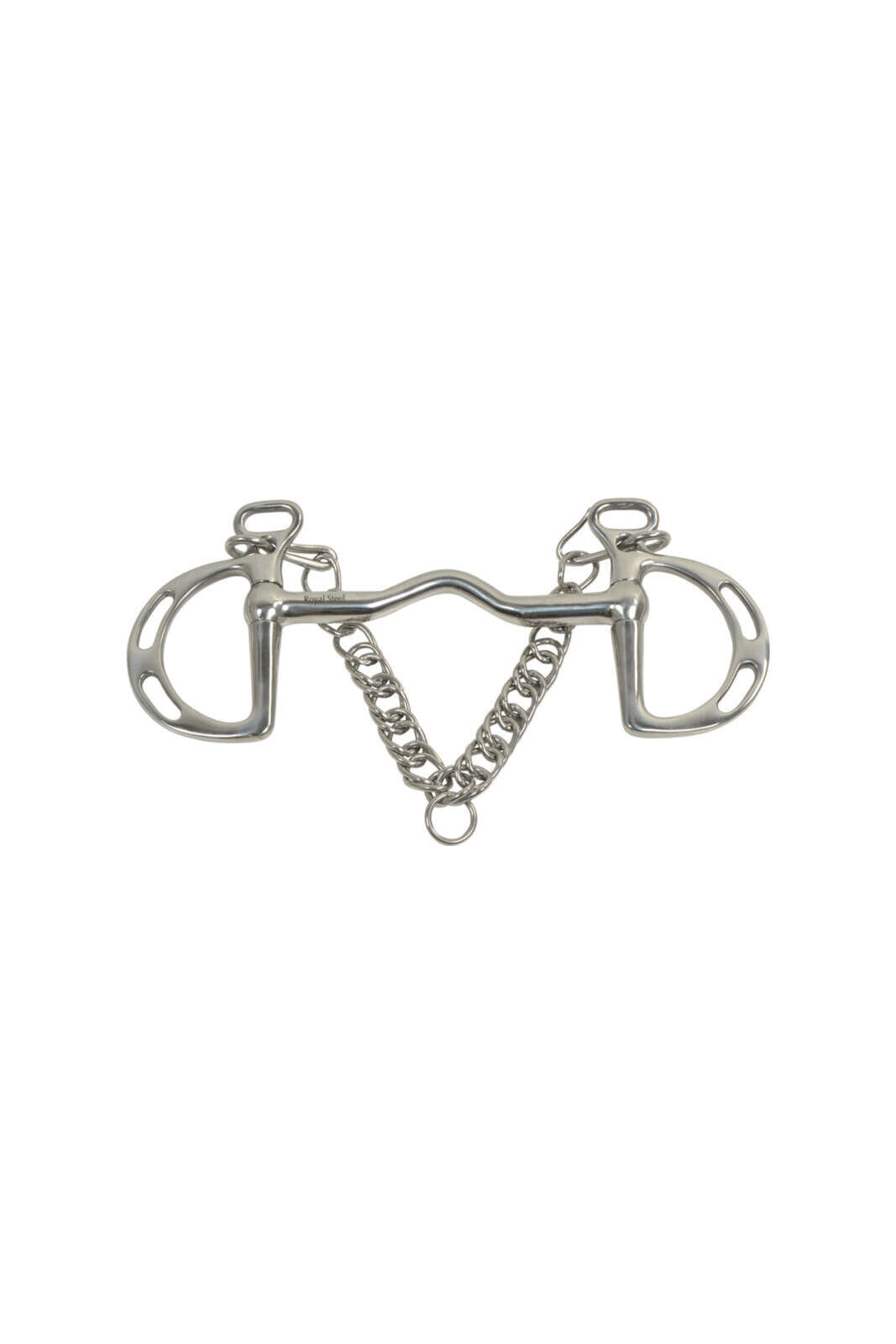
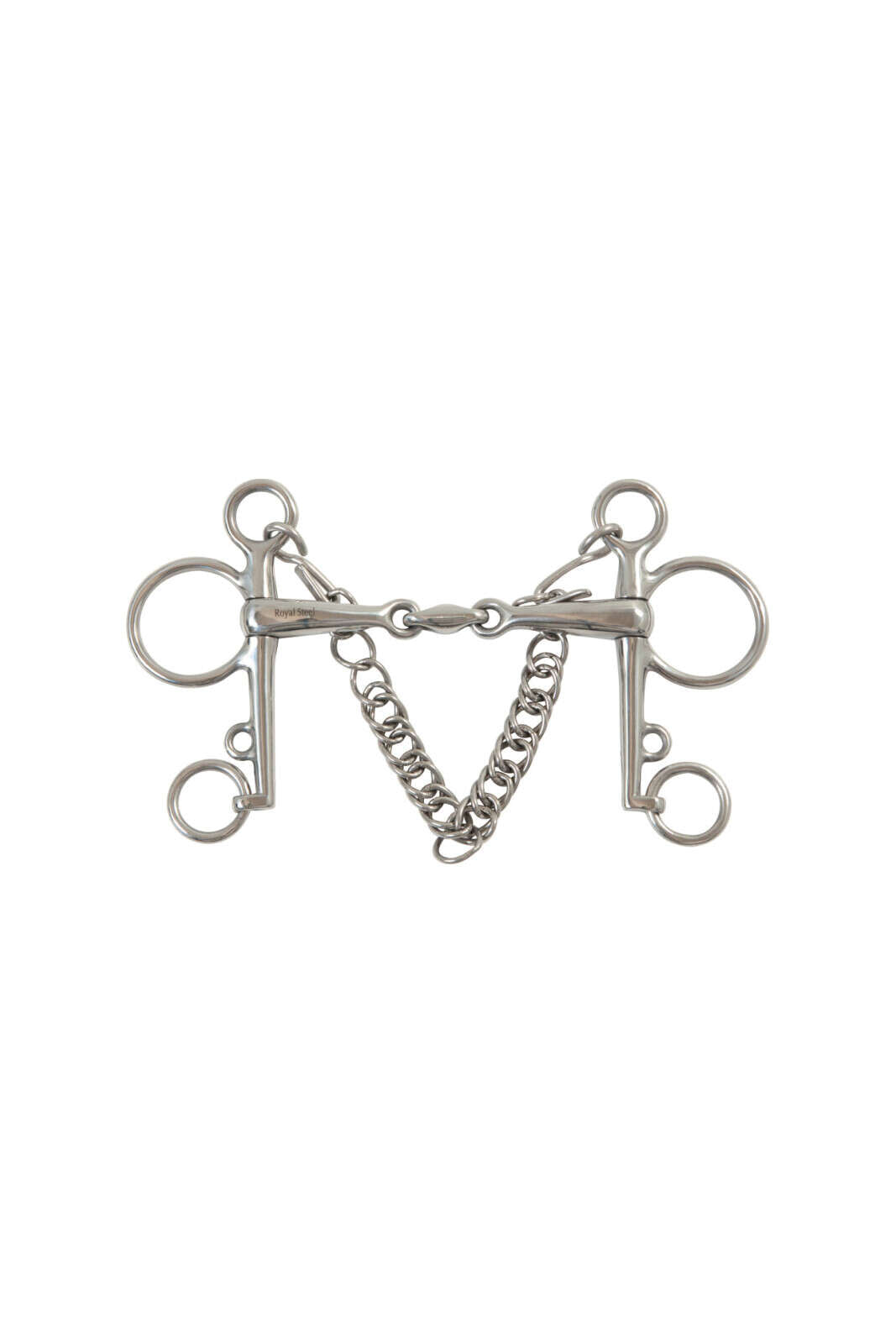
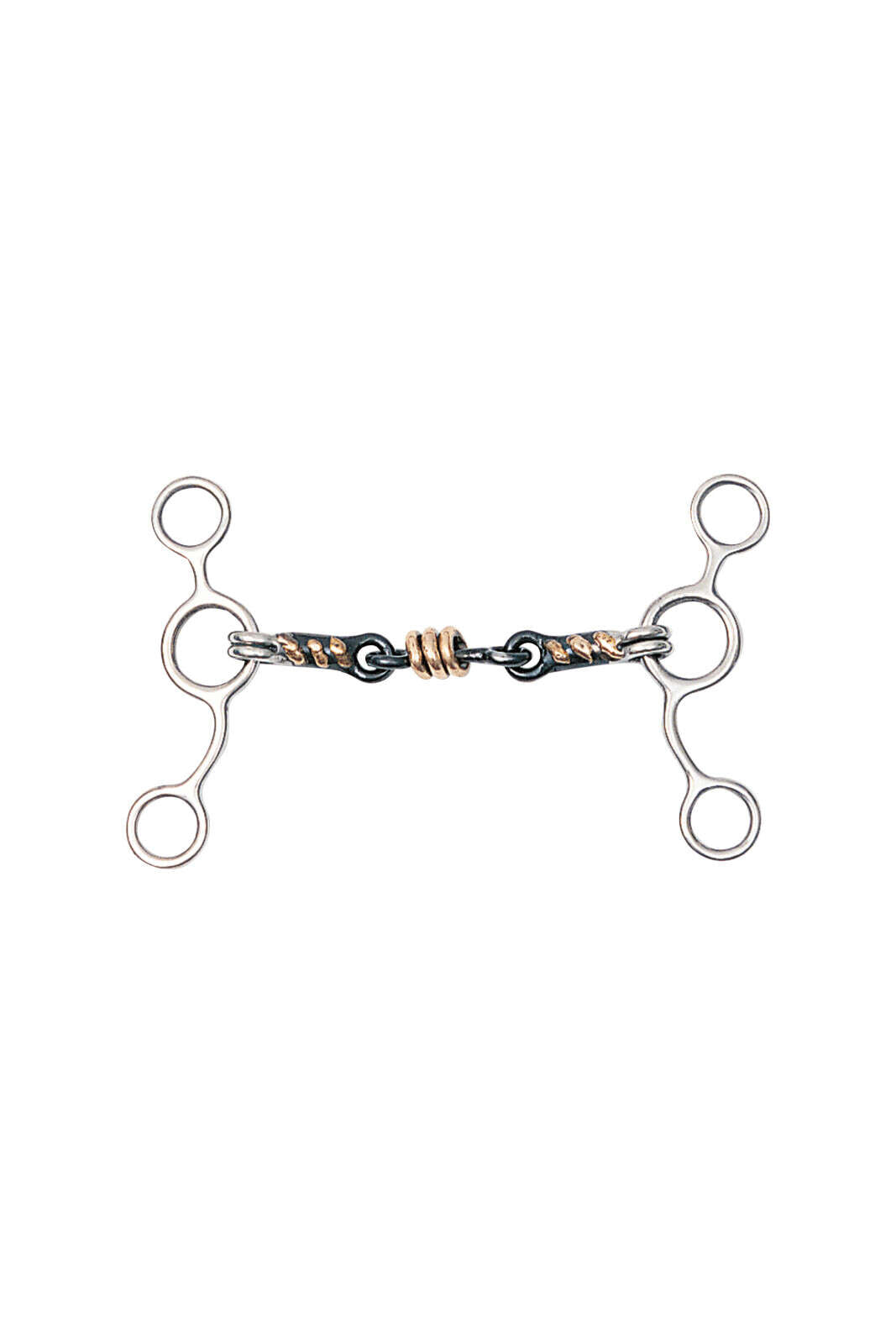
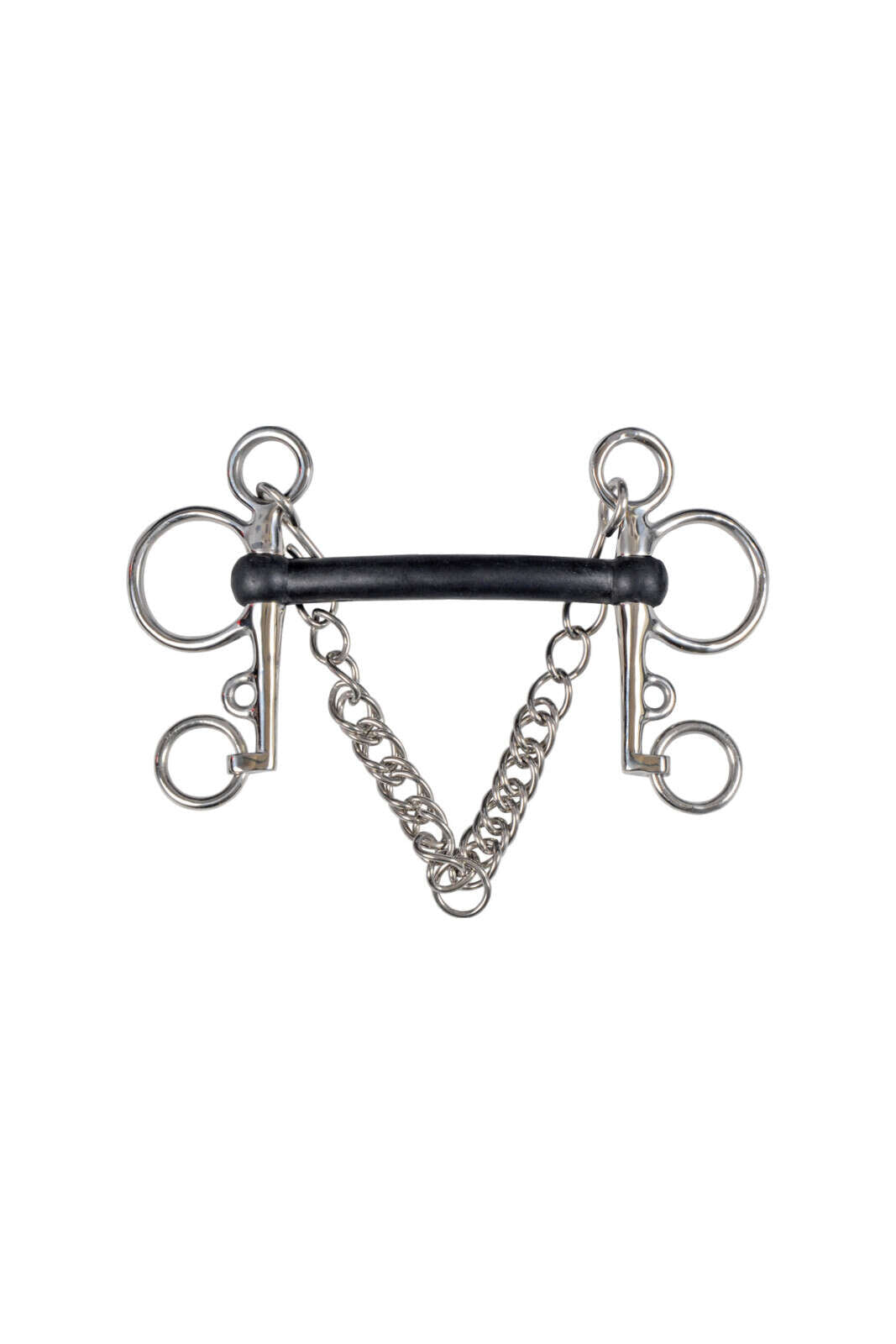
At Unamari, we offer an exclusive range of pelham bits from our own brand, Horse Guard - developed, tested and fine-tuned by riders who understand the balance between impact and comfort. A pelham bit isn't just a stronger alternative; it's a tool for higher-level communication between horse and rider.
Whether you're jumping, training a horse that hangs on the rein, or need extra fine-tuning in work, a horse pelham bit can help you achieve better obedience and balance, without compromising your horse's well-being.
What is a pelham bit?
A pelham bit combines elements of both the bridle and pole bit and allows for differential pressure via one or two reins. When the rider activates the rein, the pressure propagates through the mouthpiece, bridle and cheek chain to the horse's tongue, jaw and neck - creating a precise signal that the horse can clearly feel.
A pelhambid is often used:
- For horses with strong drive or low obedience.
- When the horse bites, hangs on the rein or does not respond to a regular bit.
- In show jumping where precision and response are essential.
- When the rider needs a sharper bit, but still with the possibility of fine-tuning.
Baby pelham bit
A baby pelham bit has shorter shanks and thus provides a more balanced and gentle pressure. It is suitable for both pony and horse, especially young, sensitive or inexperienced animals that need to learn signals without feeling overwhelmed.
3-piece pelham bit
A 3-piece pelham bit is a popular choice among riders who want a more flexible and anatomically adapted solution for their horse or pony. Unlike the classic straight pelham bit or 2-piece models, the 3-piece mouthpiece has two joints and a center part, which allows the bit to shape better around the horse's tongue and palate. This reduces pressure to a single point and distributes it more evenly in the horse's mouth, making it softer and more forgiving.
Advantages of 3-piece Pelhambid:
- Increased comfort for horses with palate sensitivity or low palatal vault.
- Less risk of tongue pinching compared to 2-part bites
- Gives more mobility in the mouthpiece, allowing the horse to chew and relax more easily.
- Suitable for horses that do not thrive on sharp bites or firm pressure.
This type of pelhambid can be used in both jumping and training where you need the combination of sharpness and sensitivity.
Mouthpiece variations - find the right solution for your horse
Aside from the articulation itself, the mouthpiece has a big impact on how the bit is experienced by the horse. At Unamari we offer several variations so you can find the most suitable:
- Portet 3-piece pelham: Has a slight arch in the middle that releases pressure on the tongue and gives more space in the palate. Especially suitable for horses with a low palate or that react negatively to tongue pressure.
- Copper centerpiece: Copper stimulates saliva production, makes the bite more "alive" and can improve acceptance in horses that are stiff or cold in contact.
- Rubber coated mouthpiece: A gentler version for horses with sensitive mouths or beginners - combined with the 3-part design you get a soft but effective bite.
- Thin vs. thick mouthpiece: Thin mouthpieces provide more precise pressure distribution, while thicker mouthpieces provide more flatness and are therefore gentler but can be too harsh in a small mouth.
Tips for correct fit
An anatomically correct pelhambid shell:
- Fit true to size - measured from corner of mouth to corner of mouth
- Lay evenly in the horse's mouth, without warping or pinching
- Give room for the tongue without pressing up into the palate
- Adjust correctly in the cheek chain, so it doesn't pull the bit crooked or cause discomfort
No matter which variant you choose, the bit should be adapted to the horse's anatomy and needs. Our team at Unamari is ready to help you with advice to find the right pelhambid, whether it's for a sensitive pony or an experienced jumper.
How to choose the right pelhambid
A properly fitted pelhambid creates balance and avoids conflict in training. Here's what you need to consider:
- Size: Measure from the corner of the mouth to the corner of the mouth - the bit must not pinch or slip.
- Material: Choose from metal like stainless steel, copper or rubber.
- Use pattern: If you ride with two reins, experience is recommended - otherwise delta is a good aid.
It's important that you choose the right pelham bit when buying new. The bit sits in the horse's mouth, which is one of its most sensitive areas, so choosing the wrong bit or the wrong size can have a big impact on the horse's behavior.
Pelham bit benefits
A pelham bit is a versatile and effective bit that can give the rider both increased control and precise signaling - without compromising the horse's comfort when used correctly. Here are the key benefits:
- Combined signaling
Enables both direct and indirect signals via two reins - or one delta - giving the rider flexibility and nuanced contact.
- Improved control
Effective for horses that hang on the reins, pull in the hand or don't respond to milder bit types.
- Better balance and lift
Helps the horse find correct posture and rhythm - especially in jumping and technically demanding riding.
- Suitable for strong or forward horses
Particularly useful in situations where the horse has a lot of energy or "runs out of hand".
- Suitable for competition and training
Although pelhambid is not allowed in dressage (according to DRF and FEI), it can be used in jumping and is therefore popular among competition and hobby riders who want precision.
- Intelligent tool when used correctly
When adapted to the horse correctly and used with sensitivity, the pelham bit can be an excellent tool to strengthen the cooperation between rider and horse.
What should you be aware of with the Pelhambid?
When choosing and using a Pelhambid, there are several important things you should pay particular attention to:
- Pelhambid is a sharper bit
It reinforces the rider's hand signals via the pasterns and cheek chain and therefore requires a steady, sensitive and experienced hand. It should not be used as a "quick fix" for behavioral problems.
- Fit is crucial
The bit must fit in size. It should neither be too small (pinching) nor too big (slipping). The cheek chain should be adjusted so that it is neither too tight nor too loose.
- Consider the horse's anatomy
Select the mouthpiece according to the horse's needs. Horses with a low palate or sensitive tongue may do better with a 3-piece pelham, gate mouthpiece or softer materials like rubber.
- Reactions should be observed closely
Signs of discomfort include open mouth, head shaking, excessive chewing or resistance to the rein. These may indicate that the bit does not fit, is too sharp or is being used incorrectly.
- Pelham is not approved for dressage
According to DRF and FEI, pelhambid cannot be used in dressage classes, but it is allowed in jumping.
- Pelhambid is a tool - not a solution in itself
The bit must be used with respect for the horse's anatomy and psychology. Improper use can lead to resistance, stress or unwanted behavior
Fast delivery of Pelhambid at Unamari
Are you looking for a Pelhambid right now? We have several different options here in the shop and we deliver directly to your address, so you can quickly have the pelhambid in hand and start riding again. If you have any questions about our pelhambid or other horse equipment, you are always welcome to contact us. We have a whole team of horse lovers ready to help you.