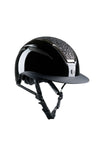
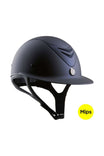
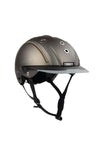
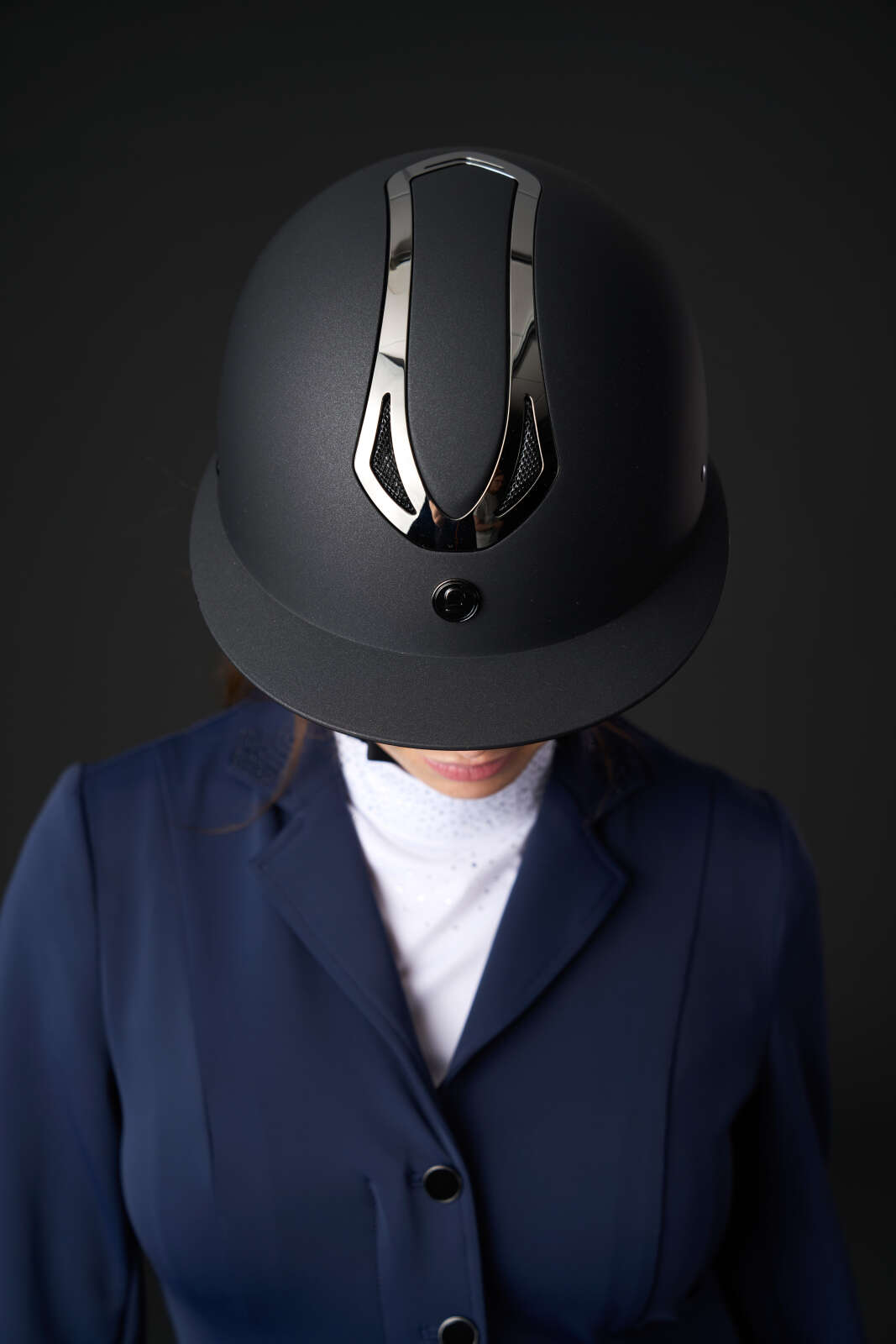
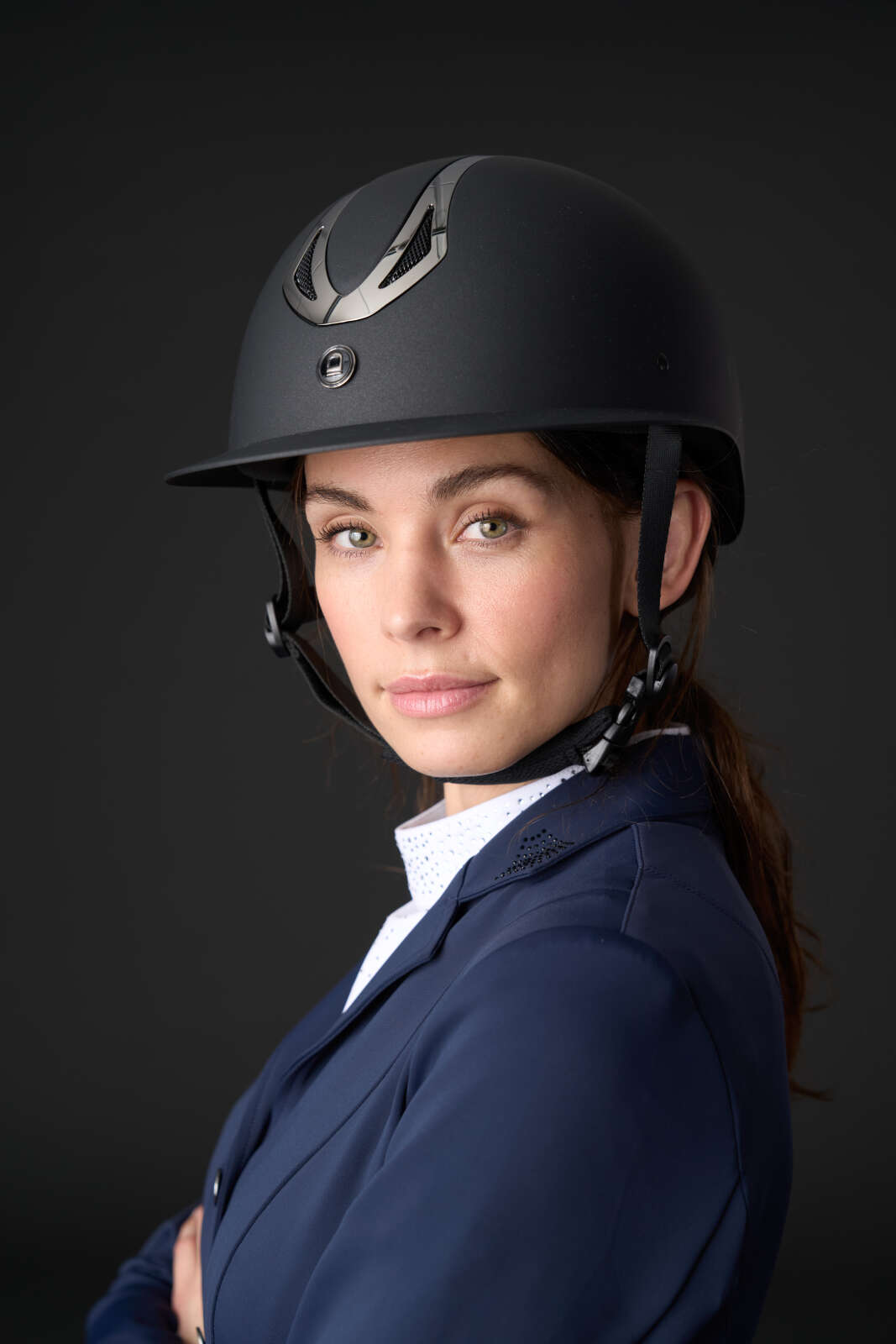
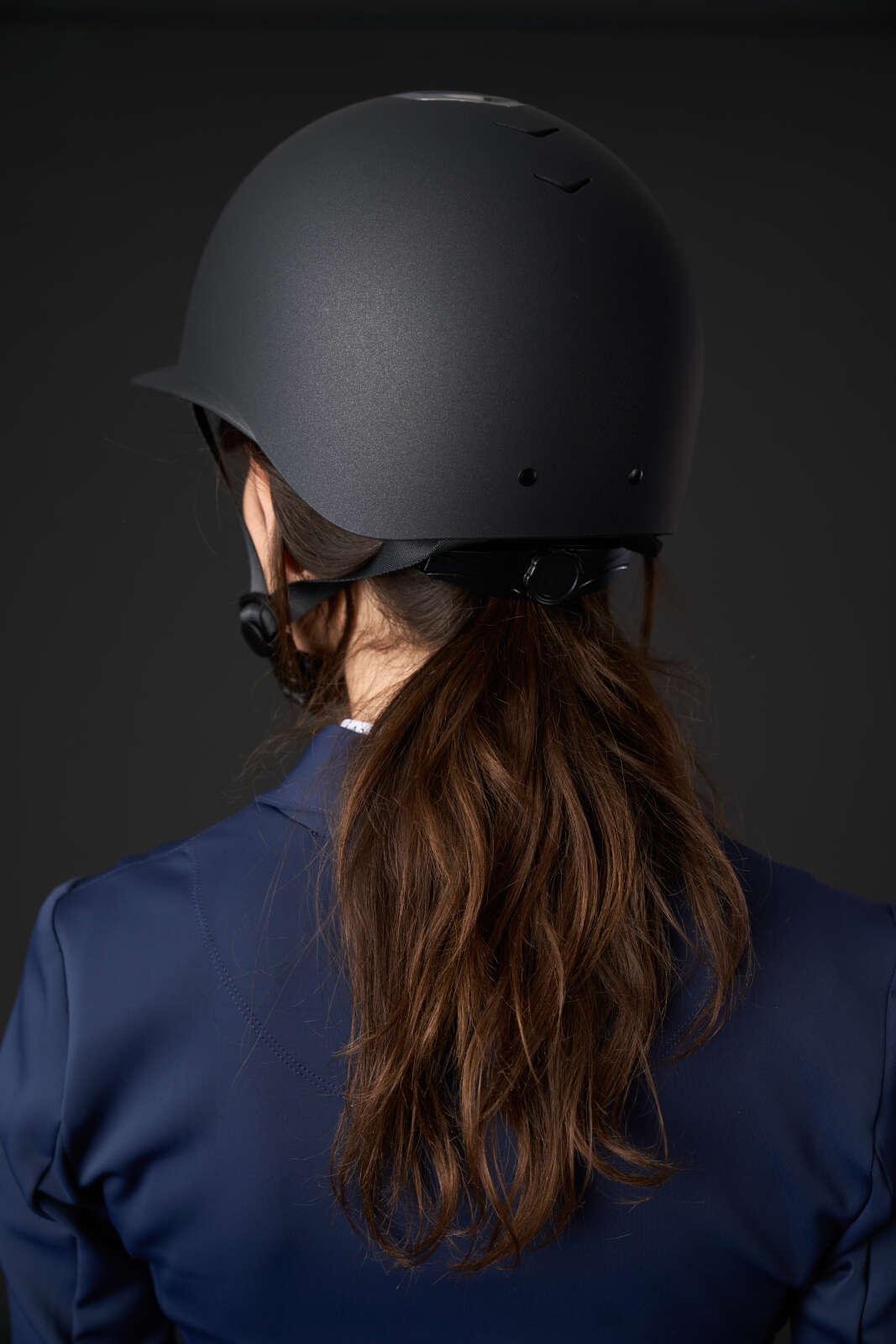
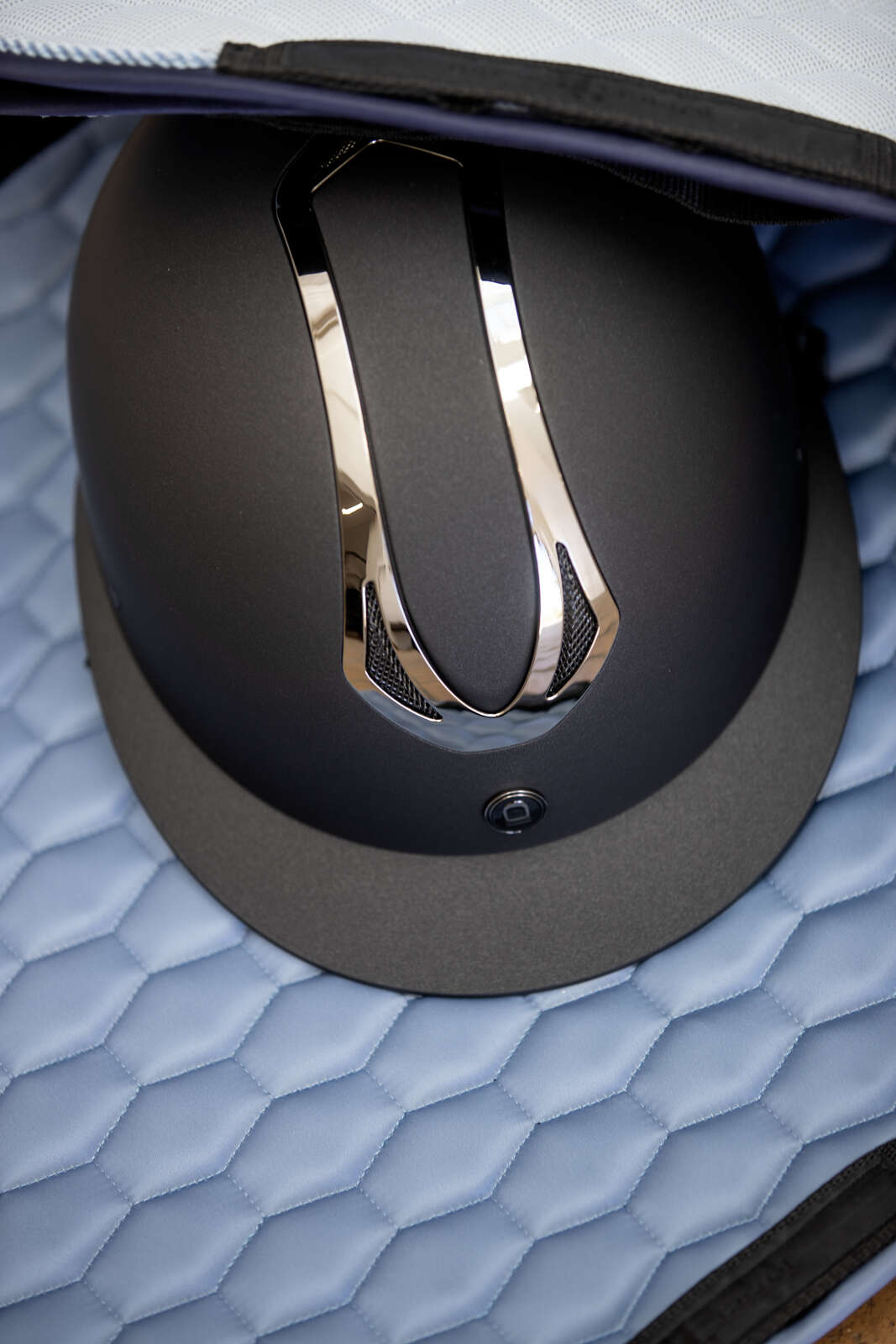
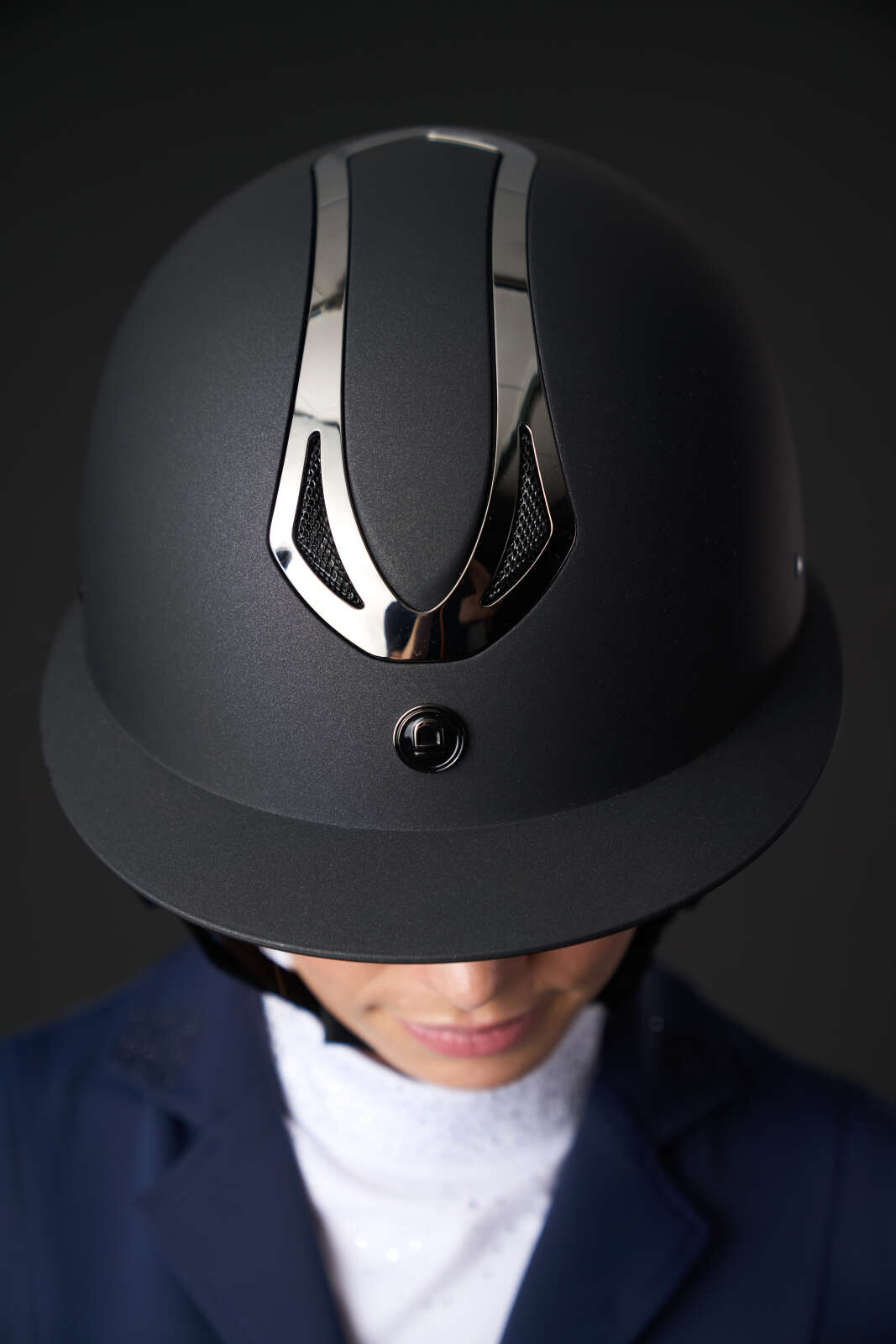
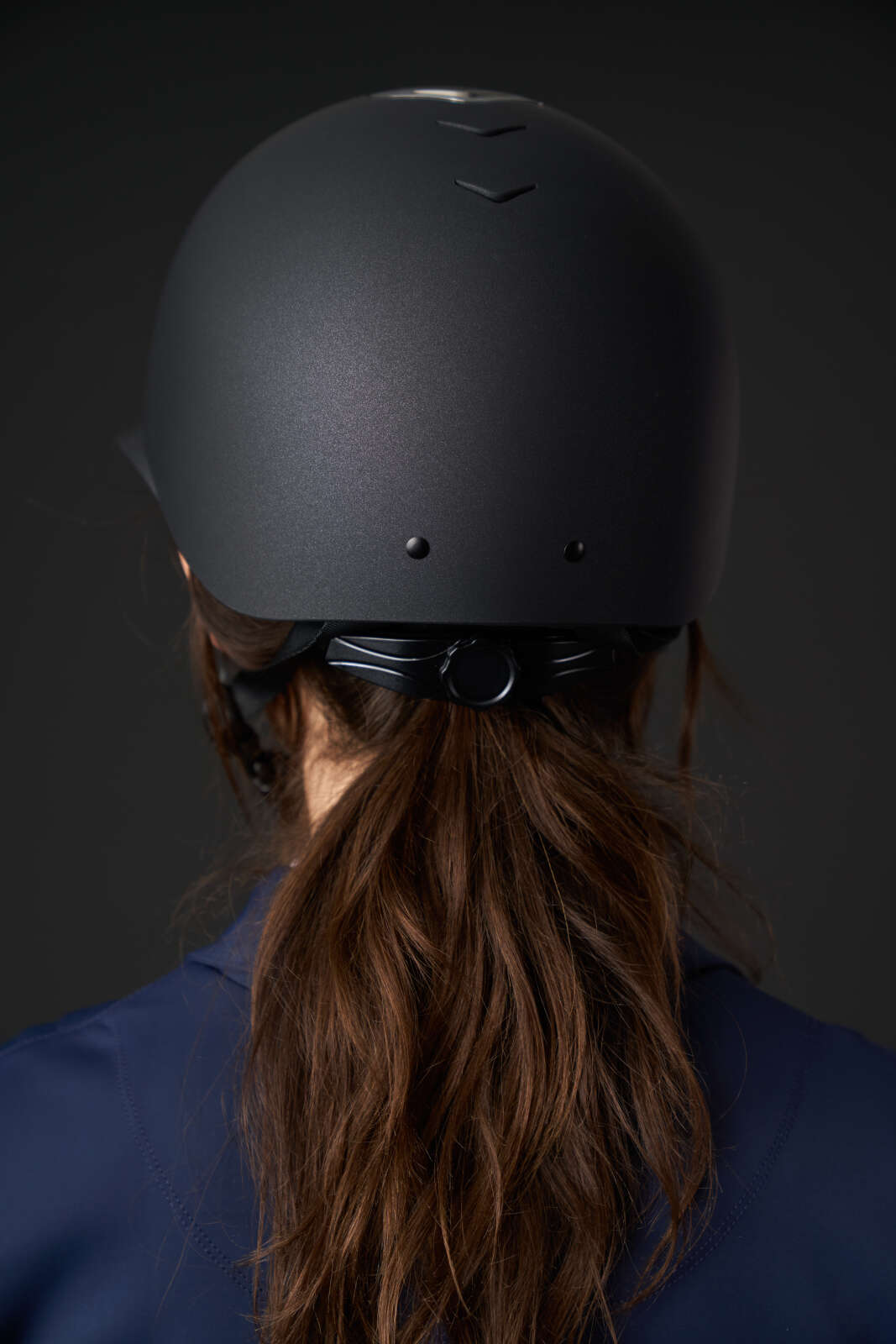
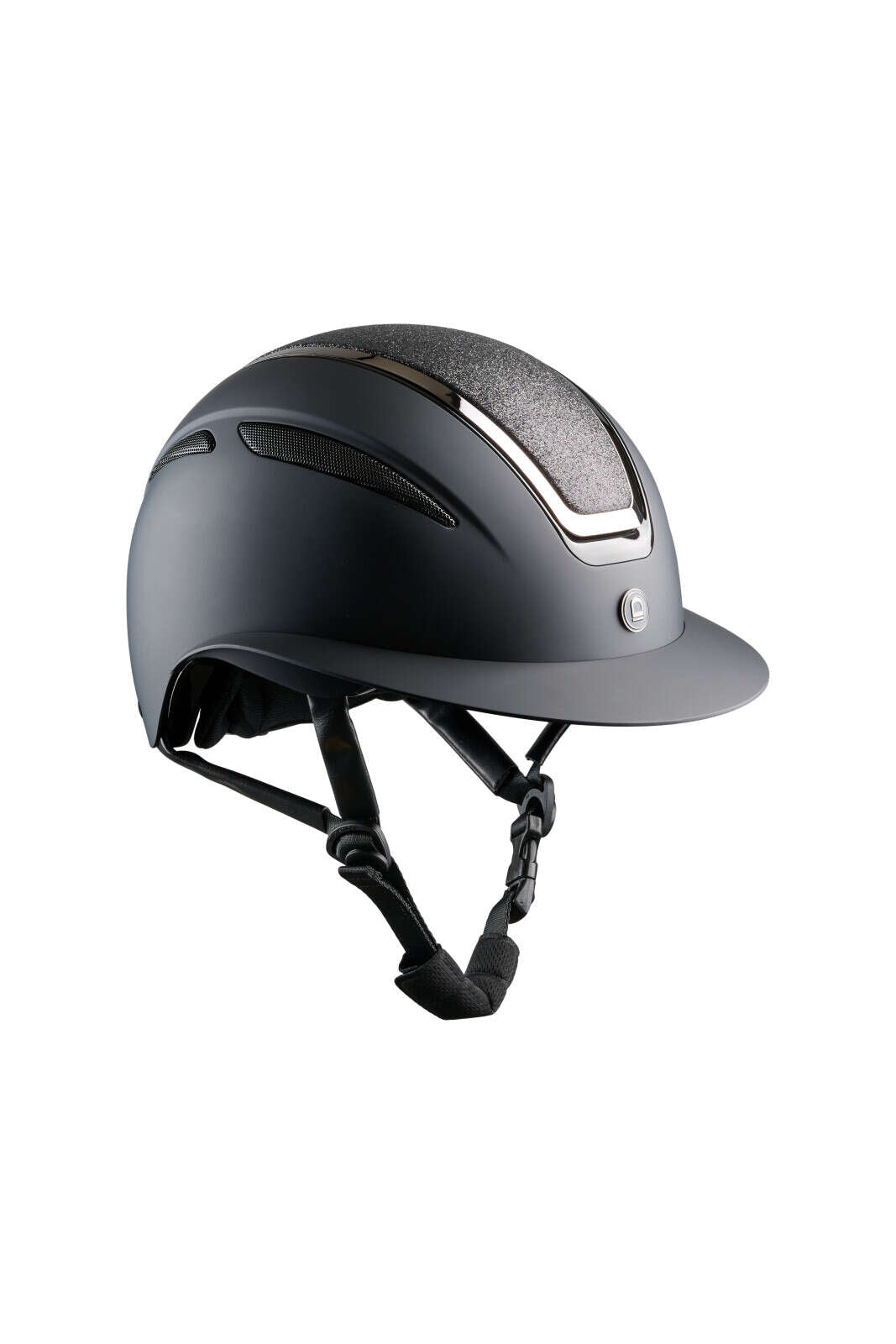
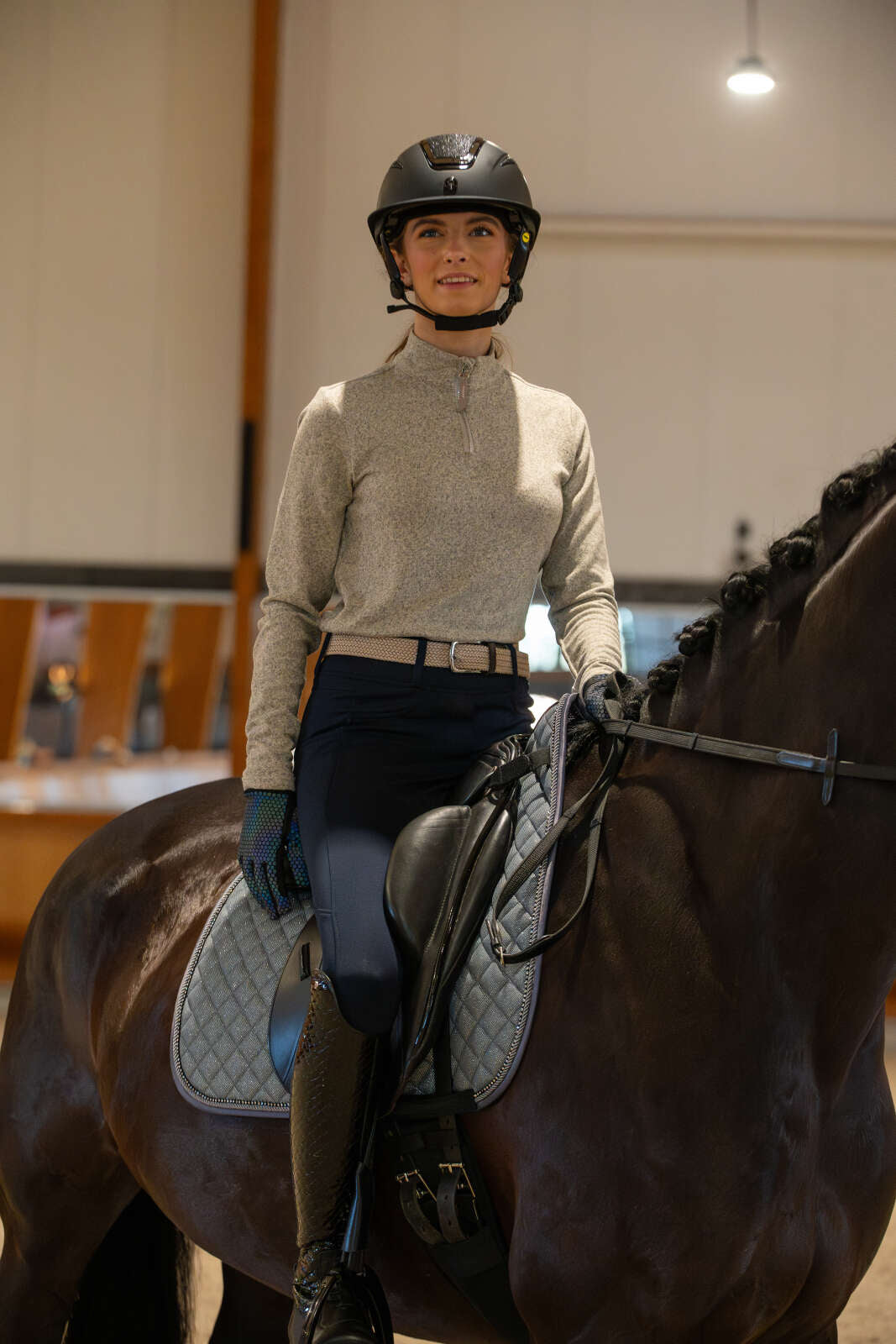
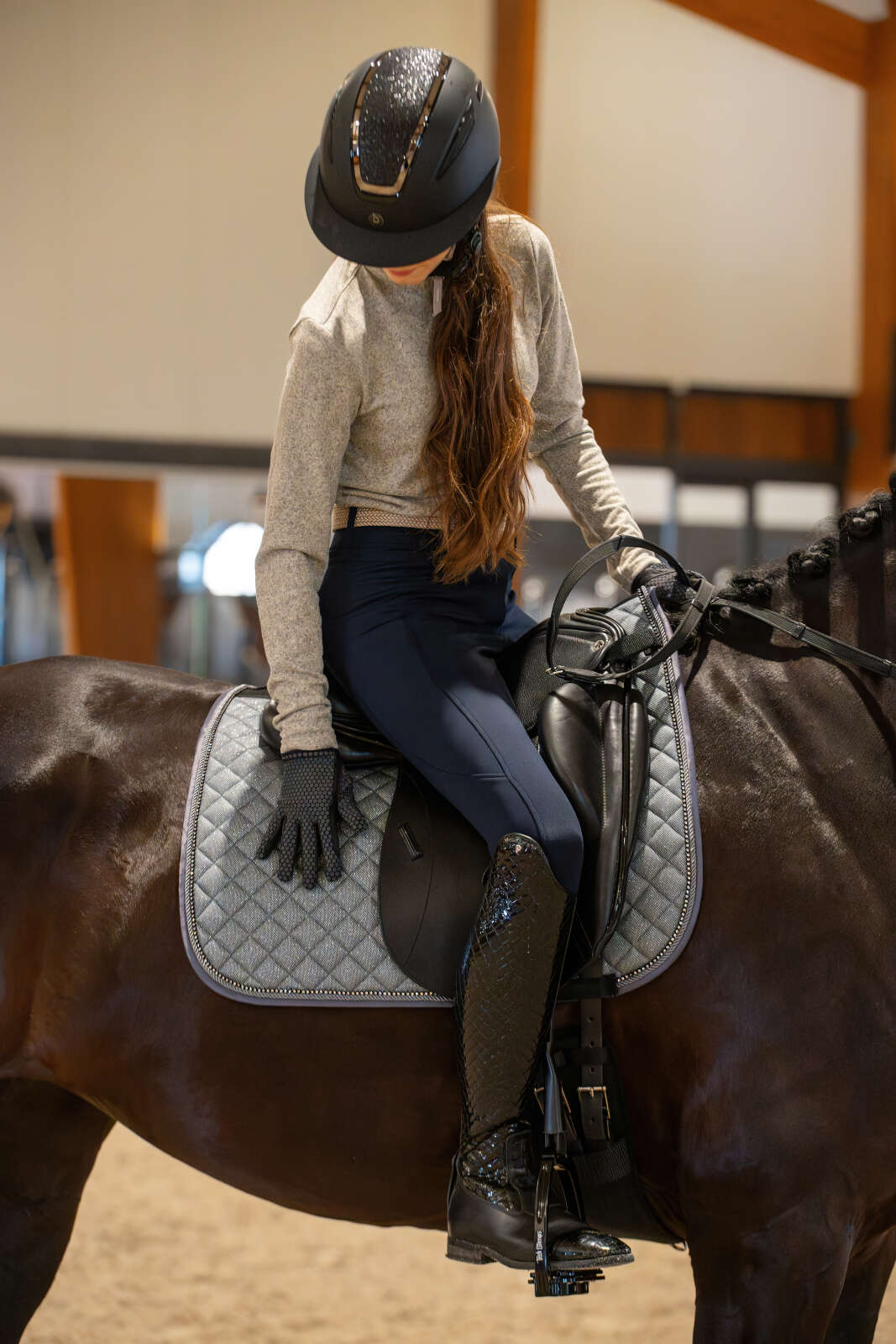
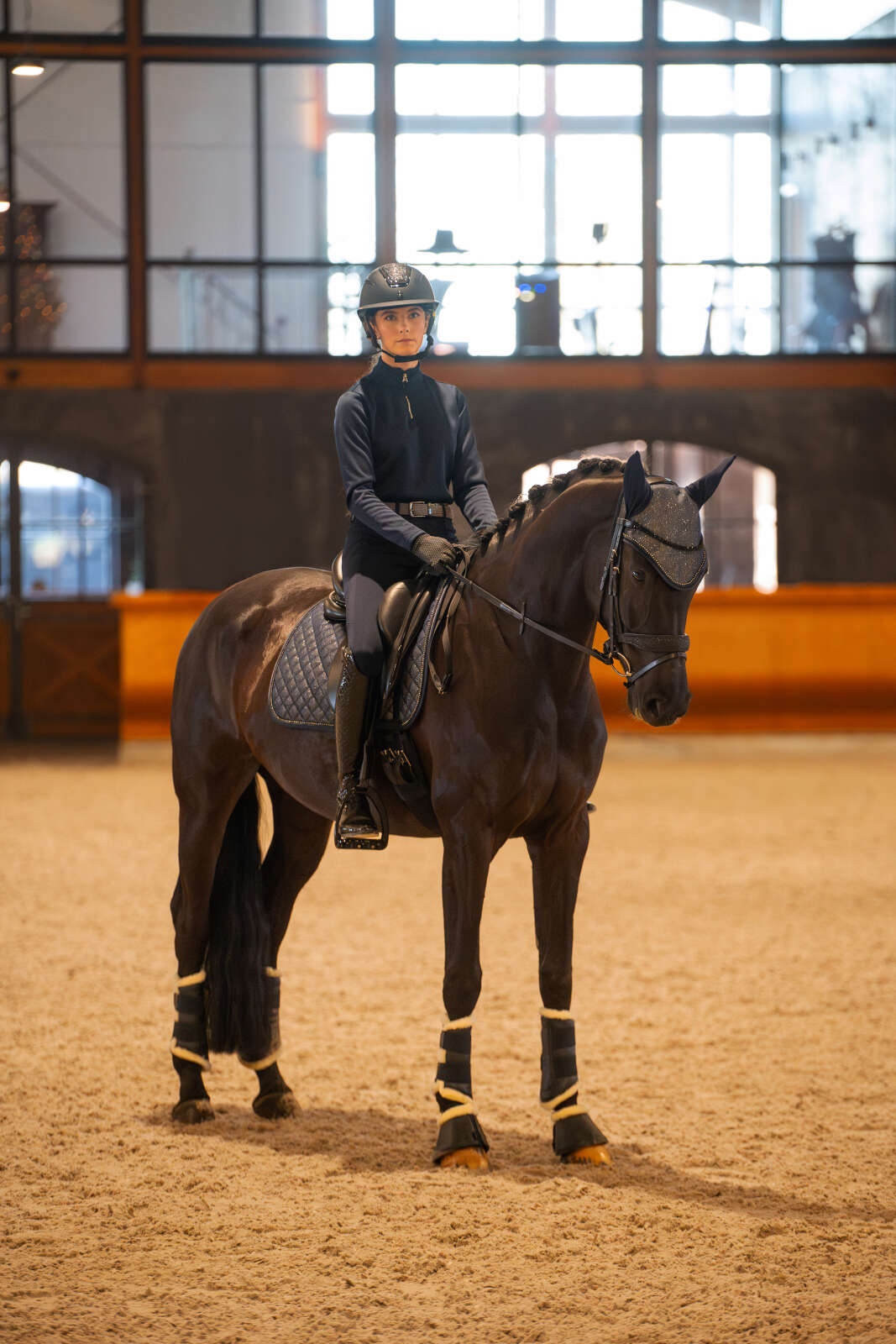
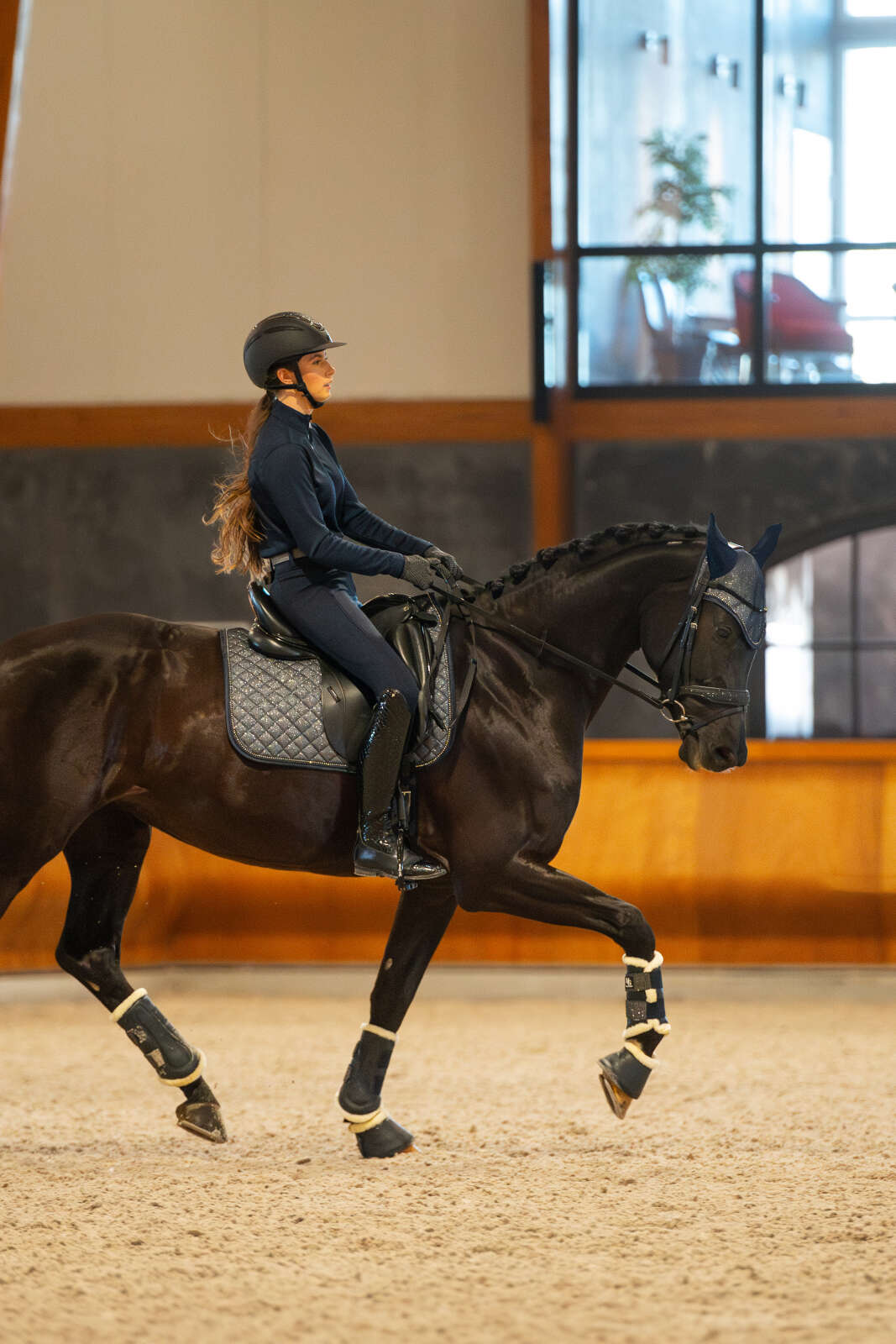
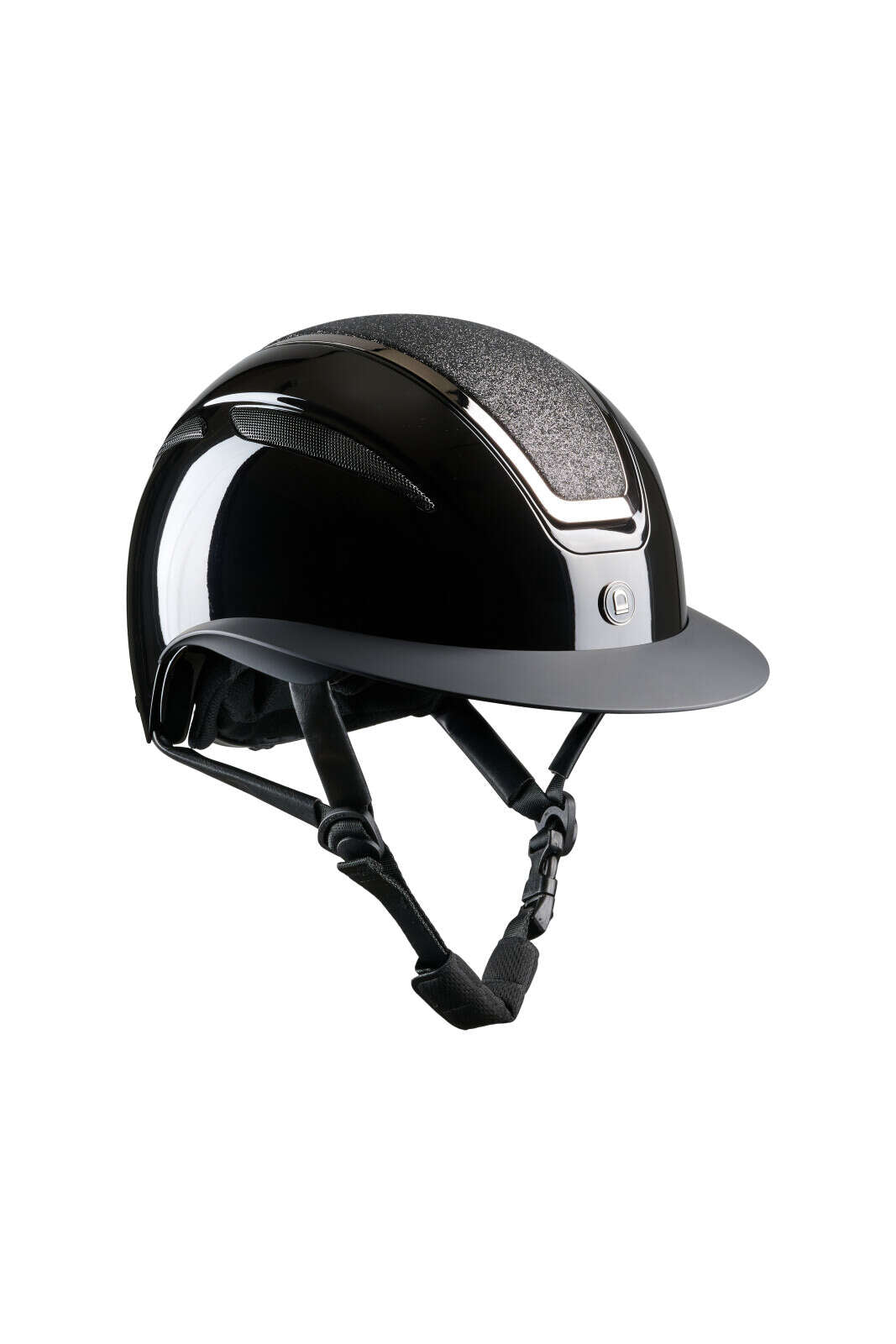
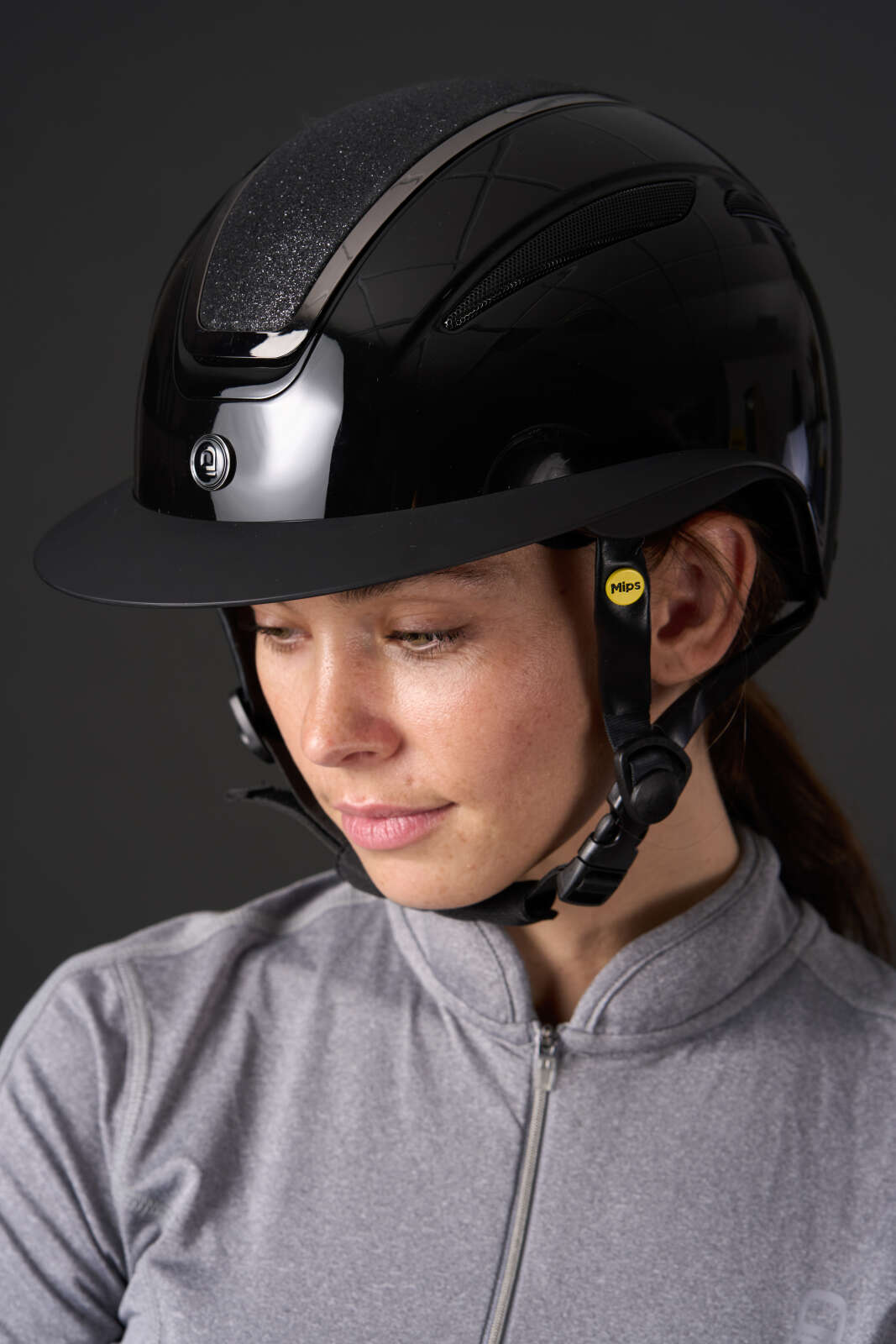
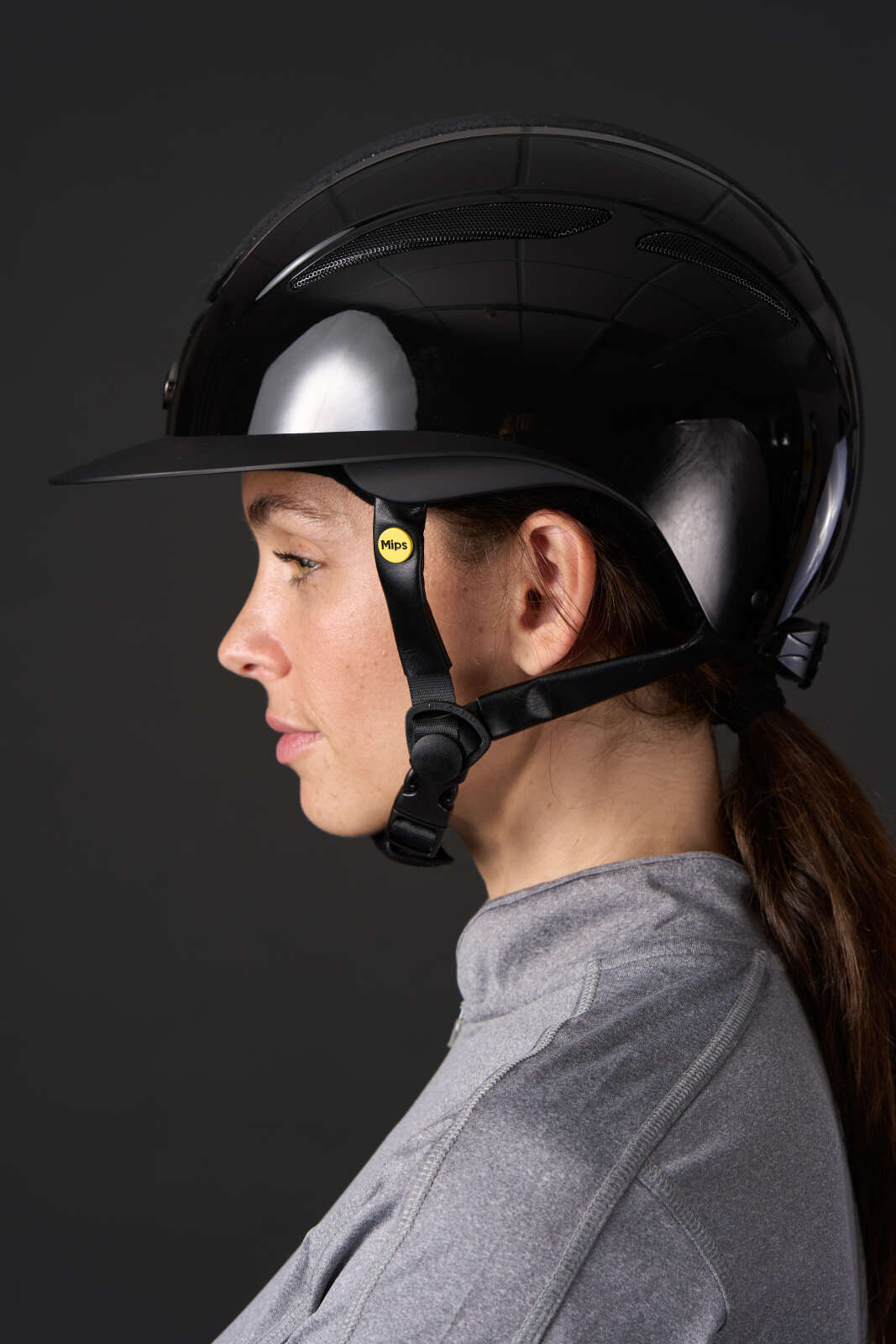
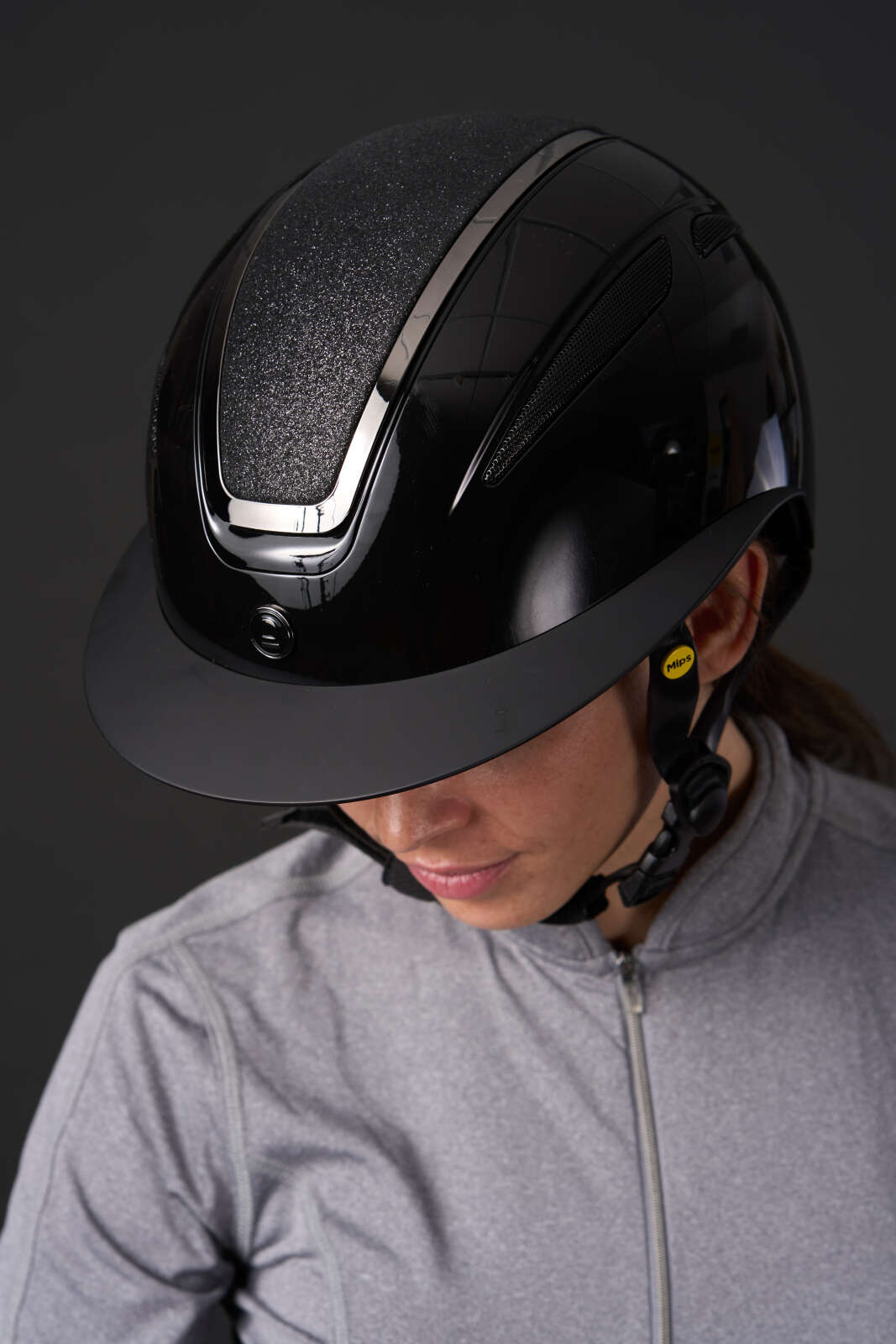
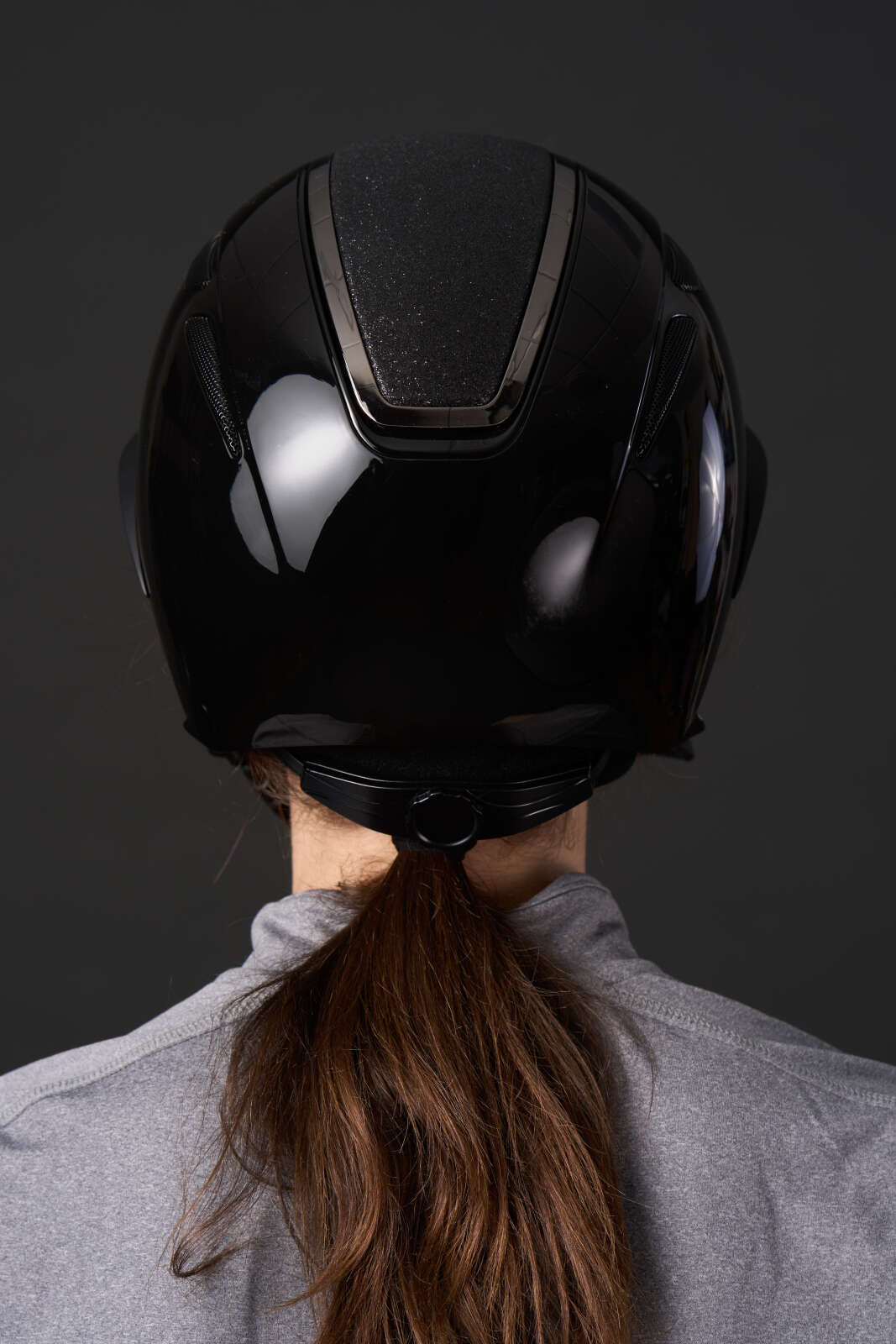
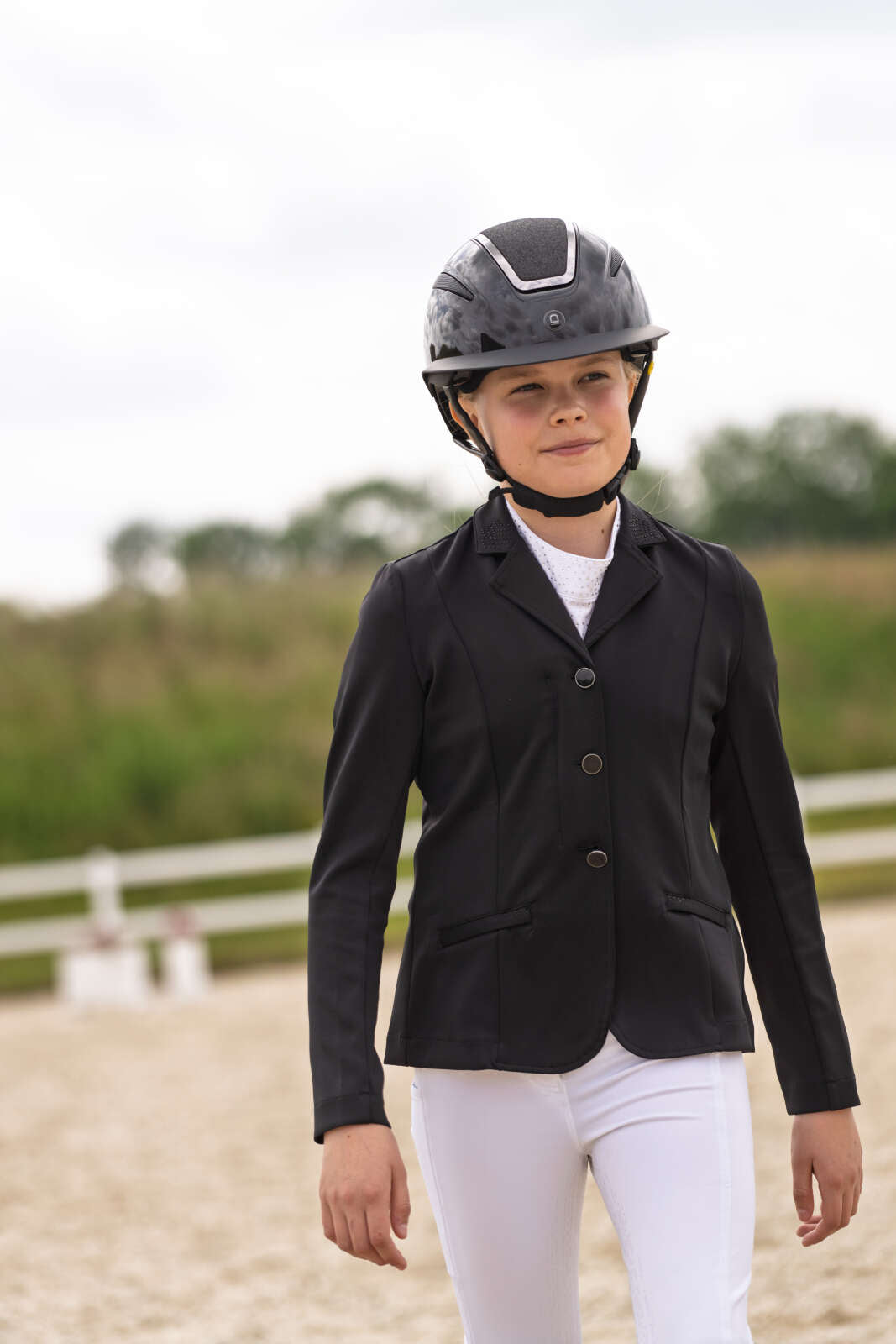
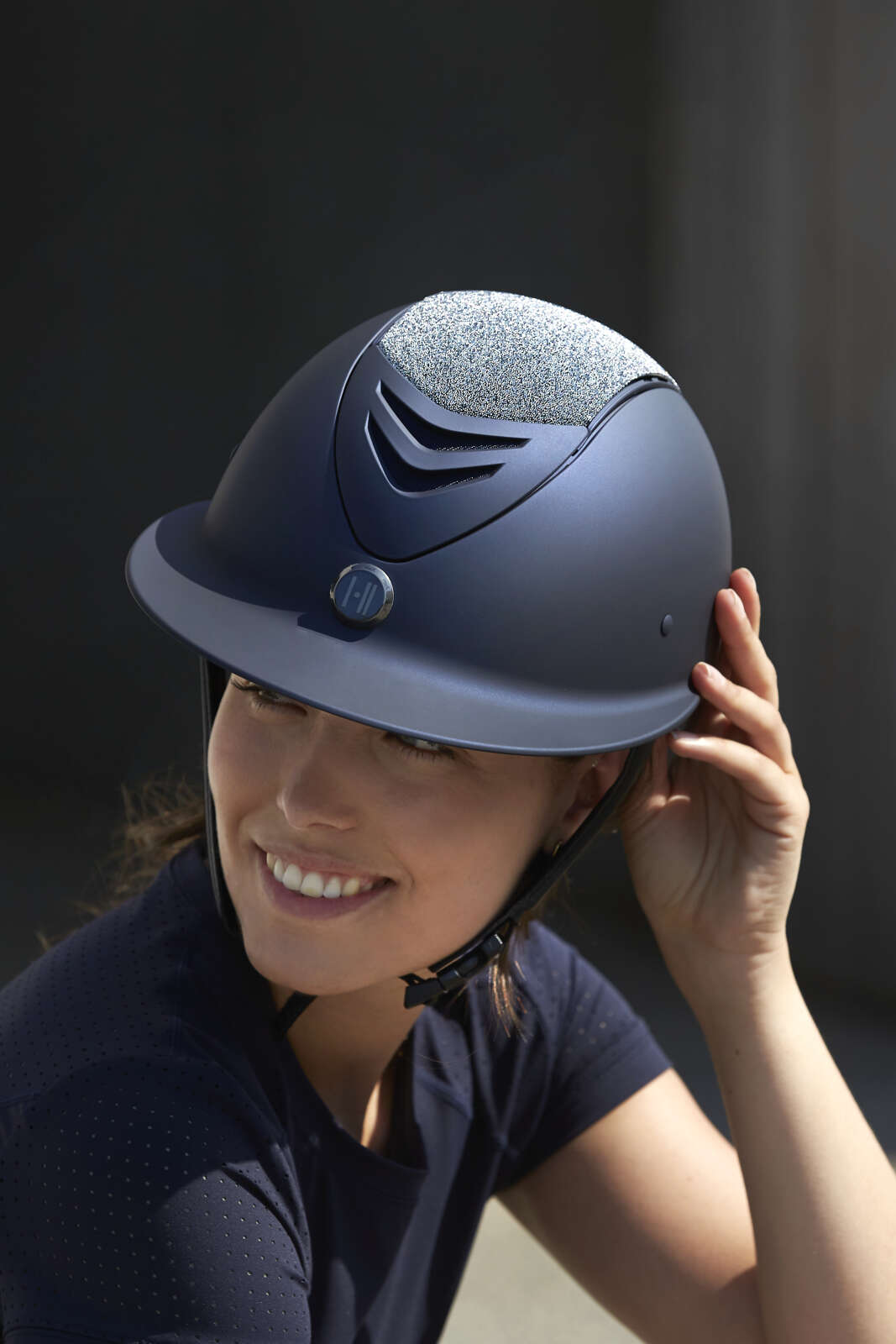
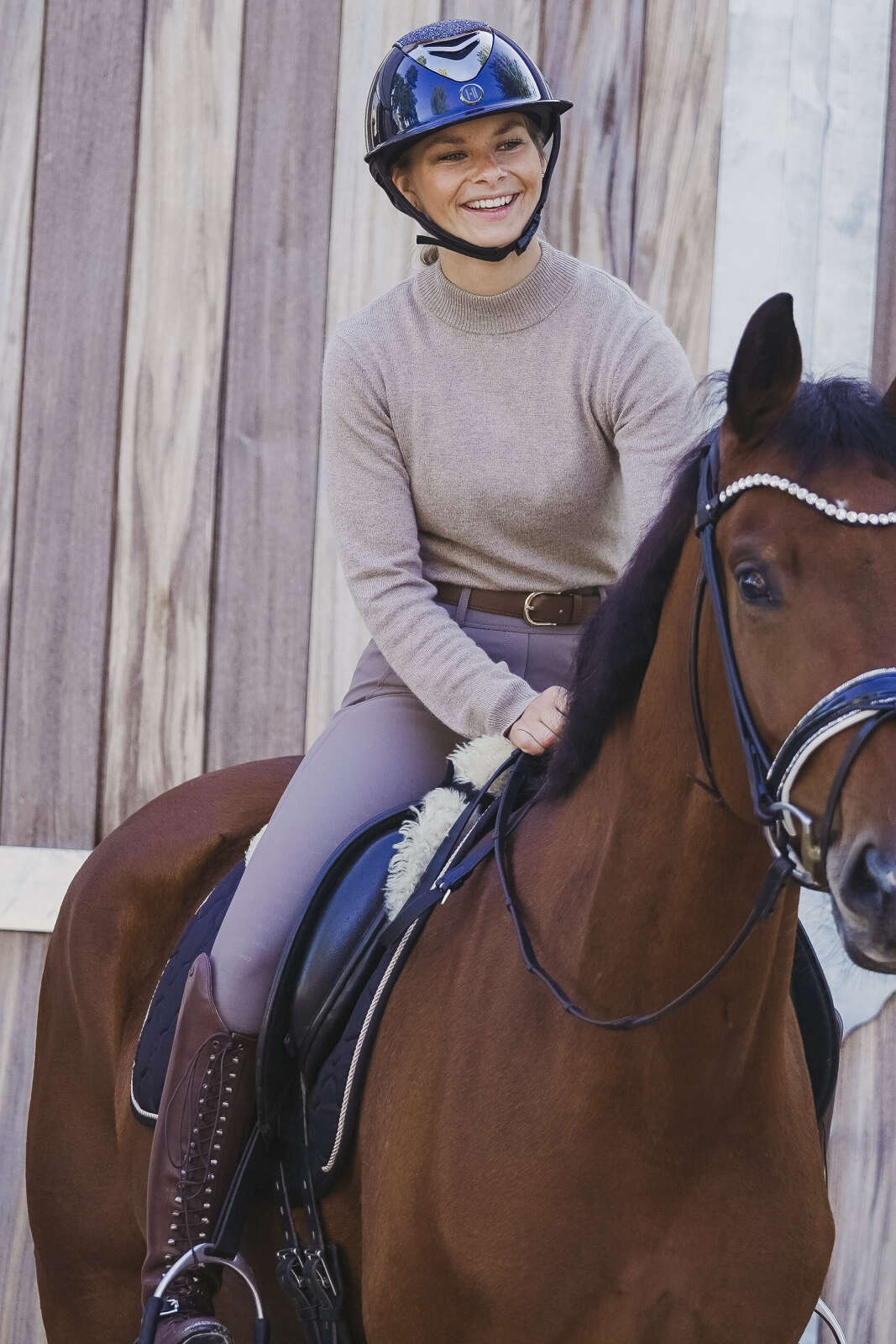
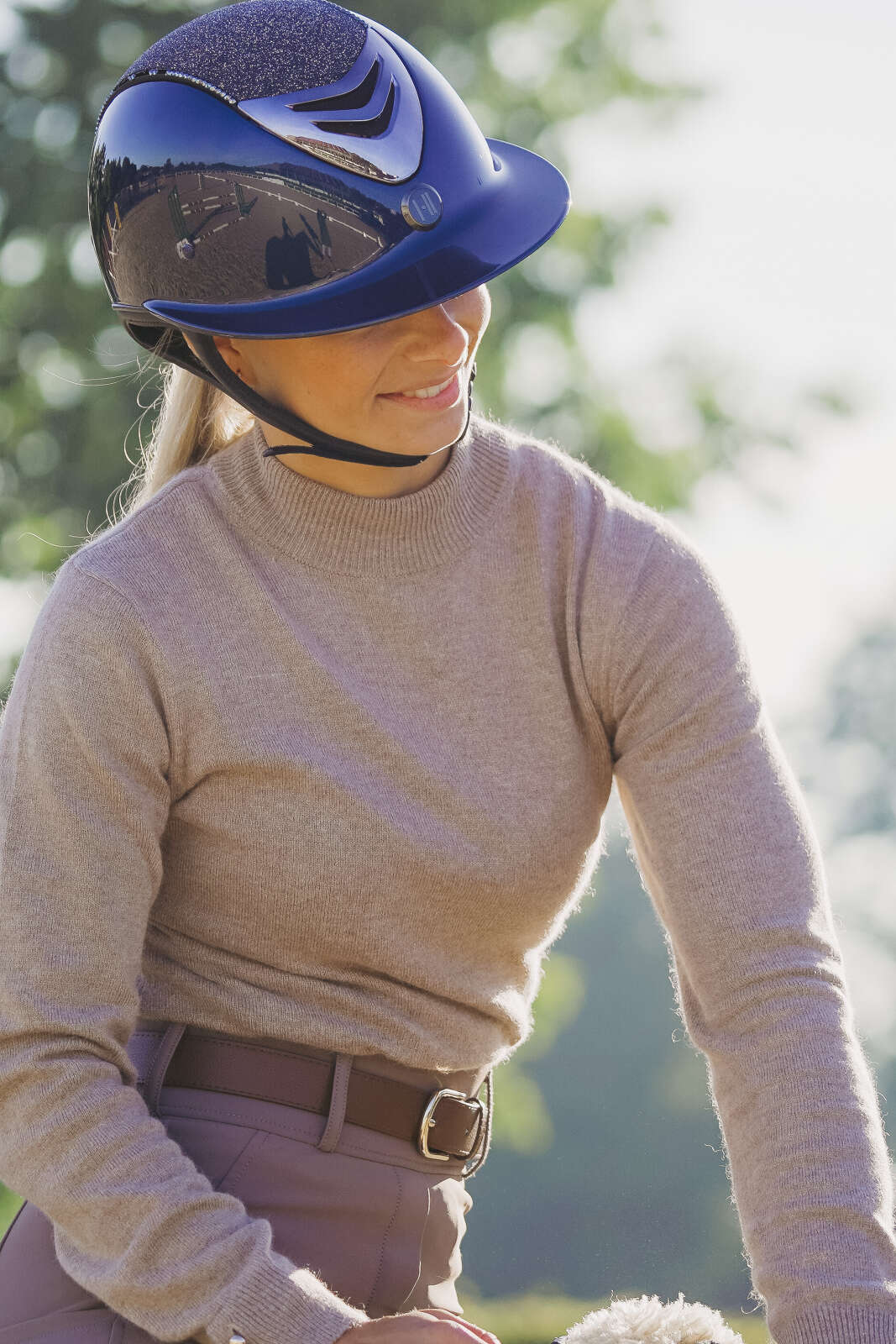
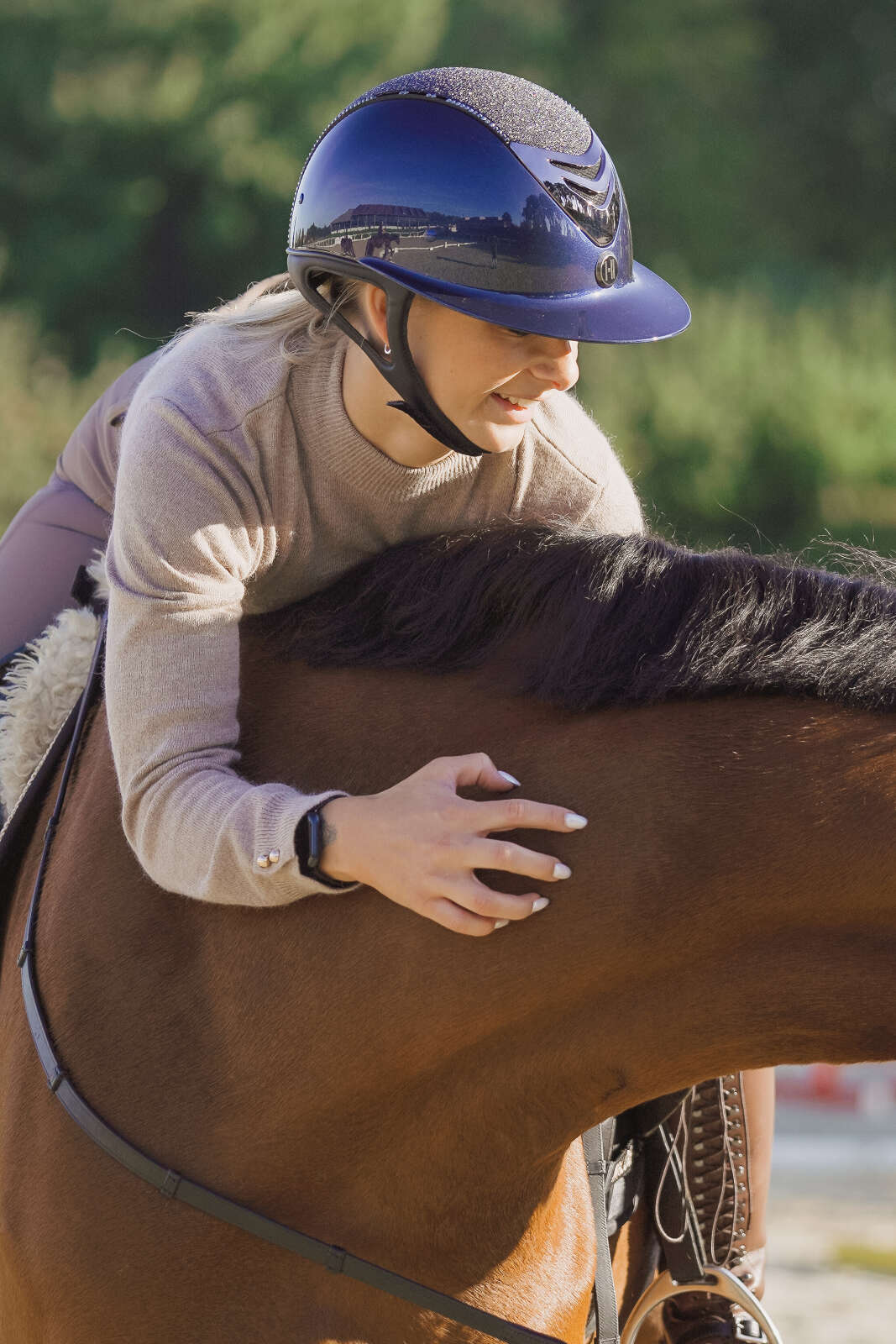
Choosing the right riding helmet is first and foremost about fit, size, and safety - then come price, design, and personal preferences. At Unamari, you’ll find riding helmets from Equipage, Casco, and One K for children, beginners, and experienced riders alike. The selection ranges from affordable starter helmets to premium models with MIPS, exclusive details, and more options for customizing the design and fit. Here, we’ll help you figure out which differences actually matter when choosing your new riding helmet.
How to choose the right riding helmet
When we help riders choose a riding helmet, there’s one thing that comes before brand, color, and price: The helmet must fit properly. Even an expensive riding helmet is a poor choice if it doesn’t fit your head properly.
So start with size and fit. Next, you should look at the helmet’s safety certification and any additional safety technologies, such as MIPS. Only then does it make sense to compare comfort, design, visor, and price.
How much you ride also affects how much it makes sense to invest. For beginners or riders who ride occasionally, there are good, certified riding helmets available at more affordable prices. If, on the other hand, you ride several times a week or compete regularly, we believe the riding helmet isn’t where you should prioritize the biggest savings. After all, it’s your head that the helmet is meant to protect in the event of an accident.
Equipage, Casco, or One K - which riding helmet should you choose?
There isn’t a single brand that’s best for everyone. Equipage, Casco, and One K all manufacture riding helmets with adjustable fits, and the right choice depends on your head shape, your budget, and your preferences.
The differences become particularly clear when we look at price, materials, finish, customization options, and design.
Equipage – Affordable riding helmets for kids and adults
Equipage is a great place to start if you’re looking for an affordable riding helmet without necessarily moving into the premium segment. This applies to children, beginners, and adult riders alike.
We develop Equipage riding helmets ourselves and draw on both our own experience as riders and the ongoing feedback we receive from customers when working on aspects such as design, fit, and adjustment options.
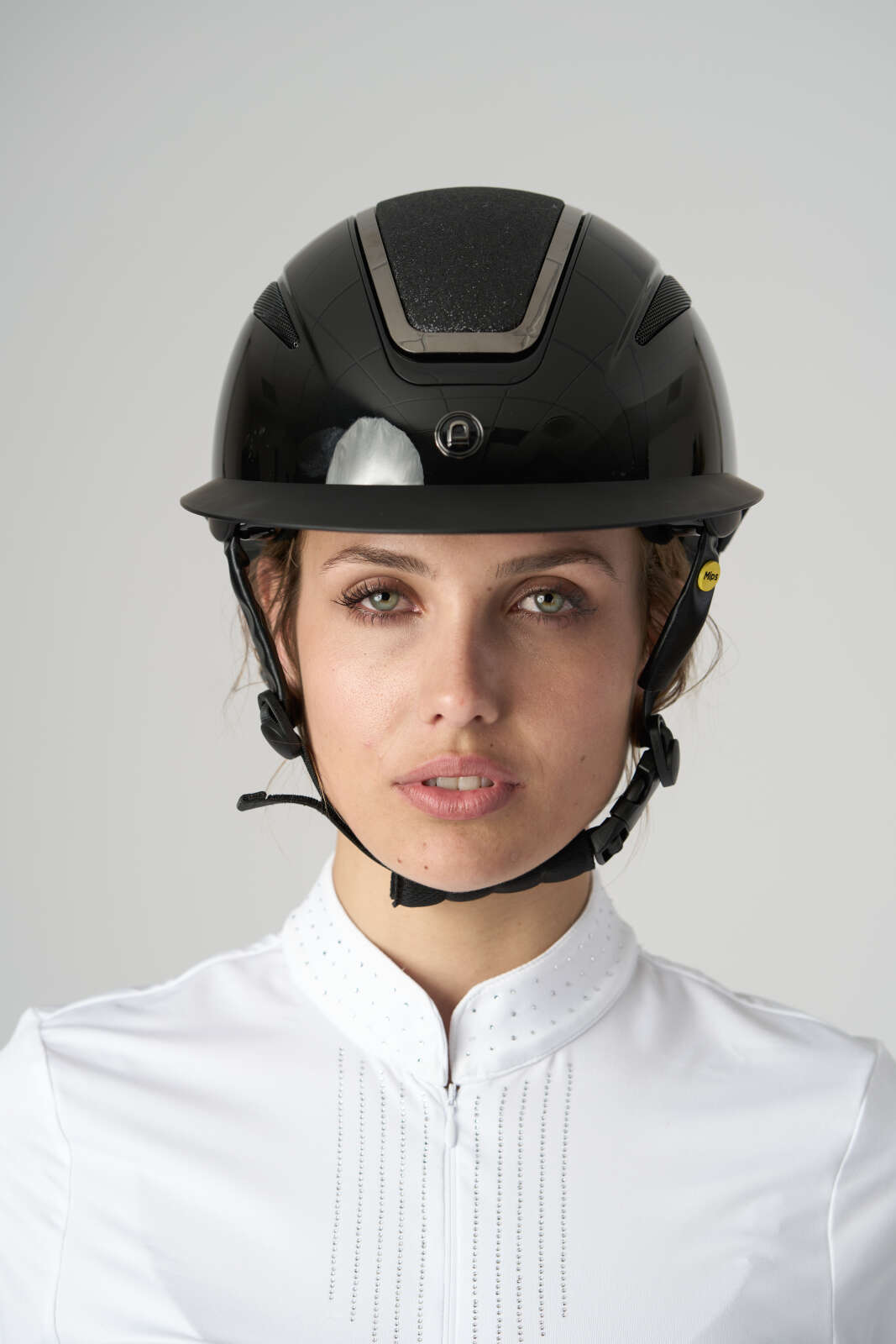
Models such as Equipage Vilma and Henderson are examples of riding helmets priced under $70. However, our selection doesn’t stop at entry-level helmets. The Equipage MIPS Guardian, for example, combines MIPS with a more exclusive and professional look and is ideal for Riders who want more than a classic beginner model.
Casco – from starter helmets to premium
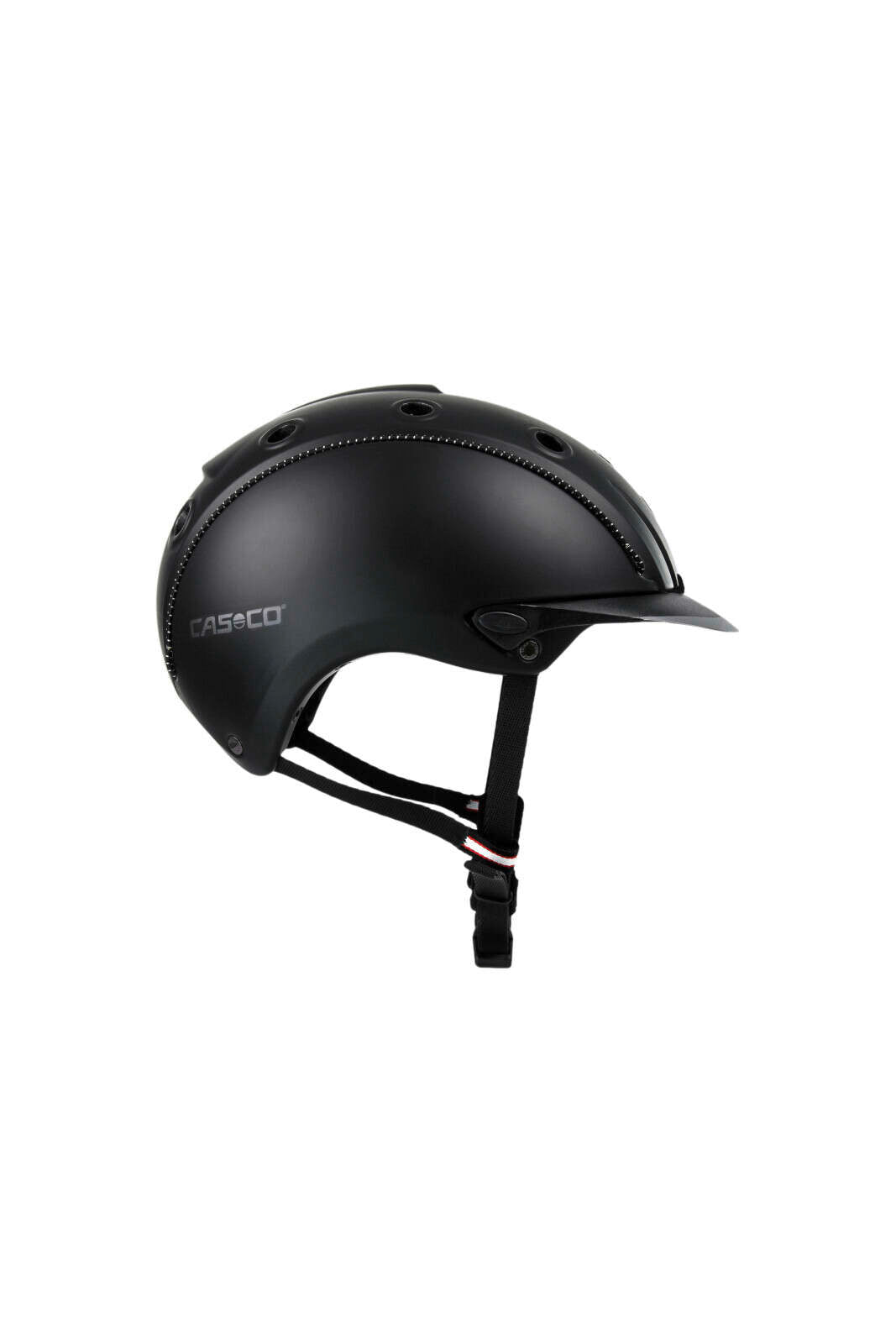
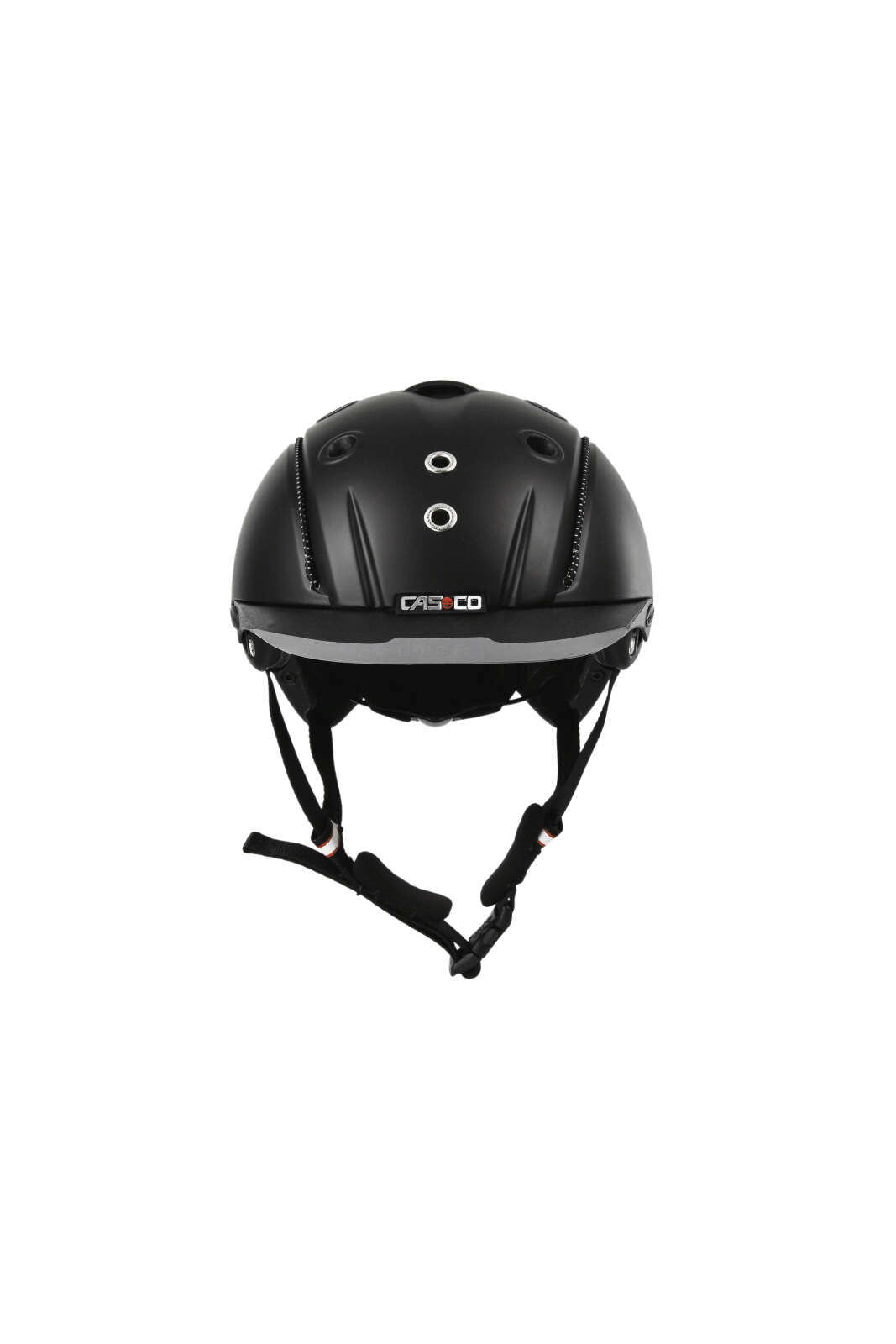
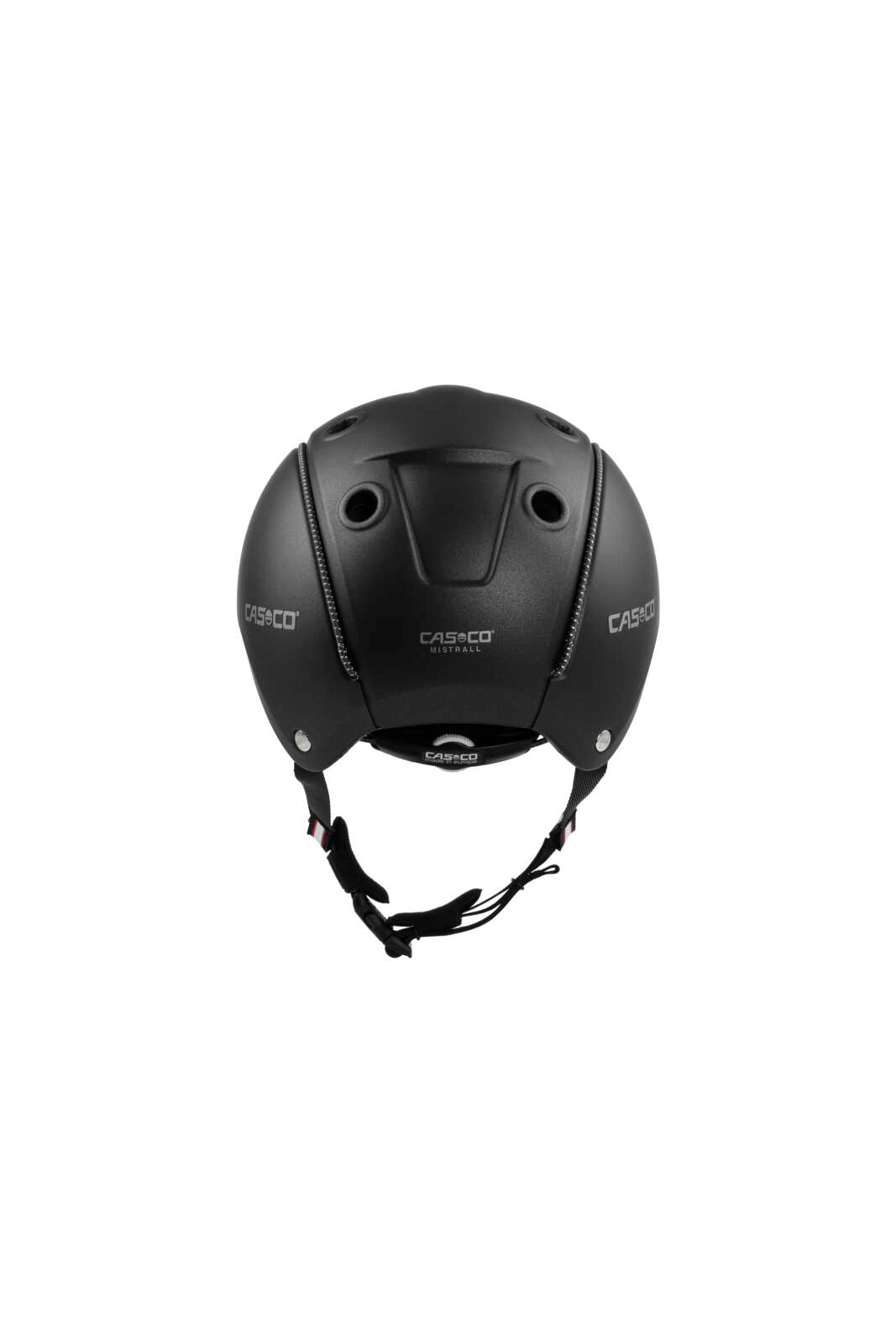
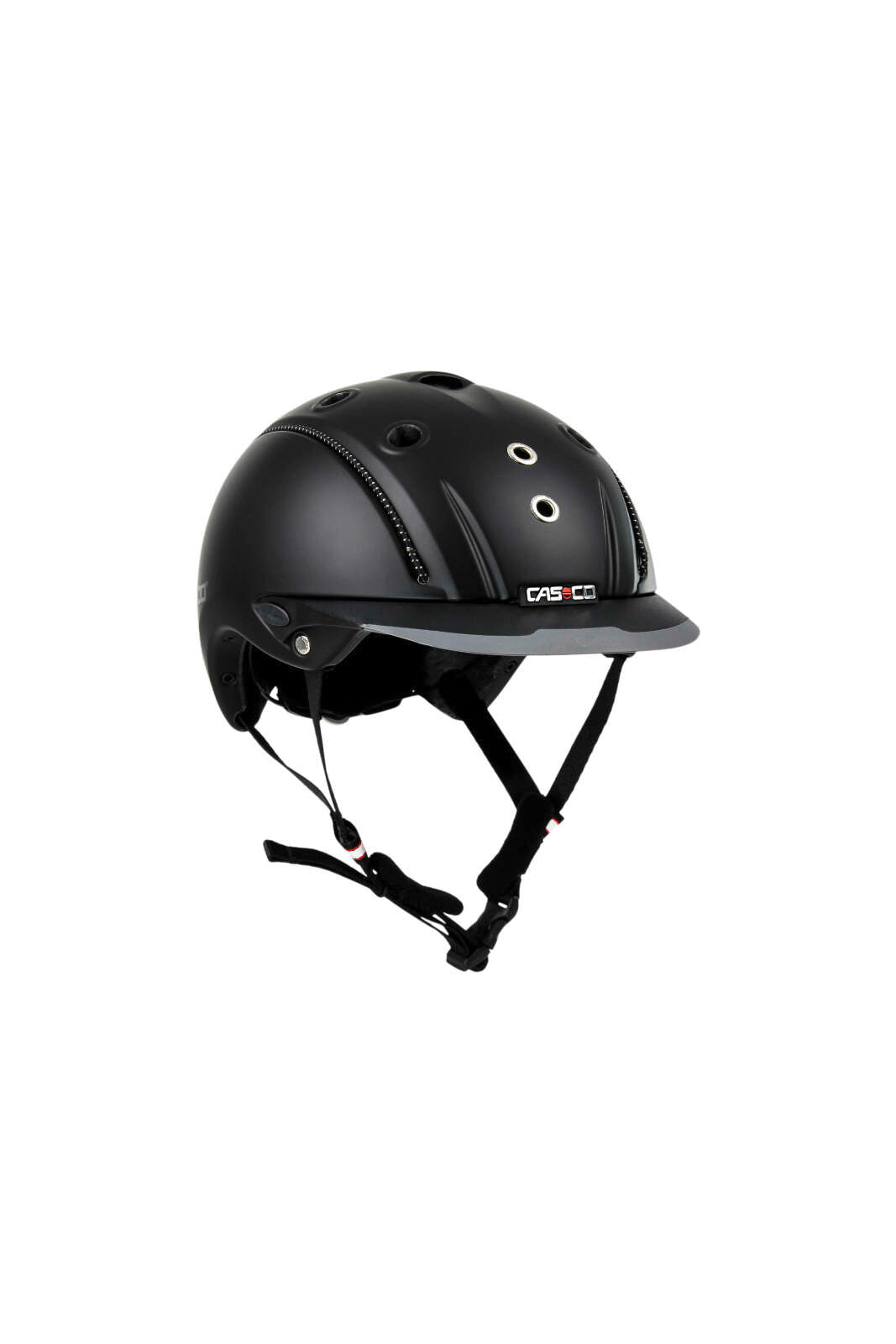
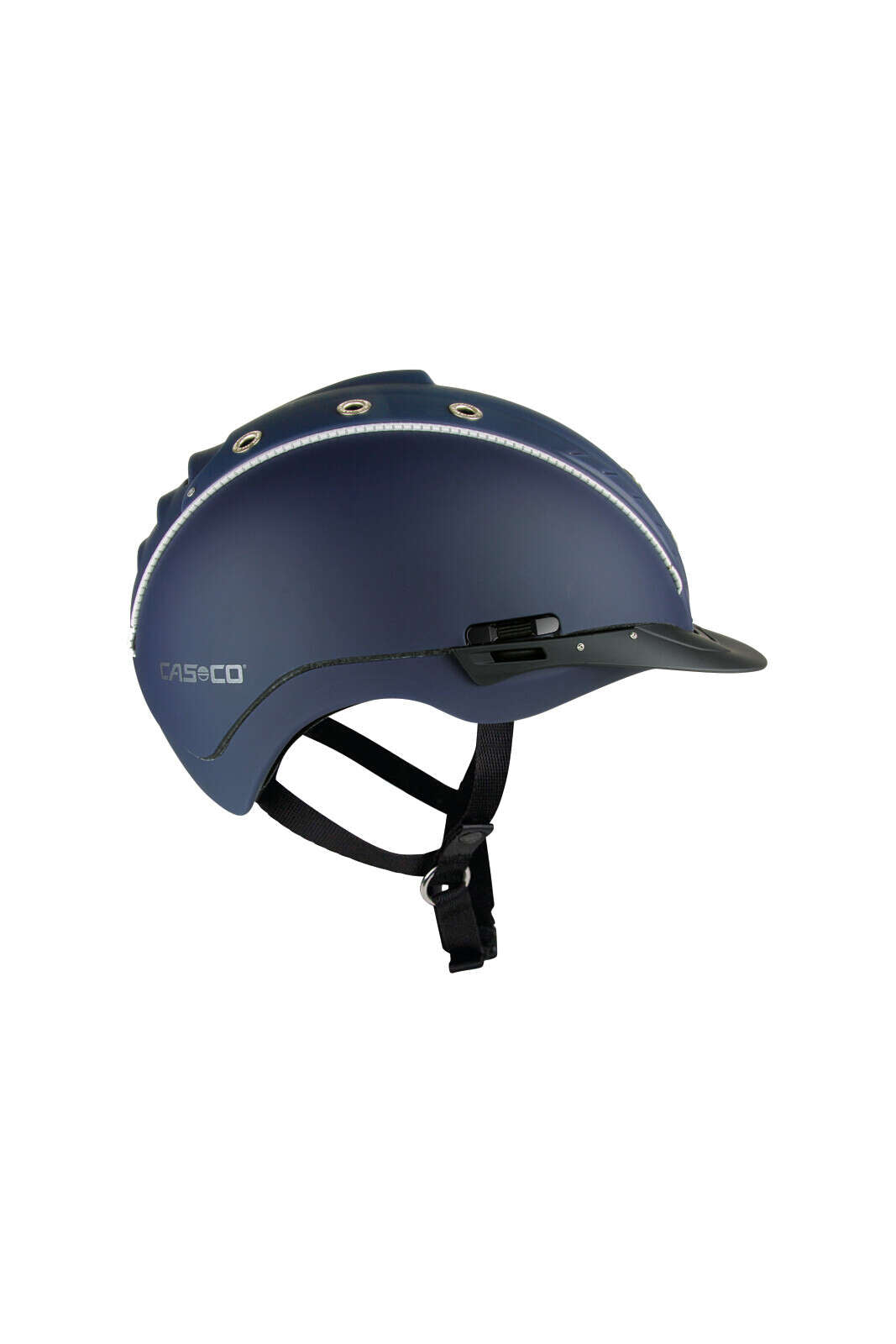
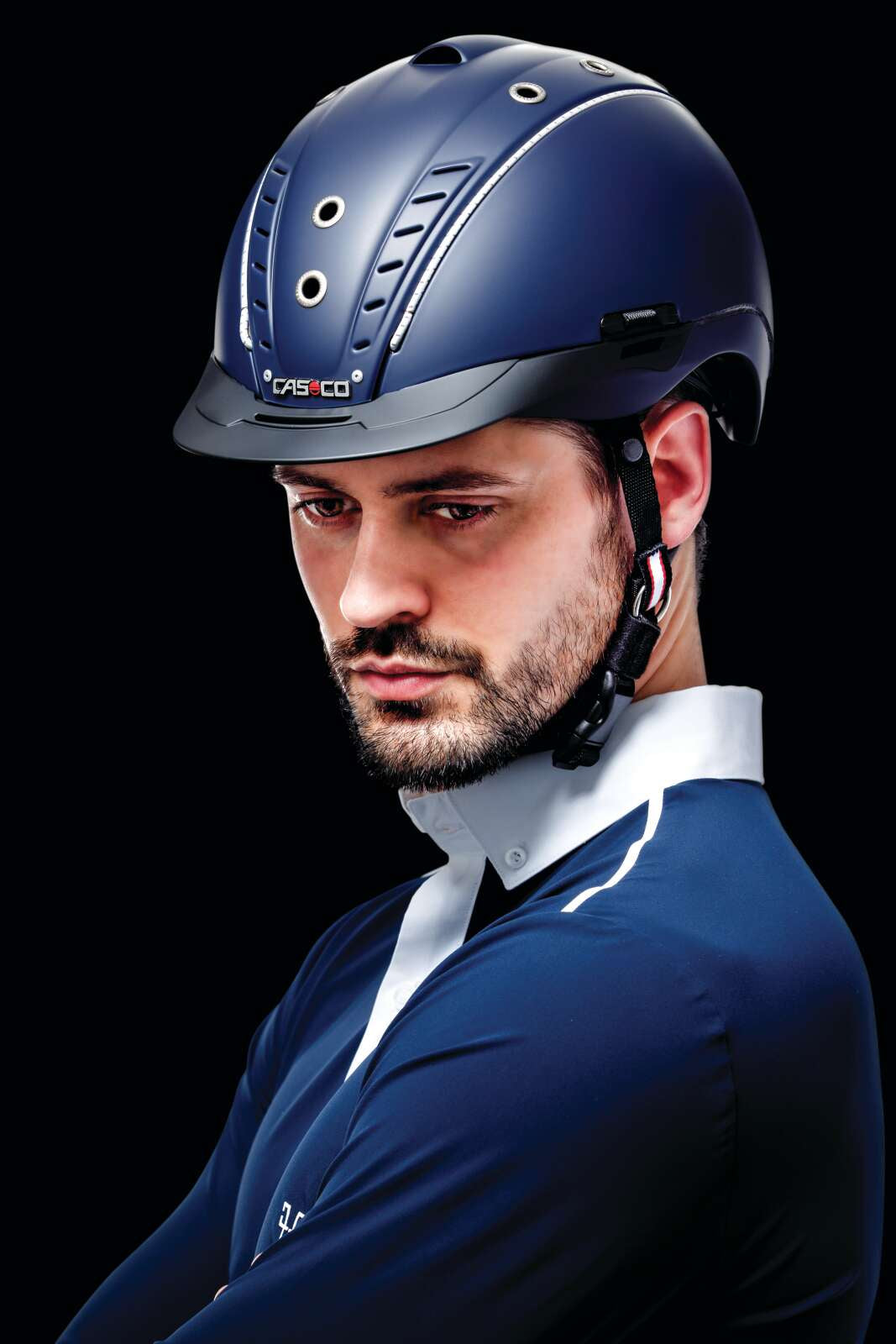
Casco has specialized in helmets for many years, and their selection ranges from good starter and children’s helmets to more expensive models.
For children, Casco Choice, Nori, and Starlit are great places to start. Here, you’ll find riding helmets designed specifically with younger riders in mind, without the price necessarily being as high as that of a premium helmet.
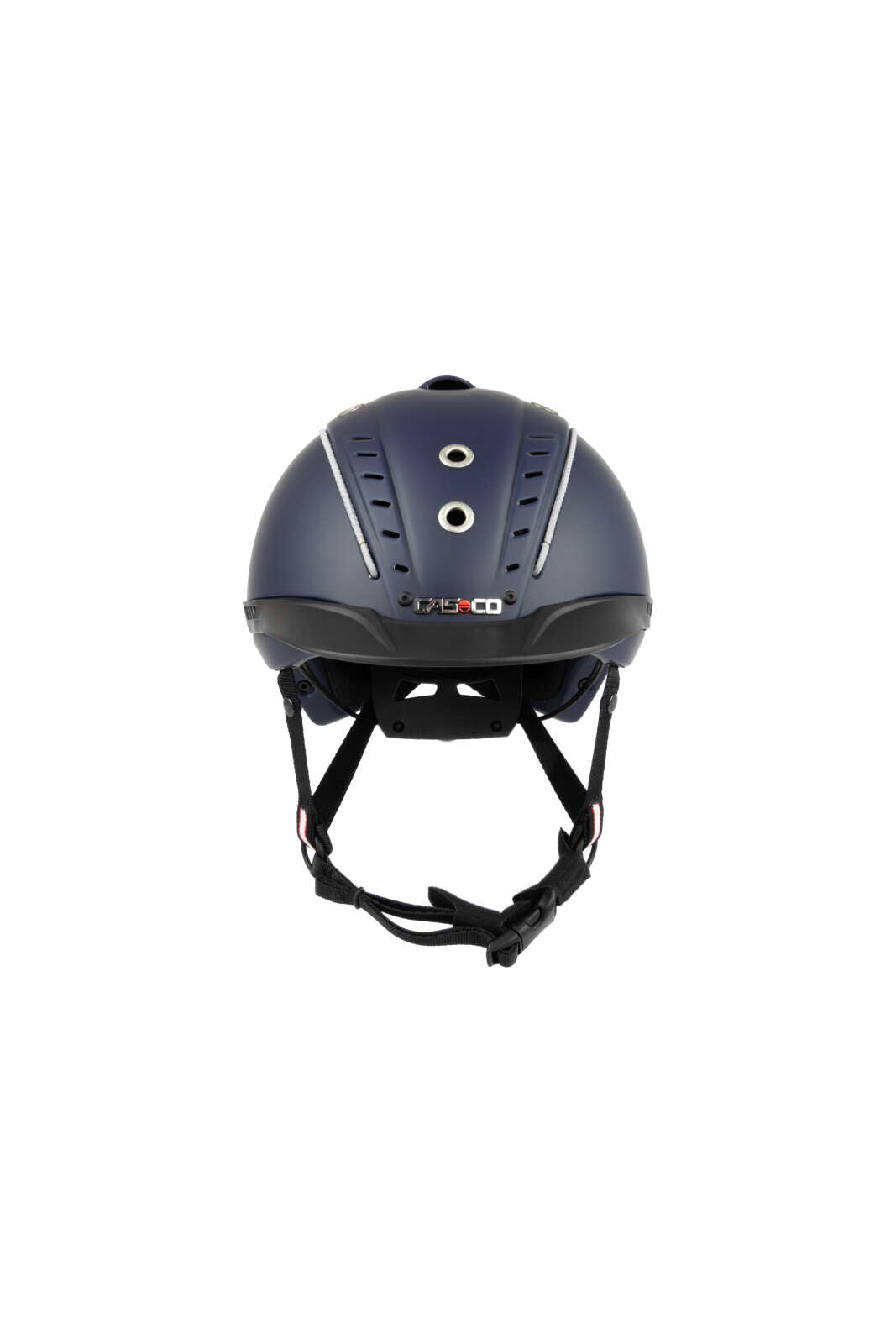
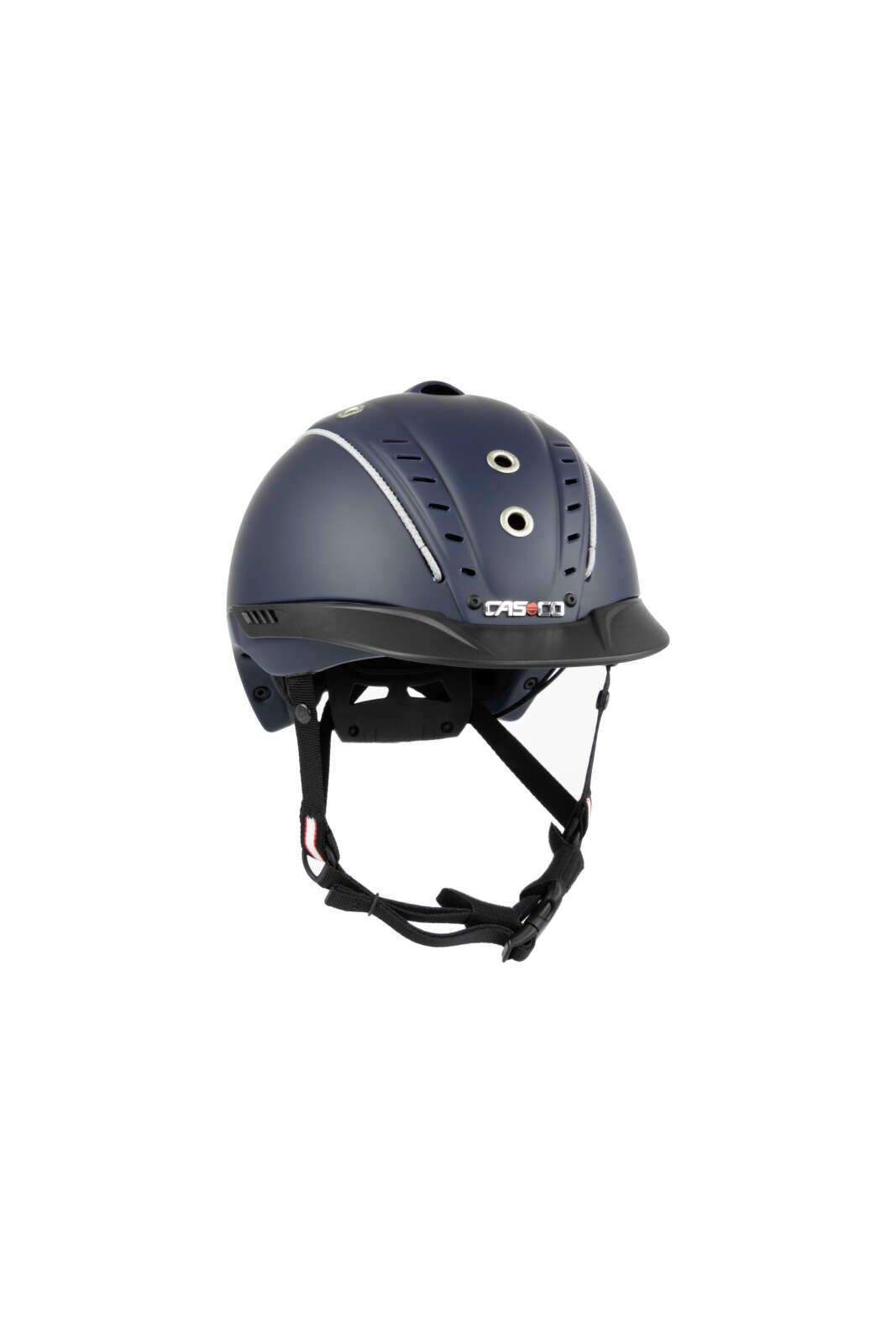
At the other end of the spectrum, you’ll find models like the Casco Champ 3, which are designed for Riders looking for a more exclusive helmet.
The choice between Casco riding helmets and helmets from Equipage isn’t about one brand being generally better than the other. Instead, try to find the specific helmet that fits your head well and matches your budget and preferences.
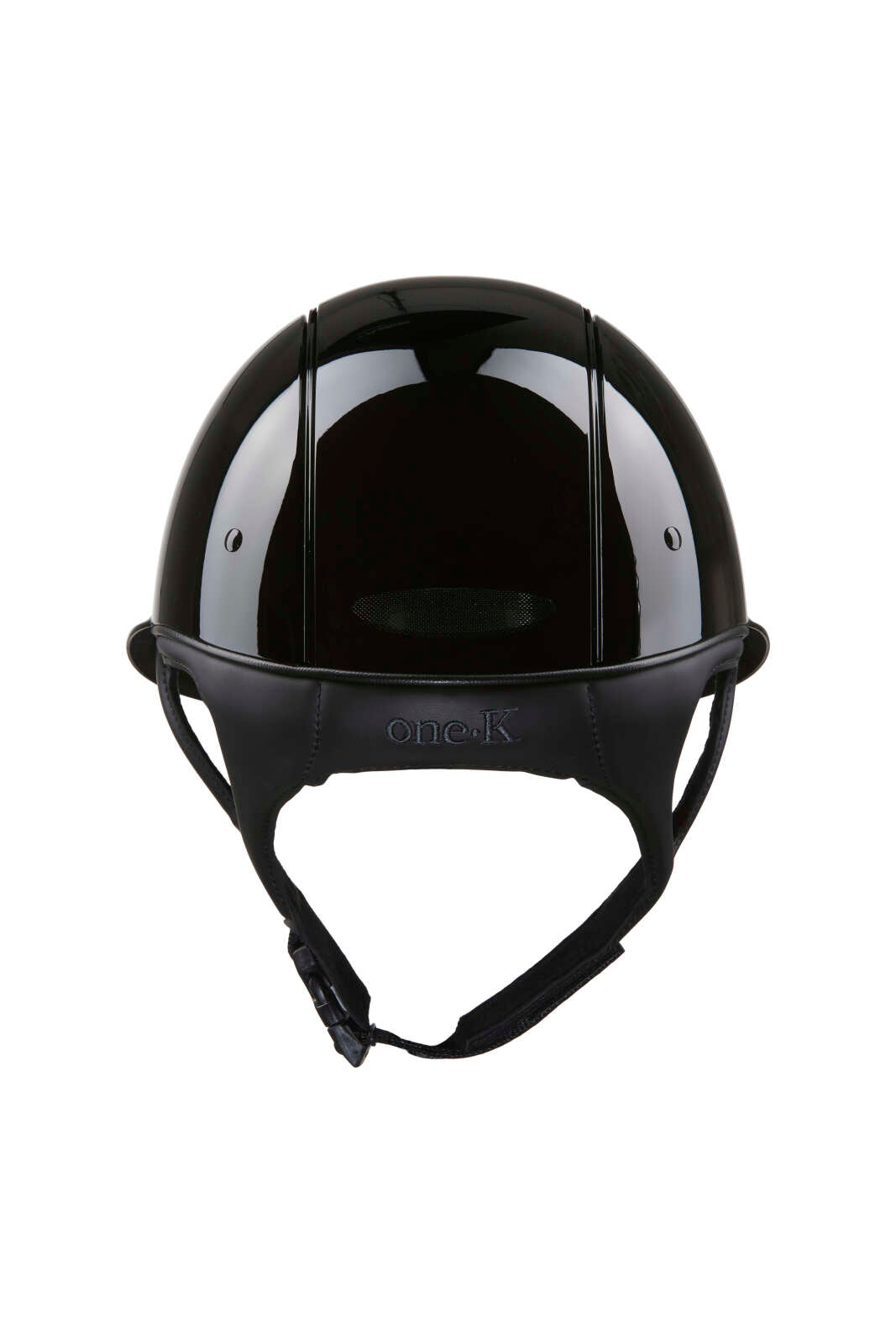
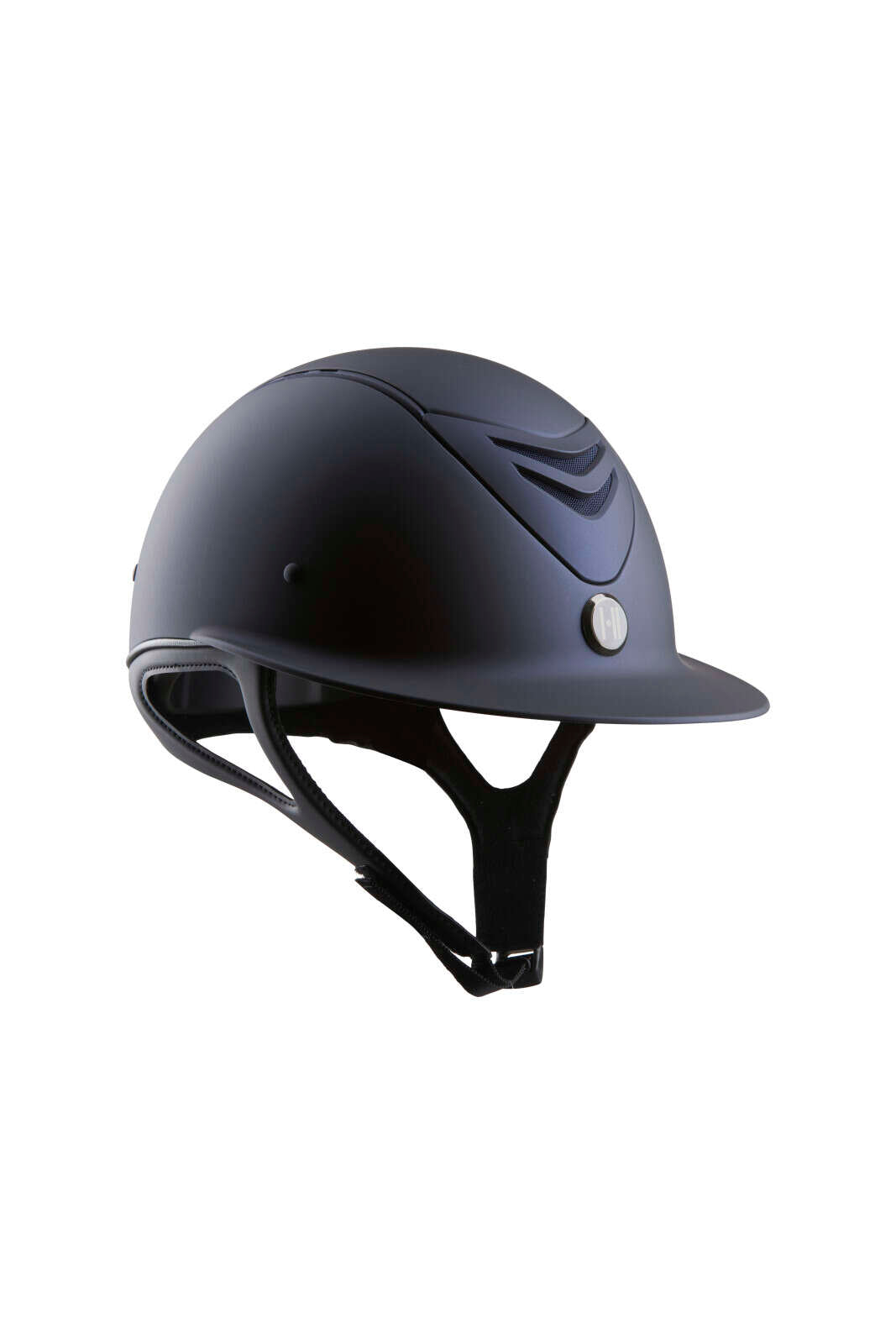
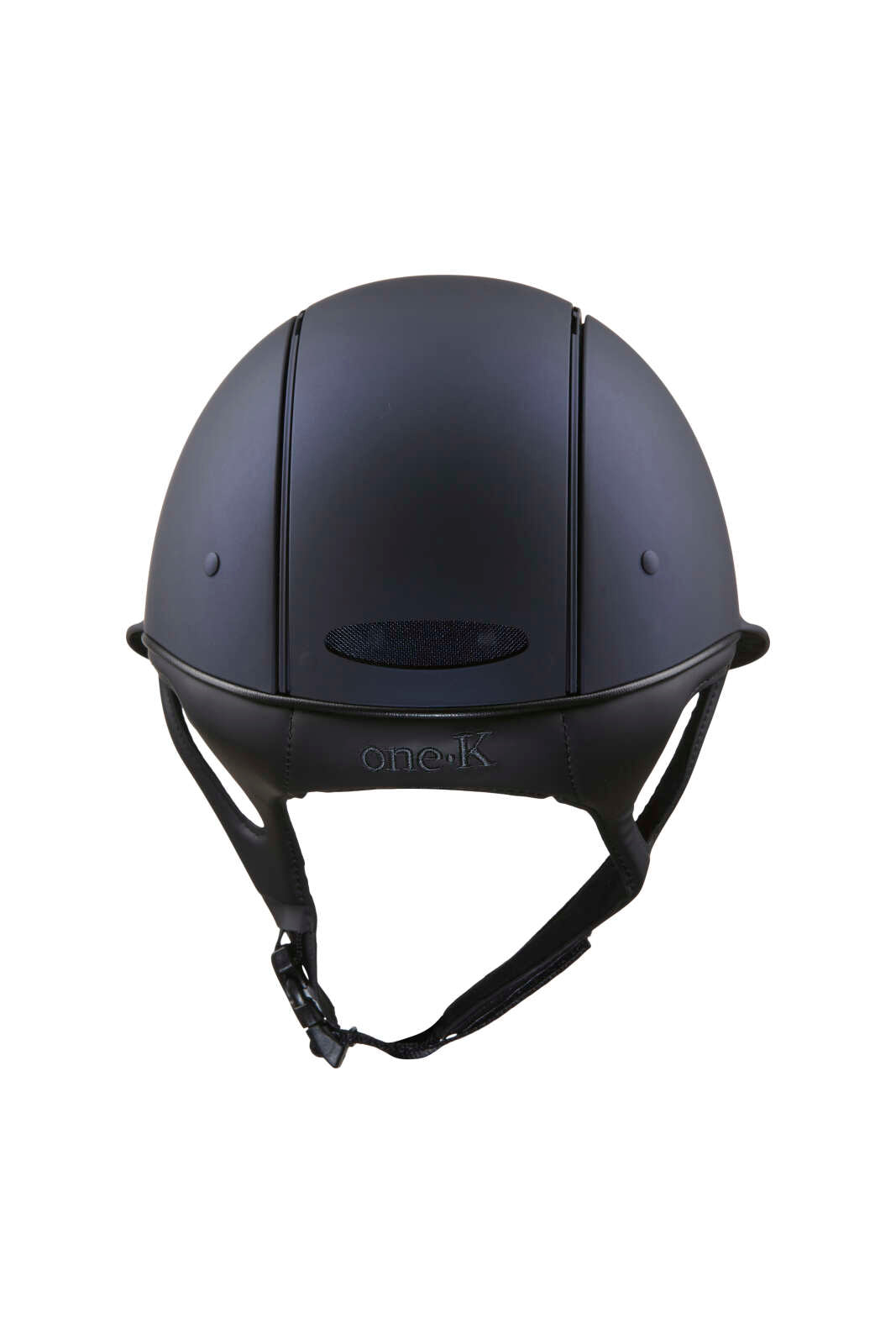
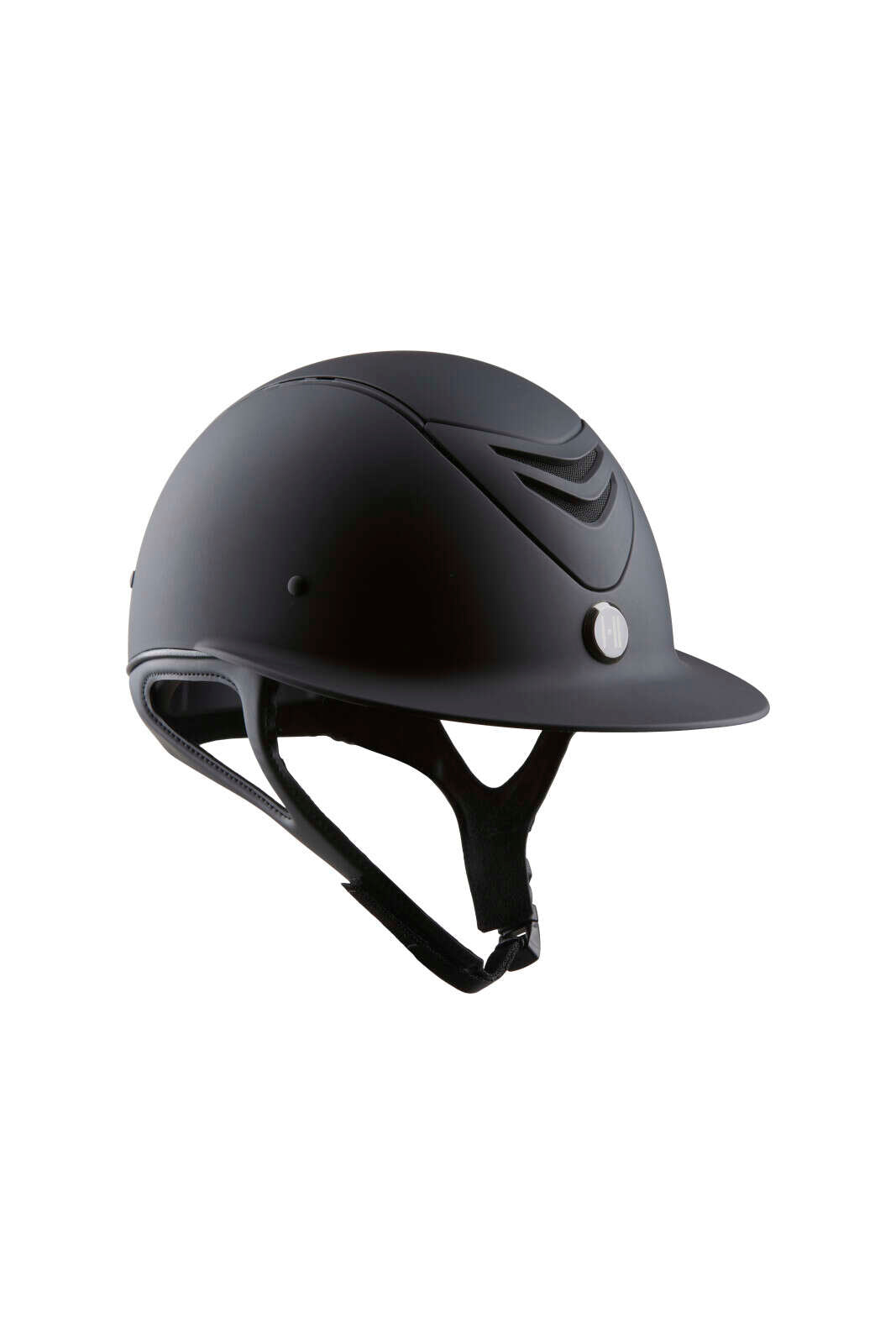
One K – top quality and more design options
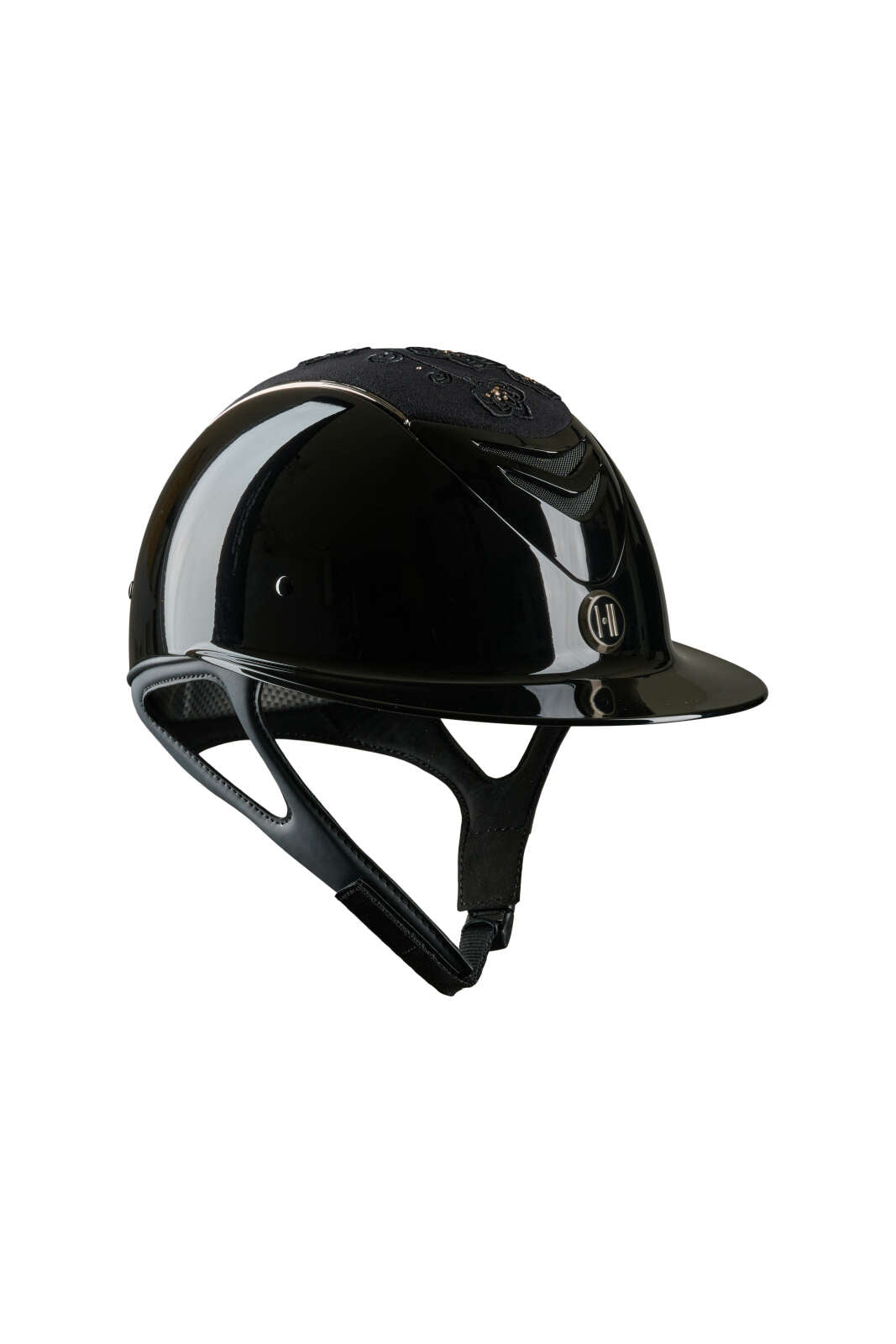
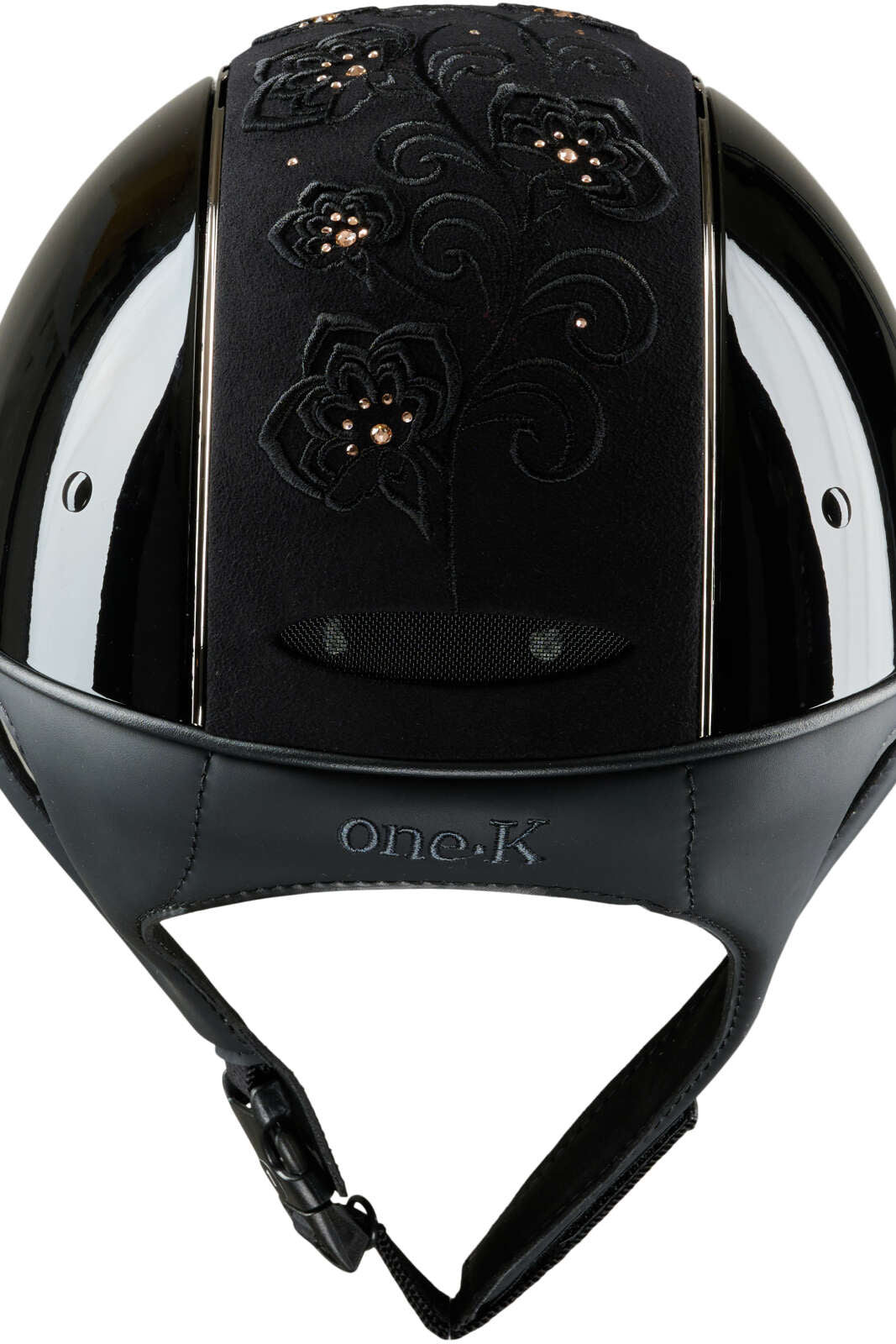
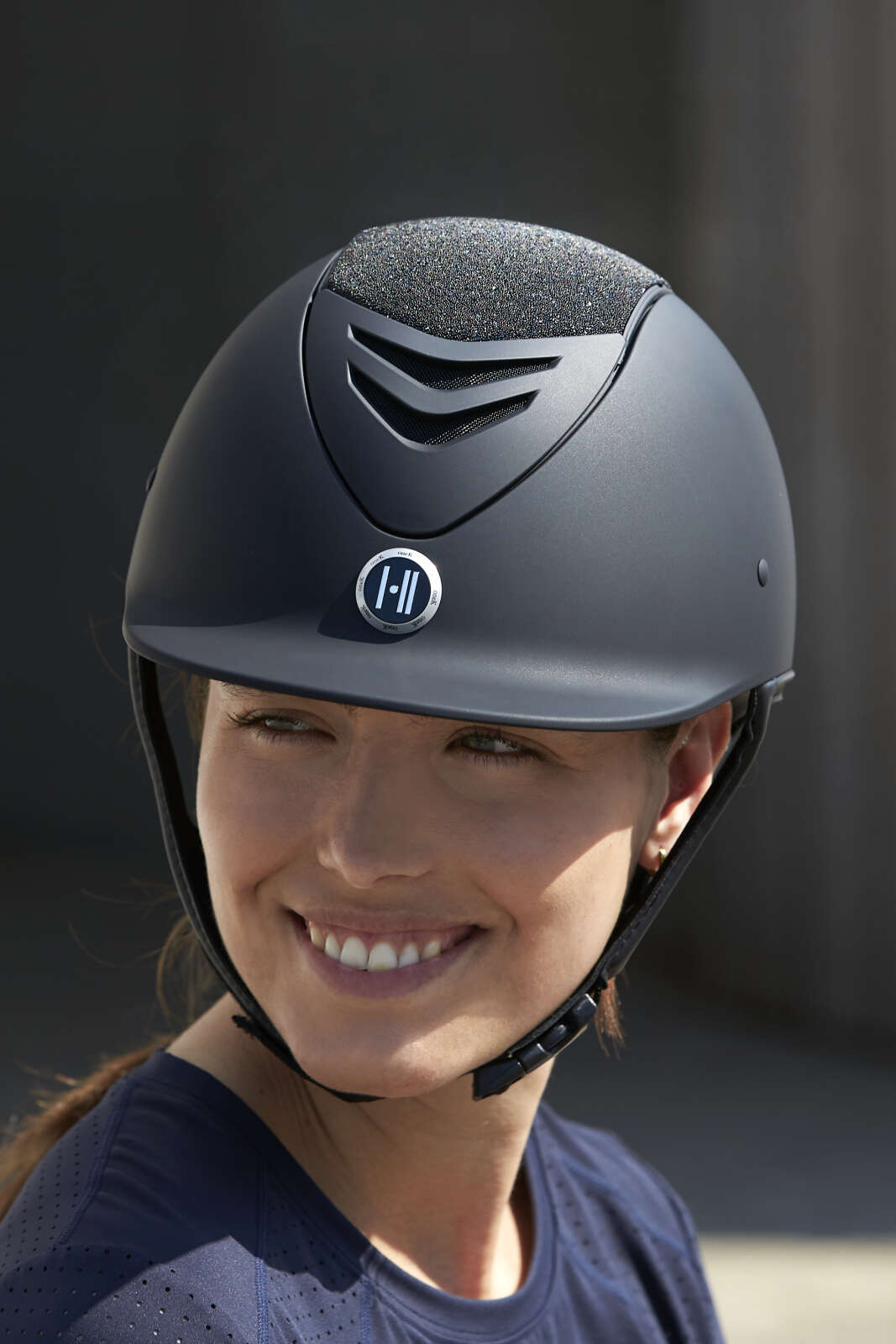
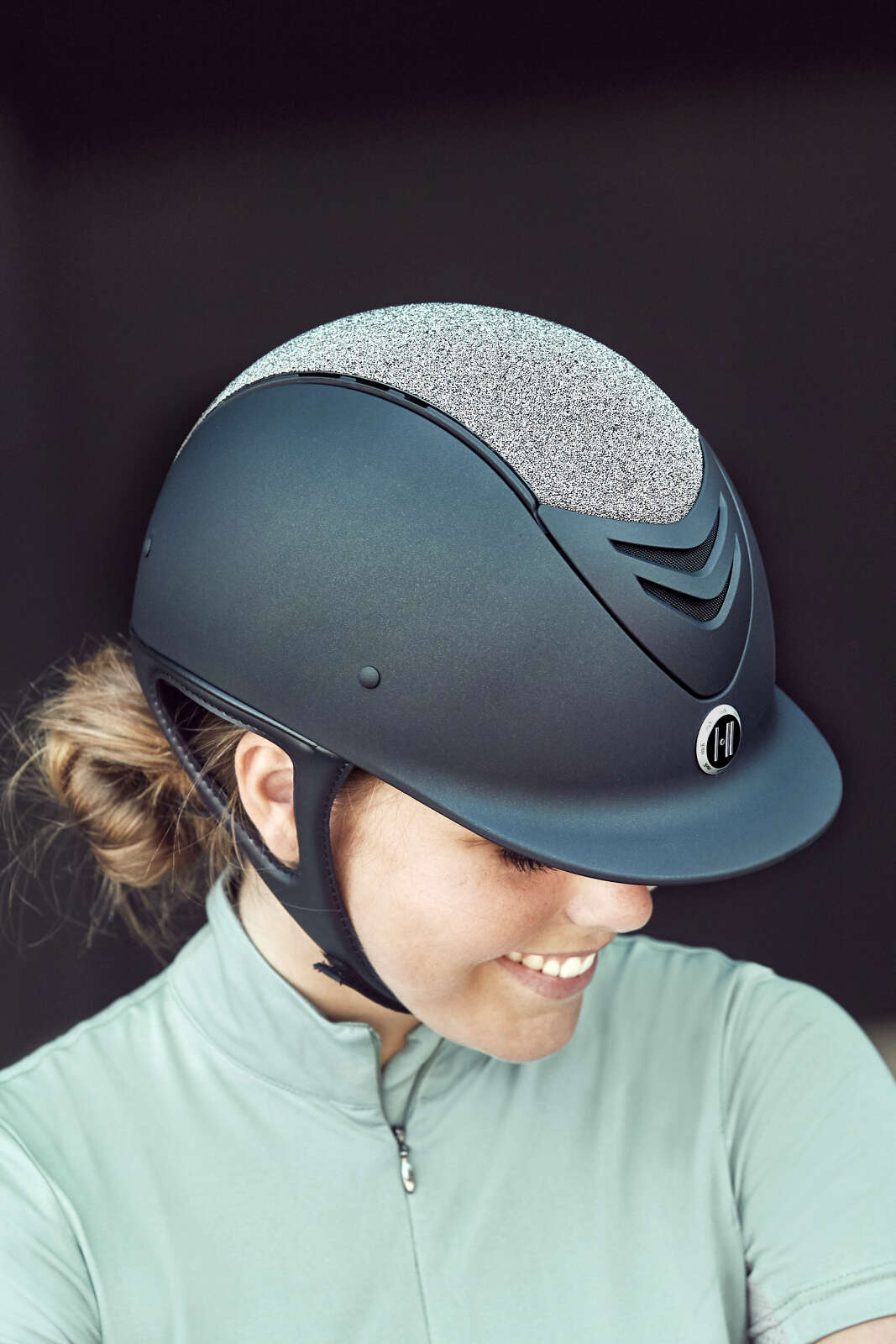
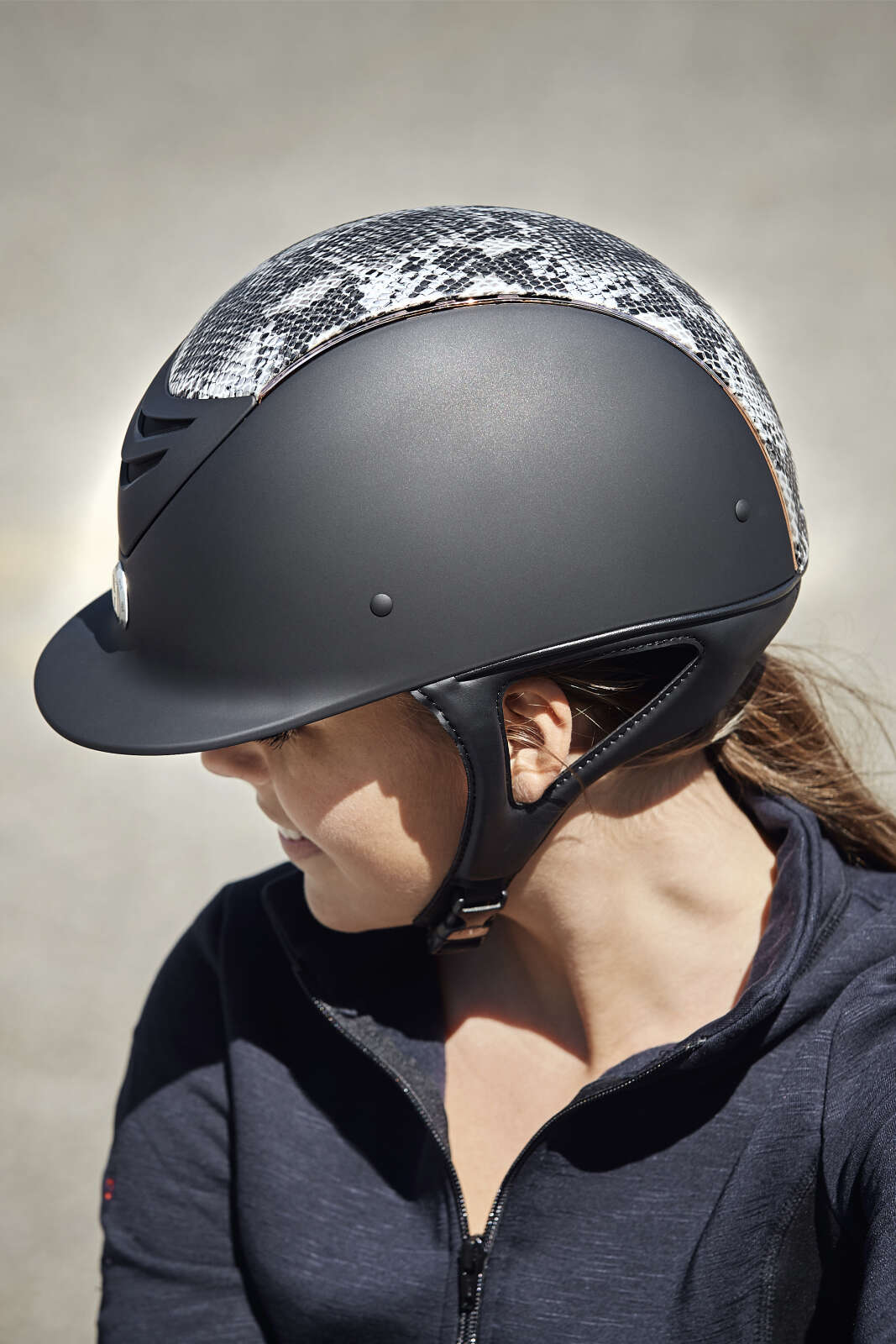
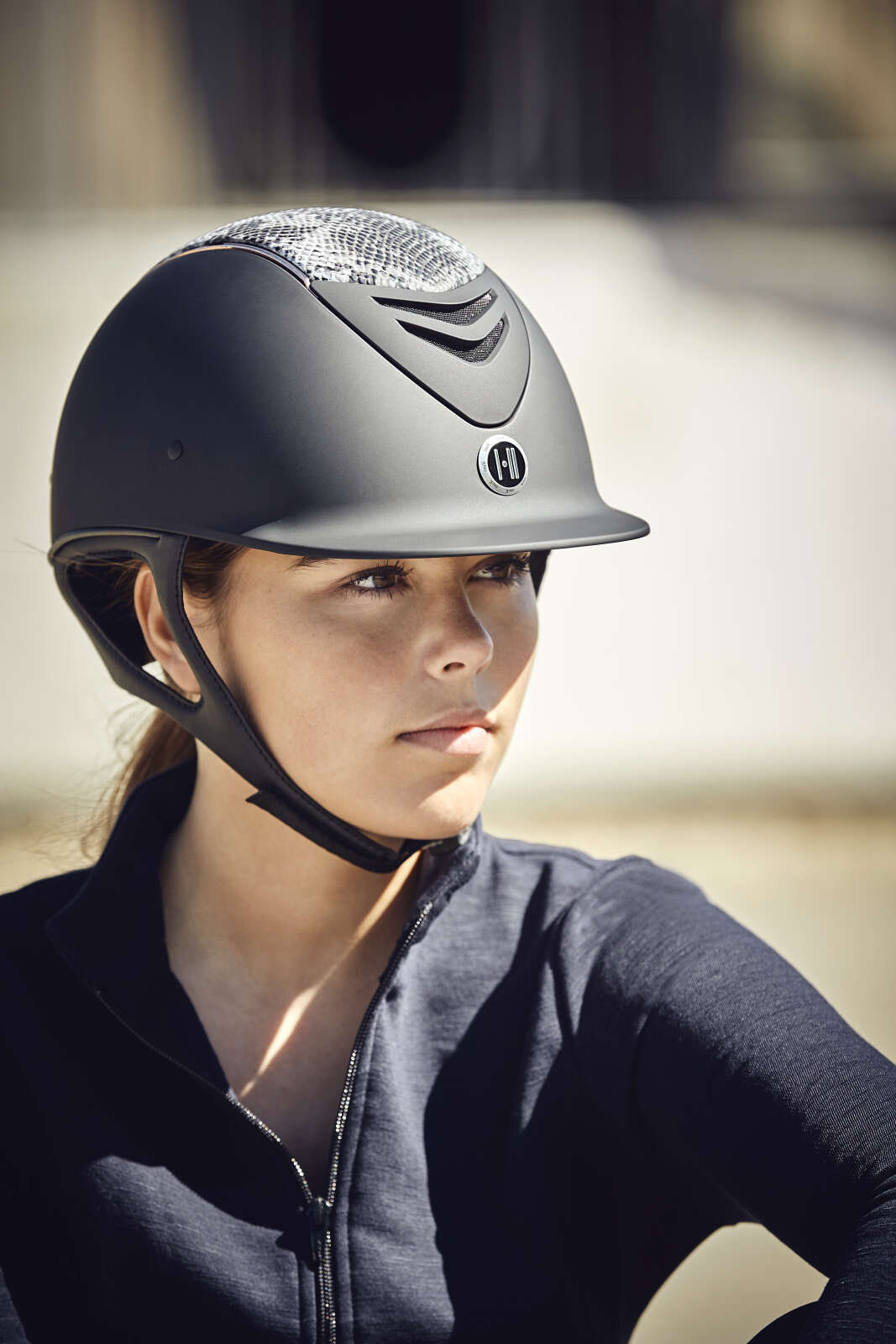
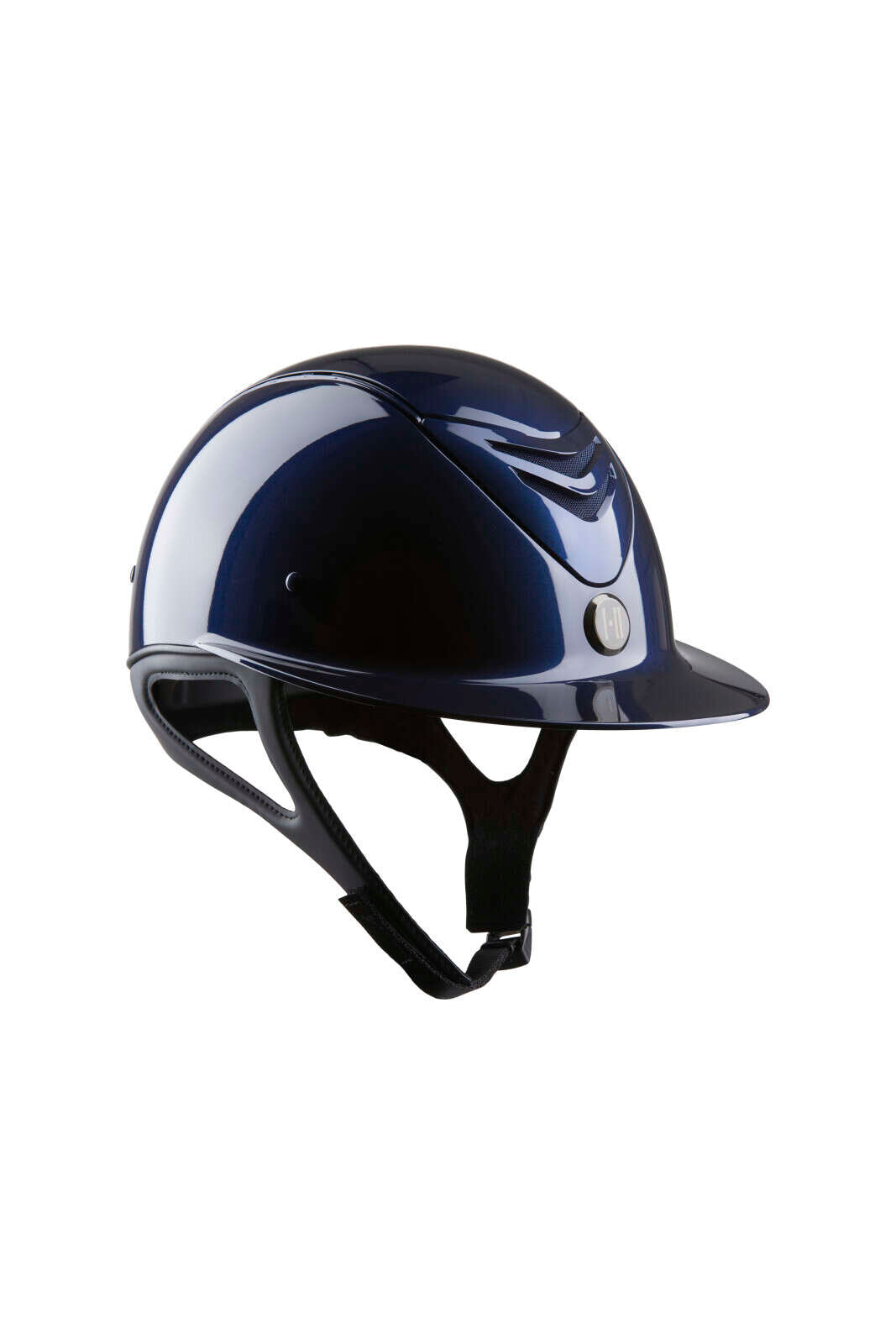
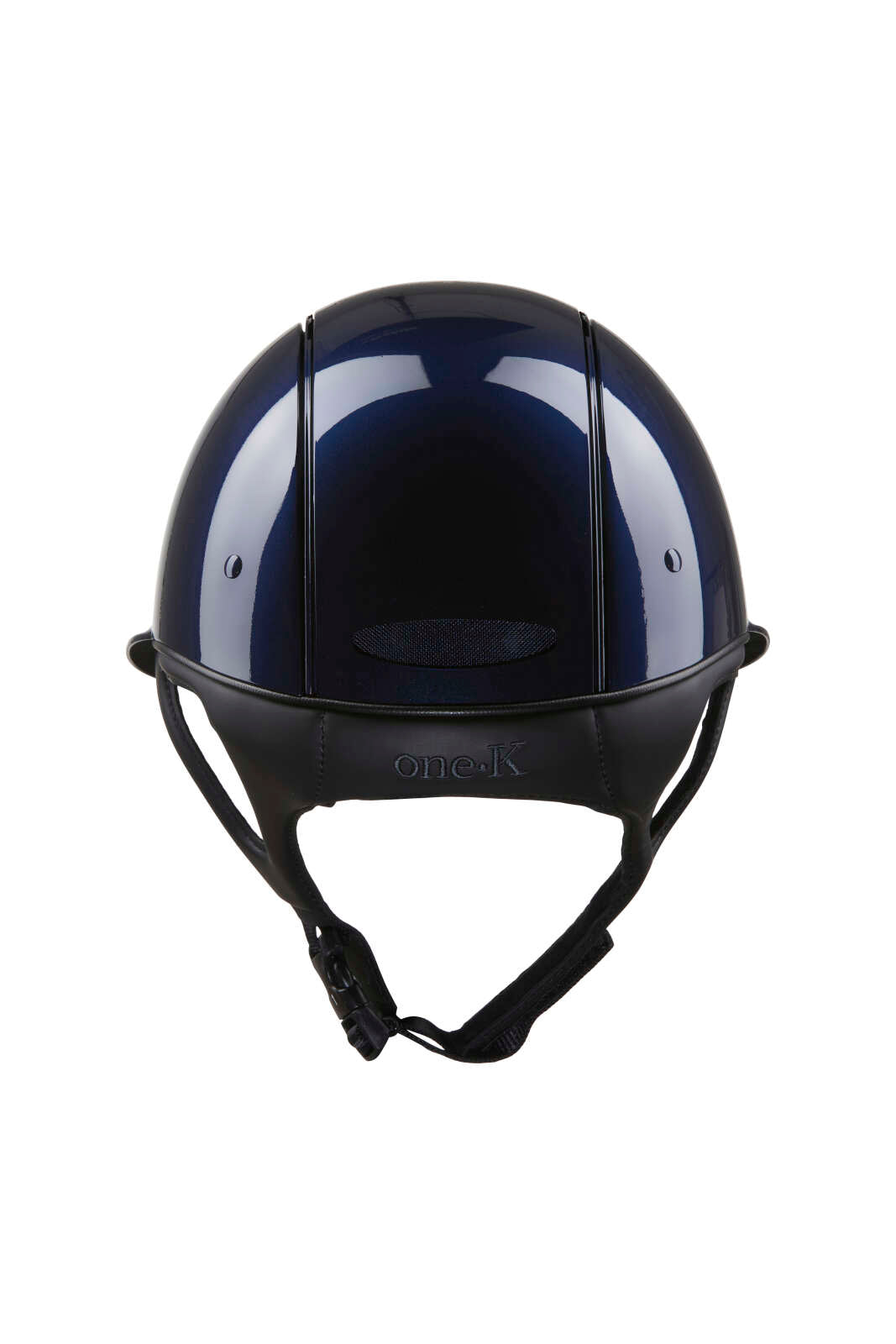
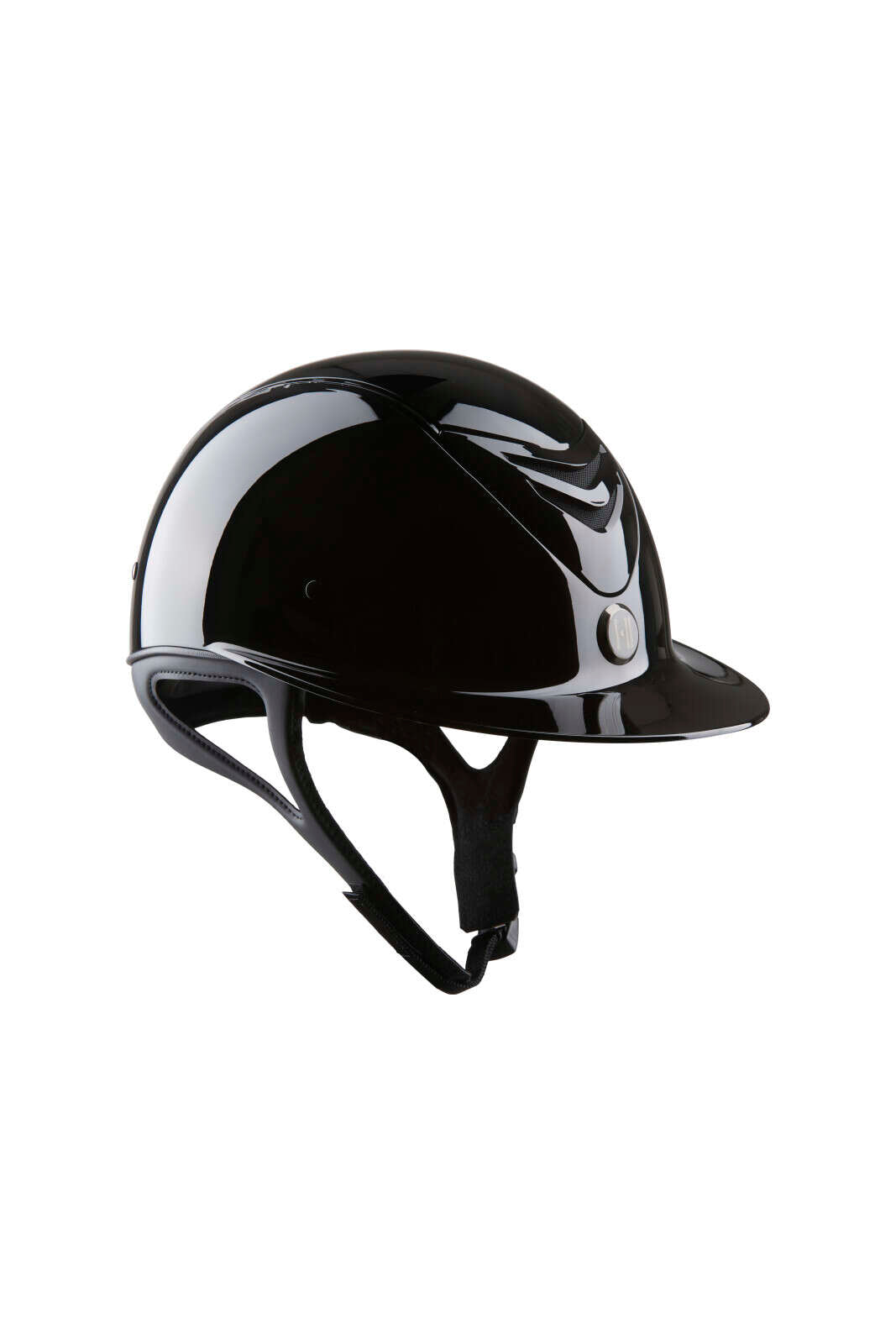
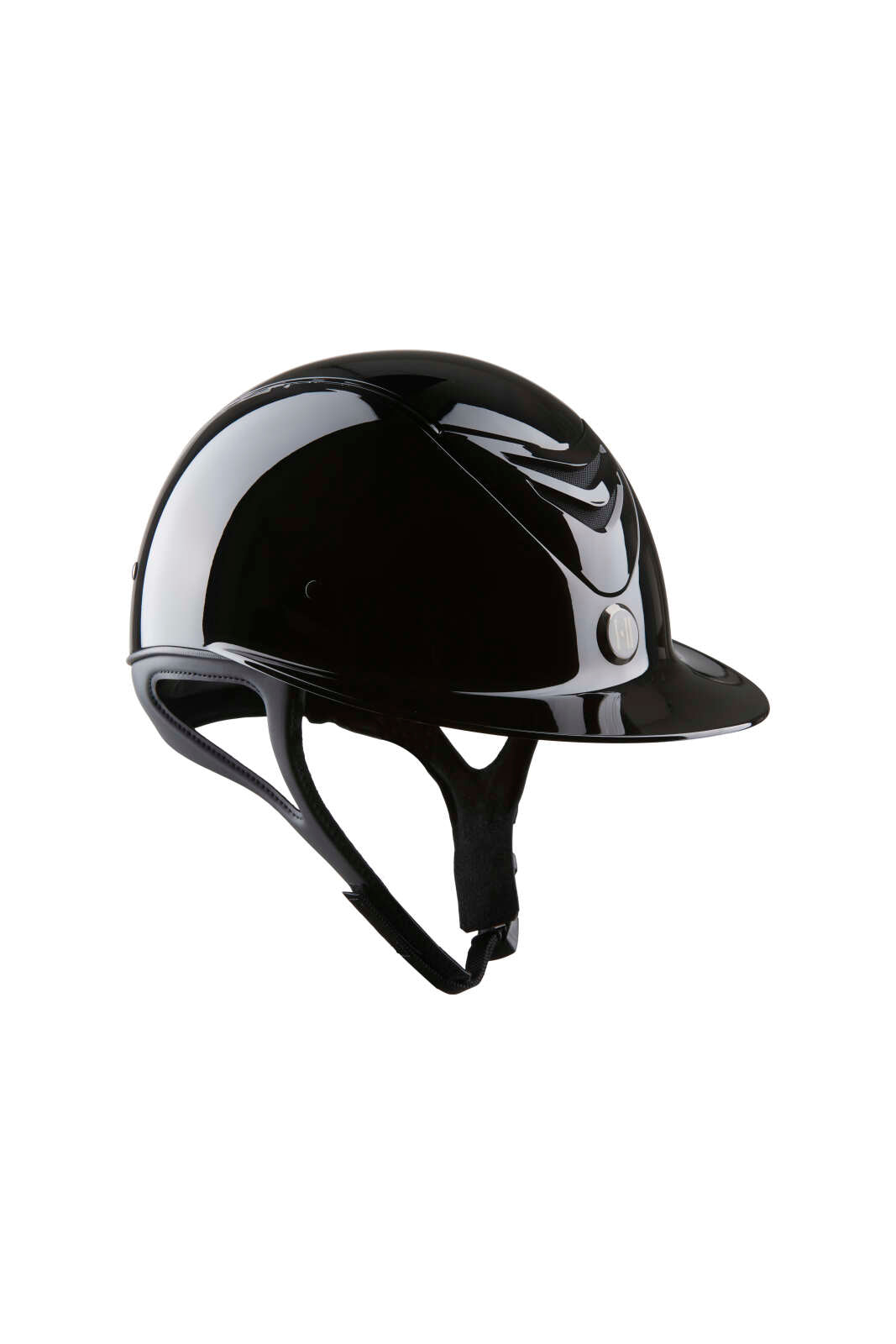
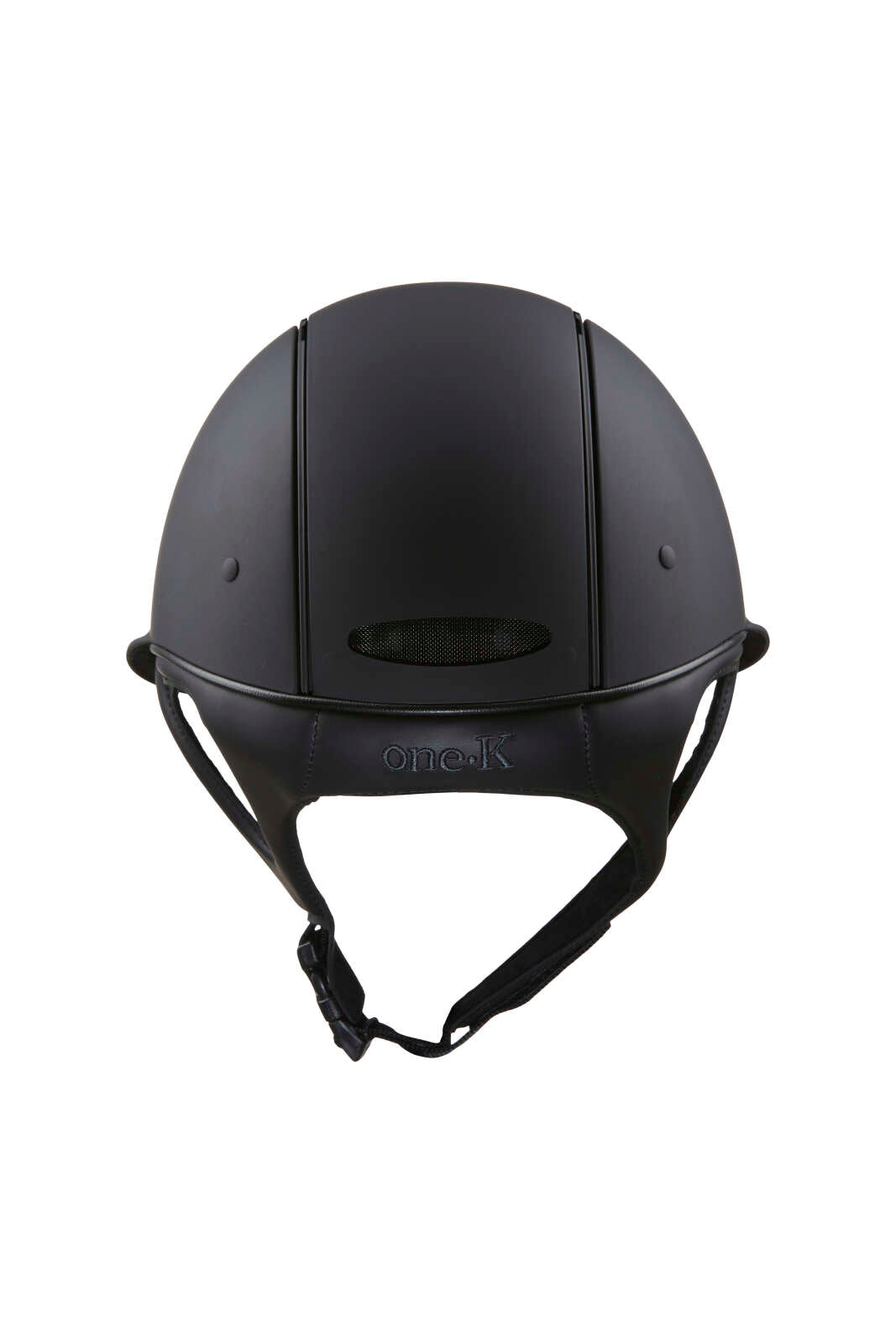
One K is generally in the higher-priced segment of our lineup. As the official European distributor of One K, we know the product line inside and out, and the brand is particularly appealing to Riders who value product quality, comfort, finish, and a wide range of design options.
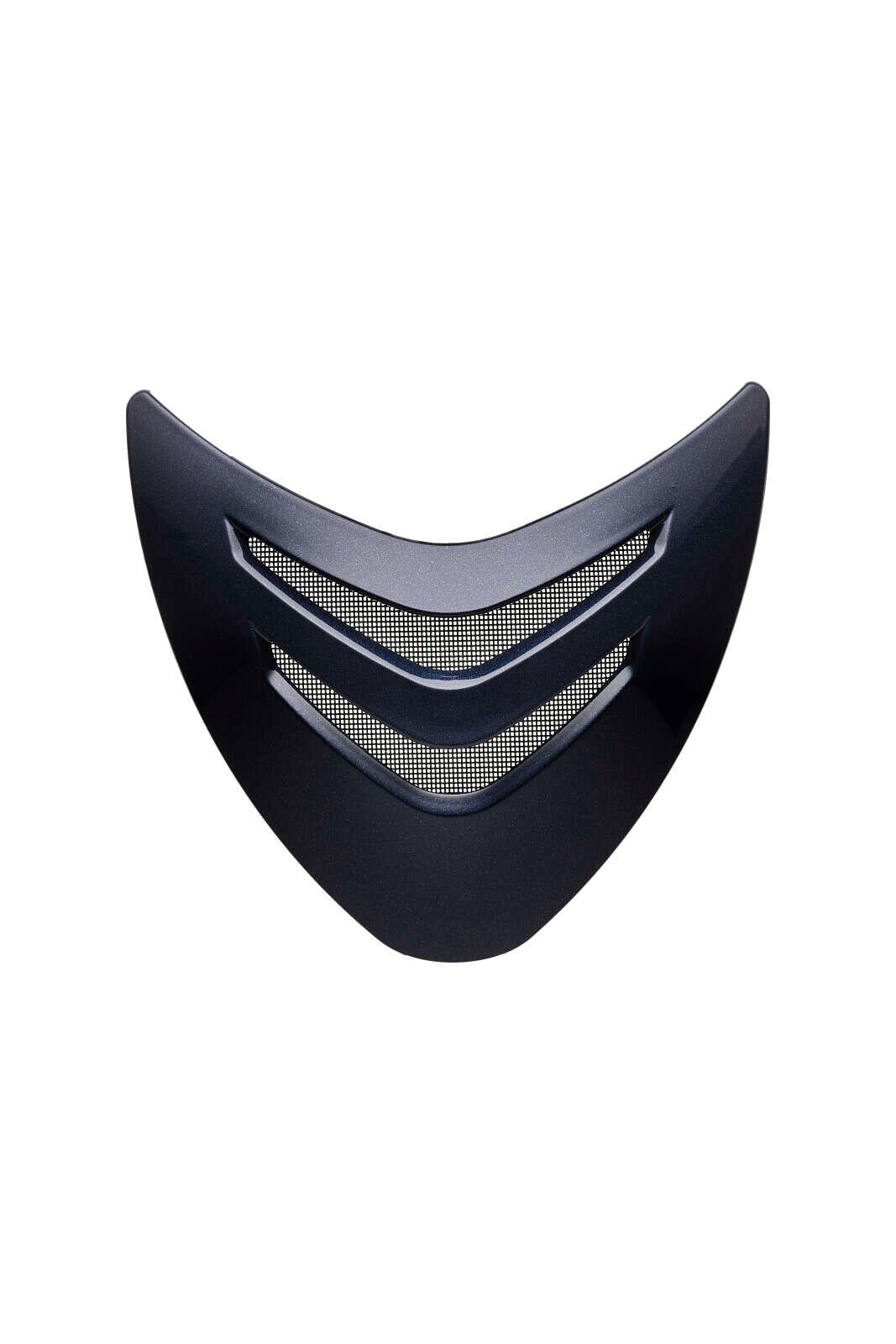
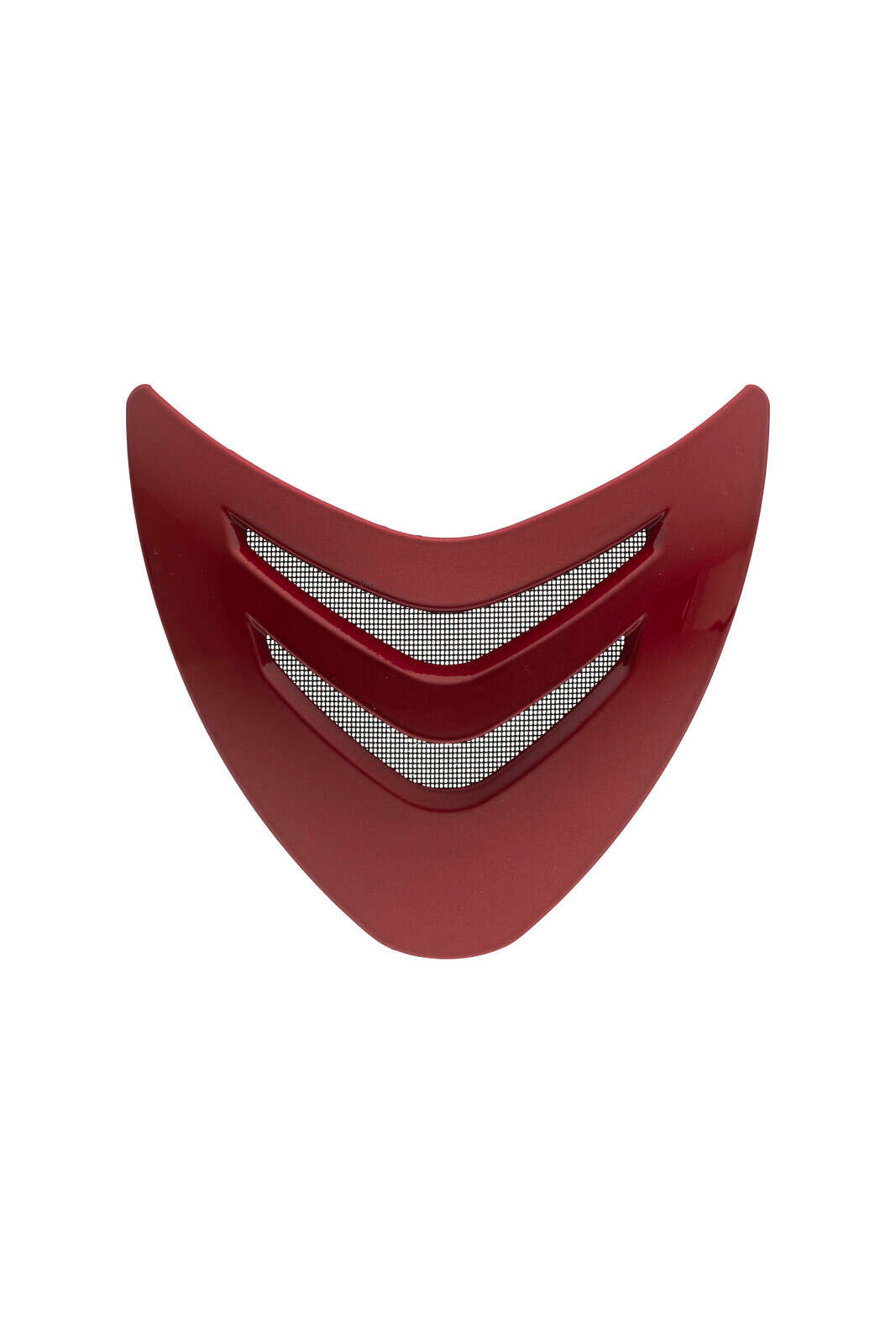
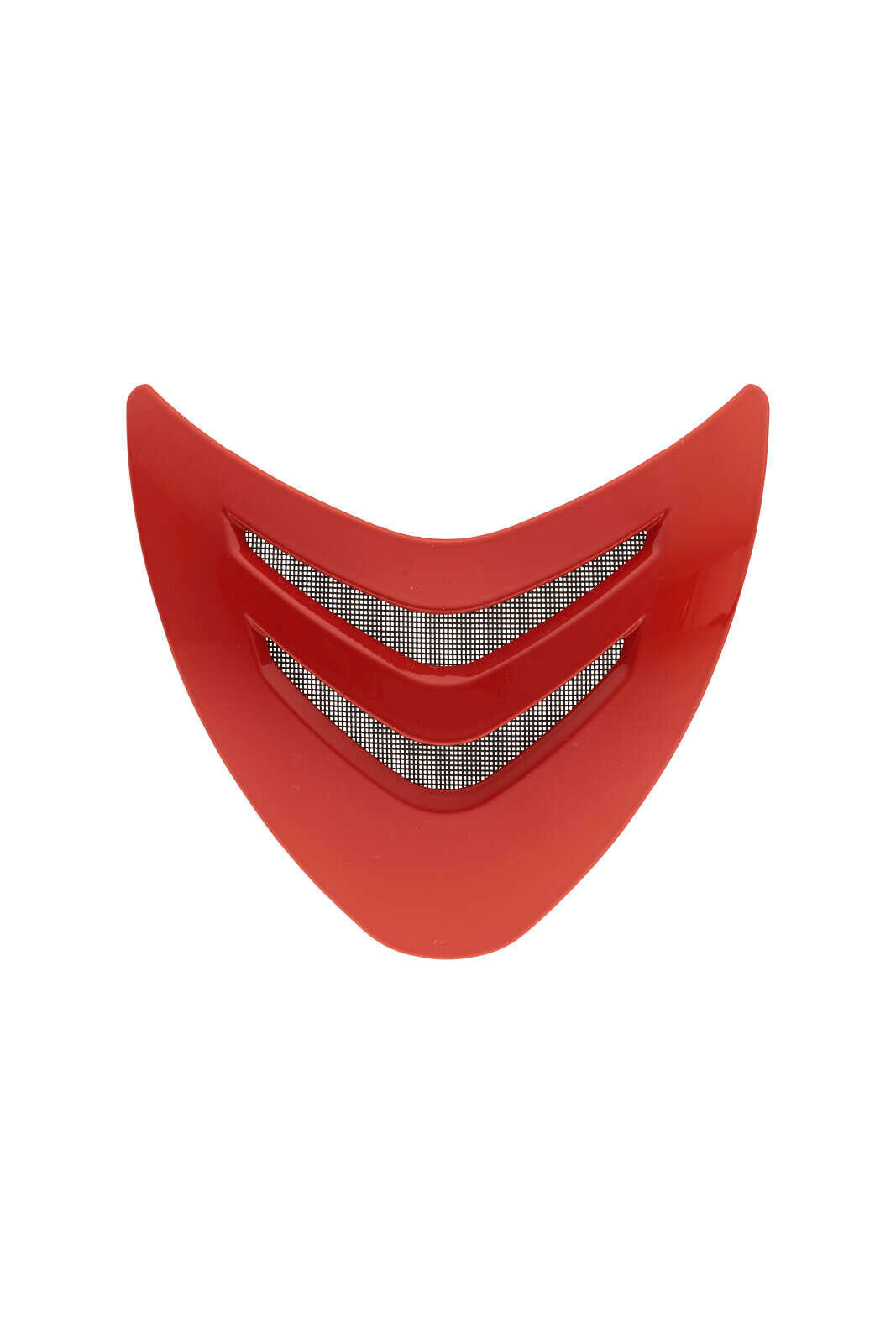
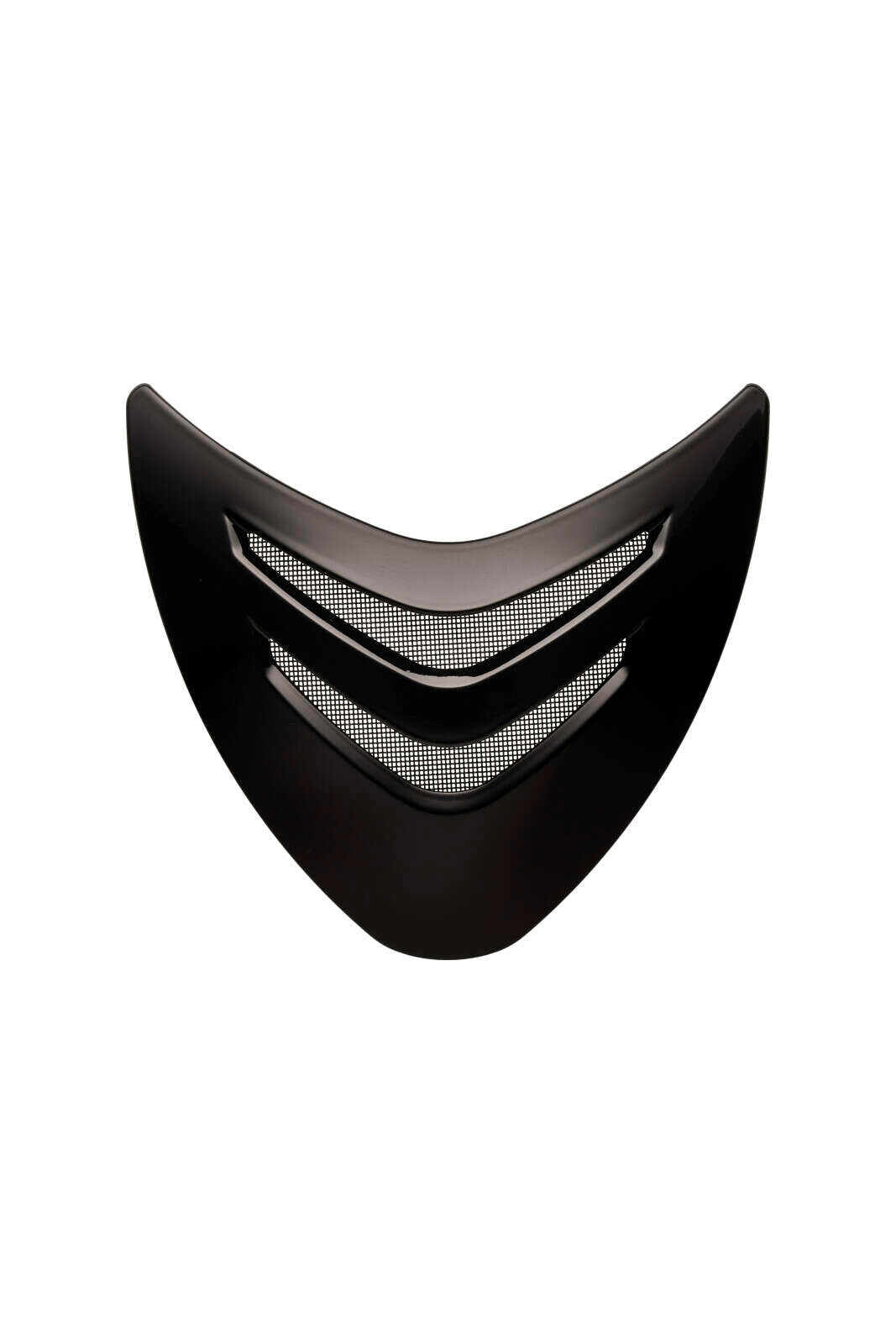
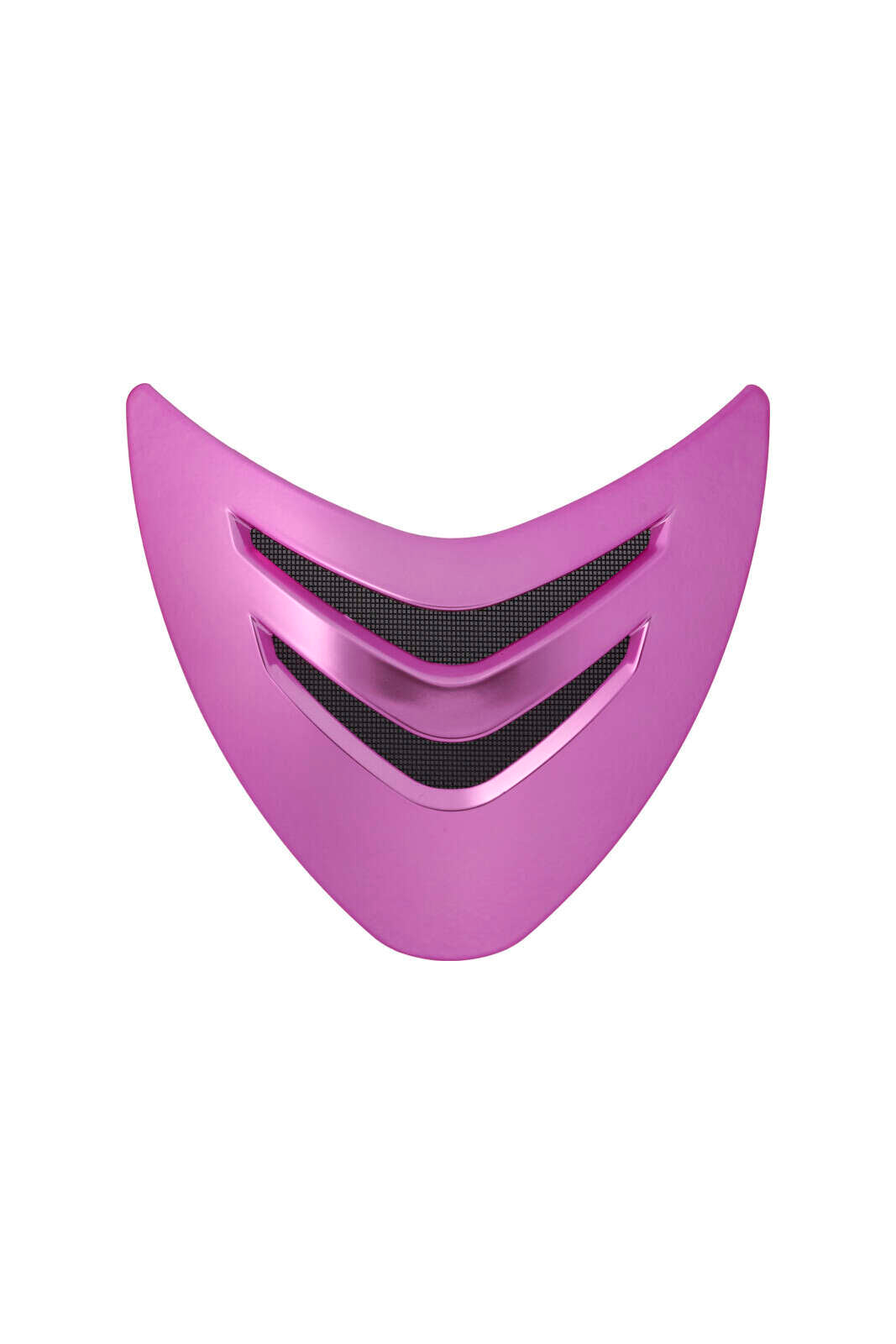
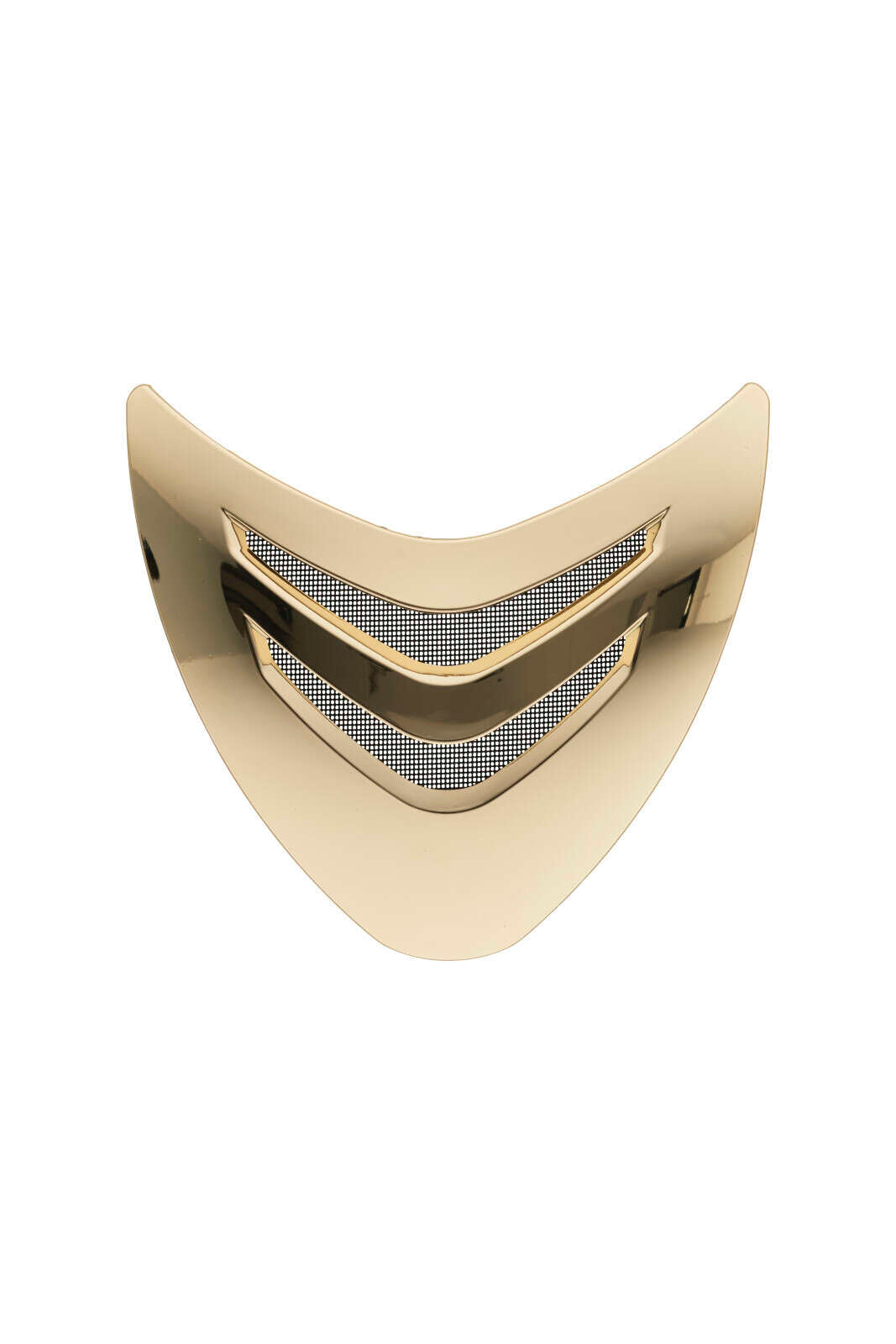
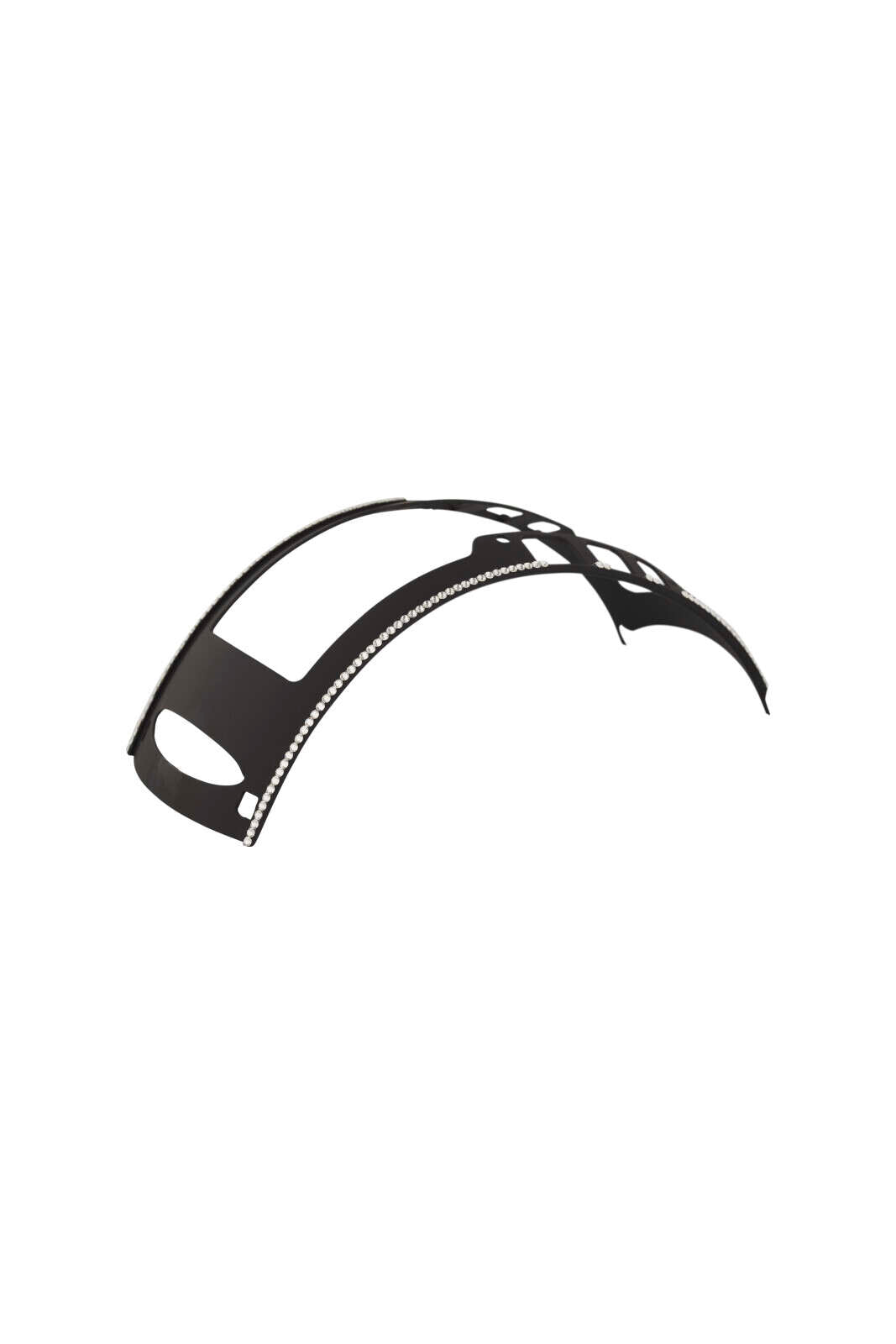
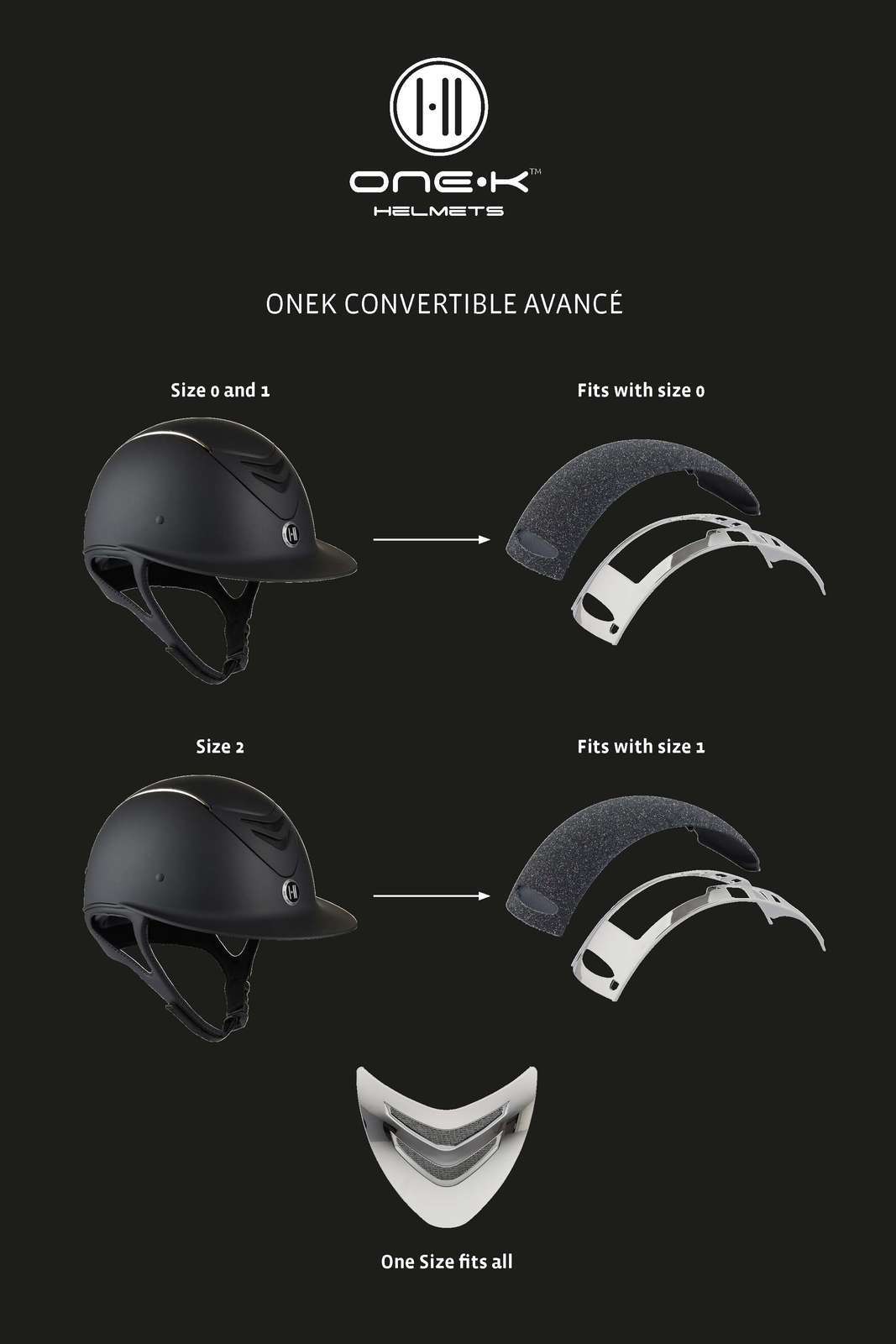
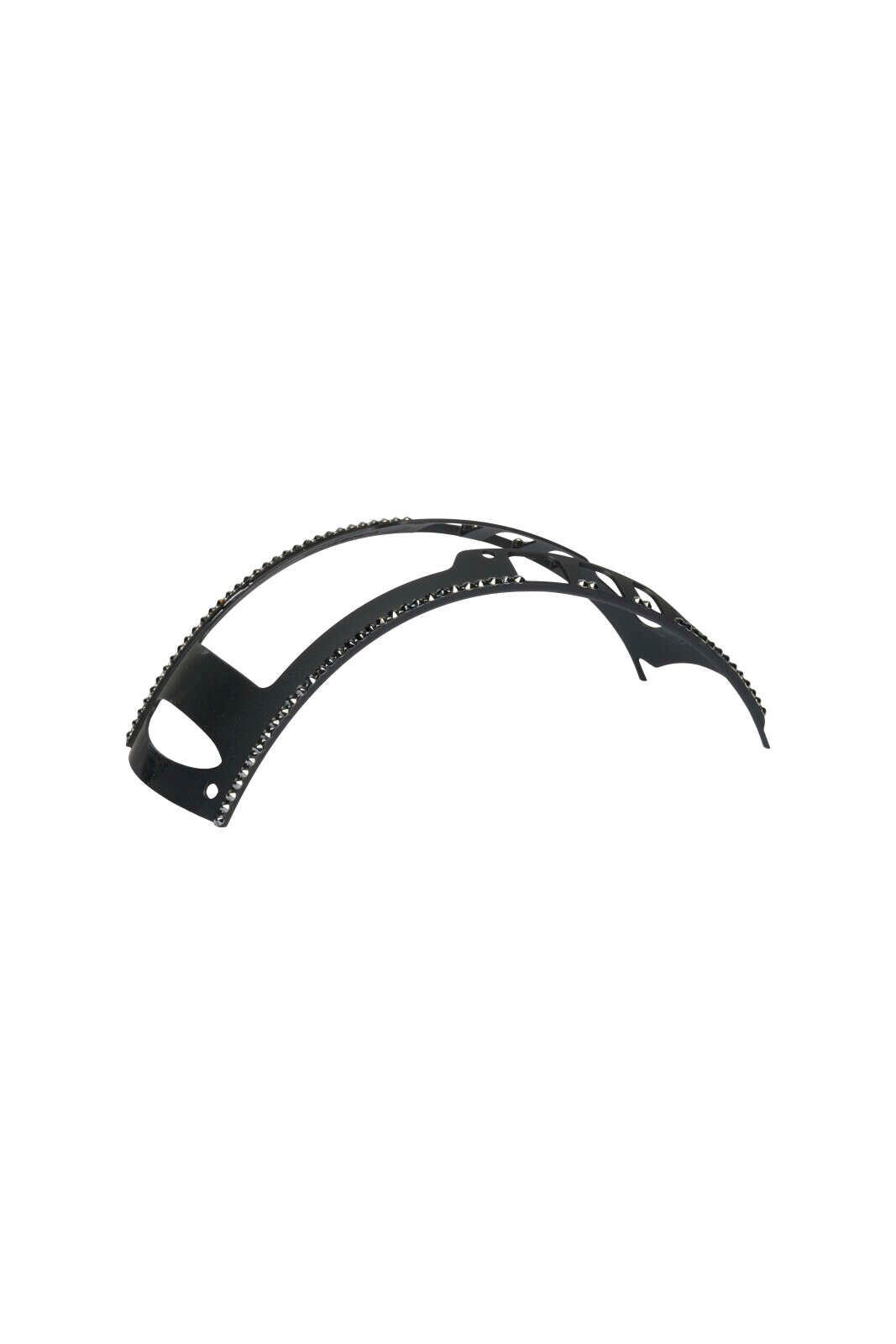
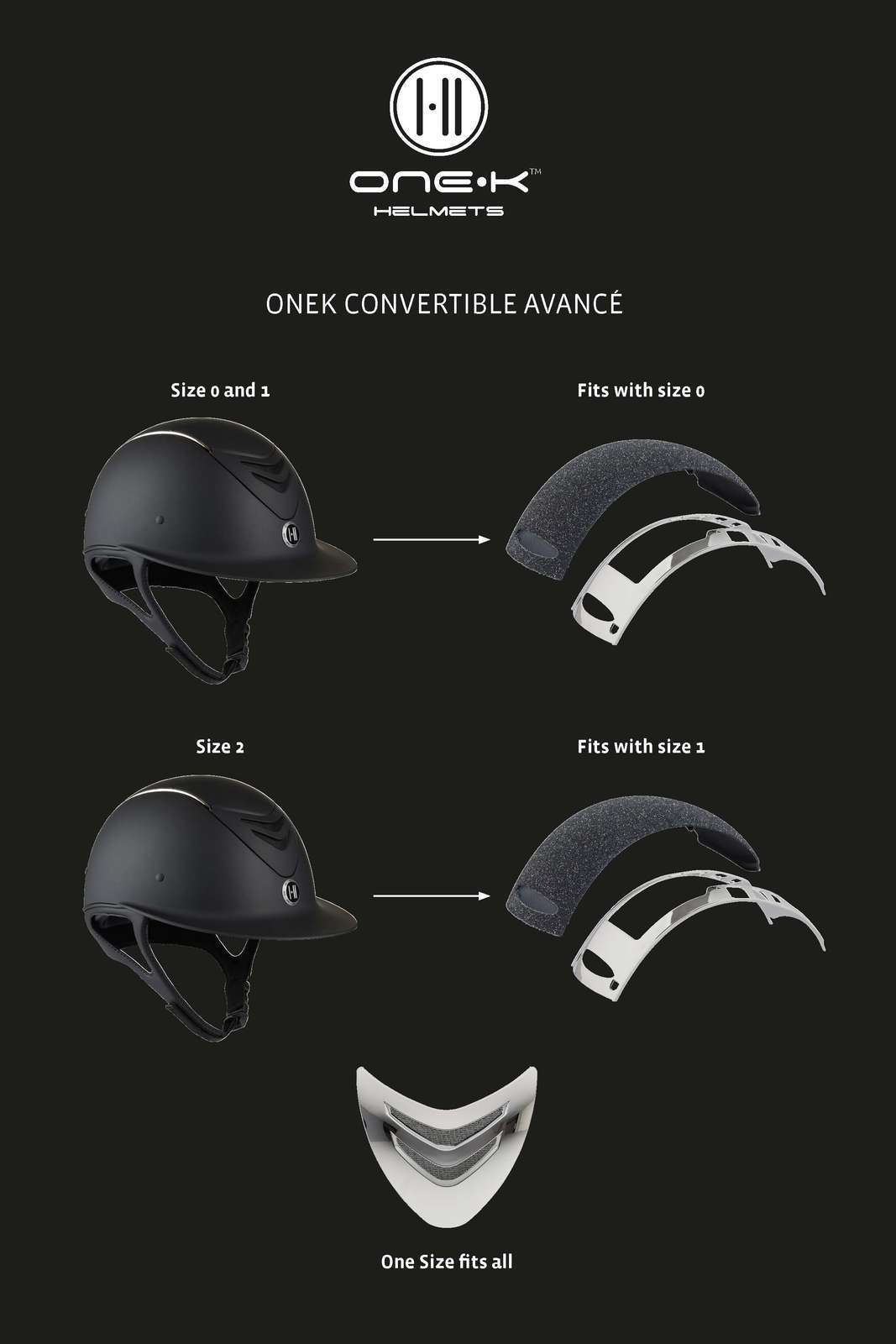
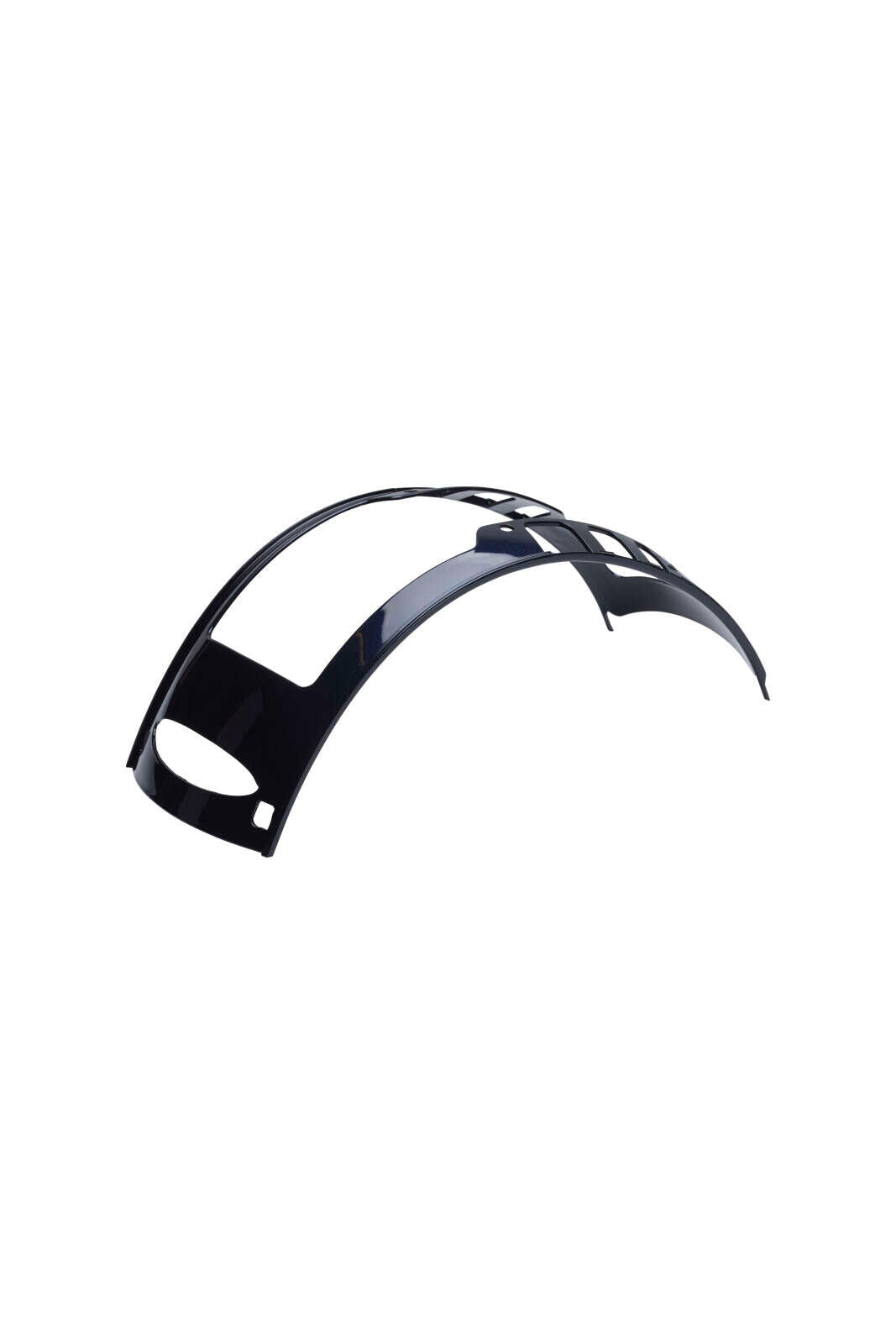
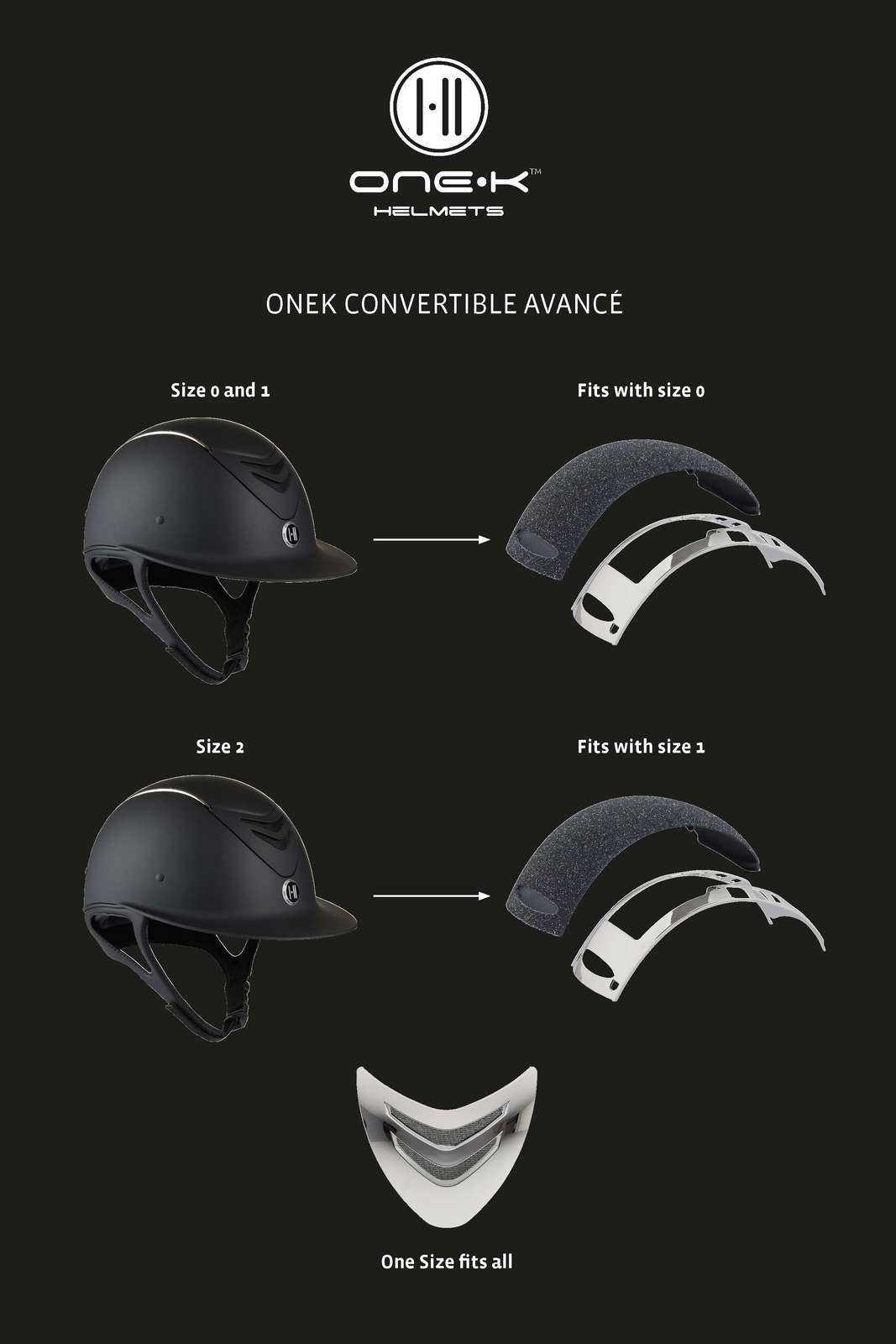
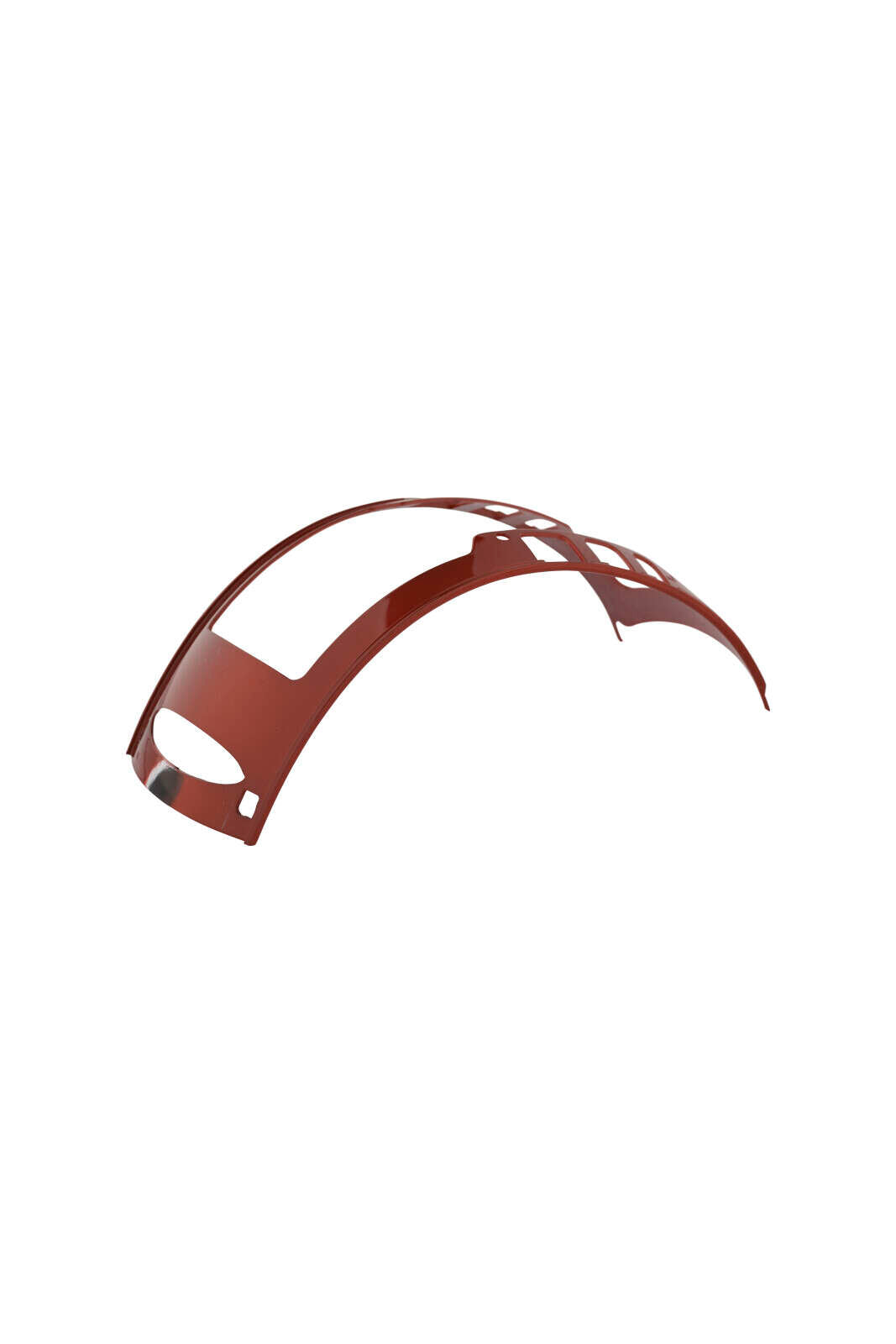
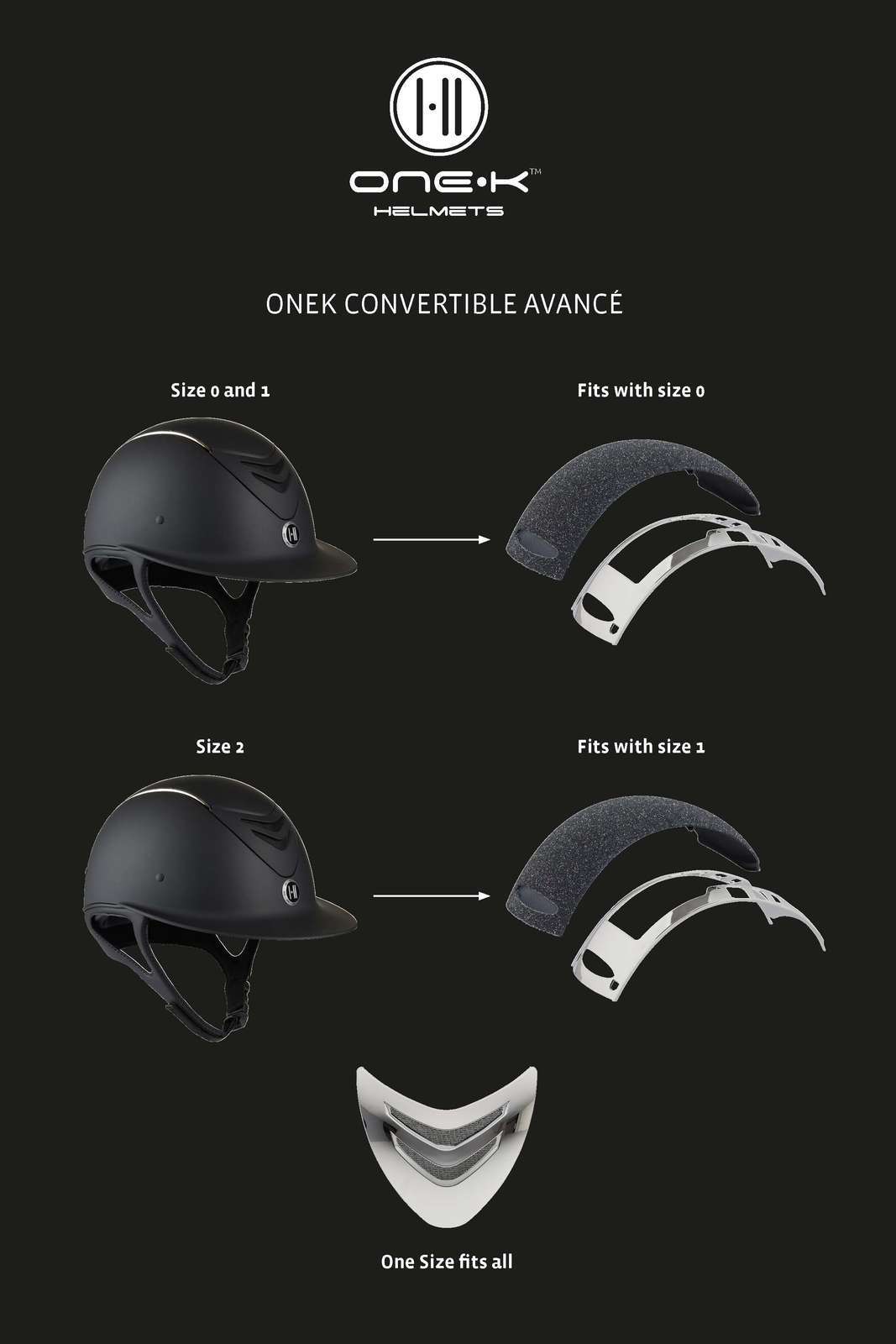
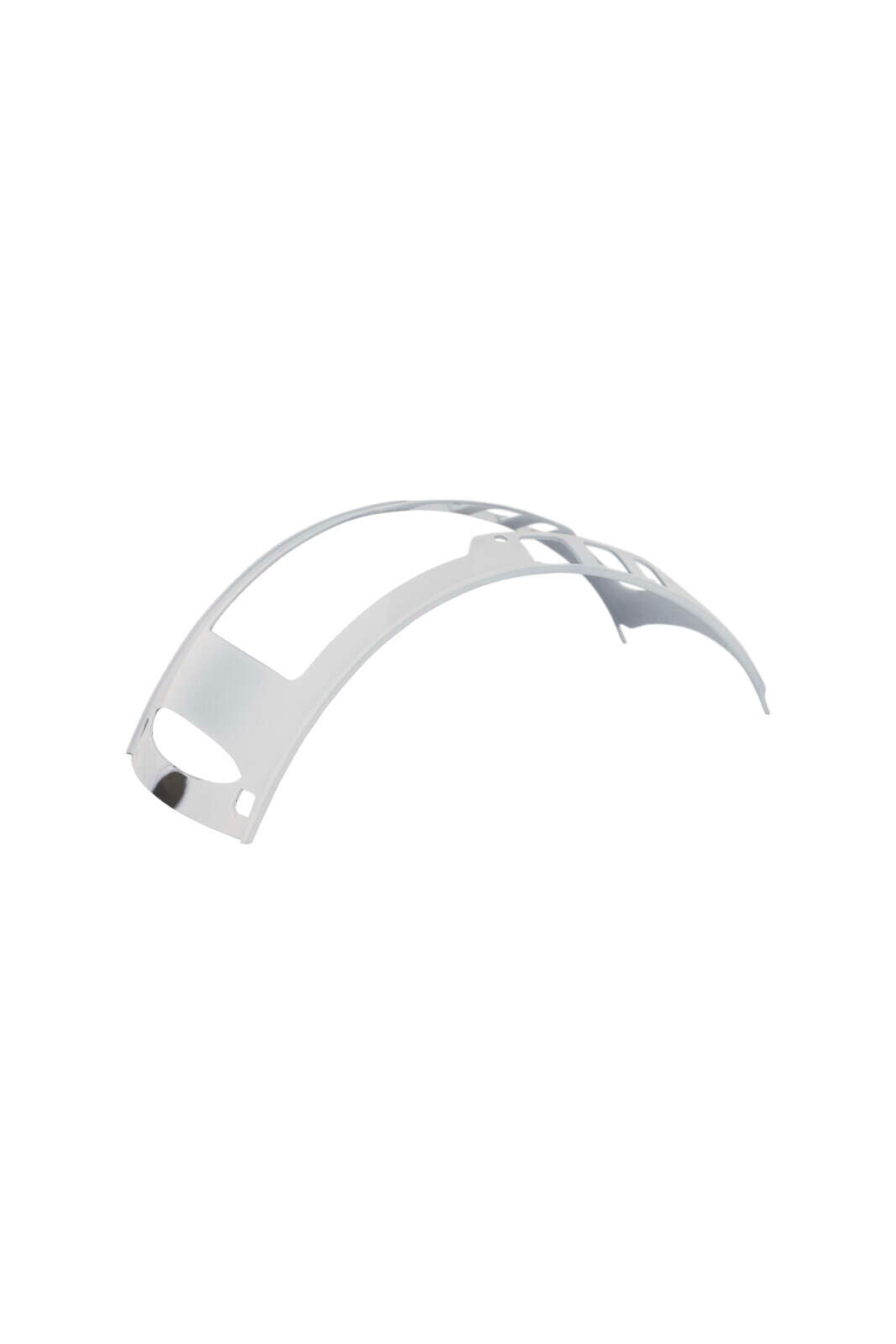
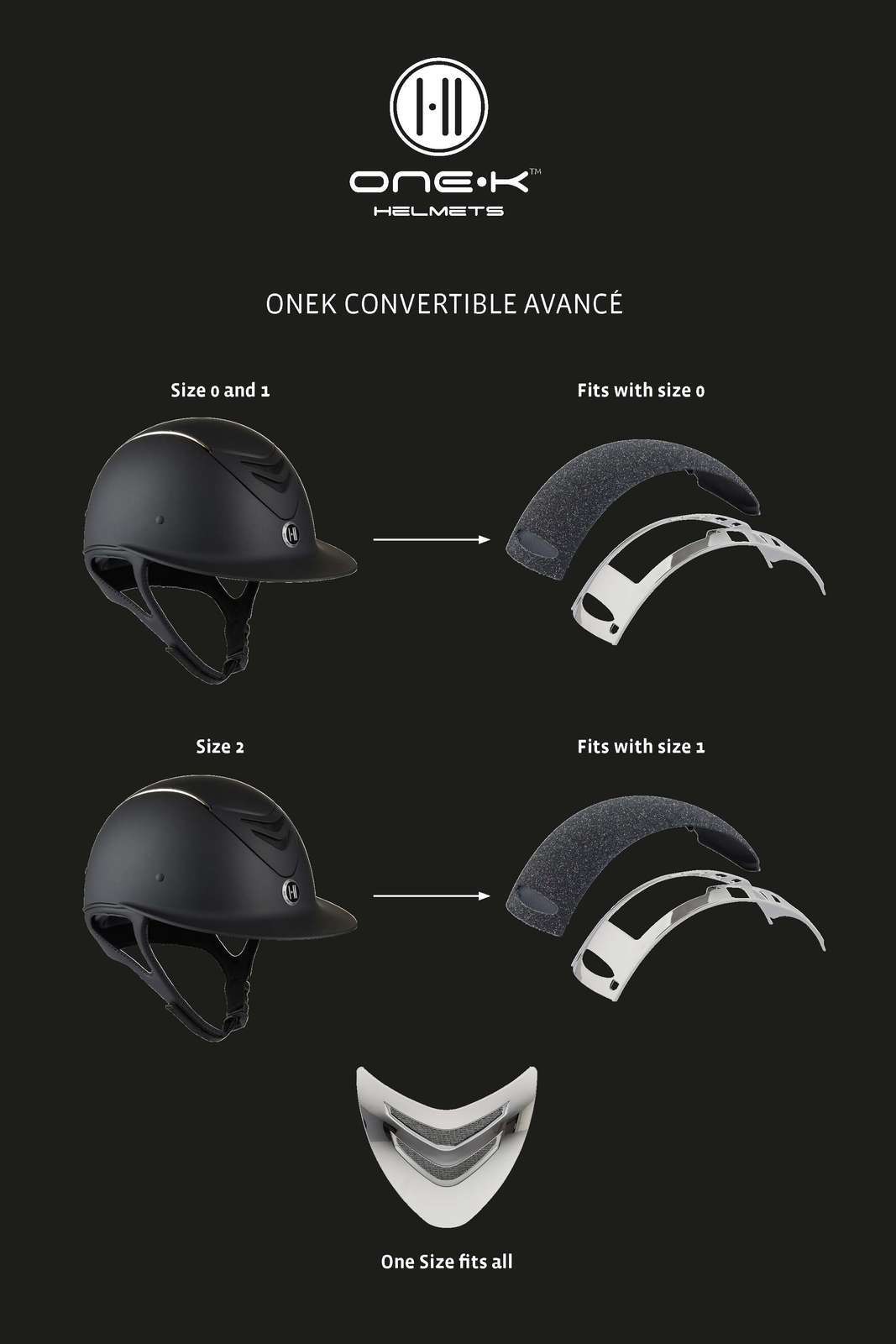
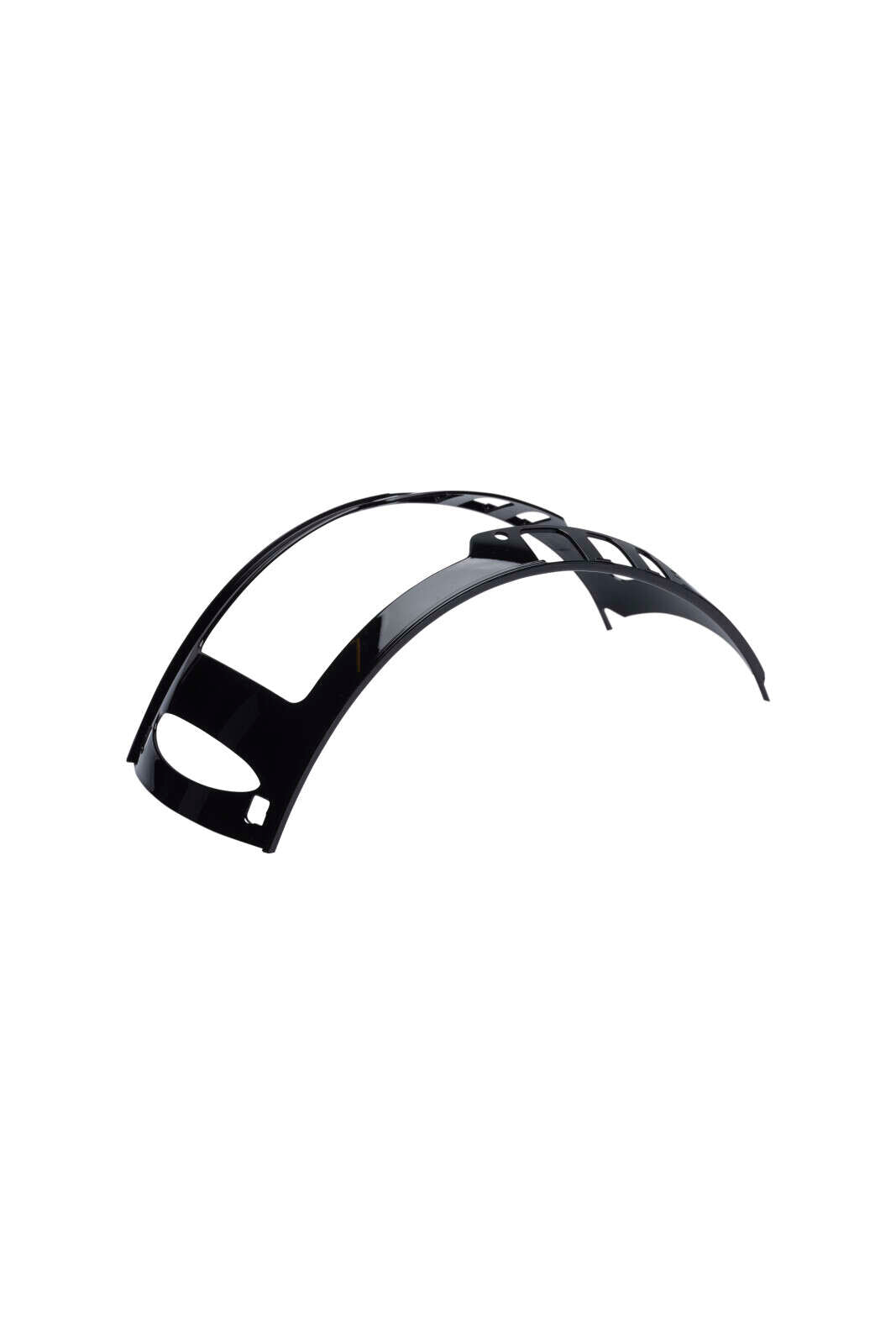
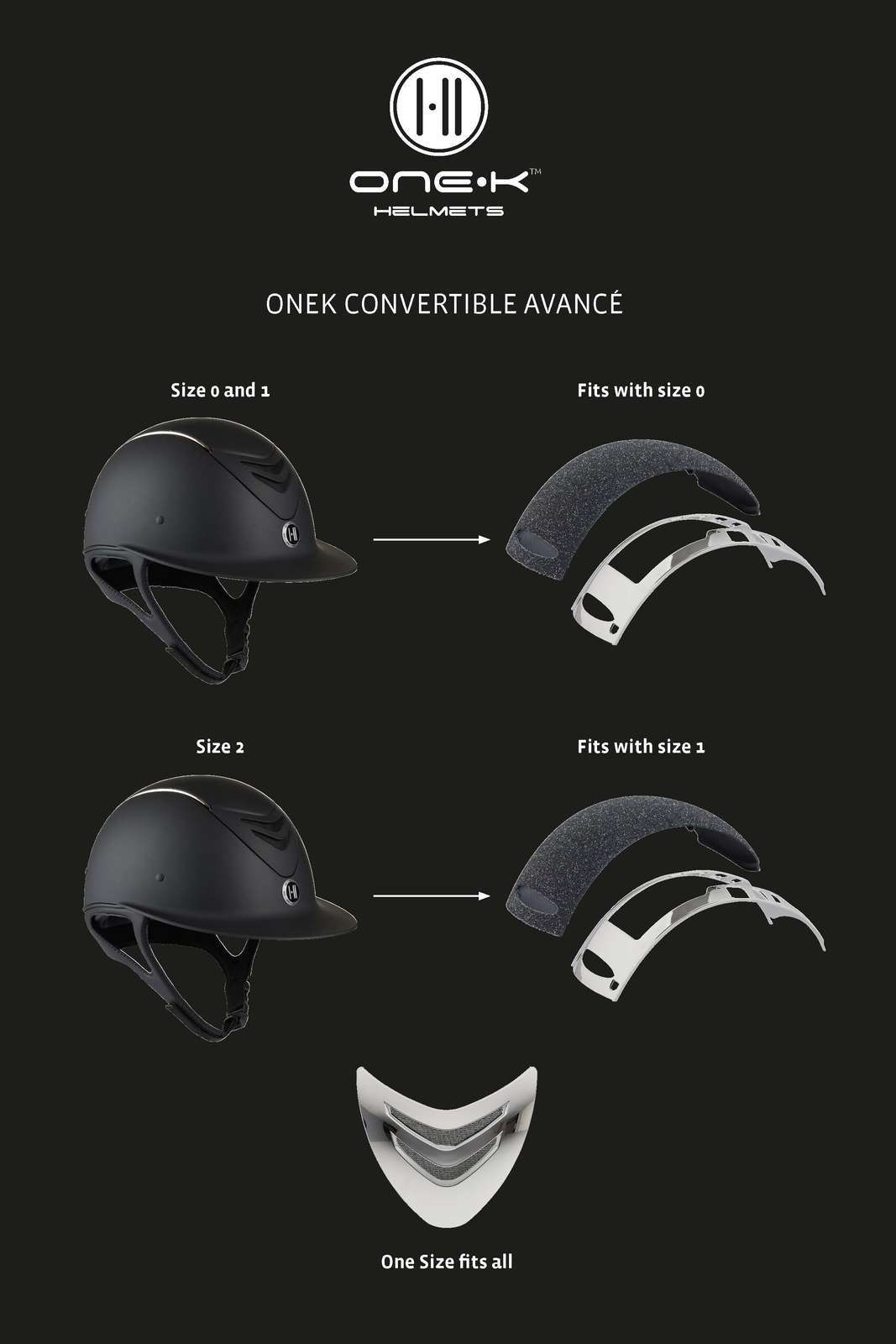
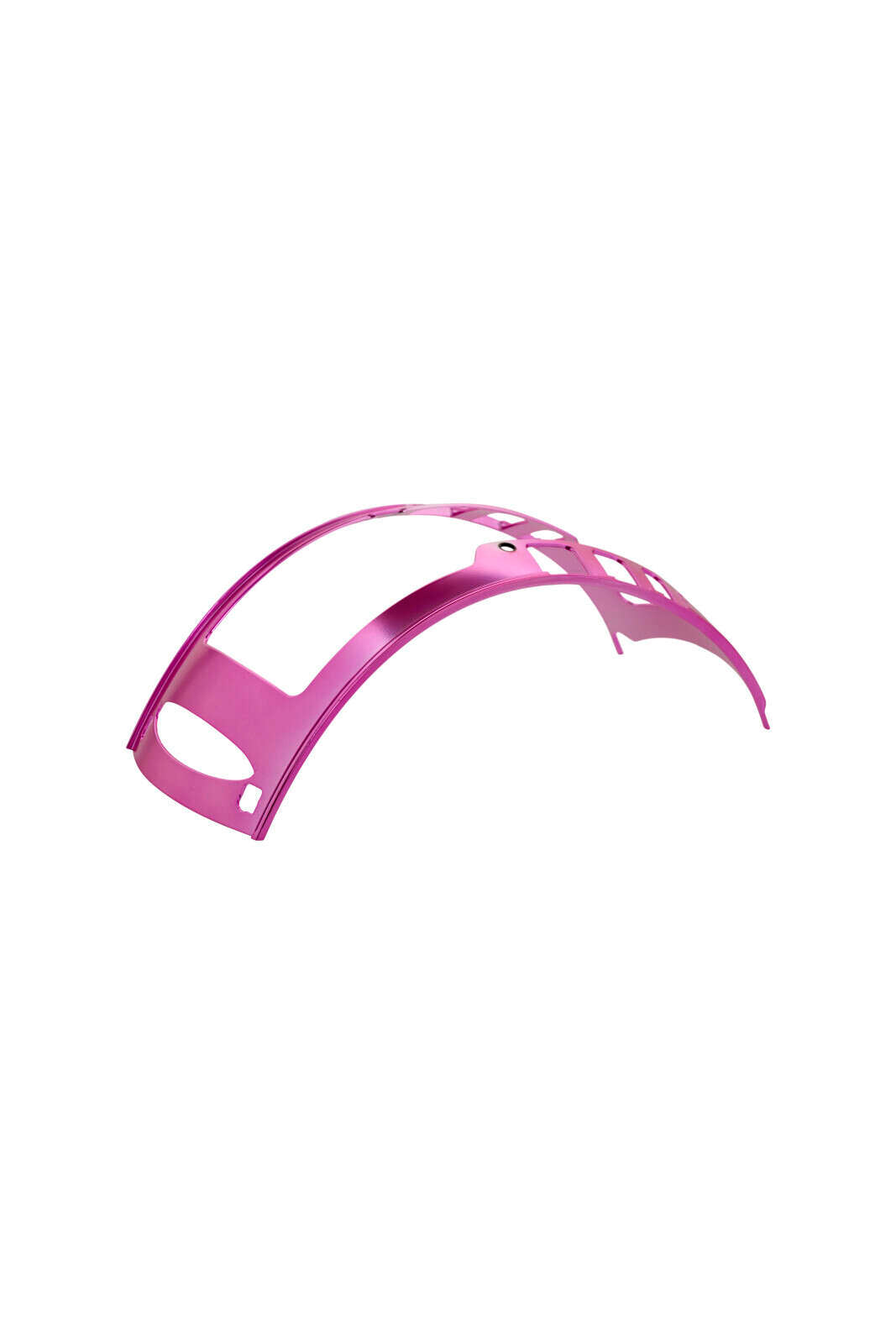
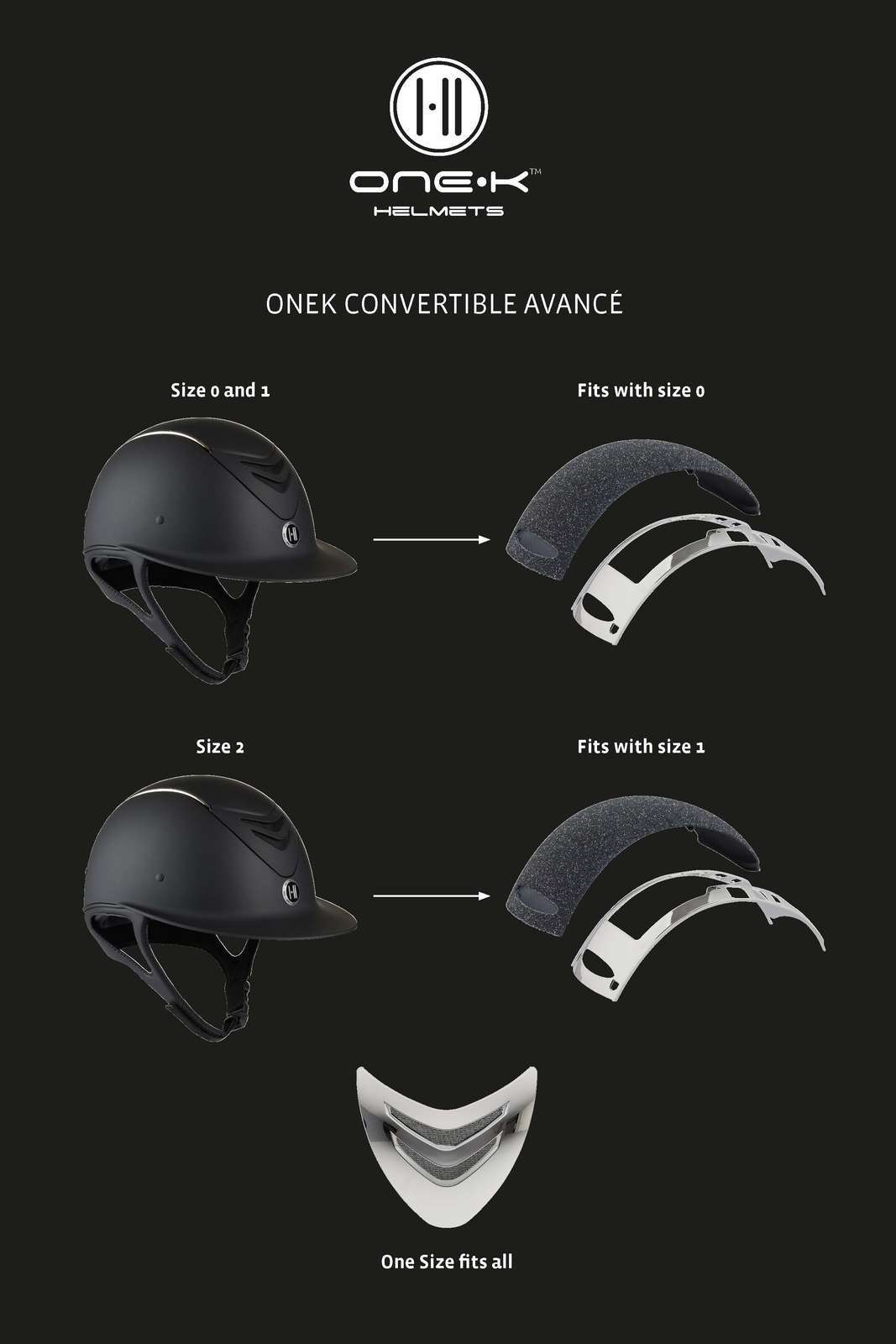
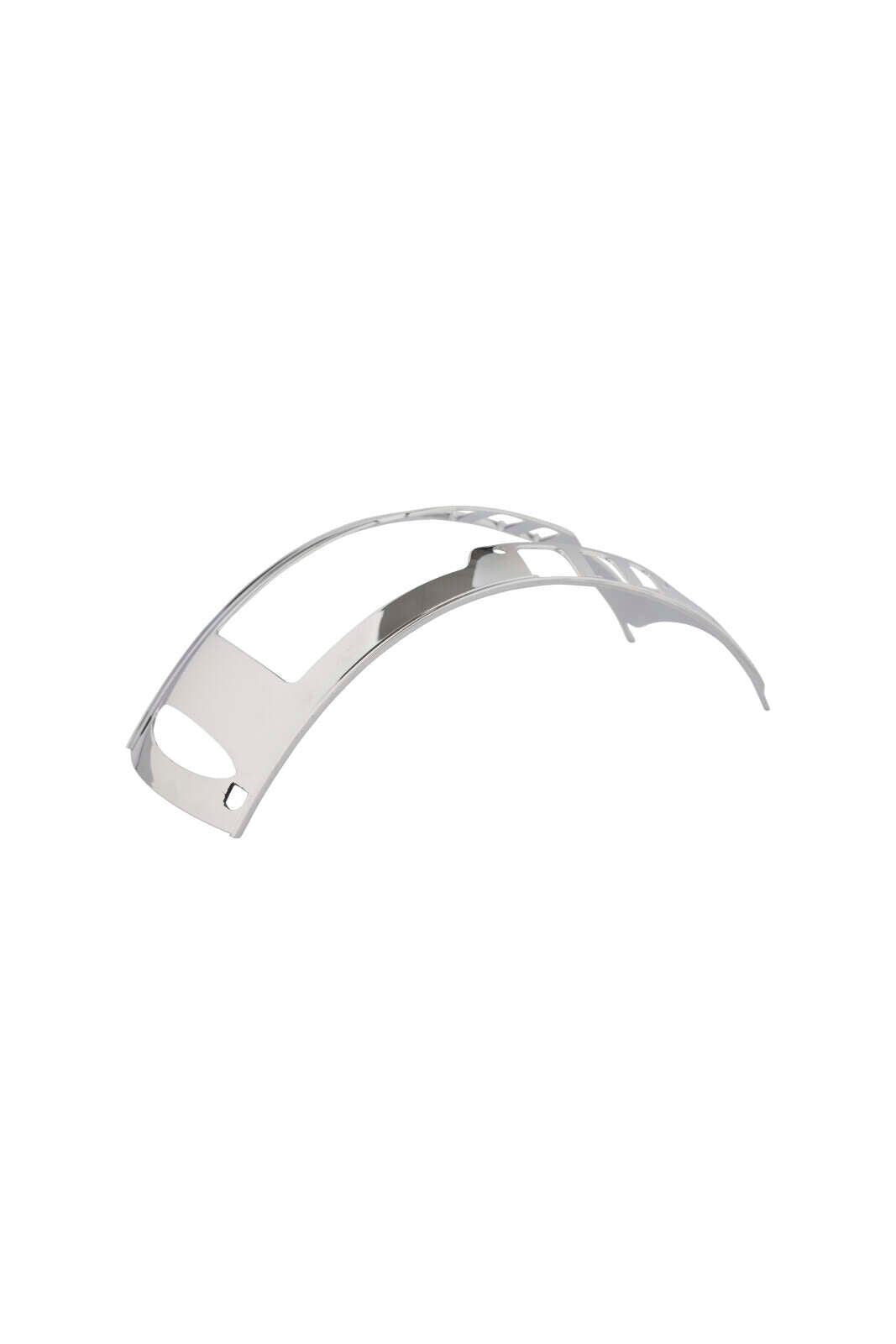
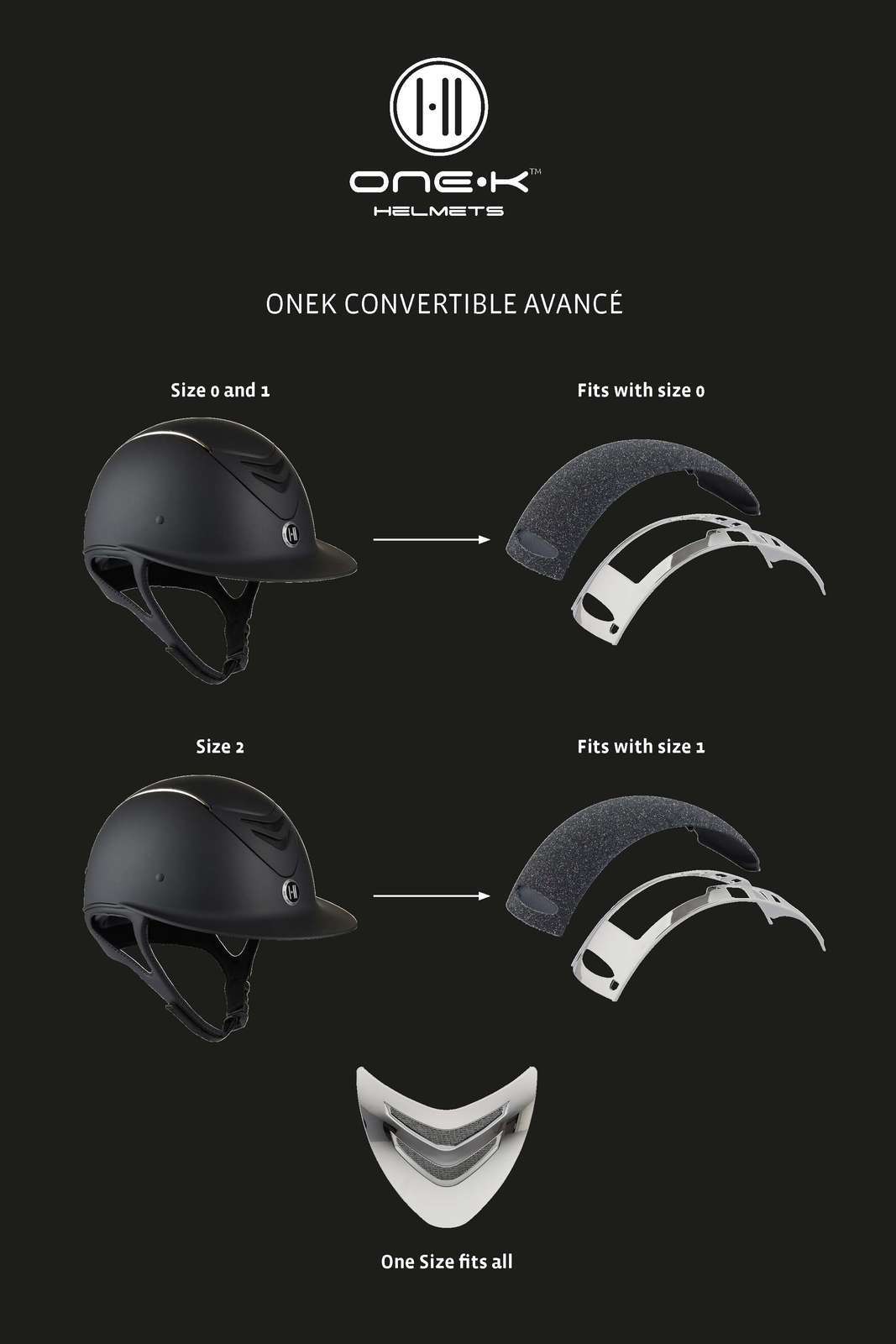
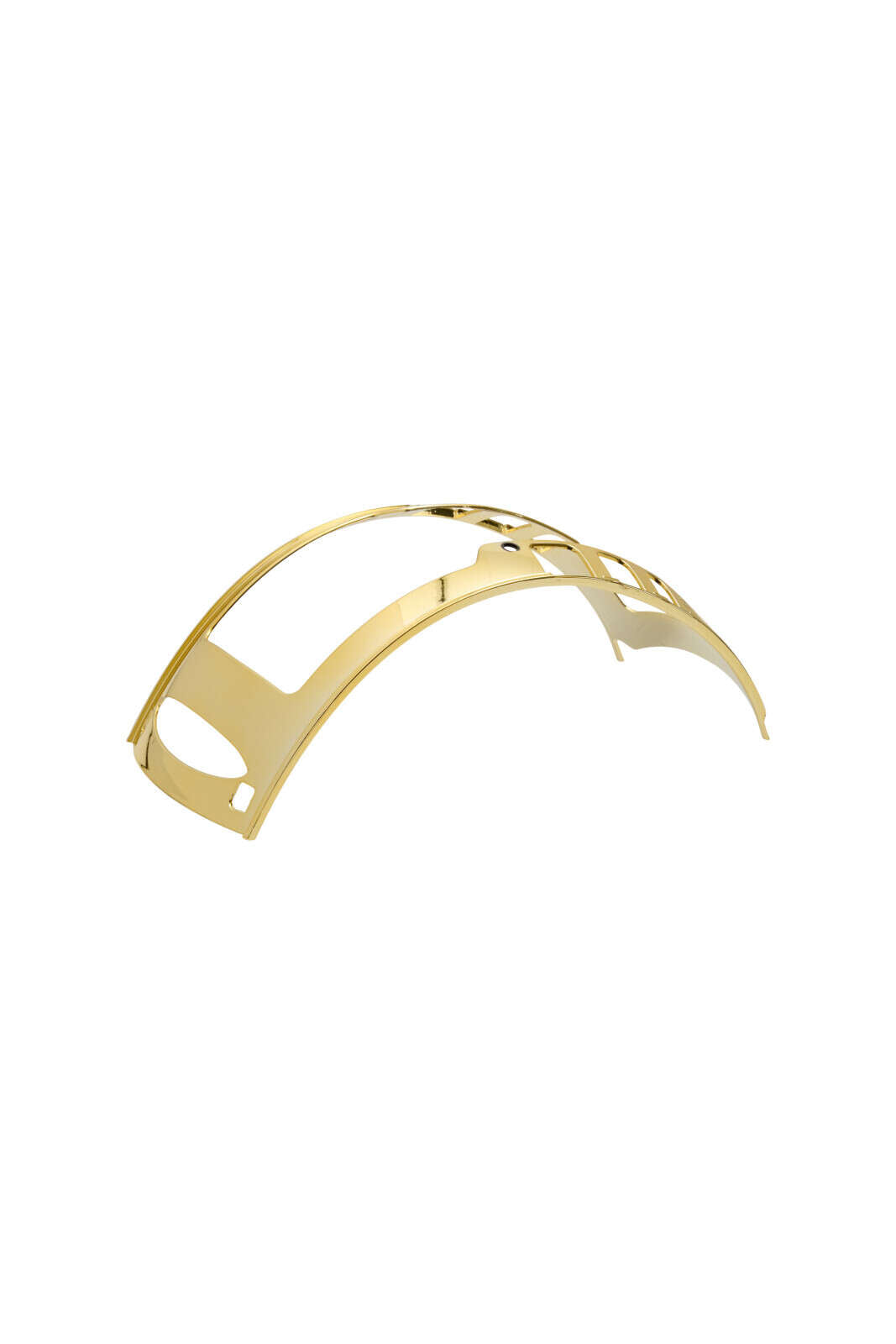
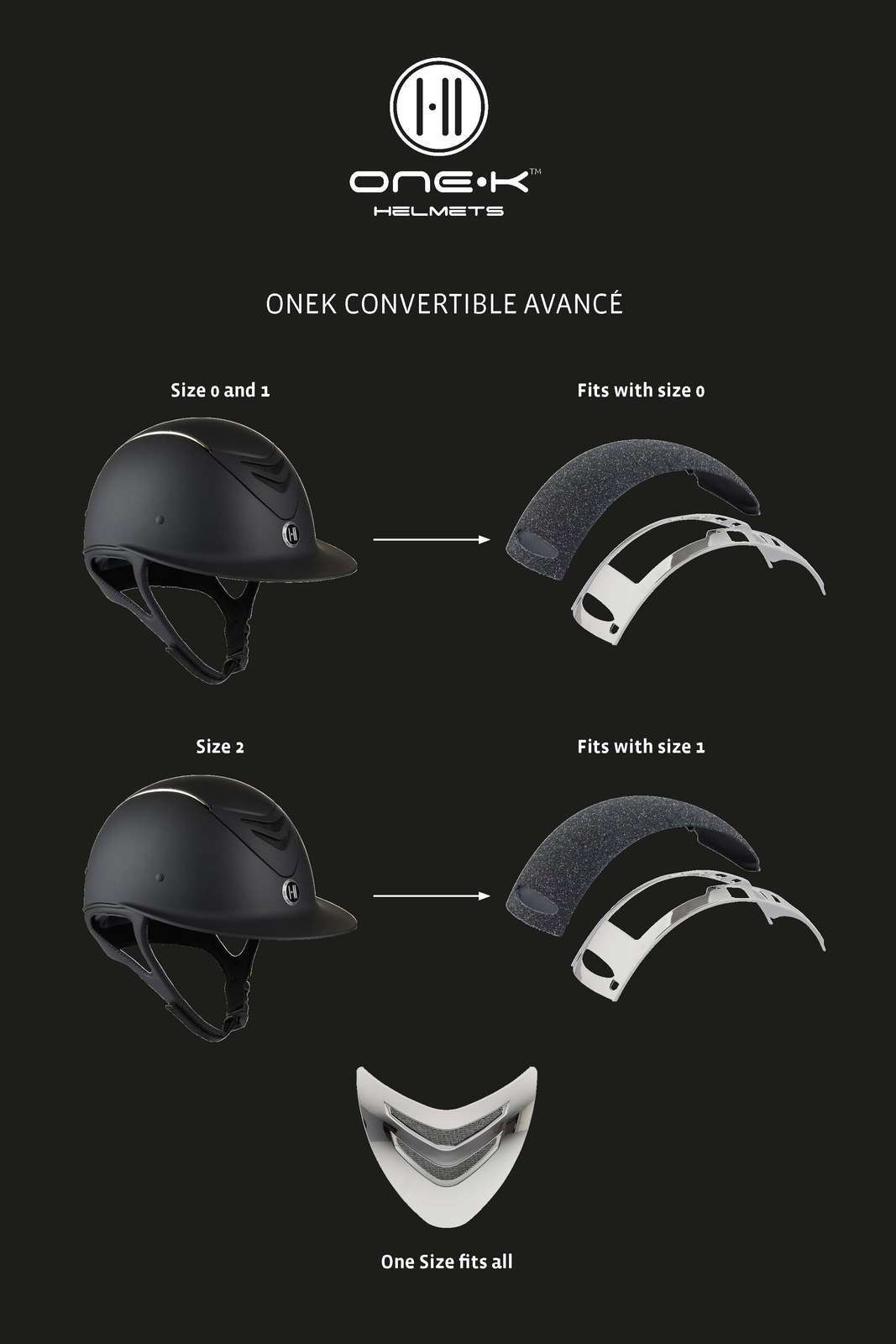
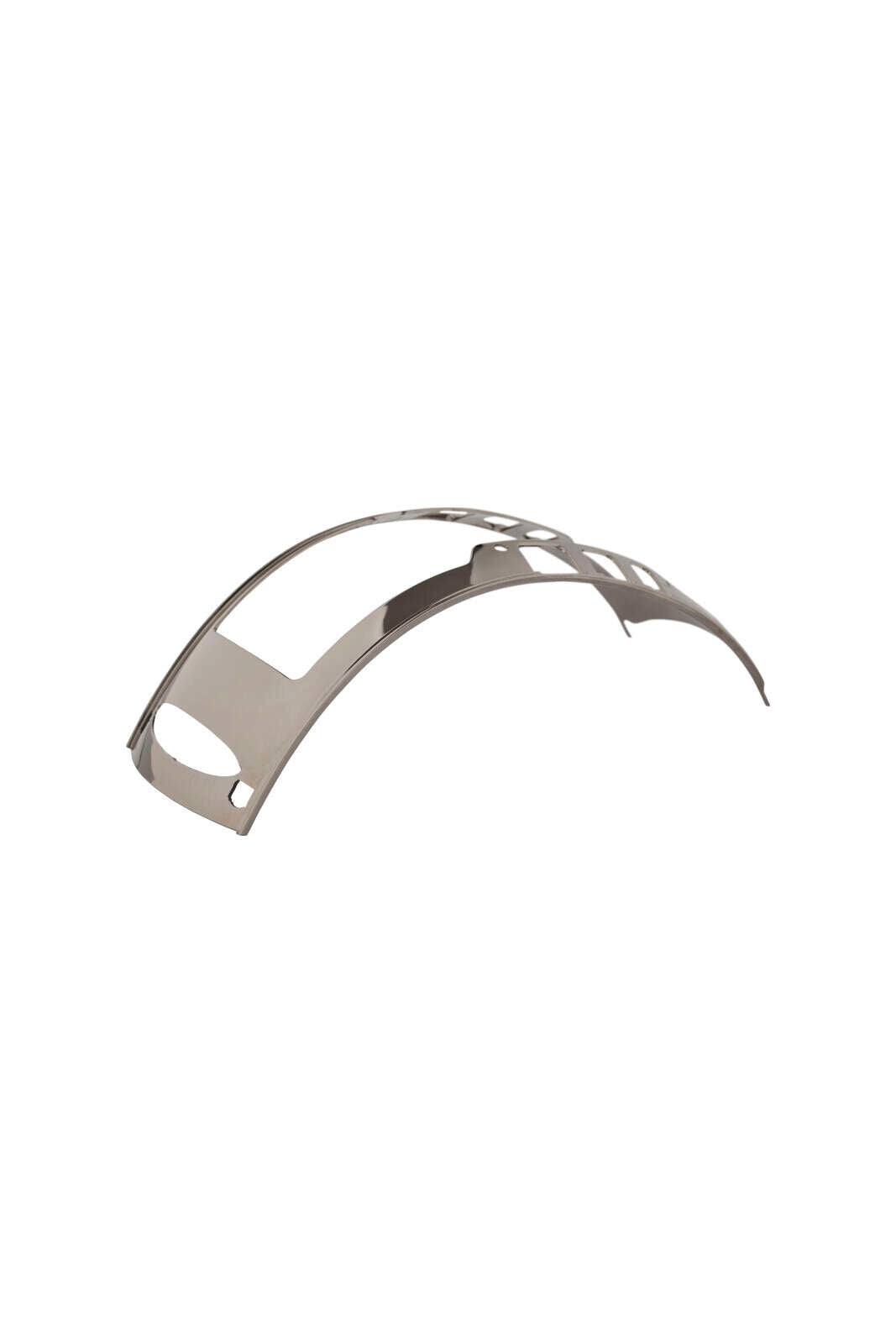
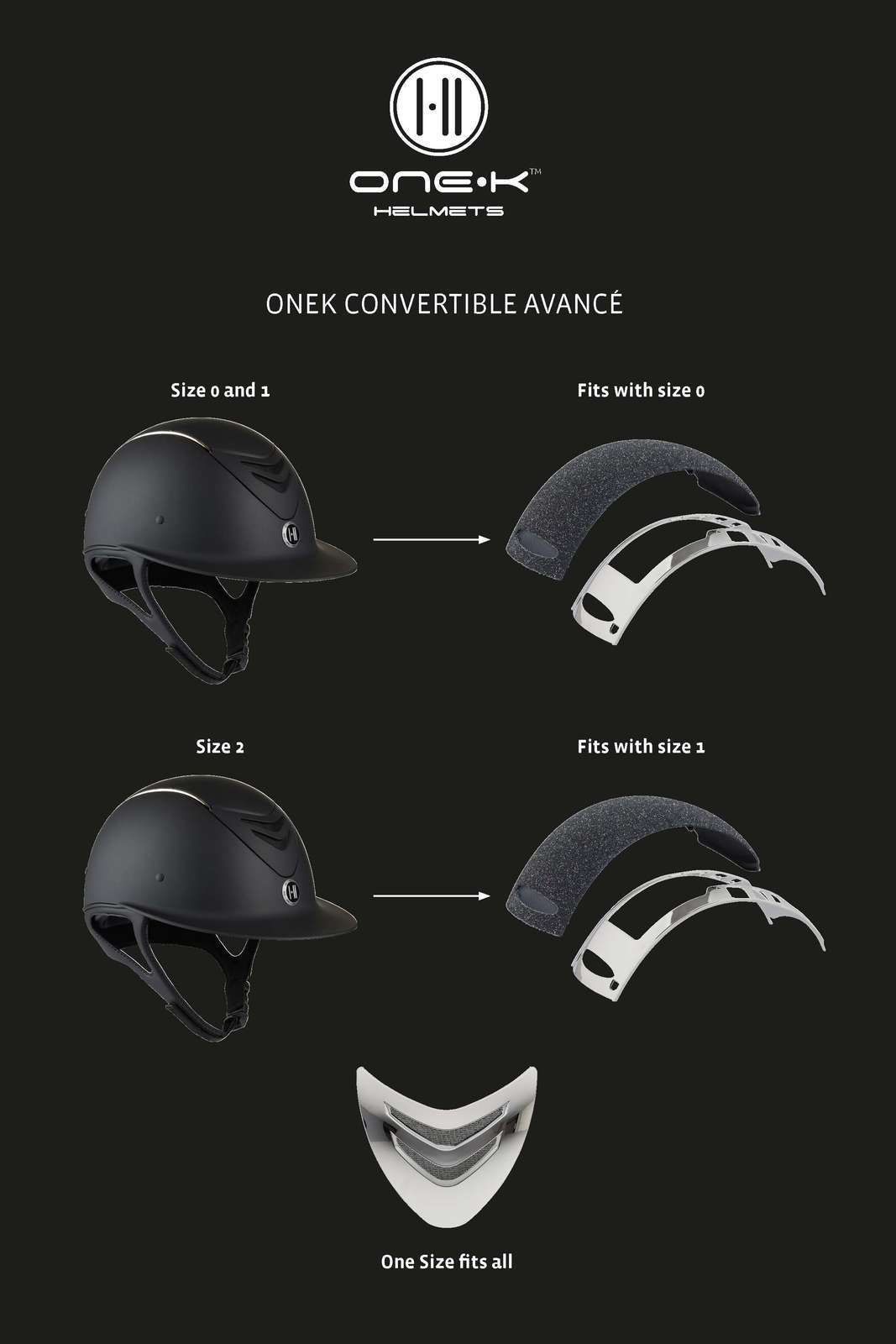
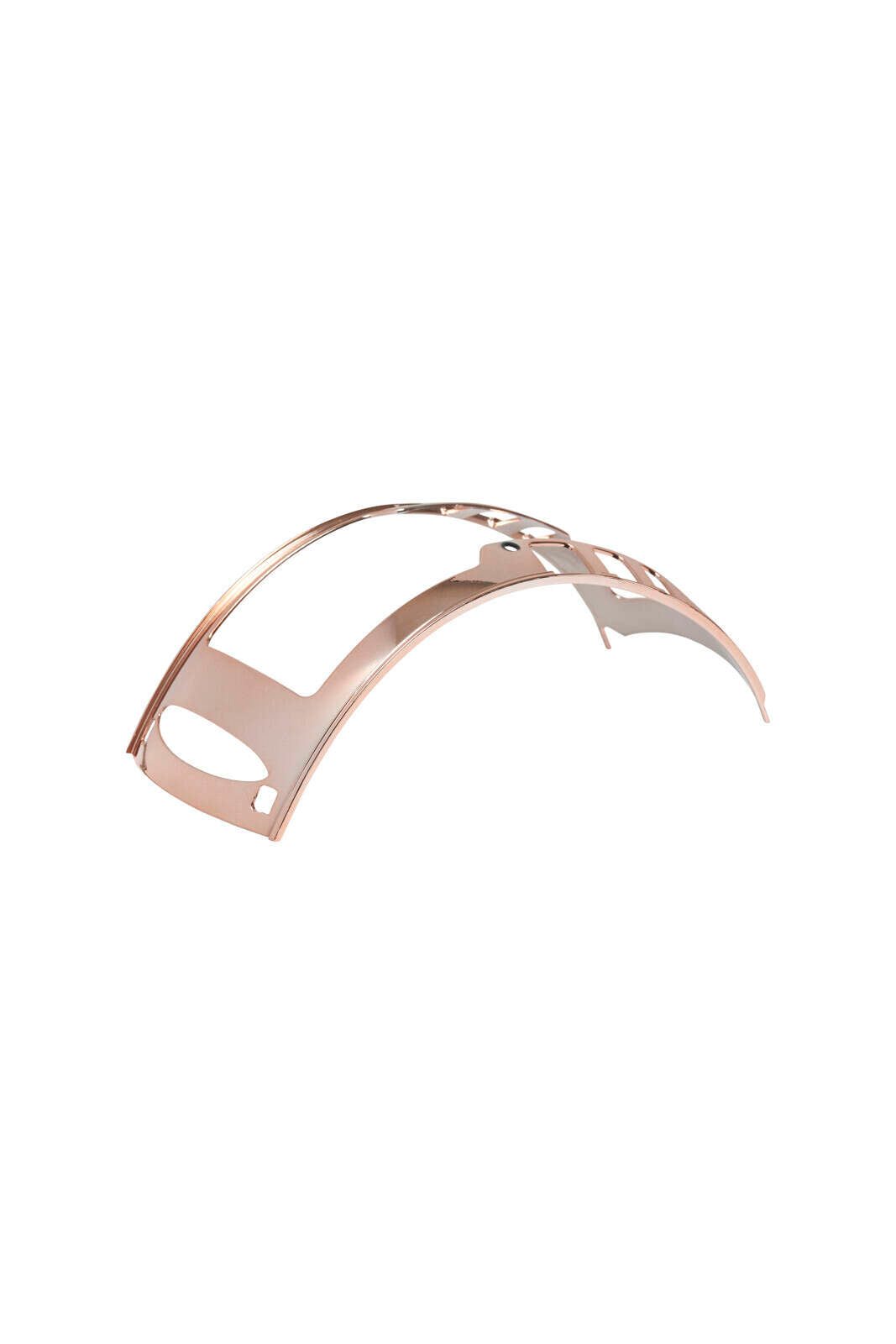
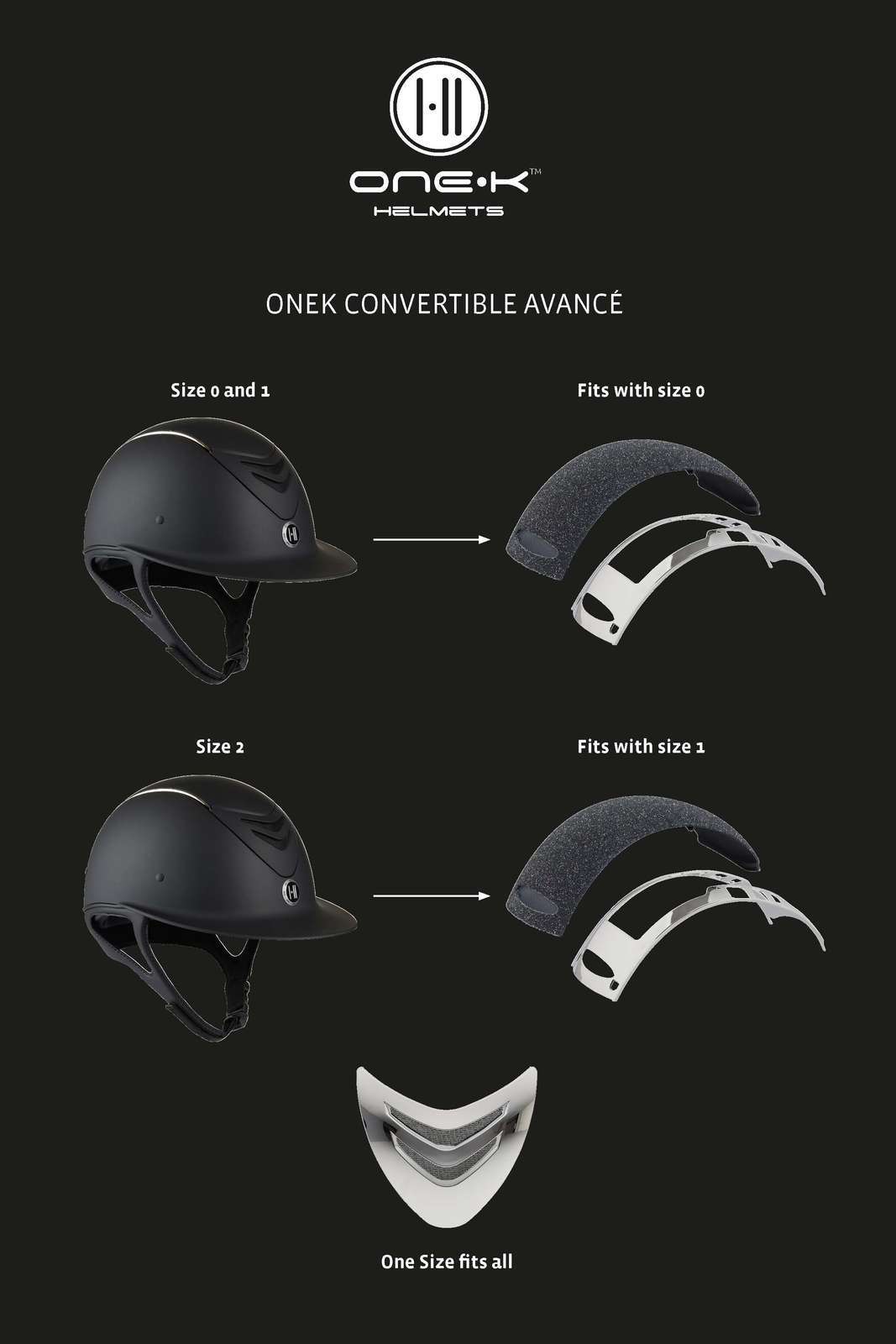
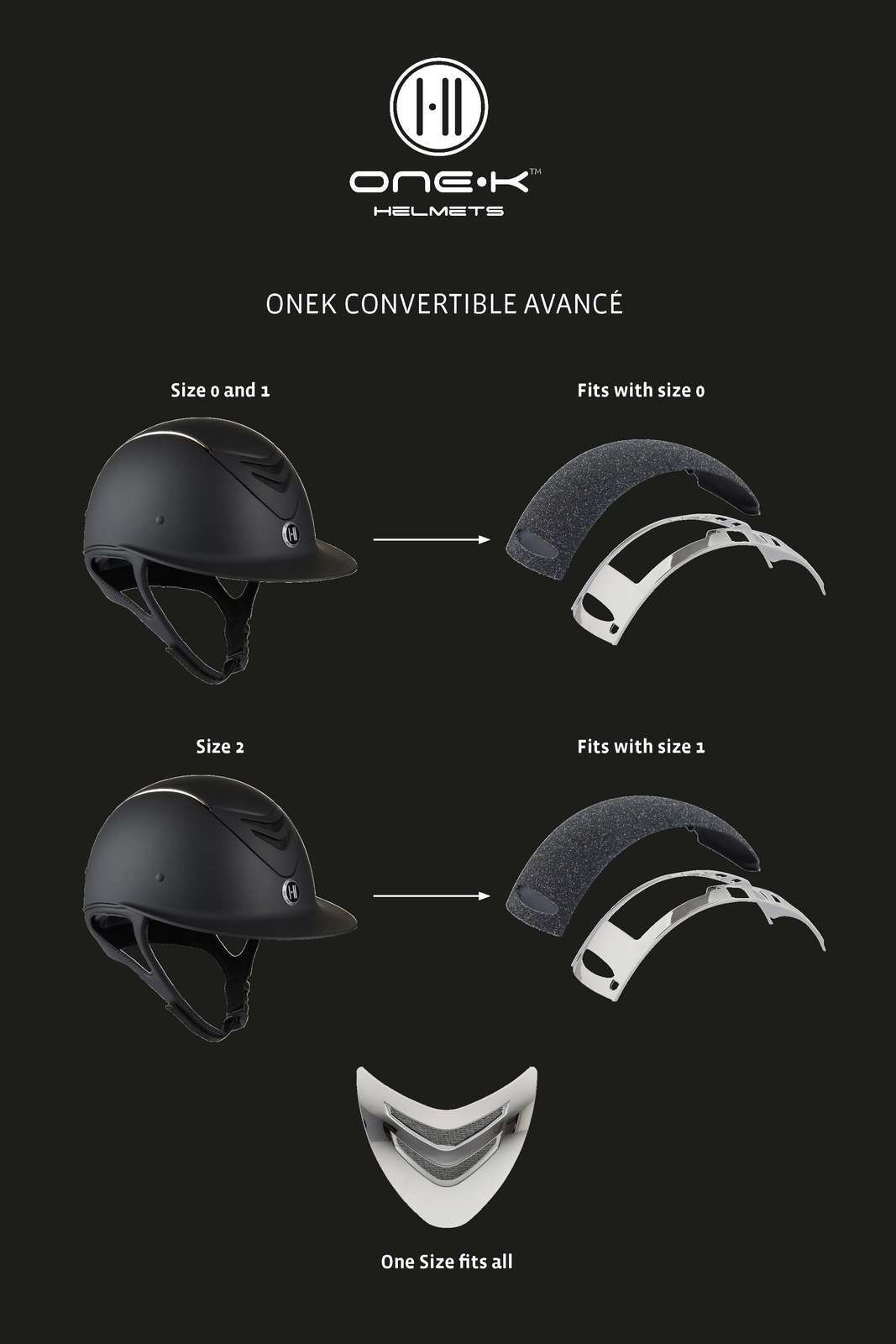
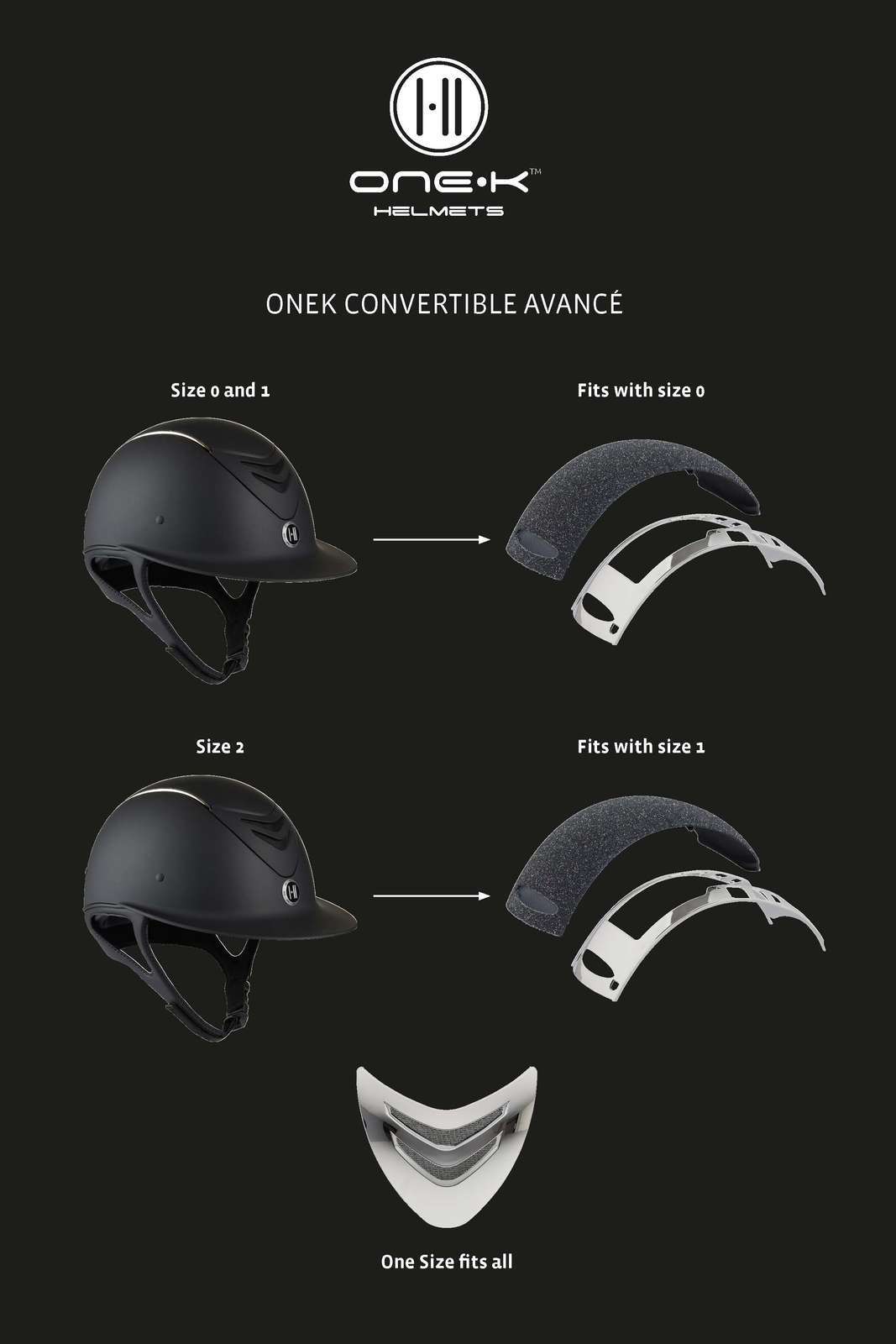
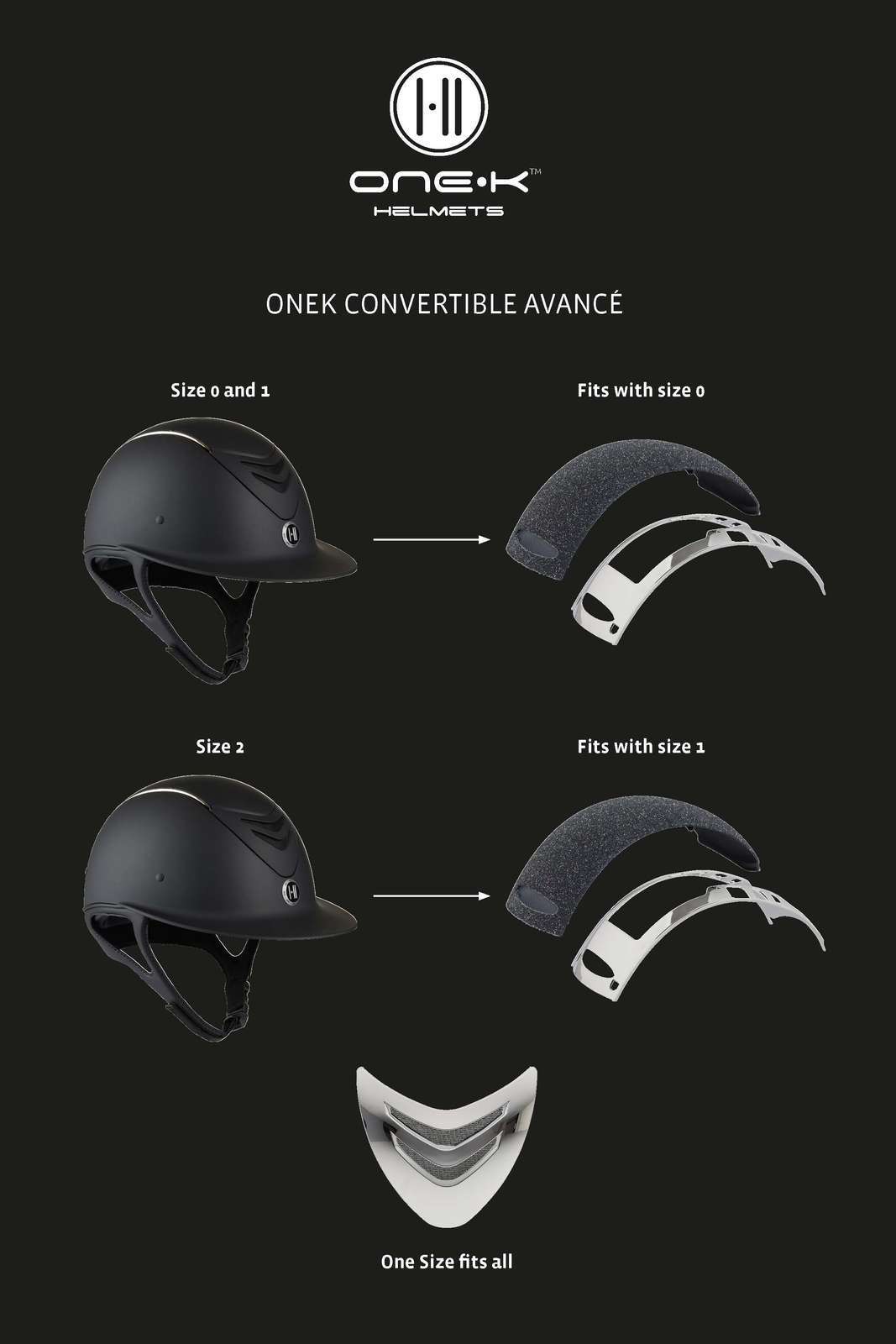
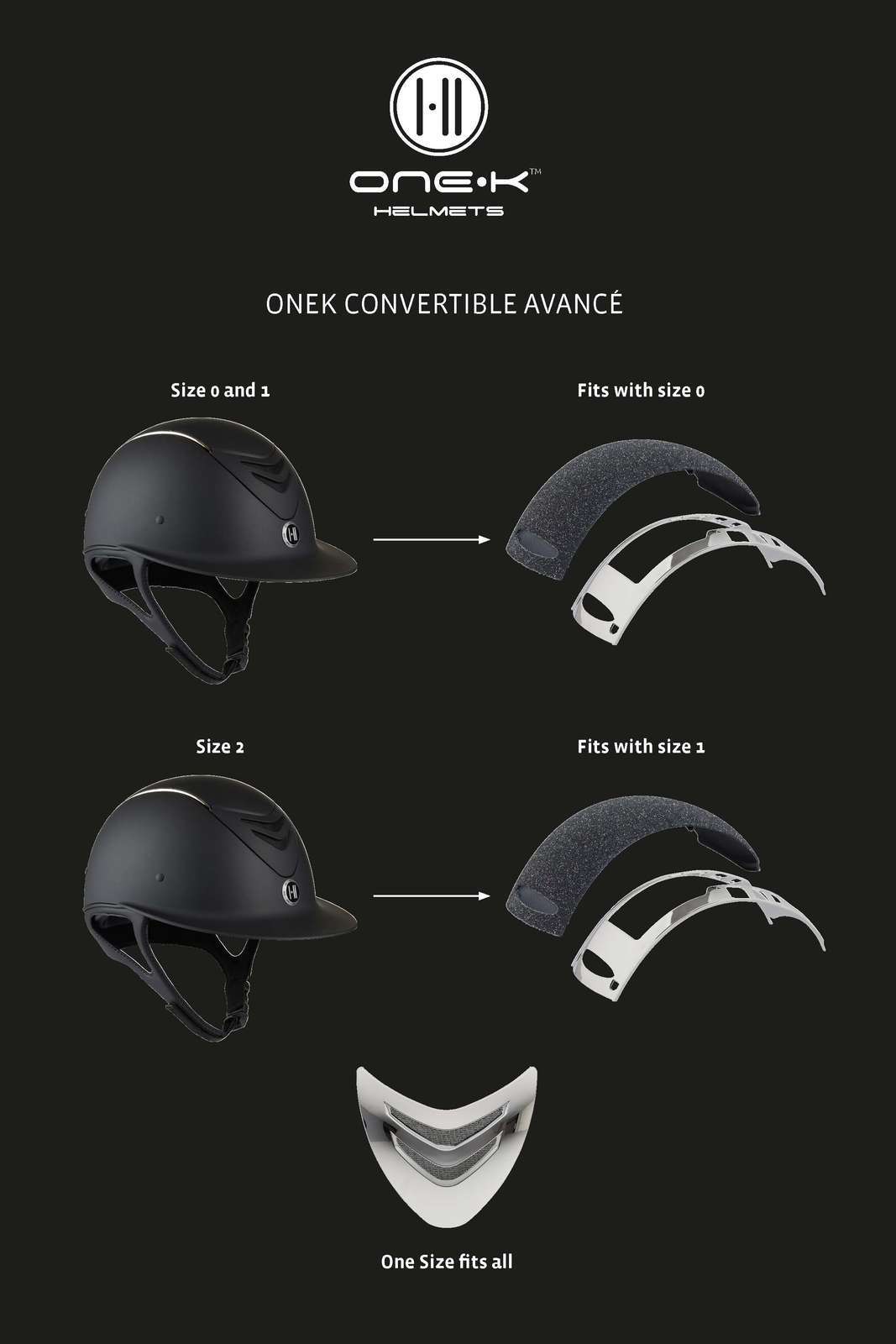
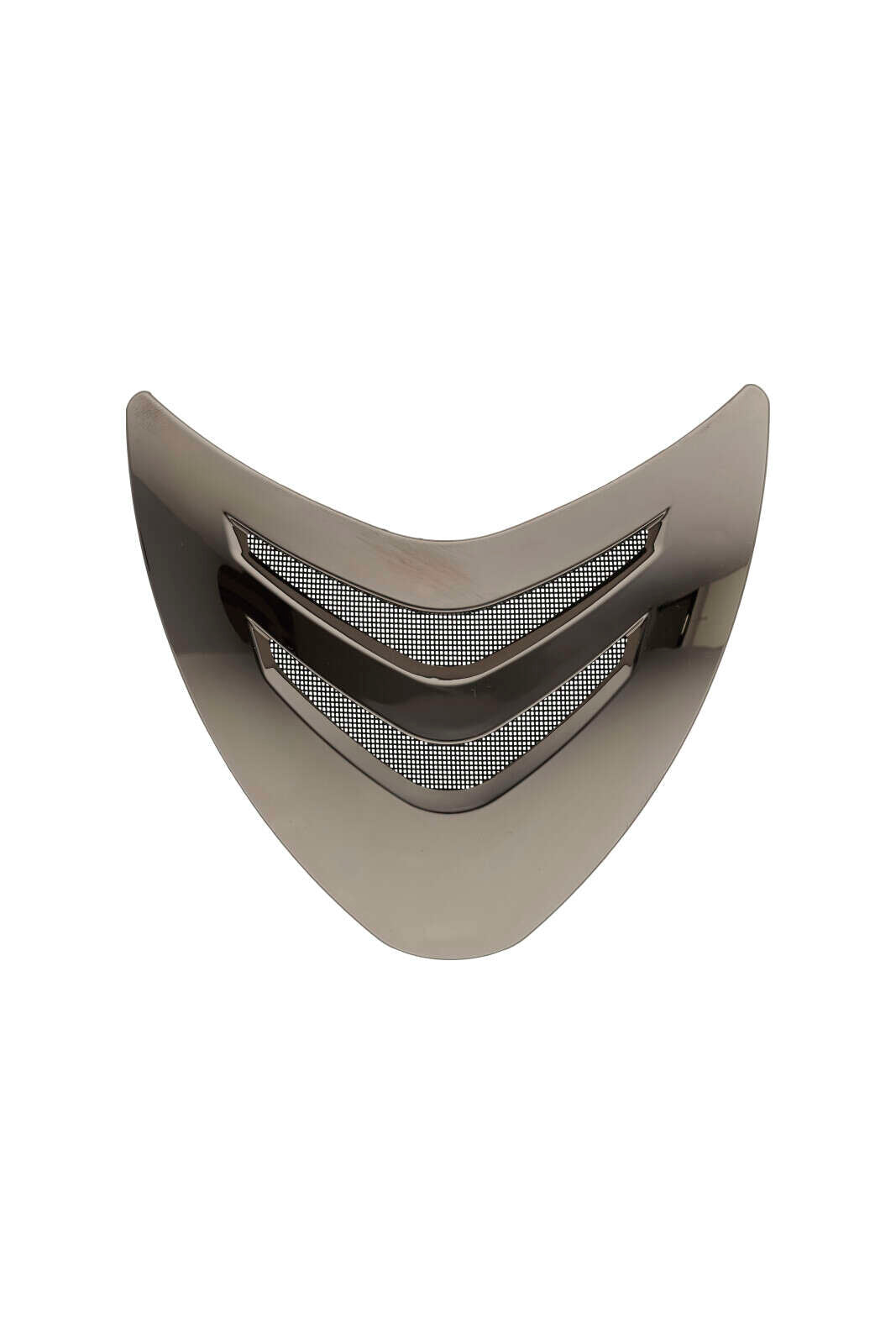
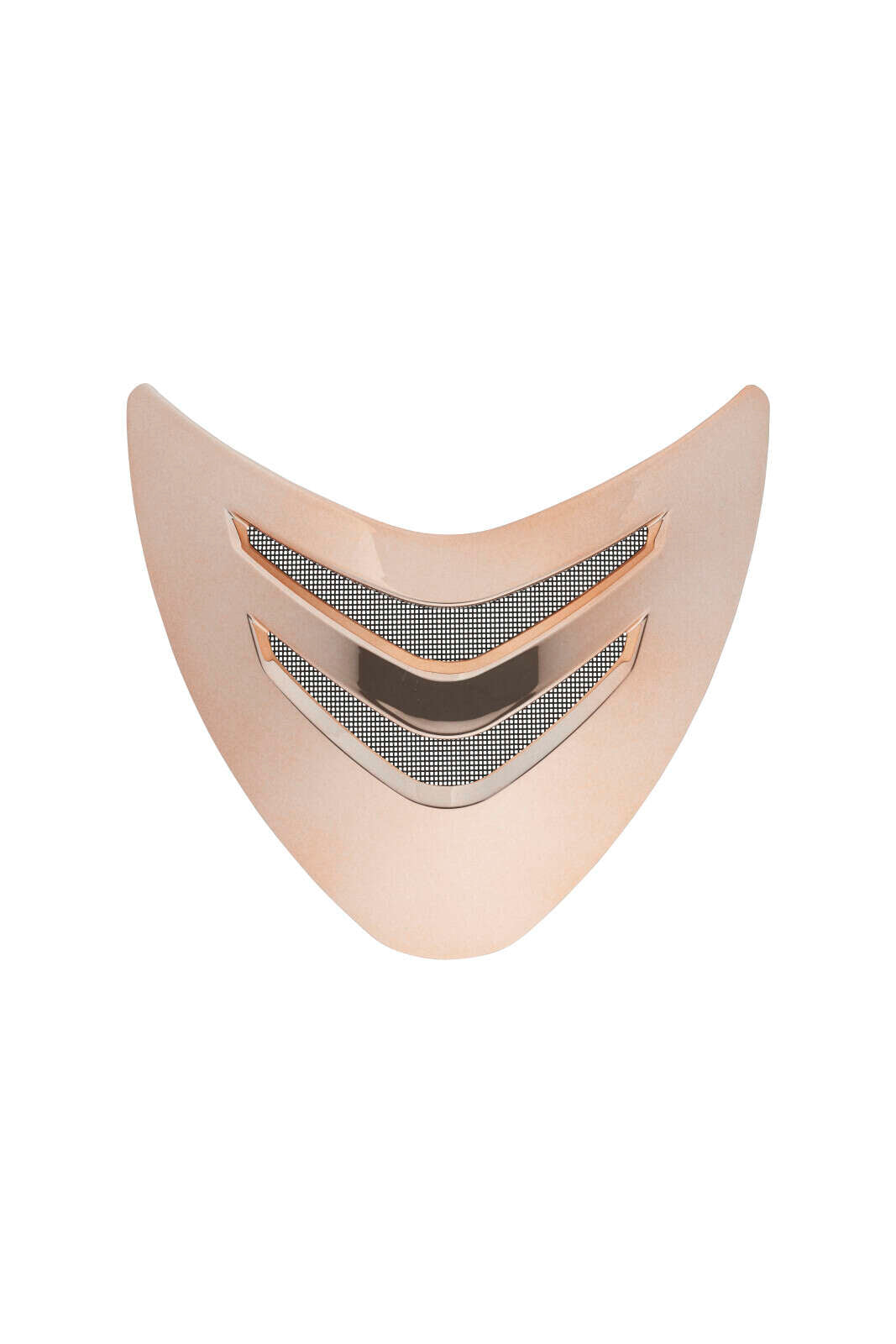
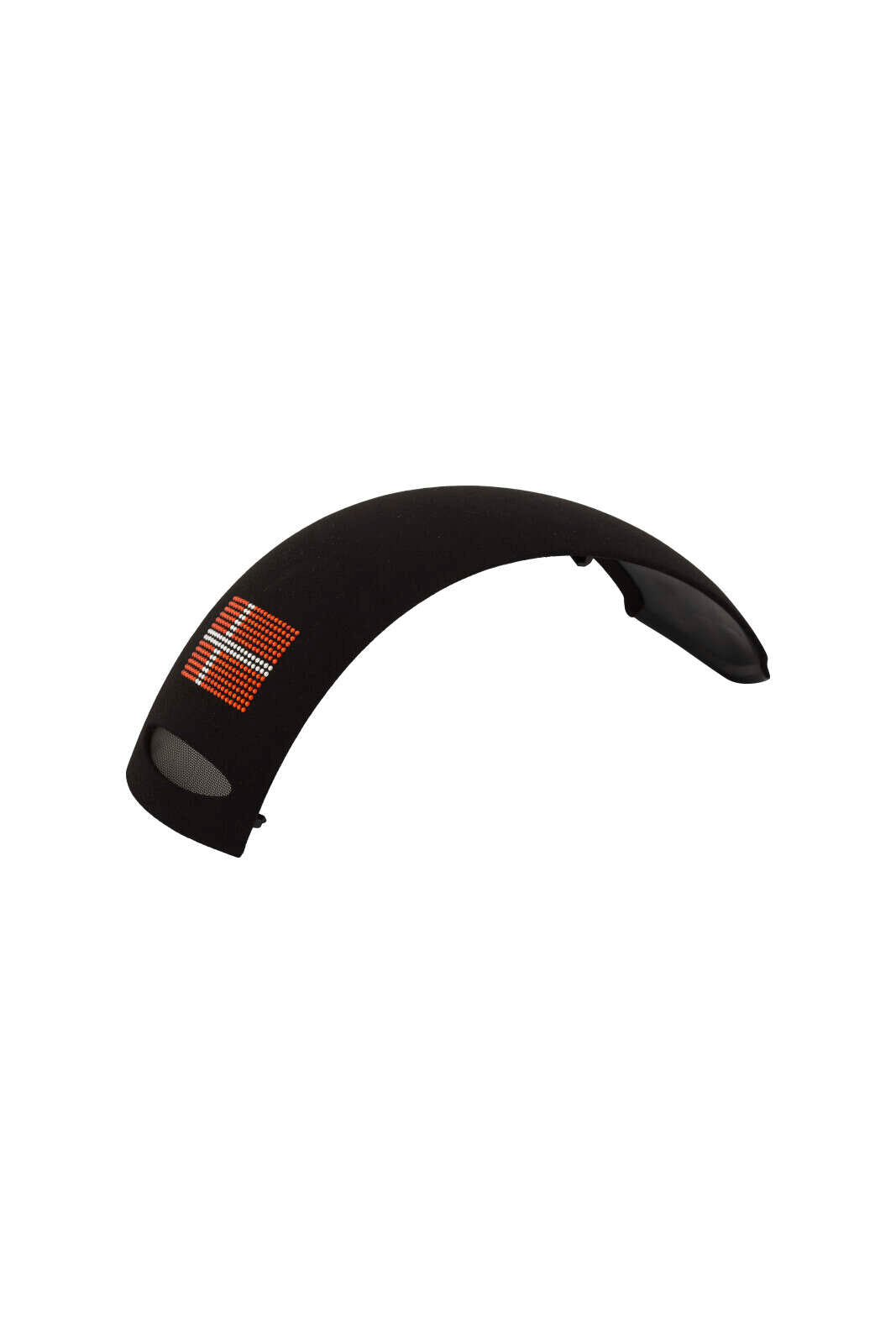
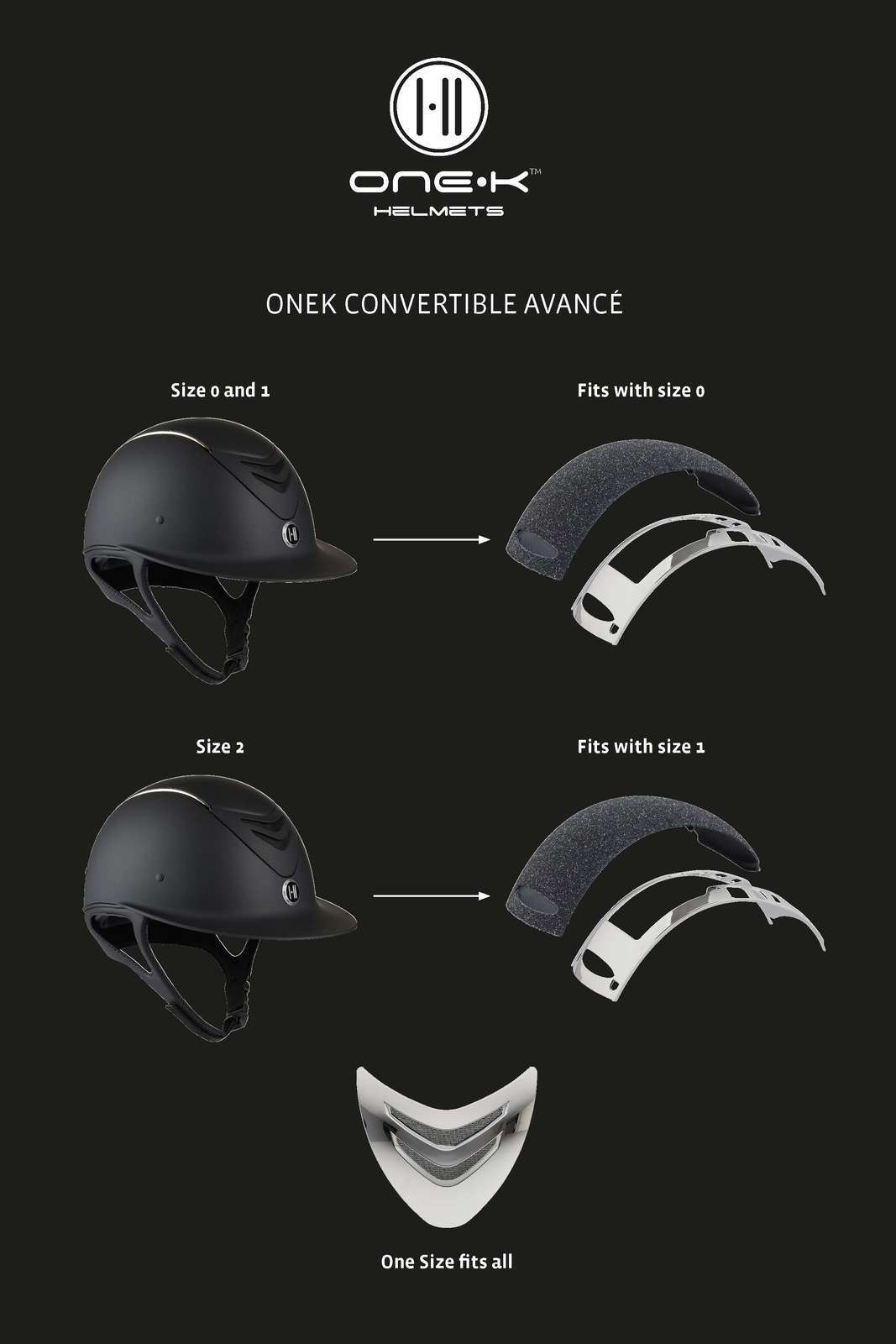
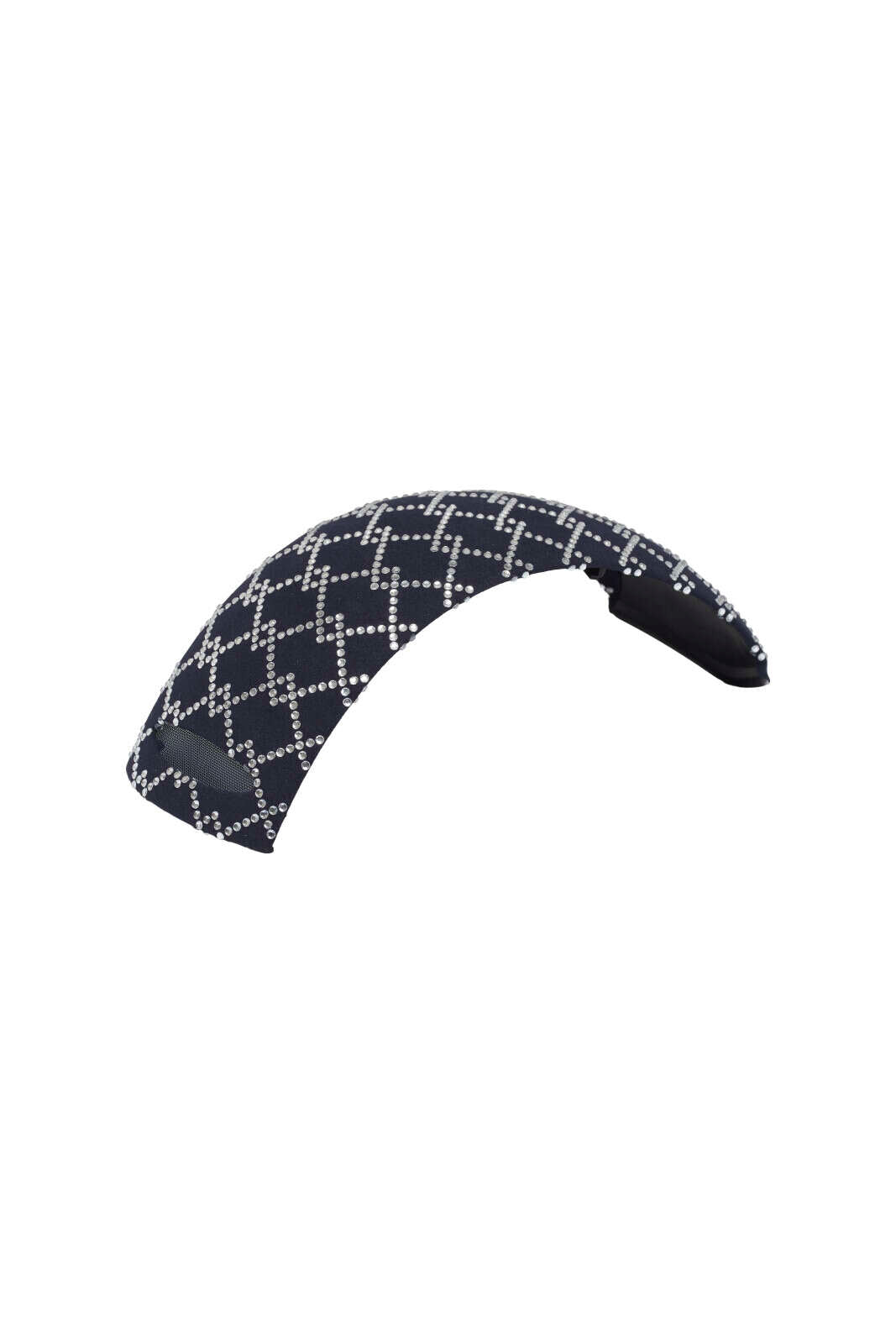
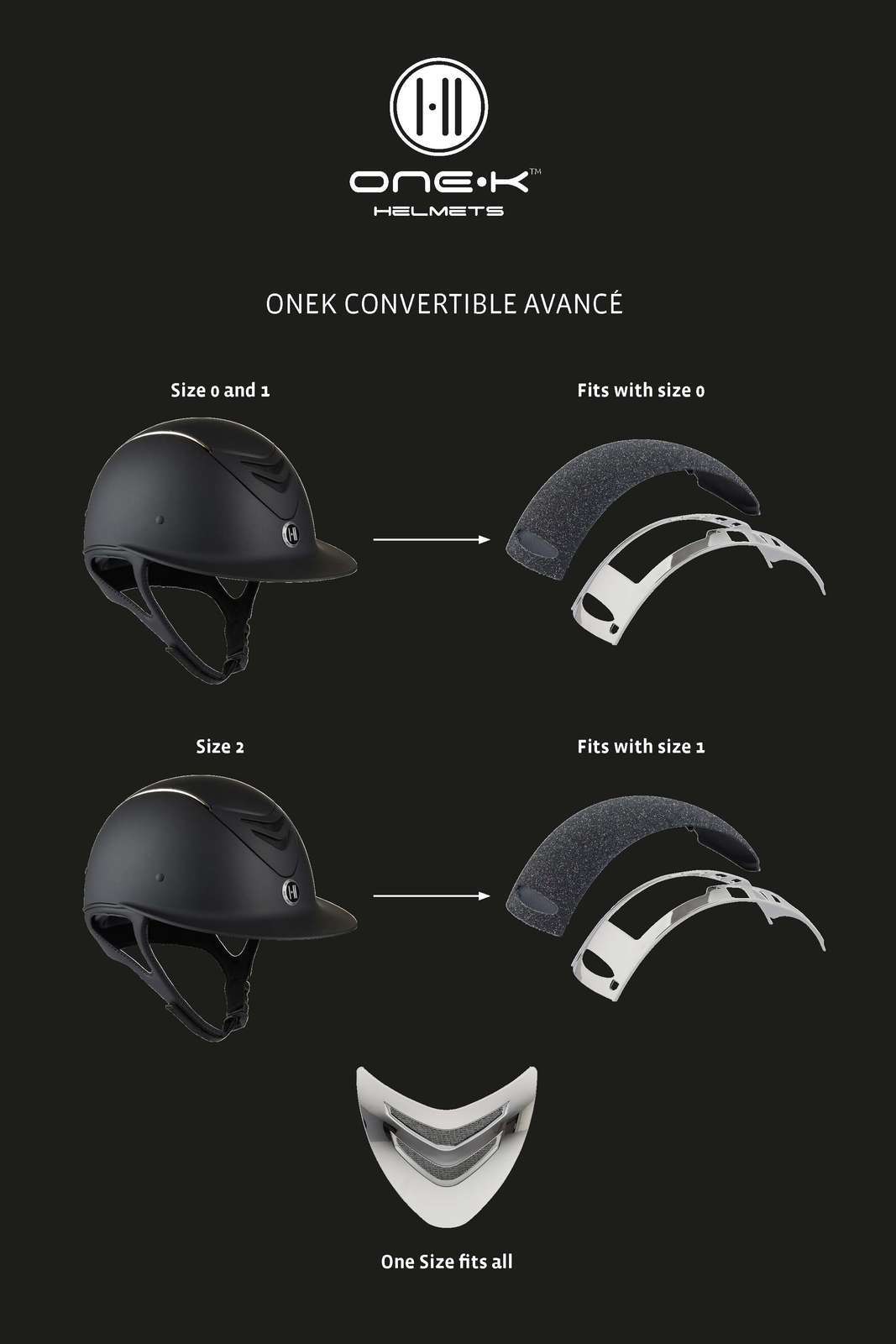
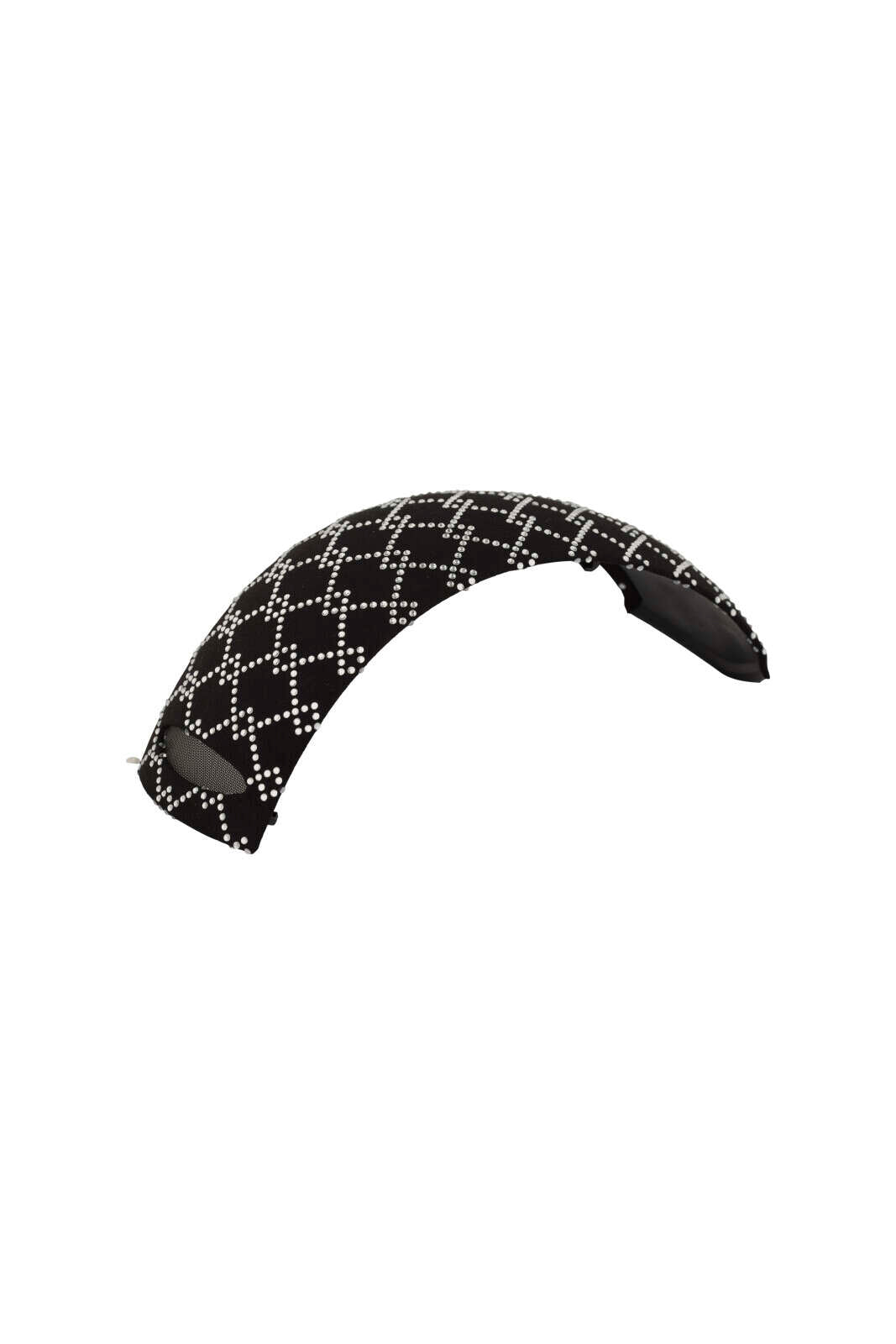
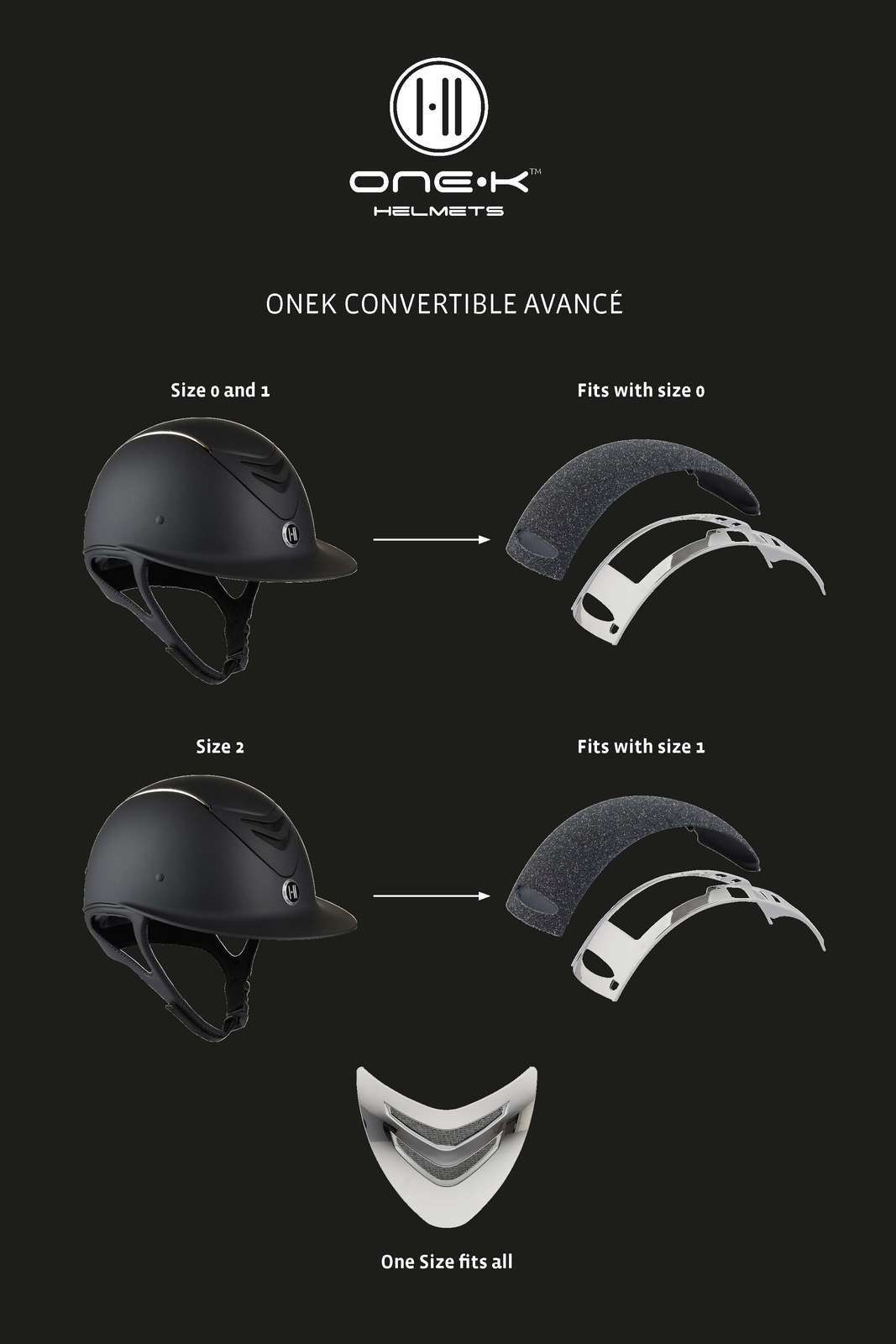
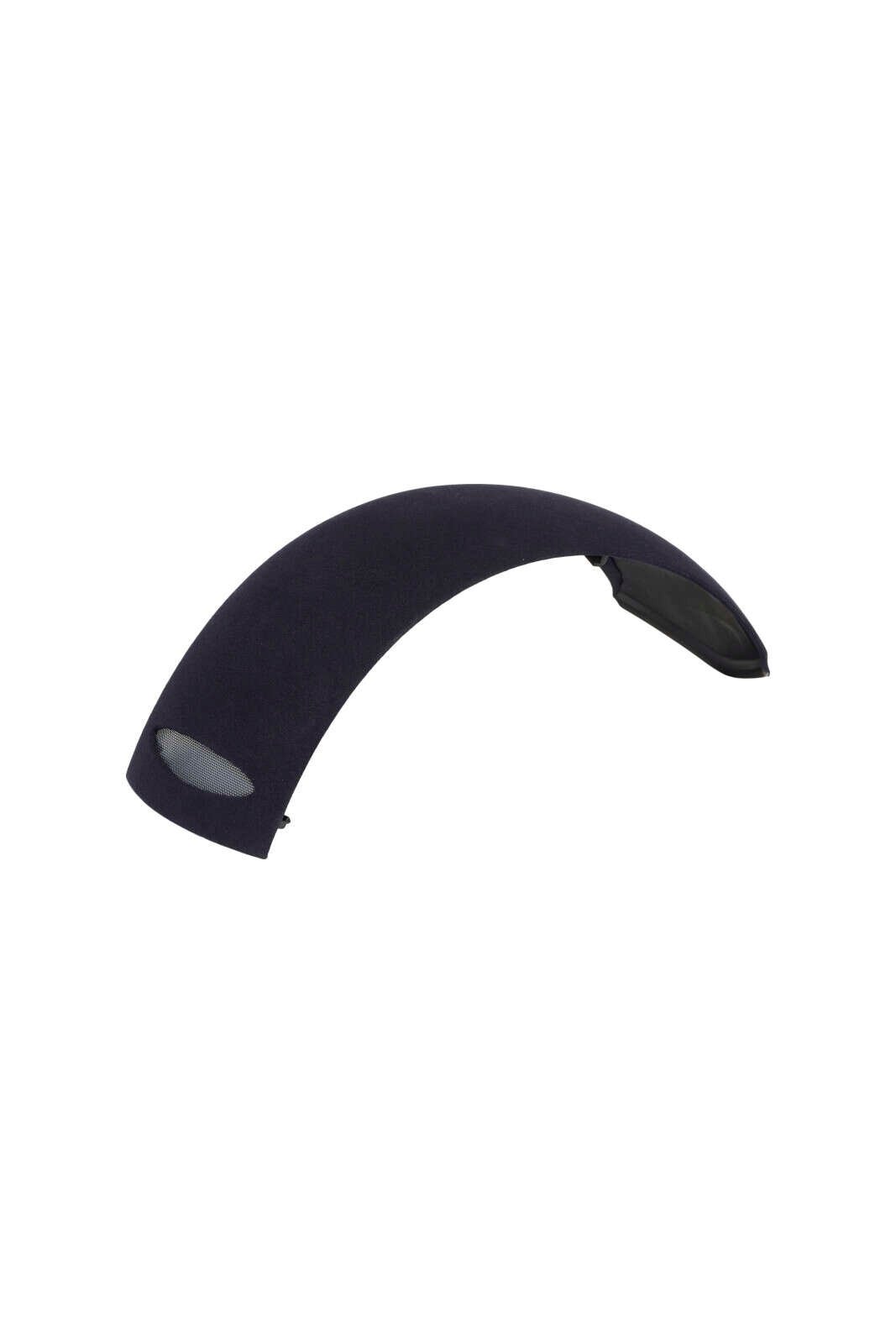
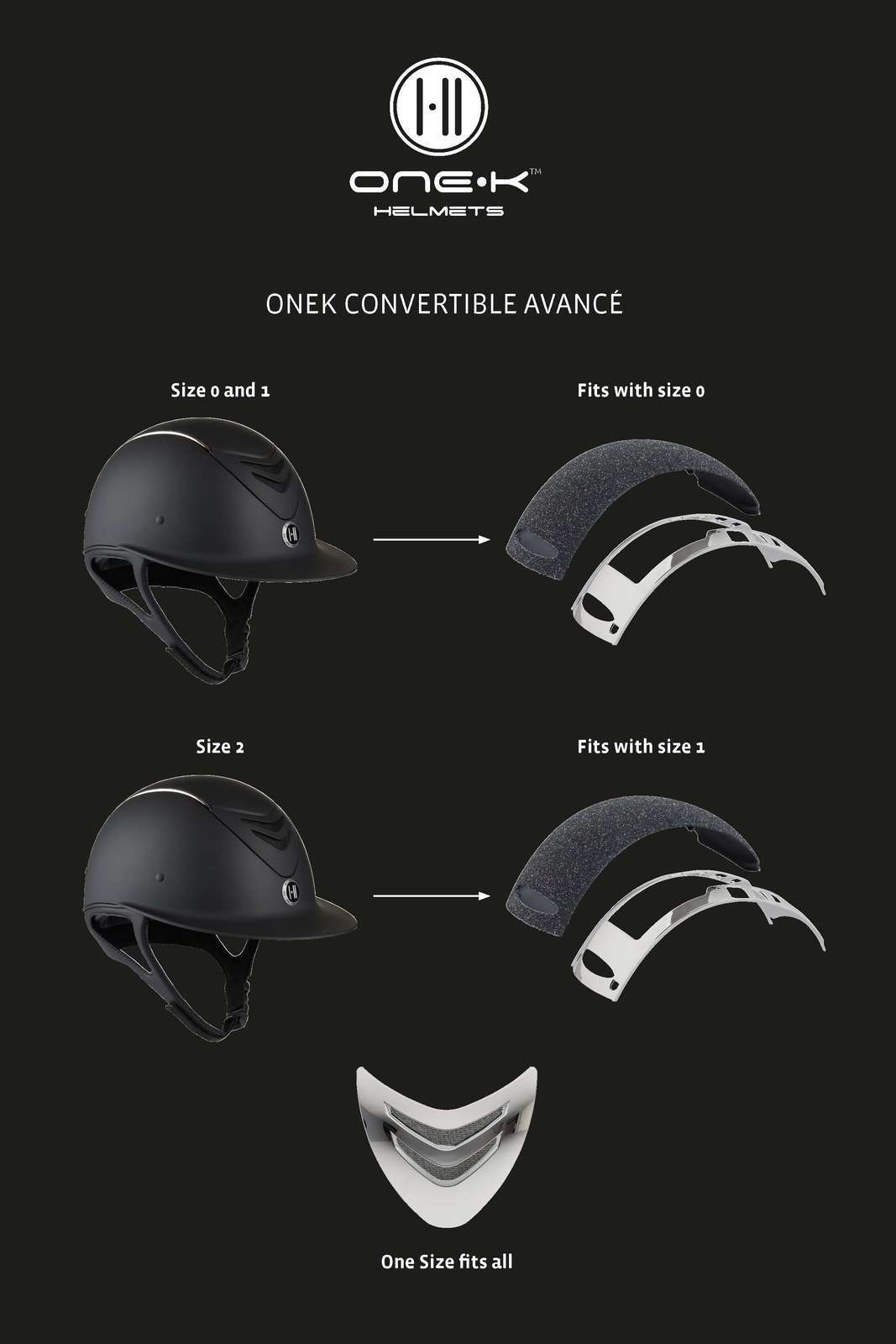
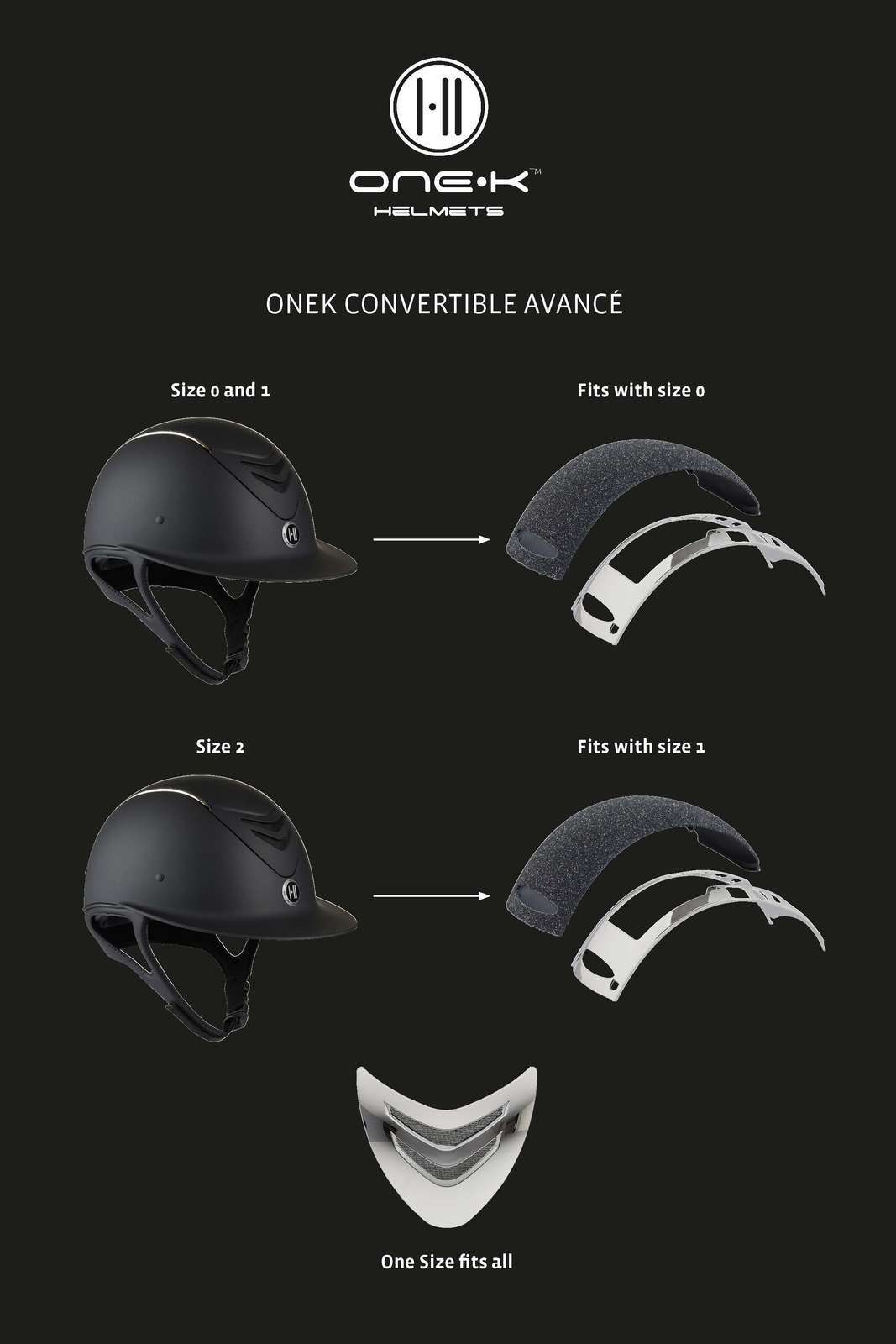
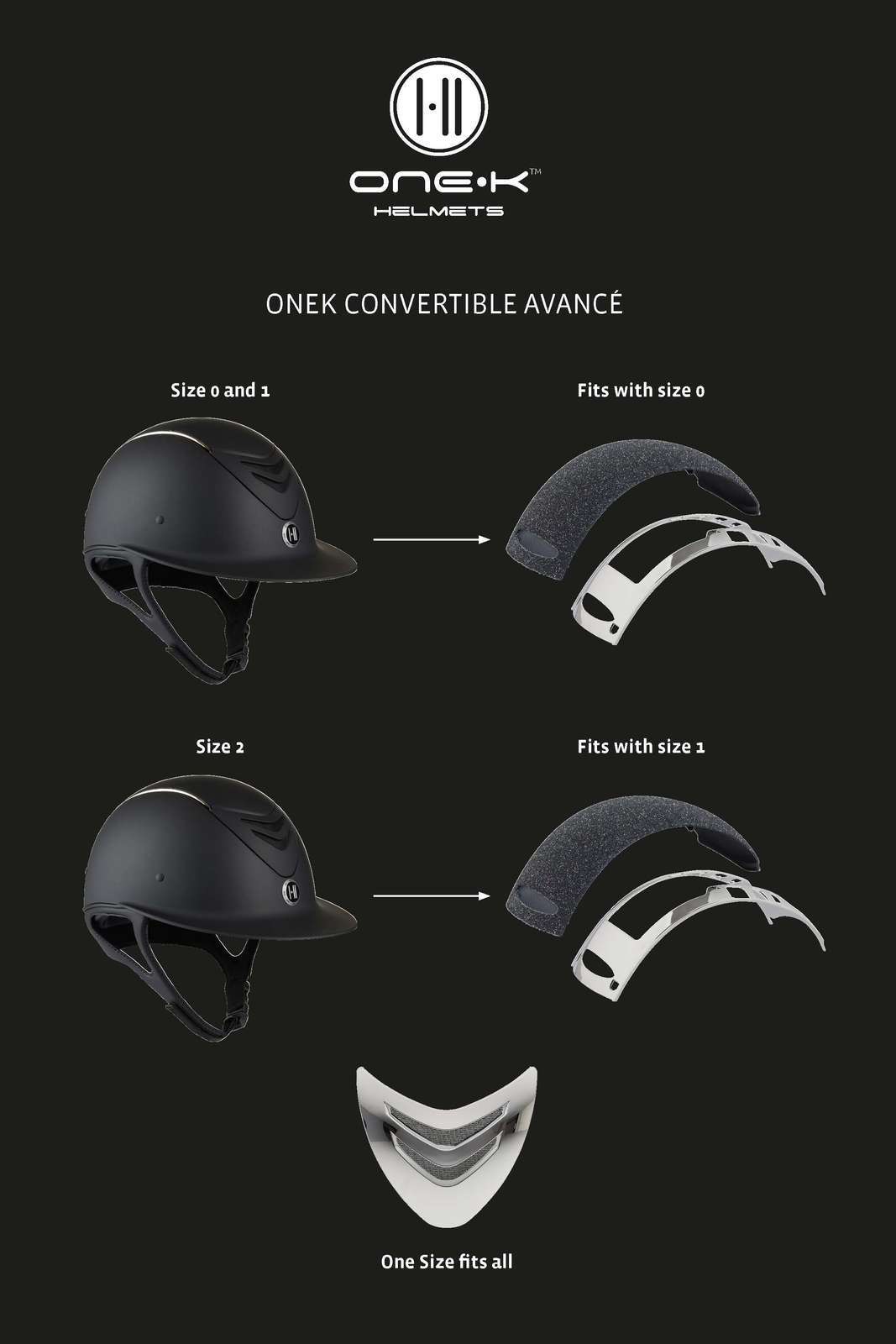
One K riding helmets come in several different series and offer a wide selection of combinations and styles. The Convertible series, for example, allows you to change the helmet’s design with interchangeable parts, while different liners on compatible models let you further customize the interior fit.
How much does a riding helmet cost?
The price of a riding helmet depends, among other things, on the brand, model, materials, design, and technology. As a quick overview, riding helmets at Unamari typically fall within these recommended price ranges:
Equipage: approx. $60 - $200.
Casco: approx. $150 - $350.
One K: approx. $300 - $650.
Prices may, of course, vary between models and over time, but these ranges provide a good indication of the differences within the product line. Equipage is generally on the more affordable end, although the brand also offers more expensive models. Casco ranges widely from entry-level helmets to premium models, while One K is primarily in the premium segment.
Should you choose an expensive or an inexpensive riding helmet?
An inexpensive riding helmet isn’t automatically a bad riding helmet. With the Equipage Vilma and Henderson, for example, you can find a riding helmet for under $70, and both Equipage and Casco offer great options for children and new riders who don’t want to start with an expensive riding helmet.
As the price goes up, you’re paying for things like materials and finish, greater comfort, more advanced design options, various customization solutions, or extra safety technologies on certain models.
The most expensive helmet isn’t necessarily the best riding helmet for you. If you ride frequently, however, we recommend prioritizing your riding helmet in your equipment budget.
How to find the right size and fit
A good fit is essential, and your usual size in one brand isn’t necessarily the size you’ll need in another helmet.
How to measure your head for a riding helmet
Use a soft measuring tape and measure the circumference of your head horizontally around the widest part of your head. The measuring tape should typically be placed a little above the eyebrows and around the ears. Start by:
- Place the measuring tape about 1–1.5 finger widths above your eyebrow.
- Run it around your head so that it passes the widest point at the back of your head.
- The measurement you get in centimeters corresponds to your helmet size.
The measurement in centimeters gives you a good starting point for finding the right size. A measurement of 56 cm corresponds to a size of 56. However, always use the size guide for the specific riding helmet, as sizes and adjustment ranges may vary between models.
How should a riding helmet fit?
The riding helmet should fit securely and stably without causing uncomfortable pressure. It must not be able to slide freely when you move your head, and it should be positioned correctly rather than tilting far back on the neck.
Use the helmet’s adjustment features and chin strap to fine-tune the fit, but remember that adjustments cannot compensate for a helmet that is fundamentally too large or too small.
This is especially important for children’s riding helmets. Never buy a helmet that’s too big with extra room so the child can “grow into it.” The helmet is the child’s most important protection while riding and must fit properly now—not a year from now.
Adjustment system or replaceable liner?
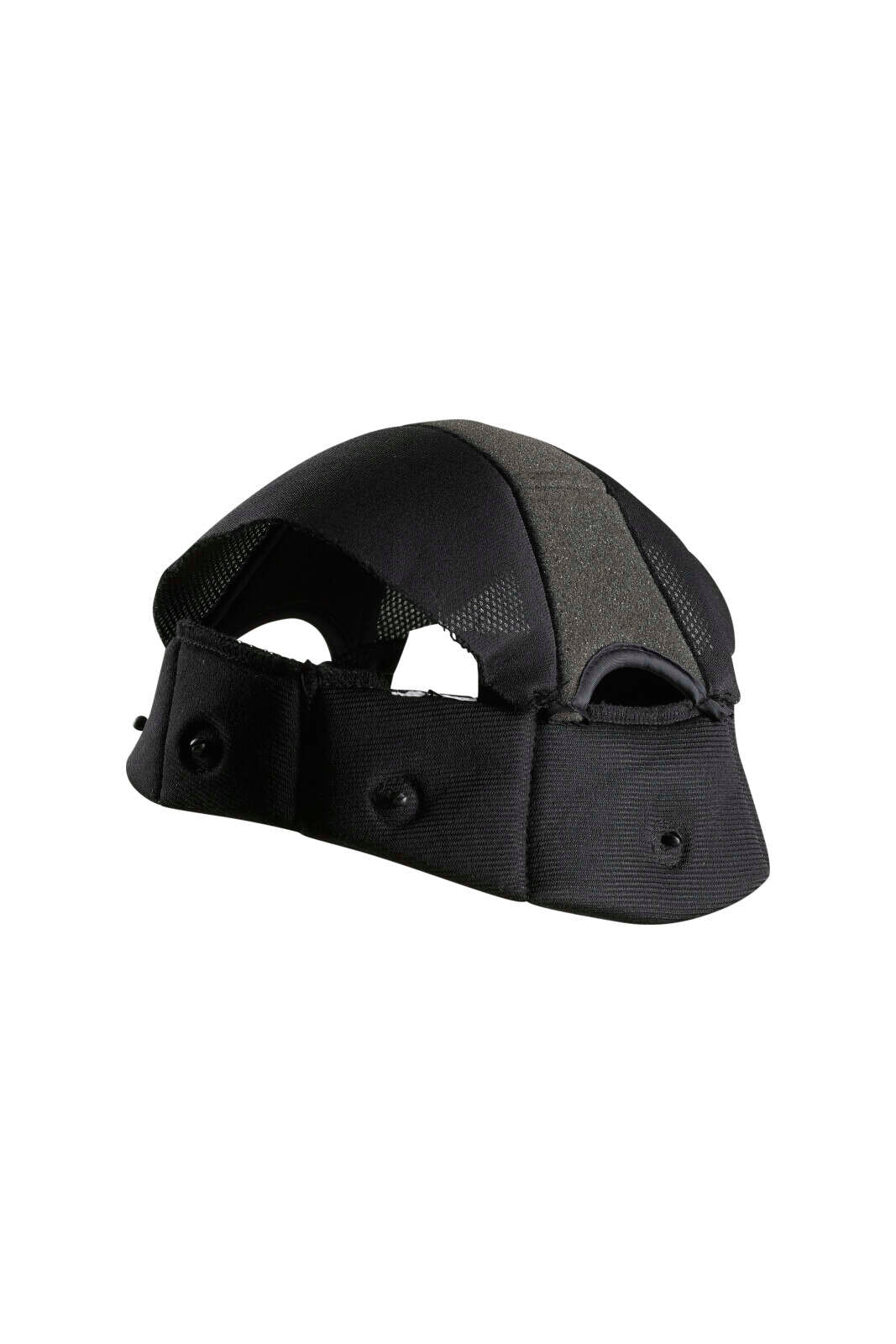
Riding helmets can have different solutions for fine-tuning the fit. Many models have an adjustment system, while others also allow you to change the liner.
Equipage riding helmets are typically equipped with an adjustment wheel at the back that allows for individual customization. Casco models feature various adjustable systems; the One K, for example, uses replaceable liners in different thicknesses and shapes to ensure the helmet fits the shape of your head perfectly.
Safety and certifications – Always buy certified riding helmets
When buying a new riding helmet, you should always check that it meets the relevant current safety requirements for riding. The most common certifications you should look for:
- VG1
- EN1384:2017
- EN1384:2023
- CE
If the helmet is to be used for competition, you should also check the current rules with the relevant equestrian federation, as requirements may change.
When does a riding helmet with MIPS make sense?
MIPS is an additional safety technology found in select riding helmets. The system is designed to manage certain rotational movements that can occur when the helmet is subjected to oblique impacts.
A riding helmet with MIPS is a good choice for any rider who wants to prioritize this additional safety technology. We think it’s especially worth considering if you ride a lot or compete regularly and therefore spend many hours in the saddle.
Color, design, and other preferences
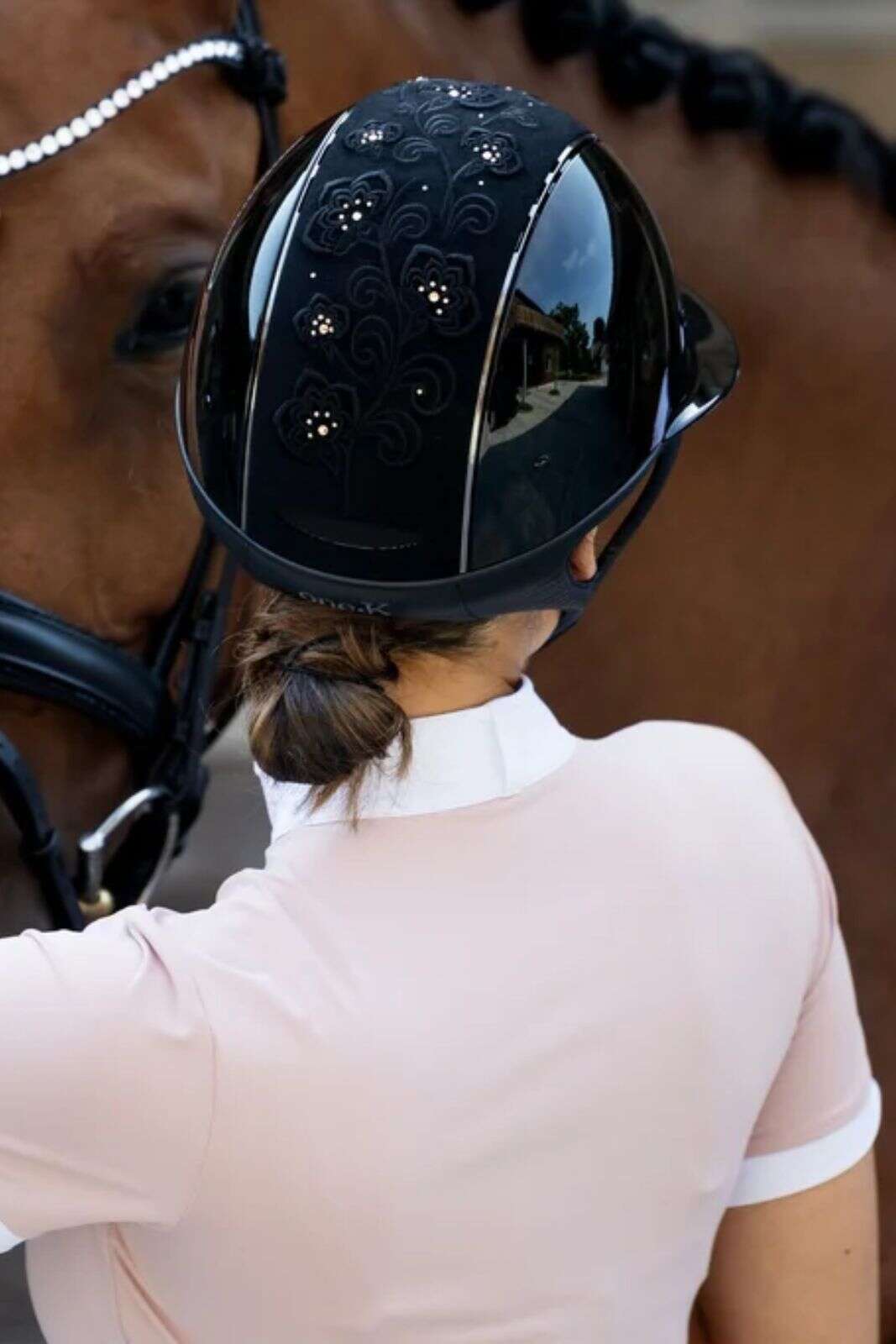
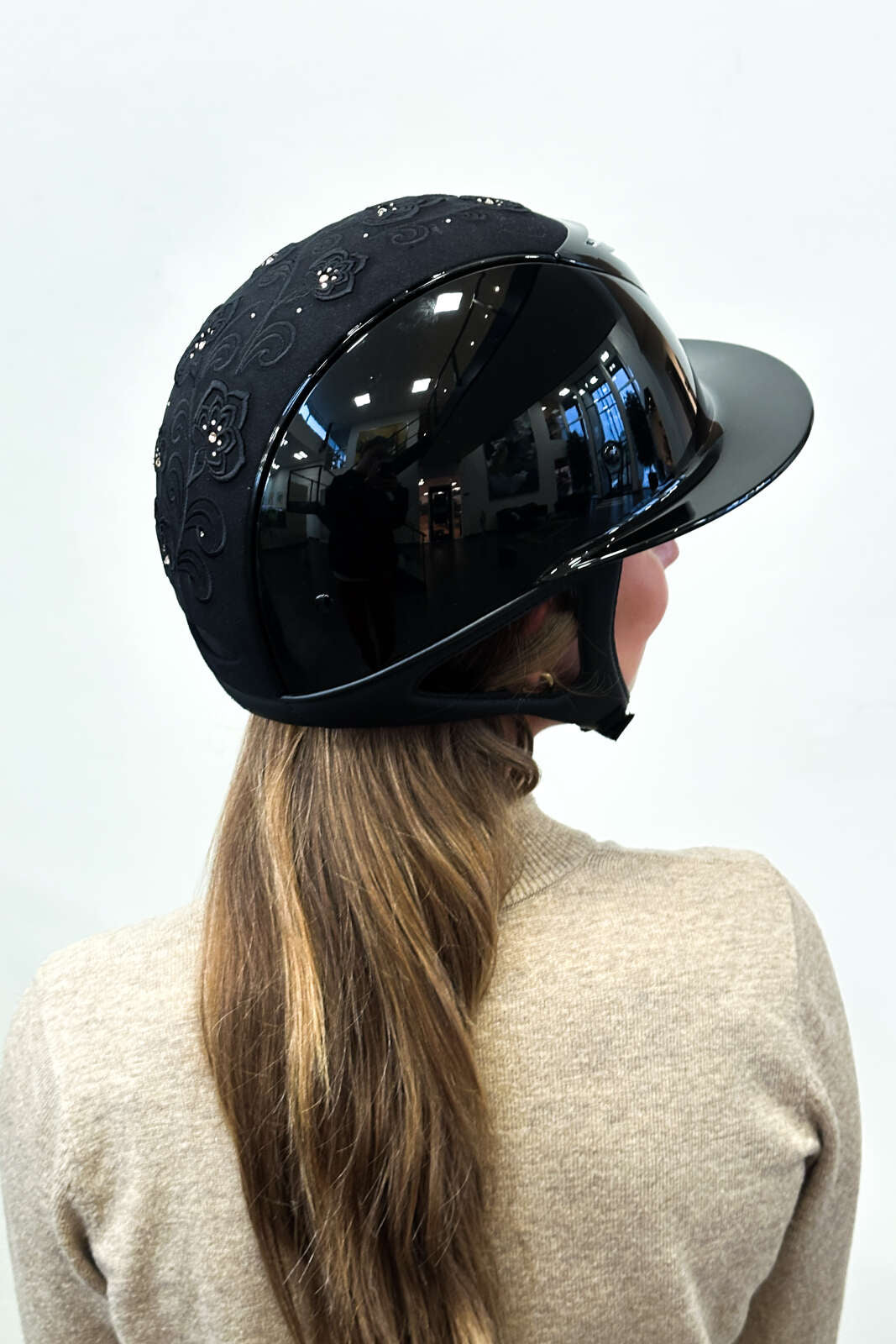
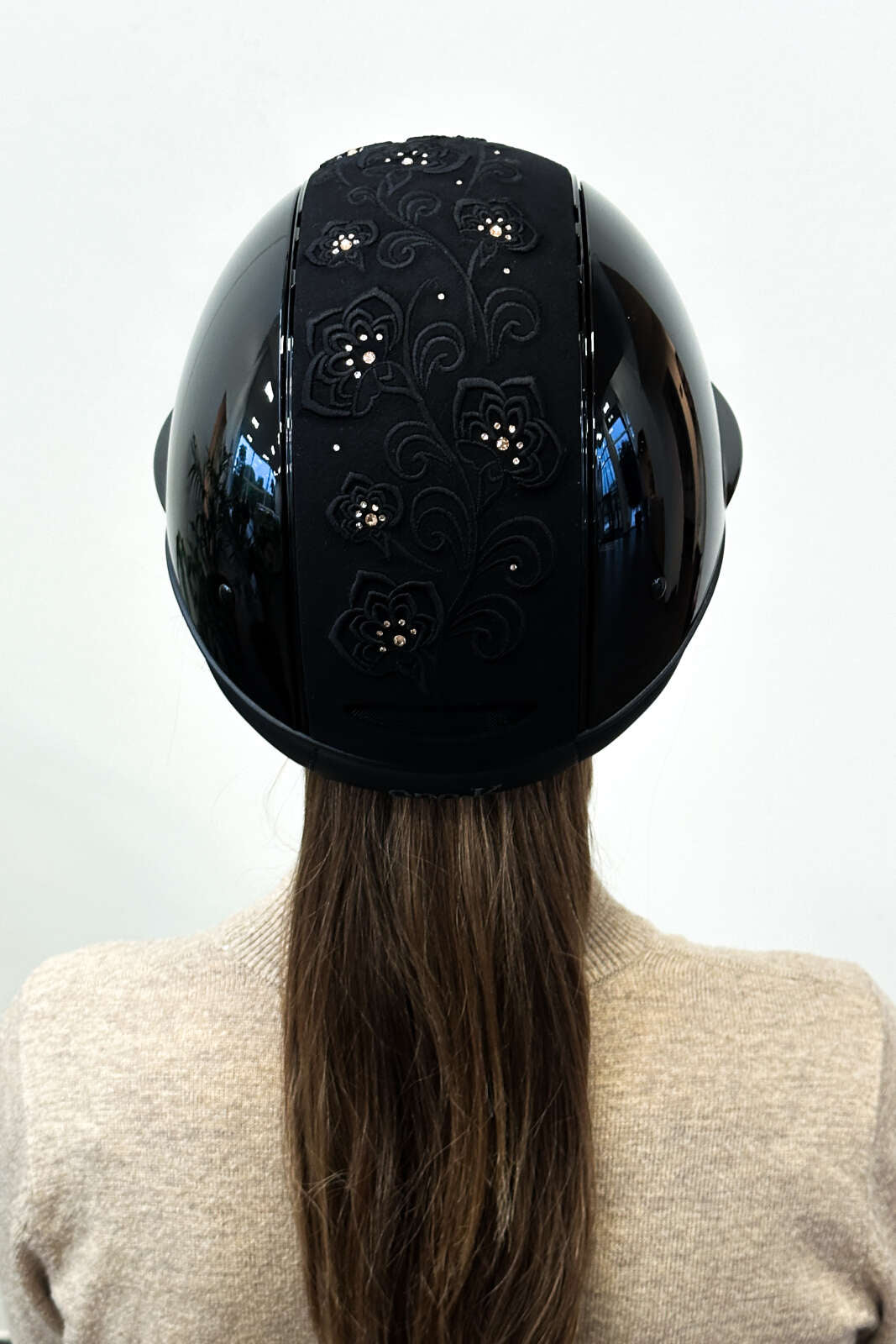
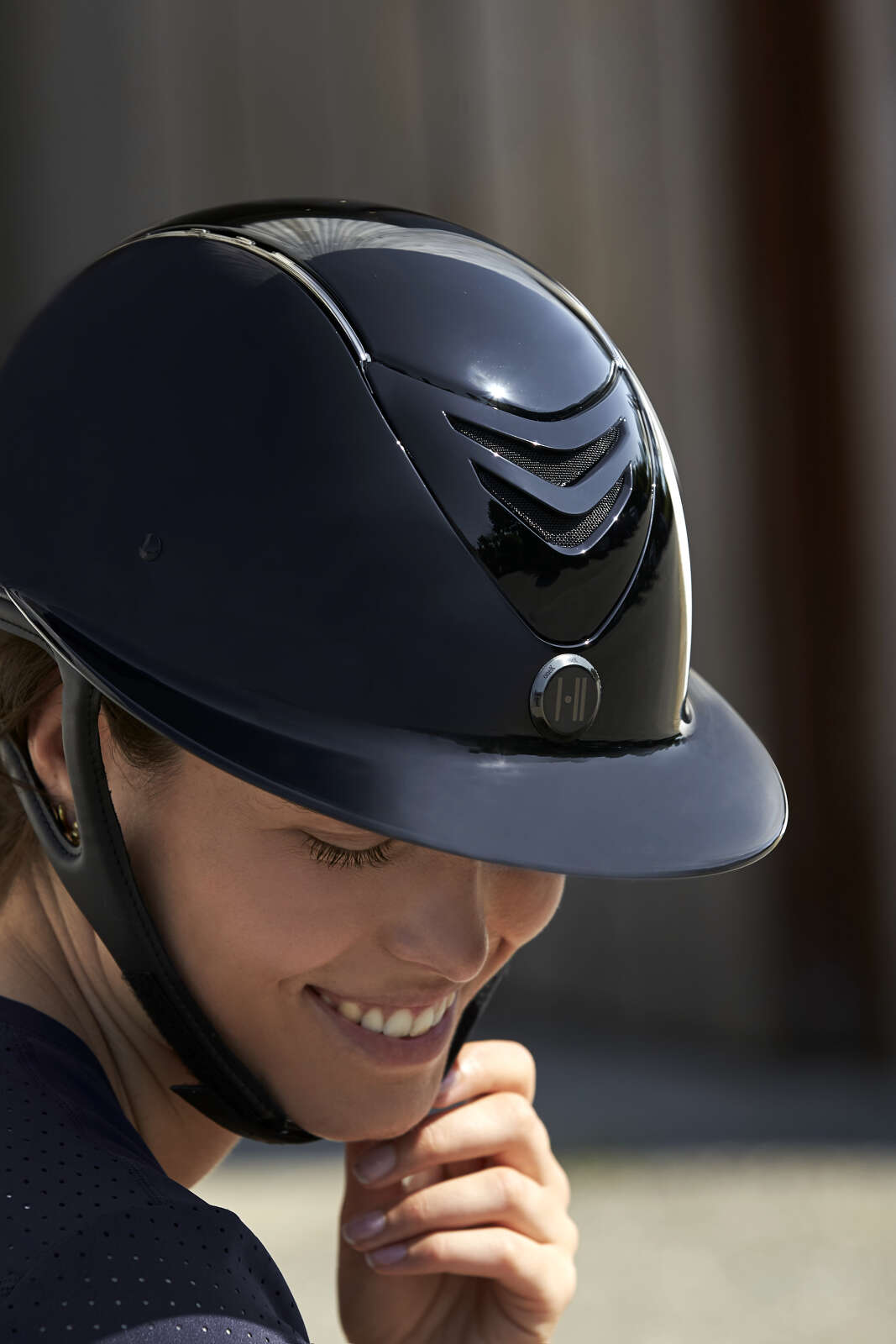
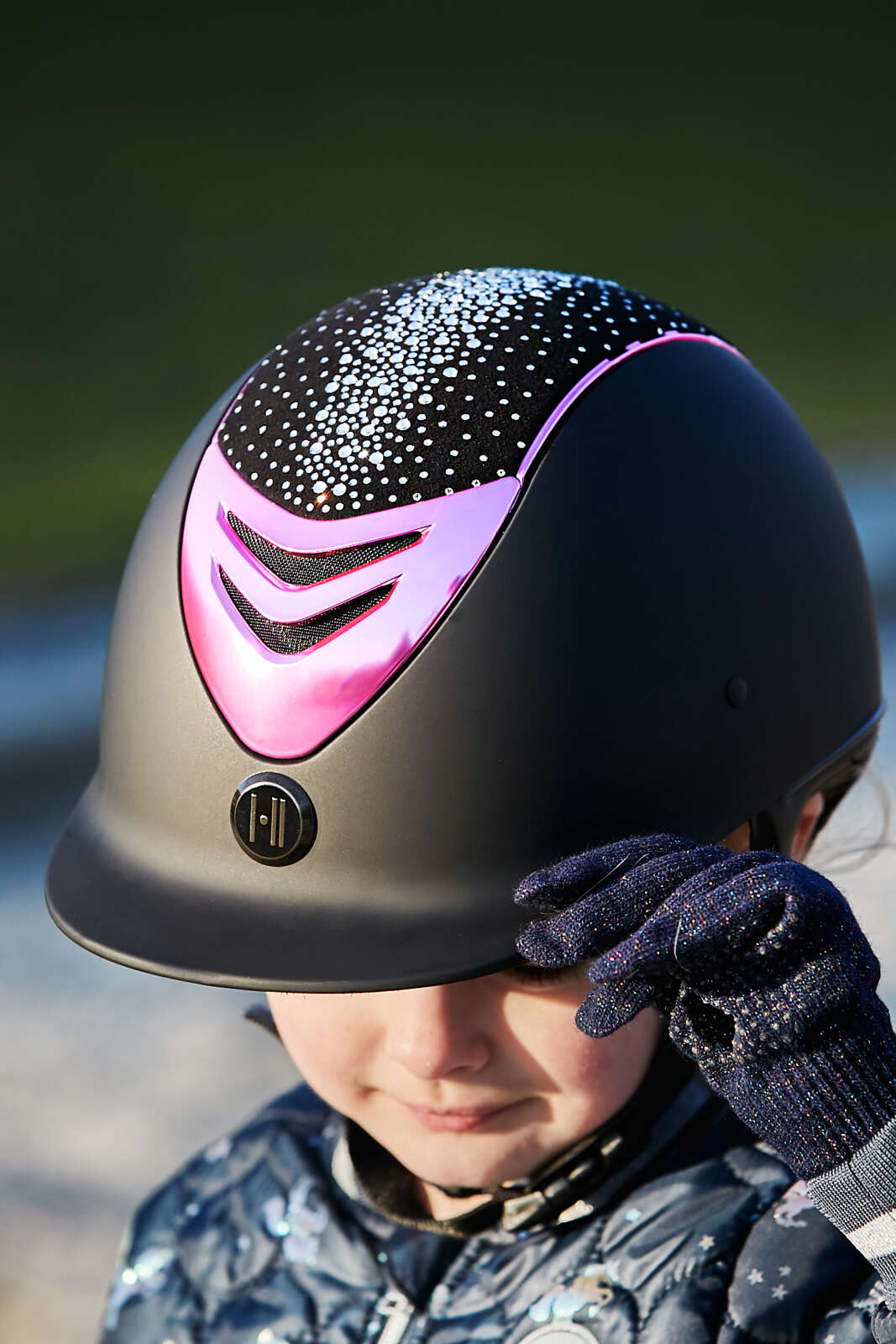
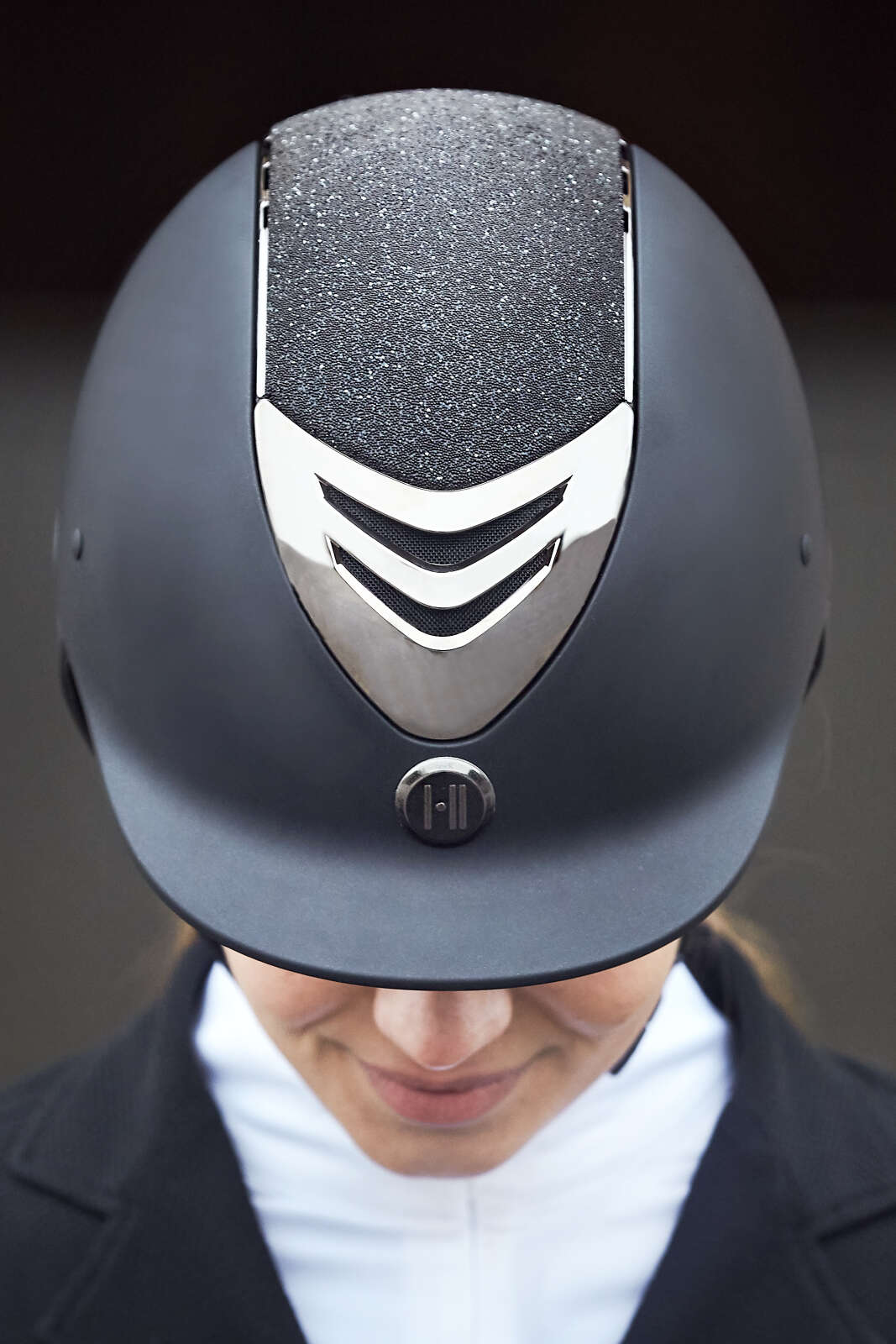
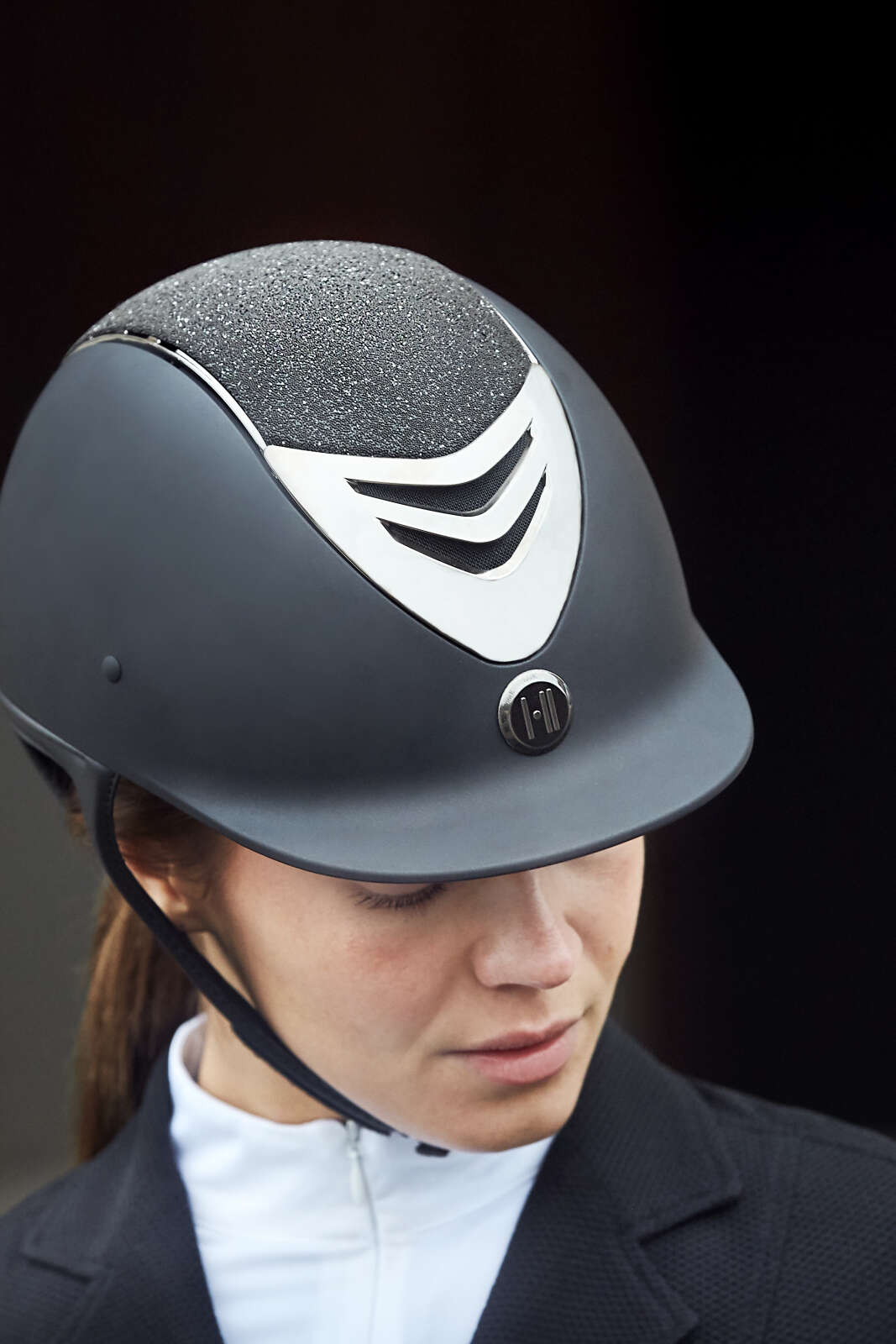
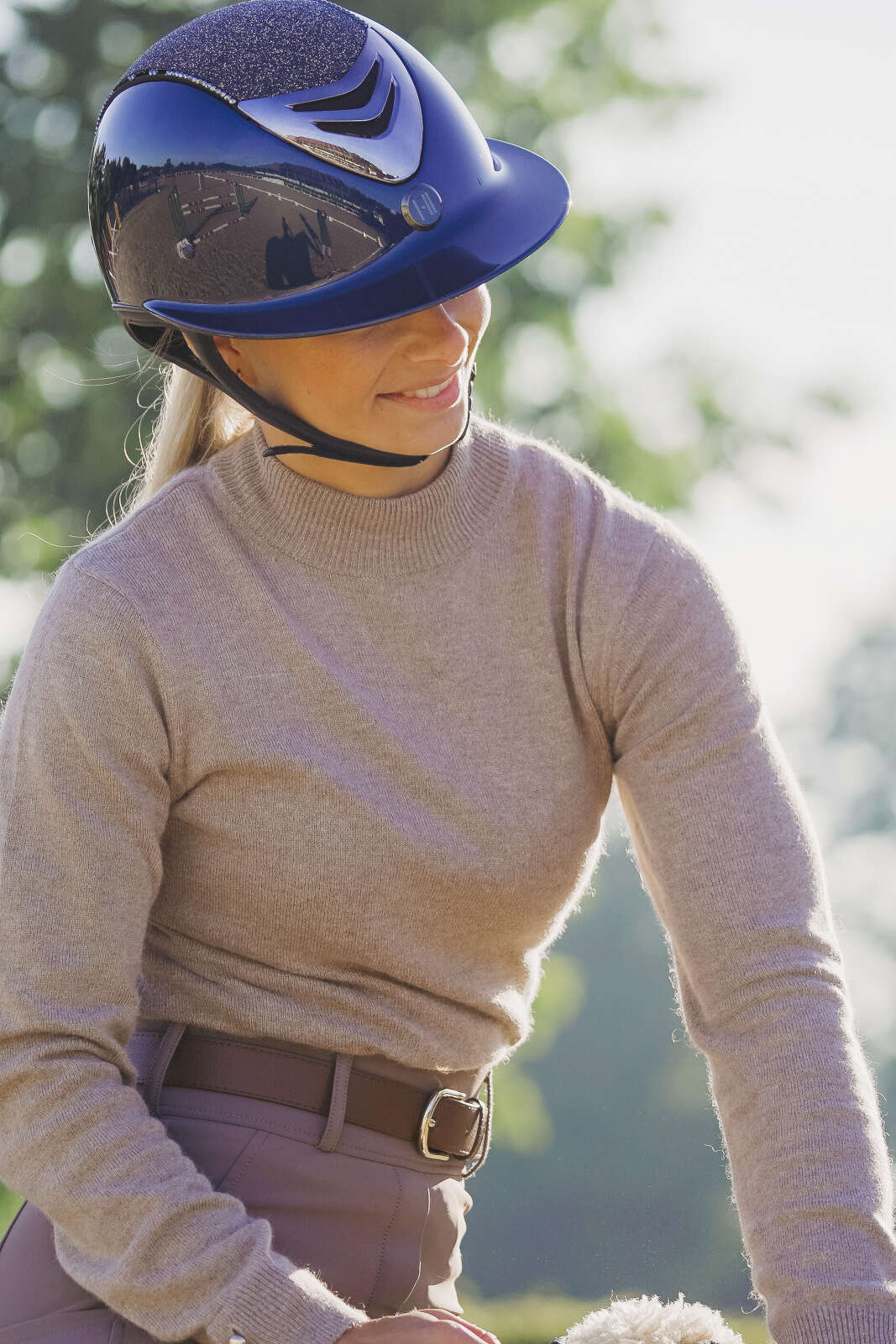
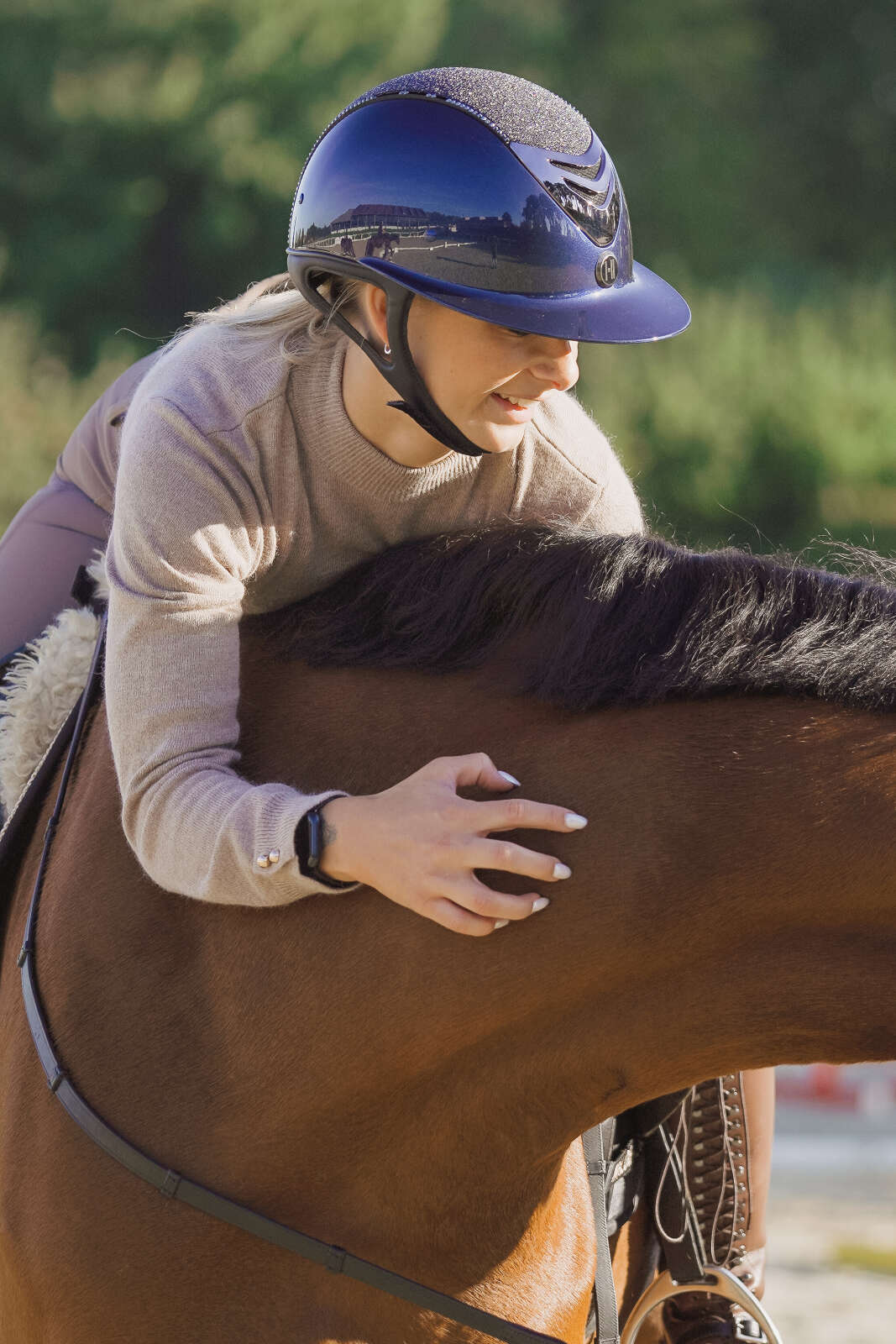
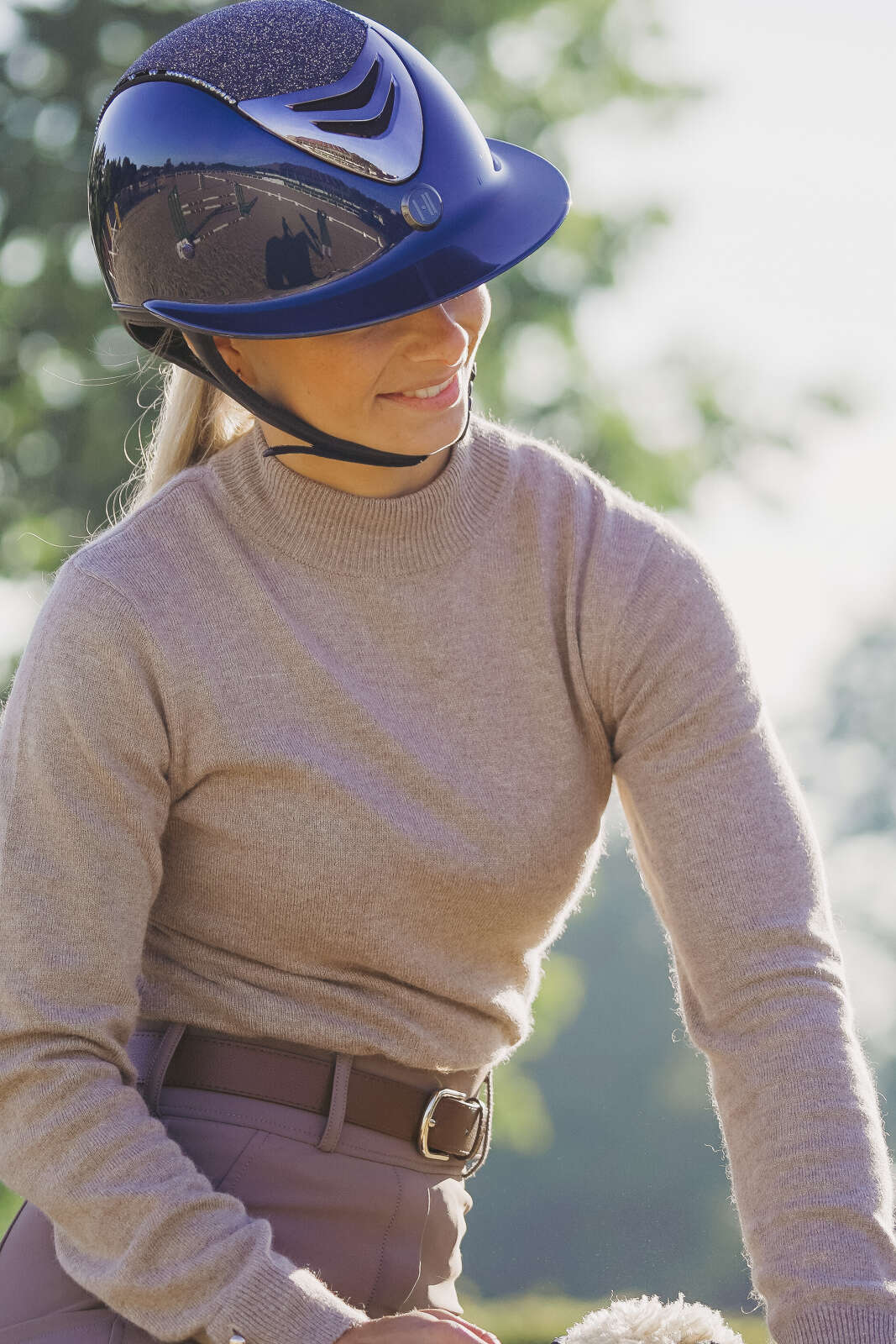
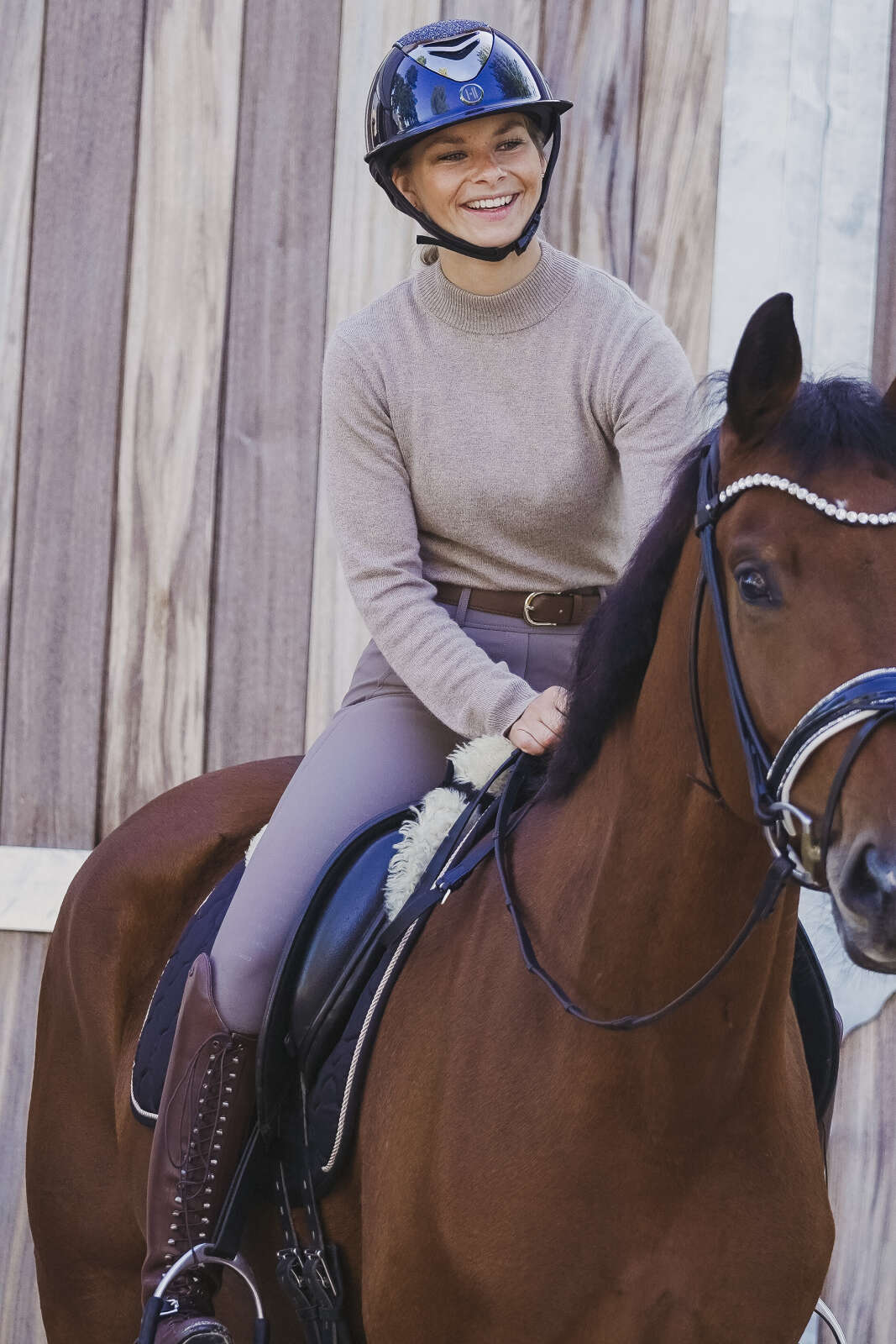
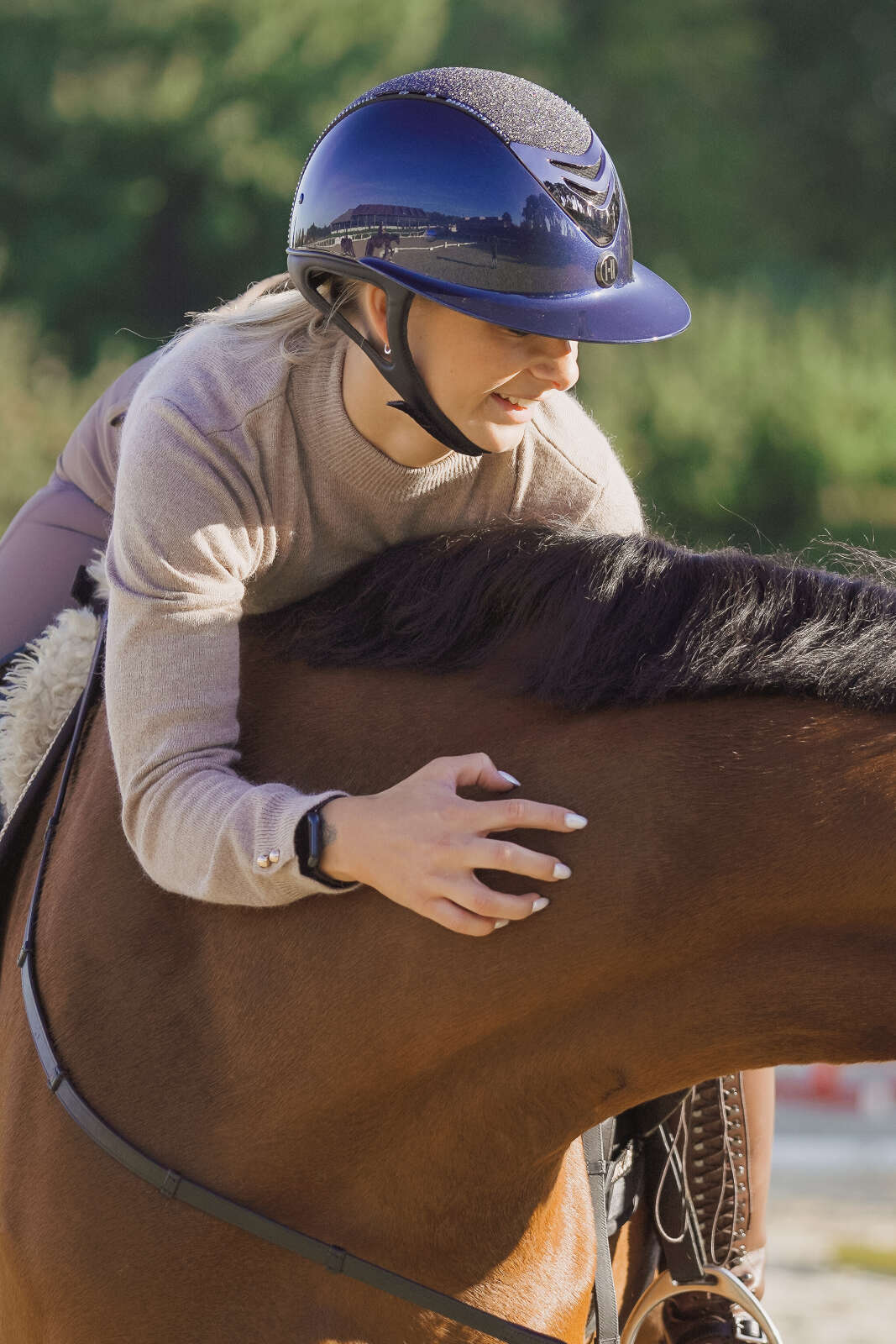
Once size, fit, and safety are taken care of, design naturally becomes an important factor. A riding helmet is something many riders use several times a week, and there’s a big difference between preferring a classic matte look or a more striking helmet with a glossy finish, glitter, or rhinestones.
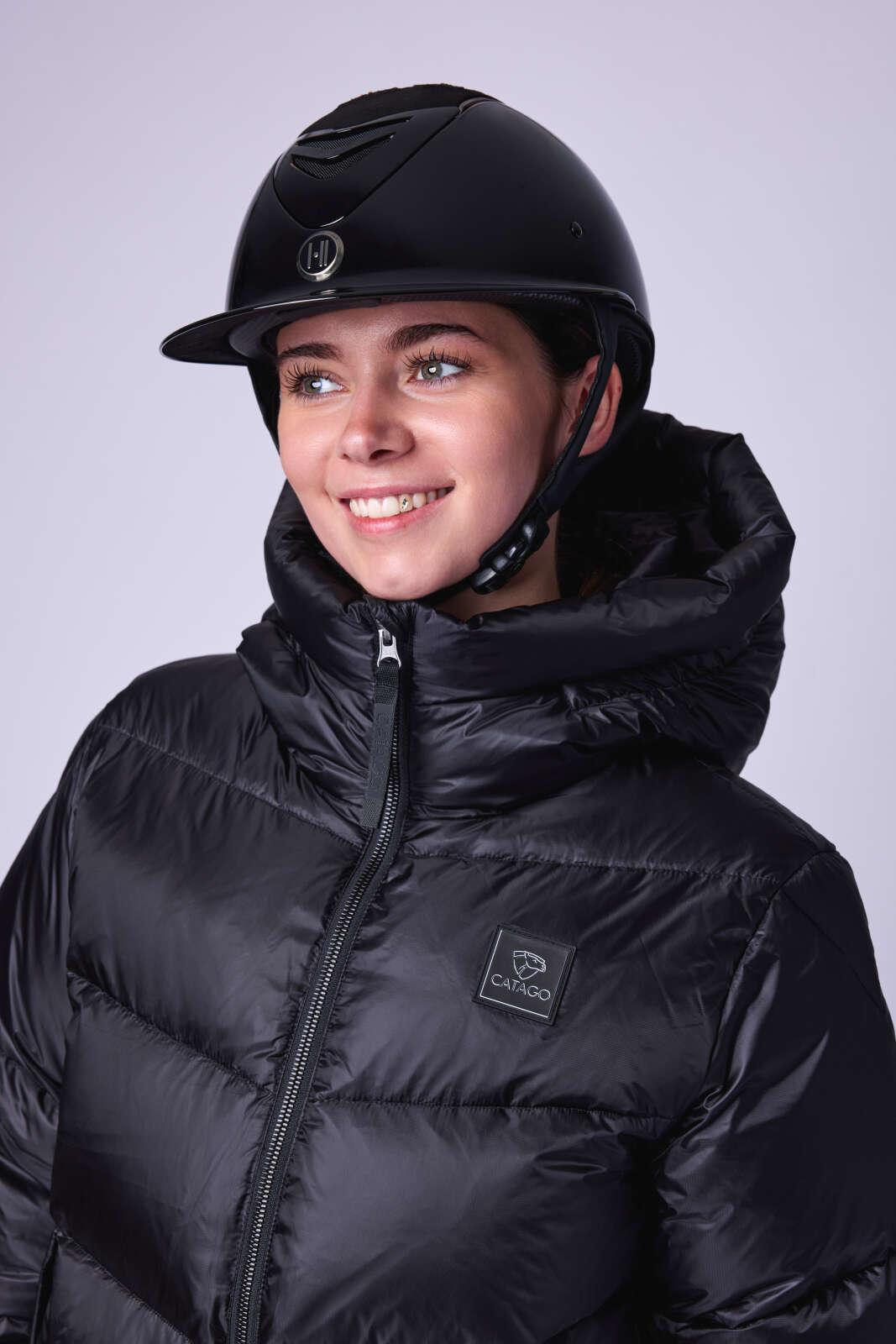
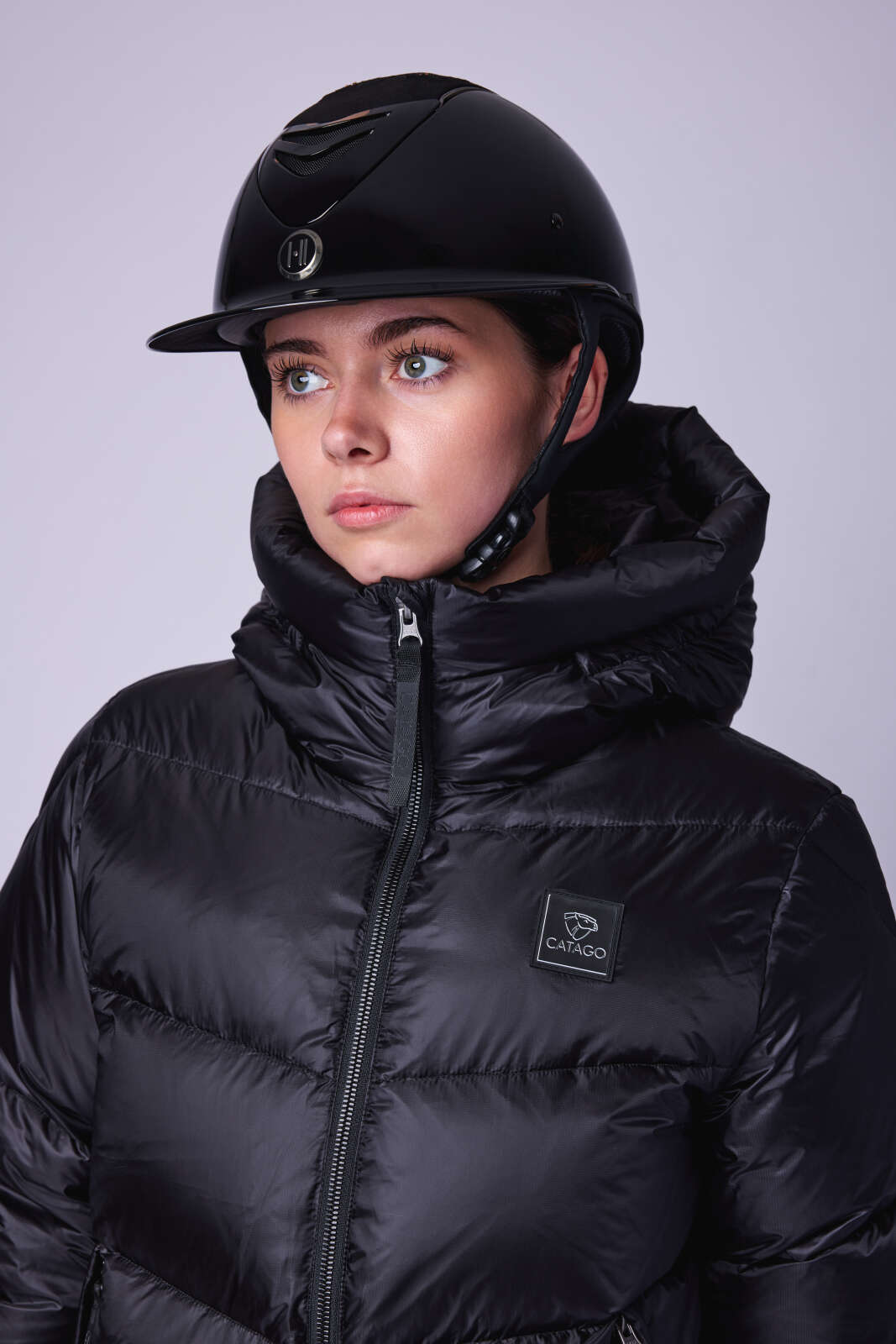
Riding helmet with a wide brim
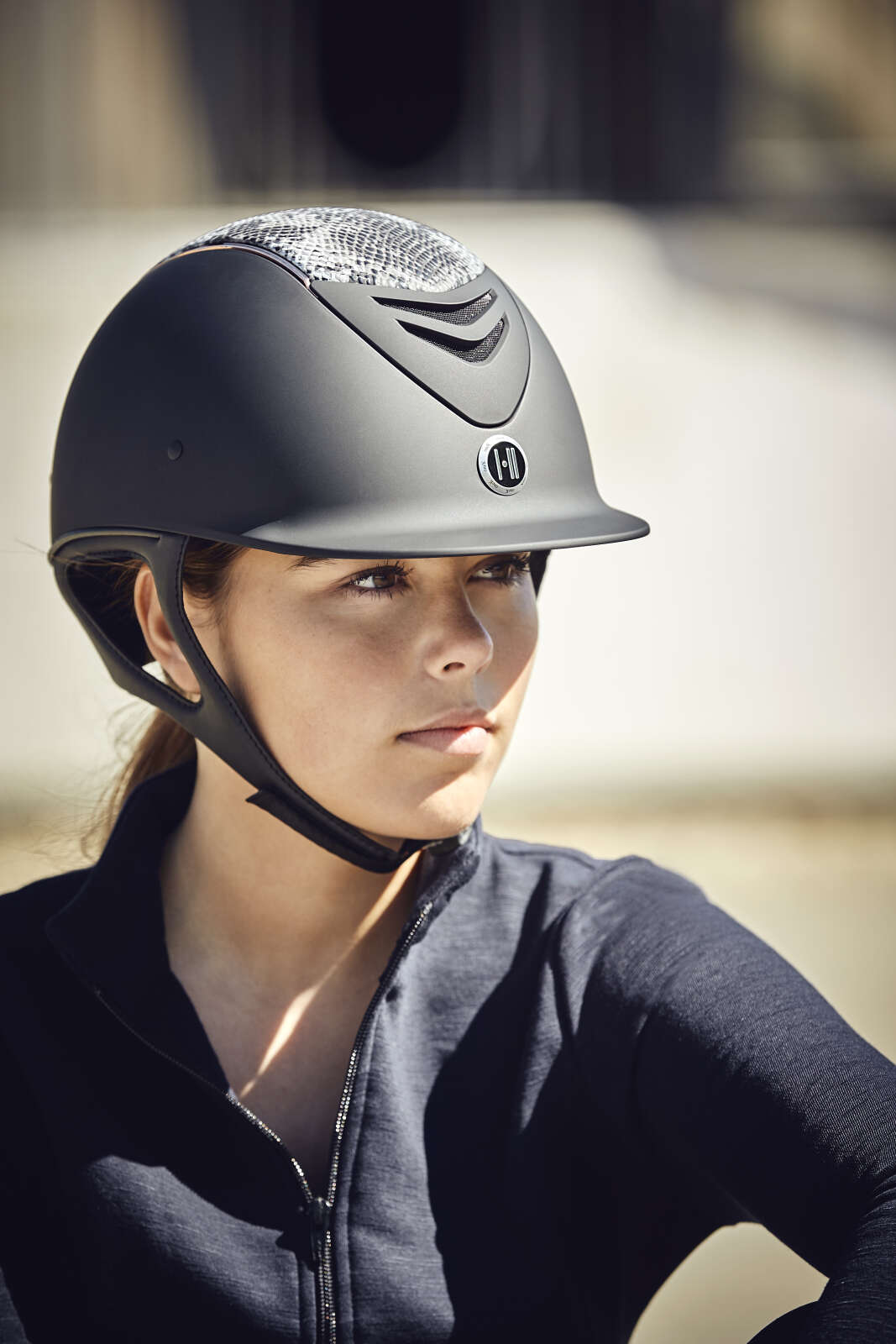
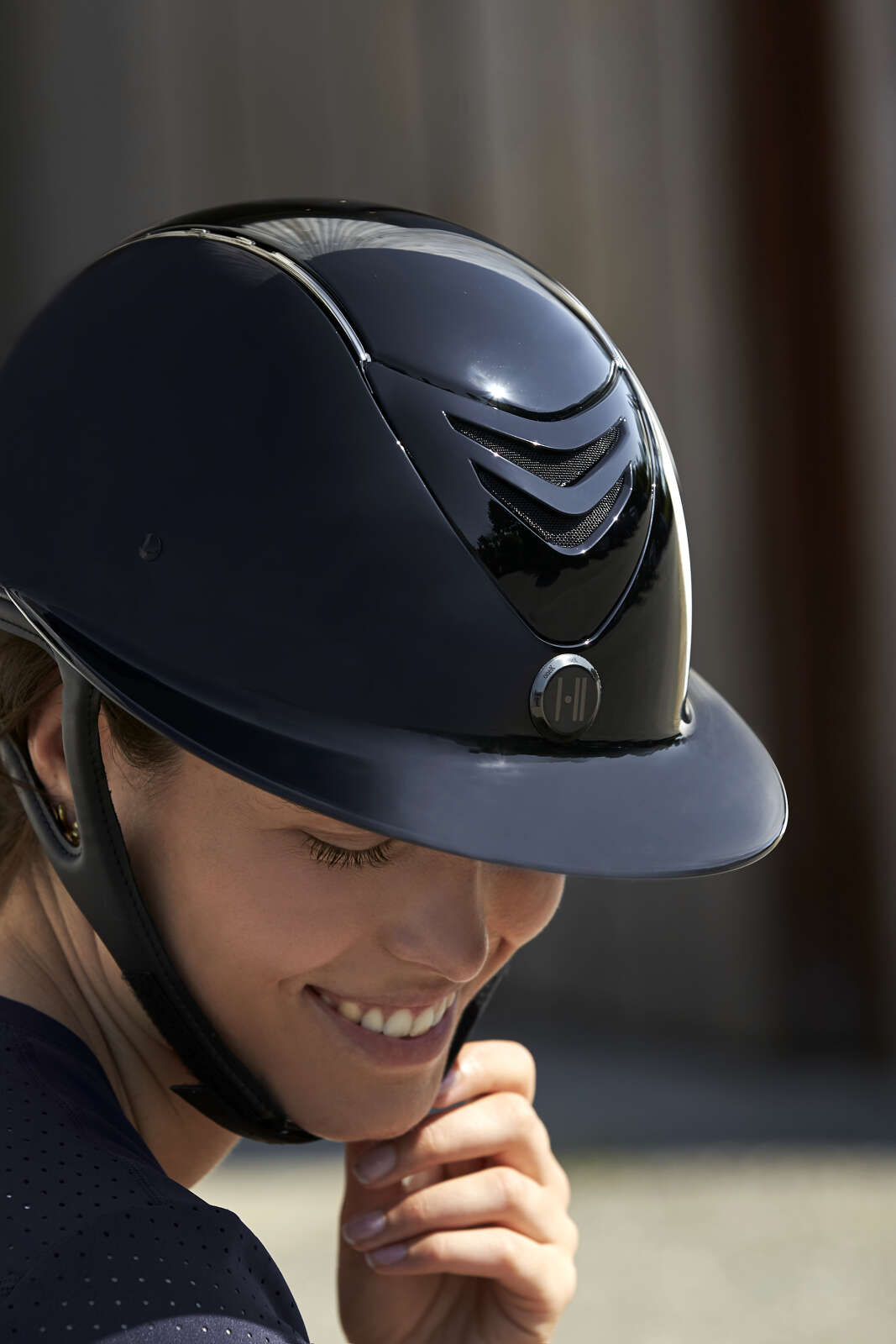
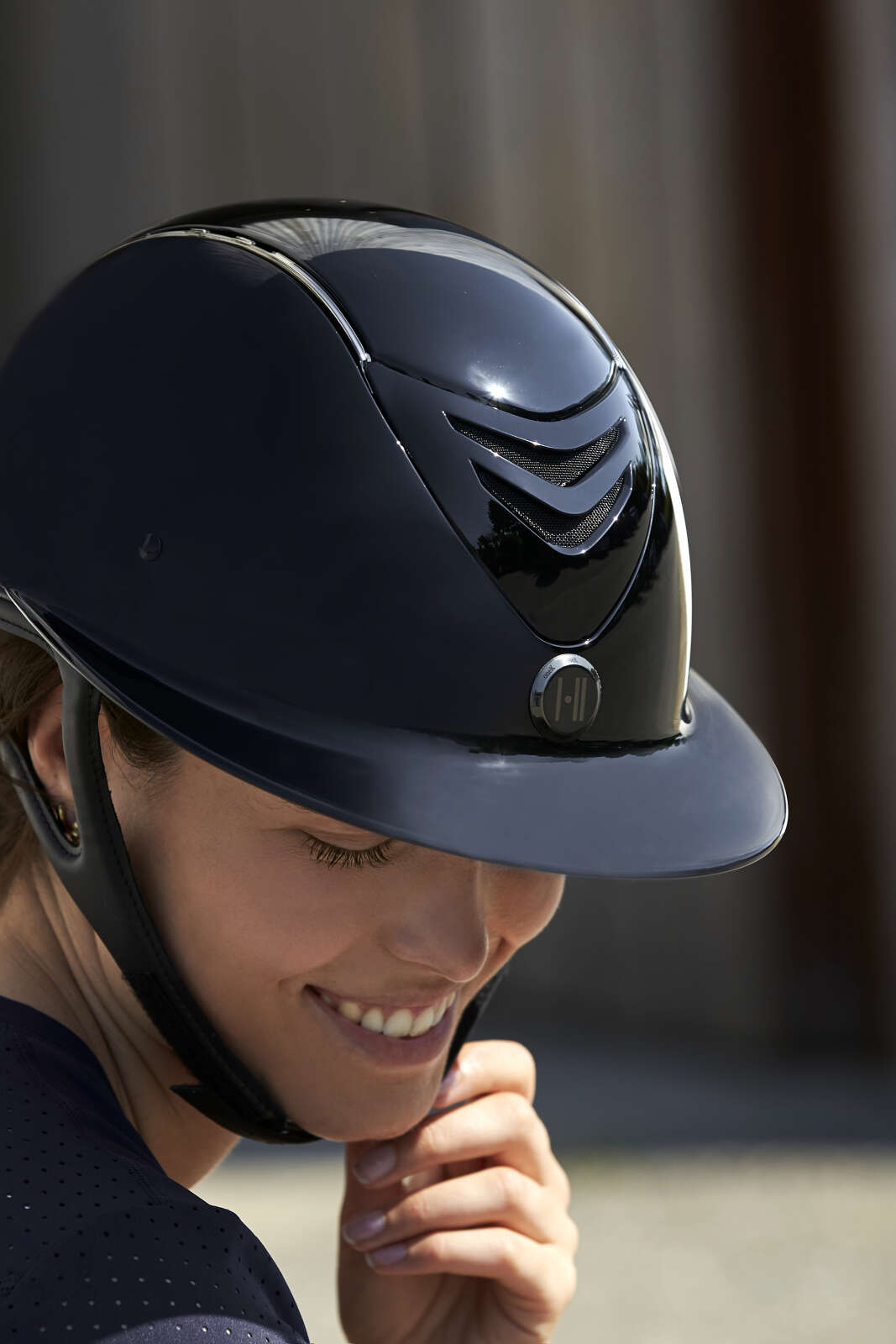
A riding helmet with a wide brim provides more protection from the sun than a traditional, shorter brim. For many riders, however, the choice is just as much about appearance.
A wide or classic brim is therefore largely a matter of sun protection, design, and personal preference. This should not take precedence over a good fit.
From understated riding helmets to more exclusive designs
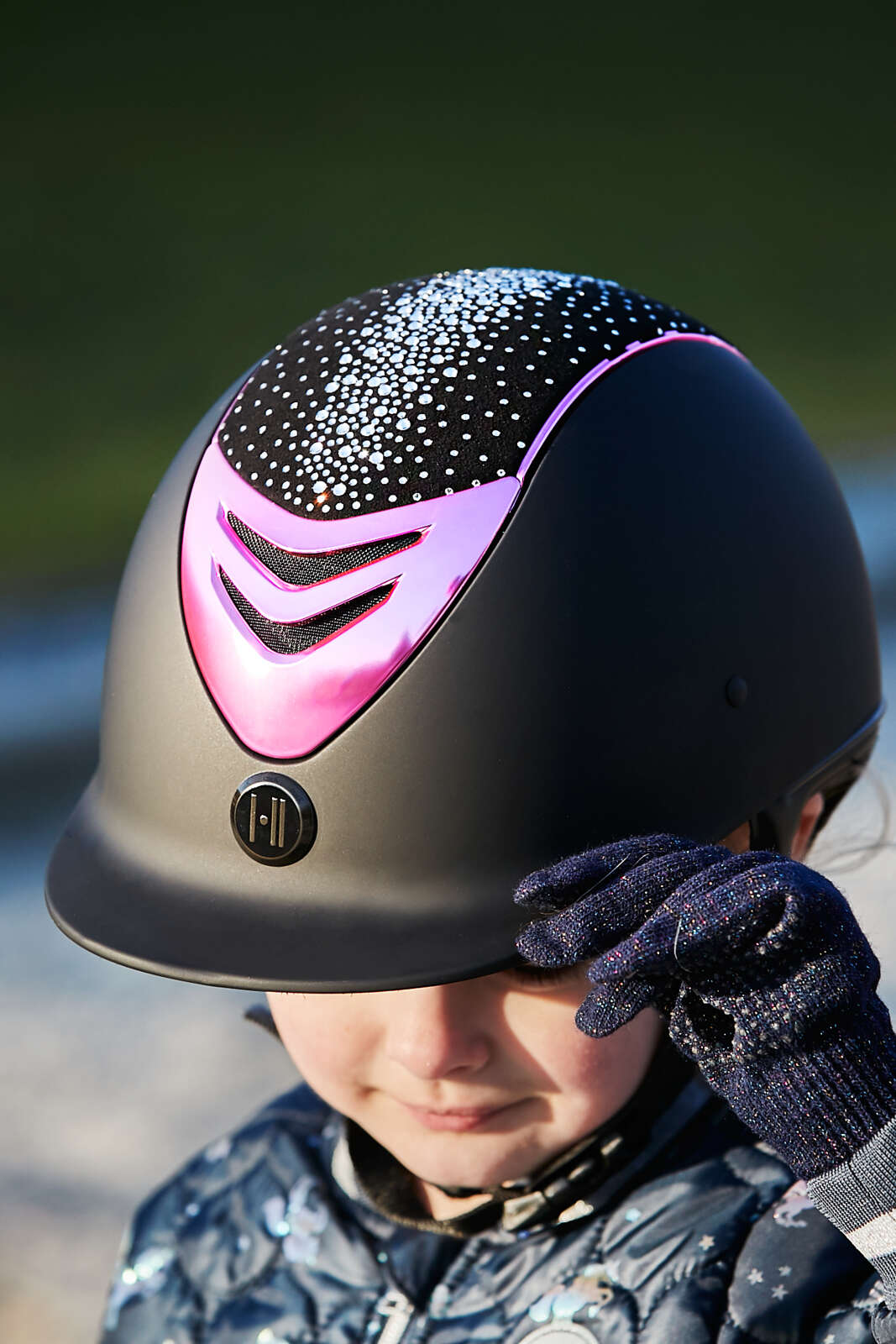
If you prefer a understated look, there are many simple matte and glossy riding helmets available. If you’d like something more eye-catching, you can look for models featuring, for example, glitter, stones, and more exclusive details.
The Equipage MIPS Guardian is an example of a more professional look from Equipage, while the Casco Champ 3 falls into Casco’s premium segment. One K Convertible helmets offer even more options for riders who place great importance on finish and personal style.
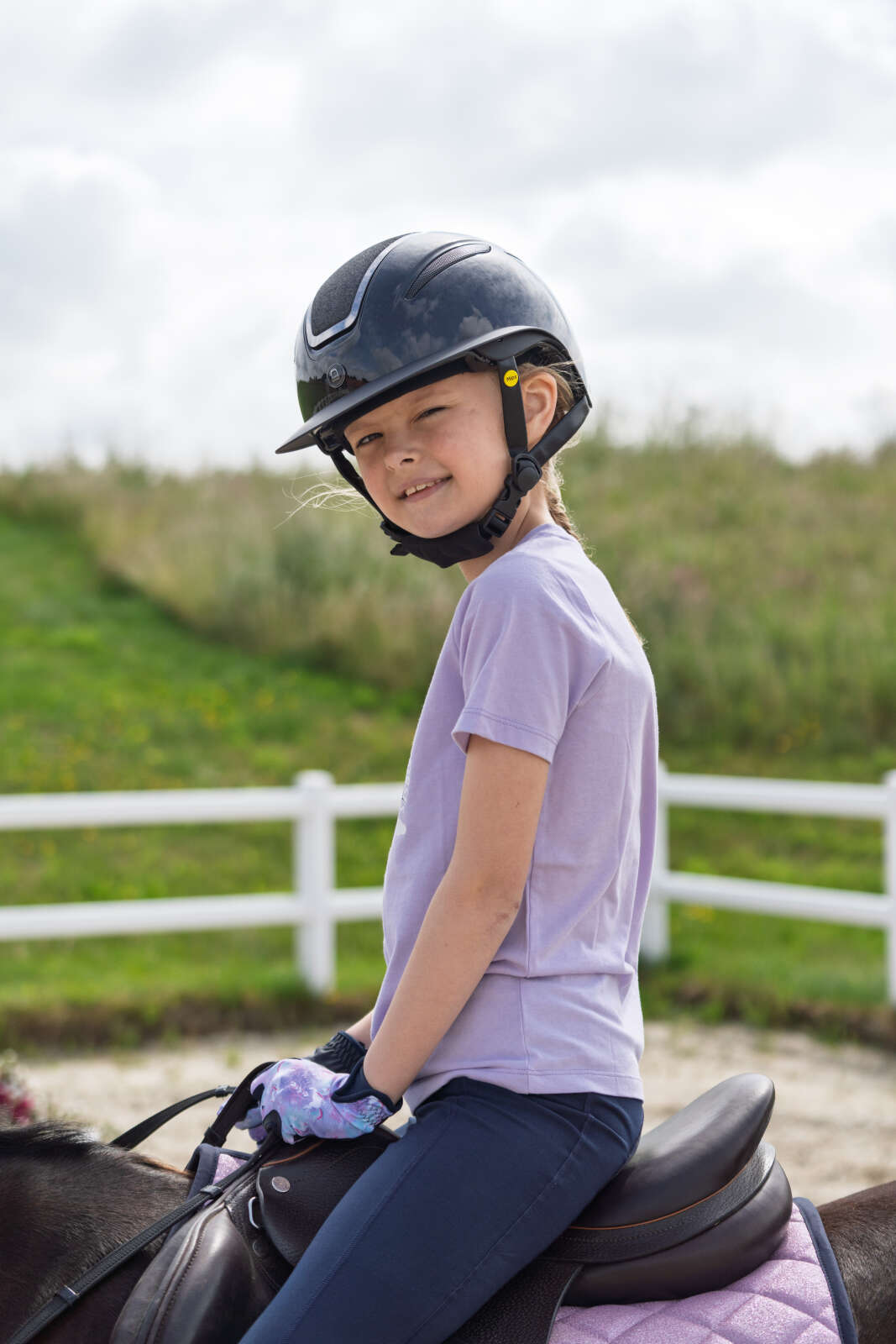
Riding helmets for children and beginners
Your first riding helmet doesn’t have to be the most expensive one in the lineup. The most important thing is to find an approved helmet that fits properly and feels comfortable to wear.
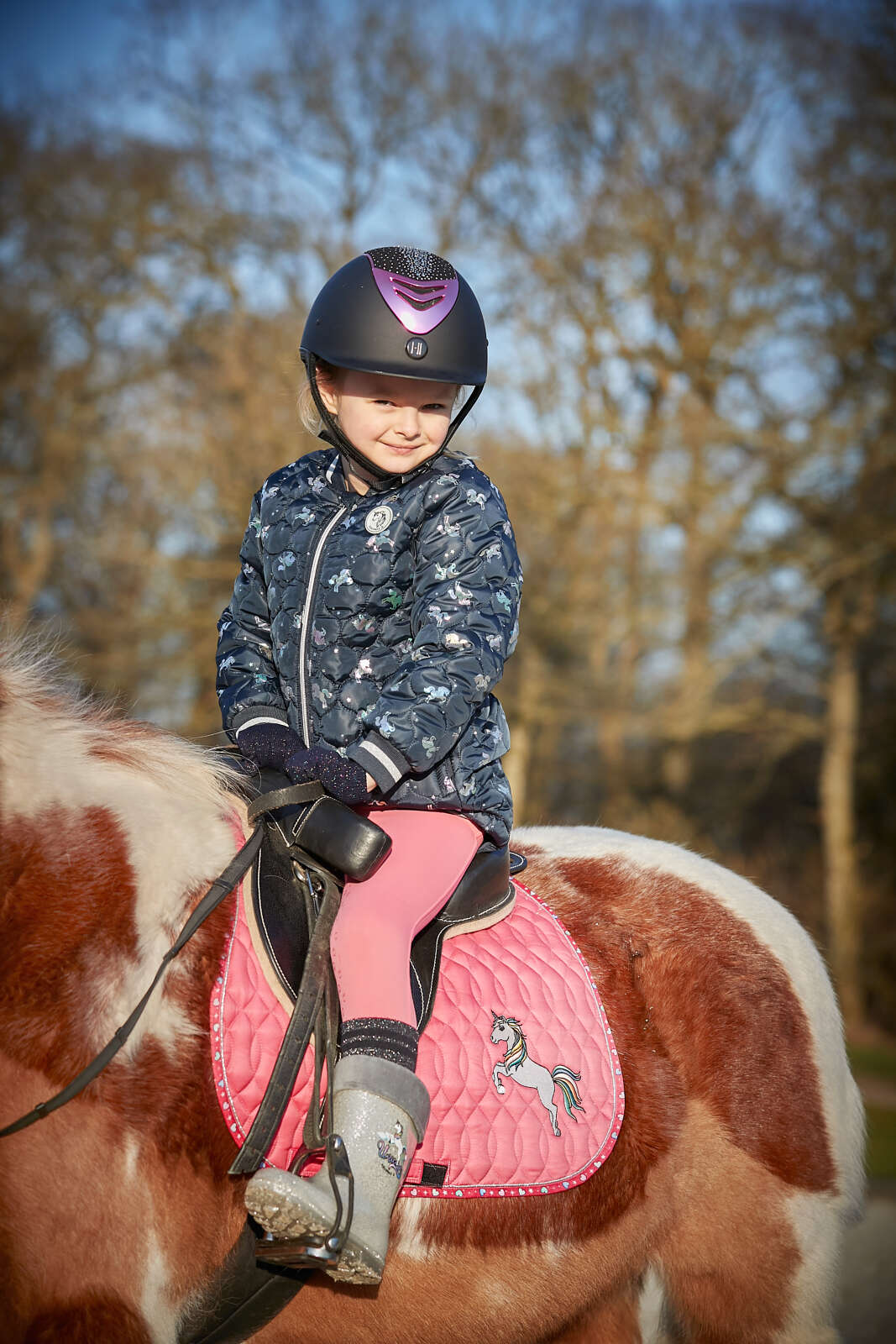
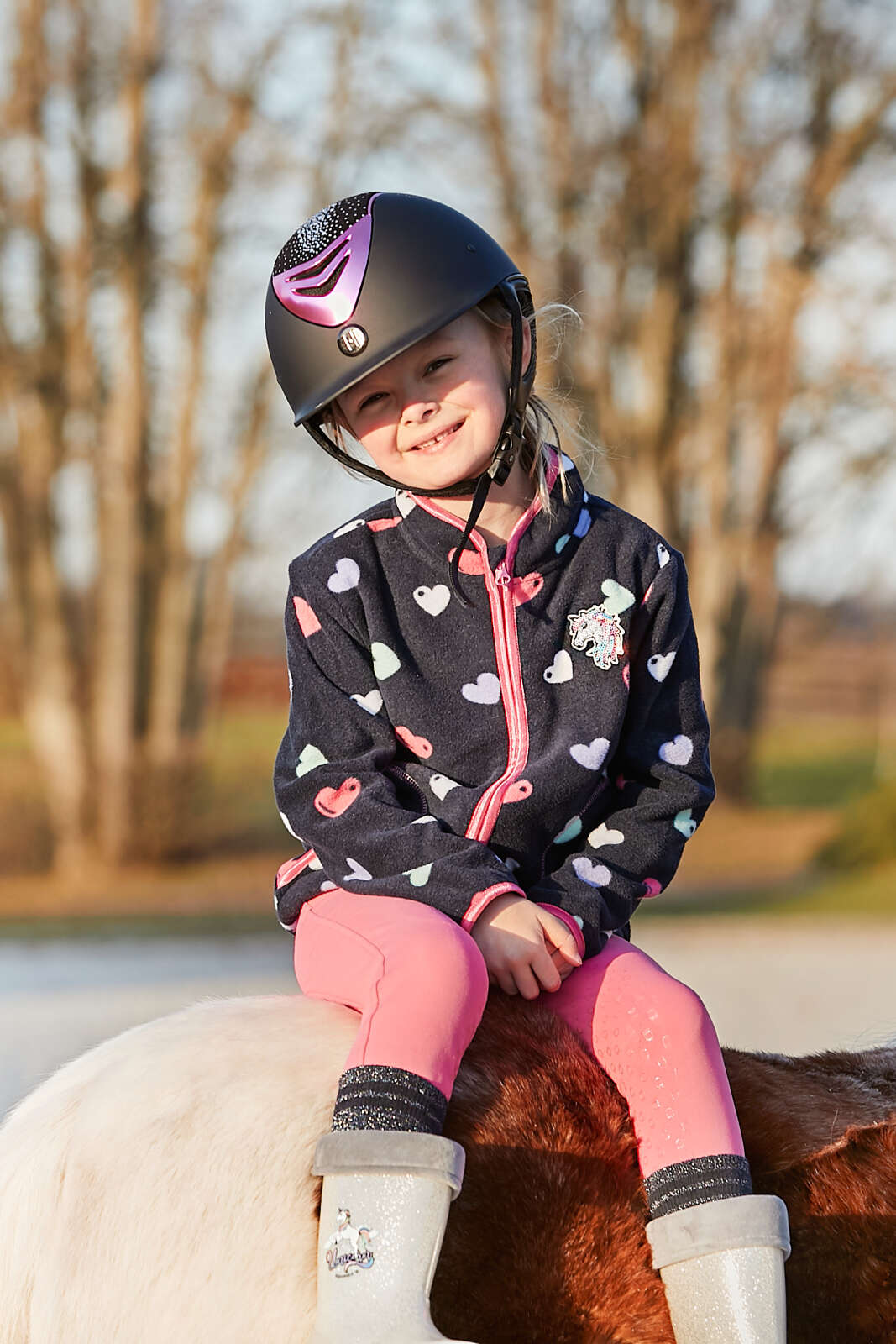
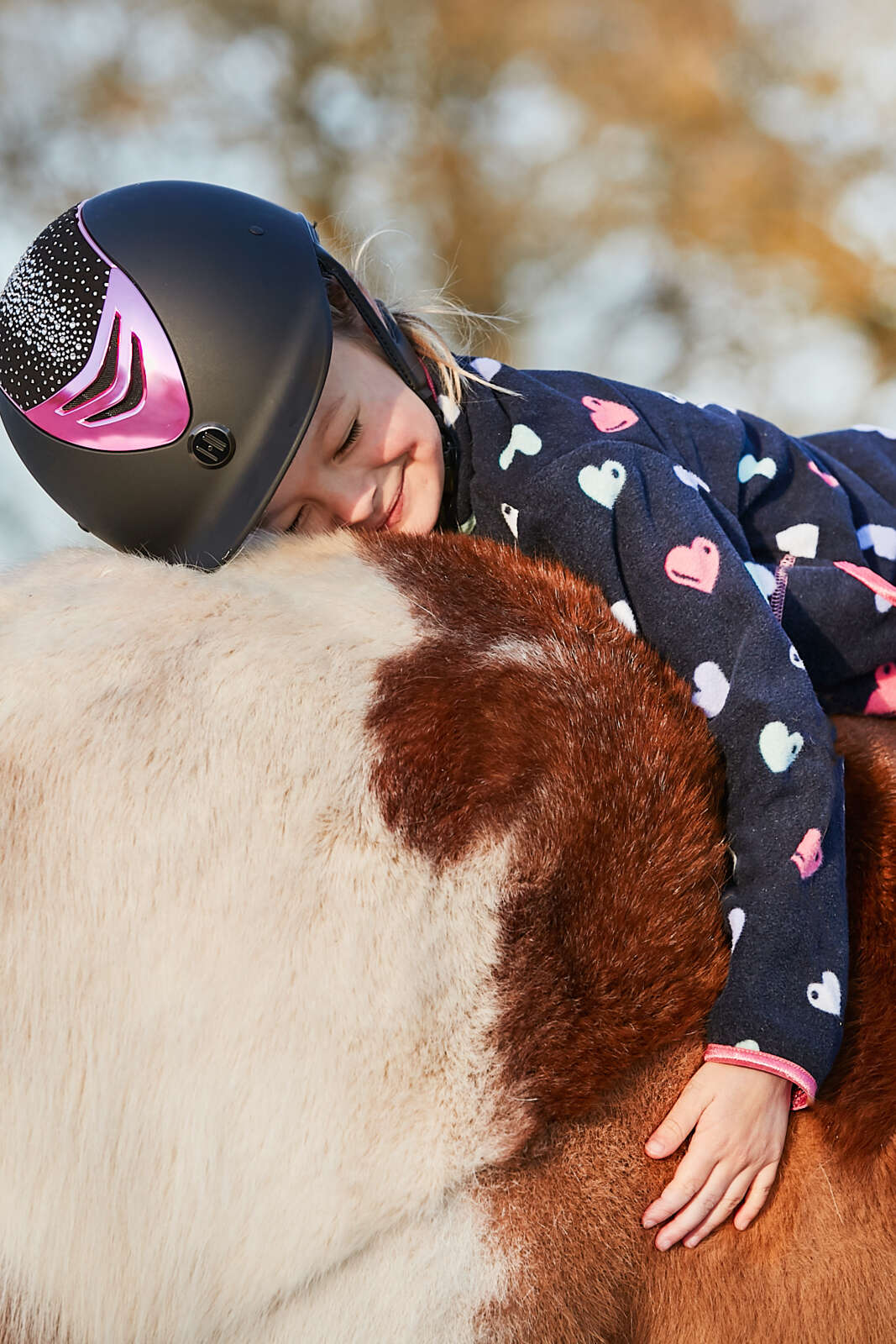
Children’s riding helmets
Both Equipage and Casco offer several affordable riding helmets for children, making it easy to find a good starter helmet.
At Casco, Choice, Nori, and Starlit are good options to consider, while Equipage Vilma and Henderson are affordable alternatives.
A child’s head grows, but the helmet must still fit properly from the very first ride. So avoid the temptation to choose a larger size just to extend the riding helmet’s lifespan.
Your first riding helmet
As an adult beginner, you can, in principle, choose from all three brands.
Equipage and Casco are obvious places to start if you want to keep the price down, while One K may be a good choice right from your first helmet if you want extra quality, comfort, finish, and more design options.
So you don’t need to buy an expensive helmet just to get started. First, use your budget to find a helmet that fits properly, and then assess which additional features are important to you.
How to care for your riding helmet
A riding helmet should be stored in a dry place and protected from unnecessary impacts and extreme temperatures. If the helmet gets damp after riding, it should be allowed to dry naturally.
If the model has a removable liner, it can be cleaned according to the manufacturer’s instructions. The helmet itself should also be cleaned according to the recommendations that apply to the specific model and its materials.
After a severe impact or fall, the helmet should be inspected, and the manufacturer’s recommendations for continued use should be followed. Damage to the helmet’s protective structure is not necessarily visible from the outside, and safety should always take precedence over the desire to extend the helmet’s lifespan.
Buy your new riding helmet at Unamari
Finding the perfect riding helmet is essential to ensuring the best protection while riding. A practical and functional riding helmet should be one of the first pieces of riding gear you look for. At Unamari, you’ll find a wide selection of different riding helmets in all price ranges that are sure to match your riding level. Affordable riding helmets can be a great place to start if you’re just beginning to ride.
If you need professional advice, we’re always here to help.