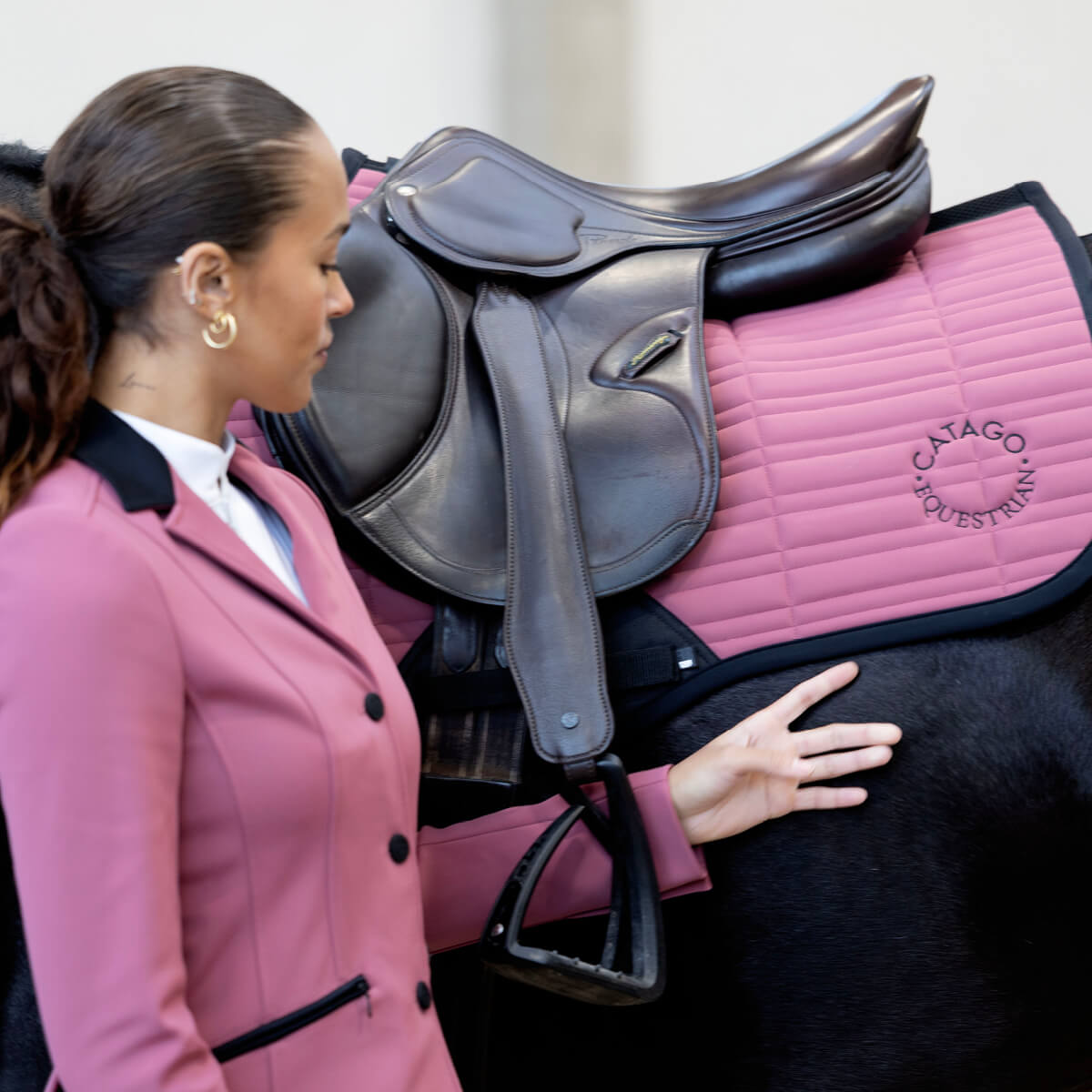
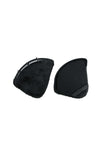
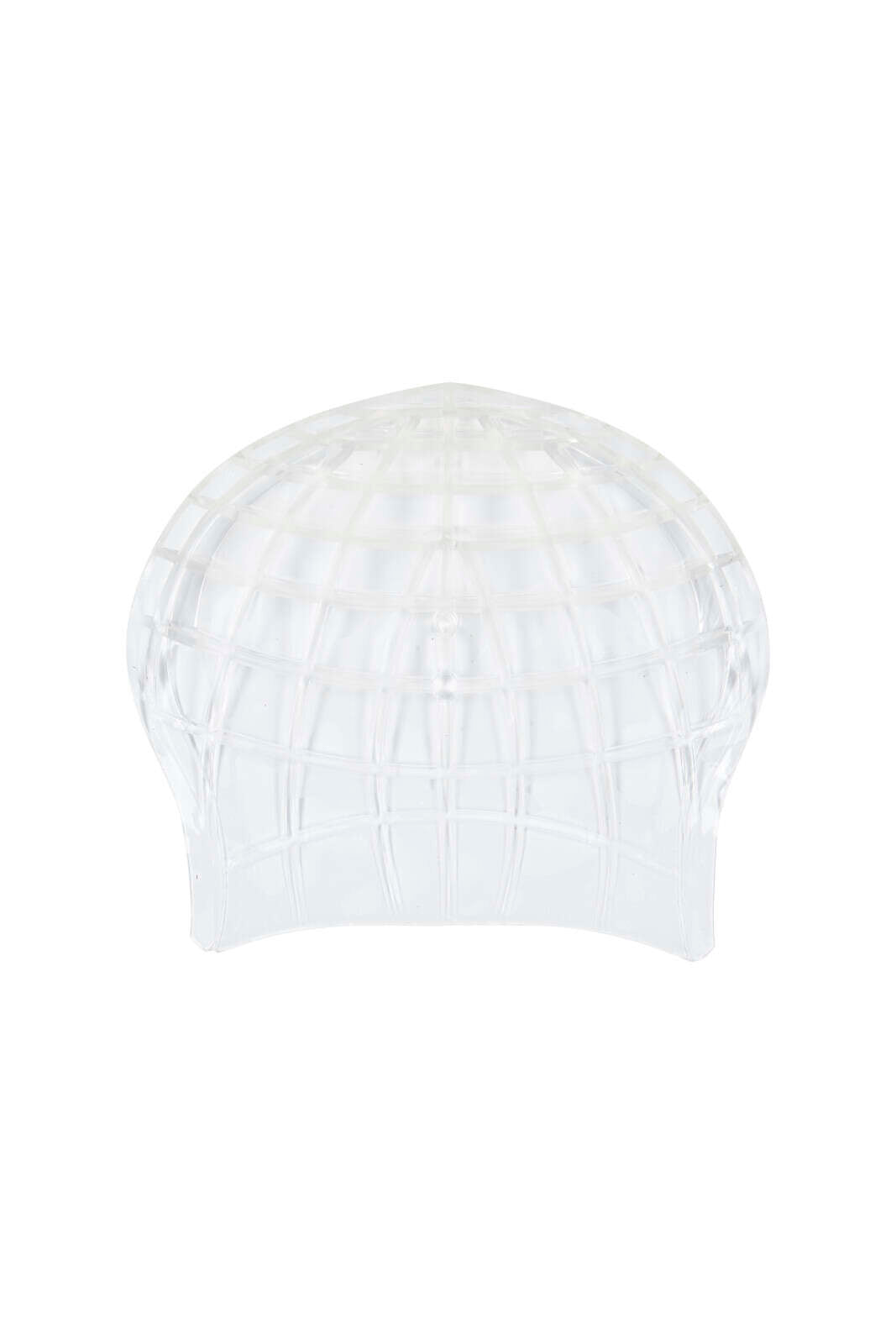
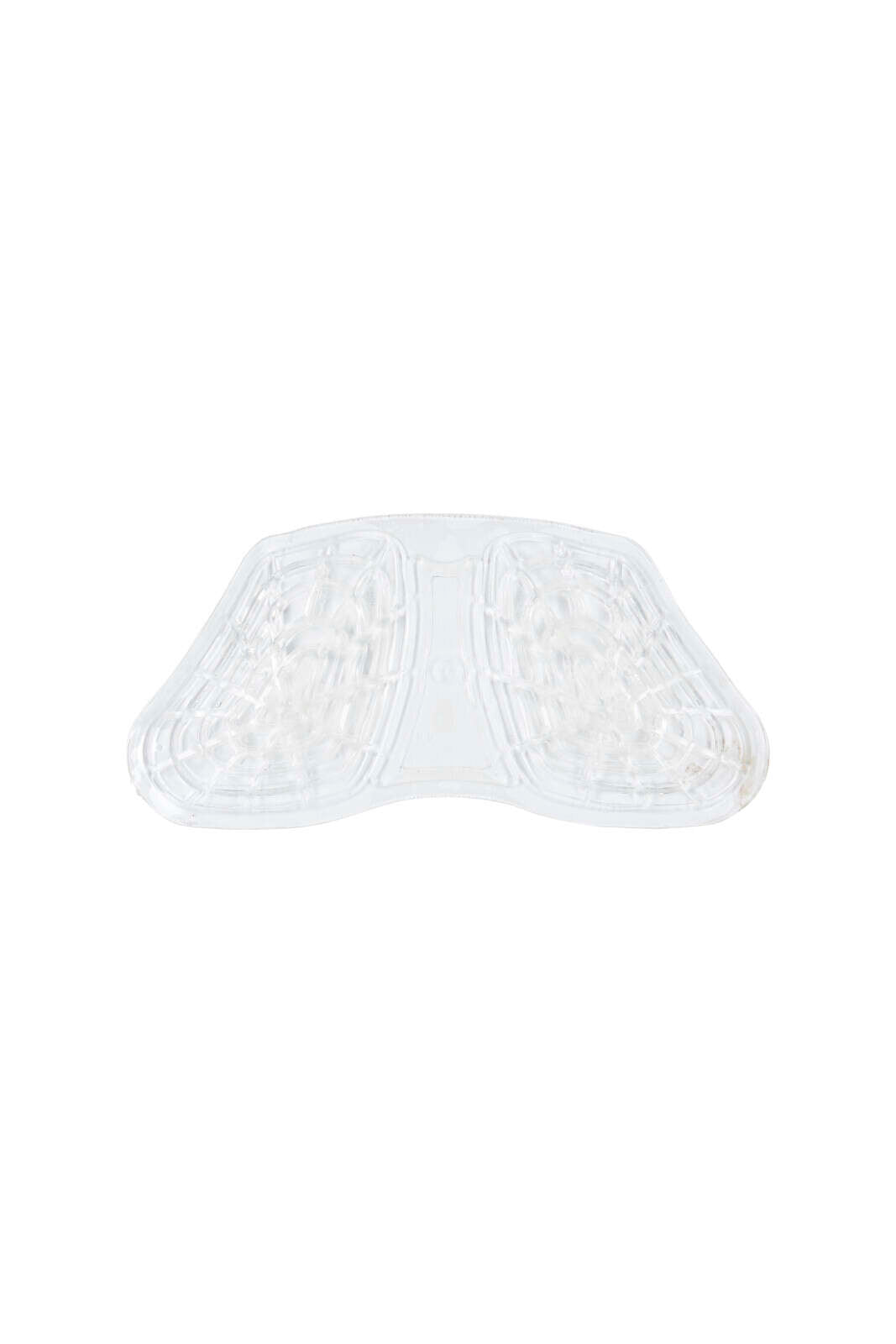
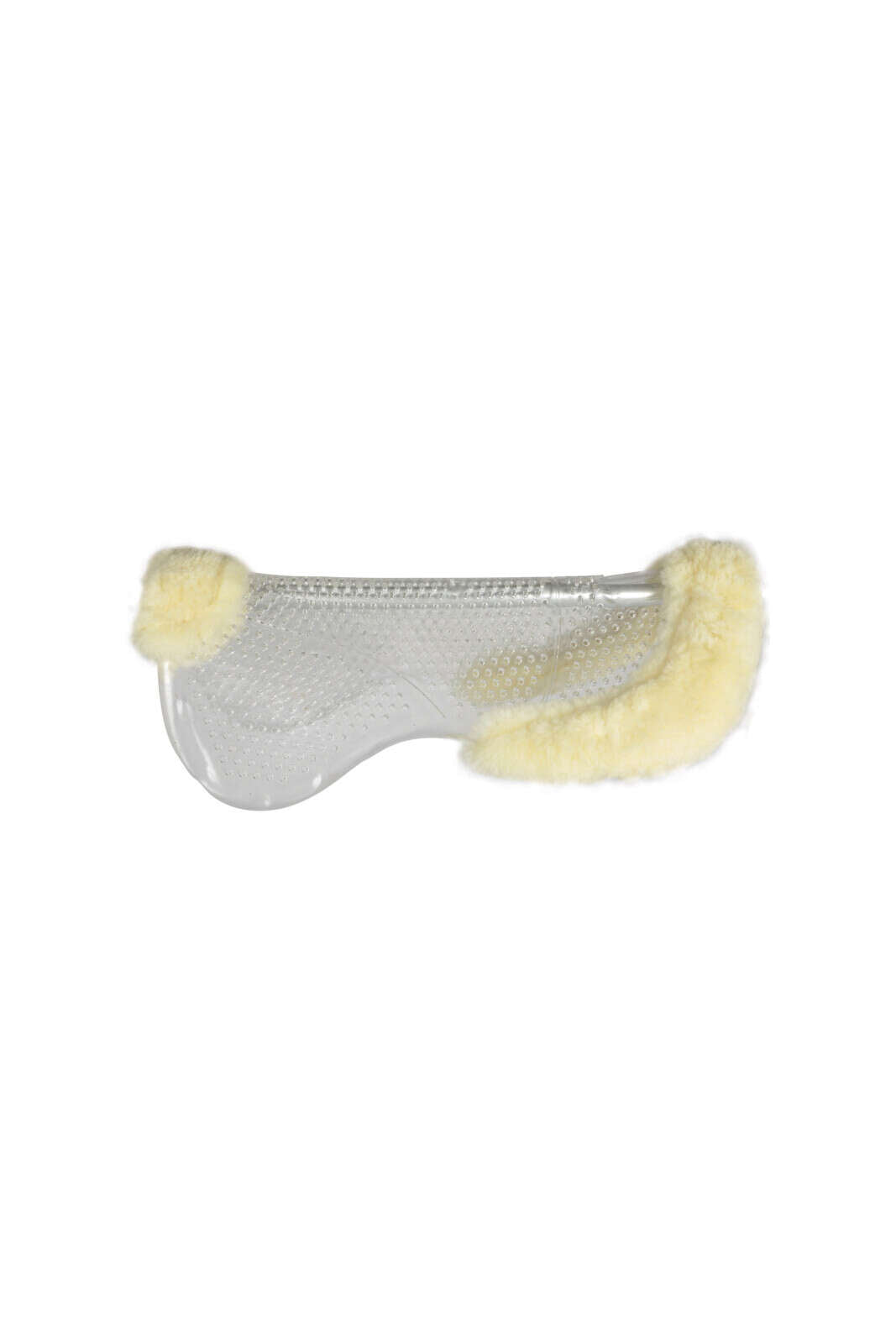
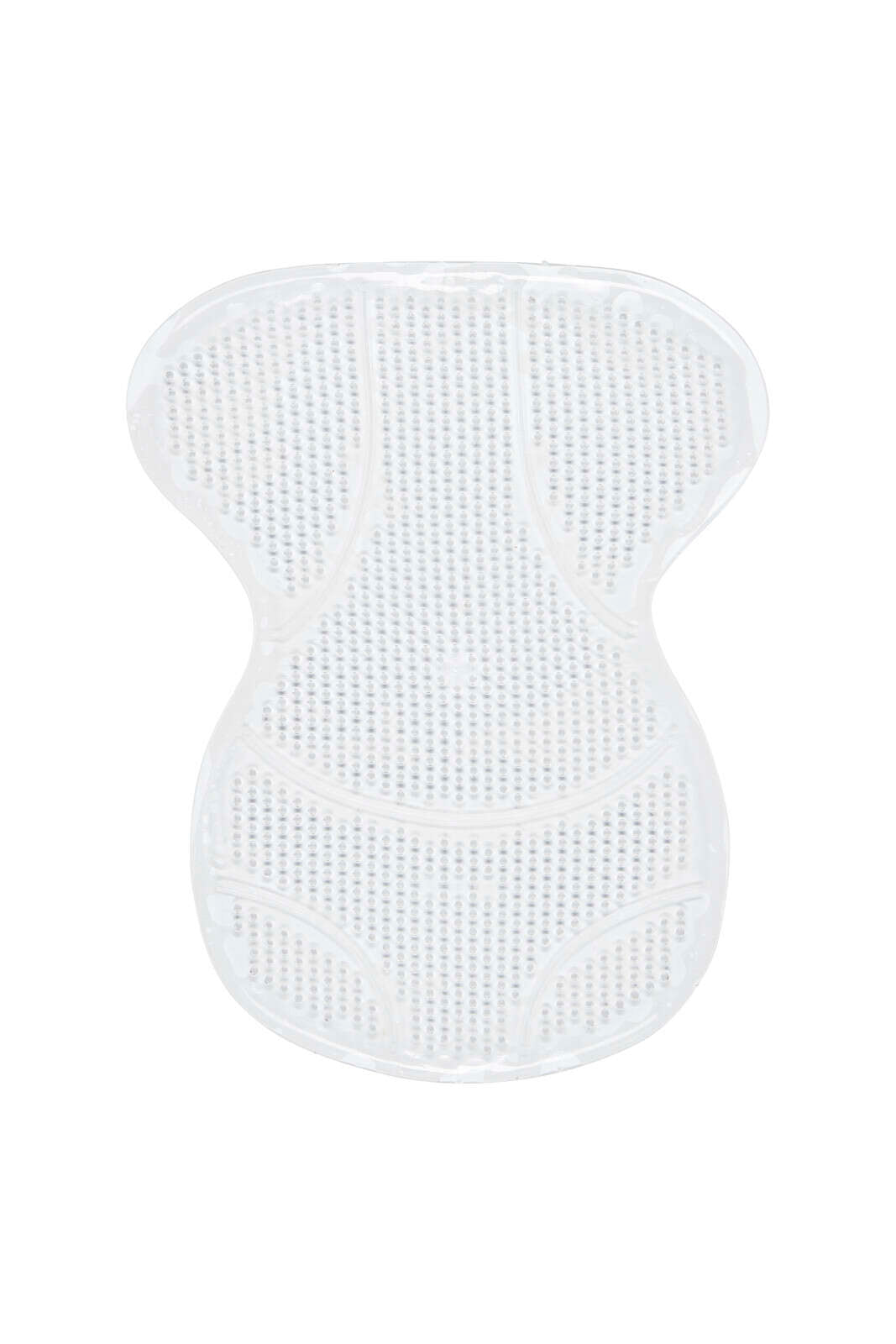
A gel pad can improve both comfort and saddle stability when used for the right purpose. At Unamari, we develop our own horse gel pads from Catago and Horse Guard, so we know that the right model depends on both the horse’s build and the saddle’s balance. Some horses need extra shock absorption, while others benefit from a front-lift, rear-lift, or non-slip gel pad. Here, we’ll walk you through the differences so you can more easily choose the right solution.
What is a gel pad for horses?
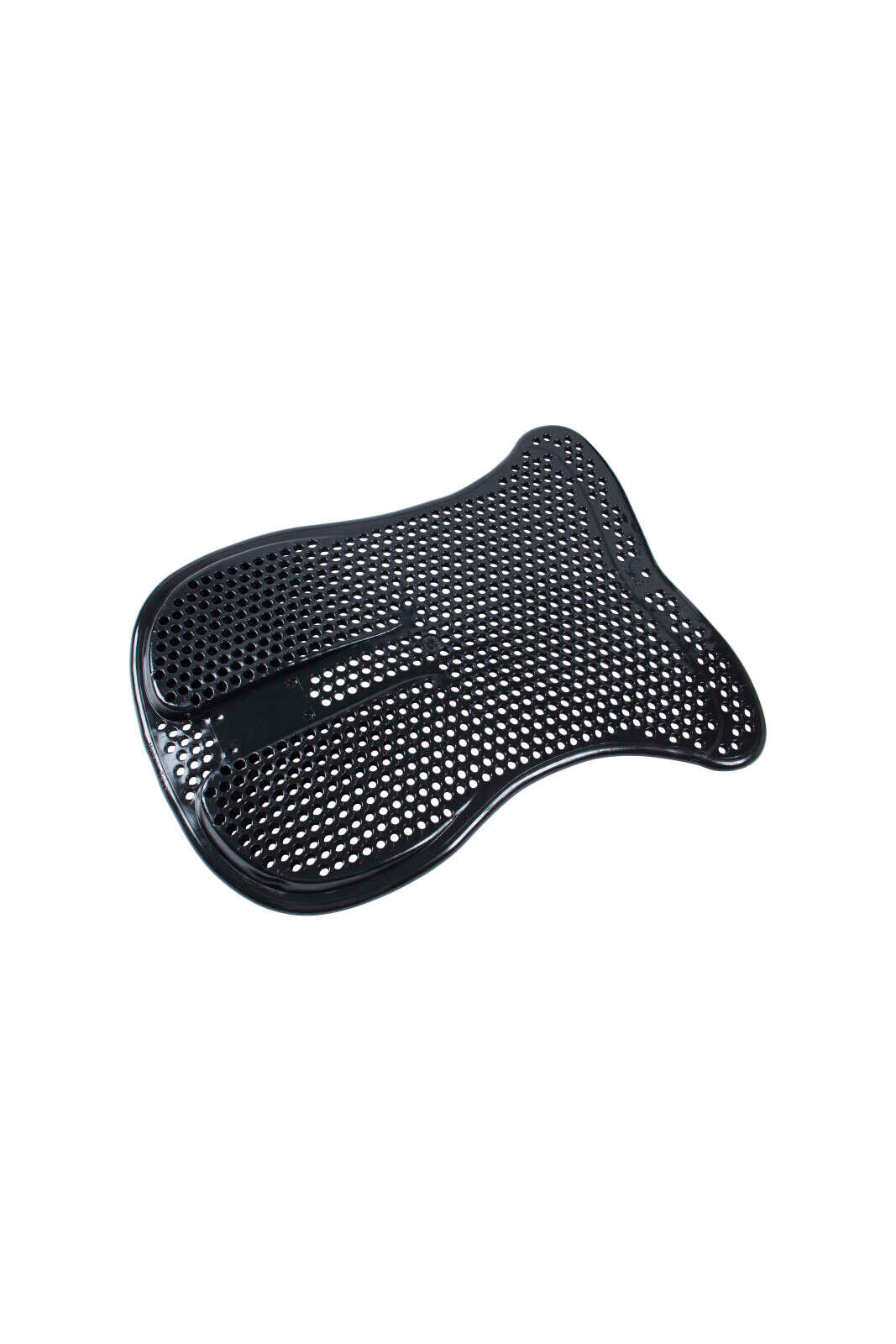
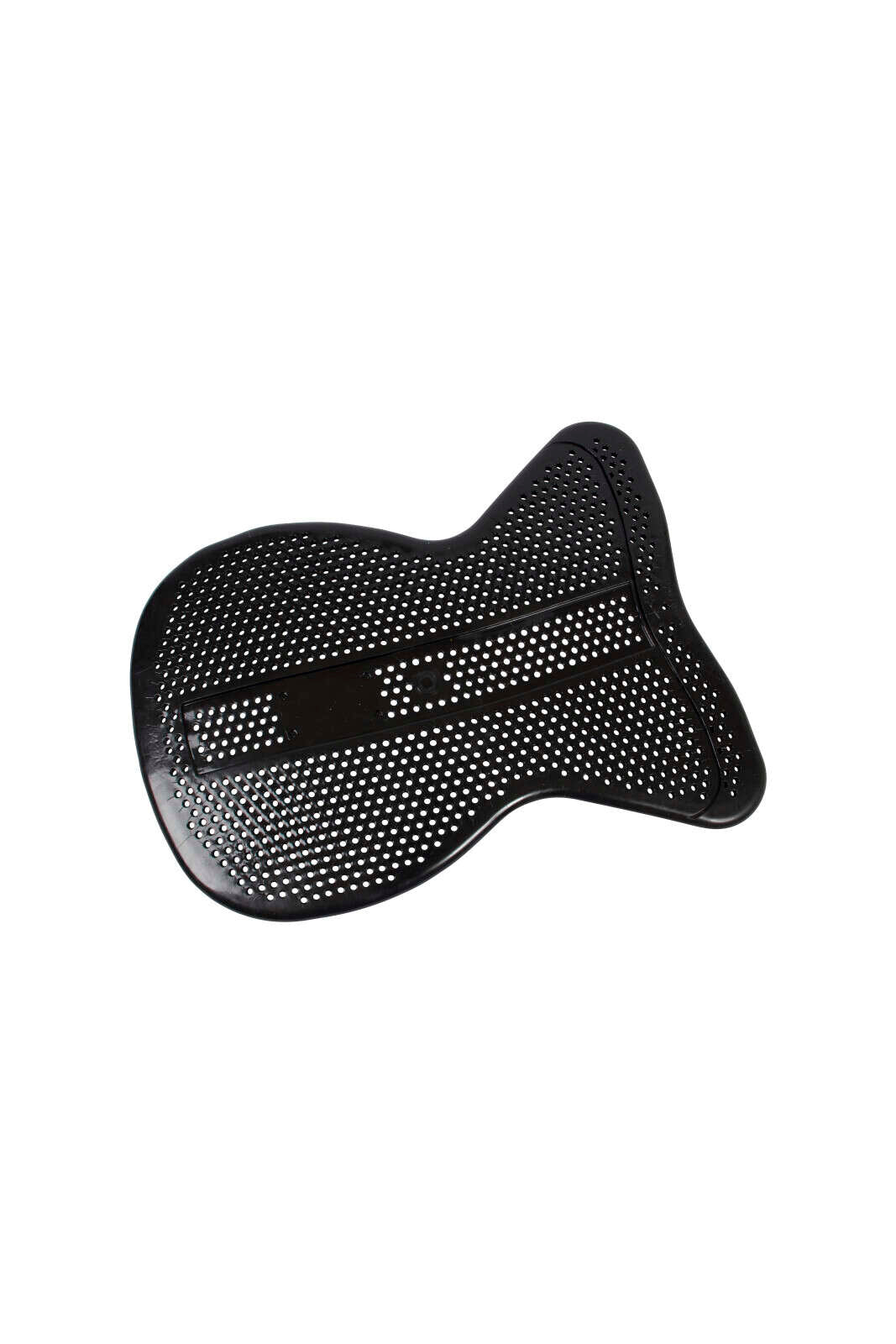
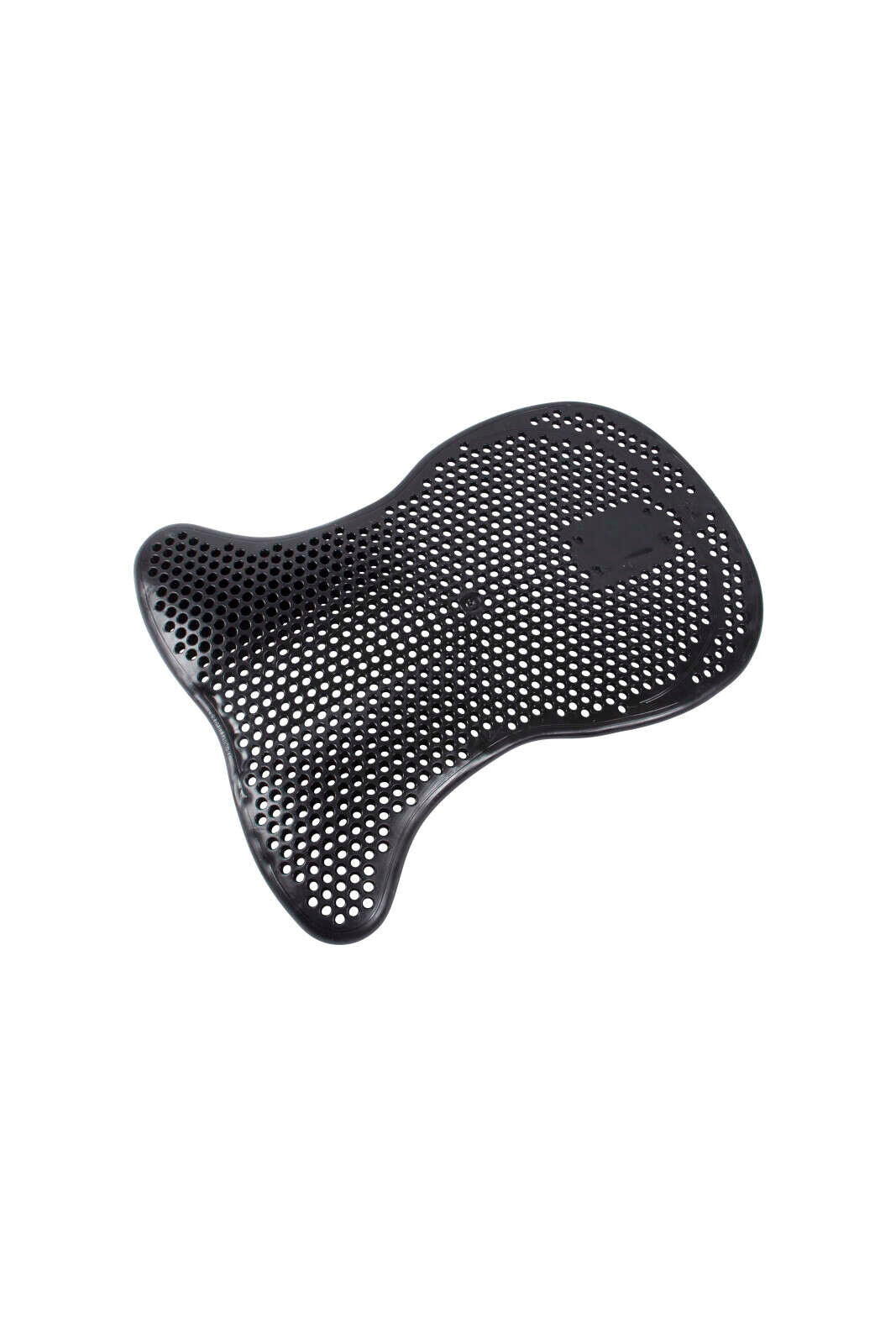
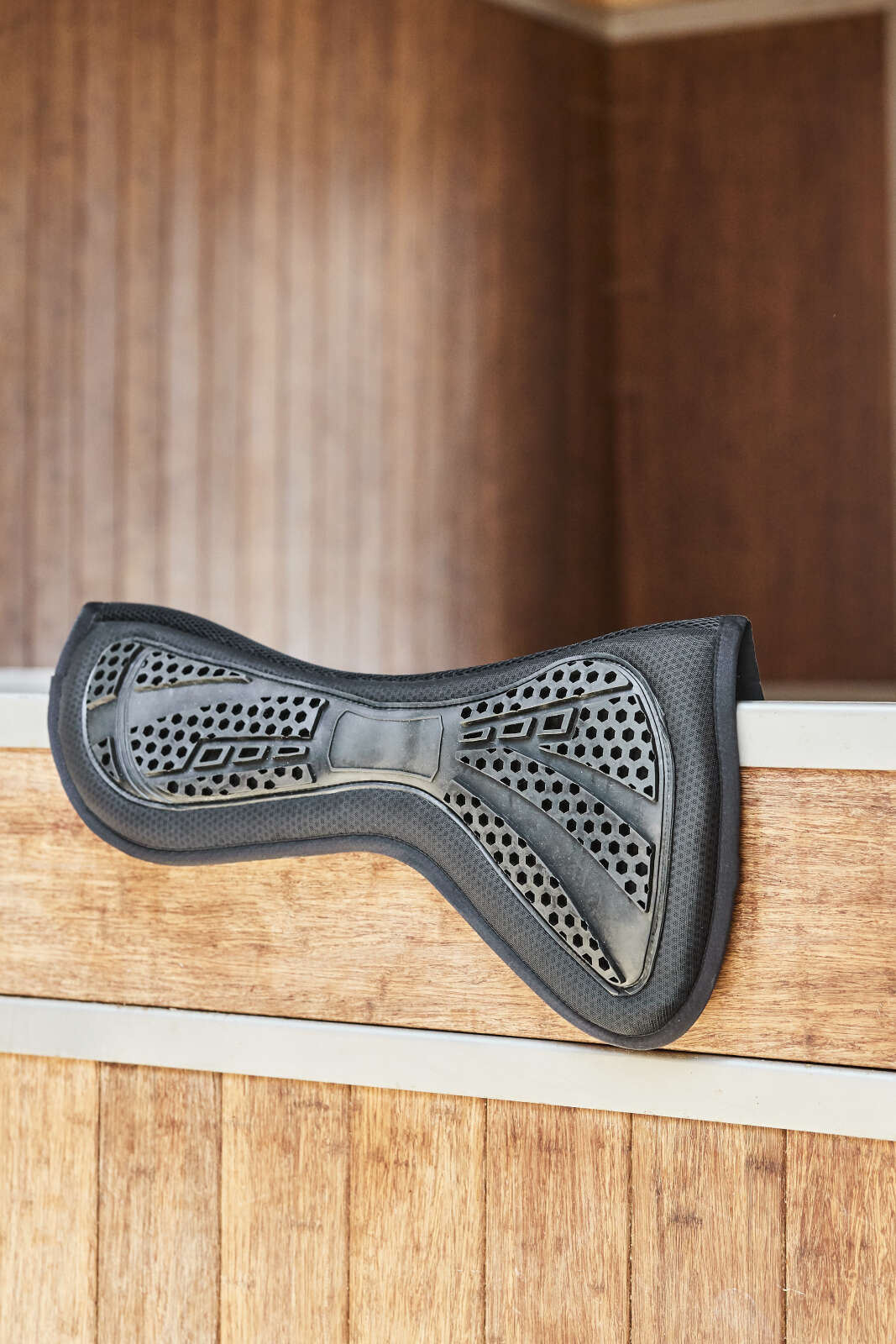
A gel pad for horses is placed between the saddle and saddle pad and is designed to distribute pressure more evenly, absorb shock, and help the saddle sit more securely.
Compared to many traditional half pads, a gel pad takes up relatively little space. You therefore get extra comfort without unnecessarily altering the saddle’s fit, while maintaining close contact between horse and Rider.
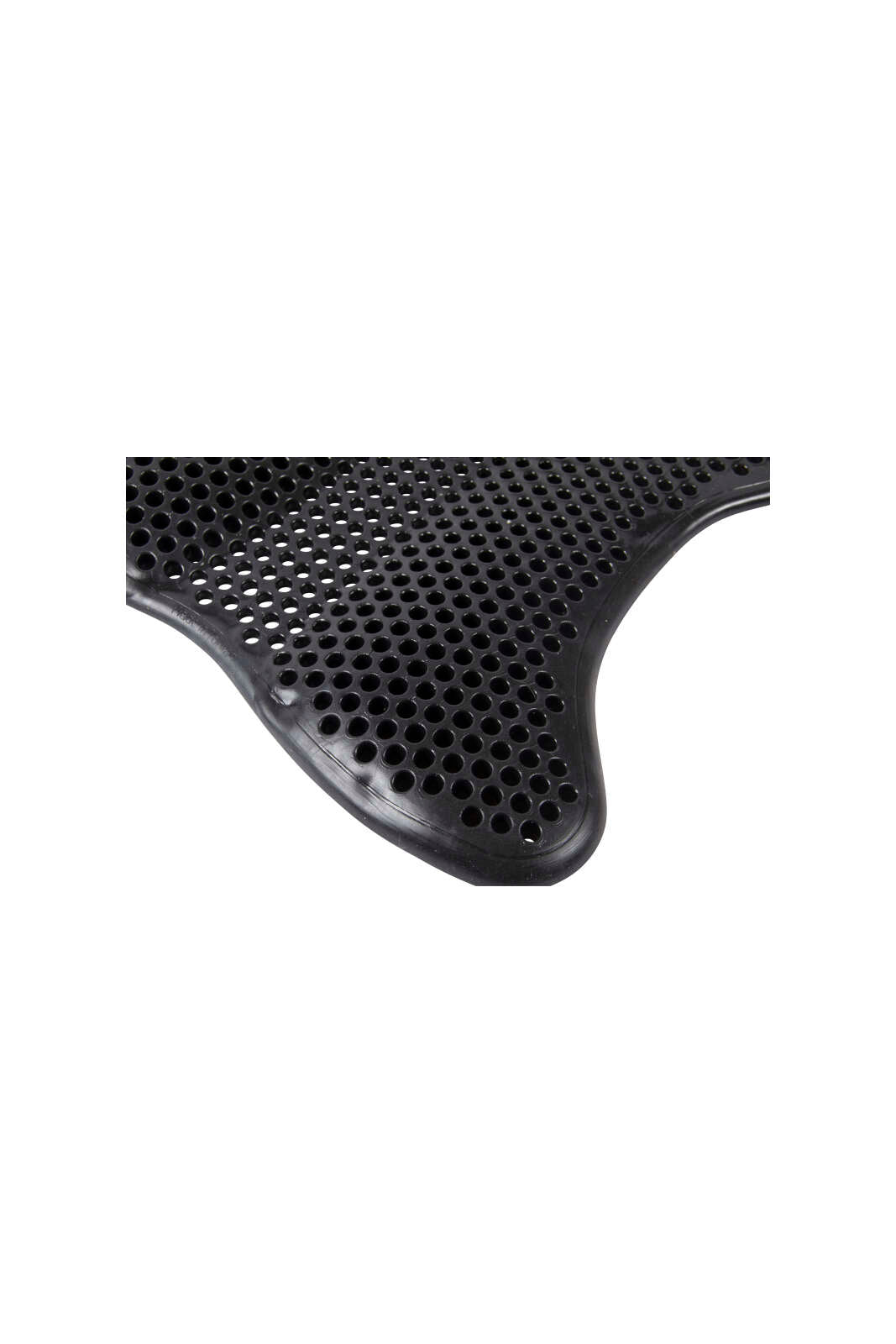
Several of our Catago gel pads are also perforated, which increases air circulation under the saddle and helps dissipate excess heat while riding.
However, it’s important to note that a gel pad cannot fix a saddle that fundamentally doesn’t fit properly. It can improve pressure distribution and correct minor imbalances, but in cases of actual fit issues, the saddle should always be properly adjusted.
When does a gel pad make sense?
A gel pad is particularly useful if you want to:
- improve pressure distribution on the horse’s back
- provide extra shock absorption while riding
- correct a minor imbalance in the saddle’s position
- reduce small movements between the saddle and the horse
- relieve pressure on a horse with a sensitive back
If the saddle is already positioned correctly and the horse moves freely without any signs of pressure discomfort, a gel pad isn’t necessarily needed. We therefore always recommend choosing a pad because it addresses a specific issue - not as standard equipment.
Front-lift, rear-lift, or neutral gel pad?
The choice depends on how the saddle sits on the horse.
Neutral gel pad
A neutral gel pad has the same thickness across its entire surface and is the obvious choice if the saddle is already well-balanced. Here, the primary purpose is to provide extra shock absorption, better pressure distribution, and increased comfort.
Gel pad with front lift
A gel pad with a front lift slightly raises the front of the saddle and is typically used if the saddle sags over the withers or lacks support in the front section. This can provide a more harmonious balance when the correction is minimal.
Gel pad with rear lift
A gel pad with a rear lift raises the rear of the saddle and can be beneficial if the saddle tilts backward or lacks support at the rear. It provides a more even distribution of weight and can improve the rider’s balance in the saddle.
When is an anti-slip gel pad the best choice?
An anti-slip gel pad is designed for horses where the saddle tends to shift and slide forward, which can create frustrating situations during riding.
The non-slip gel helps keep the saddle more stable, which can be particularly beneficial on horses with a rounded back, a limited withers, or during more demanding training. Several models also combine gel with memory foam and breathable materials, providing you with increased comfort, shock absorption, and ventilation.
Gel pad or lambskin?
Both gel pads and sheepskin pads have their strengths.
A gel pad is often the best choice if you want effective shock absorption, better pressure distribution, or a more stable saddle.
A lambskin pad, on the other hand, is particularly well-suited if the focus is on temperature regulation, moisture wicking, and extra-soft contact with the horse’s back.
It’s therefore not a matter of one solution being better than the other, but rather which feature is most important for your specific horse.
Buy Catago and Horse Guard gel pads
At Unamari, we develop the Catago and Horse Guard series ourselves. This allows us to focus specifically on the details that make a real difference in daily use.
When we developed our Catago and Horse Guard gel pads, one of our main priorities was to provide effective shock absorption without making the pad unnecessarily thick. This creates closer contact between horse and rider while also increasing comfort.
Find the right gel pad for your horse
The best gel pad is the one that matches both the horse’s needs and the saddle’s balance.
If you’re unsure which gel pad is best for your horse, we recommend first assessing whether you need extra shock absorption, a minor correction to the saddle’s balance, or better stability while riding. This makes it much easier to choose the model that provides the greatest benefit.