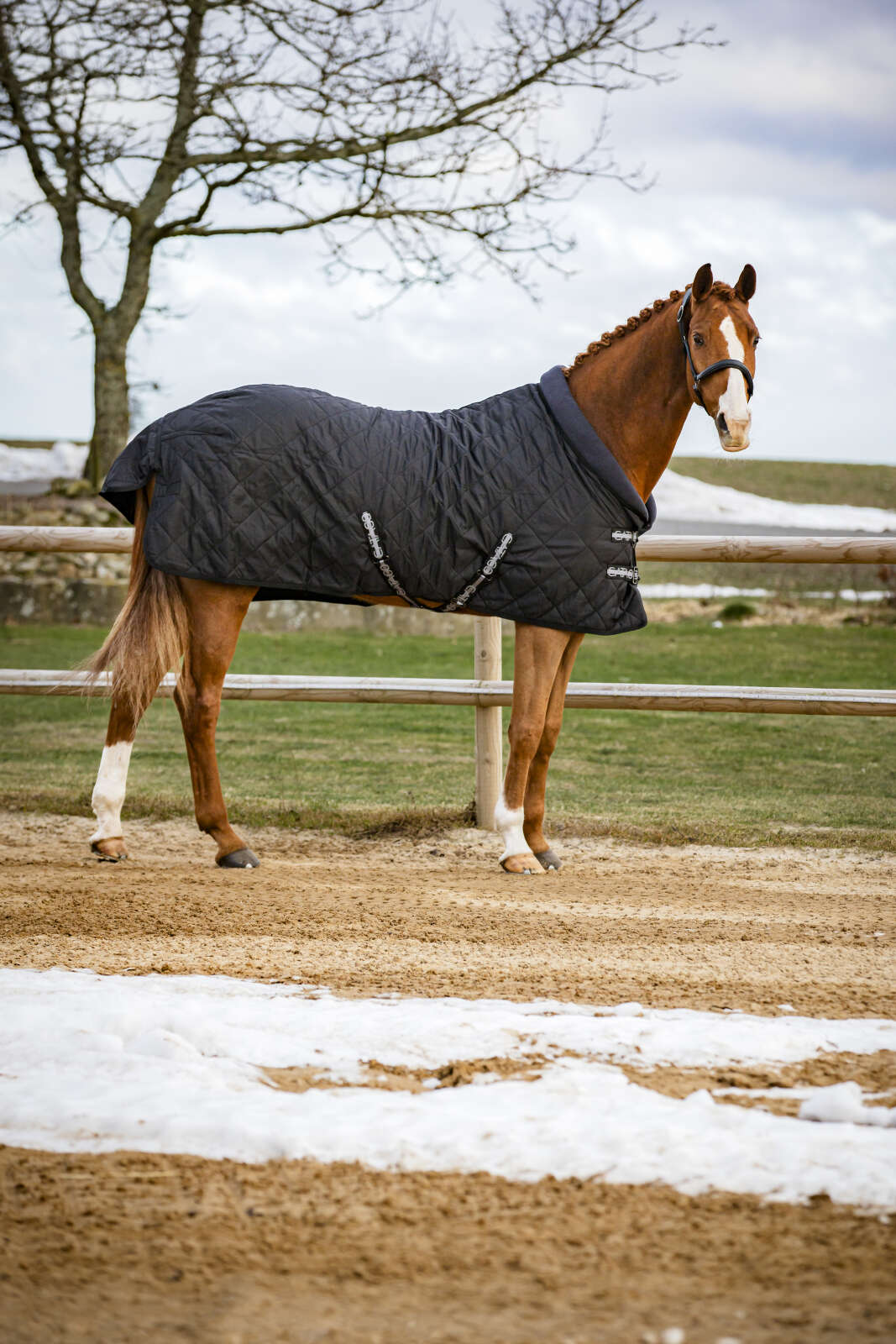
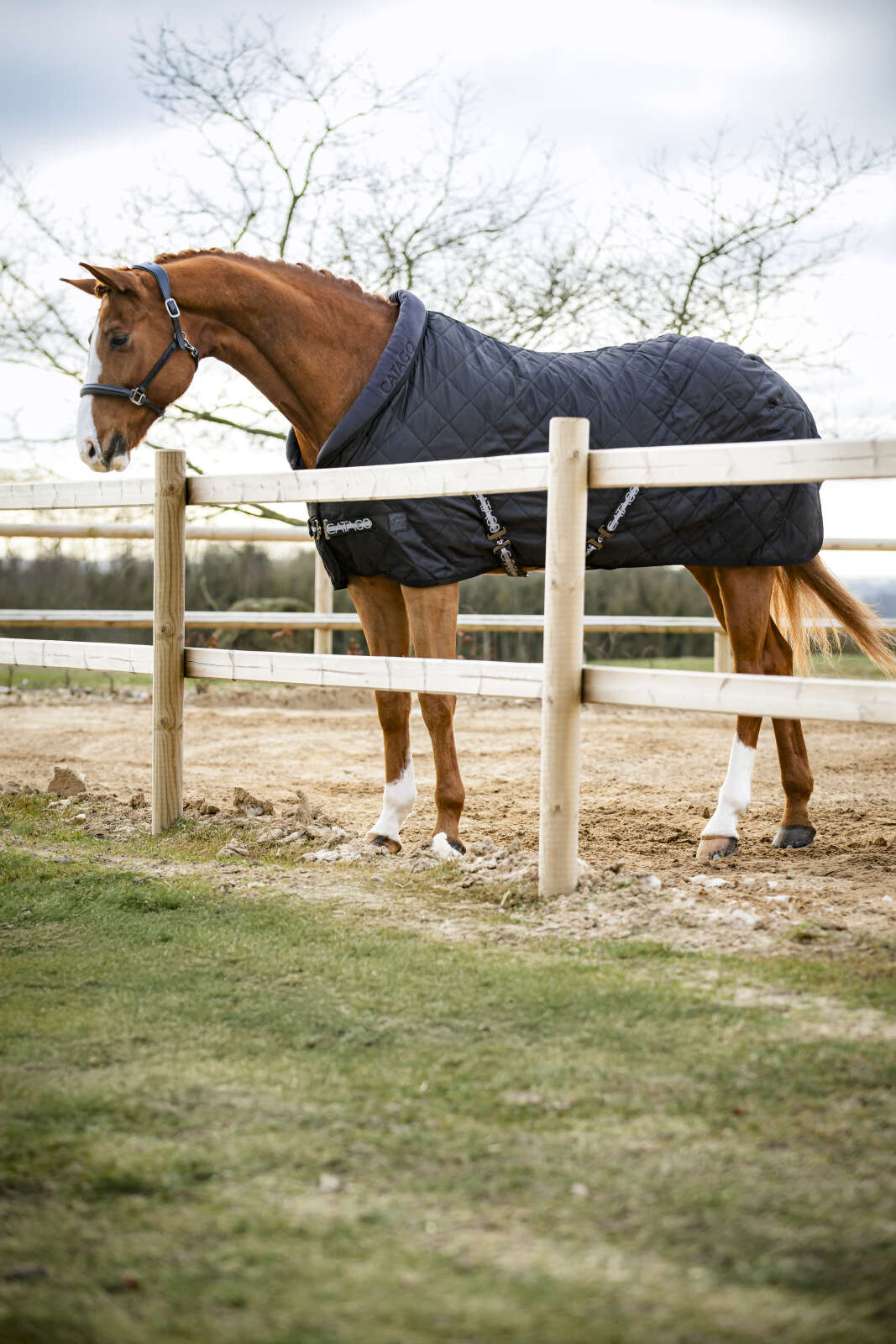
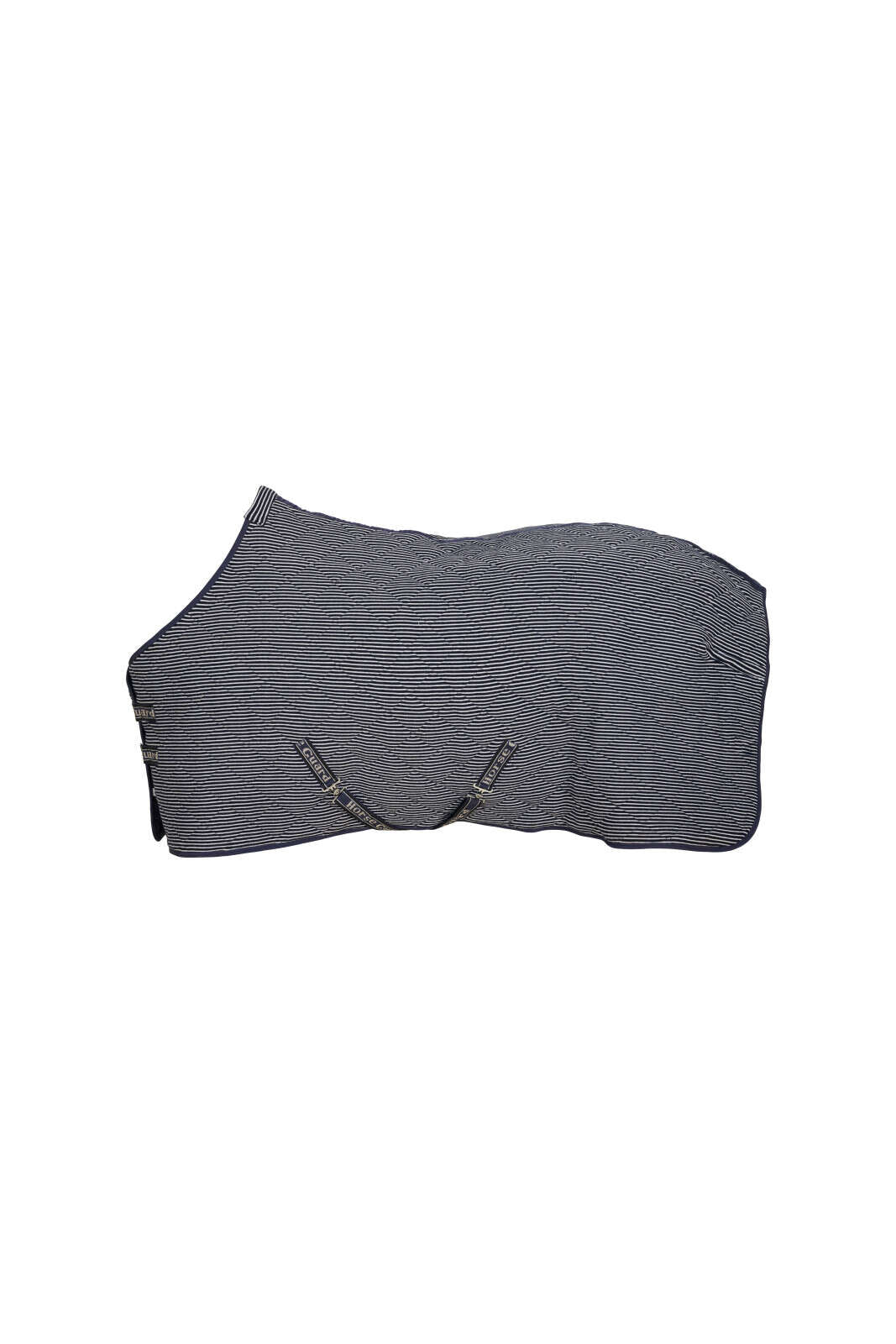
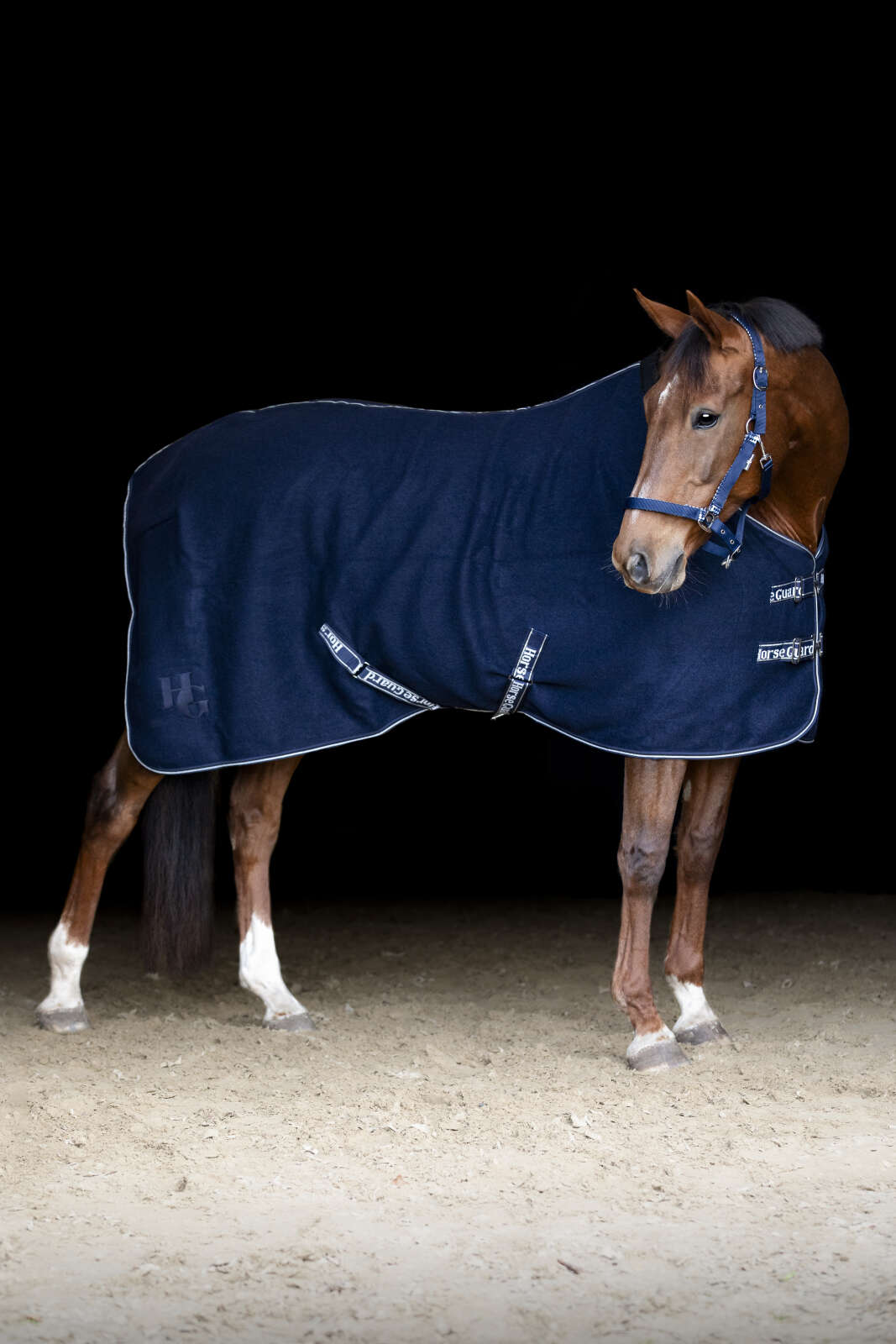
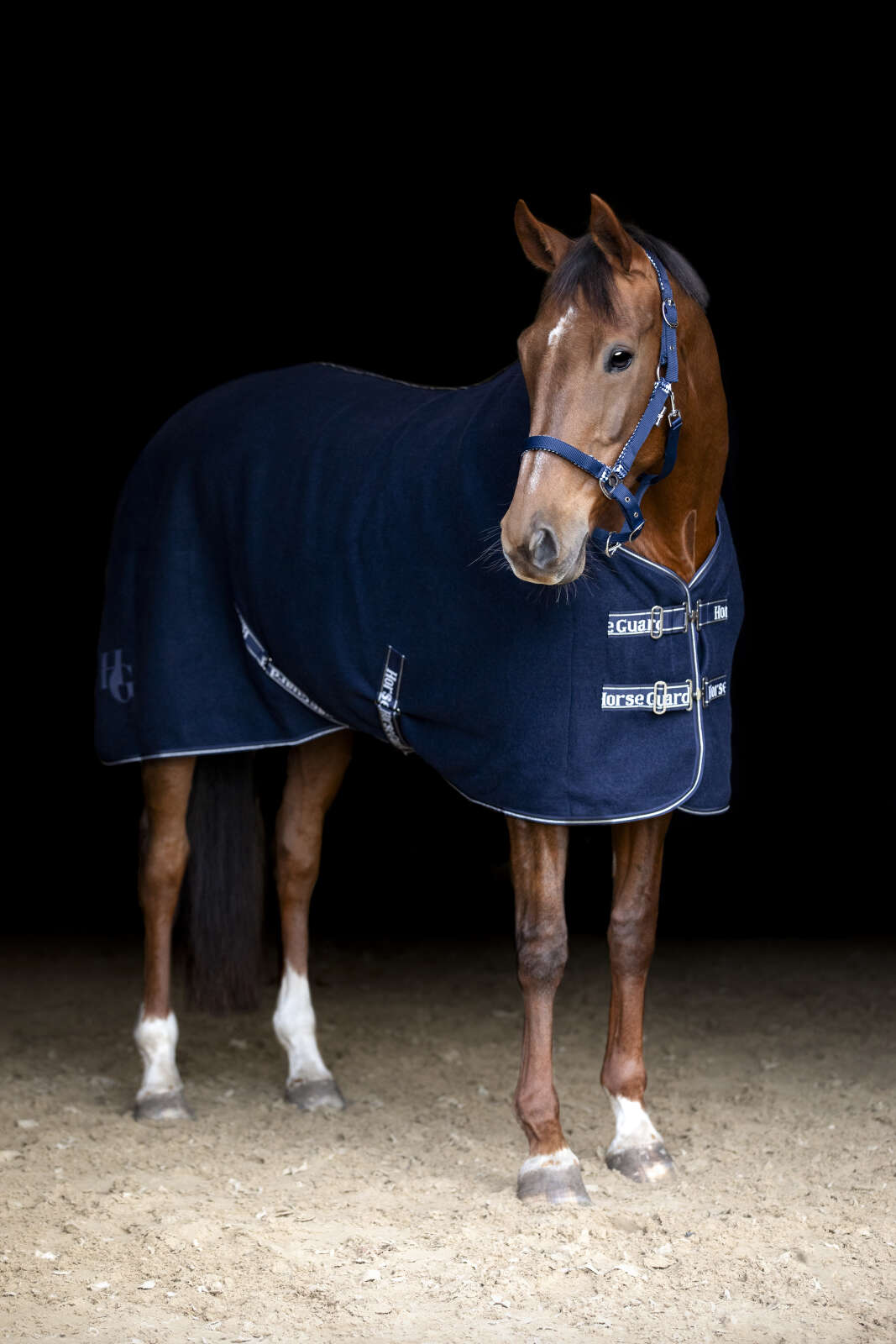
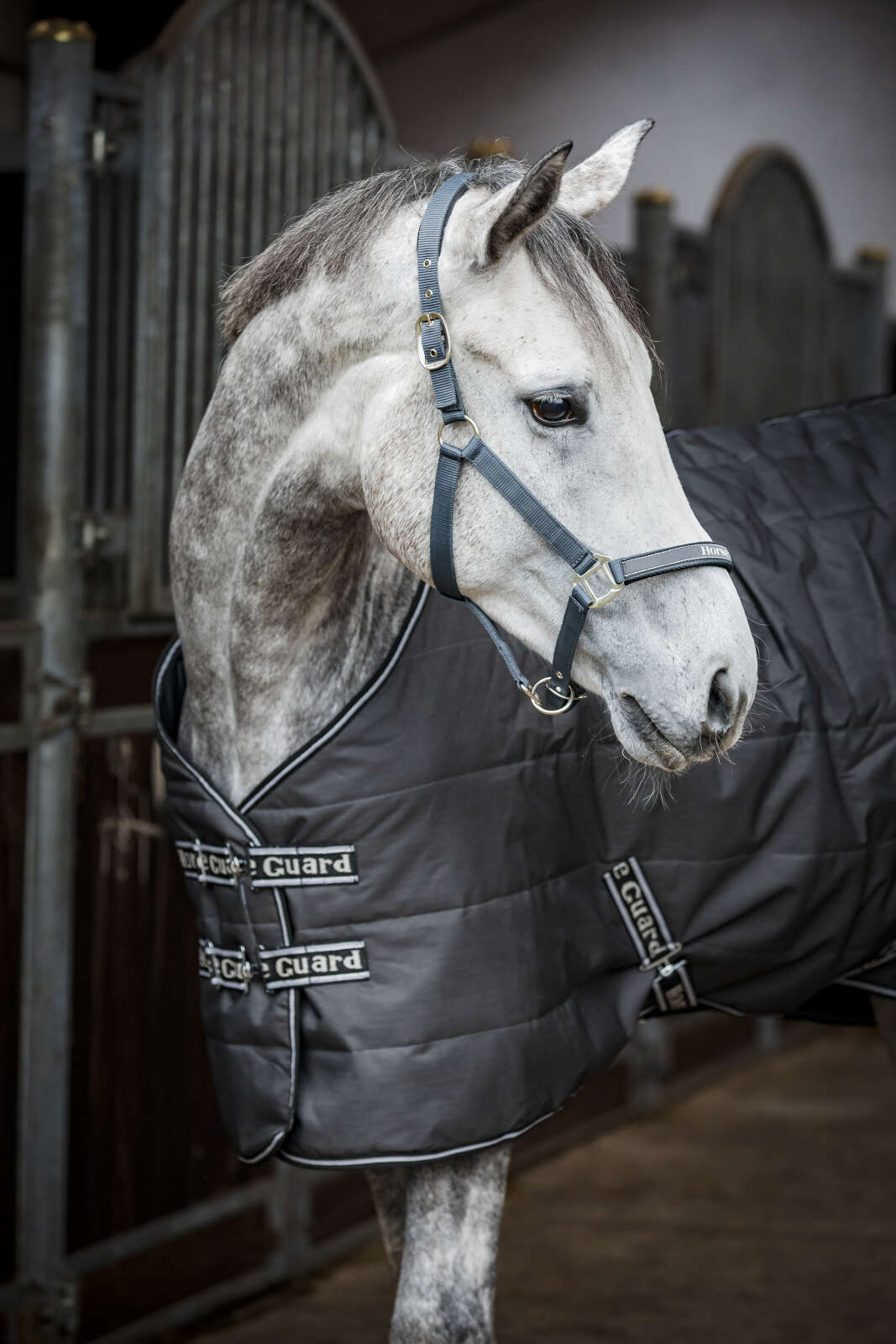
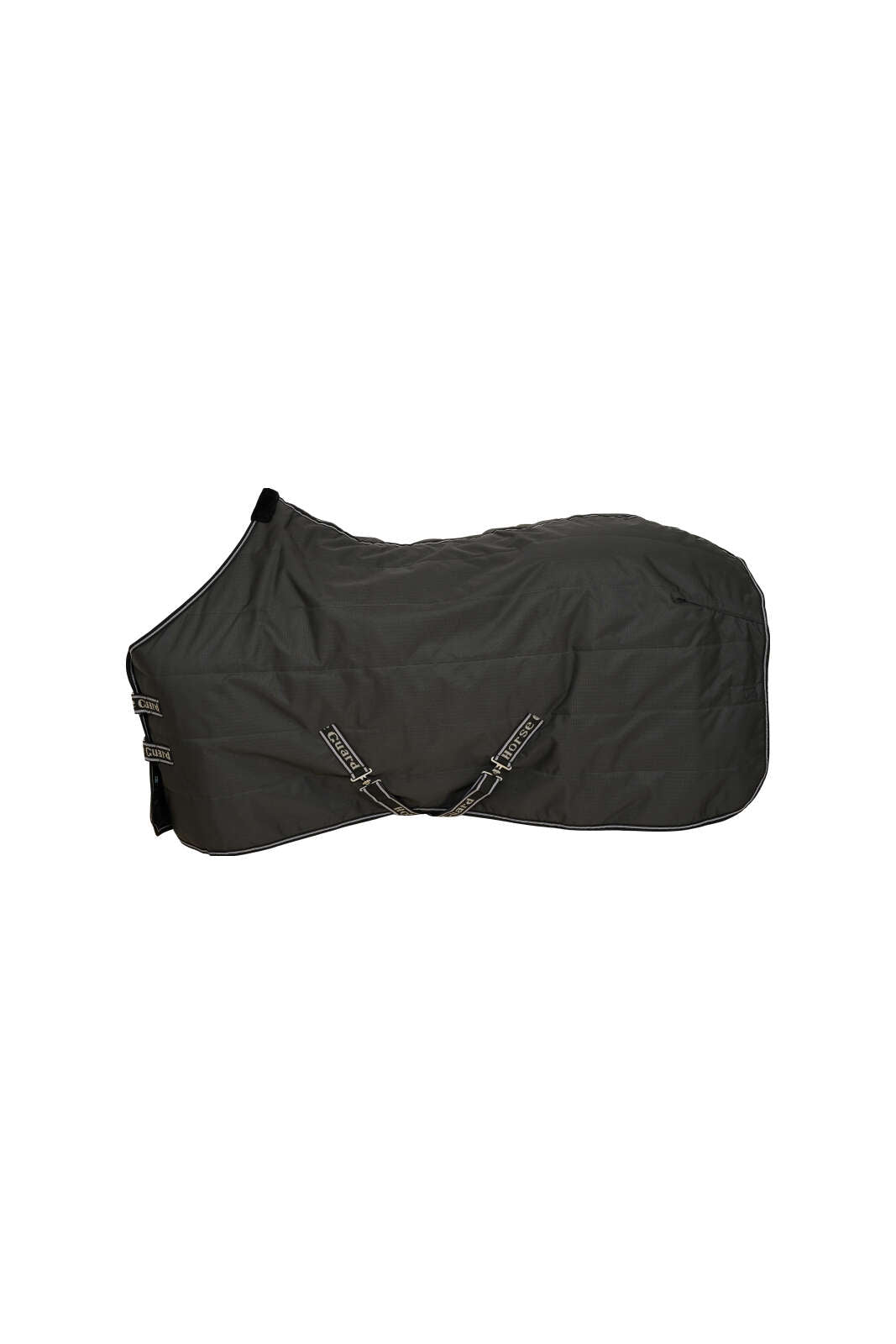
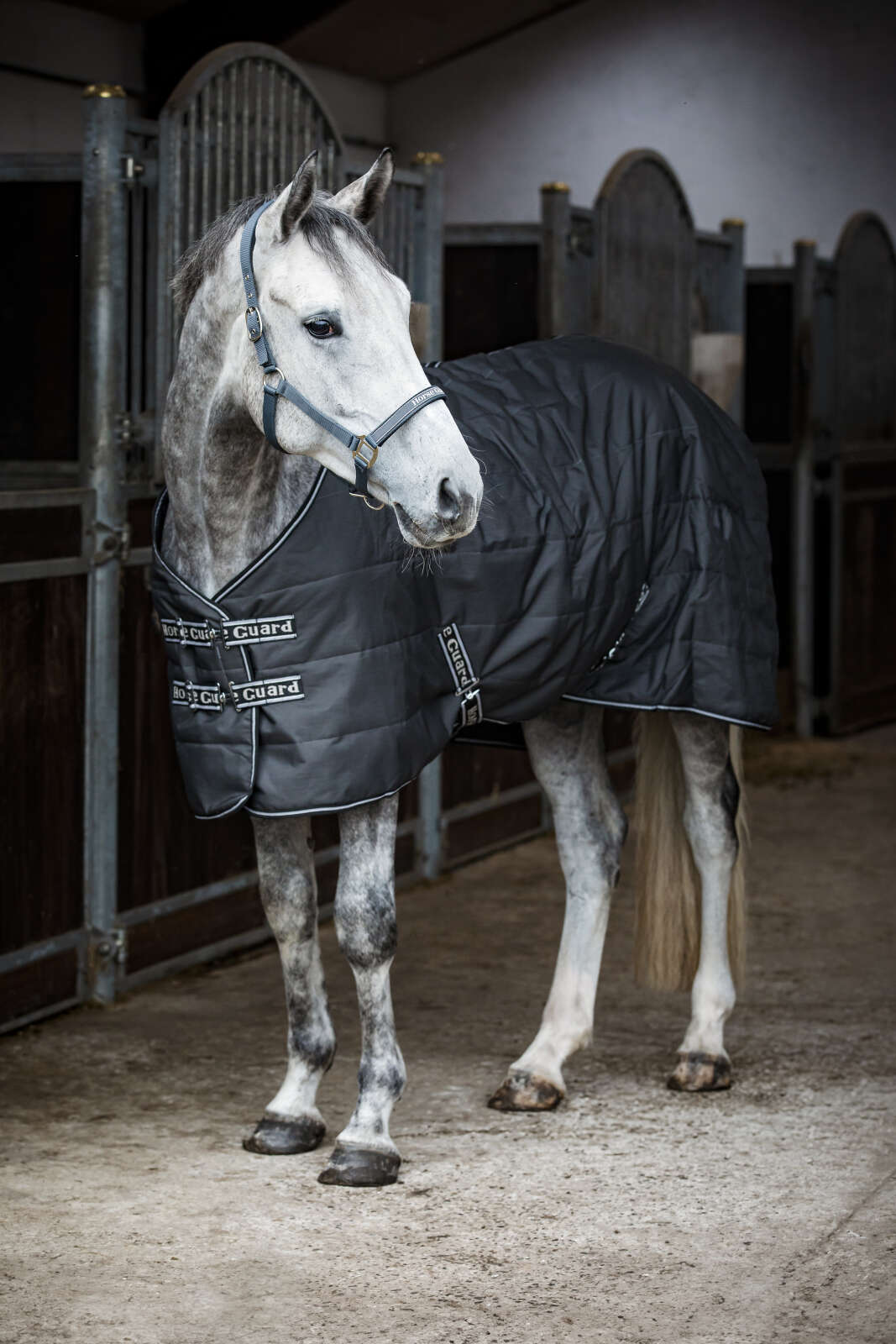
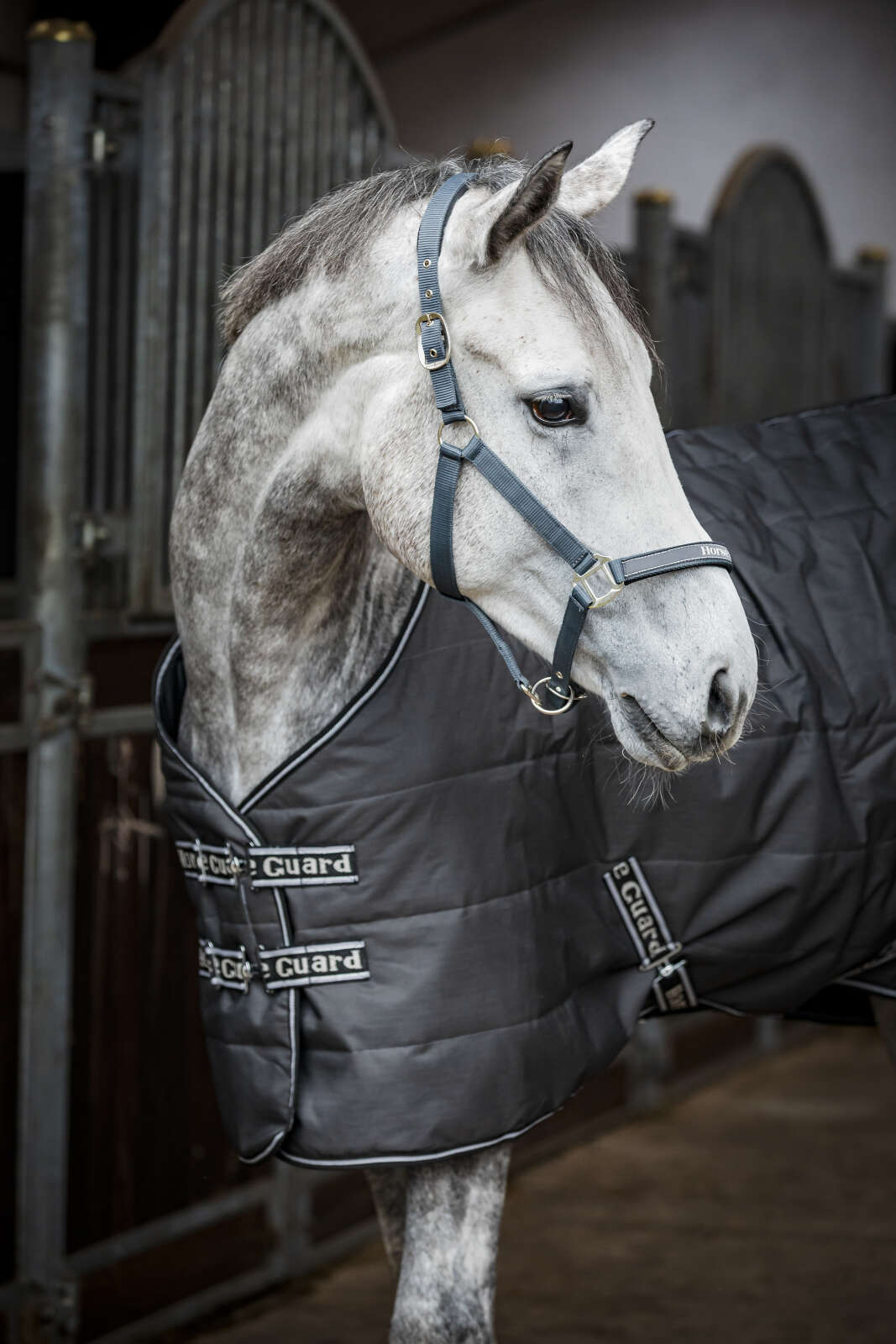
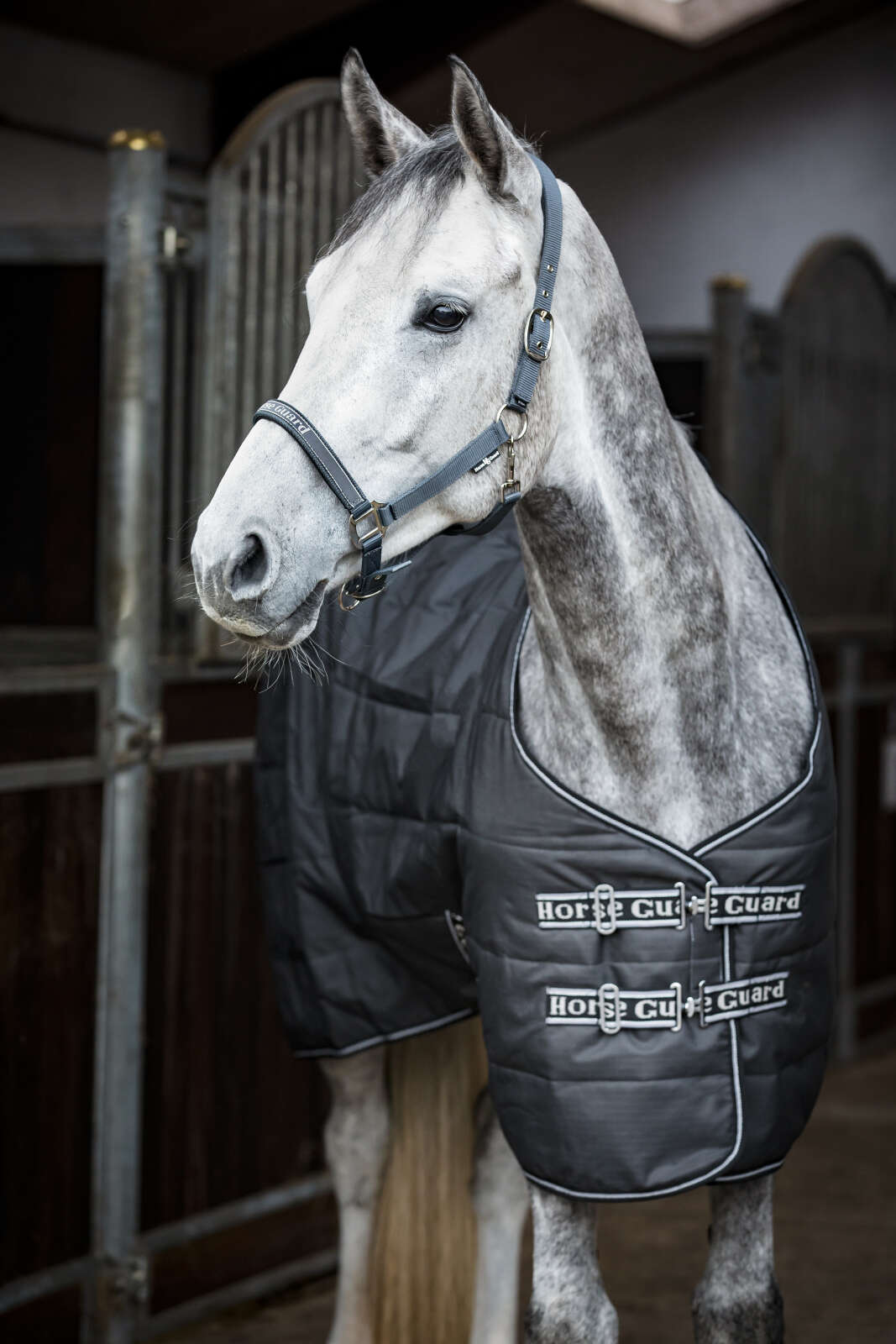
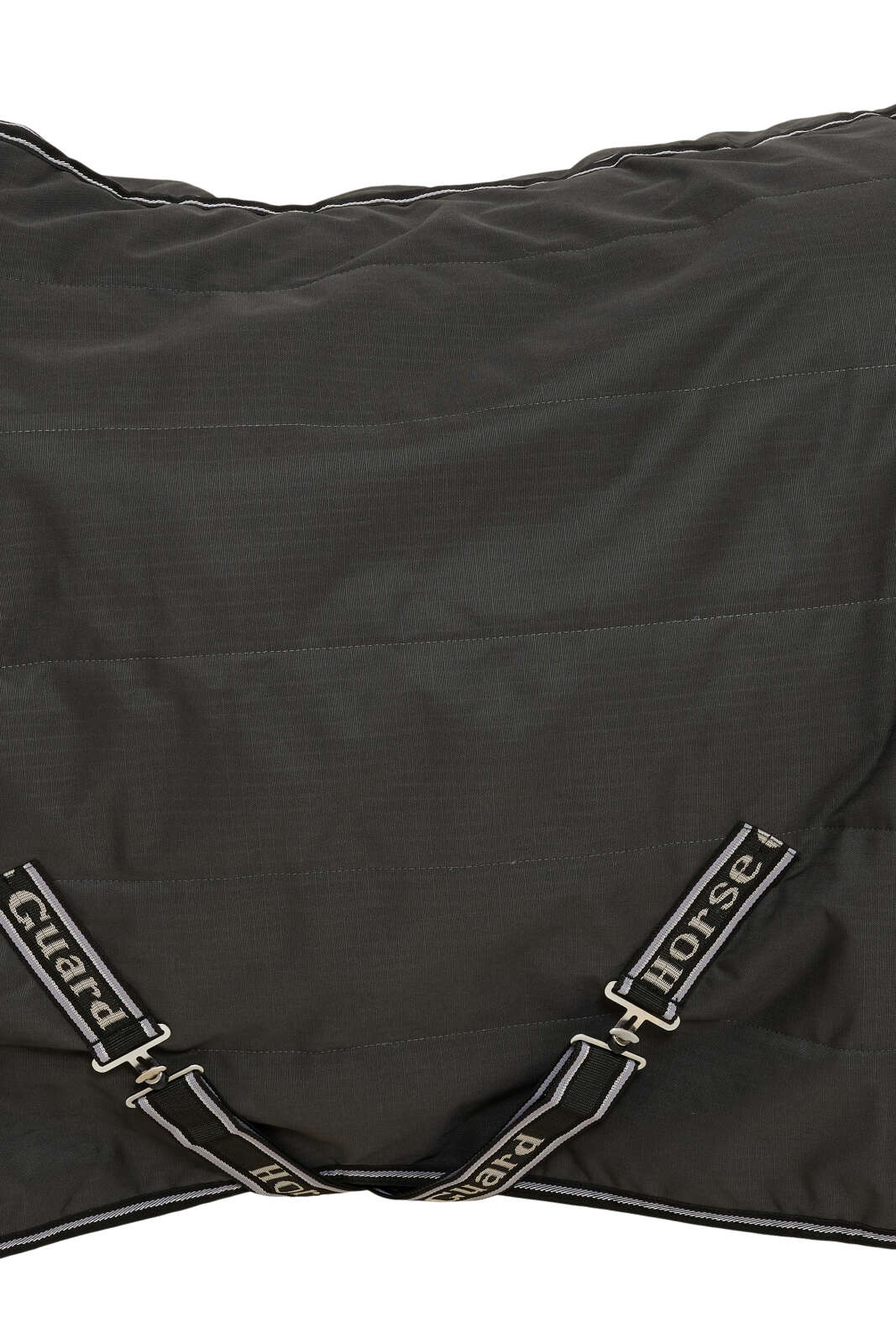
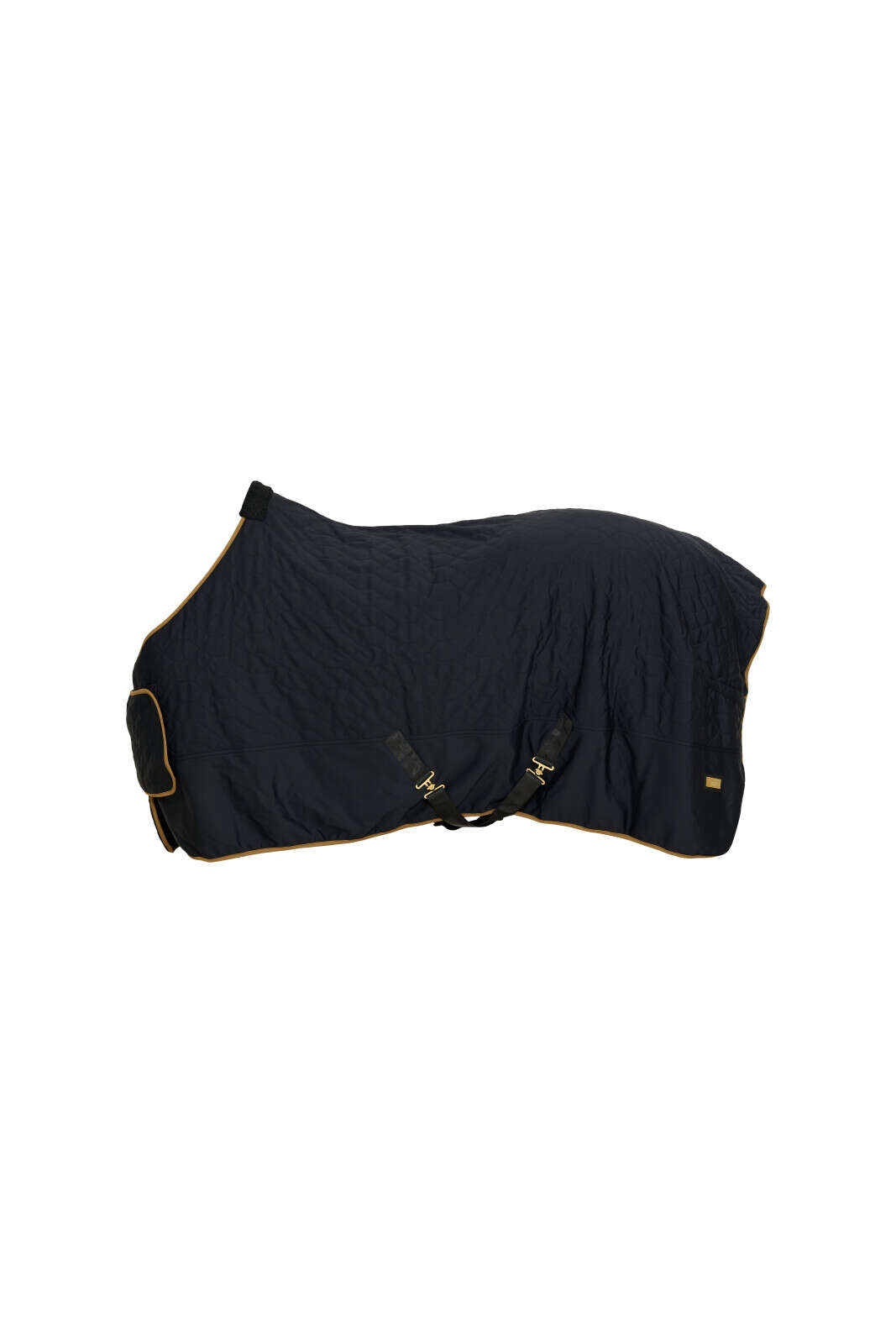
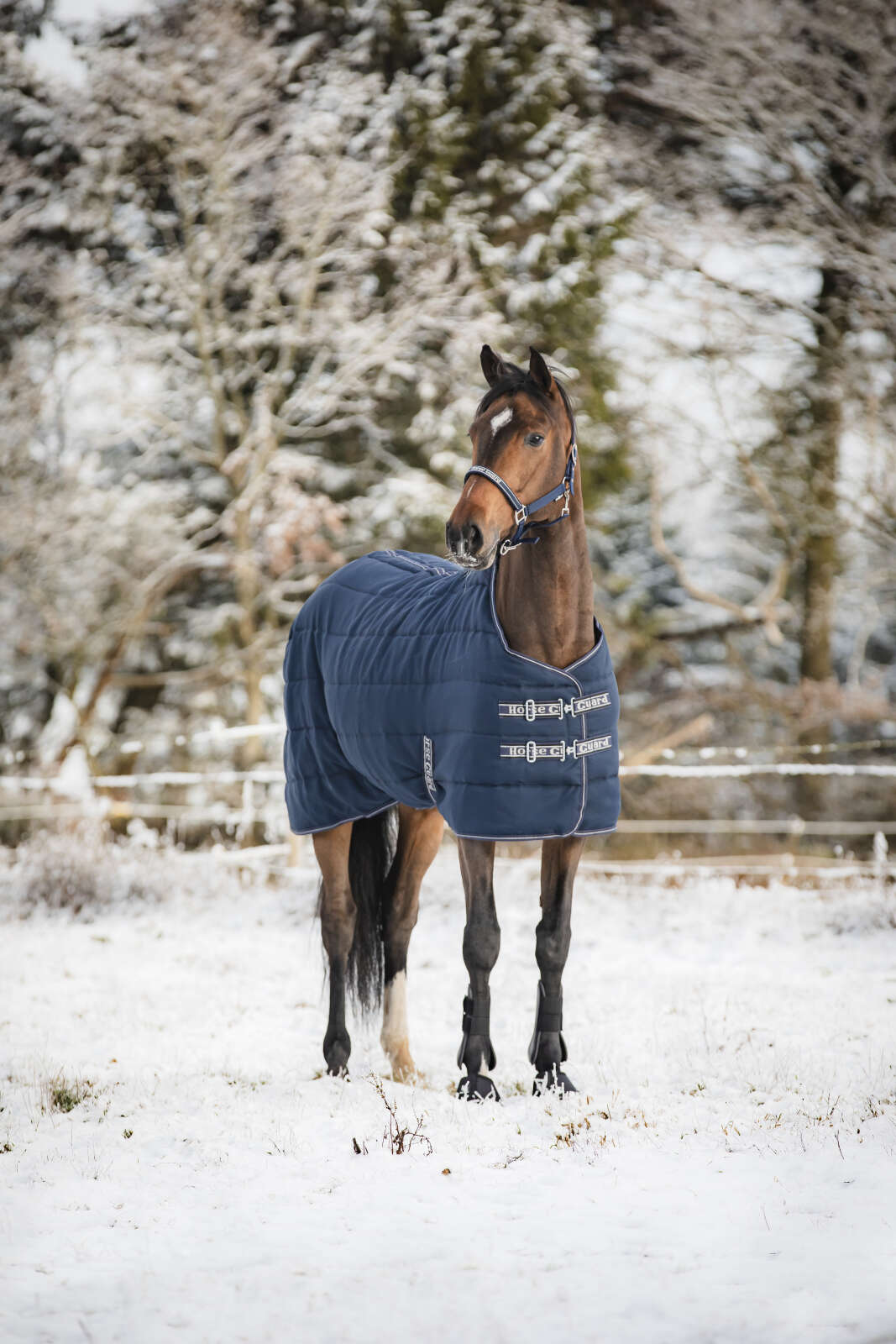
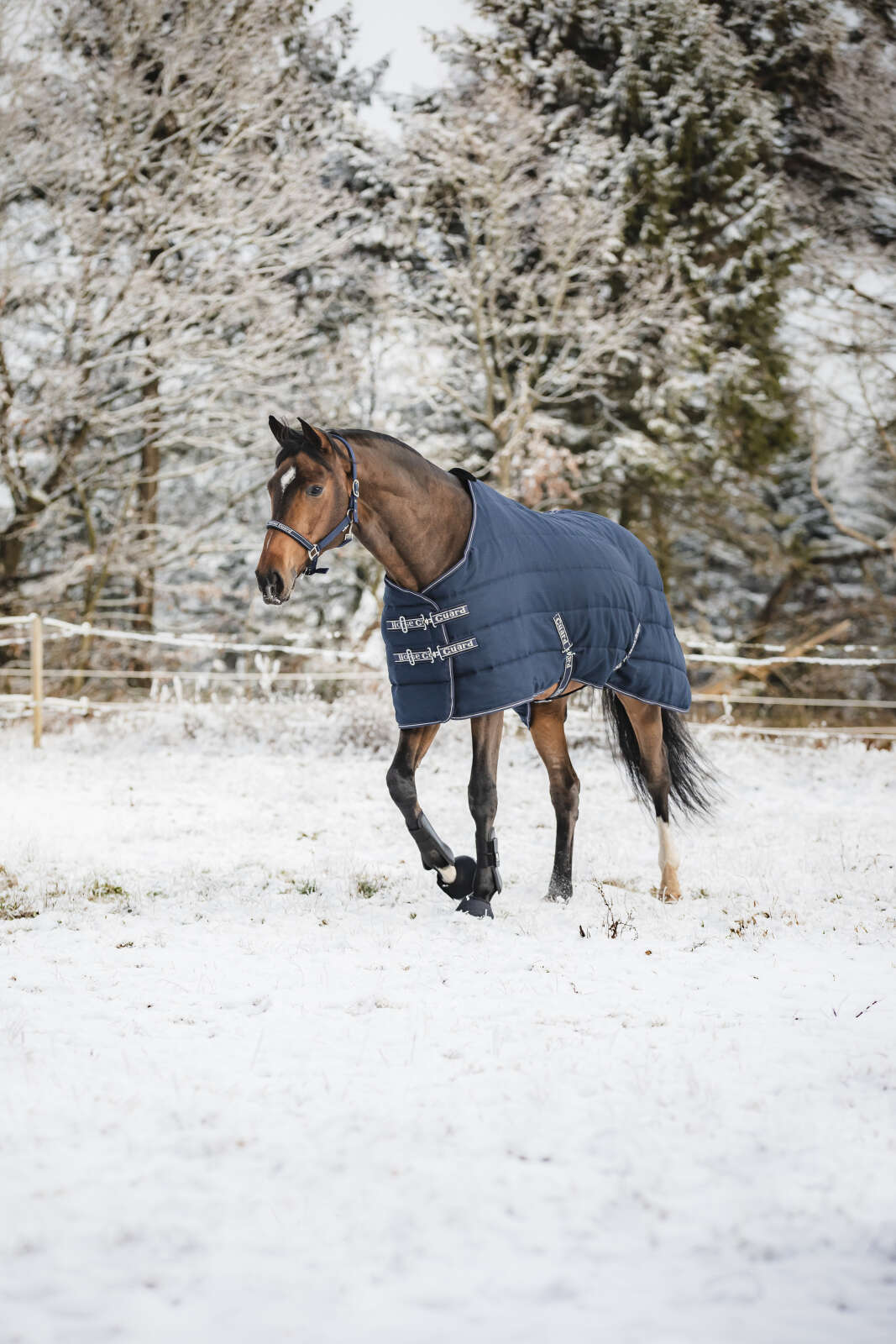
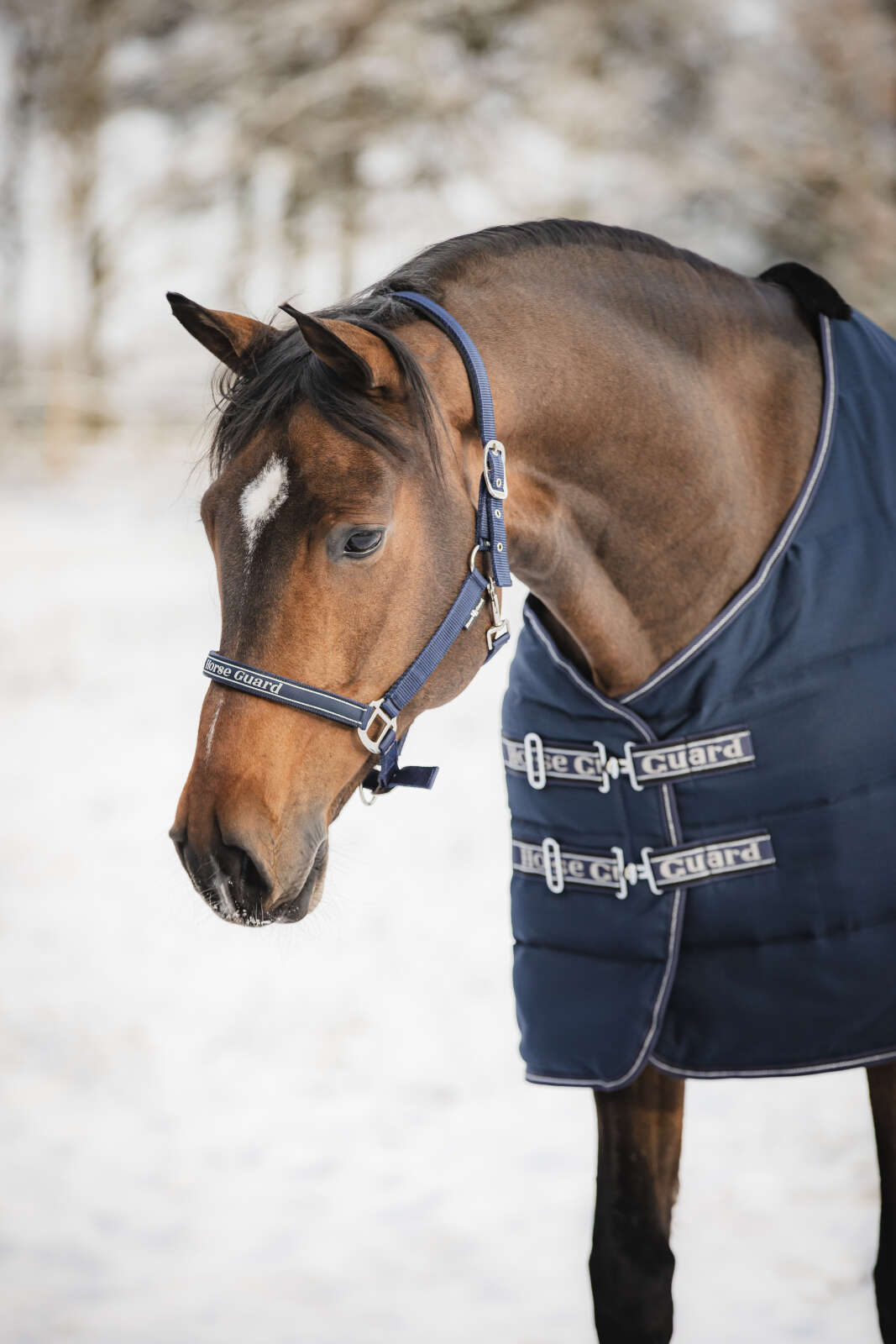
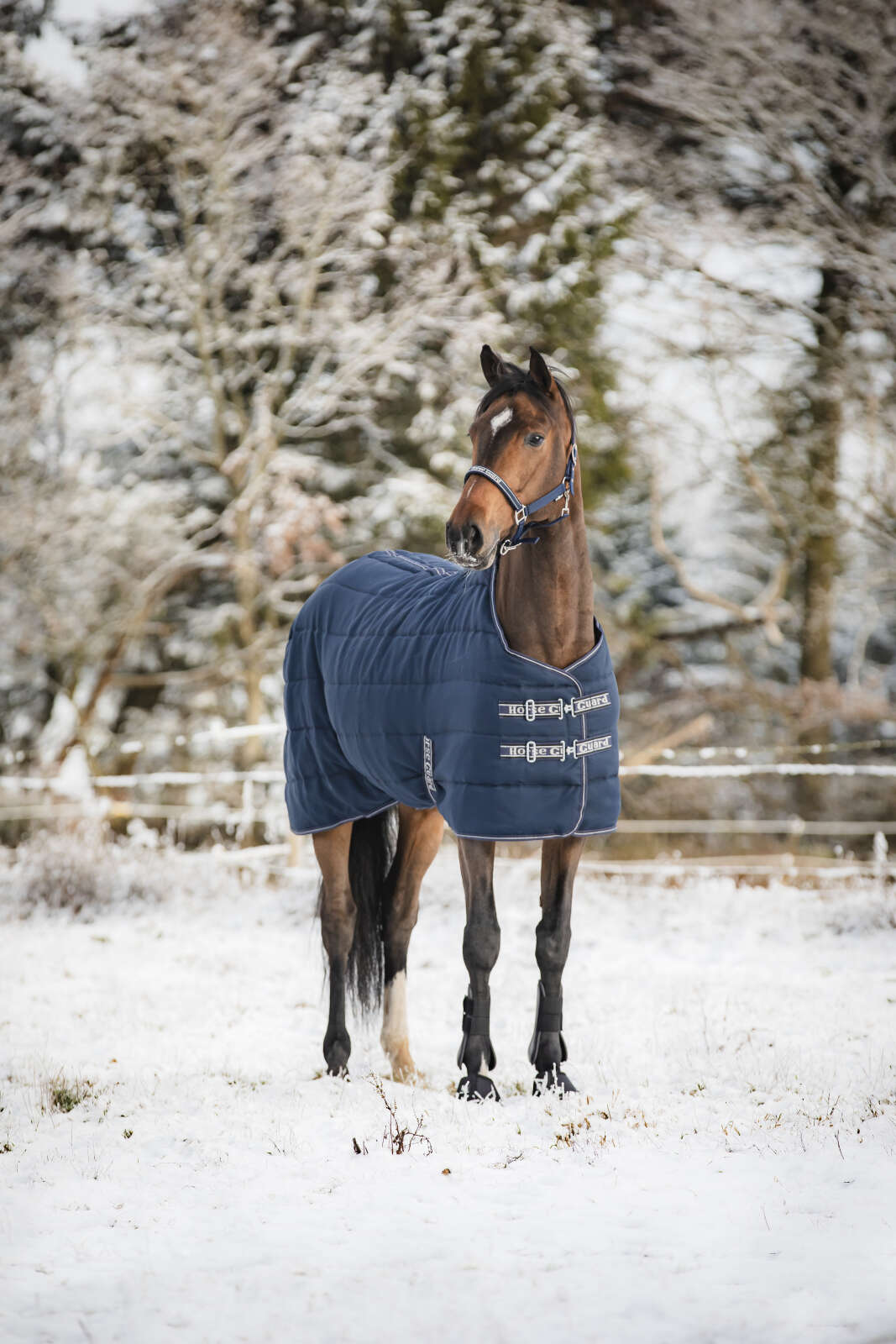
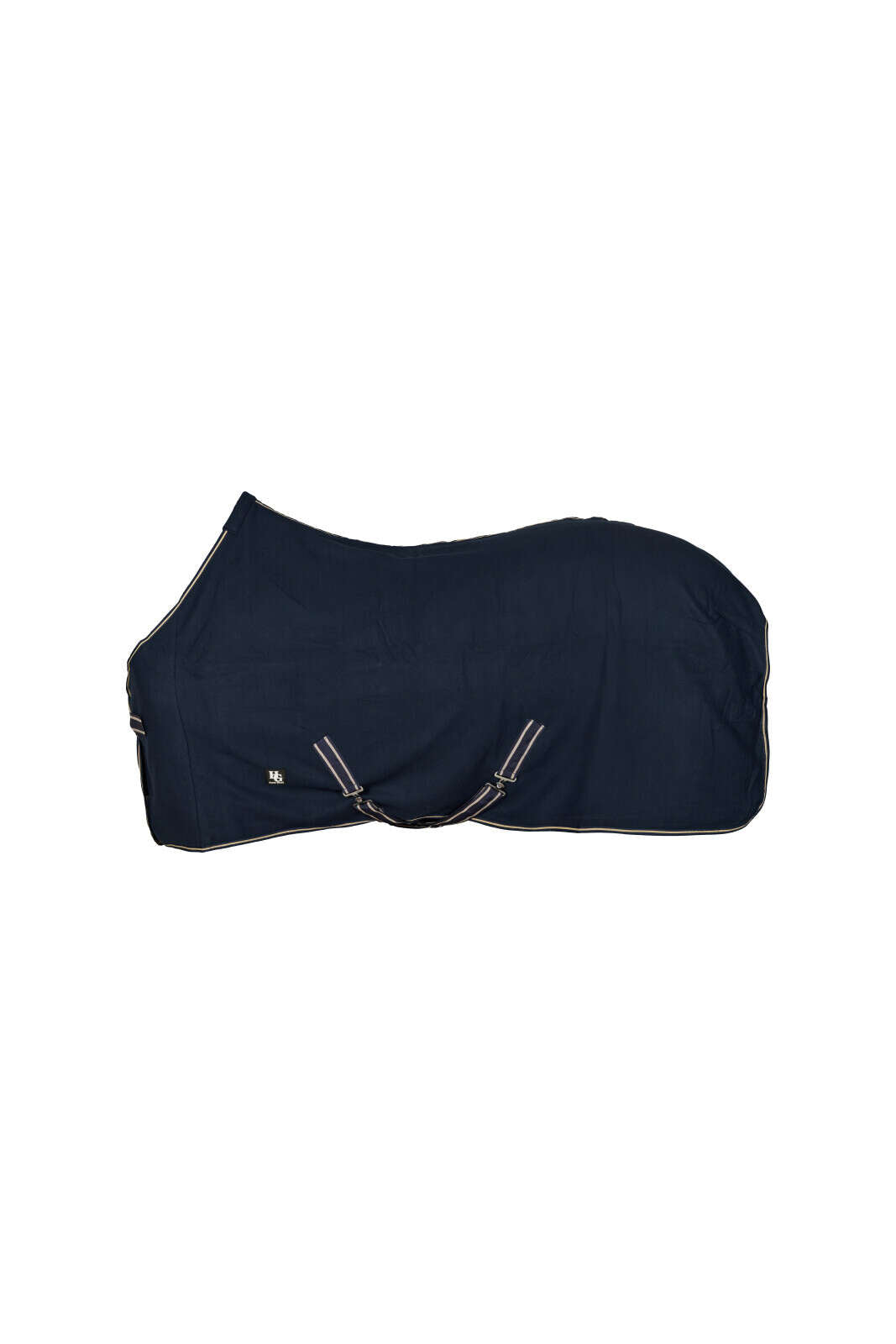
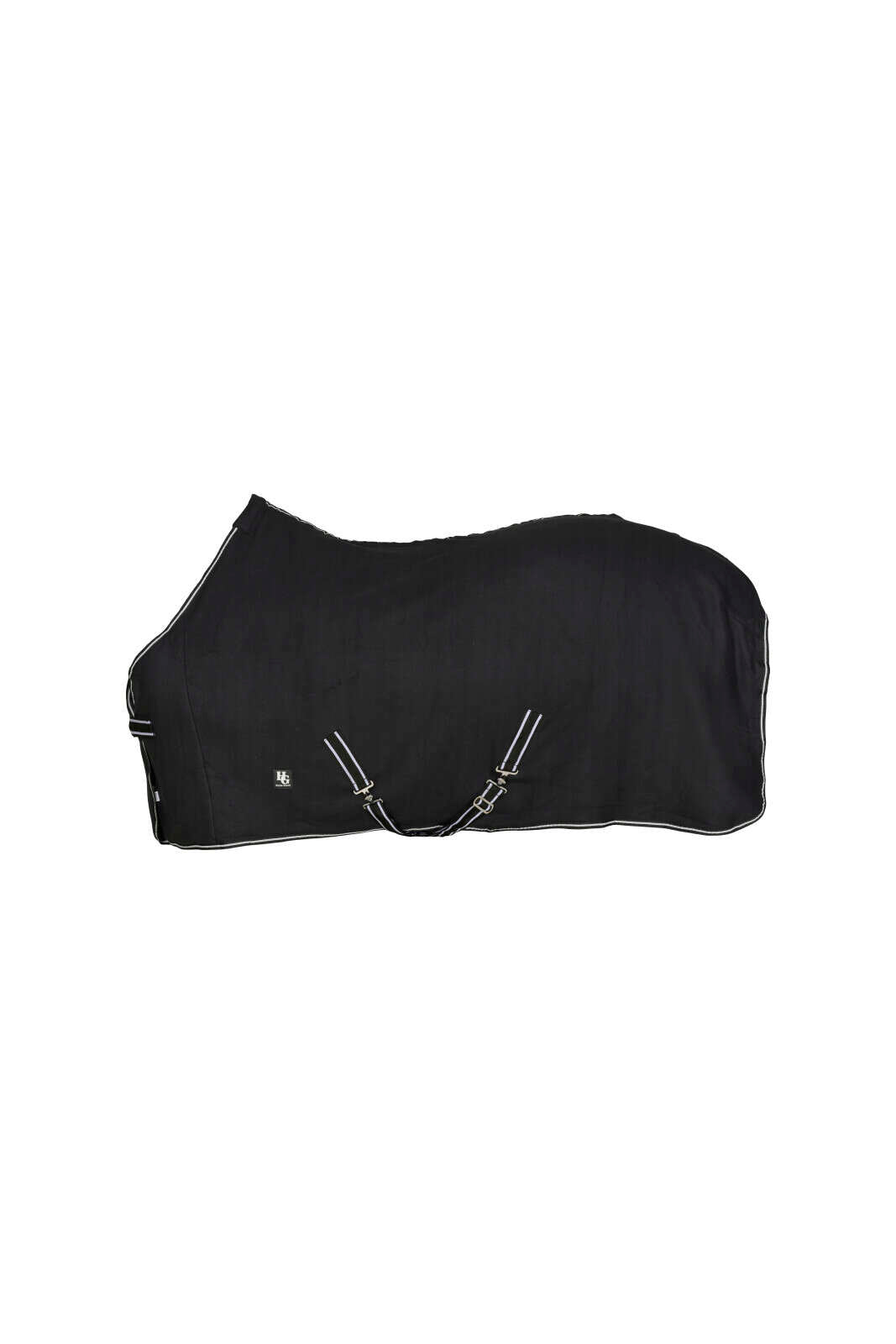
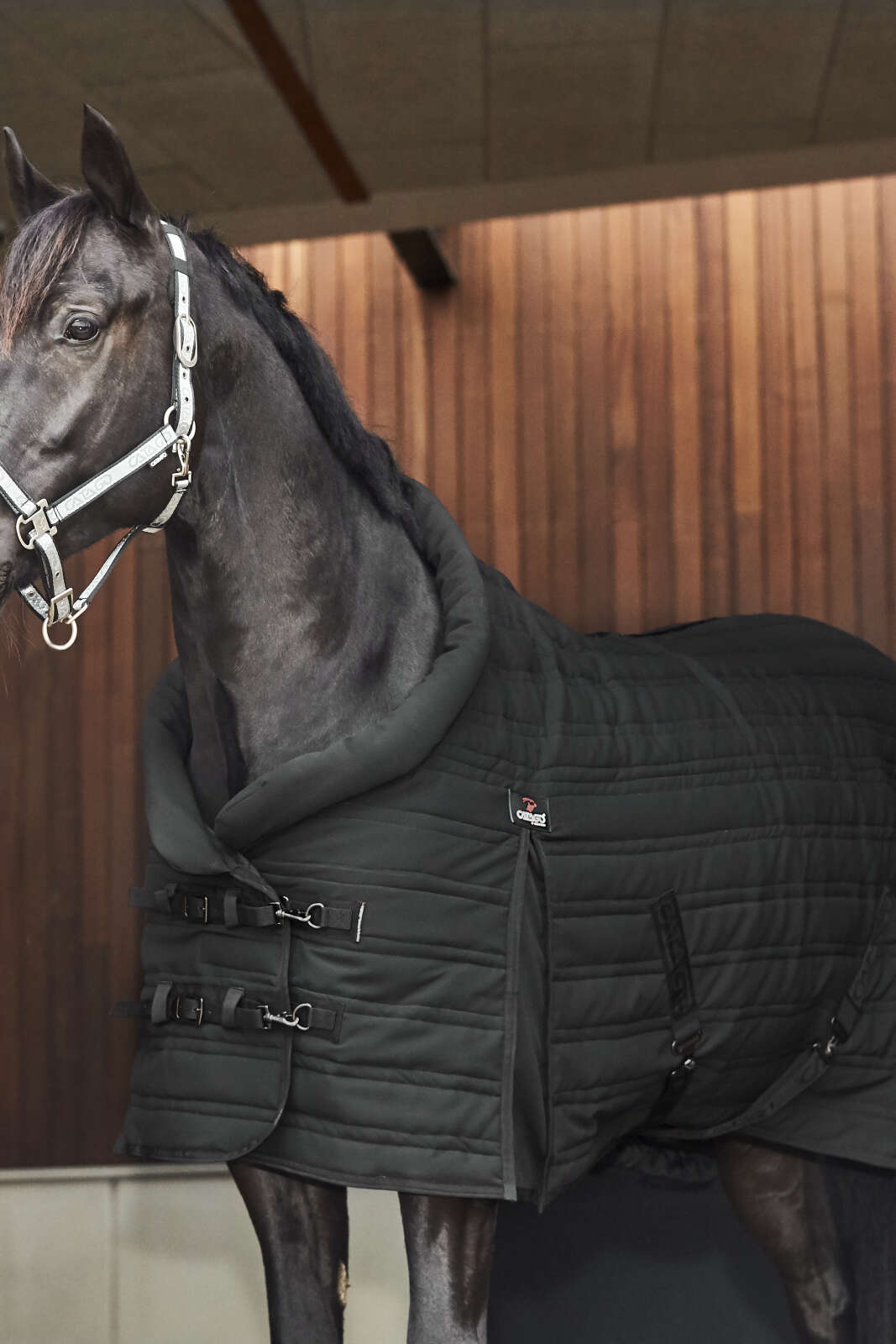
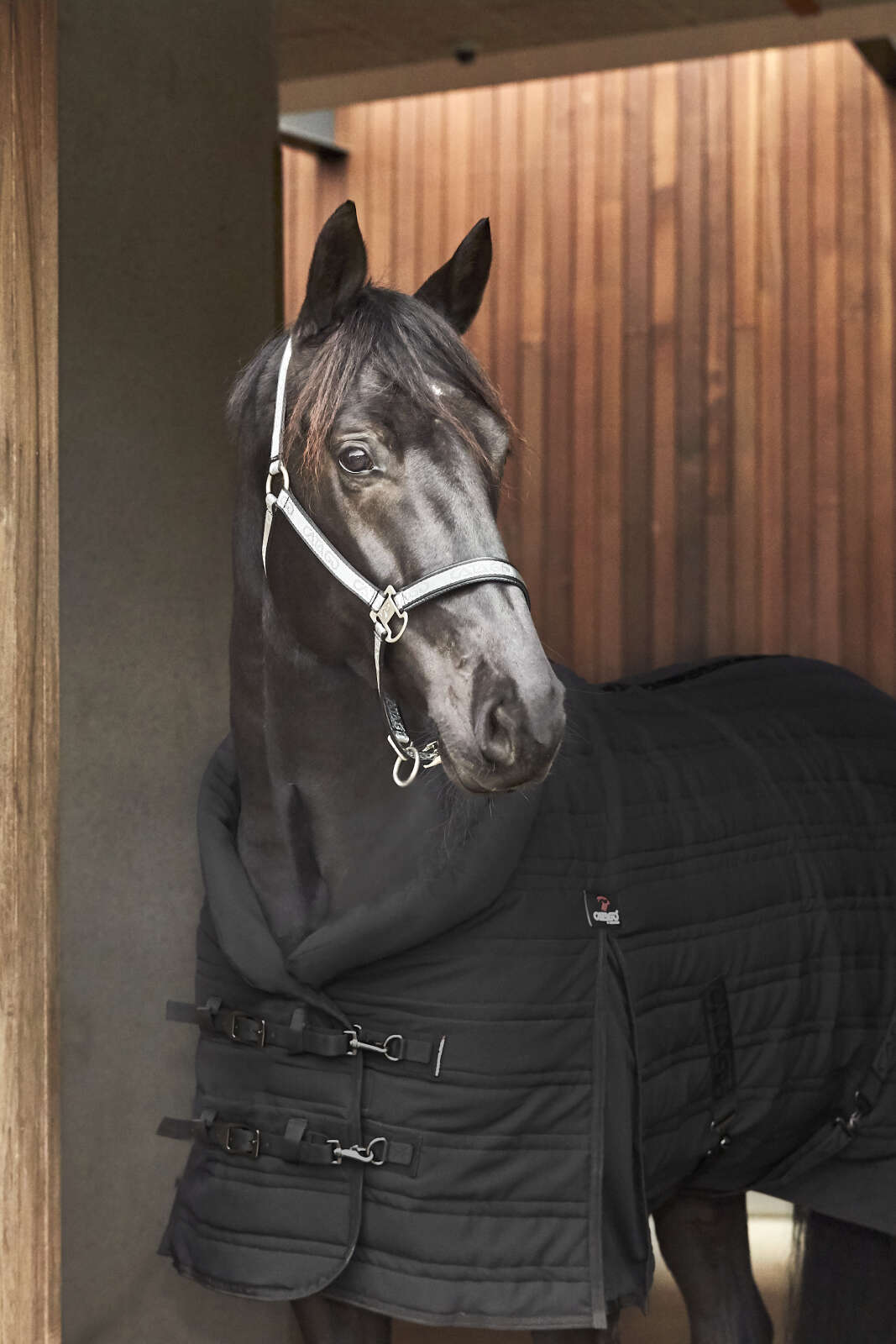
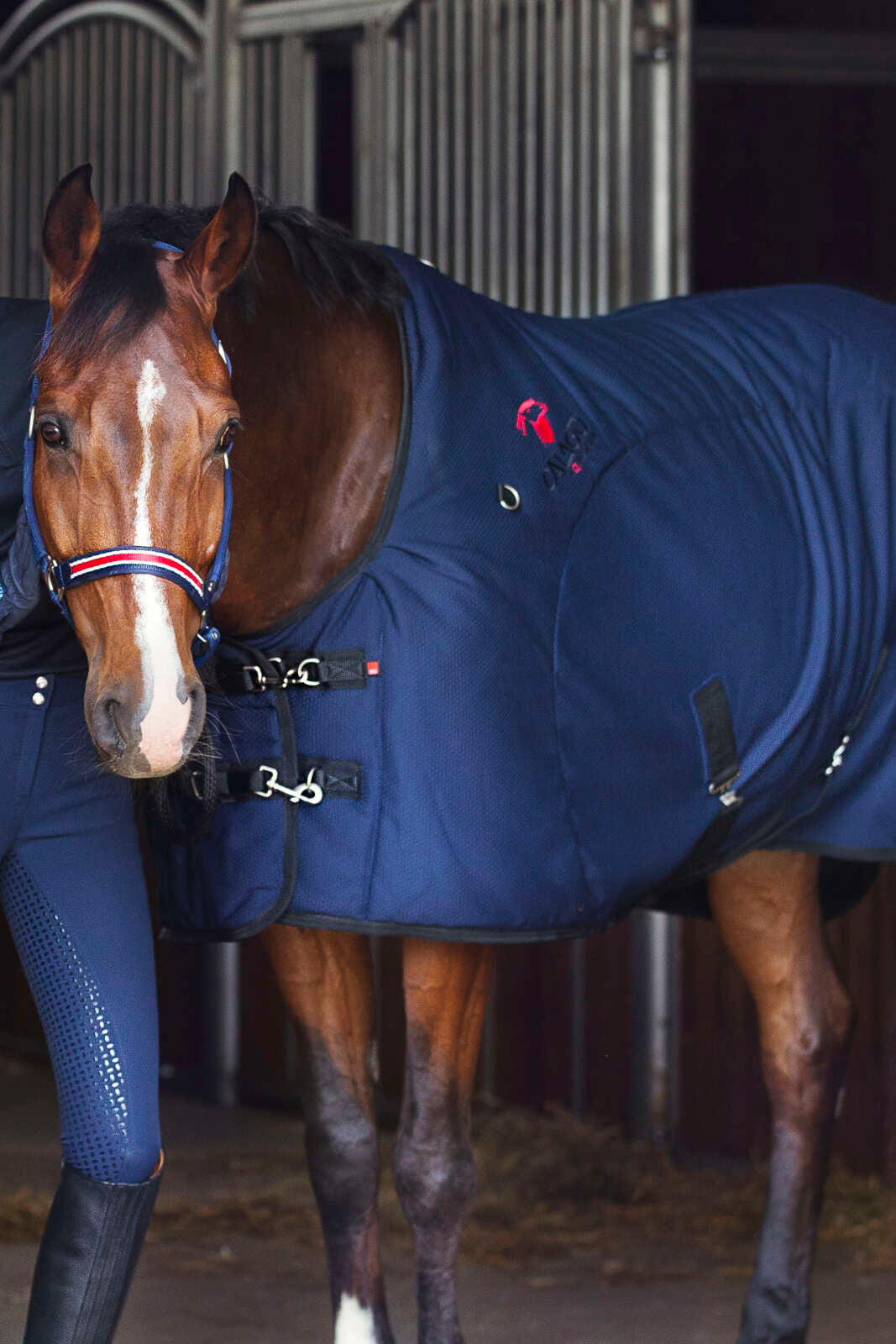
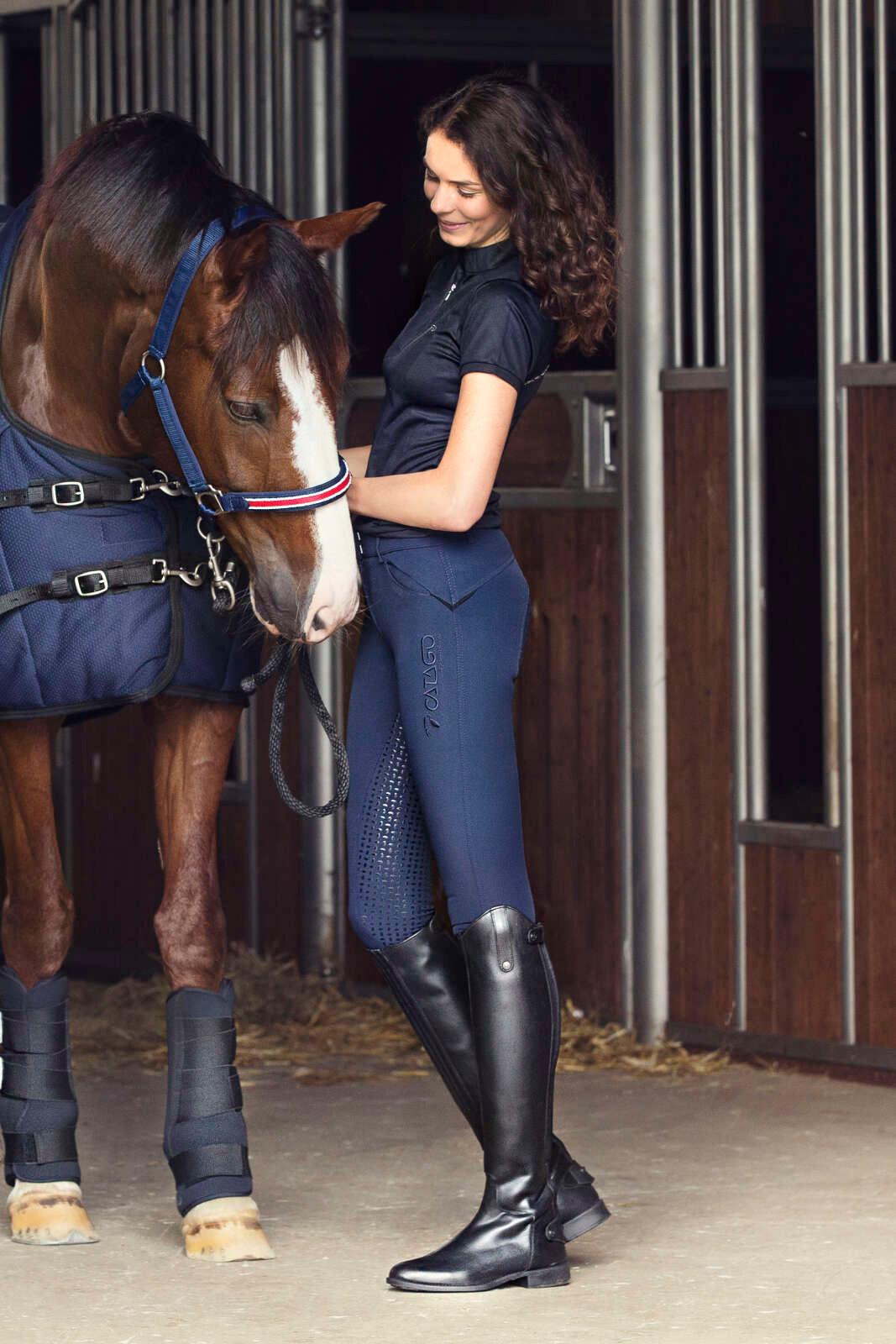
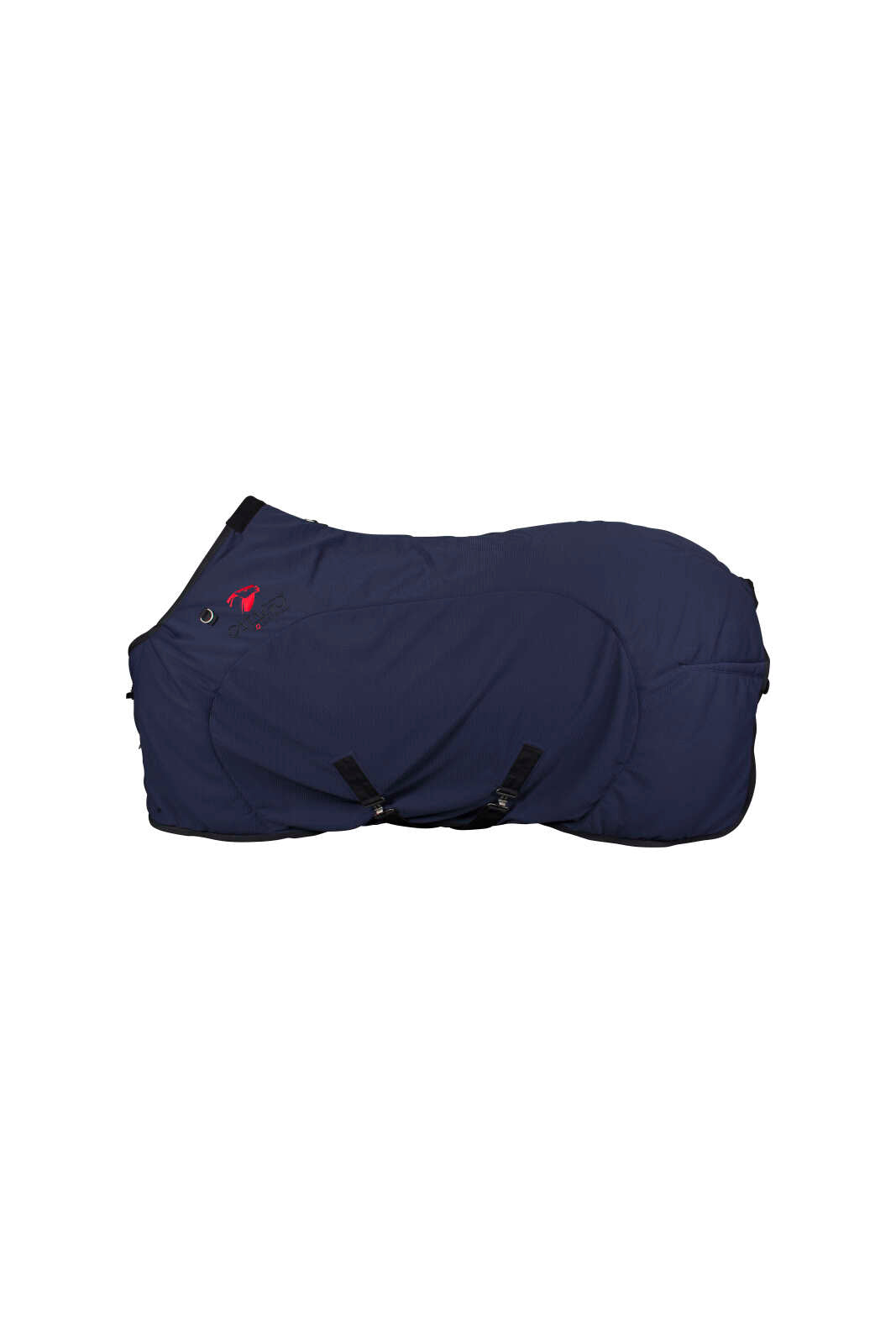
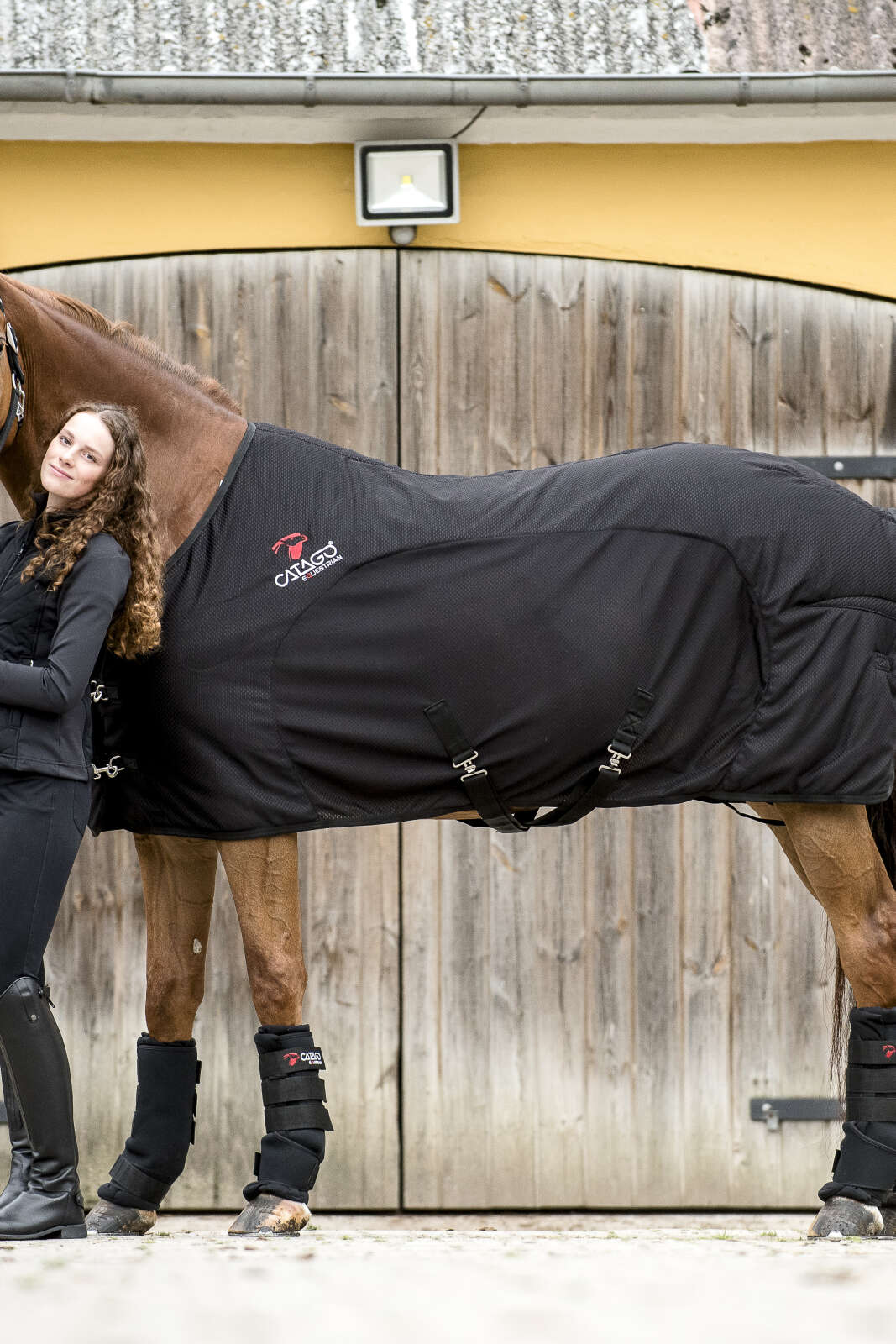
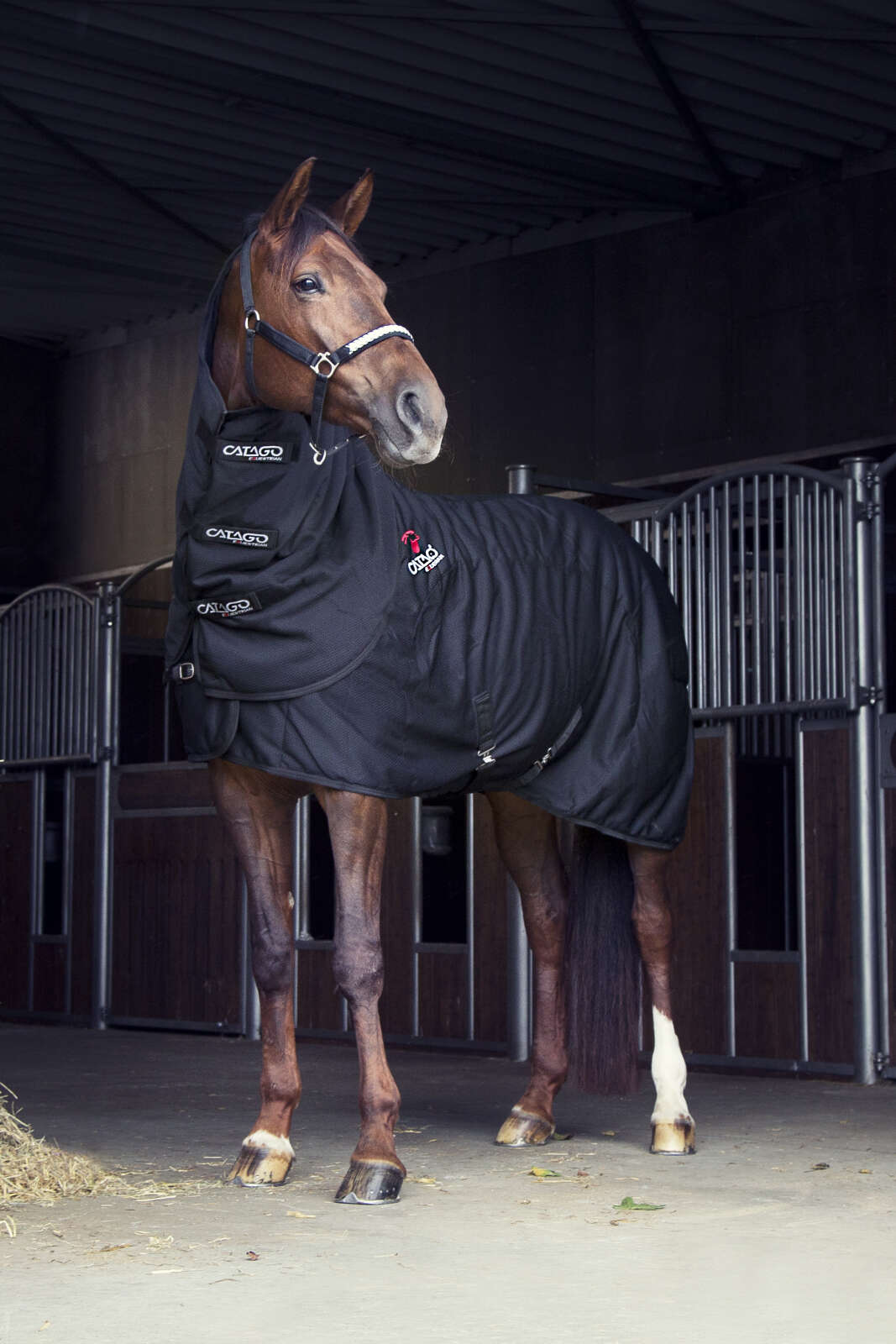
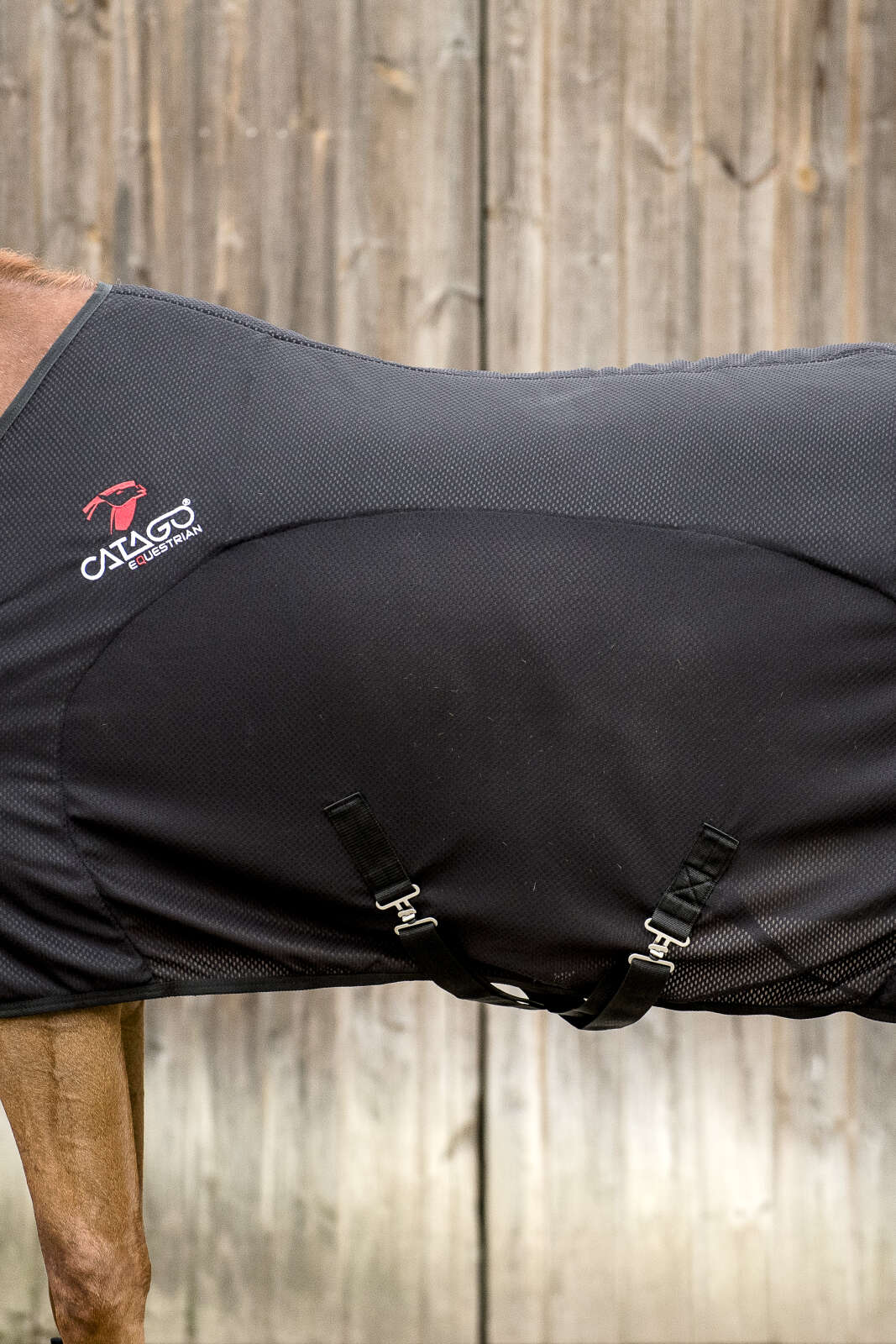
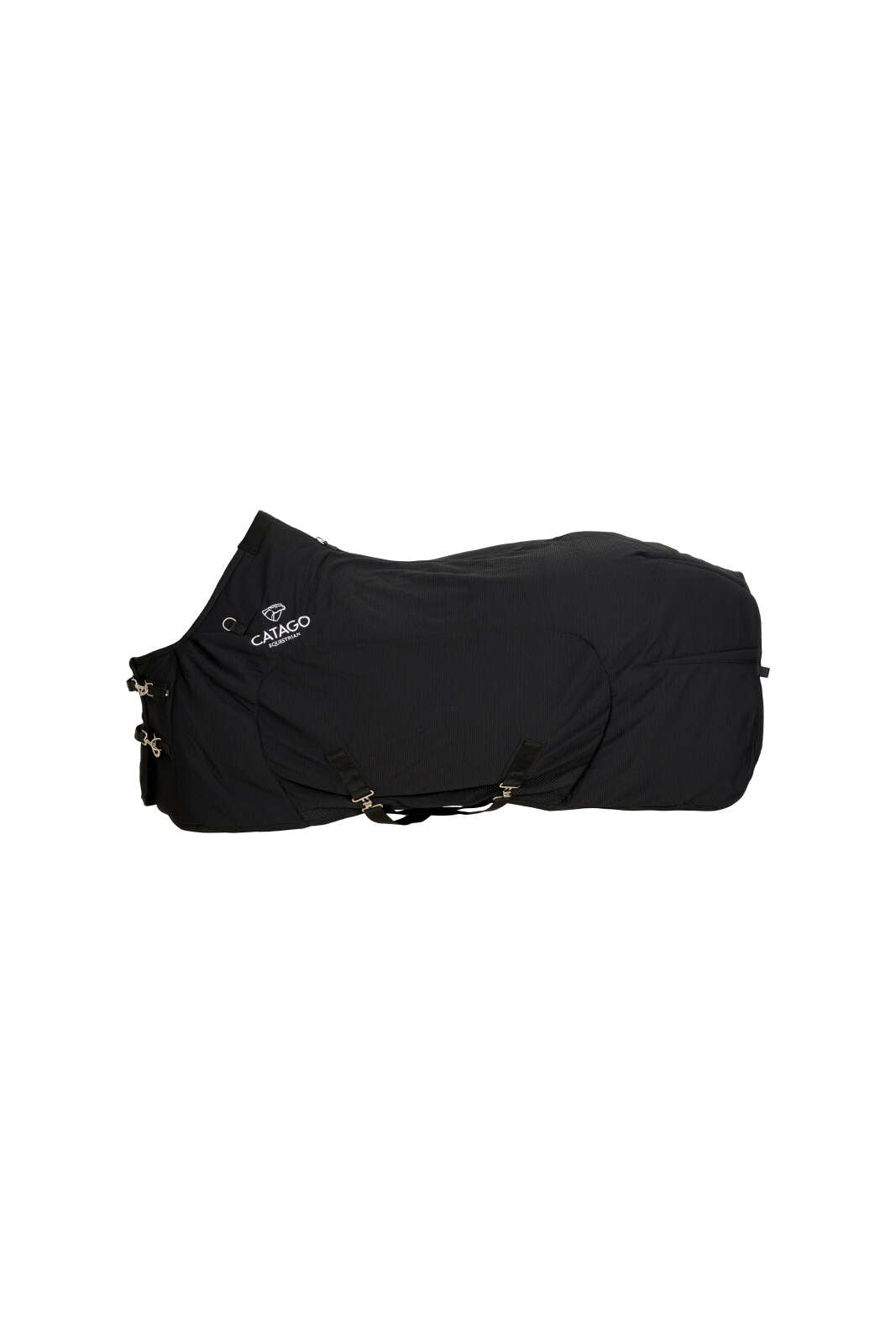
A stable rug should, first and foremost, be suited to the horse and the temperature in the stable—not just the season. At Unamari, you’ll find stable rugs from our own brands, Catago and Horse Guard, ranging from lightweight fleece rugs to models with 100, 200, and 300 g of filling. We develop these brands ourselves, so we know that the warmest rug is by no means always the right choice. The horse’s coat, activity level, stable conditions, and individual needs should all be taken into account when making your selection.
When does a horse need a stable rug?
A stable rug is designed for use inside the stable and is primarily used to provide the horse with extra insulation when needed. This is particularly relevant during the cooler months and for clipped horses, but the need varies greatly from horse to horse.
For example, an unclipped horse with a thick winter coat may have limited need for extra warmth, while a clipped horse in the same stable may need a rug. The temperature in the stable, drafts, the horse’s age, conformation, and activity level also play a role.
Therefore, we do not recommend choosing a stable rug based solely on the calendar. Check the horse regularly and adjust the rugs as conditions change. If the horse is too warm or damp under the rugs, more padding is not beneficial.
Stable rug or fleece rug?
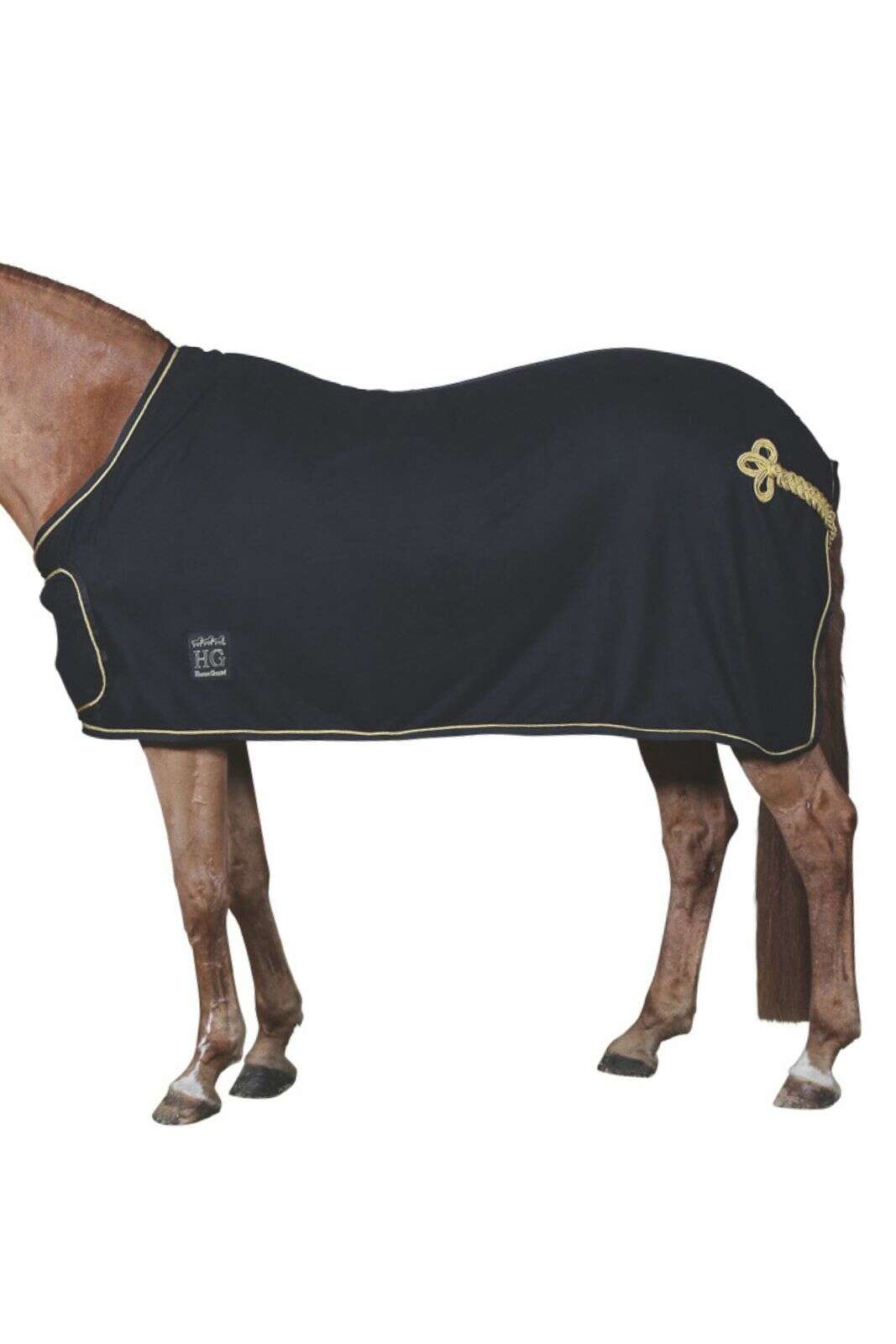
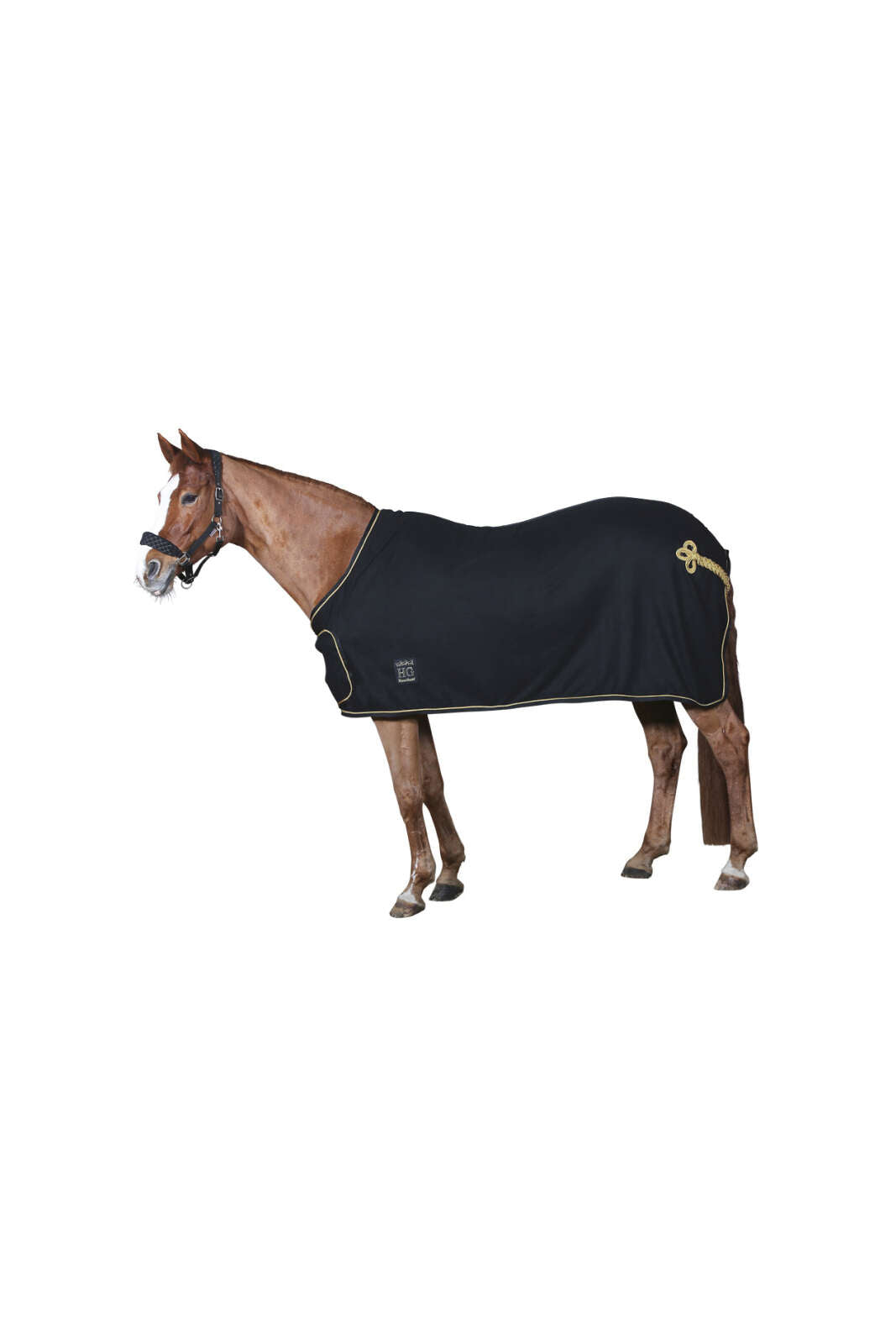
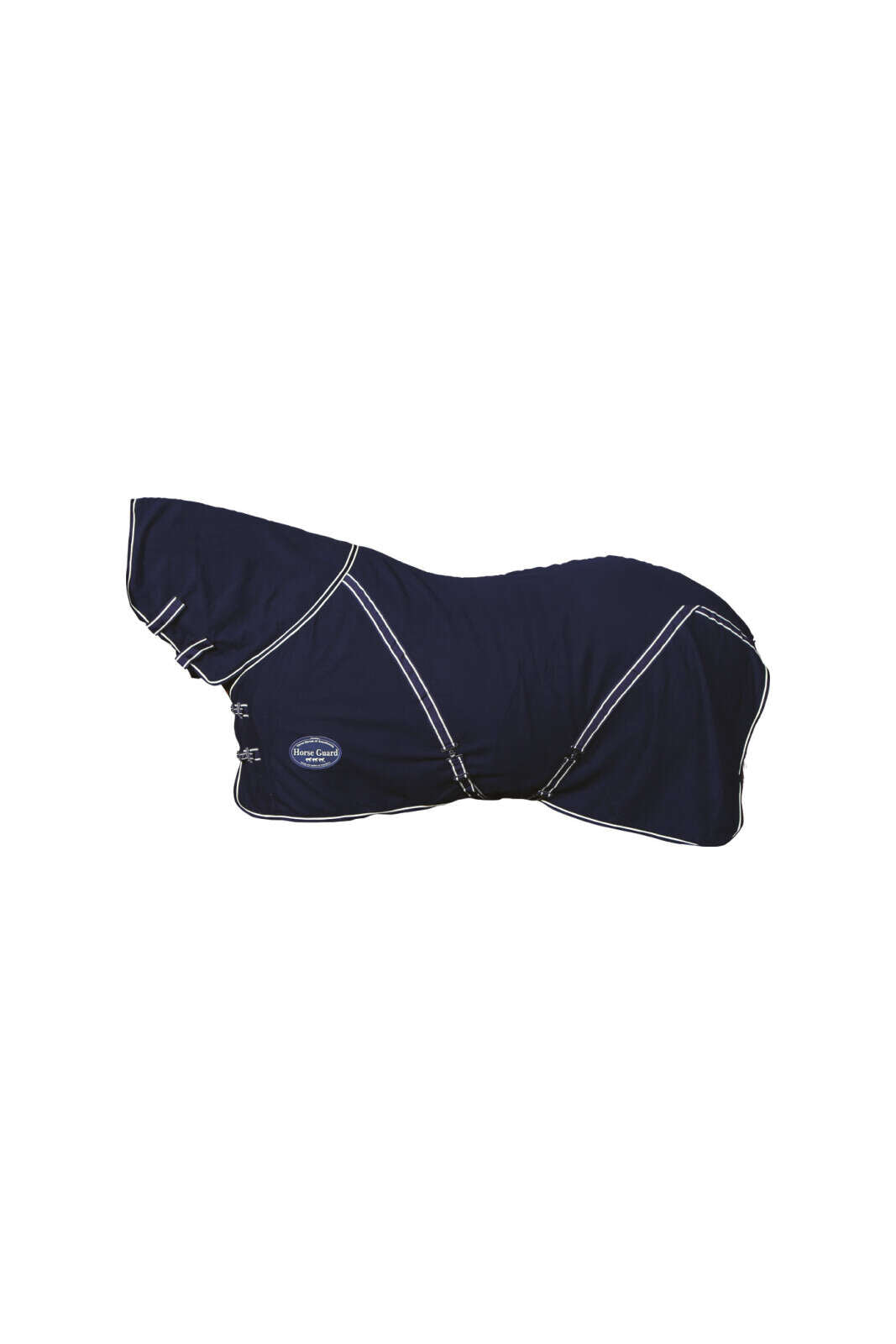
The difference mainly comes down to what the rug is intended to do. A traditional padded stable rug is the obvious choice when the horse needs more insulation in the stable. A fleece rug is lighter and can be more versatile—for example, for transport, competitions, after a bath, or as a light rug.
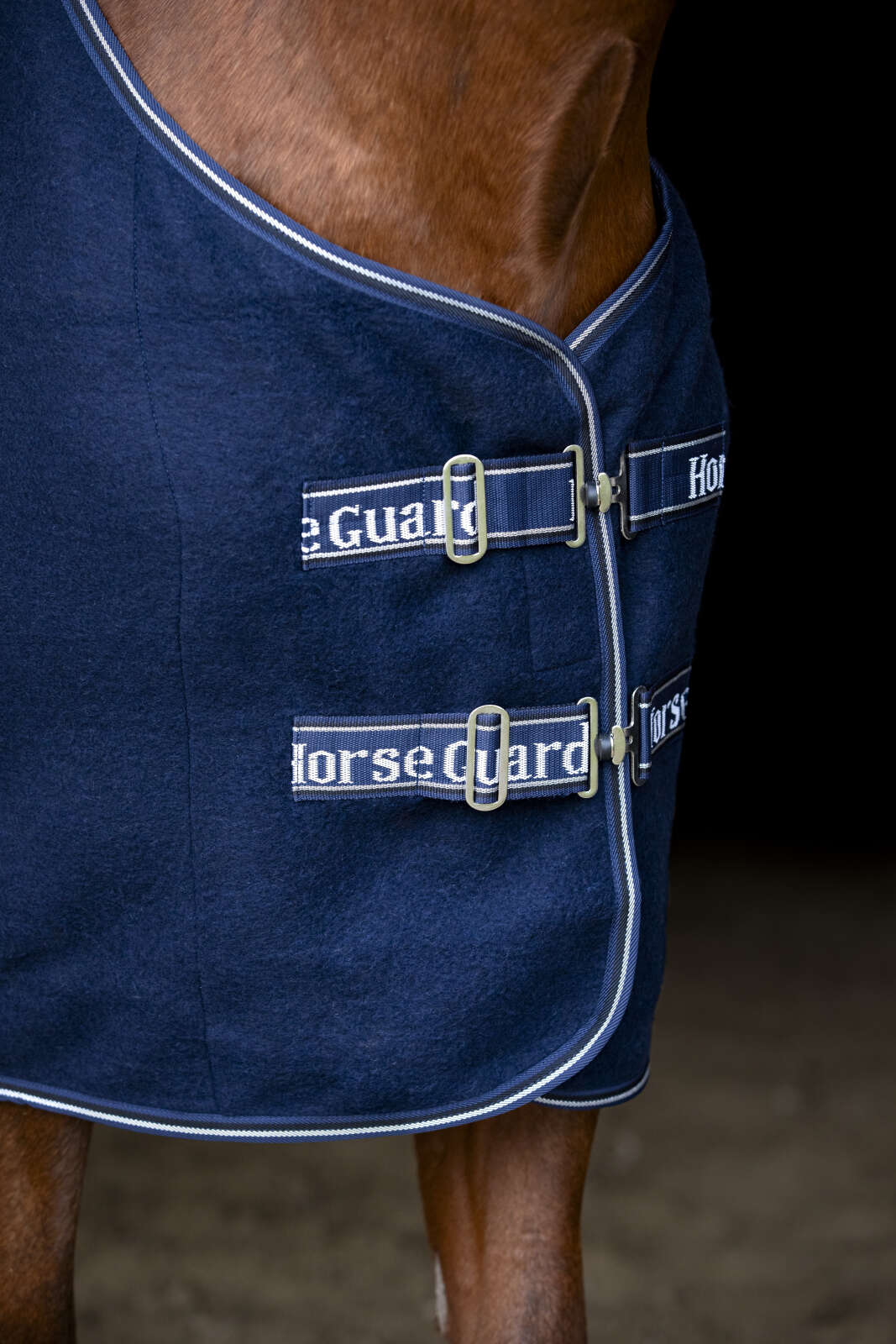
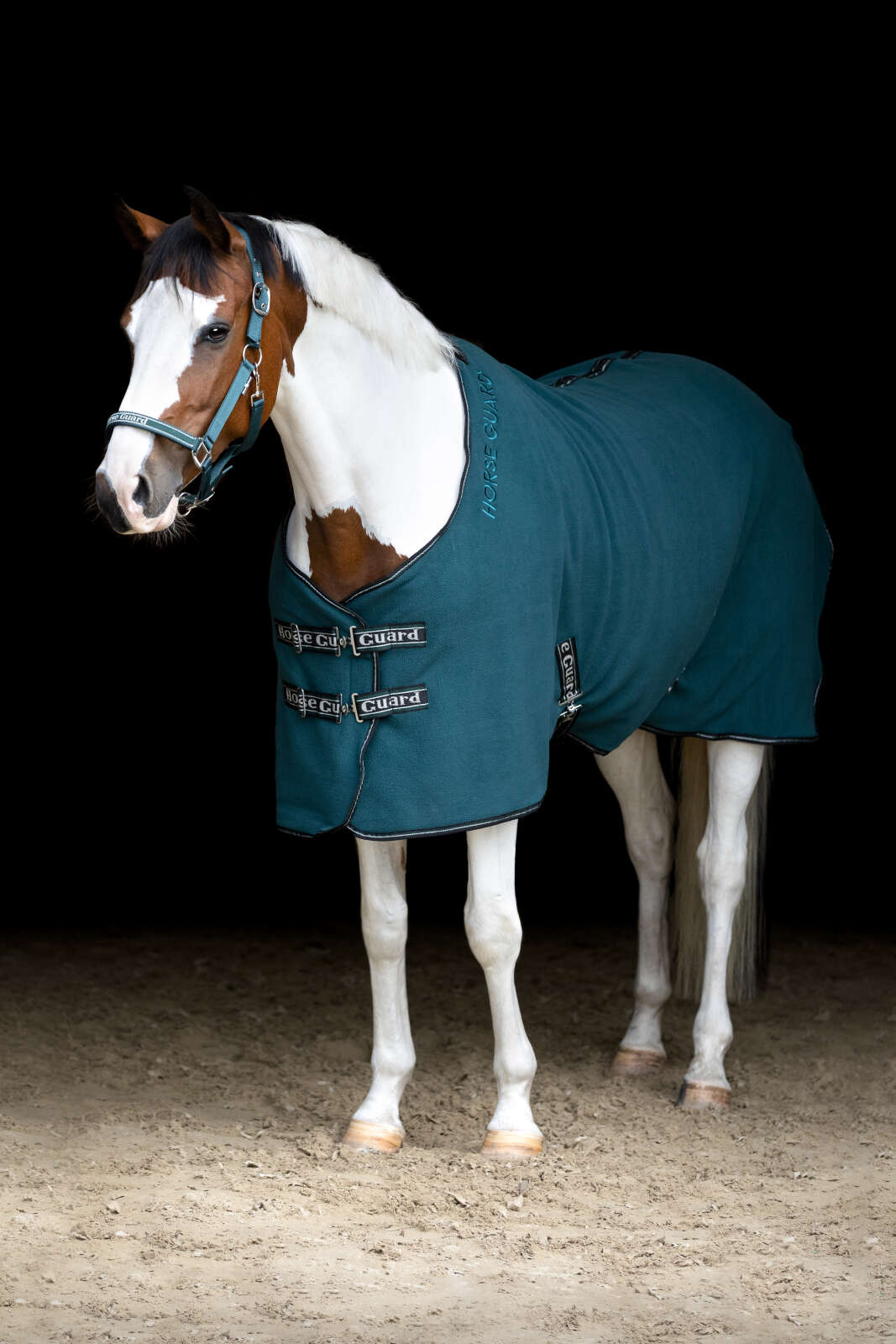
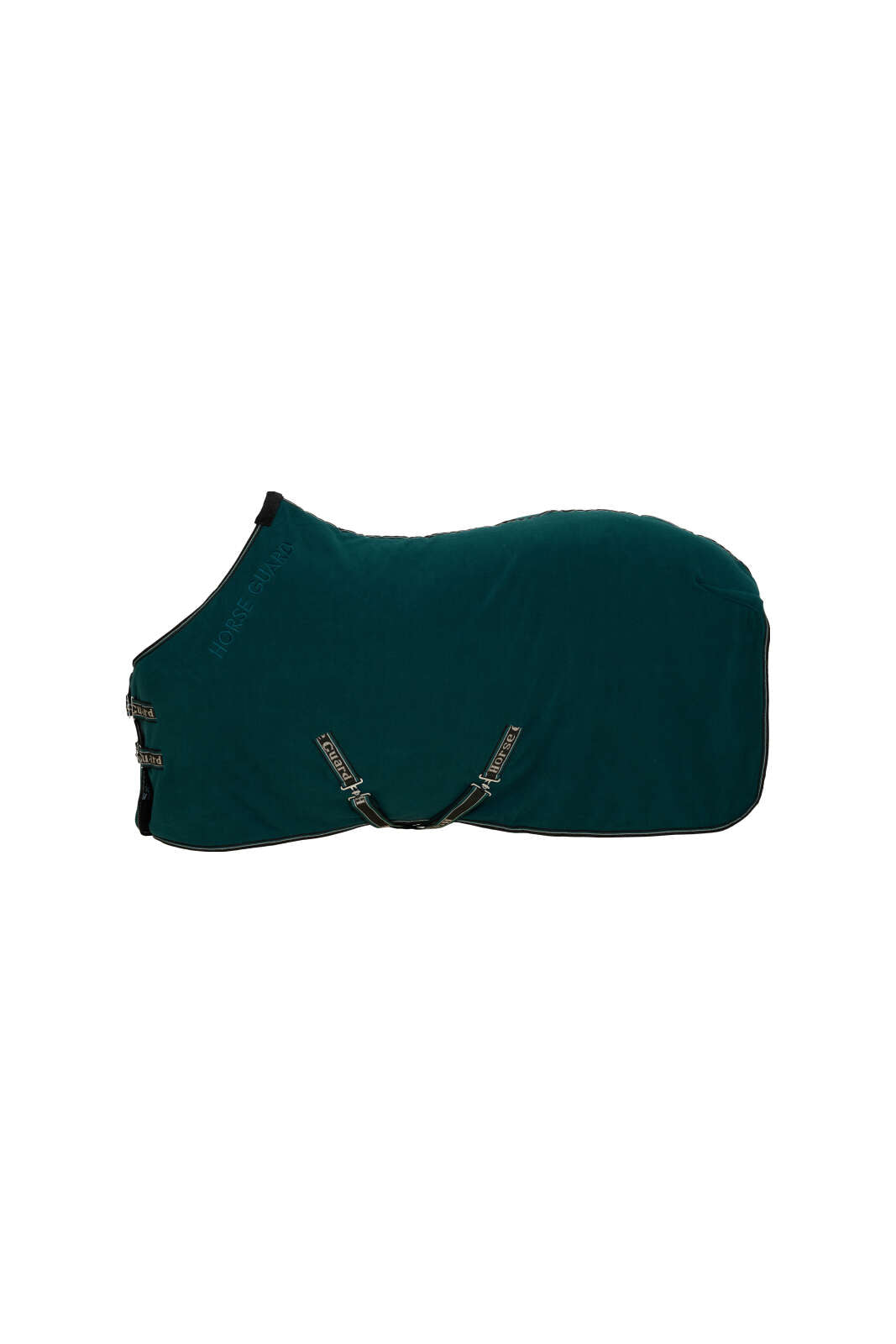
Horse Guard Layne is a good example. It’s made of 250 GSM fleece with a teddy lining and can be used in the stable, for transport, at competitions, and after a bath. If, on the other hand, your horse needs more insulation during a cold night in the stable, a padded stable rug is usually the better choice.
Which stable rug should you choose?
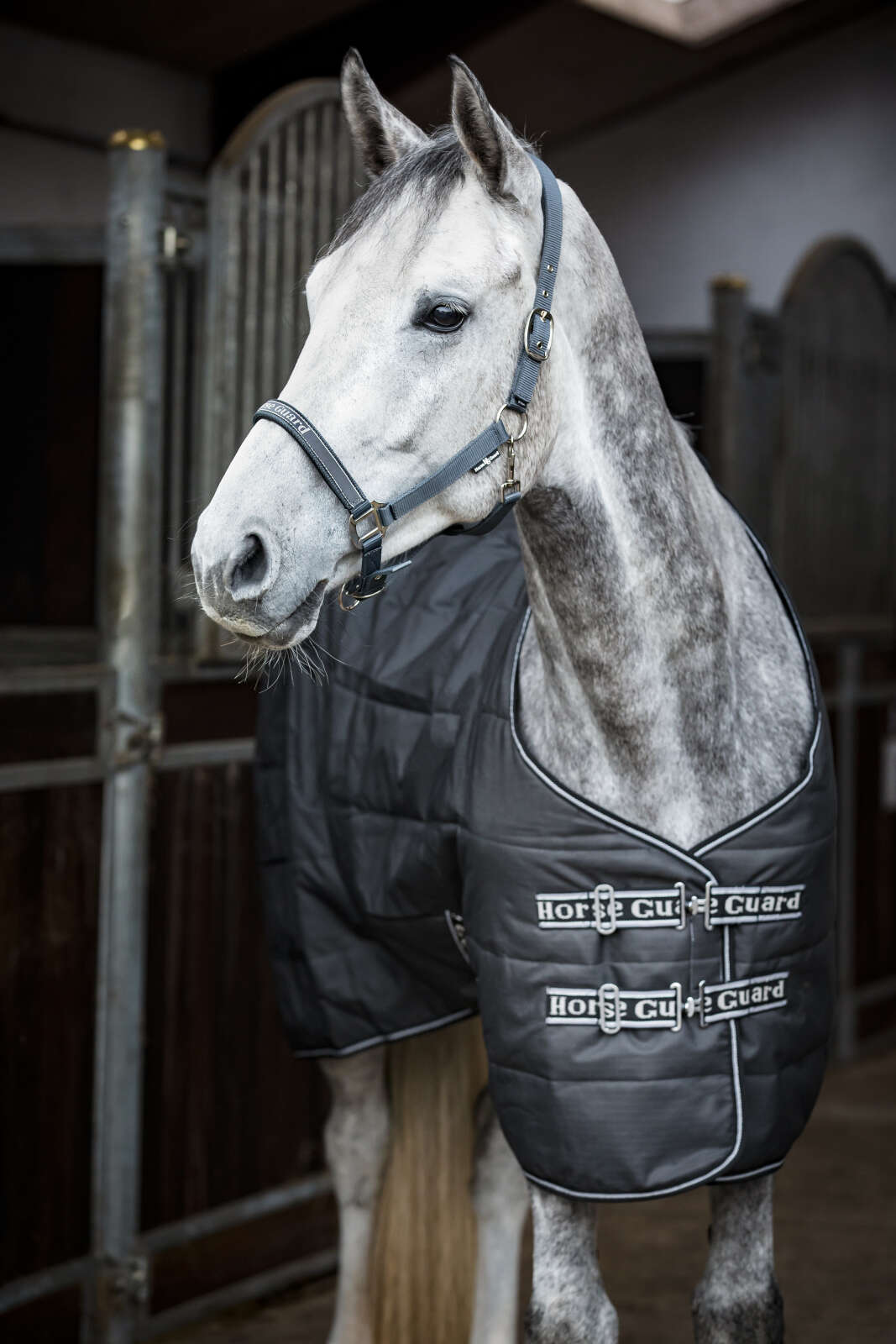
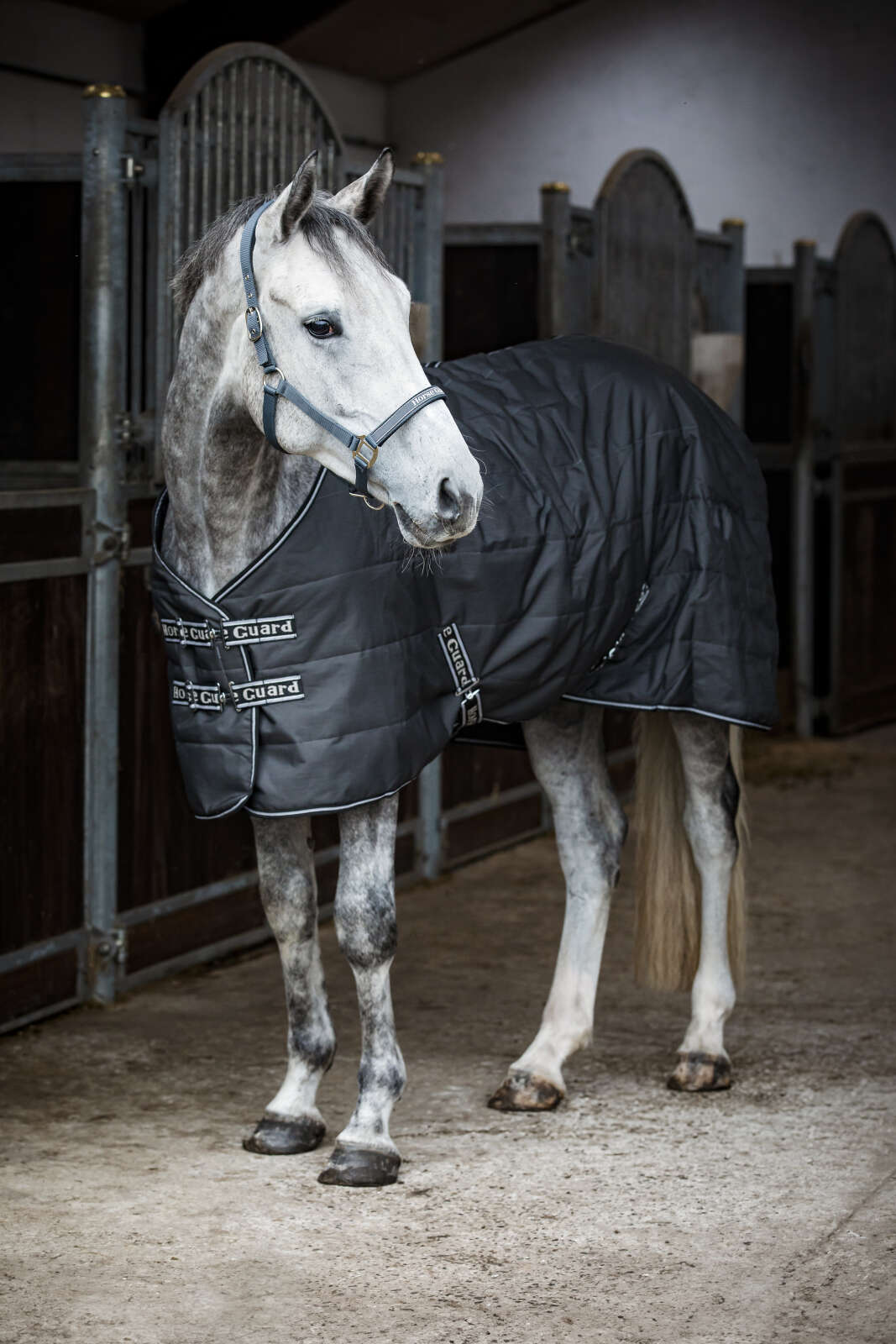
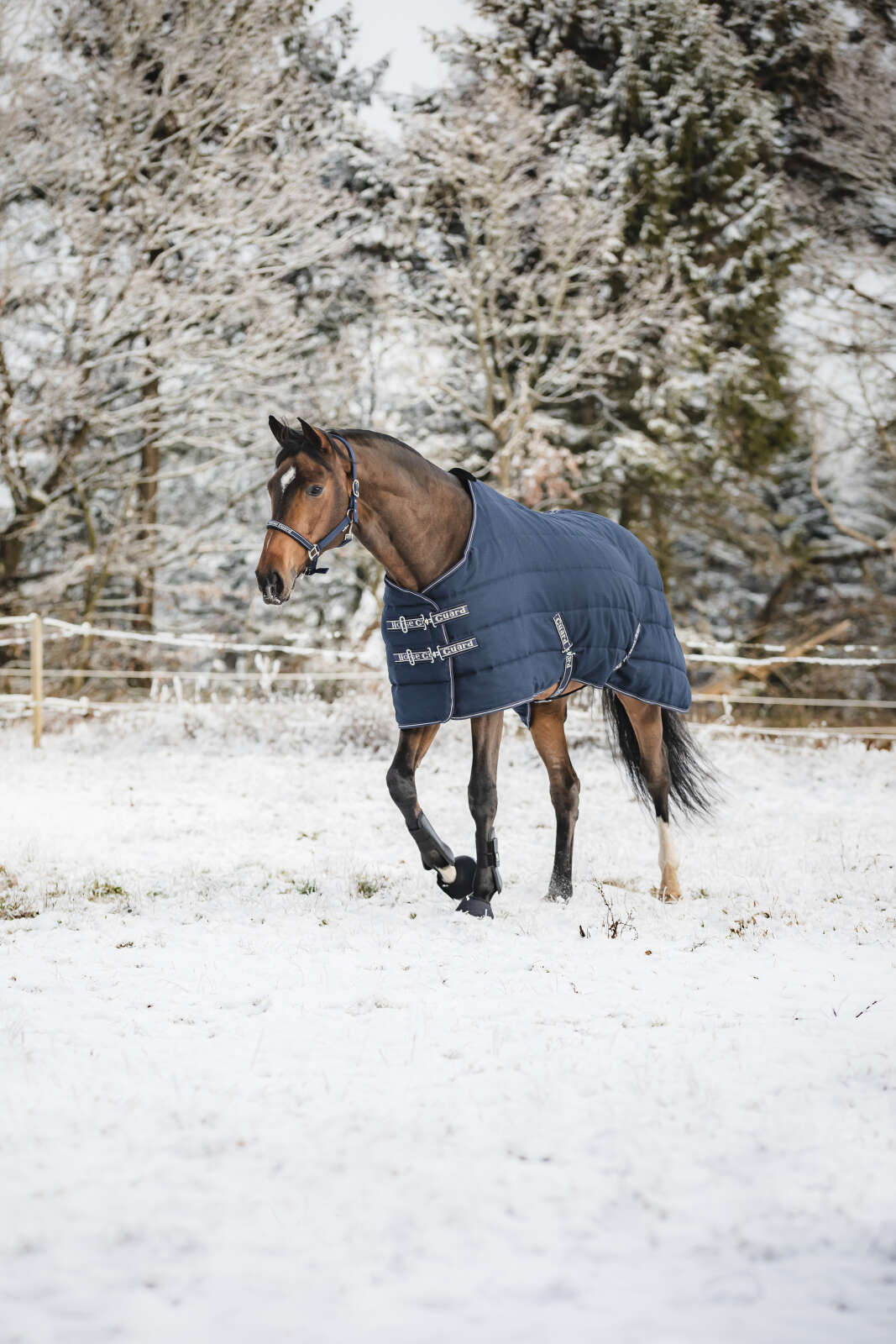
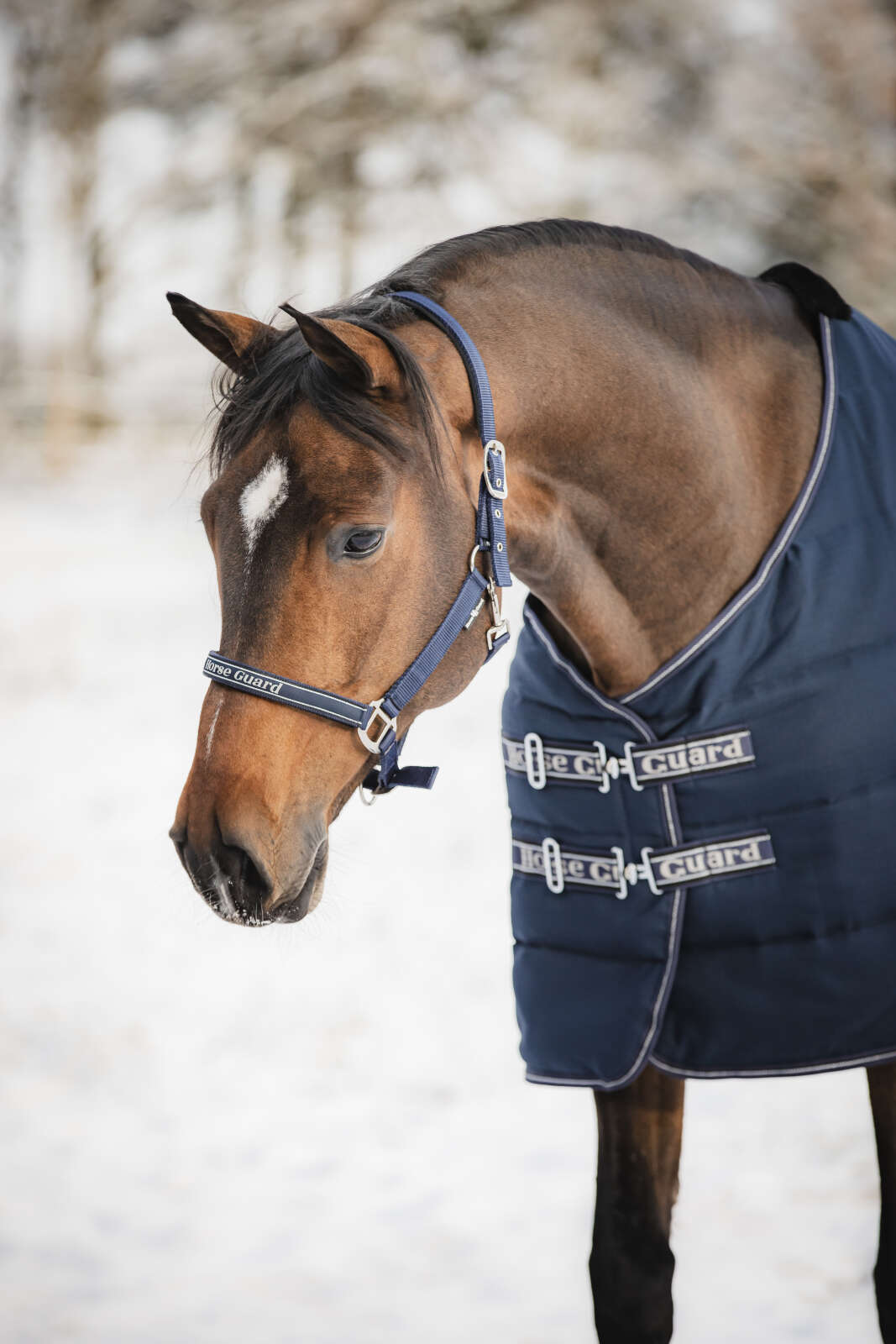
When comparing stable rugs, you’ll find them in various weights, such as 100 g, 200 g, and 300 g. The thickness indicates the amount of filling and thus the rug’s insulation—the more filling, the better the rug is at keeping the horse warm. Some models are available in multiple thicknesses. The Horse Guard Sophie, for example, is available with 100 g, 200 g, and 300 g of filling, so you can choose the level of insulation based on your horse’s needs without having to switch to a completely different type of stable rug.
But grams are a guideline, not a definitive answer. We don’t automatically recommend 300 g just because the calendar says it’s winter. Two horses can stand side by side in the same stall and have vastly different needs. That’s why there isn’t a one-size-fits-all stable rug that’s best for every horse. Many horses have many different needs, which is why you’ll find a wide variety of stable rugs on this page.
The 100 g stable rug - when your horse needs light insulation
A 100 g stable rug is a good option when your horse needs extra insulation, but a heavier rug would be too warm. This might be relevant, for example, during transitional periods, in a relatively warm stable, or for a horse that doesn’t have significant warmth needs.
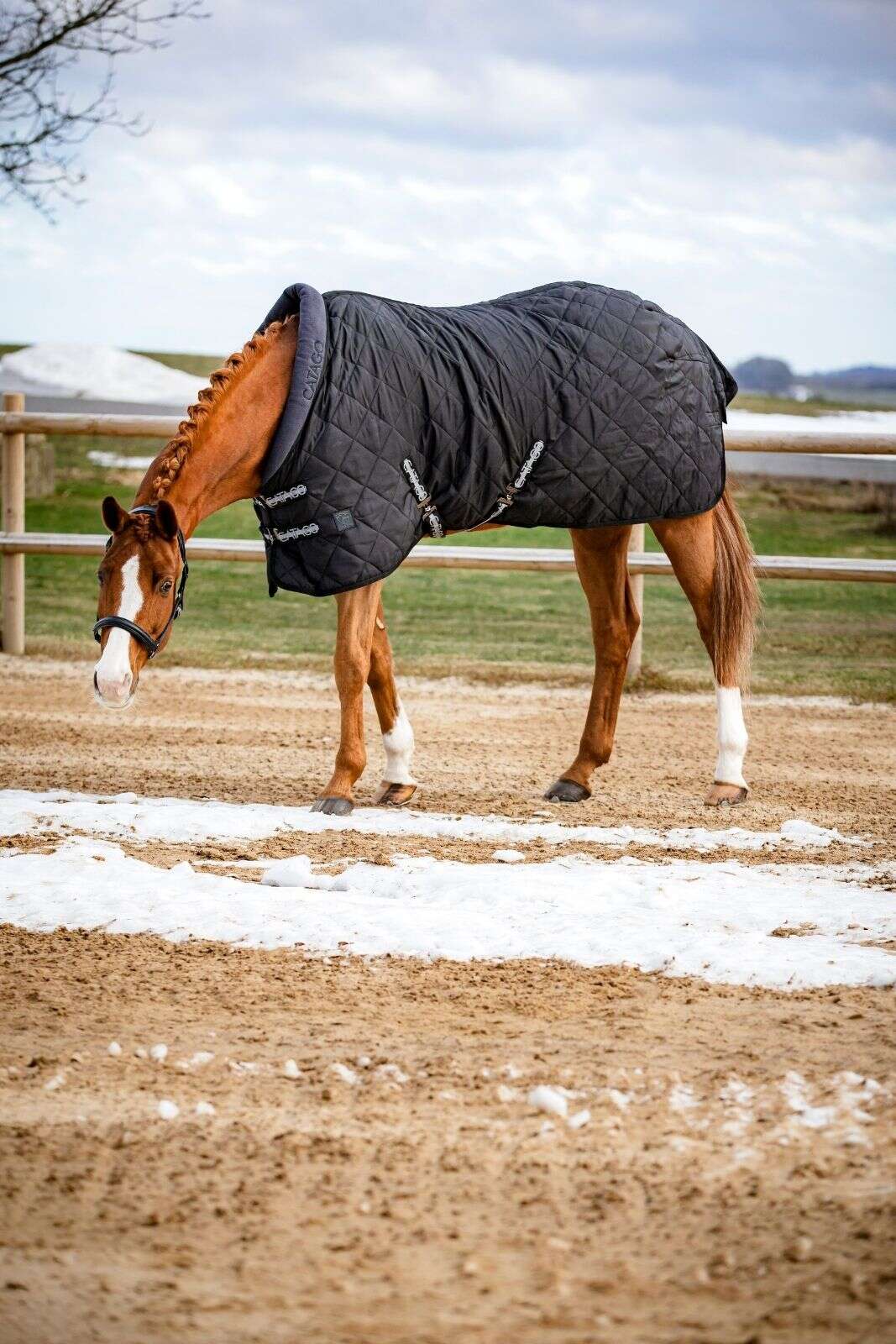
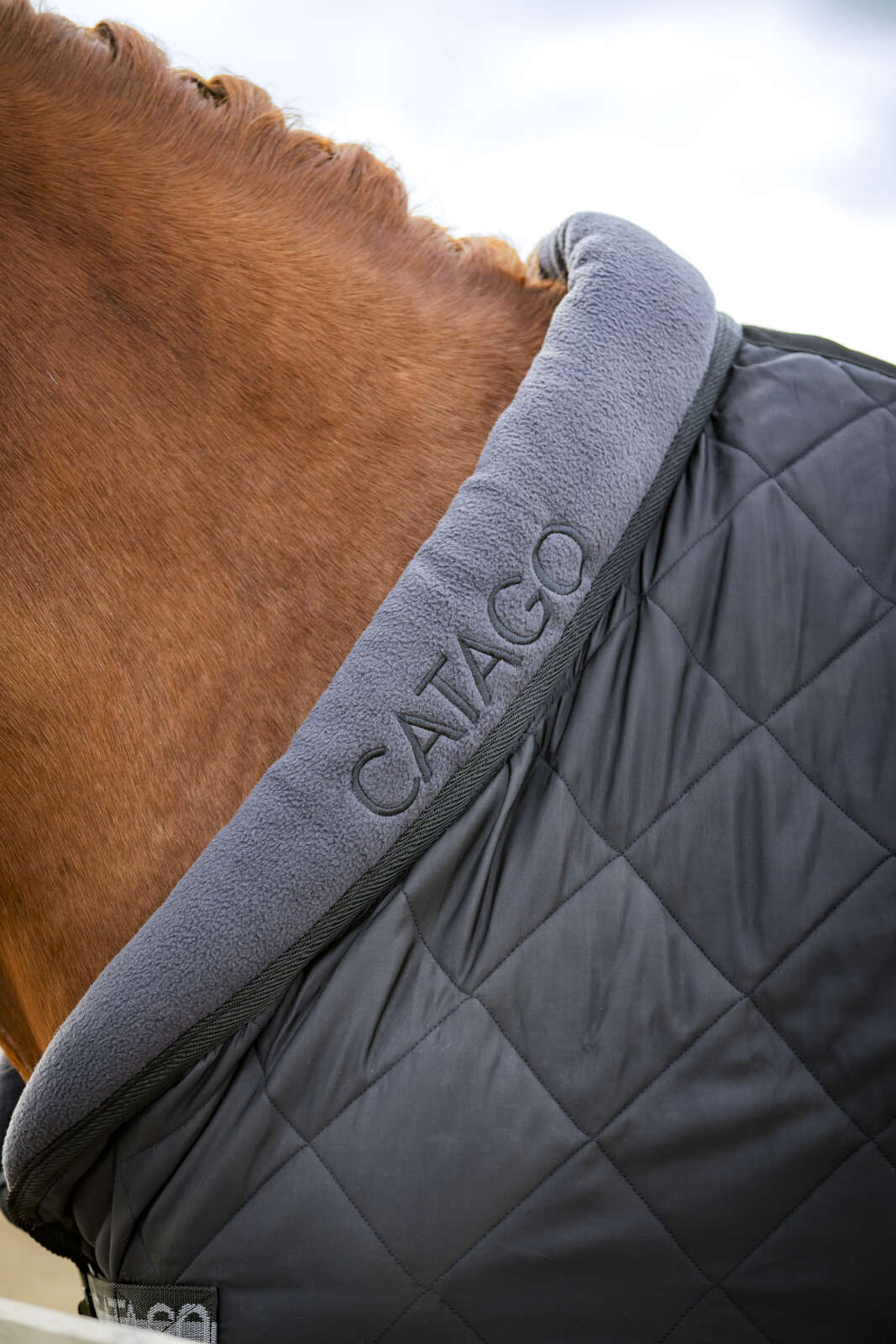
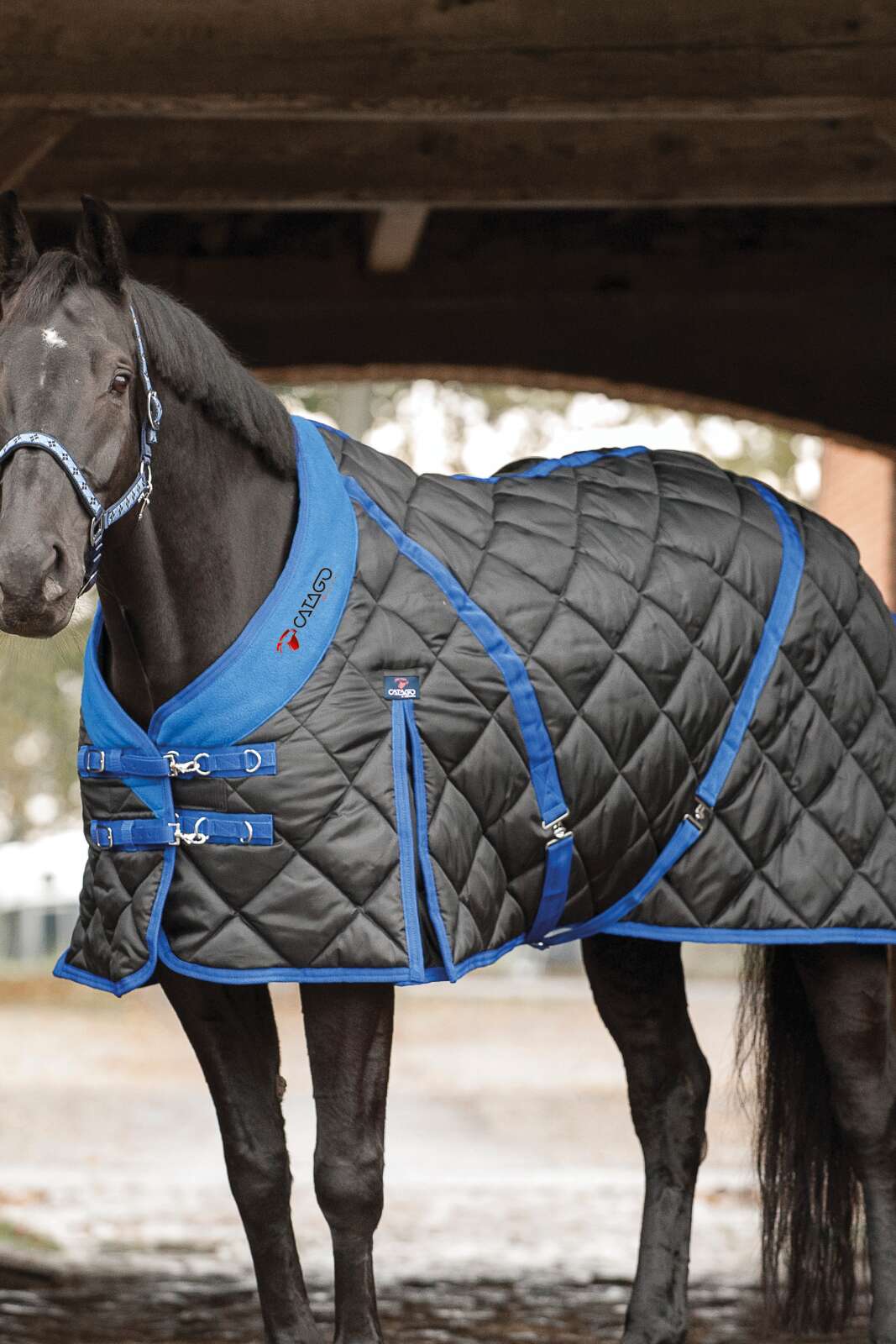
Both CATAGO Denver and Horse Guard Sophie come with 100 g of filling, so heat requirements alone do not determine the choice between them. Denver stands out in particular with its large, padded fleece collar, while Sophie is the simpler 100-gram option (also available in 200 g and 300 g). If you prioritize extra padding around the neck, we’d recommend the Denver; if you’re primarily looking for a classic, lightweight Stable rug, Sophie is the more obvious choice.
The key is not to think of 100 g as a rug for a specific temperature. Instead, think of it as the lighter end of the lined stable rugs and assess from there whether it’s right for your horse.
The 200-gram stable rug - when more warmth is needed
When 100 g isn’t enough, but a heavier winter rug is more than your horse needs, 200 g can be a natural middle ground.
The Catago Hybrid stable rug has 200 g of filling and stands out from the more classic models thanks to its technical construction. The lining features a graphene print designed to help distribute heat across the fabric’s surface, while the material is antistatic.
This makes the 200 g option appealing for horses with moderate to higher insulation needs, without automatically having to go all the way up to the warmest category.
The 300 g stable rug - for greater insulation needs
A 300 g stable rug provides more insulation and may be suitable during the colder winter months, in cold stables, or for clipped horses, for example, that have a greater need to stay warm.
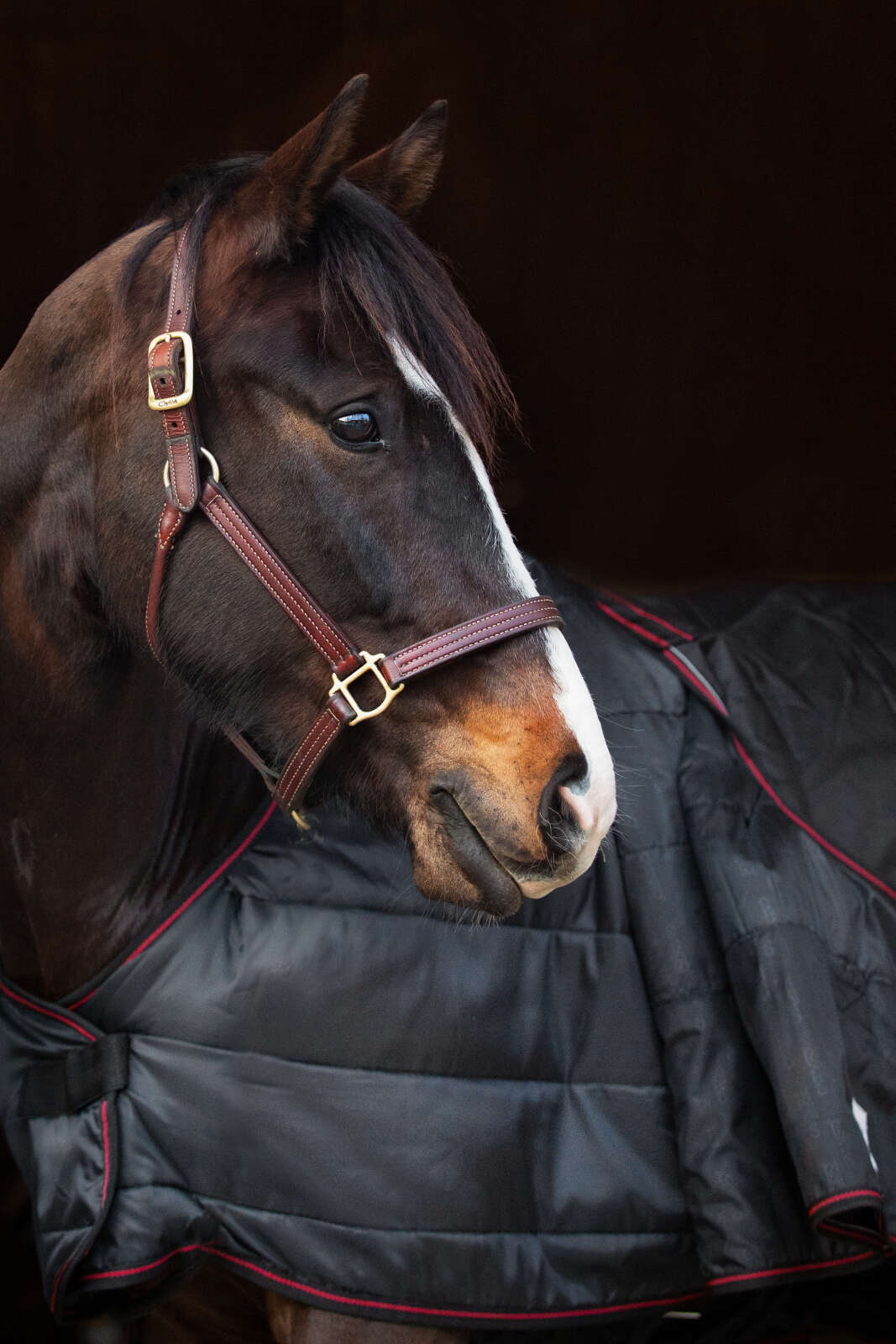
The Catago stable rug with 300 g filling features, among other things, a 420D outer material, a smooth lining, a walk-through slit, and a wide fleece collar. The smooth inner lining is also important for a rug the horse will wear for many hours, as you want as little unnecessary friction against the coat as possible.
However, our advice is not to choose the 300 g option “just to be on the safe side.” If you’re choosing between two thicknesses, we generally recommend starting with a slightly lighter one and keeping an eye on the horse rather than putting on a rug that’s too warm. A horse that gets too warm and damp under the rug won’t benefit from the extra insulation.
Clipped or unclipped horse - how much does the coat matter?
The coat is one of the most important factors when choosing a stable rug. A horse’s winter coat acts as natural insulation, and when the horse is clipped, some of that protection is removed.
That’s why a clipped horse will often need more help staying warm than a comparable unclipped horse. This is also one of the reasons why rugs become particularly important for many horses in the winter, when regular exercise can make a thick winter coat impractical.
However, a clipped horse does not automatically equate to 300 g. There are significant differences in clipping styles, stables, and horses. A partially clipped horse in a warm stable may have different needs than a fully clipped horse in a cooler stable.
Therefore, use the coat as just one of several factors. Feel the horse’s body under the rug and notice whether it feels comfortably warm or becomes very hot and damp. This way, you can adjust the thickness based on the actual horse rather than a standard chart. A good stable rug should keep the horse warm without causing it to overheat.
Fit is at least as important as thickness
There are many factors to consider when choosing a new stable rug. One of the most important is the fit. You can choose the right weight and still end up with the wrong stable rug if the fit isn’t right.
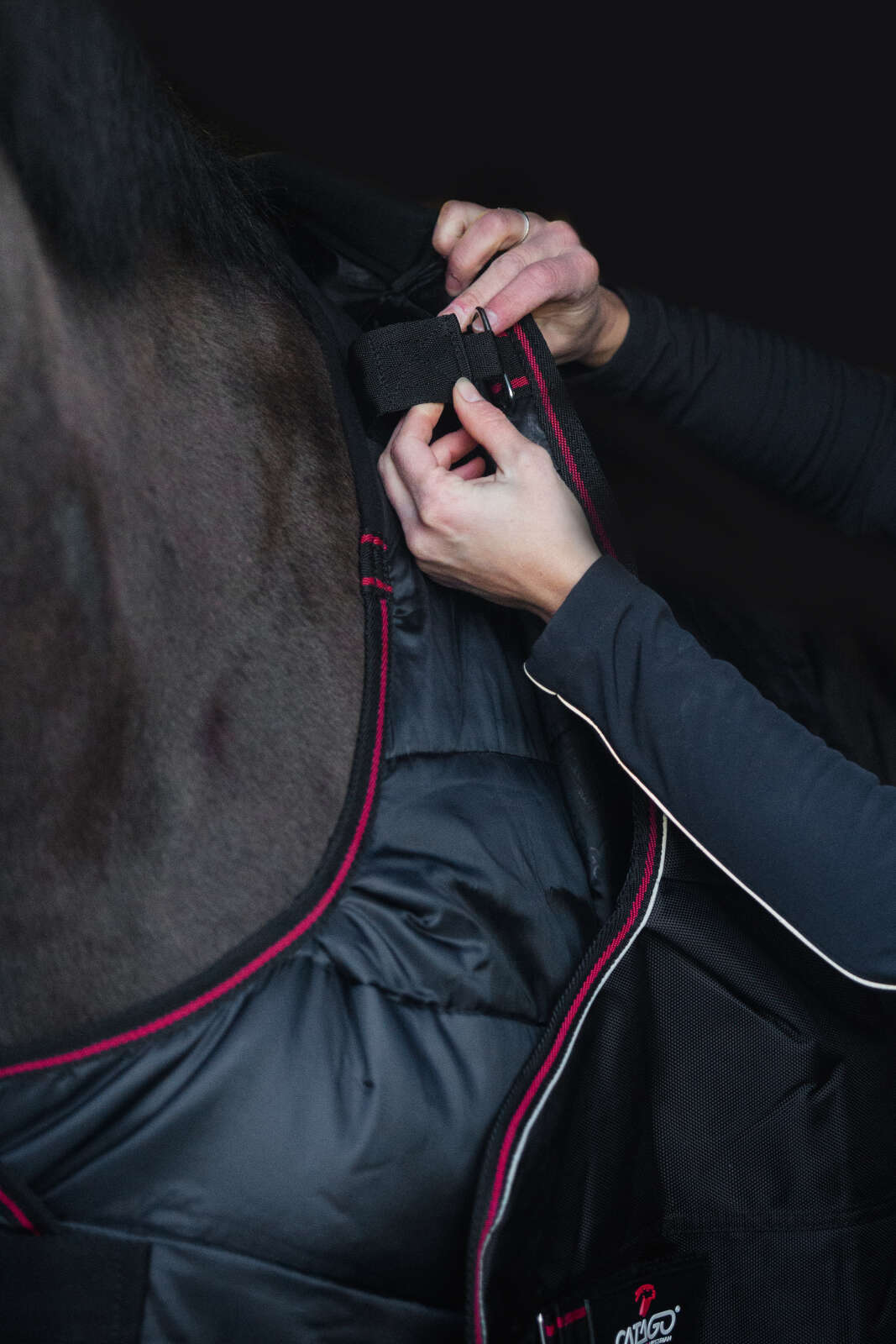
The rug should give the horse room to move its shoulders and to eat, rest, and lie down without unnecessary pressure. Pay special attention to the withers, shoulders, and neck. A rug that pulls backward or fits too tightly around the shoulders can cause friction and wear on the coat.
At the same time, the rug shouldn’t be so large that it slides around. The cross surcingles and any leg straps should be adjustable so that the rug stays in place securely without being too tight.
Details such as walk slits, a smooth lining, and soft collars are therefore not just design elements. They can affect how the rug functions when the horse is moving and wearing it for many hours.
Can a stable rug be used outdoors?
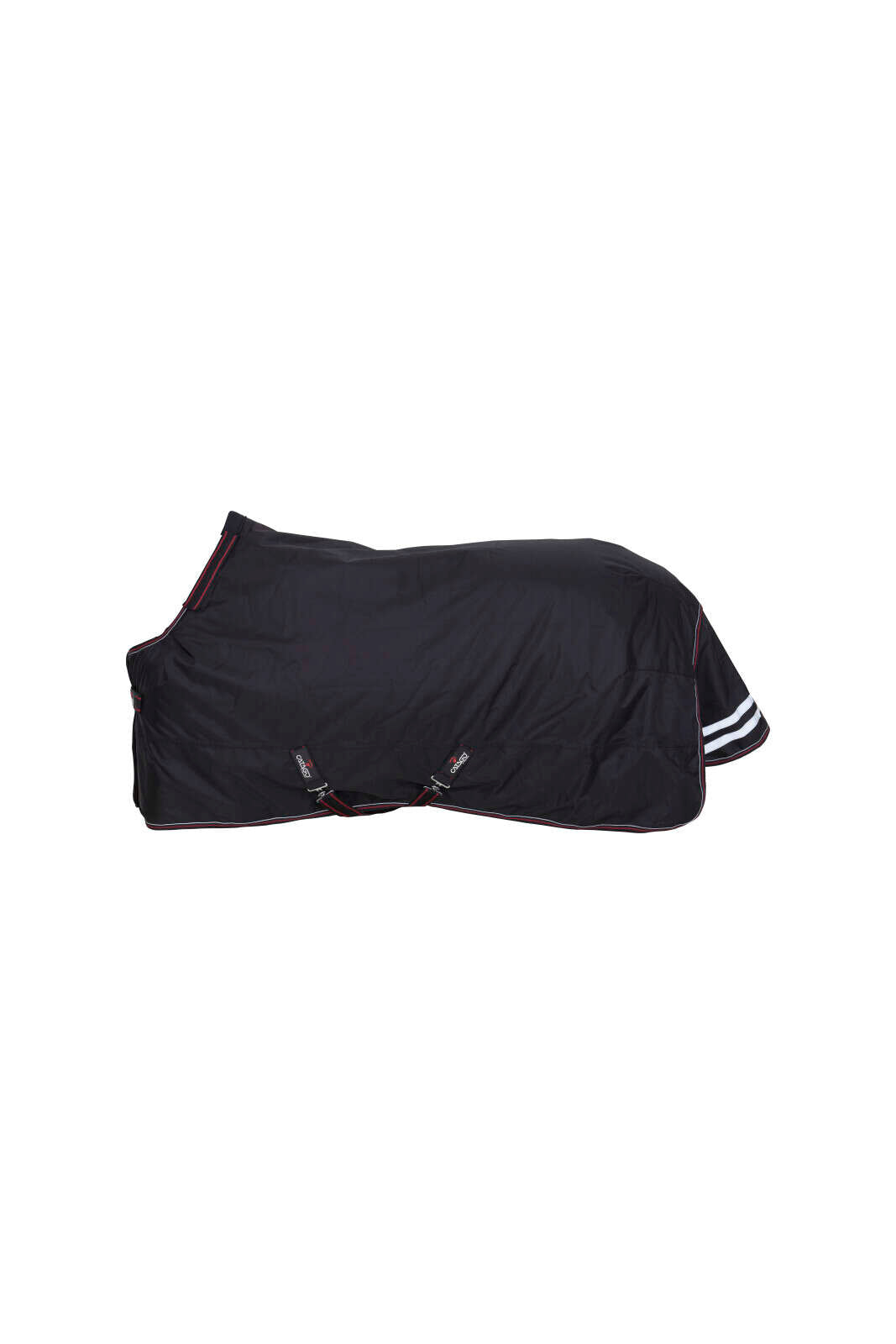
A classic stable rug is, as a general rule, not an outdoor rug and is therefore not suitable for outdoor use. Stable rugs are designed for the protected environment of the stable, and most stable rugs are not constructed to keep the horse dry in persistent rain or snow.
It is especially important to distinguish between water-repellent and waterproof. Just because a material can repel a little moisture does not mean the rug can replace a proper turnout rug in the paddock.
If your horse will be out in wet or changeable weather, you should therefore choose from our turnout rugs, which are designed specifically for that purpose. When the horse returns to the stable, a clean and dry stable rug also allows you to hang a wet or muddy outdoor rug to dry.
When does a specialized rug make sense?
Not all rugs fit into a simple classification of 100, 200, and 300 g. Some models are designed for riders who want features other than just more or less insulation.
The Catago Dual Pro is a good example. It combines an outer and inner rug into a flexible system, where the included 100 g liner can also be used separately as a stable rug. If you already have outdoor rugs that work well and only need a rug for the stall, a dedicated stable rug is often the simpler solution. If, on the other hand, you want a system that can be adapted to multiple situations, the Dual Pro becomes a more appealing option. In addition, rugs from Catago are always top quality, so you can be sure your horse is protected from the cold while still enjoying good breathability.
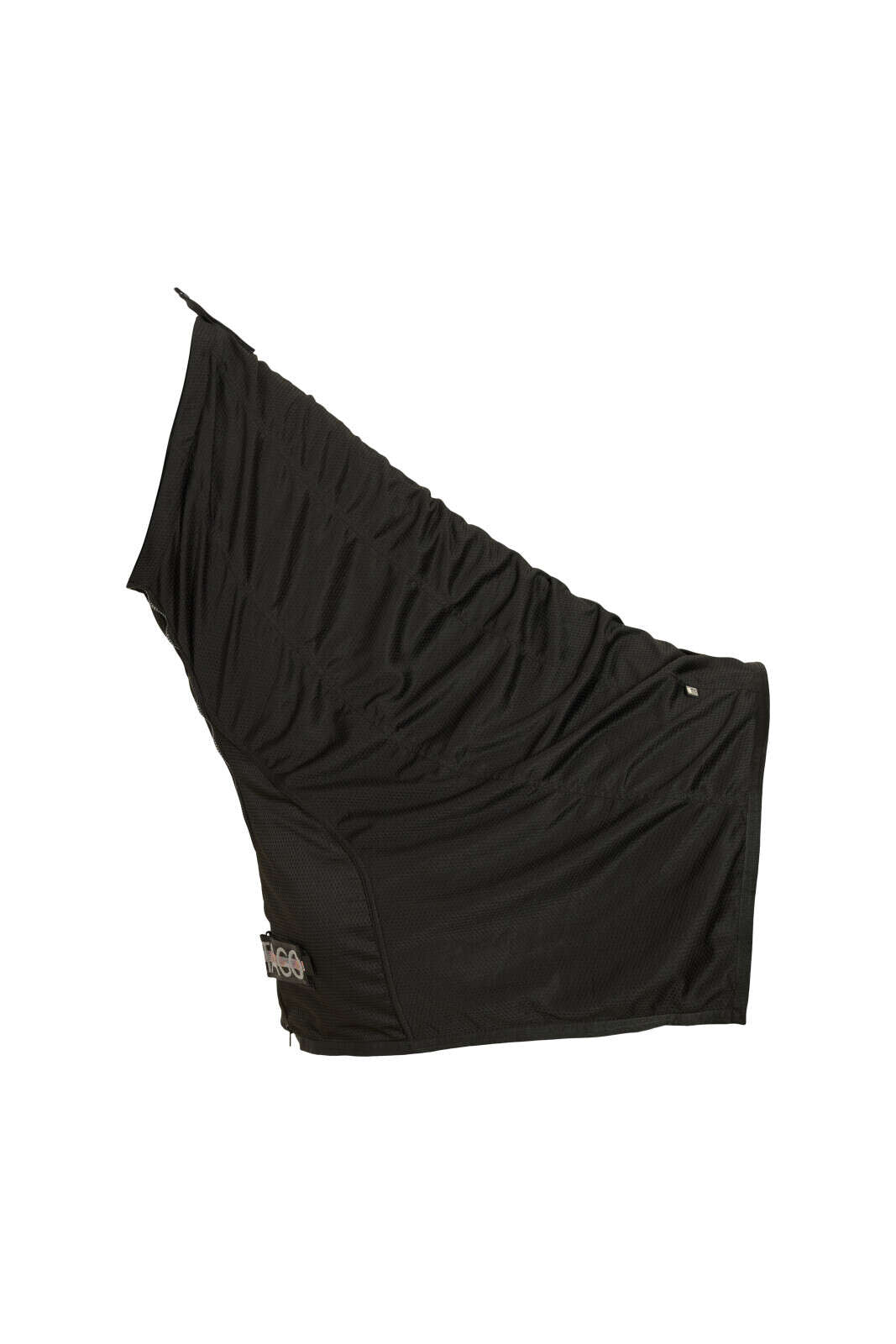
The Catago FIR-Tech rug is another type of specialized solution. Here, the focus is on the FIR-Tech material and its placement over the horse’s major muscle groups rather than solely on traditional weight. This makes the model worth comparing to standard stable rugs if you’re specifically looking for the features the FIR-Tech series was designed around.
Find stable rugs for all horses at Unamari
The right stable rug isn’t necessarily the thickest one. Start with your own horse: Is it clipped? How thick is its coat? How warm is it in the stable? And is the rug primarily meant to provide warmth, or do you need a lighter option for, say, transport and competitions?
At Unamari, you’ll find both Catago and Horse Guard rugs for both winter and summer, ranging from fleece and lightweight 100-gram models to warmer stable rugs with 200- and 300-gram fillings. When you combine the right thickness with a good fit and regularly monitor your horse’s temperature, you’ll be much better equipped to choose a rug that meets your horse’s individual needs.